



You don't need an Apple TV to share your iPhone screen with a Google TV-powered projector. While full native AirPlay mirroring requires compatible hardware, several practical methods let you cast photos, videos, supported streaming content, and even certain apps directly to your projector without extra Apple devices. For more on this topic, see How to Stream PC Games to Your Smart Projector Wirelessly. For more on this topic, see How to Use AirPlay with a Projector.

The key is understanding the difference between Google Cast, app-based streaming, and traditional AirPlay. Most Google TV projectors excel at receiving casts from compatible apps and services, making them a solid choice for Apple users who prefer wireless convenience. However, results depend on your specific projector model, network stability, and the content you're sharing.
This guide walks through the easiest wireless and wired options, complete with setup steps, troubleshooting tips, and a comparison to help you choose the right approach for your needs.
Why Your iPhone Can Work with a Google TV Projector Without Apple TV
Many users assume an Apple TV is required to cast from an iPhone, but that's not the case. As this official Google guide explains, you can connect an iPhone to a Google TV device with the Google TV app to browse, control, and cast supported content.
Google TV devices receive casts through the Google Cast framework, which operates independently of Apple's ecosystem. This means compatibility depends on the projector's built-in receiver support rather than owning an Apple TV. Google's casting documentation confirms that casting from a device to Google TV uses this separate protocol.
That said, full-screen mirroring via AirPlay works only with AirPlay-compatible devices. Apple's AirPlay support page notes that AirPlay is designed for Apple TV, compatible smart TVs, and Macs, so projector support varies by model. Many Google TV projectors lack native AirPlay, which is why alternative methods become important. For more on this topic, see Smart Projector Auto-Correction: How ISA Works.
Understanding the Main Casting Methods
Before diving into steps, it's helpful to distinguish the approaches:
- App-based casting: Uses built-in cast buttons in supported apps (YouTube, Netflix, Disney+, etc.) to send specific content to the projector.
- Google TV app casting: The dedicated Google TV app on your iPhone lets you browse libraries and cast eligible movies or shows. Google's iOS casting guide details how this works for compatible content.
- Wireless mirroring: Attempts to mirror your entire iPhone screen, which may require third-party apps or AirPlay support.
- Wired connection: Uses a Lightning or USB-C to HDMI adapter for reliable, lag-free display of any content.
The method that works best depends on what you're trying to share and how much setup friction you're willing to accept.
Method 1: Cast Supported Content Using Apps or the Google TV App
This is often the simplest wireless option for photos, videos, and streaming services.
- Ensure your iPhone and the Google TV projector are on the same Wi-Fi network.
- Download the Google TV app from the App Store if you haven't already.
- Open a supported app like YouTube, Netflix, or Photos on your iPhone.
- Look for the Cast icon (a rectangle with Wi-Fi waves) and tap it.
- Select your Google TV projector from the list of available devices.
- The content should begin playing on the projector while your iPhone acts as a remote.
For library browsing, the Google TV app itself lets you cast eligible movies and shows directly. This approach avoids full-screen mirroring and works well for family movie nights or photo sharing.
Note that DRM-protected content from some streaming services may have limitations or require specific app versions.
Method 2: Use Third-Party Apps for Broader Wireless Mirroring
When native casting isn't enough, third-party apps can help bridge the gap.
Popular options include apps that use screen mirroring protocols compatible with Google Cast receivers. Search the App Store for "screen mirror" or "cast to TV" tools that specifically mention Google TV or Chromecast support.
Setup typically involves:
- Installing the app on your iPhone
- Granting necessary permissions for screen recording and local network access
- Connecting to the same Wi-Fi network as your projector
- Following the app's pairing instructions
These apps can enable more flexible mirroring, but performance varies. Expect possible lag during fast-moving content or games, and some services block screen sharing due to copyright protection.
Method 3: Wired Connection Using an Adapter (Most Reliable Fallback)
If wireless options prove unreliable, a direct cable connection provides consistent results. Apple's guide to connecting iPhone to a display recommends using the appropriate adapter or cable when wireless mirroring isn't available.
You'll need:
- A Lightning to HDMI adapter (for older iPhones) or USB-C to HDMI adapter (for newer models)
- An HDMI cable
Steps:
- Plug the adapter into your iPhone.
- Connect the HDMI cable from the adapter to the projector's HDMI port.
- Switch the projector input to the correct HDMI source.
- Your iPhone screen should mirror automatically.
This method supports any app or content without network dependency and eliminates lag. Apple's adapter support page provides additional help if you encounter issues with specific adapters.
How to Choose the Right Method: Comparison Overview
Different approaches suit different scenarios. Here's a helpful visualization of relative fit across common use cases:
Casting Method Fit by Content and Scenario
Relative fit across content types and use scenarios
View chart data
| Series | Photos | Videos | Streaming | Apps | Quick Share | Full Mirror | Stable Movie Night |
|---|---|---|---|---|---|---|---|
| App-based Casting | 5.0 | 4.0 | 4.0 | 2.0 | 5.0 | 2.0 | 2.0 |
| Wired HDMI Adapter | 4.0 | 5.0 | 3.0 | 5.0 | 3.0 | 5.0 | 5.0 |
| Third-party Apps | 4.0 | 3.0 | 3.0 | 3.0 | 4.0 | 3.0 | 4.0 |
Illustrative compatibility ratings synthesized from the article's evidence: app-based casting works best for supported app content; wired HDMI is the most reliable fallback for full mirroring and movie-night stability; third-party apps sit in between but are more variable. Ratings are relative, not measured, and reflect supported-content limits, DRM constraints, and the lack of native AirPlay support on most Google TV projectors.
These scores represent relative strengths based on official support documentation and common user experiences. App-based casting shines for quick sharing of supported content, while wired connections offer the most consistent performance across all scenarios.
Setup Checklist Before You Begin
To avoid common frustrations:
- Confirm both devices are on the same Wi-Fi network (2.4GHz often provides better compatibility than 5GHz for casting).
- Update your iPhone and projector firmware to the latest versions.
- For Google Cast, grant Bluetooth and local network permissions as noted in Google's iPhone setup guidance.
- Check your projector's specifications for explicit casting or AirPlay support.
- Test with simple content like Photos first before trying protected streaming apps.
If your projector is an XGIMI model with Google TV, refer to their smartphone connection guide for model-specific tips. For more on this topic, see How to Update Your Smart Projector's Firmware for Optimal Performance.

Troubleshooting Common Issues
Device not appearing: Restart both your iPhone and projector. Ensure permissions are granted and they're on the same network. Network issues are a frequent culprit, as covered in Apple's mirroring troubleshooting.
Lag or poor quality: Try switching to a 2.4GHz network, reduce the distance between devices, or switch to wired connection for stability.
Content not playing: Some apps block mirroring due to DRM. Use the app's native cast button instead of full screen mirroring.
USB-C connection problems: If attempting direct wired connections without HDMI, see this troubleshooting guide for detection issues.
No sound: Verify the projector is selected as the audio output in your iPhone's Control Center after connecting.
When Wireless Might Not Be Worth It
Wireless casting without Apple TV works well for many casual uses, but there are cases where it may not be ideal. If you frequently need to mirror arbitrary apps, experience inconsistent Wi-Fi, or require zero-latency performance, a wired adapter or considering AirPlay-compatible hardware might be more practical.
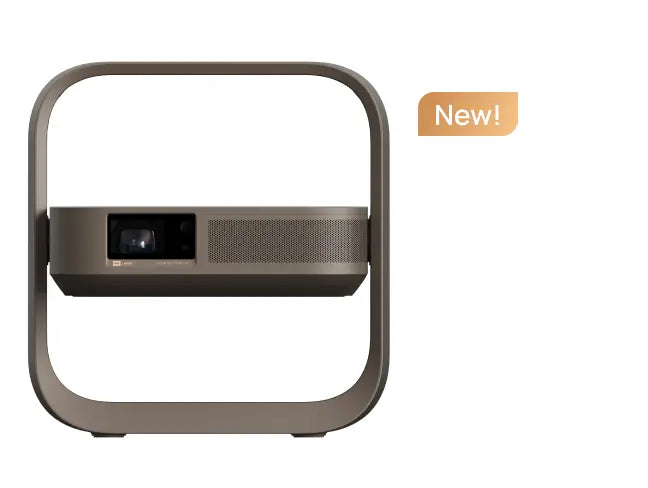
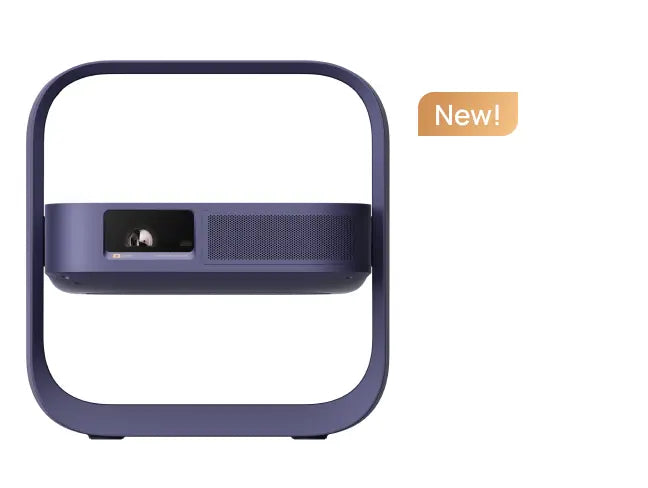
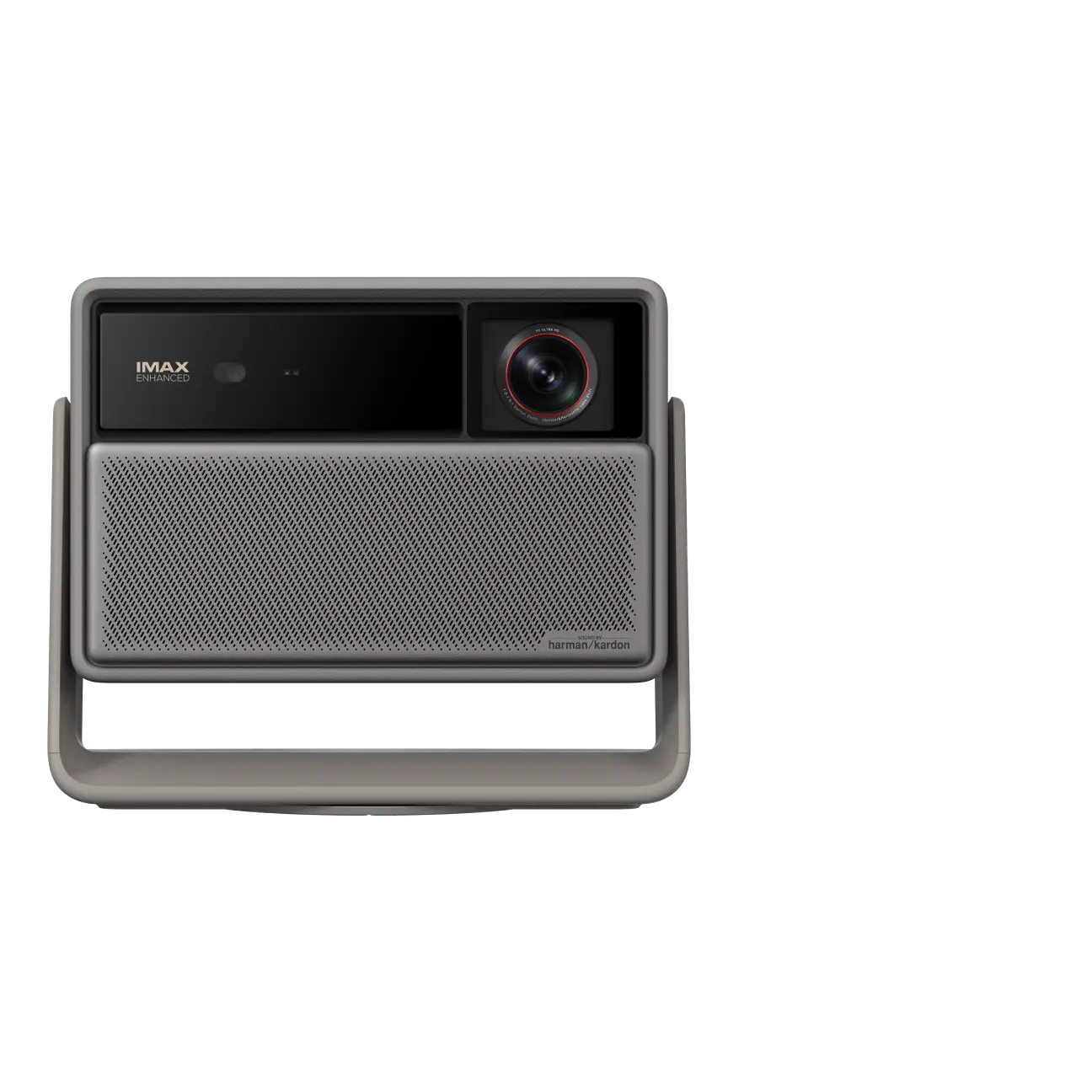
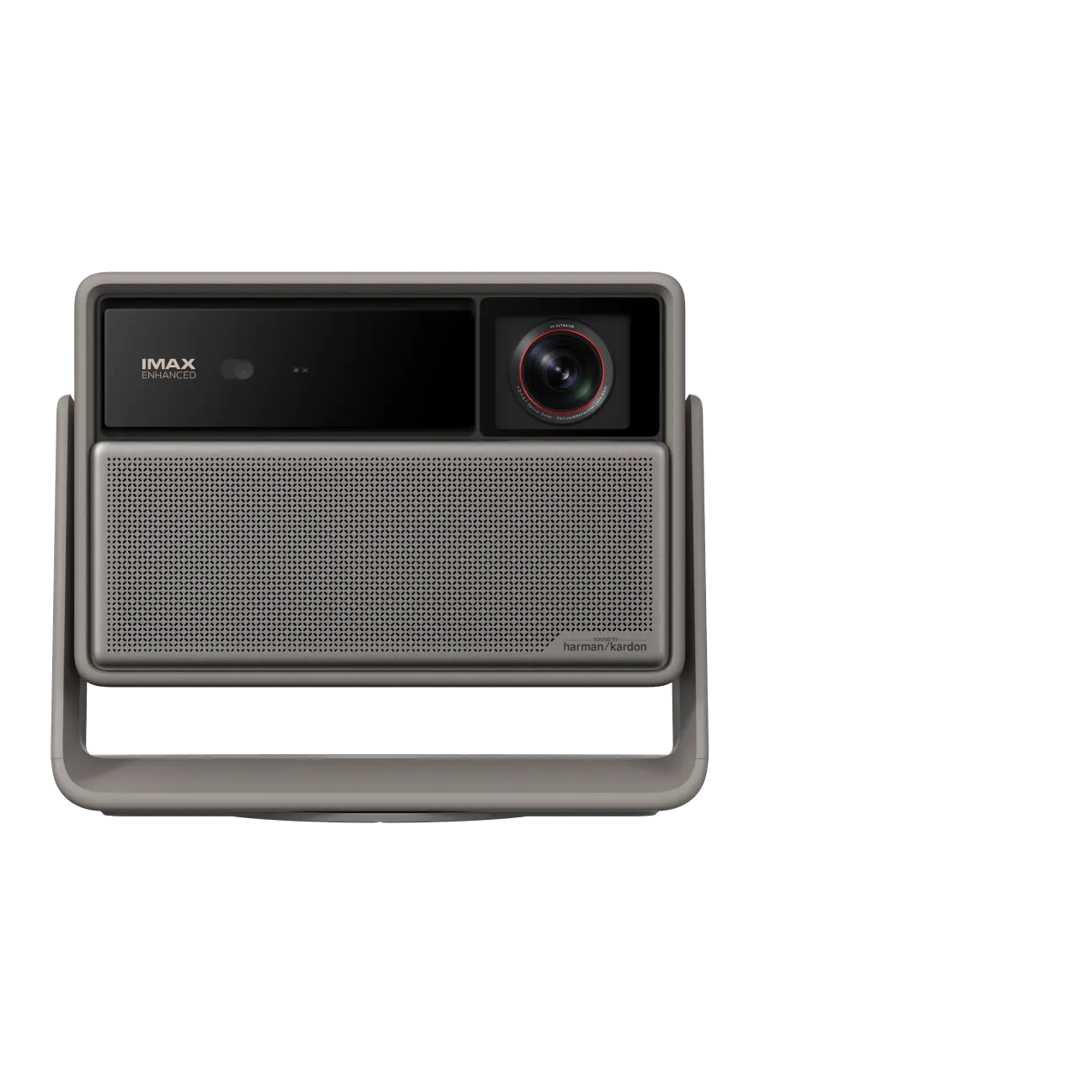
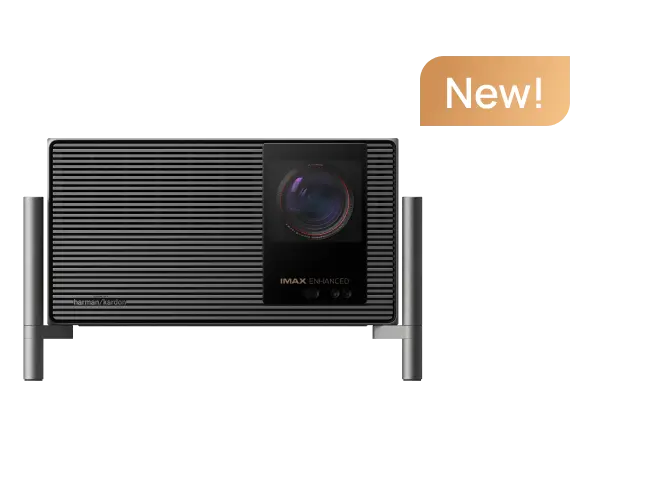
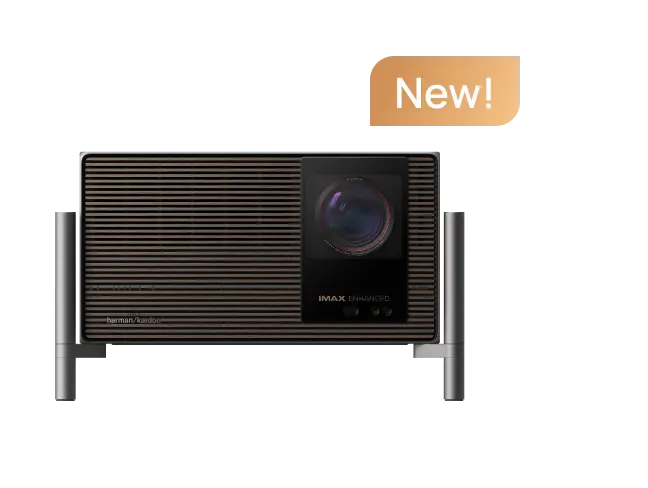
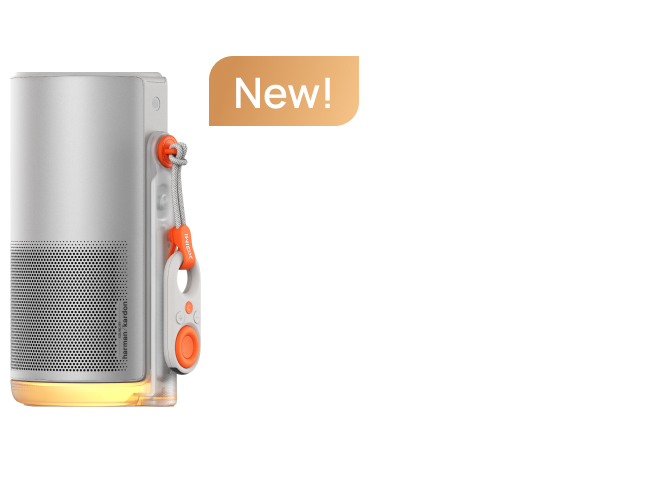
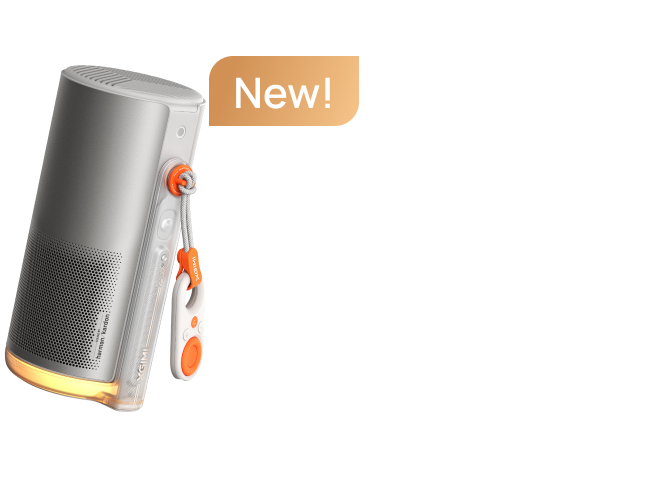
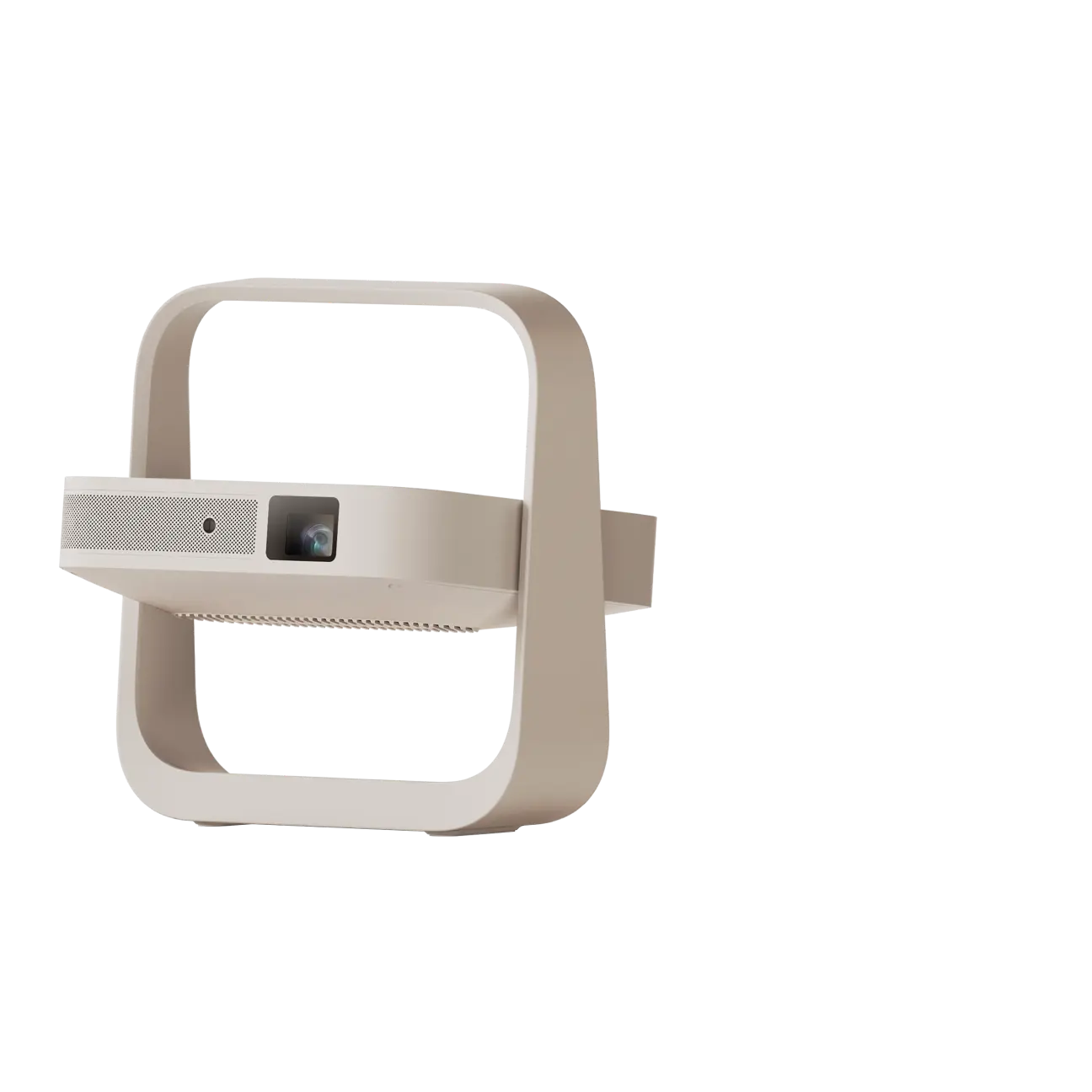
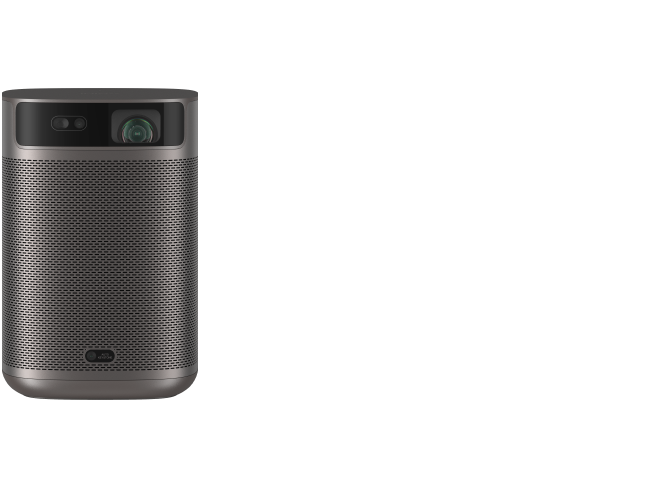
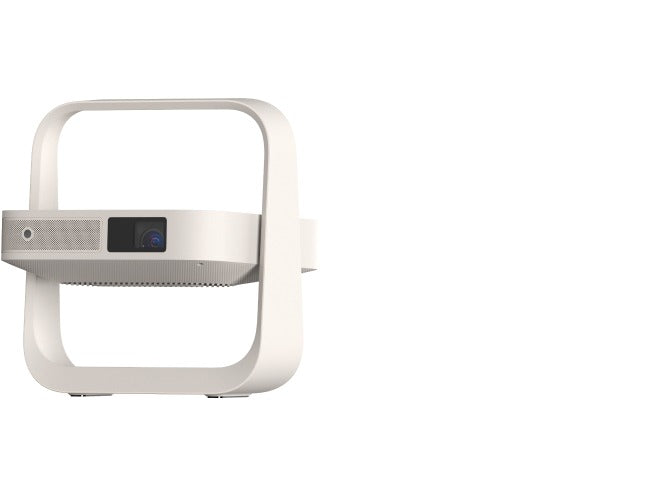
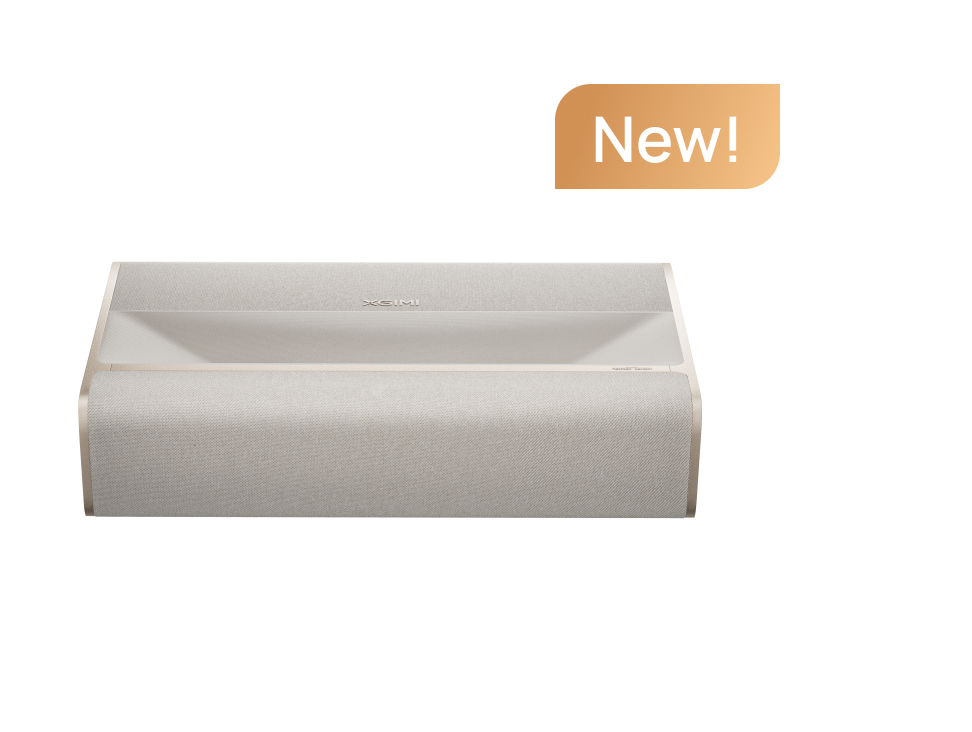
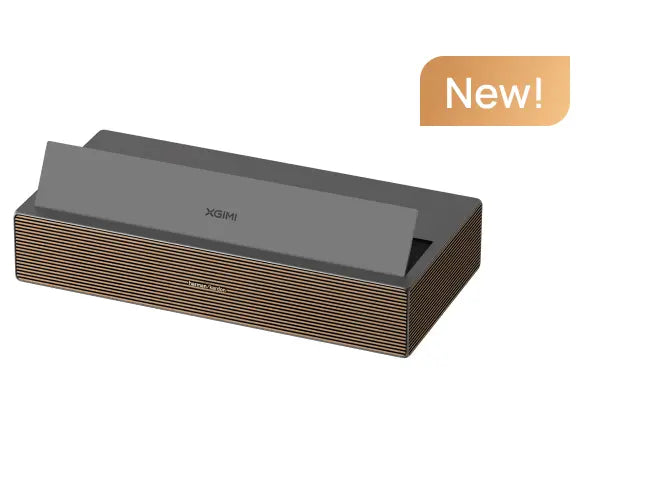
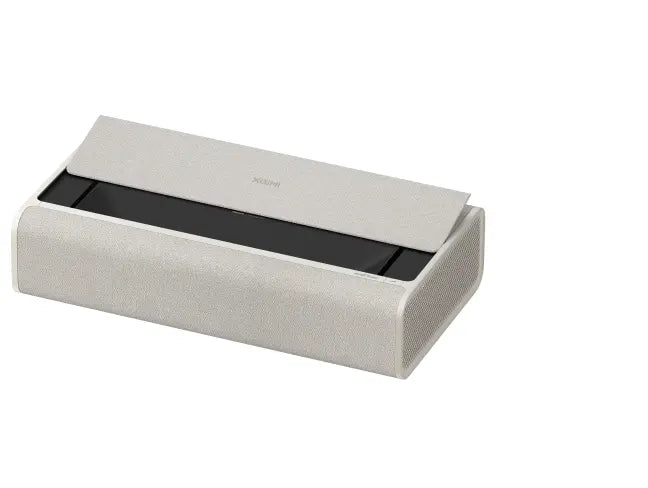
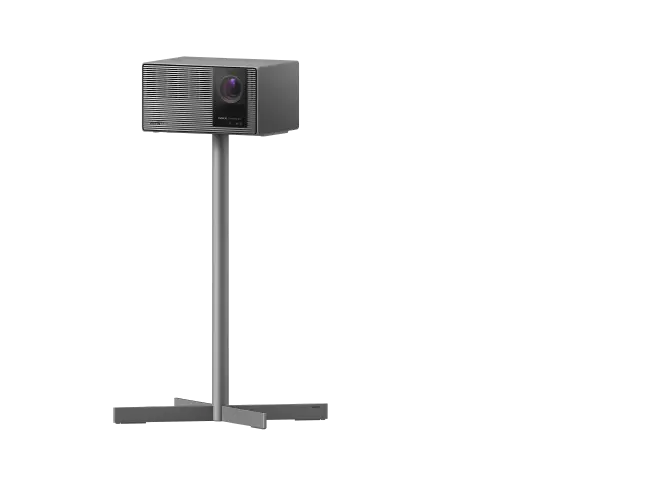
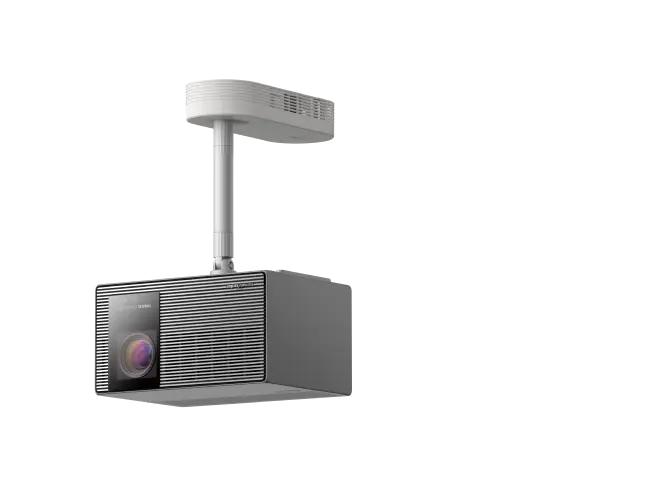
For XGIMI users, models like the Halo+ (New) or HORIZON Ultra offer strong Google TV integration that pairs nicely with the methods above. Their screen mirroring guide provides additional model-specific instructions.
Final Takeaways
Casting your iPhone to a Google TV projector without Apple TV is entirely possible and often straightforward when you match the method to your content. Start with app-based casting for supported services, fall back to the Google TV app for library content, and keep a wired adapter handy for reliability. For more on this topic, see Casting vs HDMI for Projectors: Quality, Lag, and Reliability.
The experience depends heavily on your network quality, projector model, and specific apps. Test different approaches in your environment to find what works best. With the right setup, you can enjoy photos, videos, and streaming on the big screen without additional Apple hardware.
Comfort and setup note: This article discusses connection methods and comfort in terms of ease of use. It does not constitute technical support, device diagnosis, or professional advice. If you experience persistent technical issues, consult your projector's manufacturer support or a qualified technician. Results may vary based on specific device models, software versions, and network conditions.
For more on connecting smartphones to projectors, check XGIMI's dedicated guide. If you're shopping for a portable option optimized for iPhone use, explore the best portable projectors for iPhone.


