
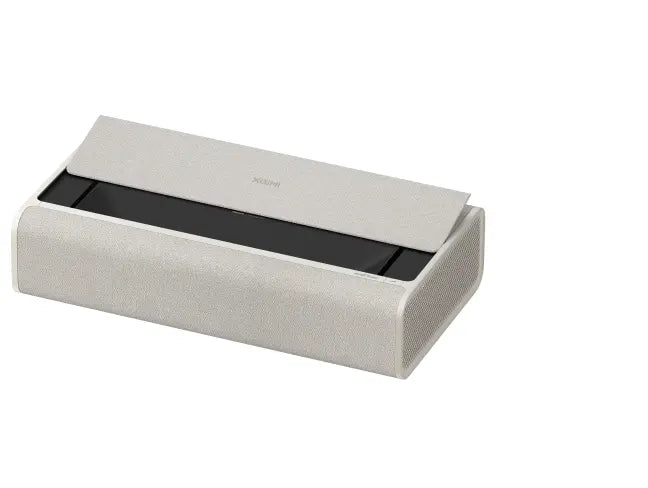
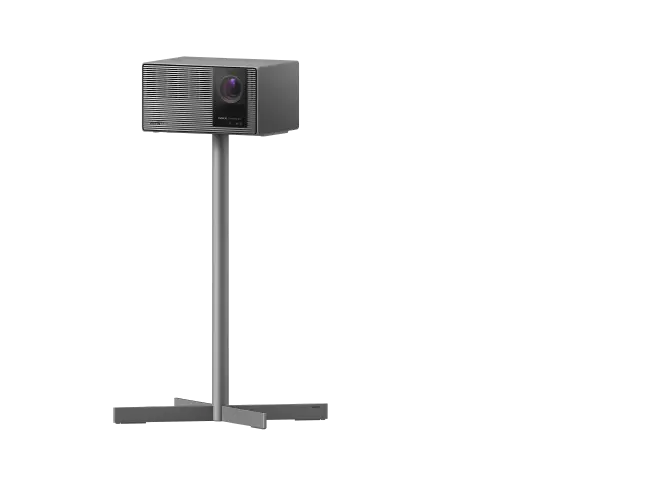
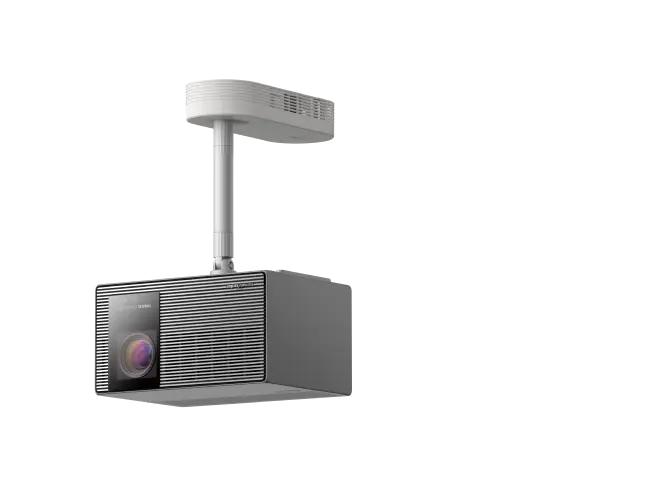




Binge-watching your favorite series or hosting a movie marathon shouldn't end with dry, tired eyes. Extended screen viewing can contribute to digital eye strain symptoms such as dry eyes, blurred vision, headaches, and general eye discomfort, according to this comprehensive NIH review. While large LED TVs often emit direct light that can feel harsh, especially in dark rooms, many viewers find reflected-light projection setups more comfortable when glare and brightness are well managed. This guide shares practical ways to minimize eye strain during long sessions, including lighting adjustments, seating guidelines, viewing habits, and why a projector might suit some setups better than a traditional TV. For more on this topic, see ALR vs. CLR Projector Screens: Which One Is Right for Your Living R.... For more on this topic, see How Does Flicker Rate in Projectors Affect Eye Strain During Extend....
Understanding Why Eye Strain Happens During Movie Marathons
Poor lighting, glare, and an awkward viewing setup can make eye discomfort more likely during prolonged screen use, as noted by optometry experts at Ferris State University. During a 2- to 4-hour marathon, your eyes stay focused on a single distance and brightness level, which can lead to fatigue. Direct-emission displays like LED TVs create a bright surface in your field of view that contrasts sharply with a dark room, potentially increasing strain. Ambient lighting can influence visual fatigue and comfort during extended viewing, per this PMC study.
Some viewers report that reflected light from projectors feels less aggressive because the image is formed by light bouncing off a surface rather than emitting directly from it. However, this comfort is setup-dependent. Reducing glare and reflections can improve viewing comfort and may lessen eye strain, according to NIST research on immersive displays.

Practical Tips to Reduce Eye Strain Right Away
The most reliable way to stay comfortable is to build better habits into your routine. Taking regular breaks and looking away from the screen periodically can help reduce strain during long sessions, as highlighted by MIT researchers. Follow the 20-20-20 rule: every 20 minutes, look at something at least 20 feet away for 20 seconds.
Proper vision correction, posture adjustments, and regular breaks can help reduce digital eye strain, according to UAB optometry guidance. Keep your room dimly lit rather than completely dark or brightly lit. An uncomfortable viewing angle or sitting too close can increase eye strain, per Washington University ophthalmology tips.
Adjust your projector's or TV's brightness and contrast to match the room instead of maxing them out. Lower blue-light modes or warmer color temperatures in the evening can feel easier on the eyes for many people, though results vary by individual sensitivity.
Best Lighting and Room Setup for Long Movie Sessions
Ambient illumination affects how quickly fatigue sets in. A completely blacked-out room can create too much contrast with the screen, while a brightly lit space forces the display to work harder and introduces glare. Aim for soft, indirect lighting behind or beside the seating area—perhaps a small lamp with a warm bulb or bias lighting behind the screen.
For projector users, this controlled lighting helps maintain image quality without pushing brightness too high. Our daytime projector setup guide explains how higher-lumen models perform in less-than-perfect conditions, but for marathons, evenings with dimmed lights usually work best.
Choosing the Right Seating Distance and Screen Size
Display comfort depends on factors including ambient lighting and viewing distance. For large screens (100 inches or more), sit far enough back that the image fills about 30-40 degrees of your horizontal field of view without forcing constant eye movement. A good rule of thumb is 1.5 to 2 times the screen height for comfortable long sessions, though this is approximate and depends on personal preference.
Sitting too close to any large display increases the effort your eyes make to scan the image. Children can also experience eye strain from prolonged screen viewing, especially when glare is present, according to CHOP health guidance. Families should ensure younger viewers sit farther back and take more frequent breaks.
Projector vs TV: Which Is More Comfortable for Marathons?
Many health-conscious viewers compare projector vs TV eye strain when upgrading their setup. Some viewers find reflected-light projection setups more comfortable than direct-emission displays, especially when glare and brightness are well managed. Projection systems work by reflecting light off a screen rather than emitting it directly from the viewing surface.
However, this advantage is not automatic. In bright rooms or poorly controlled setups, the difference narrows. Flicker and temporal light modulation can bother some sensitive viewers and contribute to discomfort, regardless of display type.
Here's a heuristic illustration of how comfort can shift across common scenarios for 2- to 4-hour viewing on large screens:
Scenario Comfort Index for Movie-Marathon Viewing
Higher is more comfortable; this is a relative, not clinical, index.
View chart data
| Category | Heuristic comfort index (1-10) |
|---|---|
| TV: Dark room, close seat | 4.0 |
| TV: Dim room, mid seat | 7.0 |
| TV: Lit room, far seat | 5.0 |
| Projector: Dark room, optimal seat | 8.0 |
| Projector: Dim room, mid seat | 6.0 |
| Projector: Lit room, far seat | 3.0 |
Heuristic/illustrative scores based on a bounded synthesis of digital eye-strain, glare/lighting, ambient-illumination, and viewing-distance guidance; values are not clinical measurements and should be read as relative comfort rankings for 2-4 hour viewing on 100+ inch screens.
This relative index shows that controlled dim lighting with proper distance often ranks higher for comfort, particularly with projectors. Real results depend on your specific room.
Myth vs Reality
- Myth: Projectors are always healthier for your eyes than TVs because of diffuse reflection and lower blue light.
- Reality: Comfort depends more on controlling glare, matching brightness to the room, and taking breaks than on the display type alone. The NIH review emphasizes viewing duration and setup factors as primary drivers of strain.
Do not assume a projector will automatically solve eye strain if you regularly watch with lights on and cannot dim them, or if the setup requires frequent adjustments that break your viewing flow.

How to Choose and Set Up an Eye-Friendly Home Theater
When upgrading, consider these checkpoints:
- Measure your room and calculate ideal seating distance before choosing screen size.
- Test brightness levels in your actual lighting conditions—avoid setups that look good only in total darkness.
- Look for models with good color accuracy and low input lag if you mix movies with gaming.
- Choose a projector with auto-focus and keystone correction to reduce daily setup frustration.
- Add bias lighting or an ambient light rejection screen if your room has windows or lamps.
- Plan for regular breaks regardless of equipment.
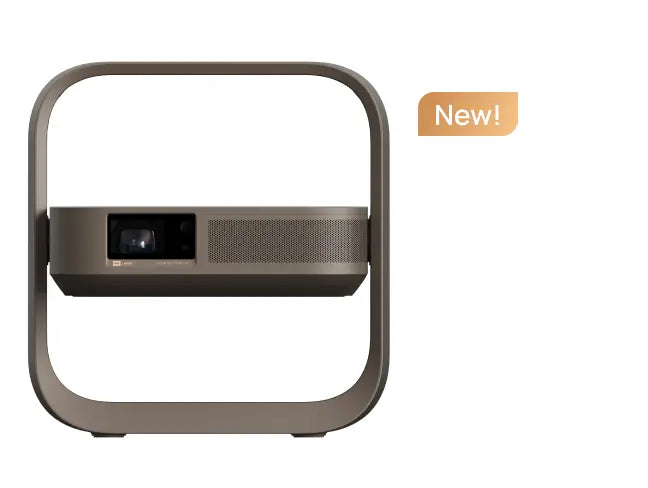
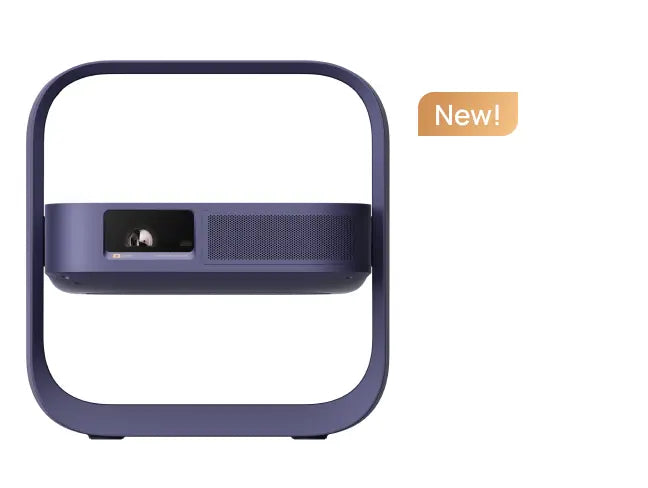
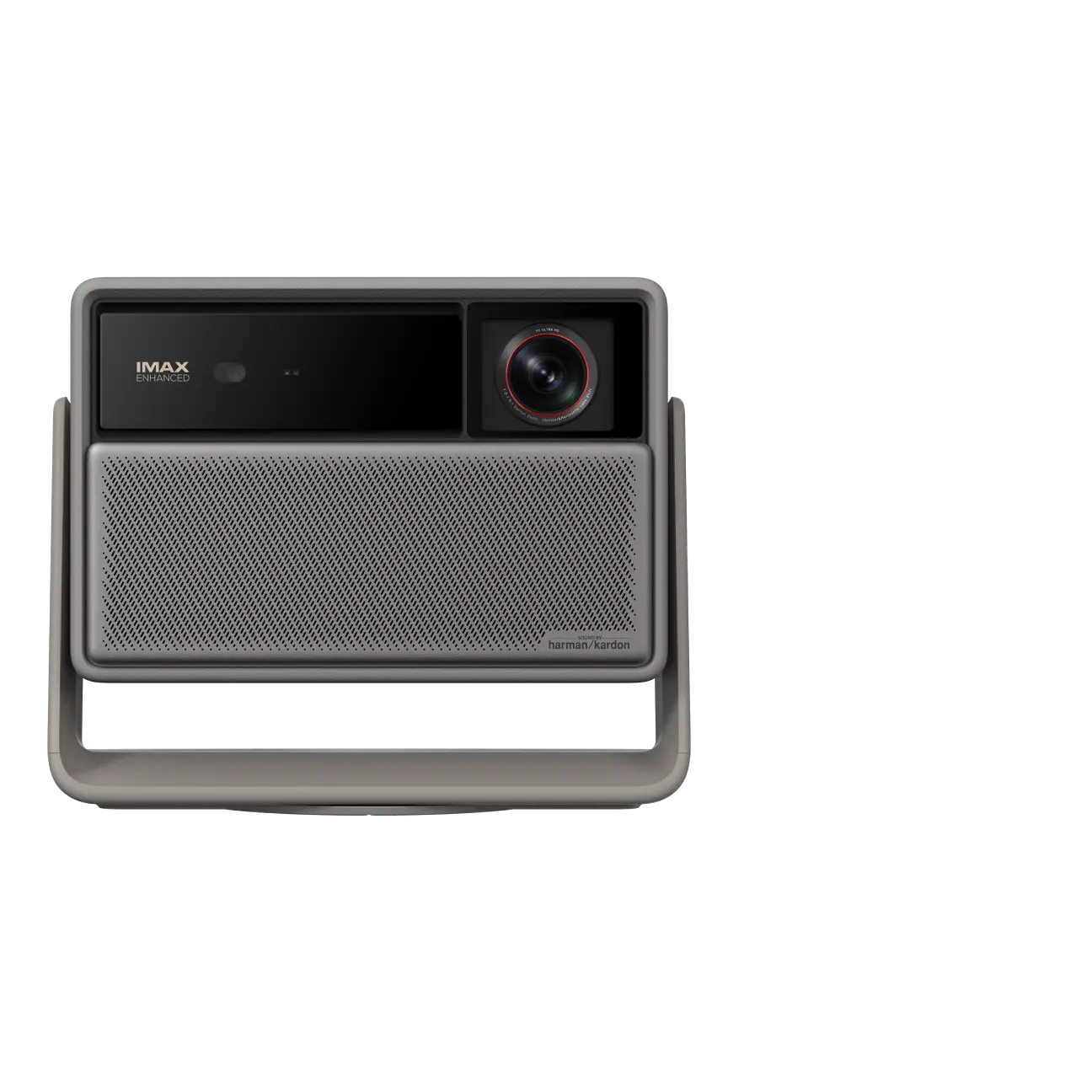
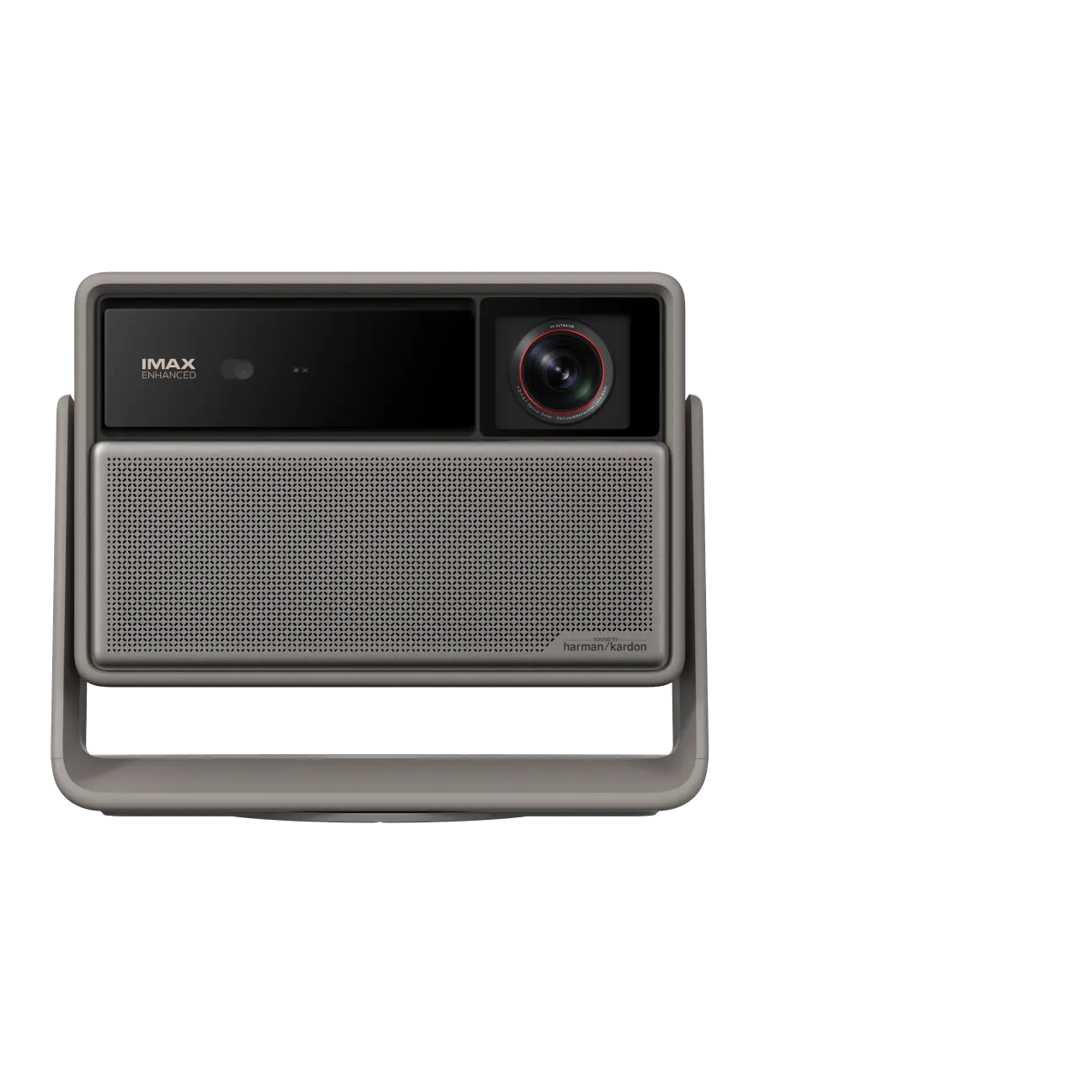
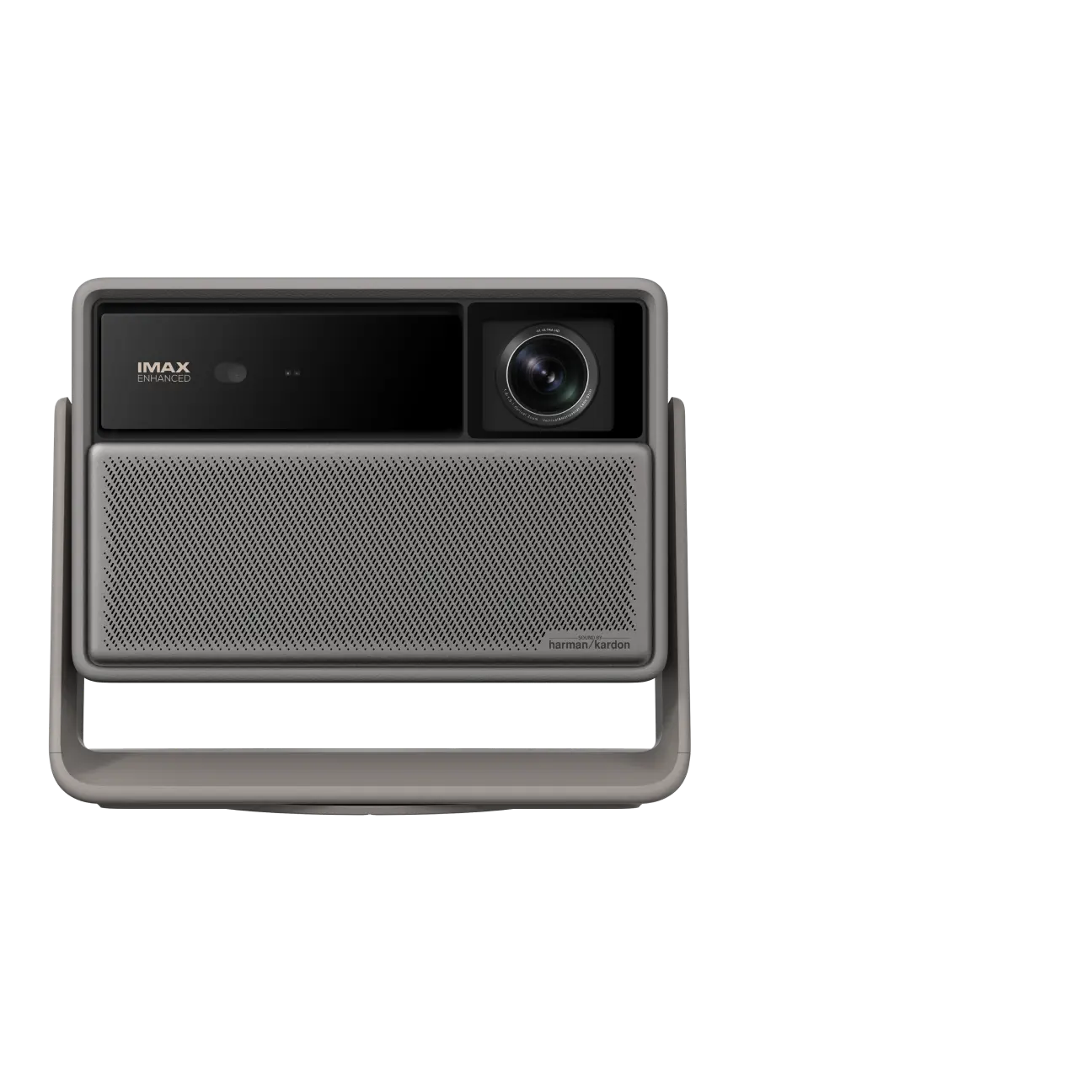
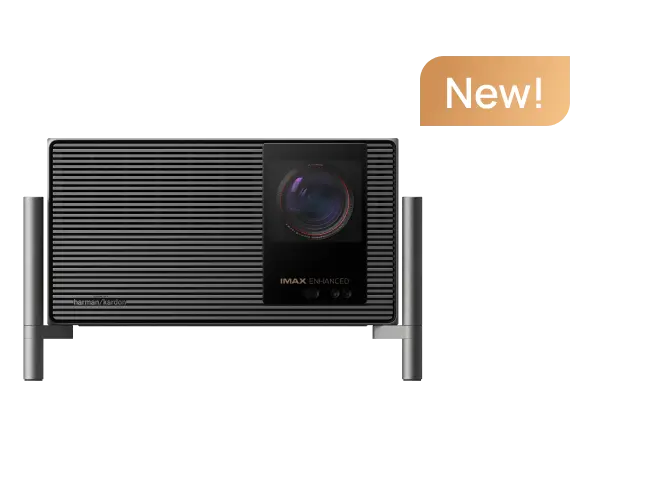
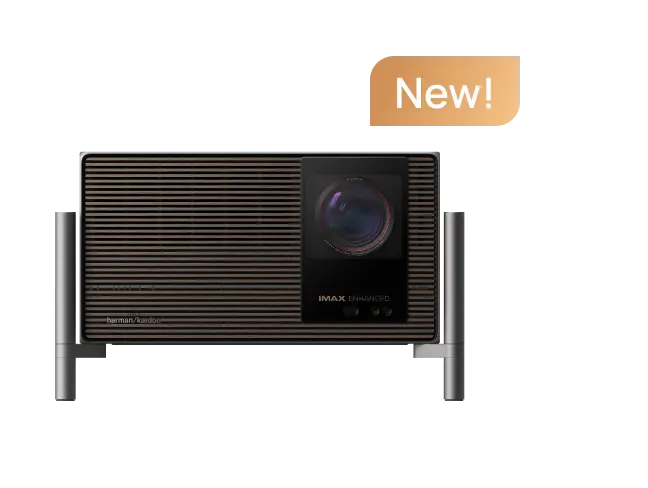
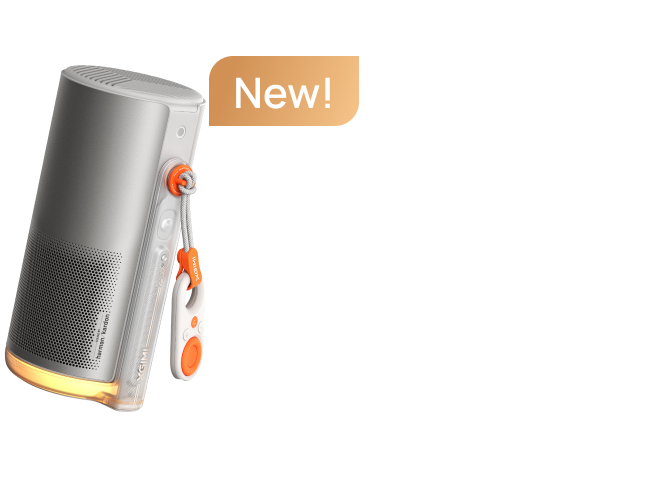
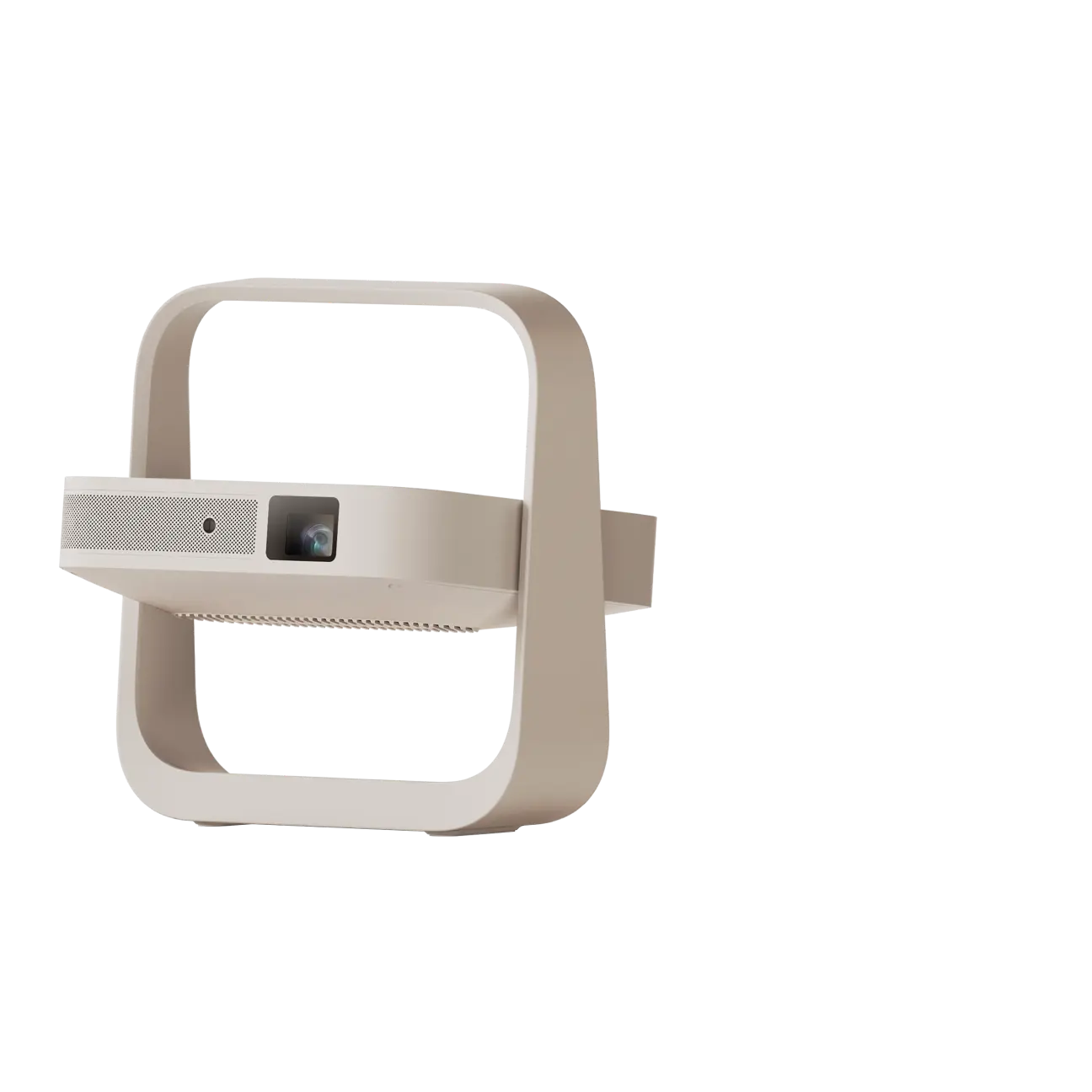
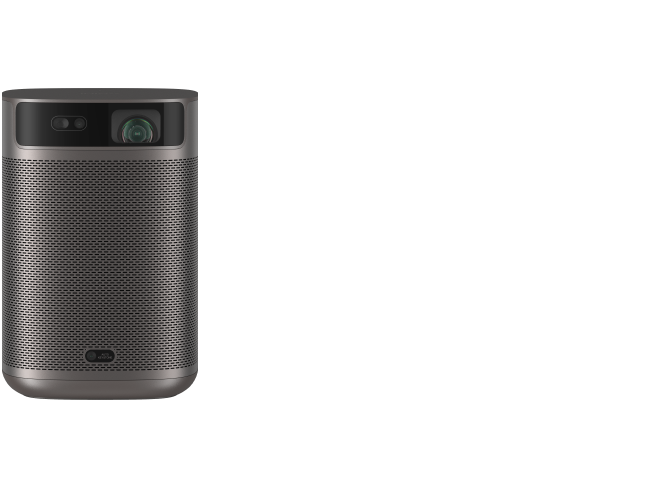
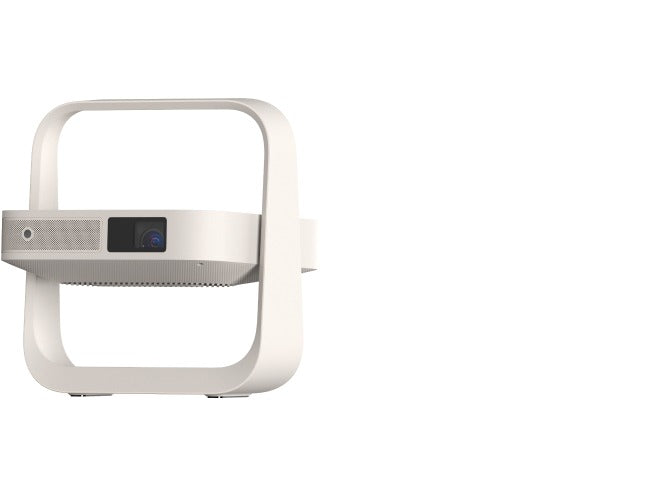
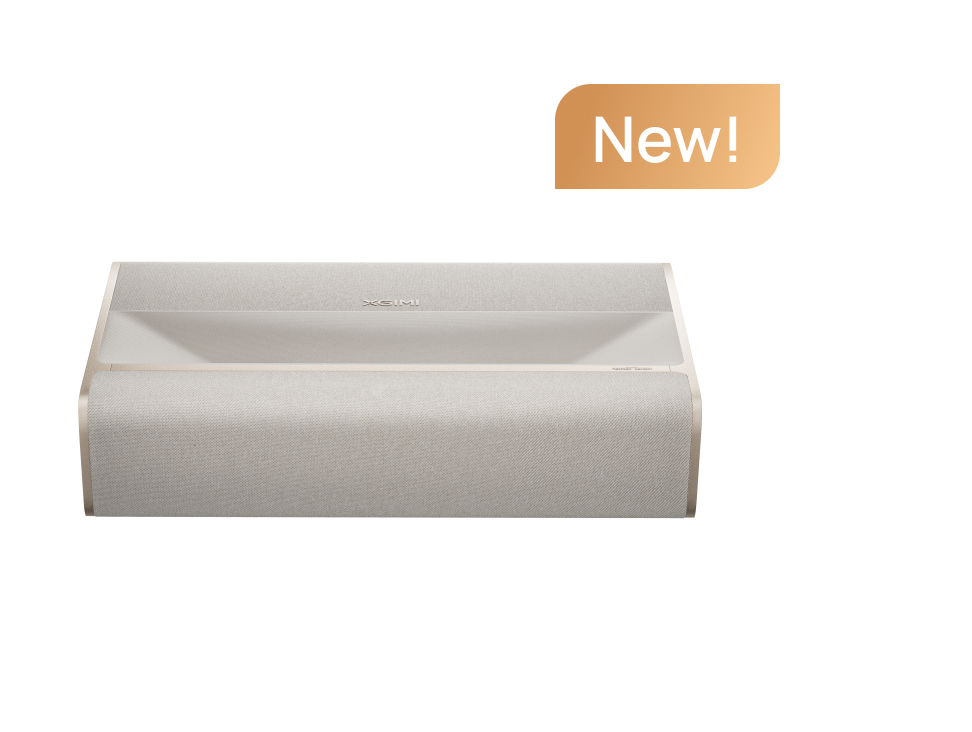
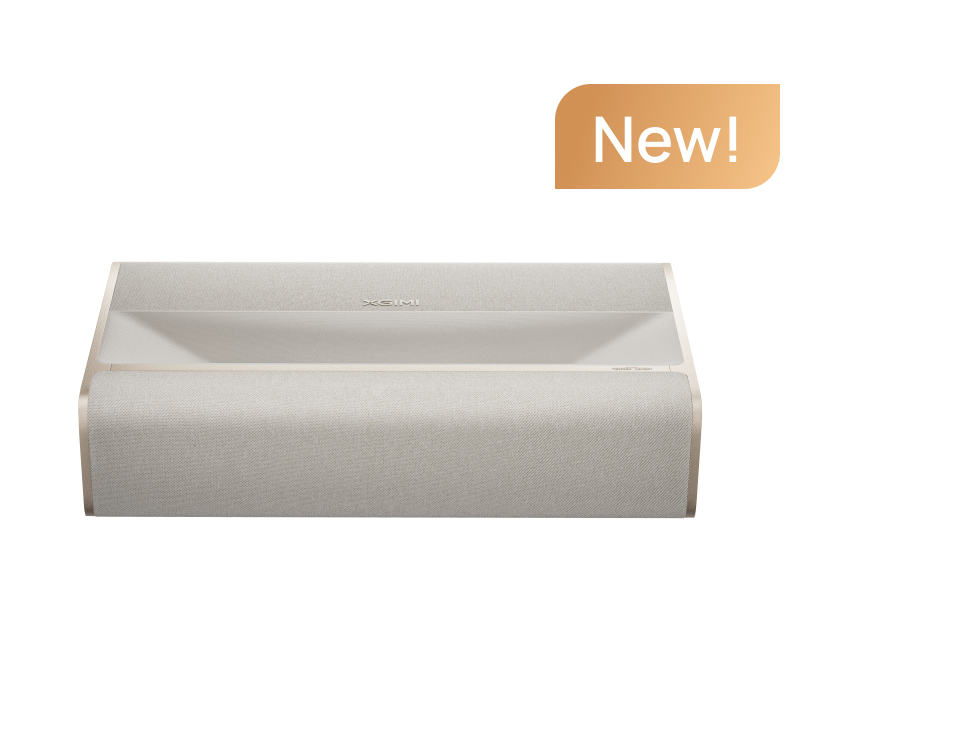
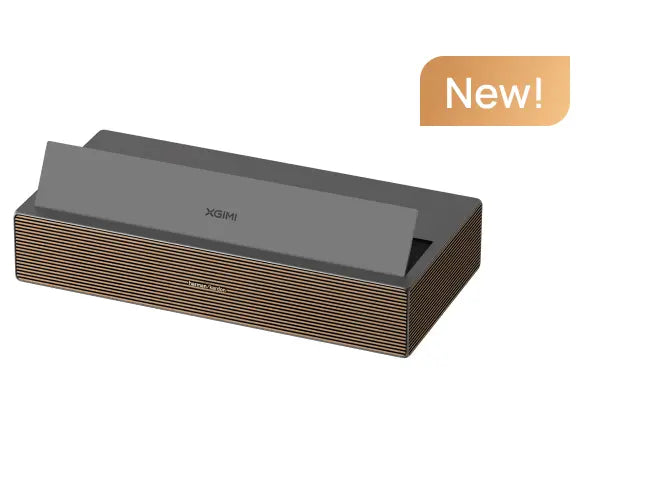
XGIMI smart projectors vs TVs explores why many prefer the reflected image for extended sessions. Models like the HORIZON Ultra or AURA 2 (New) offer high brightness with features that support comfortable viewing. For ultra-short throw convenience in living rooms, check the laser projector collection.
Our guide on choosing the best brightness for your projector helps match output to room size without overdriving the system.
Special Considerations for Families and Sensitive Viewers
Families watching together should prioritize setups where everyone can sit at a comfortable distance. Projectors mounted higher or using short-throw designs keep the light source away from eye level. Children can also experience eye strain from prolonged screen viewing, especially when glare is present, so shorter sessions and brighter room conditions help.
If you or family members experience persistent headaches, dryness, or blurred vision, these tips address comfort but do not replace professional care.
Important Note on Eye Comfort and Health: This article discusses setup and viewing practices that may feel more comfortable for some people during long movie sessions. It does not constitute medical advice, diagnosis, or treatment. Prolonged discomfort, existing eye conditions, or symptoms in children should prompt consultation with a qualified eye care professional. Individual sensitivity varies widely, and what works in one room may differ in another.
Final Takeaway: Comfort Comes From the Full Setup
Reducing eye strain during movie marathons depends less on choosing one display type and more on controlling light, distance, and habits. A well-set projector in a dim, glare-free room can feel easier for many during extended viewing, but only when the entire environment supports it. Start by assessing your room lighting and seating, then add breaks and sensible brightness settings. With these adjustments, long movie nights can stay enjoyable instead of exhausting.
For more on comfortable home entertainment, explore our home projectors collection or read about four reasons to choose XGIMI 4K projectors over TVs.


