


Note: This article is compiled from user-generated content on AVS Forum, shared with permission from the original author "Deus-Jon". It is not affiliated with or endorsed by AVS Forum.
If this blog differs from the original post, please refer to the original. We welcome any corrections or suggestions for improvement.
Original thread:
- https://www.avsforum.com/posts/64570347/
- https://www.avsforum.com/posts/64564257/
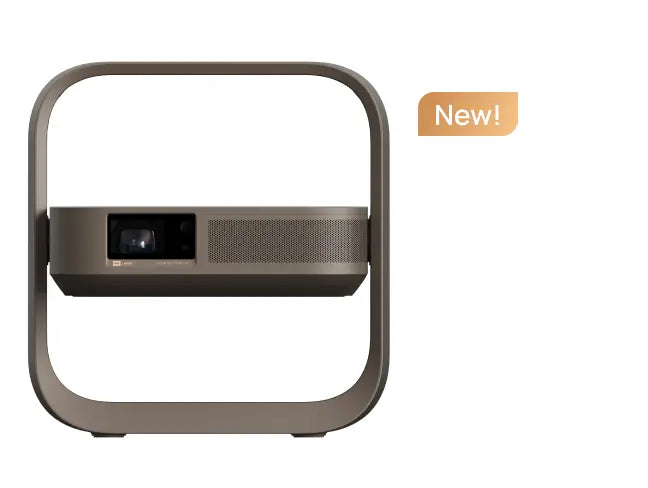
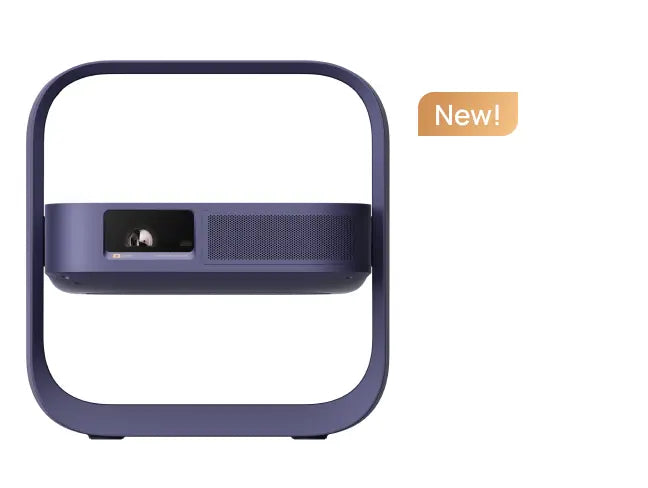
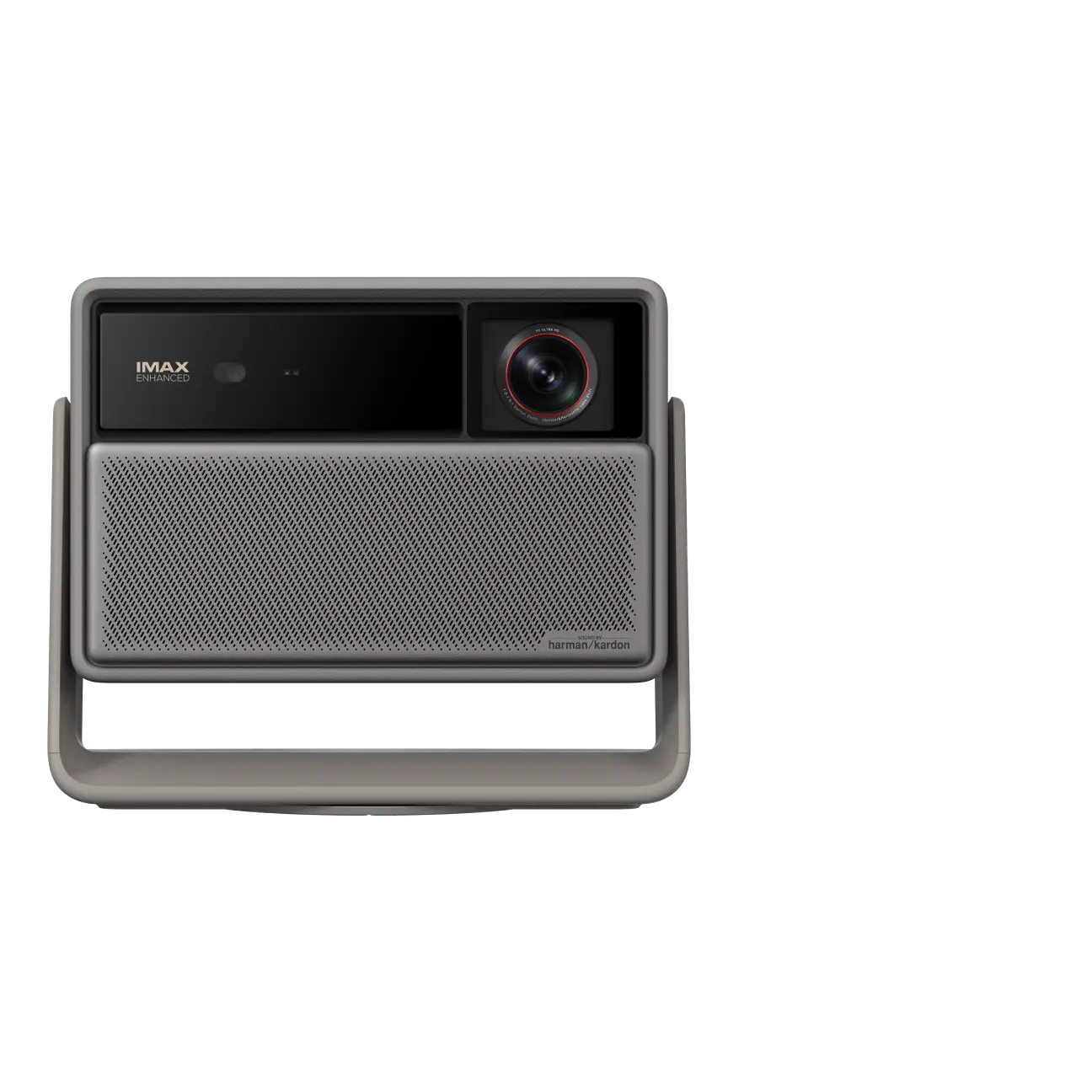
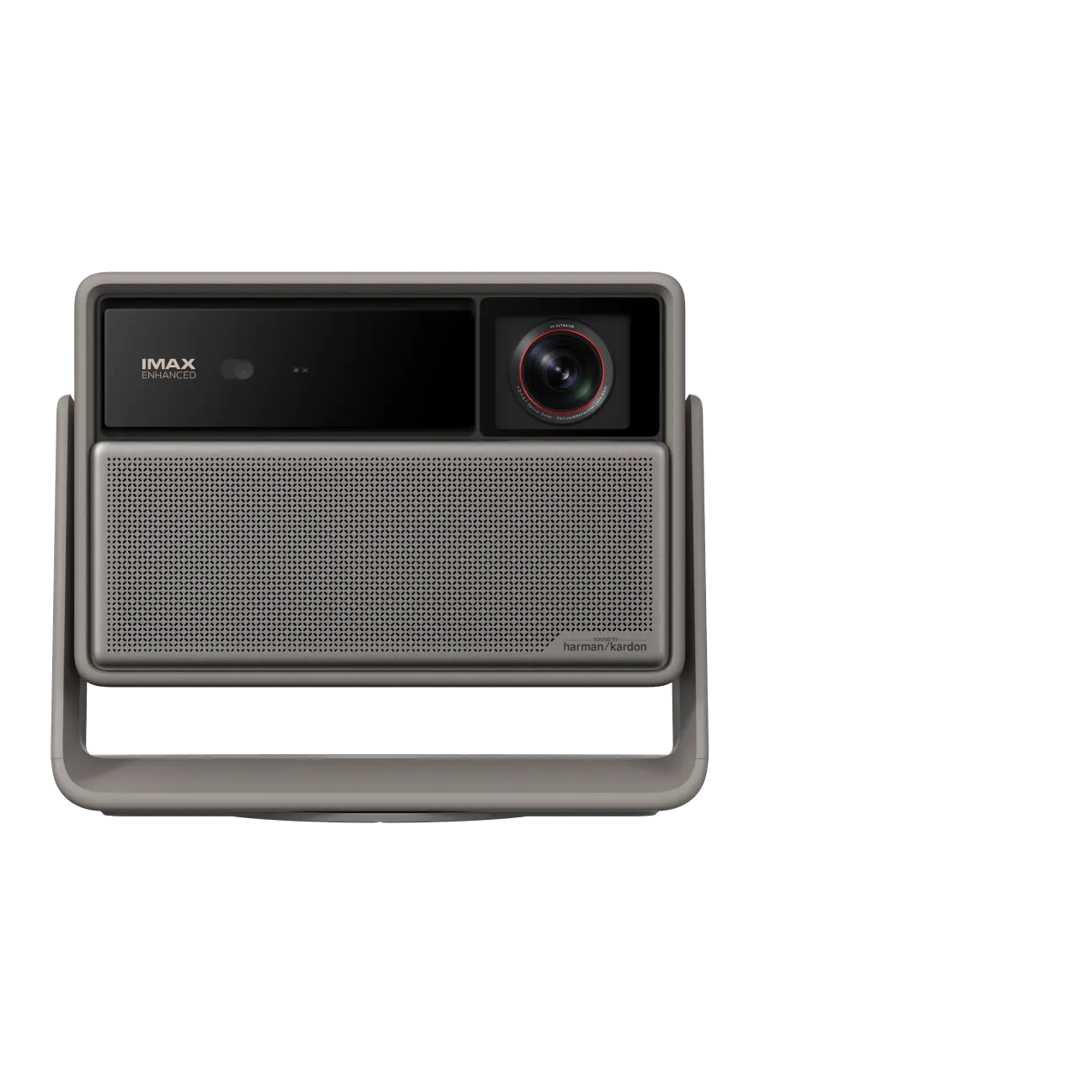
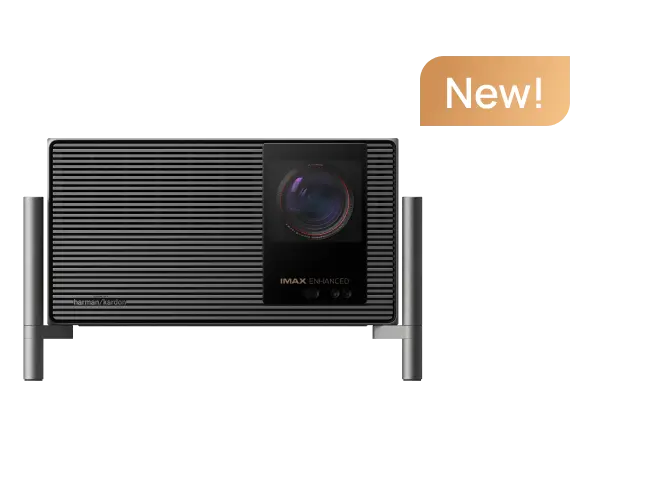
Other TITAN Noir Max Review: Professional, High-Contrast Home Cinema Experience
XGIMI TITAN Noir Series MSRP on the XGIMI US Official Store
(Updated: September 1, 2026)
- TITAN Noir Max Price: $5,999.00
- TITAN Noir Pro Price: $4,999.00
- TITAN Noir Price: $3,999.00
Note: Please refer to the product purchase page for the latest actual selling price. The Kickstarter campaign has now ended, and the early bird prices are no longer available.
Introduction: From Controlled Testing to Real-World Optimization
“To date, all my testing on the TITAN Noir Max has been on a white vinyl 1.0-1.1 gain screen in a light controlled room (but not a bat cave- it is an unfinished basement space, testing things in preparation for building out the theater). It was fine, but I felt like there was room for improvement.”
Instead of waiting for firmware improvements, this review explores how far the XGIMI TITAN Noir Max (TNM) can be pushed using different screen types, sizes, and tuning strategies. The goal is simple: extract maximum perceived contrast and image depth in real-world conditions.
Test 1: Moving to a 180" Grey Screen: Immediate Impact
“You may have noticed me, along with Lawguy, wishing that the dynamic modes could go darker. Instead of waiting on new firmware, I decided to test using a grey screen for the same effect.”

What Changed When I Switched to a 180" Grey Screen?
“Also, I went bigger, because bigger = better.”
Switching to a 180" soft matte grey screen (0.9 gain) from a 1.1 gain white vinyl screen produced immediate visual differences:
- The black floor definitely appears lower, which looks great
- Colors and brightness are still really good. Even at 180" the image has a lot of pop
- Laser speckle feels similar to the white vinyl screen
Even with the larger screen size, brightness retention is impressive, indicating strong light output from the TITAN Noir Max.
Test Setup: Projector Settings and Room Conditions
- Dynamic Iris + DBLE enabled
- Anti-RBE disabled
- Throw distance: ~17 feet (≈1.3 throw ratio)
Early Conclusion: Better Blacks Without Losing Brightness
“Pushing the black floor lower has scratched an itch that I've had for a bit now, and going bigger is always fun! Overall, the image feels like it has gained more depth, and maintained its pop, without increasing laser speckle.”


Test 2: Side-by-Side Comparison: Screen Matters More Than You Think
In round two, the focus shifts to maximizing each projector’s performance, rather than isolating them.
Test Setup: Two Projectors, Two Screens, Same Room
- Left: other projector + 150" fresnel screen (1.5 gain)
- Right: TITAN Noir Max + 145" white screen (1.0 gain)
- Source: Apple TV 4K (Plex)
Calibration Philosophy: How I Calibrated Both Projectors for a Fair Comparison?
Both projectors were tuned for accuracy:
TITAN Noir Max Projector Settings
- Dynamic Iris + DBLE enabled
- ISF Night / BT.2020 / Gamma 2.4
- DTM on
- Anti-RBE off
Why I Did Not Use Dolby Vision for This Test?
“Absent a side by side comparison, DV looks fine on both, but upon further critical viewing, I think something is up with both.”
- Other projector: less stable black levels in certain scenes
- TITAN Noir Max: some limitations in highlight brightness under this mode
Real Scene Testing: How the Image Actually Looks (With Sample Frames)
1. HDR Performance Test (Obi-Wan, 1917)


2. Dynamic Iris vs Fixed Iris: Which Looks Better?
When forcing the iris to f7.0:
“The black floor is better, the contrast is better, the detail is better. It is just better all around.”


However, brightness drops in high APL scenes:

Switching back to dynamic iris: “MUCH brighter.”

3. Dark Scene Test: Romulus Scene Comparison
Dynamic Iris:


Iris f7.0: “The haze is completely gone. Space is just black”
 Further demonstration of black floor performance:

But brightness trade-off becomes clear:

Back to Dynamic Iris:


4. Color and Brightness Test (Avatar: The Way of Water)


5. Brightness Push Test


6. SDR and Space Scene Performance (Gravity)


7. Mixed Scene Performance (Interstellar, F1)


Key Findings: Where TITAN Noir Max Performs Best?
Strengths: Brightness, Contrast, and Black Level Potential
- In this setup, TITAN Noir Max appears brighter
- TITAN Noir Maxshows stronger intrascene contrast in most tested scenes
- TNM 4K projector can be put into iris f7.0, which combined with DBLE pushes the black floor deep
The ability to manually force deep blacks is a major strength, especially for low-APL content like space scenes.
How Screen Choice Changes the Results?
“The fresnel screen makes the other projector pop, and really levels the playing field.”
- High gain boosts brightness
- ALR properties improve perceived contrast
- Better performance in non-ideal rooms
However:
- Laser speckle appears more noticeable on the fresnel setup
- Uniformity is better on the TNM + white screen
Real-World Takeaways
Grey screens significantly improve perceived contrast for TNM
Large screen sizes (up to 180") remain viable
Dynamic Iris delivers brightness, but lacks deep black flexibility
Manual iris (f7.0) unlocks true cinematic depth, but sacrifices usability
What Would Make TITAN Noir Max Even Better?
1. Expand Dynamic Iris Range for Dark Scenes
“I really, really, really want XGIMI to open up the dynamic iris range toward f7.0 for low ADL dark scenes.”
This is the single biggest improvement opportunity.
2. More Aggressive Laser Dimming (DBLE)
“Leave this as the very refined default, but there are many scenes where I believe that more aggressive control of the laser... could really take the contrast to the next level.”
3. Full Fade to Black (FFTB) for Better Transitions
Hard cuts still reveal the screen. A true blackout feature would elevate immersion.
4. How It Compares to Other High-End Projectors
“Other projector is achieving a native contrast ratio multiplier of somewhere between 6-8x... That would get this projector into the 60k:1 realm.”
This shows the ceiling is even higher.
Conclusion: Is the TITAN Noir Max Worth It?
The XGIMI TITAN Noir Max delivers exceptional brightness, strong intra-scene contrast, and highly flexible tuning potential.
- Its real strength lies in how well it responds to optimization:
- Pair it with the right screen
- Fine-tune iris behavior
- Balance brightness vs contrast
“Overall, the image feels like it has gained more depth, and maintained its pop.”
With firmware improvements, especially in dynamic iris control, it has the potential to move from excellent to category-leading.


