
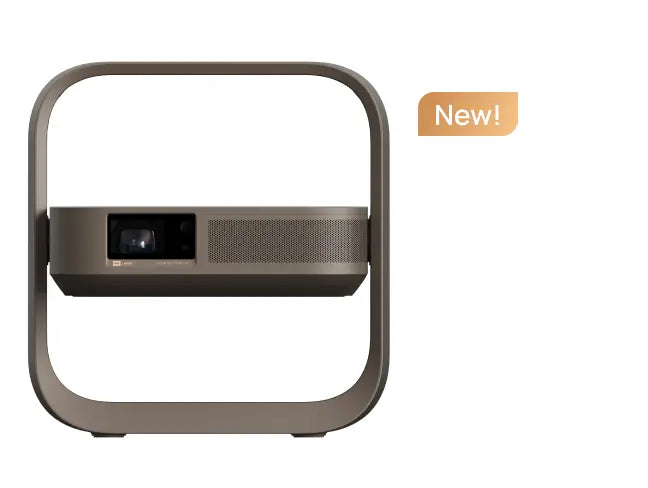
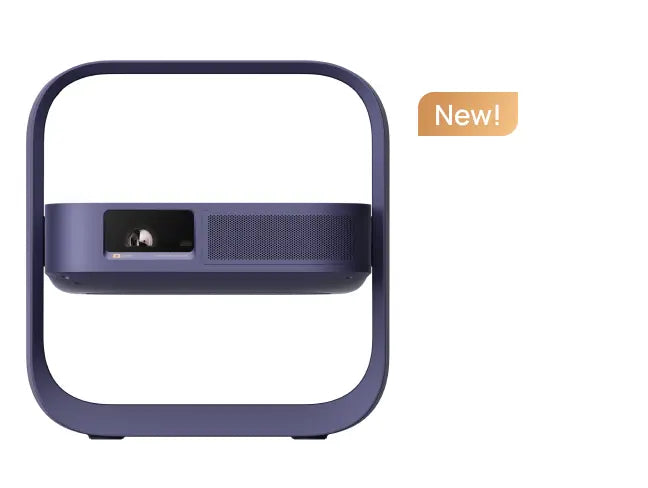
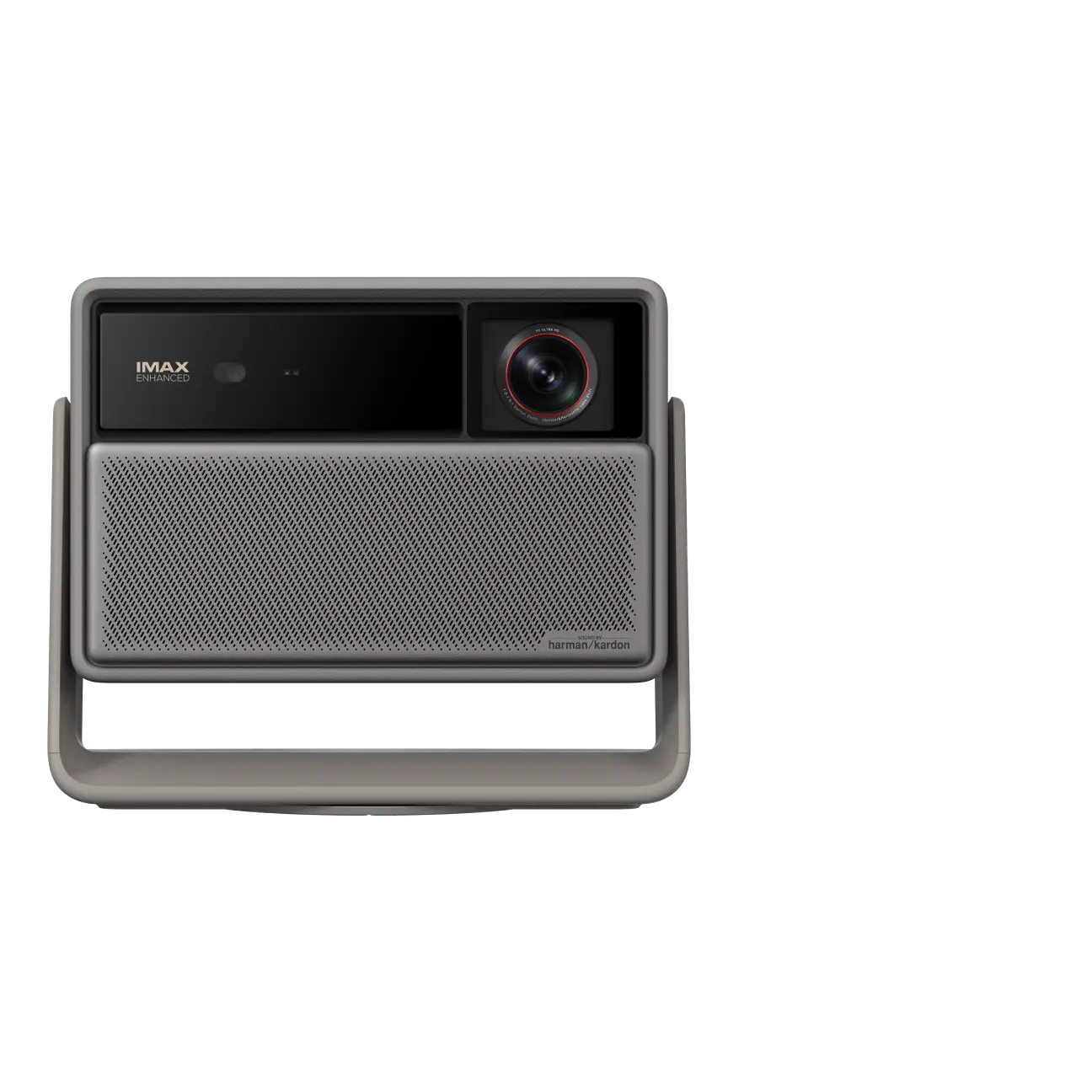
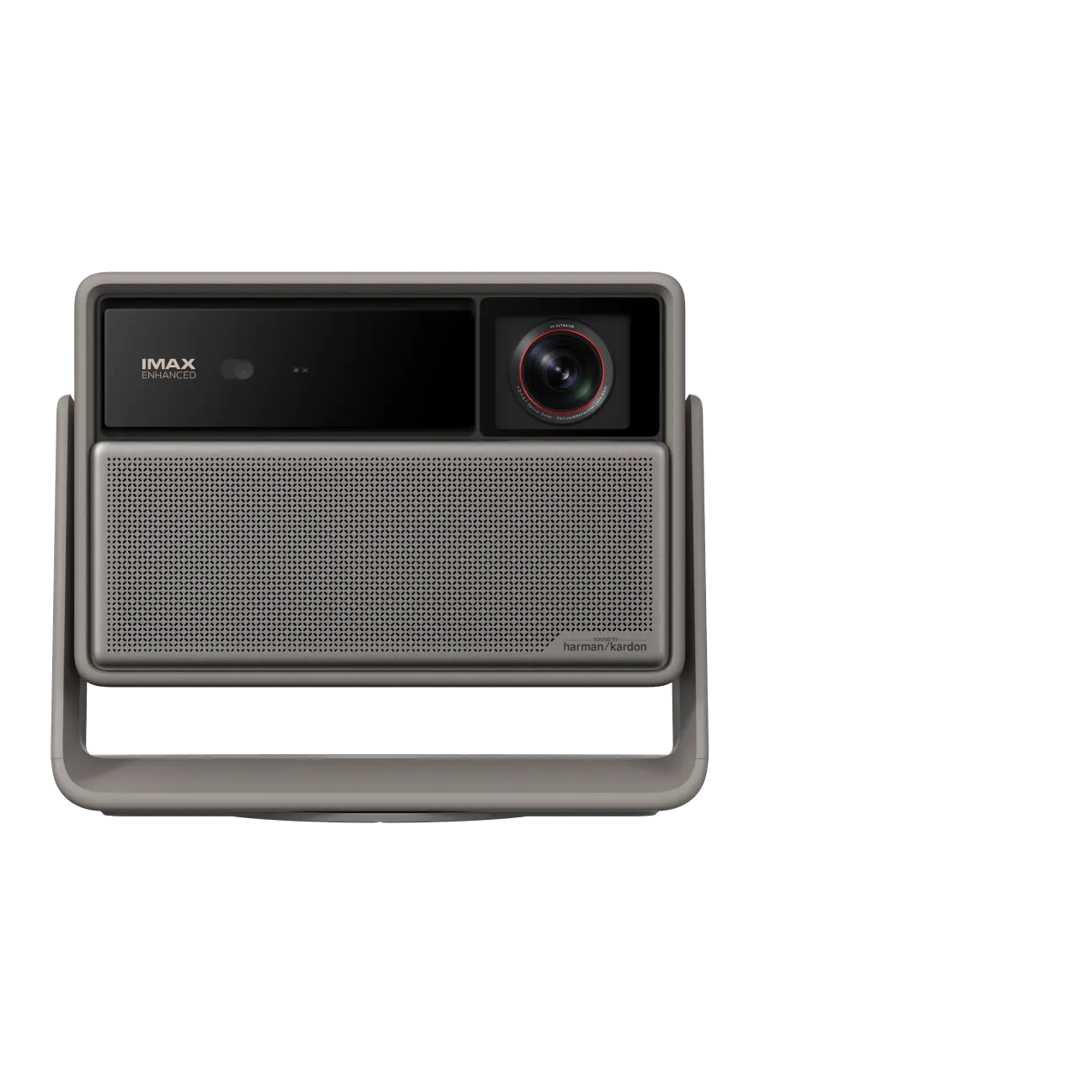
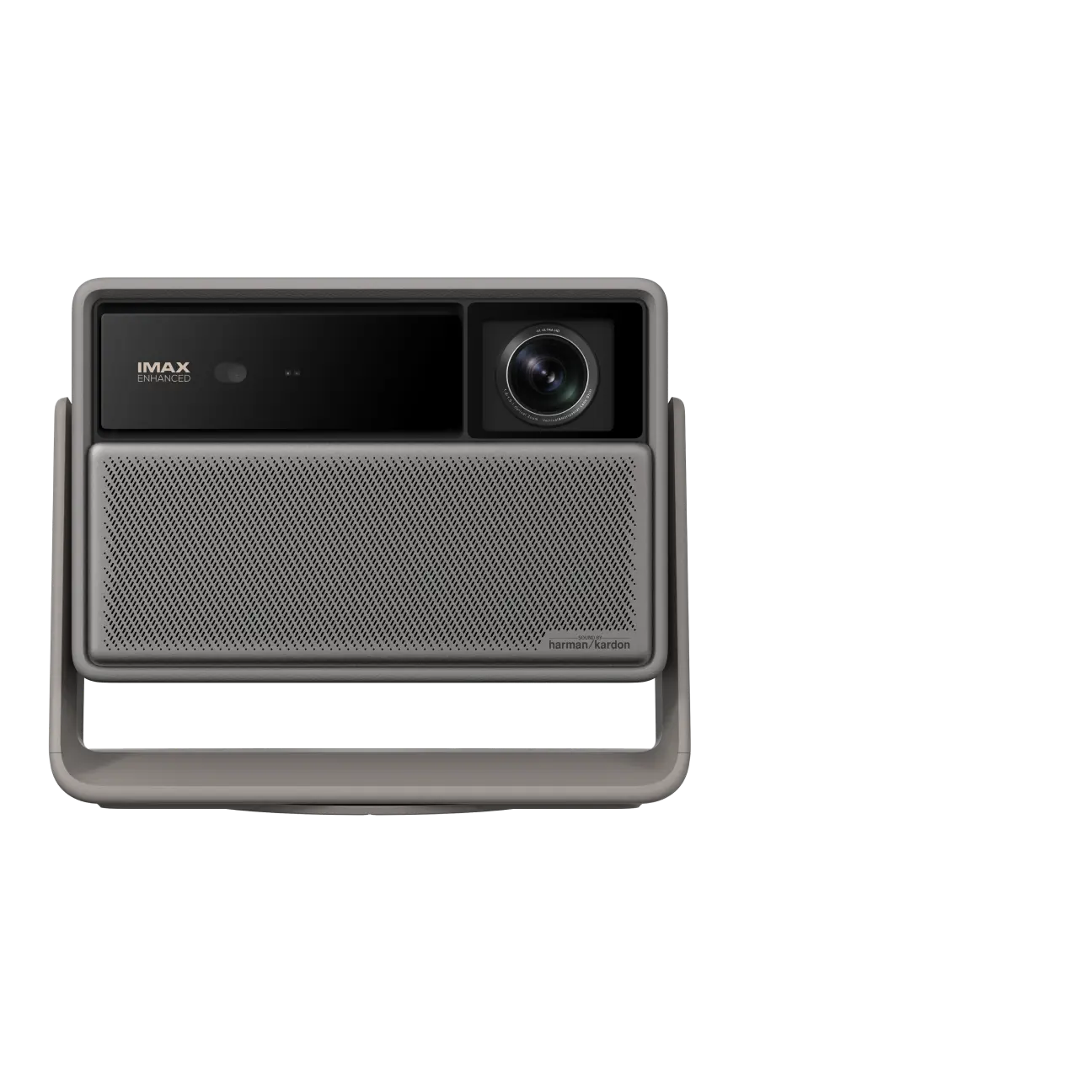
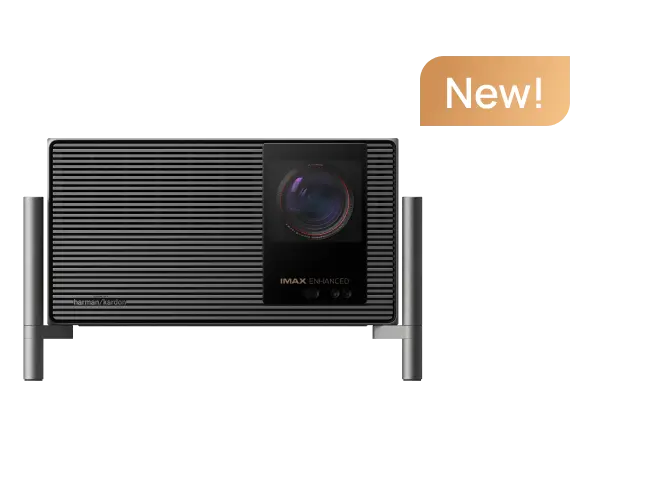










A 1080p YouTube video can look surprisingly sharp and detailed on a premium 4K projector thanks to real-time AI image processing that enhances perceived sharpness, reduces visible noise, and cleans up edges. While this technology cannot create true native 4K detail from lower-resolution sources, it can make mixed-quality streaming content more enjoyable on a large screen when implemented well.

What AI Upscaling Actually Does in Projectors
Upscaling is a resolution-conversion process that resamples lower-resolution video to fit a higher-resolution display, according to official patent classification guidance from the USPTO. In modern projectors, AI-based methods go beyond simple interpolation by using deep learning to improve perceived detail and restore some lost quality in video. For more on this topic, see Why Do Some Projectors Show Rainbow Artifacts and How Can Display T.... For more on this topic, see Are Projectors Better for Your Eyes? Science-Based Answer.
Deep-learning-based video super-resolution can improve perceived detail and quality, as outlined in this comprehensive review of deep learning-based single image super-resolution. These systems analyze patterns in the source material to intelligently sharpen edges, reduce compression artifacts, and reconstruct plausible textures in real time.
This matters for projector users because most streaming content—including YouTube, Netflix, and sports broadcasts—is not delivered in native 4K. A 4K projector must therefore rely on processing to make 1080p or lower-resolution inputs look their best.
How Real-Time AI Processing Works
Projector AI upscaling typically combines spatial and temporal techniques. Spatial processing analyzes individual frames to enhance edges and textures, while temporal methods look across multiple frames to maintain consistency and reduce flickering.

AI video enhancement can combine spatial super-resolution with temporal methods such as frame interpolation to improve motion presentation, per research on joint video super-resolution and frame interpolation. This helps with fast-moving content like sports or action scenes, where simple upscaling alone might introduce blur or judder.
Premium projectors perform these calculations in real time using dedicated image processors. The result is dynamic adjustment that adapts to the specific content being shown rather than applying a one-size-fits-all filter.
Key Image Processing Features That Matter
When evaluating projectors, focus on these four areas beyond basic resolution:
- Noise reduction: Removes compression artifacts and grain from lower-bitrate streams, making compressed video look cleaner.
- Edge enhancement: Sharpens boundaries without creating unnatural halos, improving overall definition.
- Detail reconstruction: Uses learned patterns to add plausible texture where detail was lost in compression.
- Motion handling: Smooths movement and reduces blur, though this is distinct from pure spatial upscaling.
Motion smoothing and frame interpolation are related to upscaling but are not the same as enlarging image resolution. Understanding this distinction prevents buyers from expecting one feature to solve problems better handled by another.
Why Low-Resolution Content Can Look Better on Premium Projectors
Even on a 4K projector, image processing still matters because many real-world sources are 1080p or more compressed. Premium processors may apply real-time processing that boosts contrast and reduces visual noise, making compressed video look cleaner.
In practice, a high-quality upscaler can hide many flaws in streaming content. A 1080p YouTube video that looks soft on a basic display often appears more refined on a projector with strong AI processing, especially in controlled lighting.
However, results vary significantly by source quality and the specific implementation. Clean high-bitrate 1080p sources respond best, while heavily compressed clips may show limited improvement.
Myths vs Reality: What AI Upscaling Cannot Do
Myth: AI upscaling turns 1080p streaming into true native 4K detail. Reality: Upscaling is resampling/conversion, so it can improve appearance but cannot invent the original lost detail.
Myth: All AI upscalers deliver identical results. Reality: Results are source-dependent and implementation-specific, so performance differs across projector models.
Myth: Source resolution no longer matters with AI. Reality: Source quality still heavily influences the final image, particularly for YouTube and compressed streaming.
AI upscaling can improve how lower-resolution content looks, but it does not turn every source into true native 4K detail.
AI Upscaling Value by Source Quality and Viewing Scenario
Illustrative relative benefits of AI upscaling for 4K projectors. Scores reflect judgment-based comparison, not measured performance.
View chart data
| Series | Perceived benefit | Noise reduction | Artifact risk (reverse) | Worth it for large screen/close viewing |
|---|---|---|---|---|
| Clean 1080p / high bitrate | 4.0 | 2.0 | 4.0 | 4.0 |
| Average streaming / YouTube | 3.0 | 4.0 | 3.0 | 4.0 |
| Very low bitrate / heavily compressed | 1.0 | 2.0 | 1.0 | 1.0 |
| Already good 4K | 1.0 | 1.0 | 5.0 | 1.0 |
Based on scenario matrix and threshold table from viewpoint-insighter. Heuristic, illustrative scoring only: upscaling is resampling, can improve perceived detail and edge cleanup, but cannot create true 4K detail. Scores are normalized 1-5 relative judgments, not measurements.
How to Evaluate Whether AI Image Processing Is Worth the Premium
The quality of AI upscaling depends on the source material and the specific algorithm, so results are not identical across projectors.
Use this practical checklist before deciding to pay extra for premium processing:
- Content check: Do you frequently watch mixed-quality streaming, YouTube, or lower-bitrate movies? If yes, processing adds more value.
- Screen and distance check: Is your screen large or seating close enough that compression artifacts are noticeable? Larger setups benefit more from cleanup.
- Problem check: Are your main complaints noise, softness, or edge jaggedness rather than brightness or motion blur?
- Comparison check: Are you choosing between otherwise similar projectors where processing quality could be the differentiator?
If you answer yes to the first three questions, stronger AI upscaling is often worth considering in 2026 models. If your content is mostly native 4K or you prioritize other specs, the feature provides less incremental benefit.
Practical Tips for Best Results
To get the most from AI upscaling:
- Use high-quality streaming settings when possible—higher bitrates give the processor better material to work with.
- Control room lighting: moderate ambient light shows improvements better than very bright or completely dark rooms.
- Test with your actual content: Demo projectors using your typical YouTube channels or streaming apps rather than pristine 4K demo reels.
- Consider the full feature set: Look for projectors that combine good upscaling with strong contrast, color accuracy, and motion handling.
This article only discusses comfort and setup advice for image quality. It does not constitute technical measurement, diagnosis, or a guarantee of specific visual outcomes. Results depend heavily on source quality, room conditions, and individual perception. For persistent questions about display performance, consult professional calibration services or review detailed independent testing.
Premium projectors with advanced real-time AI processing can meaningfully improve the viewing experience for streaming-first users, but the technology works best as an enhancement tool rather than a replacement for high-quality source material. By understanding its real capabilities and limitations, buyers in 2026 can make more informed decisions about whether the added cost aligns with their content habits and viewing environment.
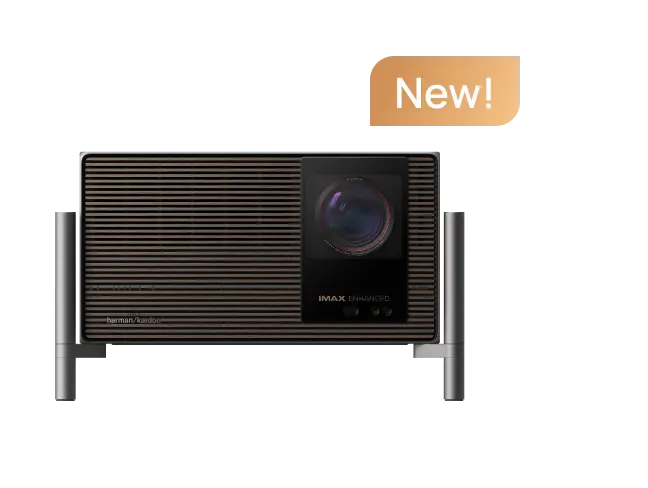
For more on choosing the right resolution and features, see our guide comparing 1080p vs 4K projectors. Those interested in premium home cinema experiences may also explore 4K projectors or models like the HORIZON Ultra that incorporate advanced image processing.


