




How Does Flicker Rate in Projectors Affect Eye Strain During Extended Viewing?
Projectors can offer a more comfortable viewing experience for many people during long movie nights or gaming sessions because they rely on reflected light rather than the constant direct emission of a backlit TV screen. However, flicker rate remains an important factor that can contribute to eye fatigue in sensitive viewers, especially during extended sessions. Choosing a projector with high-frequency refresh handling and stable light output may help reduce perceived discomfort, but comfort ultimately depends on your room setup, brightness levels, and personal sensitivity. For more on this topic, see How to Reduce Eye Strain During Long Movie Marathons on Large Screens.

Digital eye strain—often referred to in clinical contexts as Computer Vision Syndrome—is a recognized response to prolonged screen use. While projectors are frequently praised for being gentler on the eyes than traditional TVs, not every model delivers the same level of visual comfort. The flicker rate—the speed at which the light source pulses or modulates—plays a subtle role that becomes more noticeable during marathon viewing.
What Is Projector Flicker Rate and Why Does It Matter?
Flicker rate refers to how rapidly the projector's light source turns on and off or modulates its brightness. In older display technologies like CRT monitors, visible flicker was a primary link to headaches. Modern digital projectors operate at much higher frequencies, making flicker imperceptible to most people. Yet, even imperceptible screen flicker may contribute to visual discomfort and fatigue in a subset of sensitive viewers.
Vision science often discusses this through the lens of "critical flicker-fusion frequency" (CFF)—the point at which a flickering light source appears completely steady to the human eye. For extended viewing—think two-hour movies or late-night gaming—any residual modulation below certain ergonomic thresholds can add to the cumulative load on your visual system.
Visual comfort depends on more than flicker alone; contrast, resolution, and viewing conditions are equally critical. Studies in display ergonomics suggest that high-intensity flicker and improper brightness are common bothersome factors. This is why a projector that performs well in a dark room might feel less comfortable in a space with competing ambient light.

How Flicker Contributes to Eye Strain During Extended Viewing
During long sessions, your eyes perform constant micro-adjustments to maintain focus. When a projector’s light source flickers—even at rates most people cannot consciously detect—these adjustments can increase the rate of fatigue. Symptoms often appear as dryness, blurred vision after 90 minutes or more, or mild headaches. For more on this topic, see How to Adjust Projector Settings for Fast-Motion Sports Without Mot....
Projectors generally produce images through reflected light, which many users find less taxing than the direct glow from TV backlights. However, this advantage is setup-dependent. A poorly calibrated projector with inconsistent brightness or low effective refresh handling can still trigger discomfort.
According to general occupational health guidance, such as that provided by the National Institutes of Health (NIH), heavy screen use can strain the eyes, though it is generally categorized as temporary discomfort rather than a cause of permanent damage. The key takeaway is that while flicker is one contributor, it rarely acts in isolation.
Myth vs. Reality
A common misconception is that any “flicker-free” projector will eliminate eye strain completely. In reality, a flicker-free rating only addresses one specific trigger; overall comfort still depends on brightness, contrast, viewing distance, and personal sensitivity.
Another myth is that experiencing eye strain from a projector indicates the device is causing lasting harm. Eye strain is a symptom of fatigue, not proof of permanent injury. Modern projectors are not "universally safer" than other screens; they simply offer a different light delivery method that many—but not all—people find more comfortable.
Projector vs. TV: Flicker and Eye Strain Comparison
Traditional LED or OLED TVs often use pulse-width modulation (PWM) to control brightness. At lower brightness settings, the "off" periods of the backlight become longer, which can introduce flicker. Many modern projectors, especially high-end laser or LED models, maintain more consistent light output or use much higher PWM frequencies.
However, a projector versus TV comparison rarely has a single winner. Reflected light reduces glare and allows for larger images without increasing direct retinal intensity. Conversely, TVs usually deliver higher peak brightness, which can prevent squinting in lit rooms—a major strain trigger.
The following guide illustrates relative comfort tiers based on light modulation characteristics.
Note: This model is a heuristic for decision-making and does not represent clinical safety thresholds or standardized medical data.
Illustrative Flicker Comfort Bands for Extended Viewing
Heuristic only: not clinical thresholds or official standards. Use as a decision aid for long sessions and sensitive viewers.
View chart data
| Category | Sensitive viewers | Typical viewers | Long-session comfort |
|---|---|---|---|
| Low (<60 Hz) | 3.0 | 1.0 | 1.0 |
| Medium (60–120 Hz) | 2.0 | 2.0 | 2.0 |
| High (>120 Hz / flicker-free) | 1.0 | 3.0 | 3.0 |
Illustrative modeling based on the provided viewpoint-insighter notes: flicker is one factor among brightness, contrast, and viewing conditions; imperceptible flicker may still contribute to discomfort; lower flicker does not automatically mean no eye strain. Relative scores are heuristic only, with higher values indicating more favorable comfort for extended viewing.
In this illustrative model, Tier A represents configurations with high-frequency light modulation and stable output, which sensitive viewers often find most comfortable. Tier C represents older or entry-level modulation methods where flicker may be more easily perceived during fast-motion content. Real-world comfort also hinges heavily on room lighting and content type.
Specifications and Technologies That Support Eye-Friendly Viewing
When shopping, look for specific technical indicators rather than just marketing labels:
- High Refresh Rates: Look for 120Hz or above, especially for gaming, to ensure smoother motion transitions.
- Light Source Stability: LED and Laser sources generally offer more stable output than traditional lamps.
- Certifications: Look for TÜV Rheinland "Flicker-Free" or "Low Blue Light" certifications. These indicate the device has passed third-party testing for specific ergonomic standards (for example, ensuring PWM frequencies are high enough to be considered imperceptible under standard use).
- Menu Settings: Check for "High Performance" or "Game" modes in the projector settings, which often prioritize stable frame delivery and reduced processing lag.
For gamers seeking a flicker-free projector for gaming, prioritize models that combine low input lag with high refresh rates to minimize both motion blur and potential flicker-induced discomfort.
Practical Tips to Reduce Projector Flicker-Related Discomfort
Reducing discomfort is about the whole viewing setup. Follow this checklist:
- Control Ambient Light: Use blackout curtains to avoid competing with room lighting, which forces your eyes to work harder.
- Optimize Brightness and Distance: Sit at least 1.5 times the screen width away. Adjust the projector's brightness so the image feels natural, not "blinding" in a dark room.
- The 20-20-20 Rule: Every 20 minutes, look at something 20 feet away for 20 seconds to relax the eye muscles.
- Check Refresh Settings: In your connected device (PC or Console) settings, ensure the output refresh rate matches the projector’s highest supported capability.
- Maintain Humidity: Dry air in a home theater can worsen eye dryness; consider a humidifier for long sessions.
If you experience persistent or severe discomfort, consult an eye care professional. This article discusses comfort and setup advice and does not constitute medical advice.
When to Prioritize Flicker Specs Pay closer attention to flicker performance if you have a known sensitivity to pulsing lights, plan for daily 4+ hour sessions, or are setting up a projector primarily for children.
Choosing an Eye-Friendly Projector in 2026
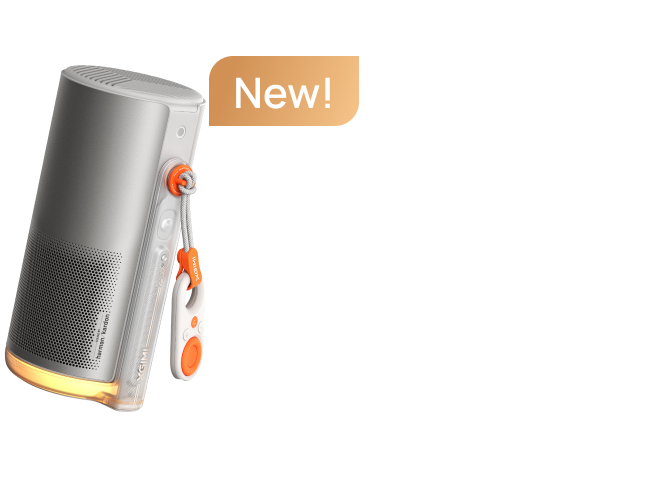
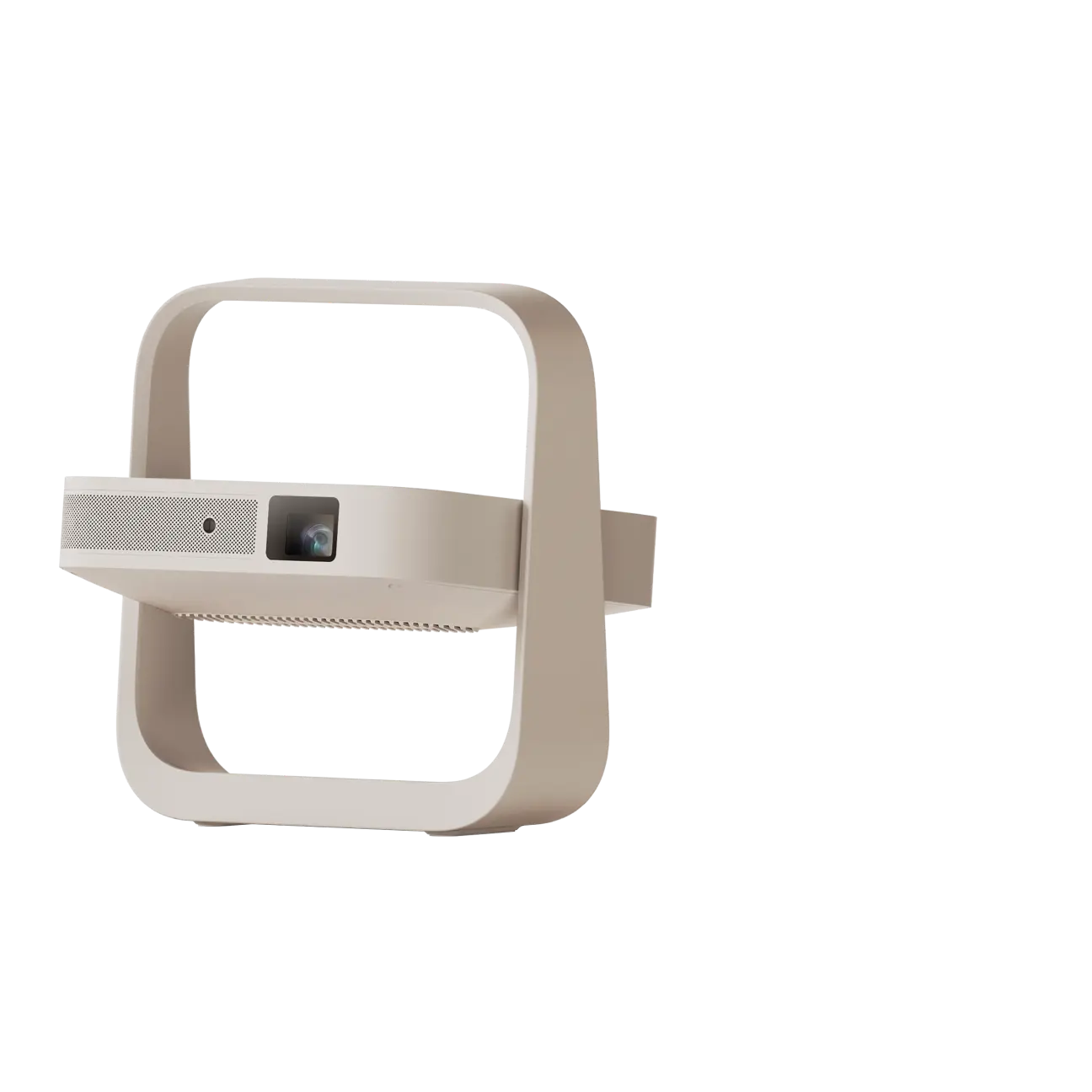
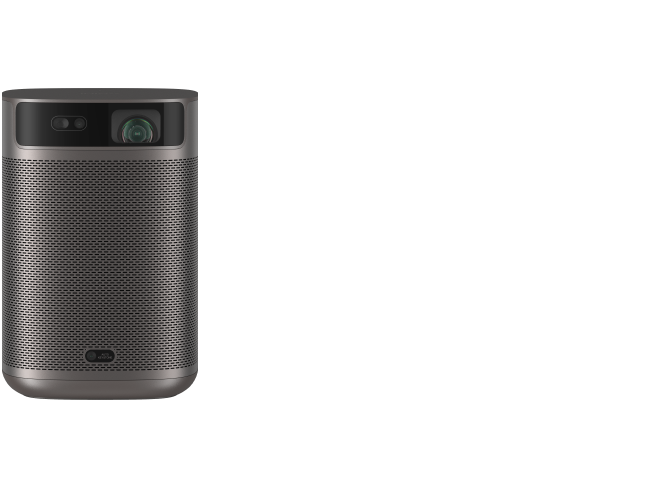
Health-conscious buyers should evaluate projectors holistically. Current leading models combine high refresh rates with smart image processing to maintain stability. XGIMI’s laser projectors and home projectors are designed with these comfort advantages in mind.
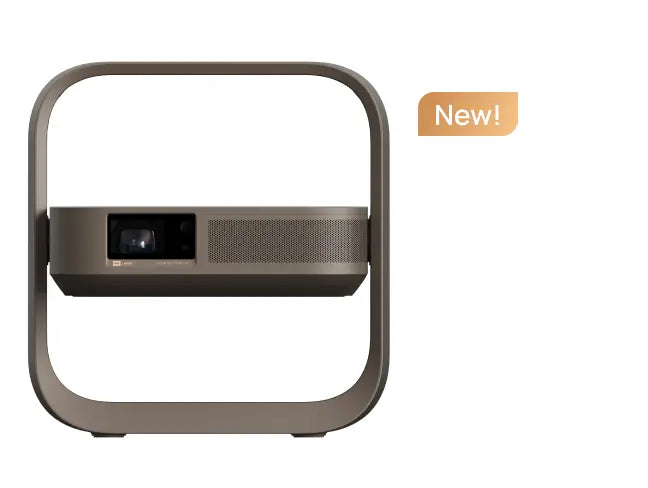
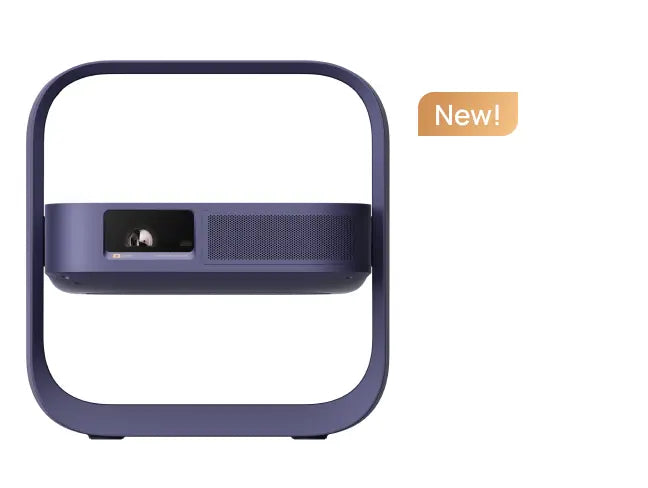
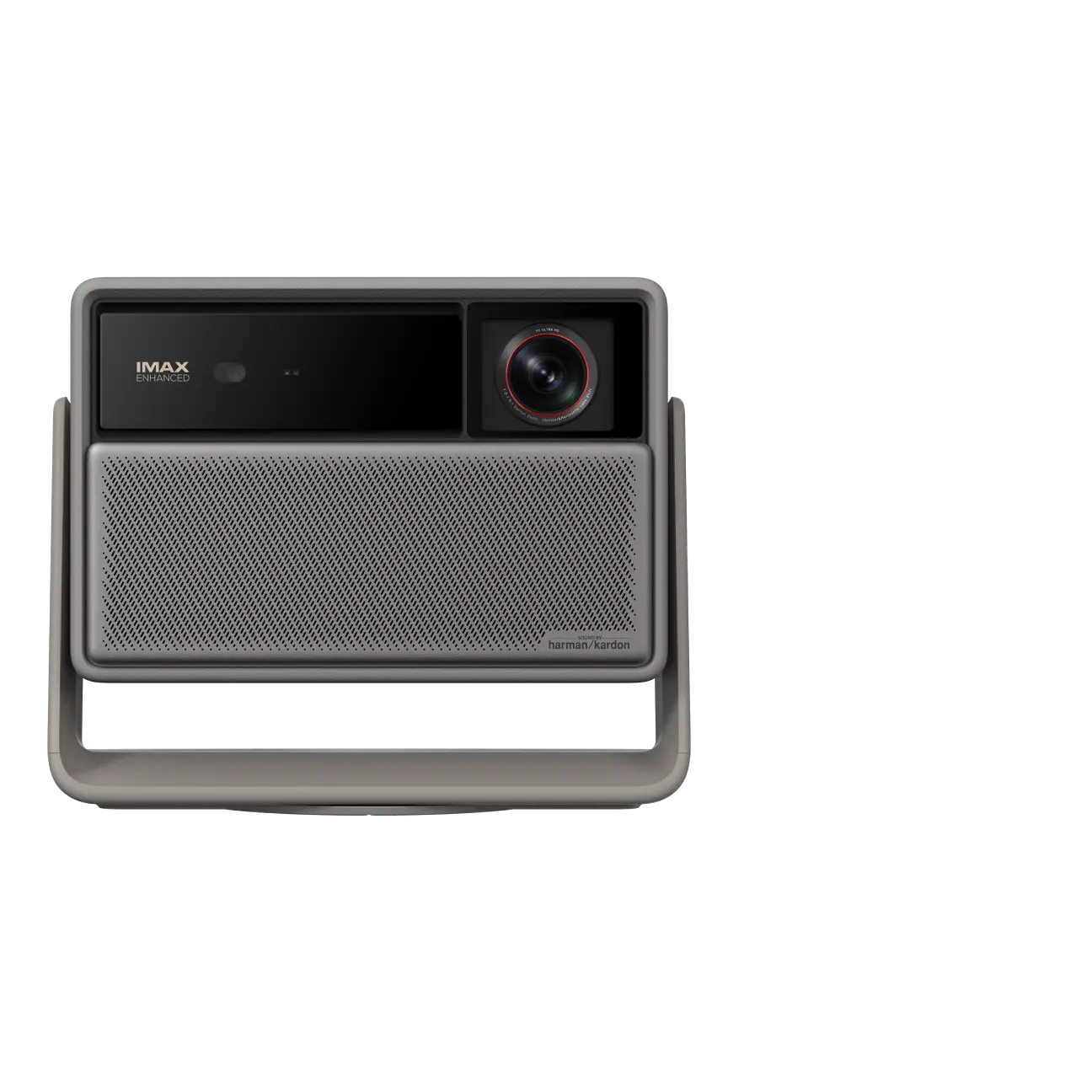
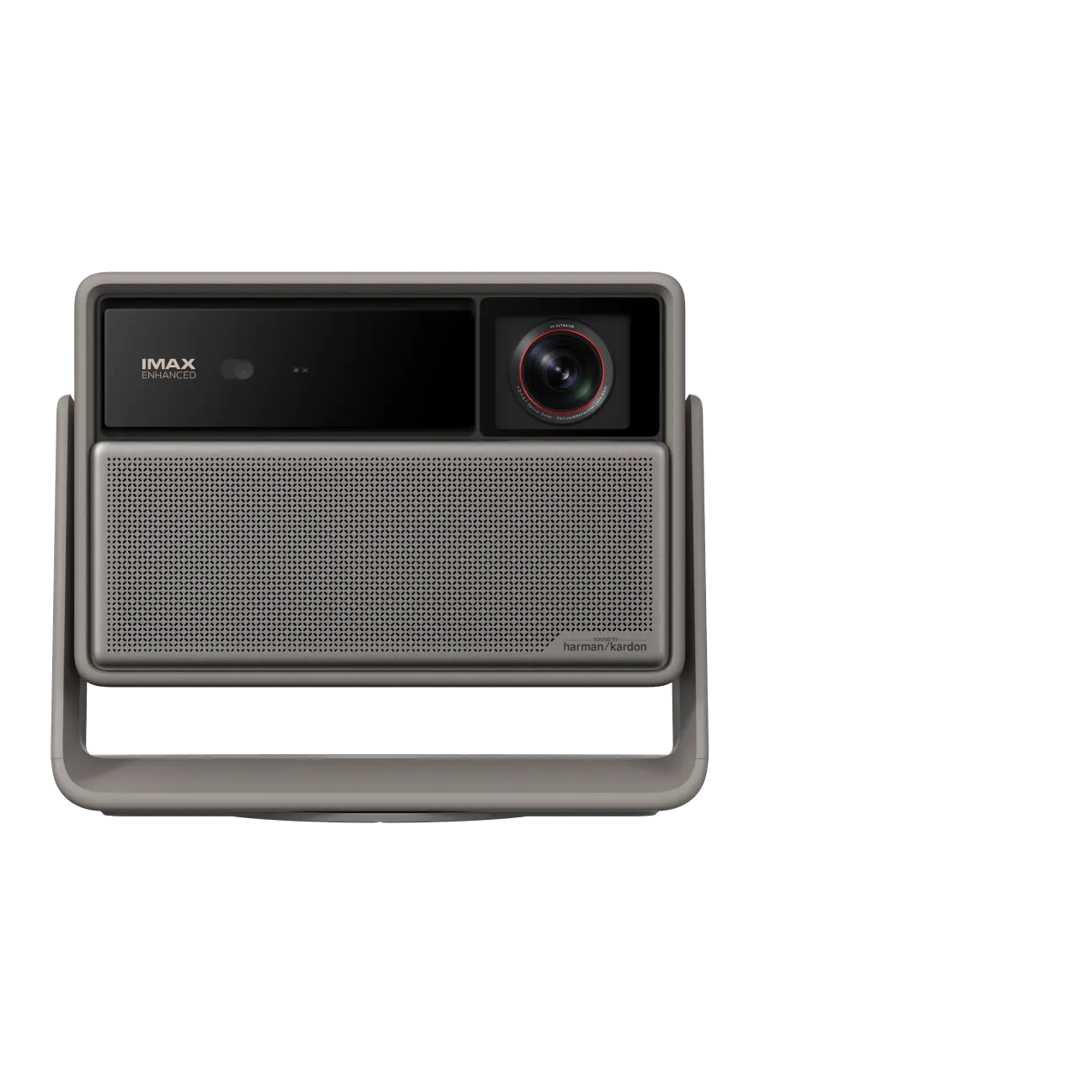
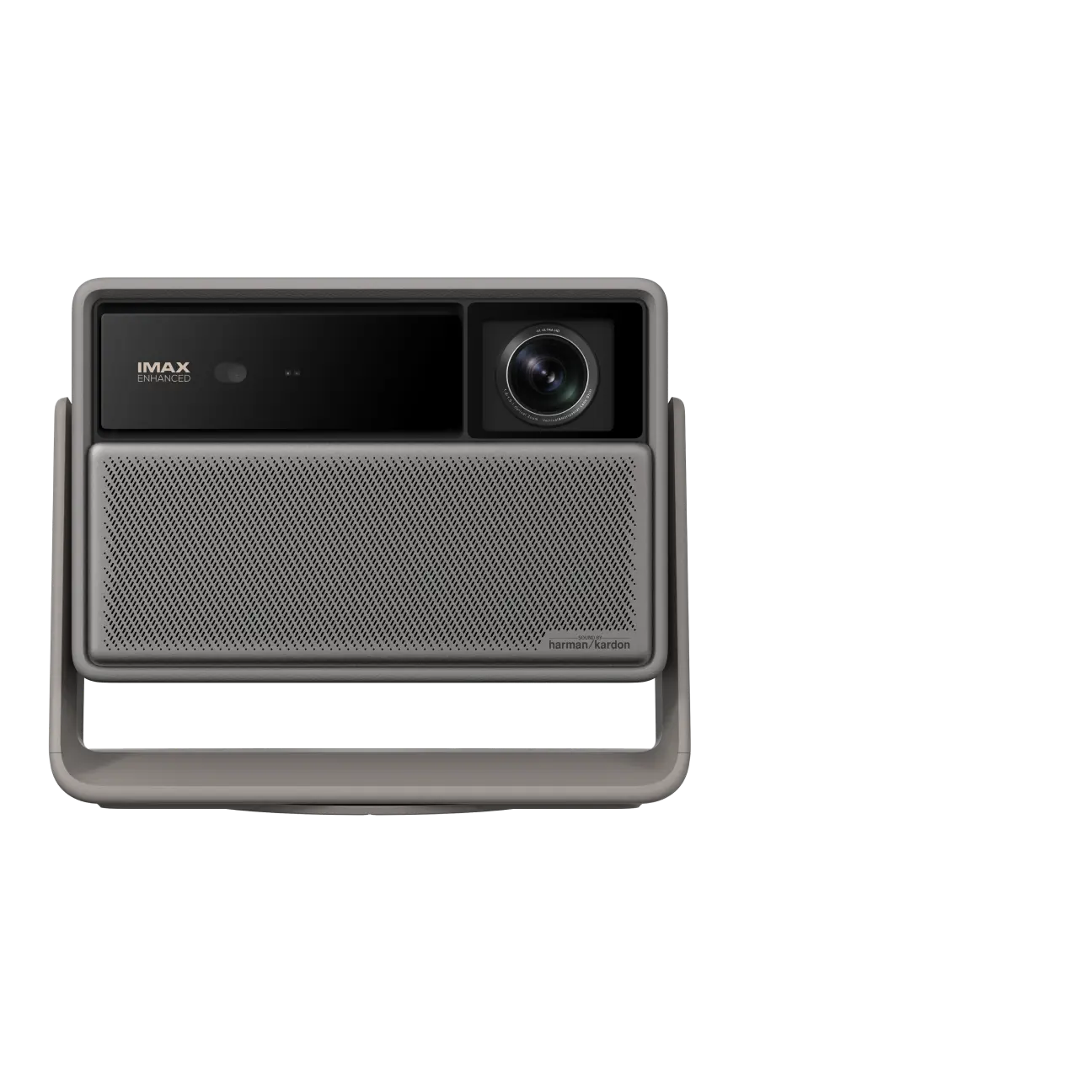
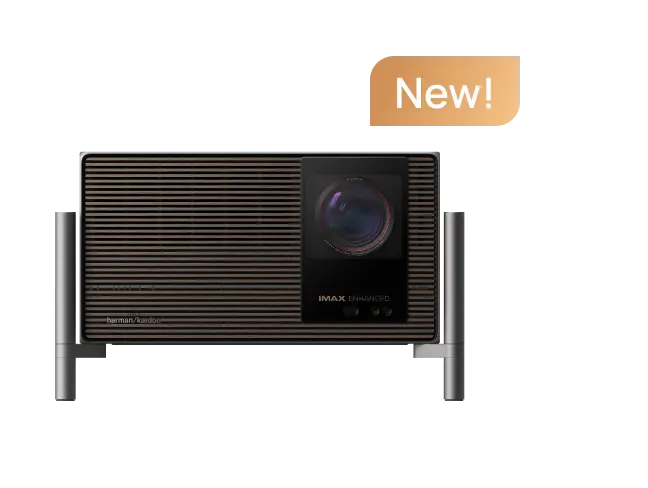
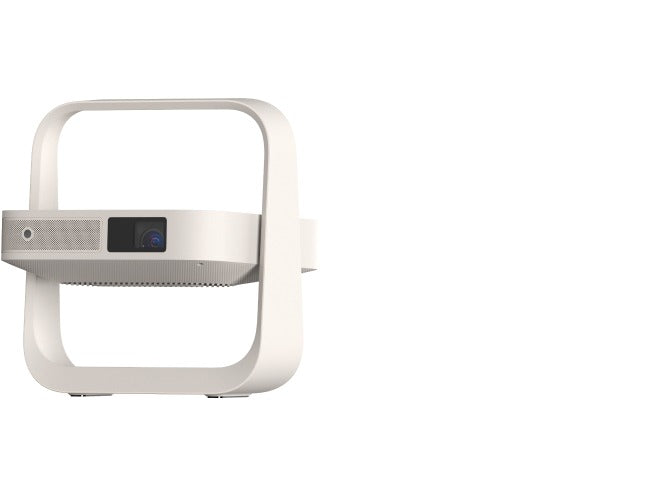
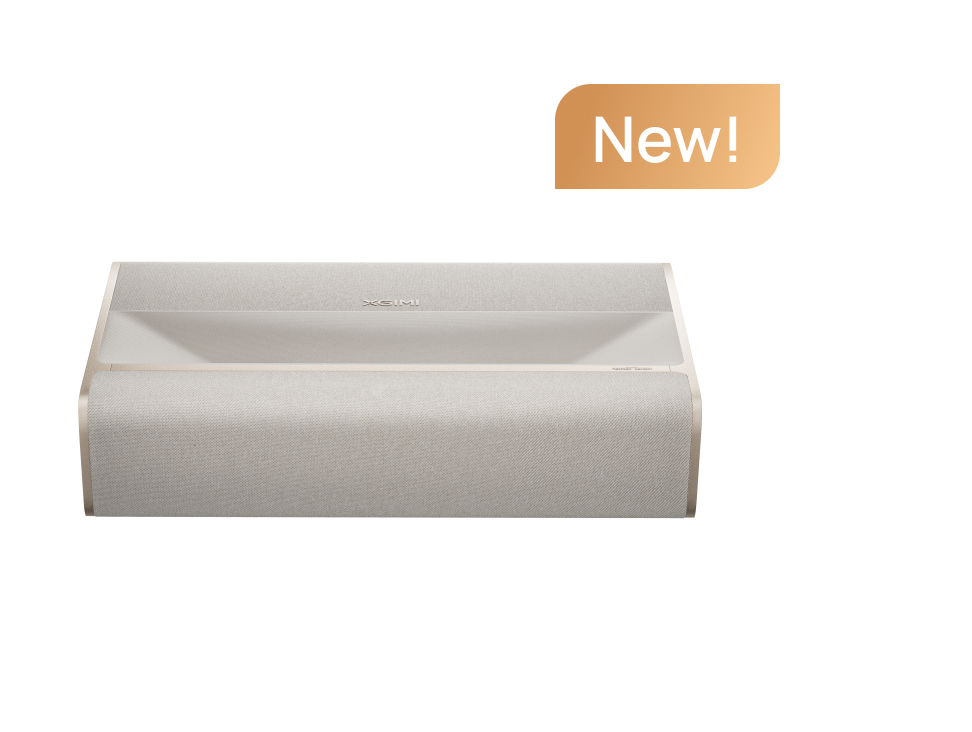
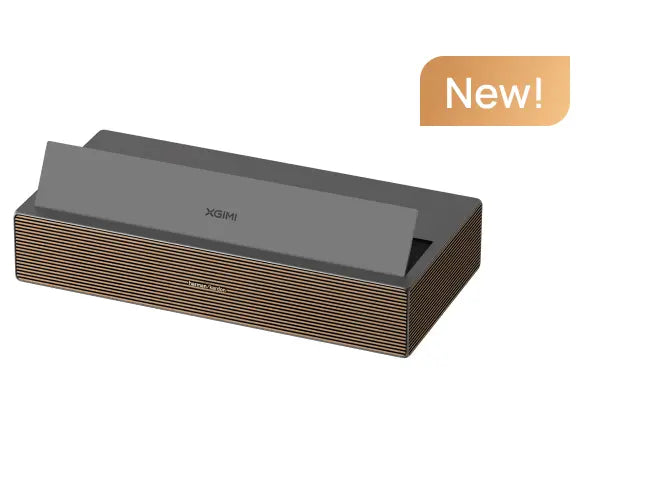
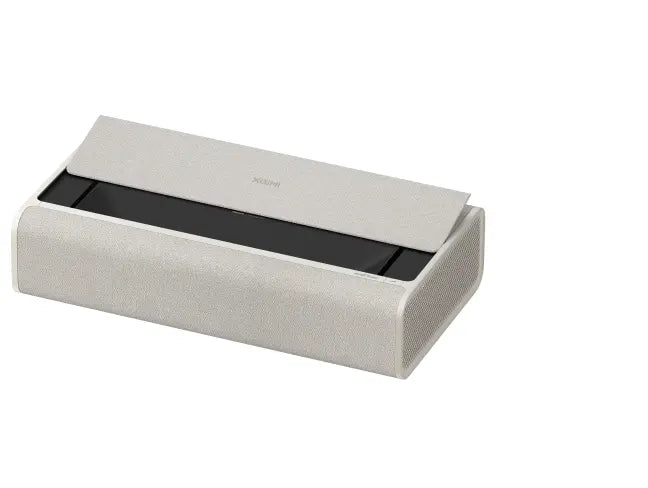
Consider the HORIZON Ultra or AURA 2 for premium home theater setups where flicker management and high-resolution brightness work together. For portable or gaming use, the MoGo 4 Laser offers a compact option with modern light-source stability.
For more technical details, see our guide to the importance of refresh rate in projectors.
Final Takeaways
Flicker rate can influence eye comfort during extended projector use, but it is rarely the only factor. A projector with thoughtful light management and high refresh behavior can feel easier on the eyes than many TVs when paired with optimized room conditions. Approach your selection as a balance of features—focusing on the full viewing ecosystem will help you build a setup that supports comfortable, enjoyable long sessions for the whole family.


