
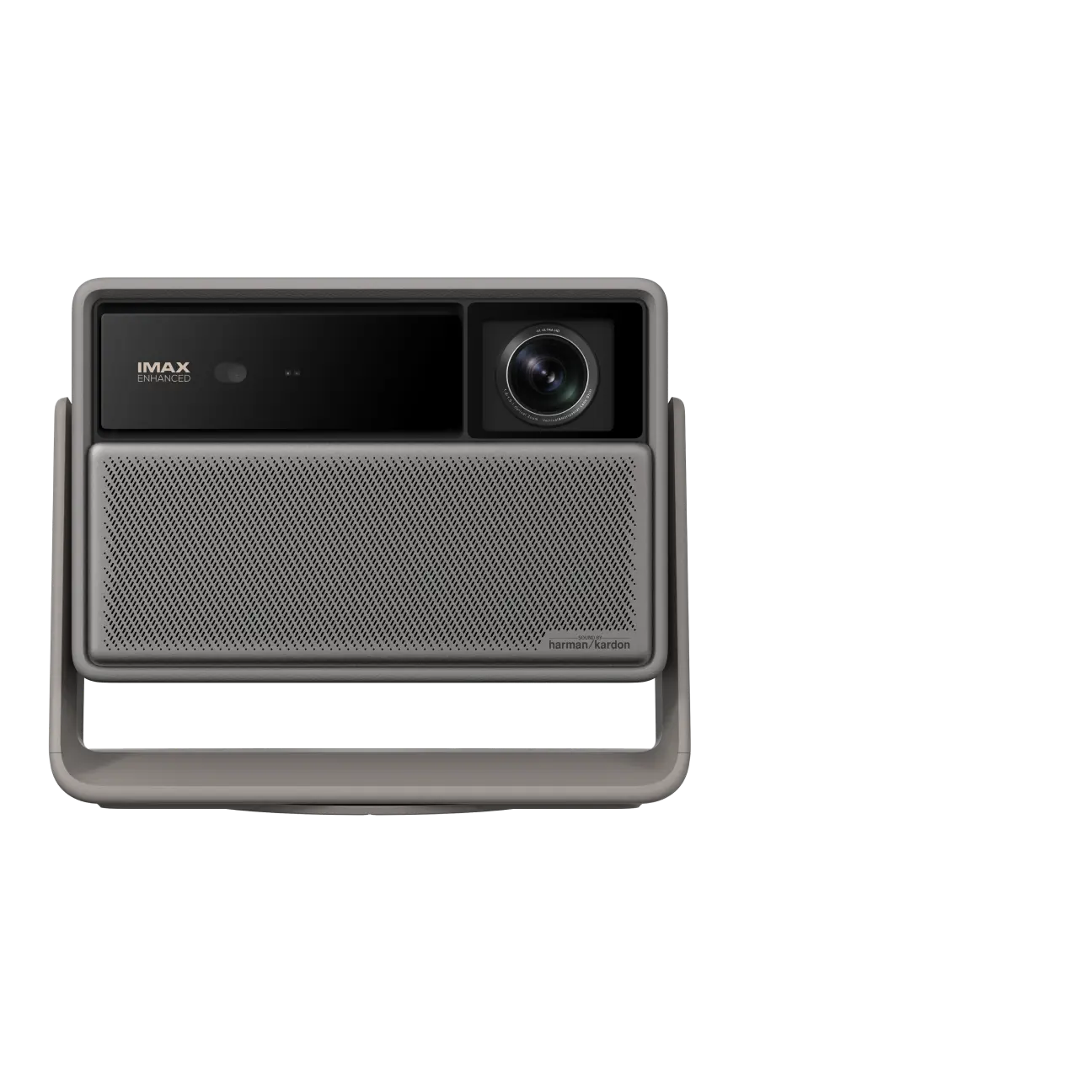
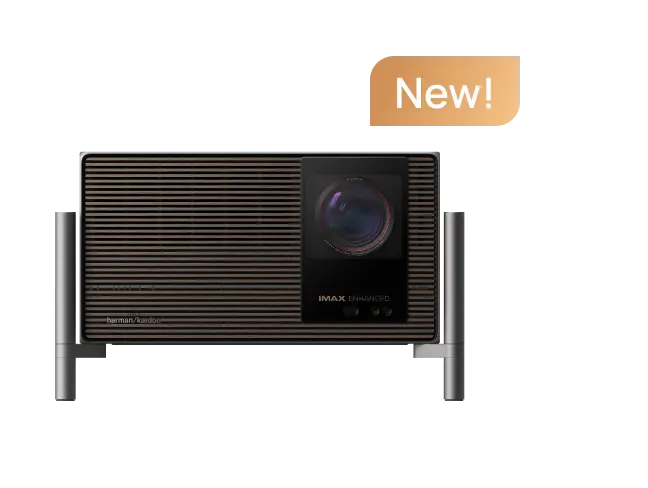
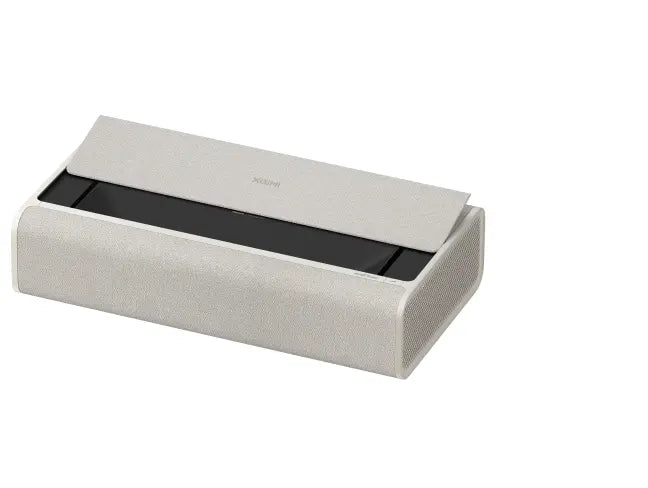
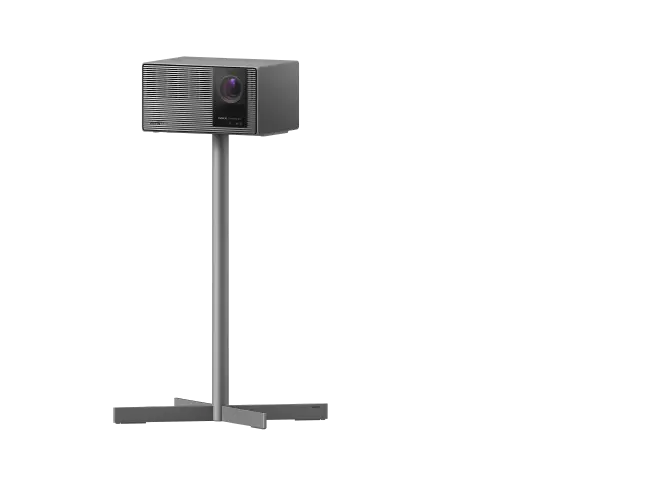
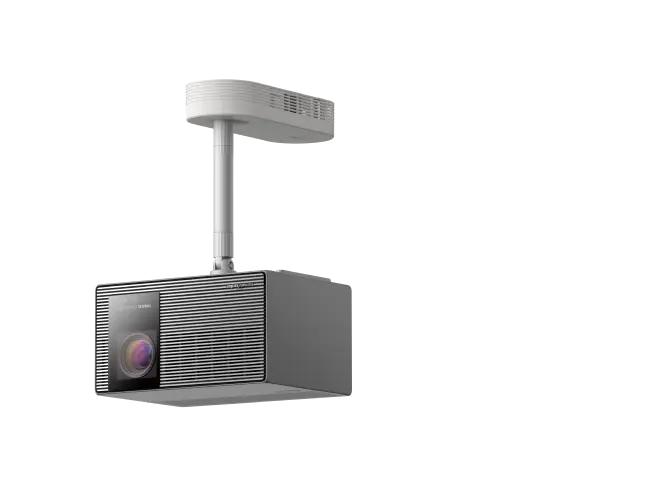





Projectors can feel more comfortable for some people during evening movie nights because they use reflected light instead of a self-lit screen, but the difference depends heavily on your room, viewing habits, and how long you watch. Reflected light often reduces the intensity of direct glare, yet both projectors and TVs can contribute to temporary digital eye strain if sessions are prolonged.

What Actually Causes Eye Strain from Screens?
Digital eye strain, also known as computer vision syndrome, is a common issue with prolonged screen use. Symptoms typically include eye strain, blurred vision, dry eyes, headaches, and sometimes neck or shoulder discomfort, according to the National Eye Institute.
The Cleveland Clinic describes similar effects, noting that these symptoms arise from extended focus on digital displays. A key mechanism is reduced blinking during screen time, which contributes to dry eye symptoms and visual fatigue, as detailed in a review published in Contact Lens and Anterior Eye.
Importantly, the American Academy of Ophthalmology states that ordinary screen blue light has not been shown to cause permanent eye damage. Digital eye strain is generally temporary and not indicative of lasting harm to eye health.
Reflected Light vs. Direct Light: How Projectors Differ from TVs
Traditional LED and OLED TVs emit light directly toward your eyes. Projectors, by contrast, bounce light off a wall or screen, creating an image through reflection. Many viewers report that this reflected light feels softer and less fatiguing, especially in controlled home environments.

However, this is a subjective comfort preference rather than proven medical superiority. As industry discussions on projector versus TV eye comfort note, some people find reflected light easier to tolerate during relaxed viewing, but results vary based on projector brightness, room conditions, and individual sensitivity.
Important Note on Eye Health: This article discusses setup and comfort factors only. It does not constitute medical advice, diagnosis, or treatment. If you experience persistent eye discomfort or have existing eye conditions, consult a qualified eye care professional.
Do Projectors Emit Blue Light?
All digital displays, including projectors, emit some blue light as part of producing a full-color image. Modern projectors with LED or laser light sources are engineered to balance color accuracy and brightness, but they are not completely blue-light free.
The misconception that projectors eliminate blue light exposure is inaccurate. The real difference often lies in how the light reaches your eyes—diffused through reflection versus direct emission. Current evidence does not support claims that one technology inherently protects eye health better than the other in terms of blue light alone.
Common Myths About Projectors and Eye Health
Myth 1: Projectors are completely blue-light free and therefore safer. Reality: Projectors do emit blue light, though the reflected delivery may feel less intense for some users. The AAO confirms that typical screen blue light does not cause retinal damage in normal use.
Myth 2: Switching to a projector will eliminate eye strain. Reality: Eye strain is primarily driven by how long you watch, viewing distance, blink rate, and room lighting—not solely by the display type. Breaks remain essential regardless of device.
Myth 3: Reflected light from projectors prevents all digital eye fatigue. Reality: While many report less fatigue in dark-room setups, factors like image focus, screen size relative to distance, and session length still matter. No display is a guaranteed solution. For more on this topic, see The Role of AI in Real-Time Image Upscaling for Projectors.
In Which Scenarios Do Projectors Feel Better for Your Eyes?
The comfort advantage of projectors over TVs is not universal. It depends on your specific viewing environment and habits.
Here is an illustrative comparison of relative comfort across common scenarios (scores are for visualization only and not based on clinical measurements):
When Projectors May Feel Easier on the Eyes
Illustrative relative comfort scores only; not medical or measured data. Based on scenario matrix and eye-strain guidance that discomfort is mainly linked to prolonged viewing and reduced blinking, not proven blue-light damage.
View chart data
| Category | Projector comfort | TV comfort |
|---|---|---|
| Dark-room movie night | 4 | 2 |
| Bright daytime viewing | 2 | 4 |
| Long sensitive session | 2 | 4 |
| Farther stable seating | 4 | 2 |
Derived from the provided scenario matrix and general AAO/NEI eye-comfort guidance. The plotted values are illustrative relative comfort scores, not measured outcomes or medical claims.
Projectors tend to shine in dark-room movie nights and setups where you can sit farther back with stable placement. TVs often feel more practical for bright rooms or very long sessions with sensitive viewers.
Practical Tips to Reduce Eye Fatigue (Projector or TV)
Comfort comes from good habits more than the device alone. Follow these evidence-based strategies:
- Follow the 20-20-20 rule: Every 20 minutes, look at something 20 feet away for 20 seconds.
- Take regular breaks to allow your eyes to rest and blink naturally.
- Maintain proper viewing distance—generally 1.5 to 2 times the screen diagonal for projectors.
- Control ambient lighting to avoid extreme contrast between the screen and room.
- Position yourself so the screen is slightly below eye level.
- Ensure good room ventilation and consider using a humidifier if dry eyes are an issue.
These steps help regardless of whether you choose a projector or TV, as supported by reviews on break strategies for digital eye strain.
How to Choose the Right Option for Your Family
For health-conscious families considering a TV replacement, evaluate these checkpoints:
- Room lighting: Can you control ambient light? Darker rooms favor projectors.
- Viewing distance: Do you have space to sit farther back? Larger reflected images may feel easier at distance.
- Session length: For short-to-medium evening movies, many prefer projectors. Very long daily use may require testing both.
- User sensitivity: If someone experiences frequent strain, prioritize adjustable brightness and proper setup over device type.
- Setup stability: Projectors benefit from consistent placement and focus; unstable setups can increase fatigue.
When upgrading, consider models with good brightness control and auto-adjustment features for easier daily use. Always prioritize professional eye care for any ongoing concerns.
The Bottom Line: Comfort Is Personal and Setup-Dependent
Projectors may feel more comfortable than TVs for many people in typical home theater scenarios due to reflected light, but they are not a medical cure for eye strain. The evidence shows that digital discomfort stems mainly from prolonged use and behavioral factors rather than the display technology itself. For more on this topic, see How to Set Up a Karaoke Night at Home Using a Projector for Lyrics ....
Choose based on your room, habits, and preferences. Combine the right device with healthy viewing practices for the best experience. If eye discomfort persists, see an eye doctor rather than relying solely on hardware changes.
This article is for informational purposes only and does not replace professional medical advice.


