
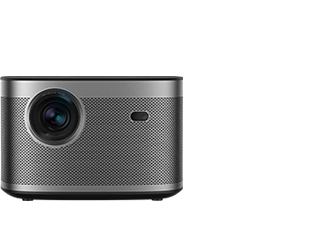
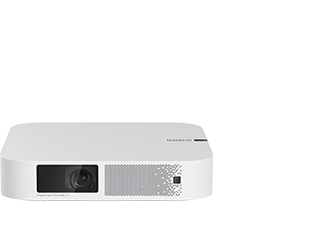

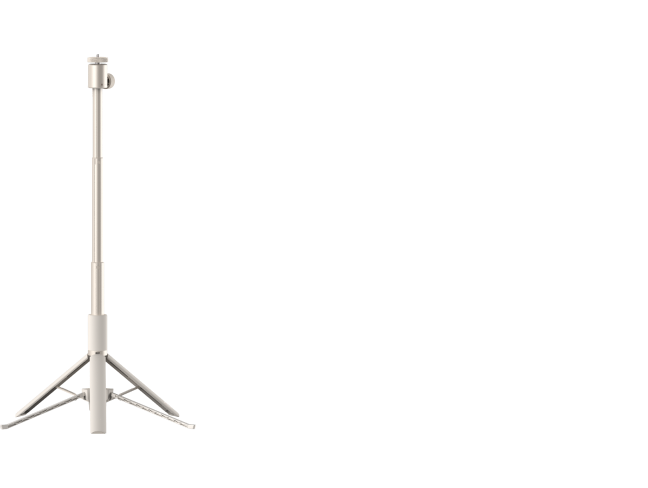
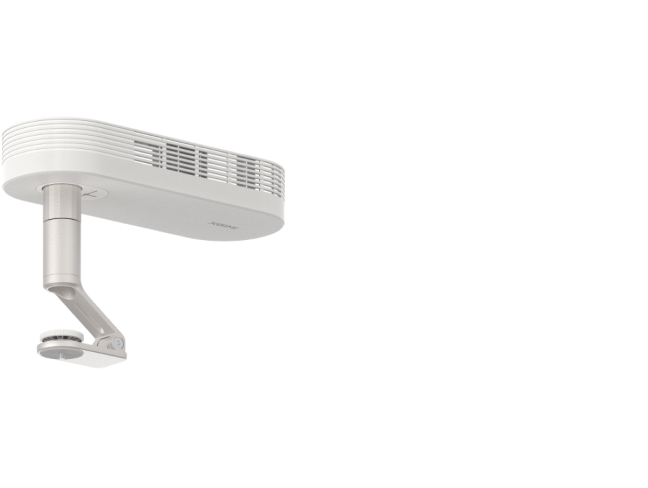


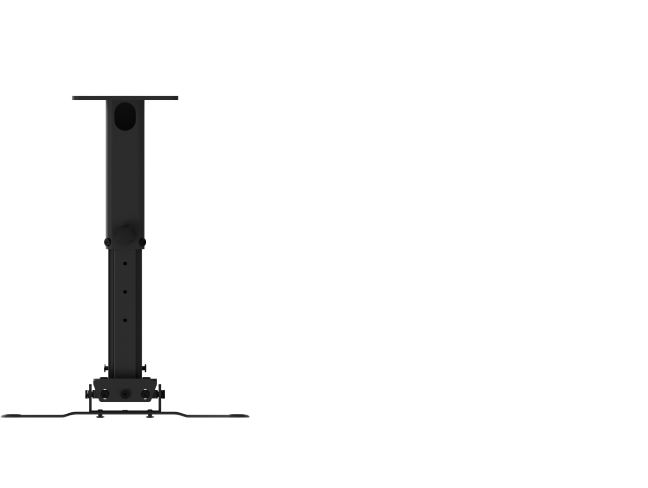


The decision between a projector and a TV for your living room depends heavily on your room's lighting, how you use the space, and what matters most to your household—convenience or cinematic immersion. While ultra-short-throw projectors can deliver massive screen sizes that rival or exceed an 85-inch TV, TVs generally offer easier everyday usability in brighter or mixed-light environments. This guide breaks down the real trade-offs to help you choose the display that fits your actual home setup.

When a Projector Makes More Sense Than a TV
Projectors shine in controlled environments where you can manage ambient light. As this official audiovisual design guide explains, a successful projected image must be bright enough to overcome ambient light in the room, and windows and other light sources need to be accounted for during planning.
In dedicated media rooms or spaces used primarily at night, a good 4K projector paired with an appropriate screen can create an immersive experience that feels more like a cinema than a traditional TV. Ultra-short-throw (UST) models, in particular, eliminate the need for ceiling mounts and can sit just inches from the wall while producing images over 100 inches.
However, performance drops noticeably in typical living rooms with daytime light. Projected images need enough brightness to remain legible in the presence of ambient light, so room lighting is a major factor in projector performance, according to projection design references.
When a TV Is the More Practical Choice
For most families and multipurpose living rooms, a TV remains the simpler default. Many TVs include automatic brightness control that adjusts output based on ambient light, which is one reason TVs are often easier to live with in bright rooms, as noted in ENERGY STAR television specifications.
TVs deliver consistent picture quality regardless of time of day, better black levels without a perfectly dark room, and instant on/off convenience. They require minimal setup—just wall mounting or a stand—and rarely need additional accessories like specialized screens.
If your room has frequent daylight, multiple windows, or serves as a casual family space rather than a theater, a large TV (75–85 inches or more) usually provides more reliable daily performance.
Brightness and Ambient Light Performance
Ambient light is the general illumination in a room, and it can affect how well a projector image holds up. This single factor explains why many projector owners end up watching with lights off or curtains drawn, while TVs maintain visibility in normal household lighting.
Modern laser projectors, including ultra-short-throw models, have improved dramatically in brightness. Still, no single lumen number works for every room. In bright living rooms, even high-lumen projectors may appear washed out unless you invest in an ambient-light-rejecting screen.
Illustrative Room Suitability Comparison
Projector vs TV: Room and Light Suitability (Illustrative)
A simple decision aid showing relative suitability by room scenario; higher scores indicate a better fit for that setting.
View chart data
| Category | Projector | TV |
|---|---|---|
| Small dark room | 9 | 6 |
| Moderately lit living room | 6 | 8 |
| Bright room with windows | 3 | 9 |
| Dedicated home theater | 10 | 7 |
| Kitchen / daytime multipurpose room | 2 | 9 |
Illustrative heuristic scores only. Based on the provided decision framework: ambient light strongly affects projector performance; TVs have automatic brightness control and are more resilient in bright rooms; projectors need careful handling of windows and other light sources; UST projectors can substitute for TVs but still depend on room conditions. Scores are relative suitability ratings from 1 to 10, not measured data or official benchmarks.
These scores are illustrative heuristics meant to highlight general patterns, not precise measurements.
Ultra Short Throw Projectors vs 85-Inch TVs
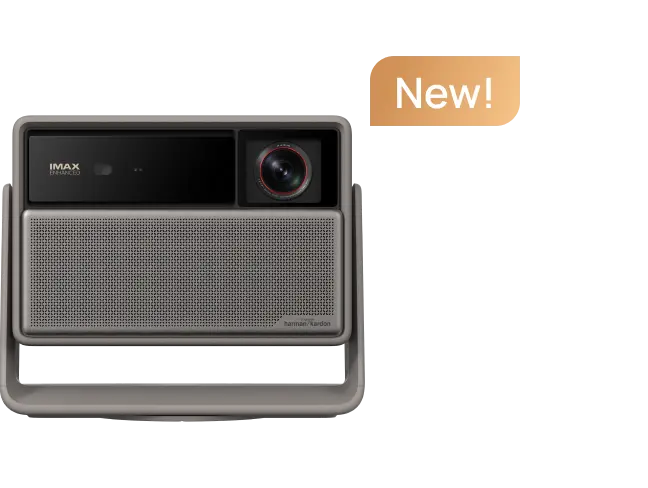
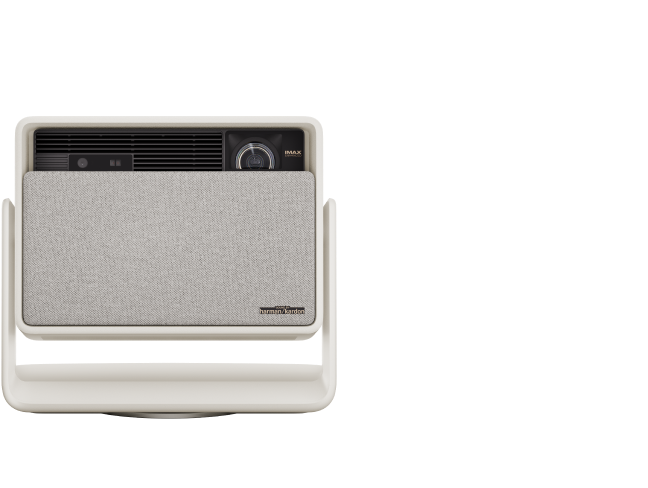
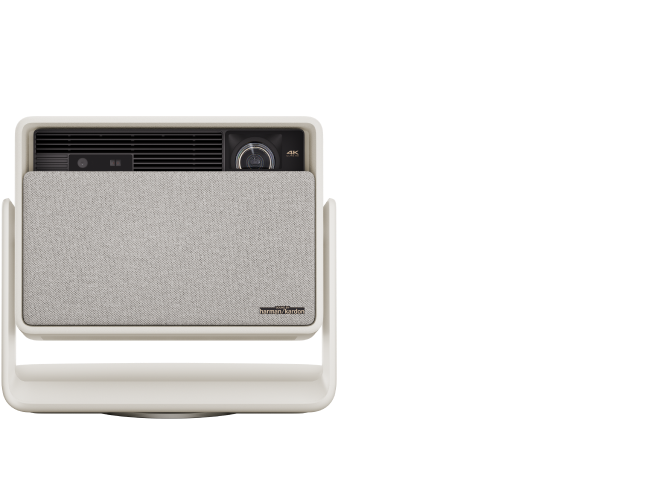
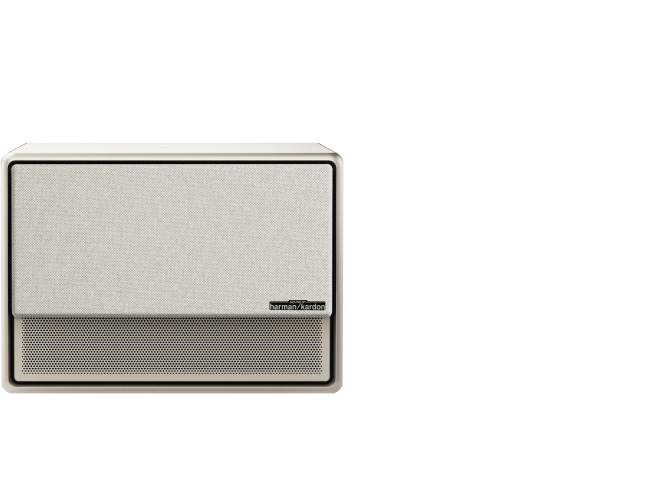
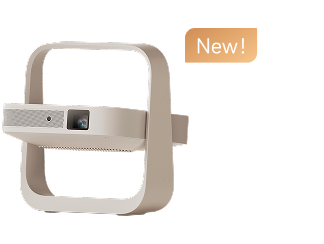
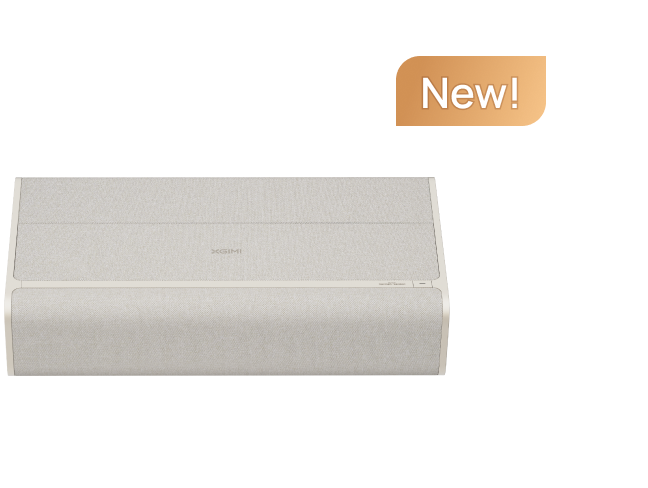
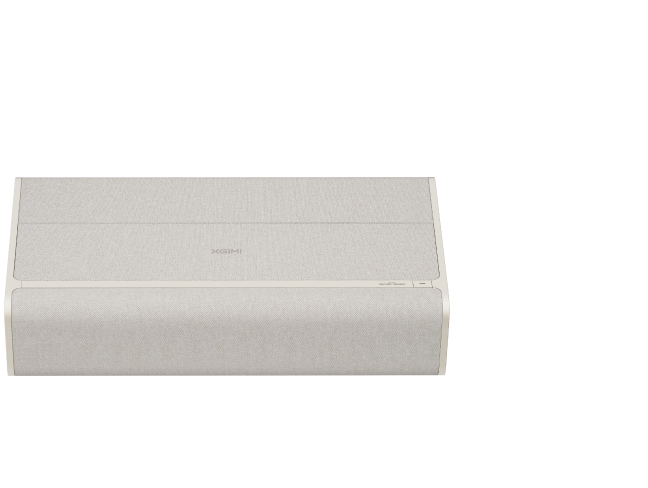
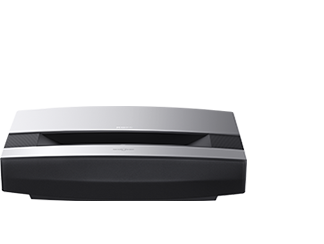
UST projectors are frequently positioned as direct alternatives to very large TVs. Models like the XGIMI AURA 2 can deliver a 100–120 inch image from just inches away, saving significant wall space compared to an 85-inch TV.
The trade-off comes in picture consistency. An 85-inch TV typically offers stronger contrast and deeper blacks in normal lighting, while a UST projector excels when the room can be dimmed. Screen choice also matters: projection screen design affects how light is reflected, so screen choice can materially change perceived brightness and uniformity.
For apartments or rooms where you cannot mount a huge TV, a quality UST projector often wins on size and style. In standard living rooms with mixed light, the TV usually feels more practical day-to-day.

Installation, Space, and Setup Complexity
Projectors generally require more planning. You must consider throw distance, screen placement, and light control. Even UST models benefit from a flat wall or dedicated screen for best results.
TVs win on simplicity: most people can unbox, plug in, and start watching within minutes. Wall mounting an 85-inch TV still needs sturdy hardware and careful planning, but it avoids the alignment and focus adjustments many projectors require.
Total Cost of Ownership
Upfront costs vary widely. A premium 85-inch TV often costs less than a high-end 4K UST projector plus a good screen. However, projectors can be more economical for very large images—going beyond 100 inches is far cheaper with projection than with TVs.
Long-term expenses include replacement lamps or laser sources for projectors (though modern laser models last many years), possible screen costs, and sound systems for both. Maintenance is usually lower for TVs, which have fewer moving parts and no need for periodic calibration in the same way.
Image Quality and Viewing Experience
Modern projectors deliver excellent 4K resolution, HDR support, and accurate colors. Yet TVs still tend to have an edge in black levels and contrast ratio when ambient light is present.
Motion handling has improved on both, but some viewers notice more rainbow effect or input lag on certain projectors during fast gaming. For pure movie nights in a darkened room, many prefer the immersive scale of projection.
Research comparing TV and projector viewing suggests that visibility and viewing conditions change with screen setup and distance.
Smart Features and Daily Usability
Both categories now offer smart platforms with streaming apps. Projectors from brands like XGIMI often run Google TV with voice control and excellent built-in audio. TVs frequently include more advanced gaming features such as variable refresh rate and lower latency.
Daily convenience still favors TVs for most households because they work reliably without worrying about light levels or setup adjustments.
How to Decide for Your Room
Use this practical checklist:
- Can you reliably control ambient light in the room? If not, lean toward a TV.
- Do you watch mostly at night or during dedicated movie sessions? A projector becomes more viable.
- Is space at a premium and do you want 100+ inches? Consider a UST projector.
- Do you need instant on, great daytime viewing, and minimal maintenance? Choose a TV.
- Are you willing to invest in a screen and proper setup? Projectors reward that effort.
In bright living rooms with daily mixed use and little light control, a TV is usually the safer default. In dedicated theater rooms where light can be controlled and fixed installation is acceptable, a projector becomes more practical.
Don't start with a projector if your room stays bright for most viewing hours, you want TV-like instant convenience, or the setup cannot stay in place.
Choosing the Right Projector (If You Go That Route)
If your assessment favors projection, look for models with high brightness, good color accuracy, and smart features. Laser light sources offer long life and consistent performance. XGIMI's line of home and ultra-short-throw projectors emphasizes easy setup and strong built-in sound.
For more guidance, read our guide on choosing a living room projector or explore ultra short throw projectors.
Final Recommendation
Neither option is universally better. The right choice depends on your specific room conditions, viewing habits, and priorities. In many modern homes with some ambient light and a desire for simplicity, a large TV remains the more practical everyday solution. For those who can control their environment and crave a massive, cinematic image, a quality projector—especially an ultra-short-throw model—can transform your living room into a home theater.
Evaluate your space first, test lighting conditions at different times of day, and consider how you actually watch content. That honest self-assessment will lead to far more satisfaction than following general trends alone.
This article discusses comfort and setup considerations for home entertainment displays. It does not constitute medical advice. If you experience persistent eye strain or have existing vision conditions, consult a qualified eye care professional.


