
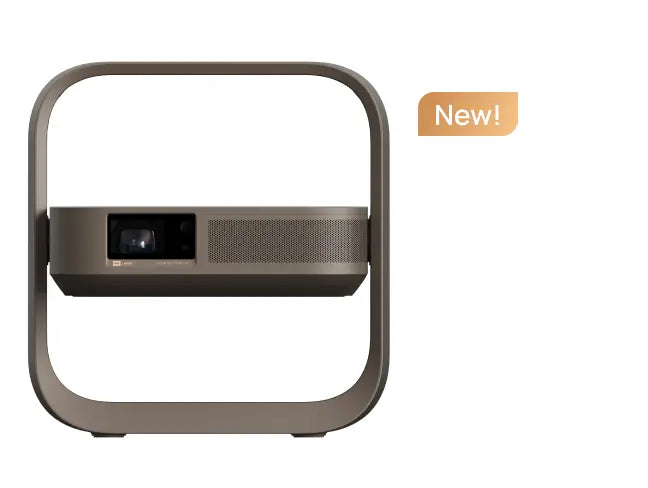
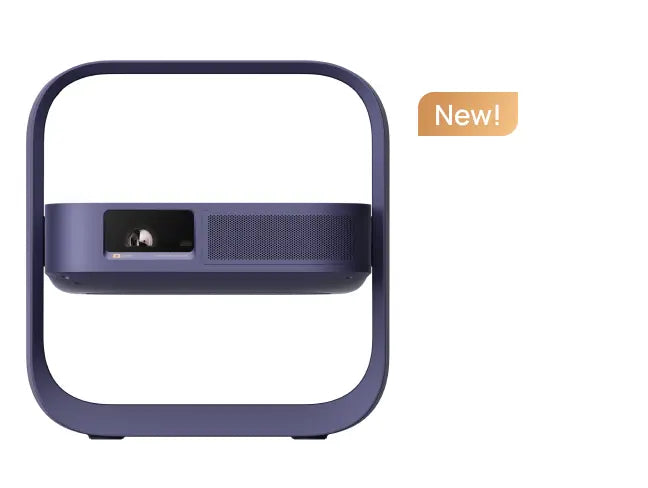
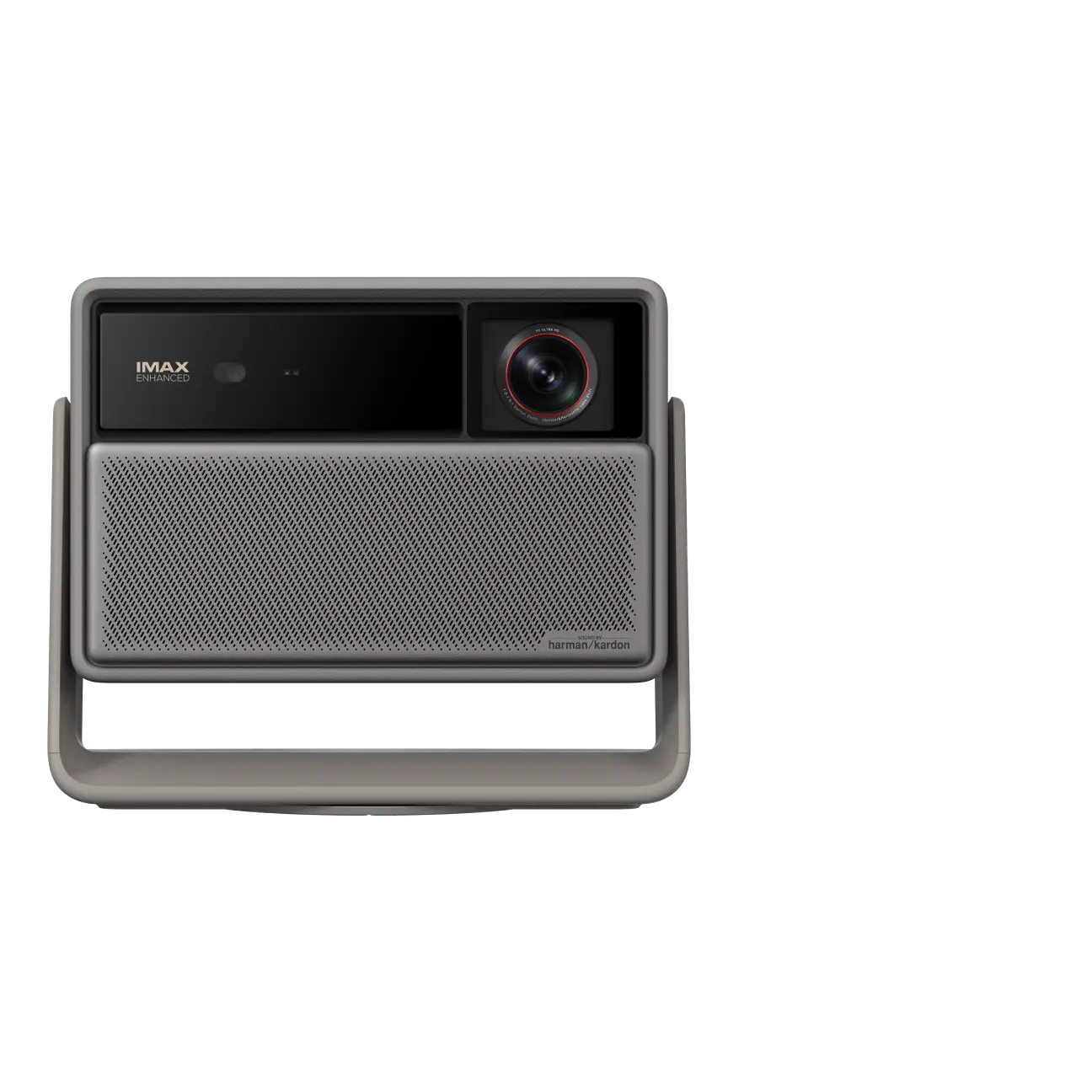
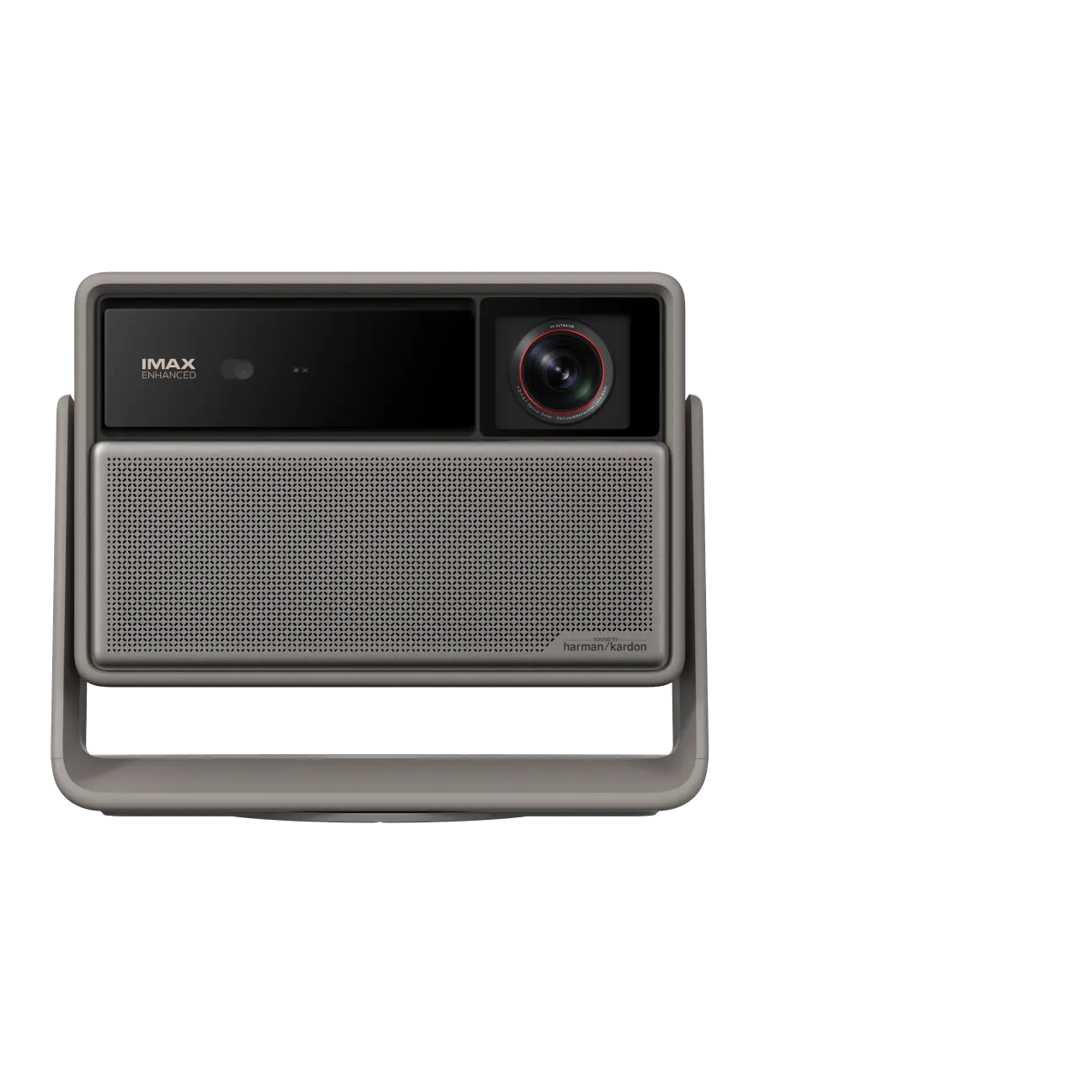
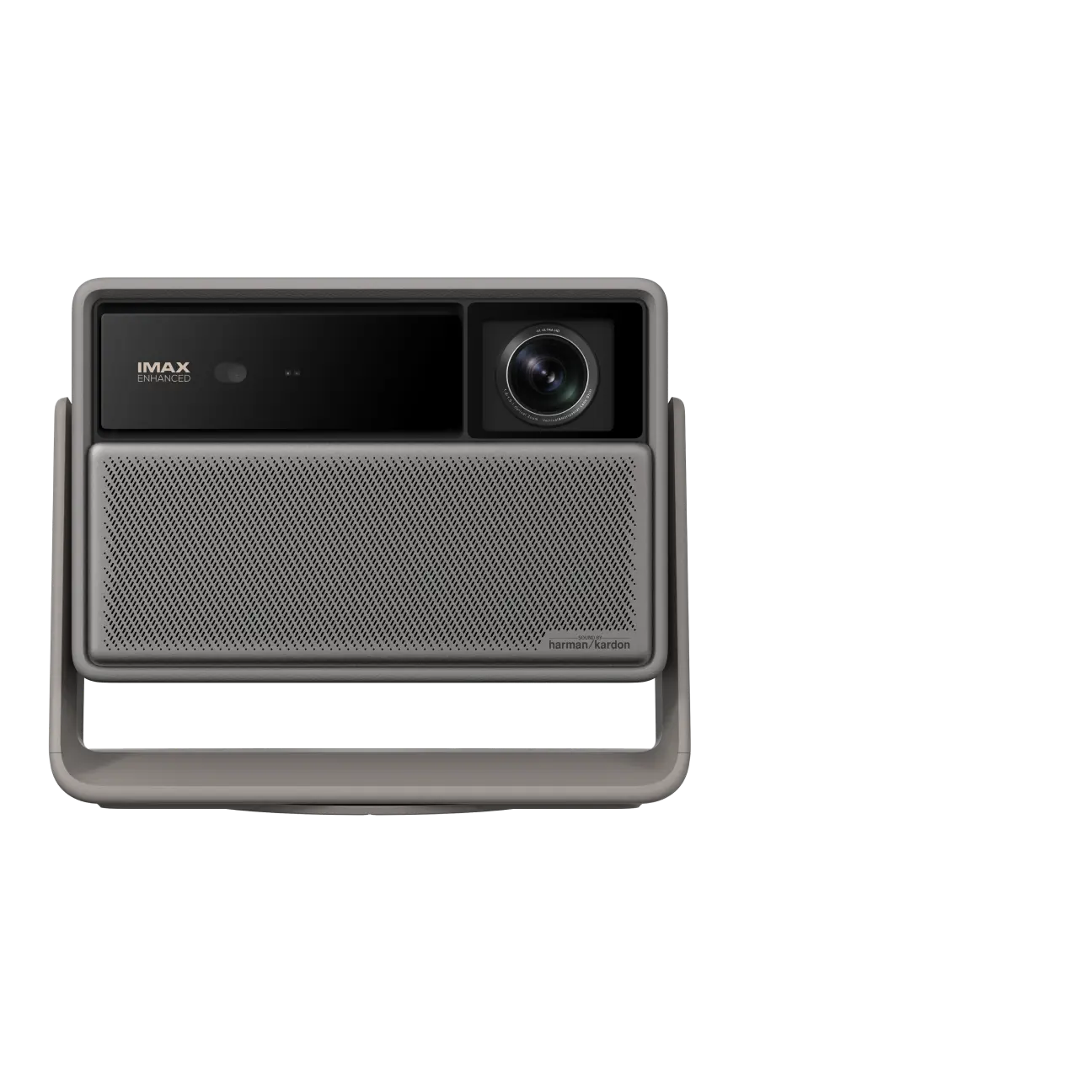
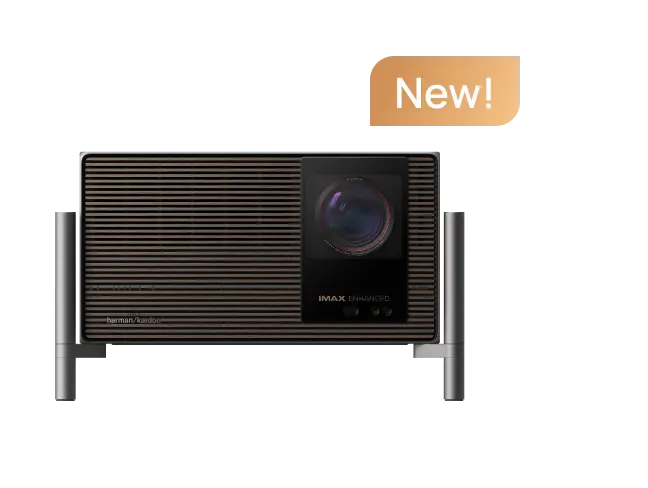
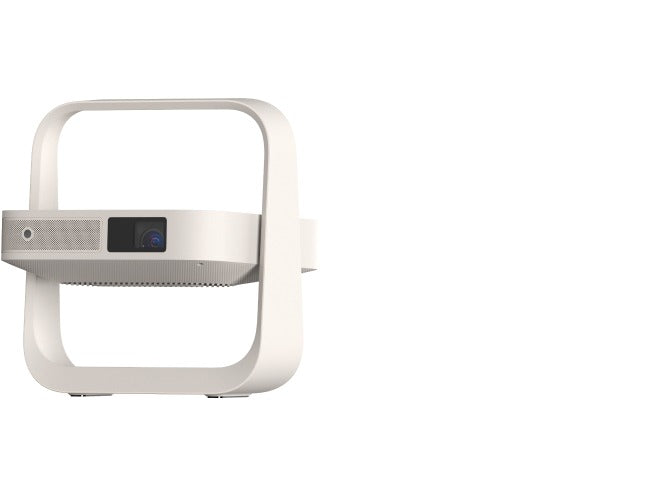
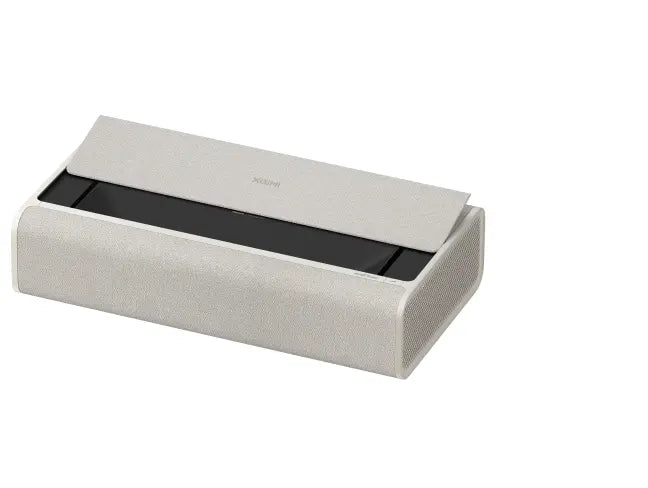
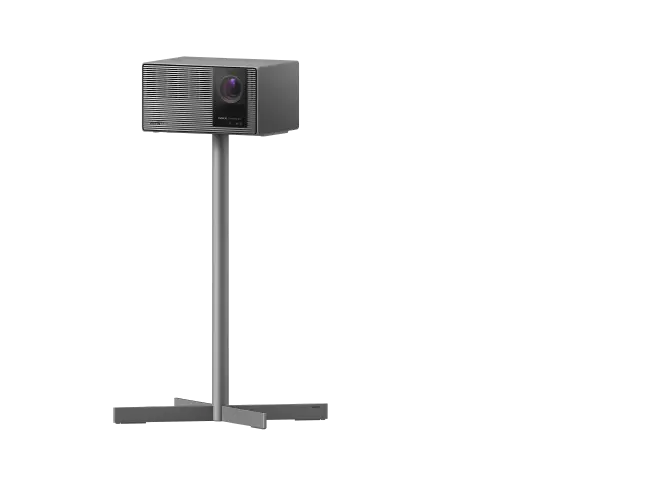
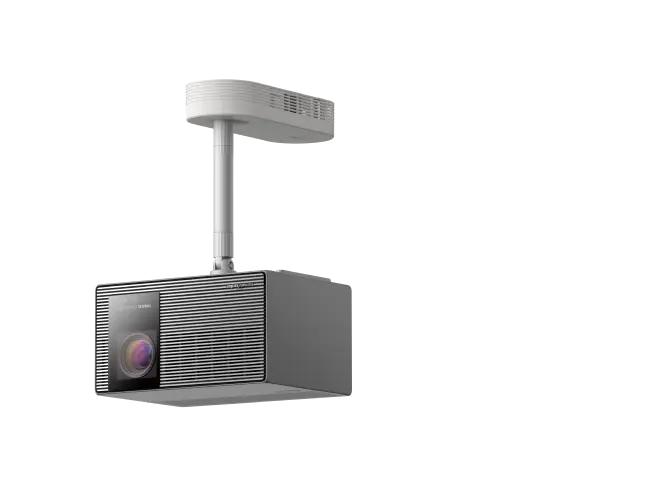





Taking your projector outdoors for a movie night under the stars creates magical memories, but leaving it exposed overnight invites a hidden risk: dew and condensation that can fog lenses, corrode components, and shorten the life of your device. The safest approach is to pack your projector into a protective case or bring it indoors after use rather than leaving it out, especially when temperatures drop after sunset. When that's not possible, strategic placement, elevation, and simple weather checks can significantly reduce moisture damage.

Why Dew and Condensation Pose a Real Threat to Outdoor Projectors
Condensation forms when a surface cools to or below the air's dew point, which explains why nighttime temperature drops often lead to moisture collecting on outdoor electronics like projectors. As the air cools after sunset, the lens, housing, and internal parts can drop below this critical temperature threshold, pulling moisture from the surrounding air. This is particularly common in camping, RV, or backyard setups where humidity rises overnight.
According to EPA moisture control guidance, managing temperature swings is more effective than simply wiping away visible water. Once condensation appears on the lens, it can reduce image clarity immediately, and if moisture enters vents or seams, it raises the risk of corrosion or electrical issues over time. A scientific review on the detrimental effects of water on electronic devices confirms that humidity-related condensation contributes to circuit failures and component degradation in electronics.
For outdoor users, this means a projector left on damp grass or a cold patio surface overnight faces higher risk than one stored in a dry environment. Leaving electronics outdoors overnight is inherently higher risk than packing them into a dry case or sheltered location after use.
How to Judge Weather Risk Before an Outdoor Movie Night
Instead of relying on relative humidity alone, focus on the dew point as a better indicator of condensation risk when temperatures fall after sunset. Dew point tells you the temperature at which moisture will begin to condense on surfaces. The smaller the gap between current air temperature and the dew point, the higher the chance that your projector will collect dew as it cools.
Outdoor Projector Condensation Risk by Temperature-Dew Point Gap
Heuristic decision aid: smaller gaps mean higher condensation risk.
View chart data
| Category | Relative condensation risk |
|---|---|
| <3°C gap | 3.0 |
| 3-5°C gap | 2.0 |
| >5°C gap | 1.0 |
Heuristic risk bins from provided dew-point guidance. Not a measured probability forecast: <3°C gap = high risk, 3-5°C = medium risk, >5°C gap = low risk.
These thresholds are heuristic only, derived from dew-point principles in ENERGY STAR humidification guidance and EPA moisture documents. A gap under 3°C signals high risk—consider packing up early. A gap over 5°C suggests lower immediate condensation risk, though other factors like ground moisture still matter. Always check local weather apps for dew point forecasts before setting up.

Practical Placement and Setup Strategies to Minimize Moisture
Elevation is one of the most effective ways to reduce contact with ground-level dampness. Placing your projector on a stable stand or table instead of directly on grass or patio stones helps avoid cold, wet surfaces that accelerate cooling. The EPA moisture control guide emphasizes physical separation from damp ground as a key moisture management tactic.
Choose a spot with good airflow but protection from direct wind that could carry mist. Avoid low-lying areas where cold air and humidity pool overnight. If using a tent or canopy, ensure ventilation to prevent trapped humidity from building up inside.
For RV and camping users, our RV and Campervan Projector Setup guide offers additional tips on stable mounting that also help with moisture avoidance by keeping equipment off the ground. For more on this topic, see Projector Maintenance and Longevity: Keeping Your Setup Running Lik....
When running your projector late into the evening, allow it to cool gradually before covering or storing. Sudden temperature changes can worsen internal condensation risks.
Protective Accessories That Help (With Realistic Expectations)
Carrying cases and covers provide valuable barriers during transport and brief exposure, but they should not be treated as a guarantee against overnight dew or condensation. A waterproof case can shield your projector from light mist or morning dew during short periods, yet prolonged outdoor exposure still carries risk. For more on this topic, see The Best Carrying Cases for Protecting Your Portable Projector Duri....
Consider these XGIMI options:
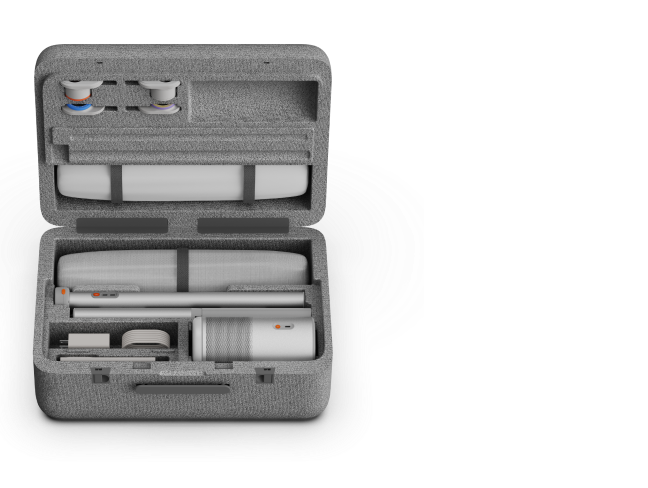
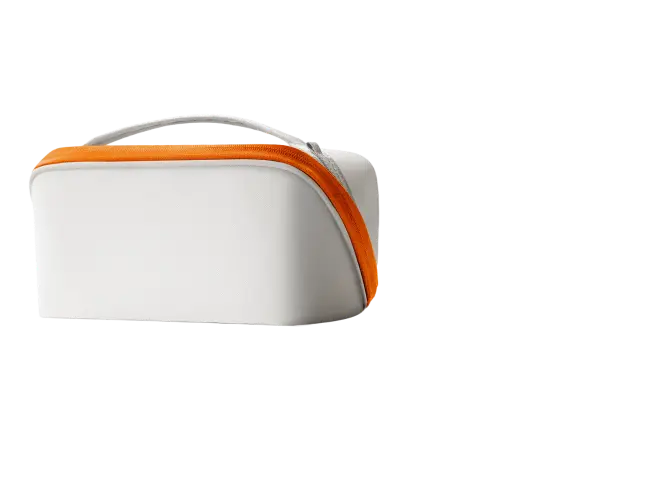
- The XGIMI Carrying Case offers durable, waterproof faux leather protection ideal for the MoGo series during travel and outdoor use.
- MoGo Series Carrying Case provides dust-proof and shock-proof storage that doubles as quick overnight shelter when combined with elevation.
- For larger models, the Halo/ HORIZON Series Carrying Case securely holds the projector plus accessories.
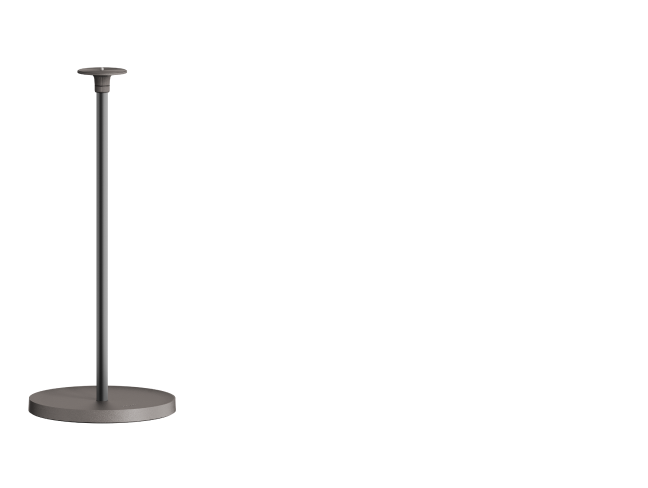
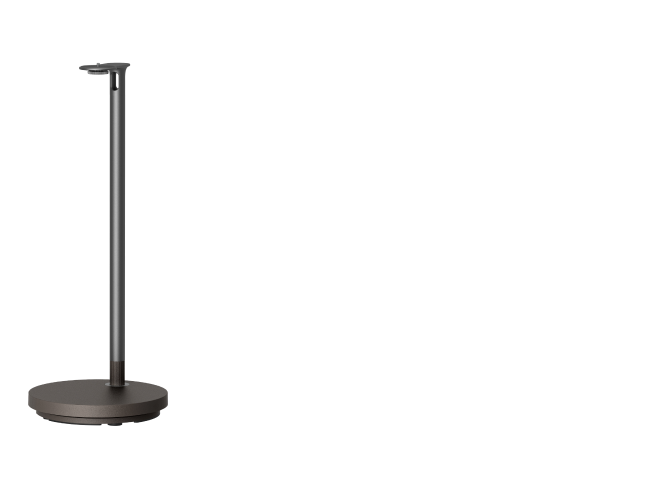
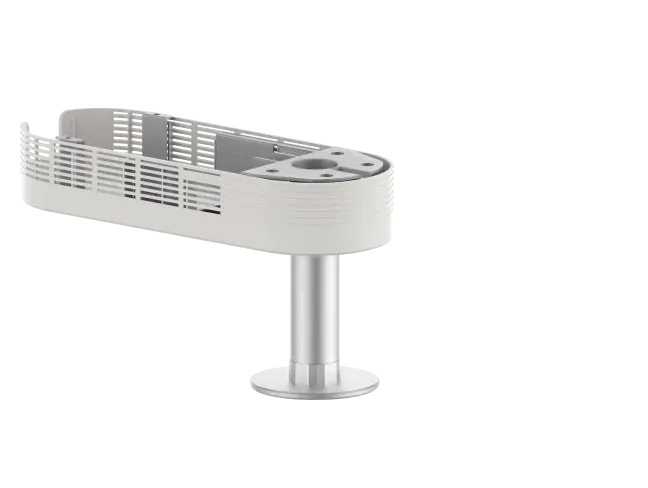
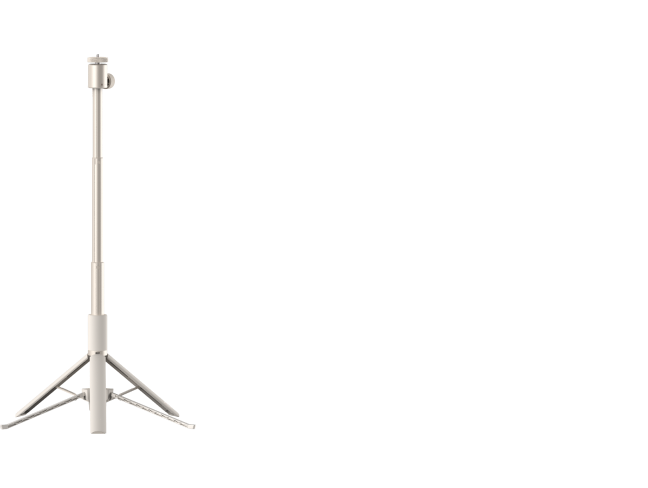
Pair cases with XGIMI Light Gold Portable Stand or Portable Stand to keep the unit elevated and stable. Browse our full Stands collection for options suited to outdoor setups.
Remember that no cover makes an outdoor projector completely safe to leave out unprotected overnight in dew-prone conditions. The electronics moisture research stresses that barriers help but cannot eliminate all risks from extended exposure.
What to Do If Your Projector Gets Damp
If moisture does appear on the lens or housing, power off the device immediately and move it to a dry, well-ventilated area. Gently wipe external surfaces with a soft, lint-free cloth—never use paper towels that can scratch the lens.
Allow the projector to dry completely before storing or powering on again. If it was exposed to significant humidity, give it several hours or overnight in a controlled indoor environment. The principle from industrial asset preservation guidance applies here: let equipment warm up to room conditions before powering it on after a cold outdoor session to reduce internal condensation risk.
For storage after damp outdoor use, dry it fully before packing so trapped moisture does not linger inside the device or case.
Storage and Re-Acclimation Best Practices
The safest practice is to pack the projector away after the show rather than leaving it outside overnight. Store electronics in a dry, controlled environment instead of leaving them exposed to overnight outdoor humidity.
When moving a cold projector from outdoors into a warmer space, allow time for it to acclimate gradually. This prevents warm, humid air from condensing inside the unit. Long-term storage guidance for electronic components recommends controlled conditions and monitoring rather than ambient exposure.
Check our Backyard Movie Night Checklist for a full list of pre- and post-event steps that include moisture-aware practices.
Common Myths About Outdoor Projector Care
Many assume that a simple cover or tent is enough to make overnight outdoor storage safe. In reality, covers reduce exposure but do not eliminate condensation risk when temperatures swing dramatically.
Another misconception is that relative humidity percentage alone predicts safety. Dew point provides a more accurate picture for overnight scenarios because it directly relates to when surfaces will collect moisture.
Some believe that running the projector until it's warm prevents issues, but this can actually draw more humid air into vents if used in high-humidity conditions. The evidence favors prevention through placement and timely storage over reactive measures.
Outdoor Projector Moisture Protection Checklist
Before your next camping or backyard movie night, run through these checkpoints:
- Check the dew point forecast—is the gap between temperature and dew point at least 5°C at night?
- Plan an elevated, stable placement using a stand rather than ground level.
- Bring a quality carrying case for quick packing after the show.
- Avoid low spots or areas near water where humidity concentrates.
- After use, allow cooling in a sheltered spot before full storage.
- If dampness occurs, dry thoroughly and acclimate before next use or powering on.
Following these steps helps protect your investment and keeps movie nights worry-free.
This article discusses comfort and setup advice for outdoor projectors only. It does not constitute technical repair guidance, warranty interpretation, or professional engineering advice. If your projector shows signs of moisture damage, unusual performance, or you have concerns about its condition, consult the manufacturer support or a qualified electronics technician.
By understanding dew point risks, prioritizing elevation and protection, and making storage a priority, you can enjoy reliable outdoor entertainment without compromising your projector's longevity. For more outdoor cinema ideas, explore our Create Your Own Camping Movie Theater guide or the full range of Portable Projectors.


