

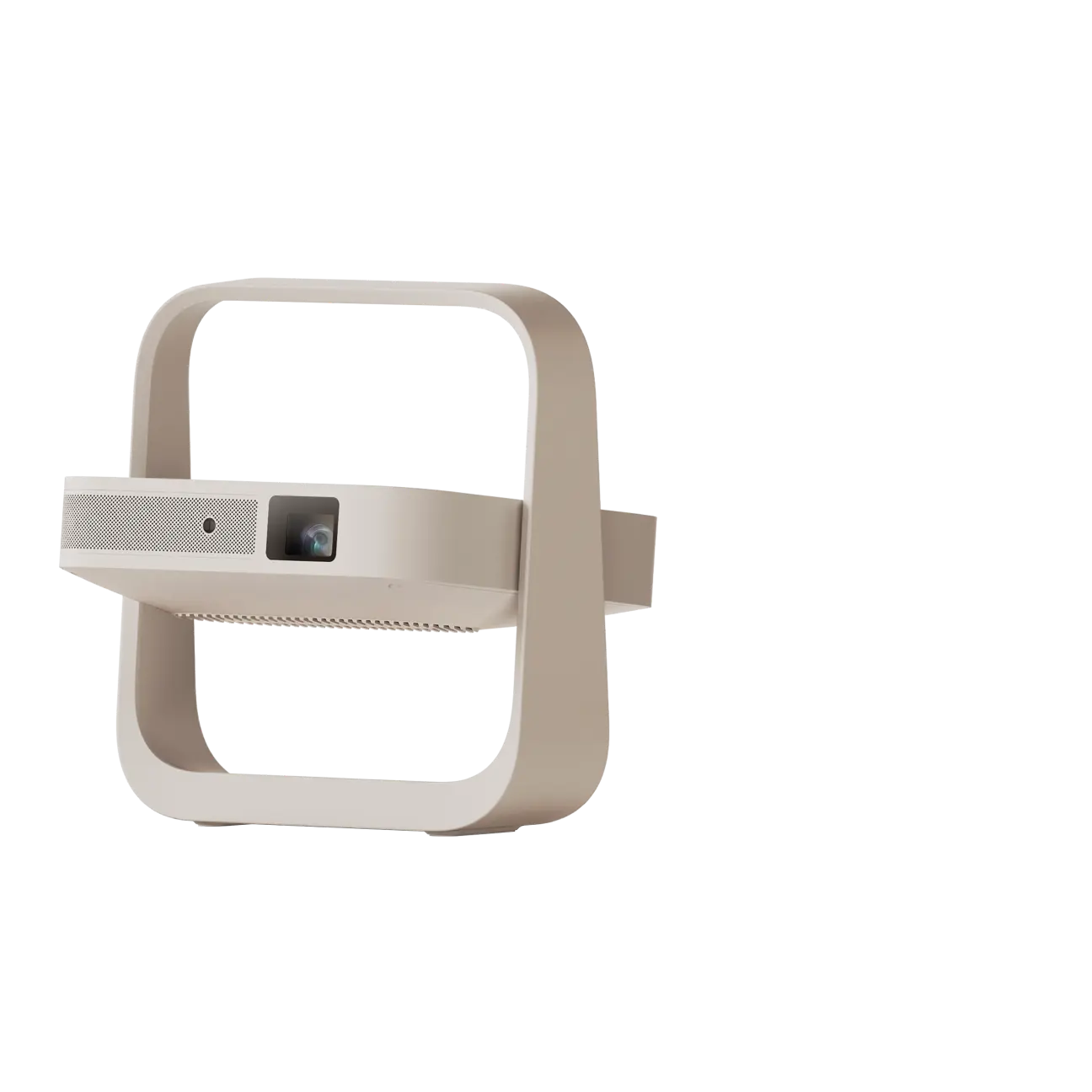
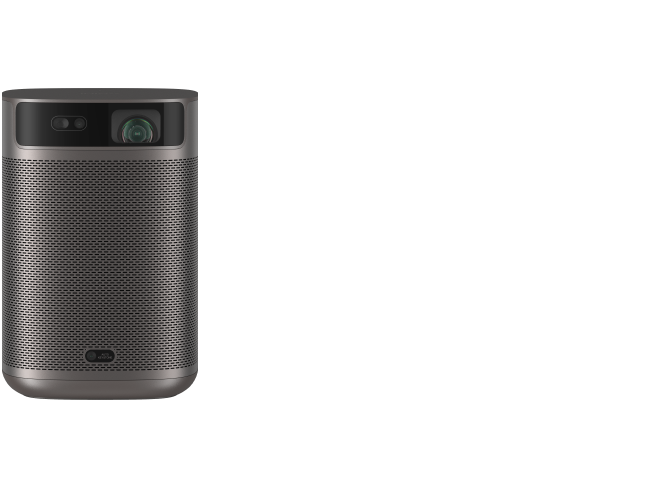




Clean your projector filter and vents every 3–6 months or around 500 hours of use—or sooner if you notice louder fan noise, overheating, or dimmer images—to prevent performance issues without risking damage to your device.

Dust is one of the most common causes of projector problems in home setups. It clogs filters and vents, forces the fan to work harder, raises internal temperatures, and can create visible spots or haze on the screen. Following safe, manufacturer-guided cleaning practices helps maintain brightness, reduce noise, and extend the life of your XGIMI projector.
Why Dust Buildup Matters for Projectors
Dust accumulation restricts airflow, leading to higher operating temperatures and louder fan operation. In severe cases, it contributes to reduced brightness, softer focus, or distracting artifacts in the projected image. Home environments with carpets, pets, or open windows accelerate this process, especially during long viewing sessions in living rooms or bedrooms. For more on this topic, see How to Protect Your UST Projector from Pets and Children in the Liv....
As noted in general AV maintenance resources, regular external cleaning preserves cooling efficiency and image quality (University of Iowa AV guide). Always consult your specific model’s manual first, as some XGIMI projectors feature advanced dust-resistant designs or washable filters. For more on this topic, see Using Optical Filters to Enhance Your Projector's Ambient Art Mode.
Signs It’s Time to Clean Your Projector
Look for these practical indicators rather than waiting for a calendar date:

- Fan noise becomes noticeably louder than usual
- The projector casing feels hotter during normal operation
- Brightness appears reduced or colors look washed out
- Soft focus, haze, or persistent spots appear on the screen that lens cleaning doesn’t fix
- Overheating alerts or automatic shutdowns occur more frequently
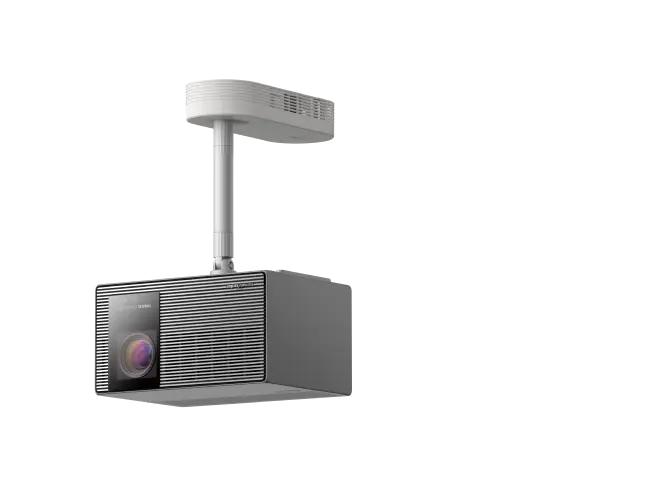
These symptoms often appear faster in dusty rooms or with ceiling-mounted units where airflow is partially blocked.
Illustrative Maintenance Thresholds
When to Clean a Projector
Use as a threshold guide, not a formal maintenance standard.
View chart data
| Category | Recommended Cleaning Interval (Months) | Recommended Cleaning Interval (Hours) | Symptom Trigger Level |
|---|---|---|---|
| Low Dust | 6 | 1000 | 1 |
| Medium Dust | 3 | 500 | 2 |
| High Dust | 1 | 200 | 3 |
Illustrative model based on the provided guidance: cleaning every 500 hours or 3–6 months, with symptom triggers such as louder fan, dim image, and overheating. Environmental categories are modeled for article use only, not official statistics.
This chart provides heuristic guidance only. Cleaner, low-use setups can often go longer between cleanings, while high-dust environments or noticeable symptoms should trigger immediate action. These values are illustrative and must be overridden by your projector’s official manual.
How Often to Clean in 2026: Practical Guidelines
For most home users in 2026:
- Baseline: Every 3–6 months or approximately 500 hours, whichever comes first.
- High-dust environments (pets, carpets, open windows): Monthly visual checks and cleaning every 1–3 months or 200 hours.
- Low-dust, controlled home theaters: Every 6 months or 1000 hours may suffice if no symptoms appear.
Portable models moved between rooms often collect dust faster. Ceiling-mounted projectors require extra attention to vents since gravity pulls dust downward. Always prioritize symptoms over the schedule.
A useful AV installation maintenance checklist recommends seasonal inspections tied to your specific environment.
Safe Step-by-Step: Cleaning the Projector Filter and Vents
-
Power down and cool completely: Turn off the projector, unplug it, and wait at least 30 minutes. This prevents burns and allows dust to settle.
-
Access the filter or vents: Refer to your model’s manual. Many XGIMI projectors have accessible filter panels on the side or bottom. Do not force open sealed optical compartments.
-
Remove loose dust: Use a can of compressed air (held upright, short bursts from 6–8 inches away) to blow dust from vents and the filter area. Avoid vacuum cleaners, which can create static or push dust deeper.
-
Clean or replace the filter: If your model has a removable filter, gently rinse it with water if the manual allows, or replace it with an official XGIMI filter from the Accessories collection. Ensure it is completely dry before reinstalling.
-
Wipe exterior vents: Use a soft, dry microfiber cloth to remove remaining surface dust. Never use household cleaners on vents.
Important safety note: Cleaning the wrong component, using liquids inside the unit, or forcing access to sealed parts can damage sensitive electronics, worsen dust intrusion, or affect warranty coverage. Always follow the official XGIMI maintenance instructions for your specific model.
How to Clean the Projector Lens Without Scratching It
The lens is the most delicate optical surface. Use only methods approved in your manual.
- Blow off loose dust with compressed air first.
- Gently wipe in a circular motion using a dedicated lens cleaning cloth or high-quality microfiber cloth designed for optics.
- If needed, lightly dampen the cloth with a solution specifically formulated for camera or projector lenses—never spray liquid directly onto the lens.
- Avoid paper towels, tissues, or eyeglass cleaners, which can scratch delicate coatings.
For detailed techniques, see our dedicated guide: How to Clean a Projector Lens Without Scratching the Optical Coating.
Persistent spots that remain after lens cleaning may indicate internal dust in the optical path. In this case, professional service is recommended rather than attempting disassembly.
How to Check for and Address Dust Spots on the Screen
Dust spots on the projected image can come from the lens surface or internal components. To diagnose:
- Project a plain white or light gray test pattern.
- Gently wipe the front lens—if the spot moves or disappears, it was on the surface.
- If the spot stays fixed in the same position relative to the image, it may be internal dust or a sensor issue.
Related image issues are covered in: Blurry Projector Image: Causes, Fixes, and Best Settings.
Maintenance Checklist: What to Do Before and After Cleaning
- Verify the projector is cool and unplugged
- Have the correct tools ready: compressed air, optic-safe microfiber cloths, and your model manual
- Work in a well-lit area to see dust clearly
- After cleaning, test with a full-brightness white screen to confirm improved image quality and quieter fan operation
- Record your cleaning date and hours of use for future reference
Do not clean if the projector is under warranty and the manual prohibits user maintenance on certain parts. Contact XGIMI support instead.
Common Mistakes That Can Damage Your Projector
- Using household cleaners or spraying liquids directly into vents
- Touching the lens with fingers or abrasive materials
- Cleaning while the unit is hot
- Vacuuming vents (creates static that attracts more dust)
- Ignoring the manual and opening sealed sections
Following manufacturer guidance protects both performance and your warranty.
When to Seek Professional Service Instead of DIY Cleaning
If cleaning the exterior does not resolve overheating, persistent image artifacts, or unusual noise, the issue may require internal service. Avoid opening the projector yourself. XGIMI support or authorized technicians can safely address internal dust without voiding coverage.
For setup tips that minimize dust accumulation, review Projector Setup and Installation Options and ceiling mounting guidance.
Protecting Your Investment Long-Term
Routine external maintenance is one of the simplest ways to keep your XGIMI projector delivering cinematic performance for years. Combine regular cleaning with proper placement—keeping it away from high-traffic dusty areas and ensuring good ventilation.
Explore our full range of Home Projectors and Portable Projectors designed with user-friendly maintenance in mind.
Disclaimer: This article provides general comfort and setup advice only. It is not a substitute for your specific projector’s official manual or professional service. If you experience persistent issues, overheating, or have an existing eye condition or other health concerns related to viewing, consult a qualified technician or healthcare professional.
Regular maintenance following these guidelines can help minimize fan noise and maintain image quality in most home environments. Results depend heavily on your room conditions, usage patterns, and adherence to manufacturer instructions.


