
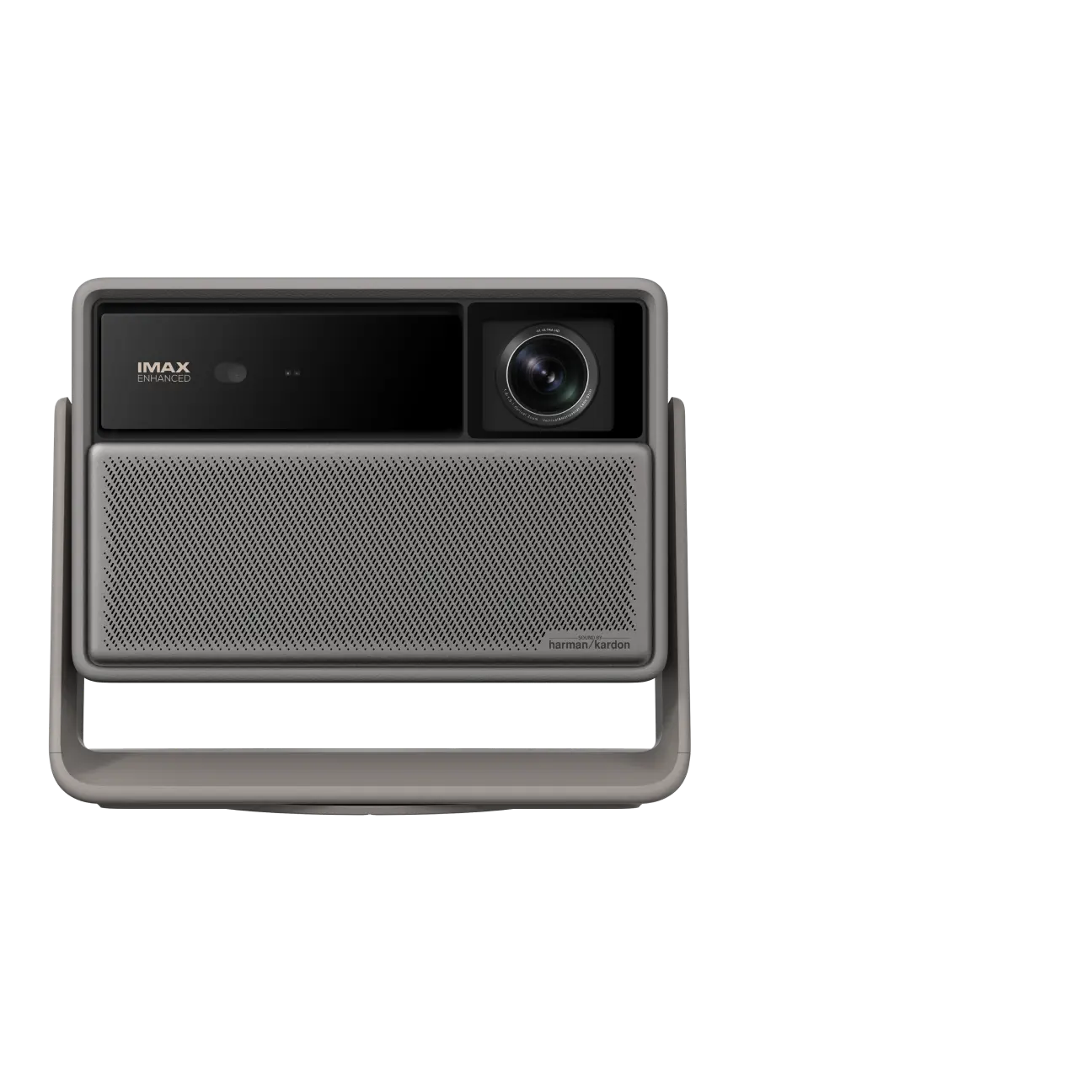




Placing a projector directly on the floor can create an immersive home theater experience with minimal commitment, but vibrations from footsteps, subwoofer bass, or uneven surfaces often cause frustrating image shake. The good news is that a combination of smart room layout, simple isolation techniques, and the right support can deliver a stable picture that stays aligned during normal use. This guide walks through proven ways to stabilize your floor-placed projector while keeping ventilation clear and setup flexible. For more on this topic, see How to Set Up a Karaoke Night at Home Using a Projector for Lyrics .... For more on this topic, see Creating a Virtual Window: Using Projection for Immersive Room Tran.... For more on this topic, see How Does Aspect Ratio Mismatch Between Content and Projector Affect....
Why Floor Placement Often Leads to Image Shake
Floor projection offers flexibility for apartments, temporary setups, or rooms where ceiling mounting isn't practical. However, the same low position that makes it convenient also exposes the projector to everyday disturbances. Foot traffic creates micro-vibrations that travel through the floor, heavy bass from speakers or subwoofers can resonate through soft surfaces, and carpet or rugs introduce wobble that tilts the lens slightly with every movement.
These issues don't just annoy—they reduce perceived image quality and can lead users to blame the hardware rather than the setup. As this projector placement guidance explains, choosing the right location and support is essential for consistent performance.

Common Causes of Projector Vibration and Shake
Several factors combine to create visible image instability:
- Foot traffic and bumps: Even light walking nearby can shift a projector on soft flooring.
- Audio vibration: Bass frequencies from subwoofers transmit through floors and furniture, causing subtle but noticeable jitter.
- Uneven or soft surfaces: Carpet, rugs, or compressible pads allow the unit to rock or settle unevenly.
- Alignment drift: Minor movements require repeated keystone or focus adjustments, breaking immersion.
Projectors should be placed on a sturdy, level surface for stable setup and image alignment. Avoid soft or unstable surfaces; they can make the setup less steady and interfere with safe operation. For more on this topic, see How to Level a Projector on an Uneven Surface Without Using Books.
Quick DIY Stabilization Techniques
Before investing in specialized gear, try these practical steps that address most common issues:
- Choose a rigid, flat spot away from high-traffic paths and speaker placement.
- Use isolation pads or thick rubber feet under the projector or any temporary platform to dampen vibrations.
- Level the unit carefully using its adjustable feet and verify the image with a test pattern.
- Add a thin, non-slip mat designed for audio equipment under the base for extra damping on hard floors.
- Position the projector so vents have at least several inches of clearance on all sides to prevent heat buildup.
Leave plenty of space around and under the projector so airflow is not blocked. Isolation pads may help in some rooms, but results depend on the floor, stand, and projector weight.
Many users find these tweaks sufficient for low-traffic, hard-floor setups with lighter portable models.
When DIY Fixes Aren't Enough: The Case for a Dedicated Floor Stand
While DIY methods work in ideal conditions, they often fall short in real-world rooms. If you notice persistent shake after trying pads and repositioning, or if re-leveling becomes a nightly ritual, a purpose-built floor stand offers better repeatability and rigidity.
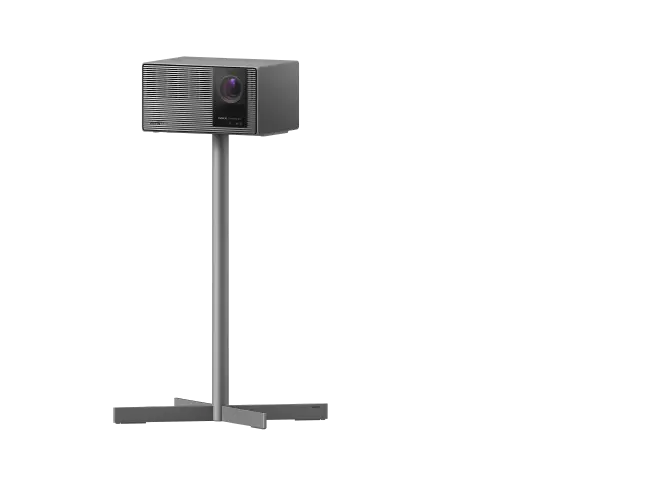
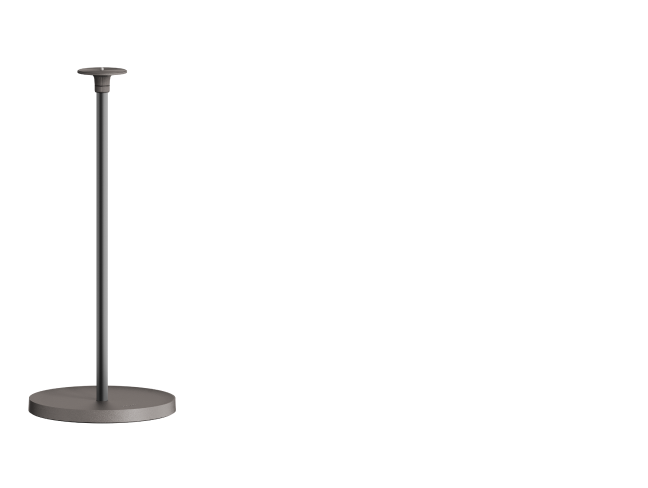
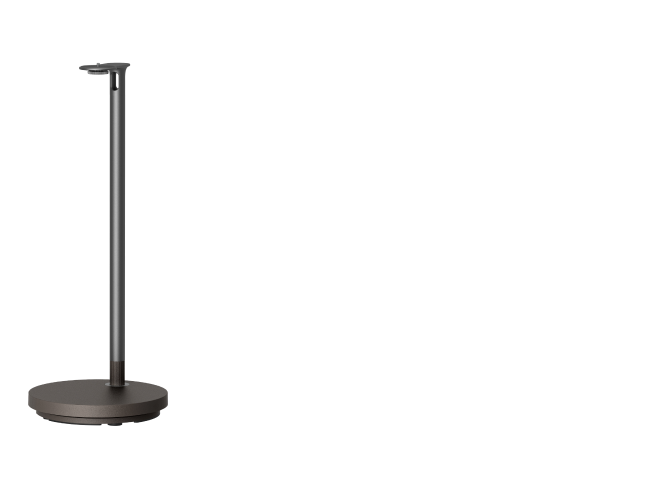
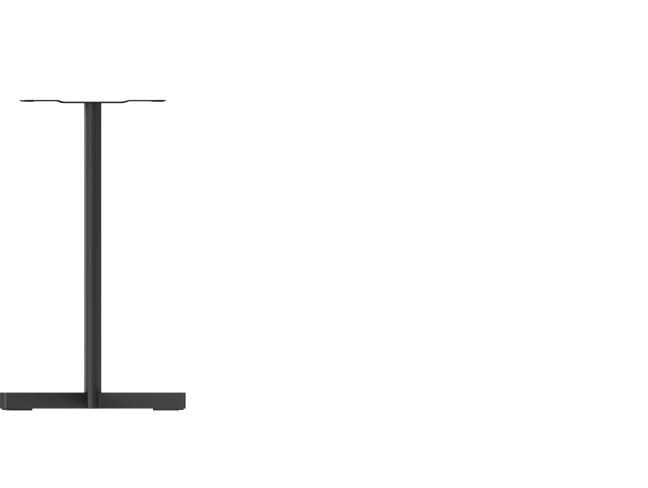
A purpose-built floor stand can give you a more repeatable projector position than placing the unit directly on the floor. Stands elevate the projector slightly, provide a weighted base that resists tipping, and often include cable management to keep the setup tidy without adding extra vibration paths.

Scenario-Based Decision Guide
The best stabilization approach depends heavily on your room. Here's a practical way to evaluate your needs:
- Hard floor, low foot traffic, light portable projector: DIY isolation pads or rubber feet are often enough.
- Carpeted room or heavier projector: A stand reduces wobble and makes alignment more consistent.
- Frequent subwoofer use or bass-heavy content: Stands tend to isolate better from floor resonance.
- High-traffic living room: Dedicated stands minimize accidental bumps and drift.
- Frequent repositioning or travel setups: DIY keeps things lightweight and packable.
Use the following chart to visualize how these factors influence the choice between DIY and a dedicated stand. The scores are heuristic illustrations derived from common setup patterns rather than lab measurements.
Heuristic Fit for Stabilizing a Floor-Placed Projector
Illustrative, non-measured suitability scores for DIY stabilization versus a dedicated floor stand under different room conditions.
View chart data
| Series | Foot traffic | Carpet presence | Subwoofer vibration | Repositioning frequency | Projector weight | Alignment sensitivity |
|---|---|---|---|---|---|---|
| DIY stabilization | 2.0 | 3.0 | 2.0 | 5.0 | 2.0 | 2.0 |
| Dedicated floor stand | 4.0 | 4.0 | 4.0 | 2.0 | 4.0 | 5.0 |
Heuristic suitability scores derived from setup guidance and scenario modules (scenario_matrix, dont_buy_if, community_friction). Not lab data, not measured performance, and not a recommendation score.
Practical Checklist Before You Finalize Your Setup
Use this step-by-step audit to ensure your chosen method works safely and effectively:
- Confirm the surface is level and rigid; test by gently pressing near the projector.
- Verify at least 6-8 inches of clearance around vents to avoid overheating.
- Check that the remote sensor has clear line-of-sight from your seating area.
- Test the full setup with bass-heavy content and someone walking nearby.
- Measure whether small movements require frequent re-alignment.
- Ensure cables are routed without pulling or creating new vibration paths.
Do not trap the projector in a tight or enclosed spot that can restrict airflow. If you notice heat buildup or repeated alignment issues, reconsider the support choice.
Choosing the Right Floor Stand for Your XGIMI Projector
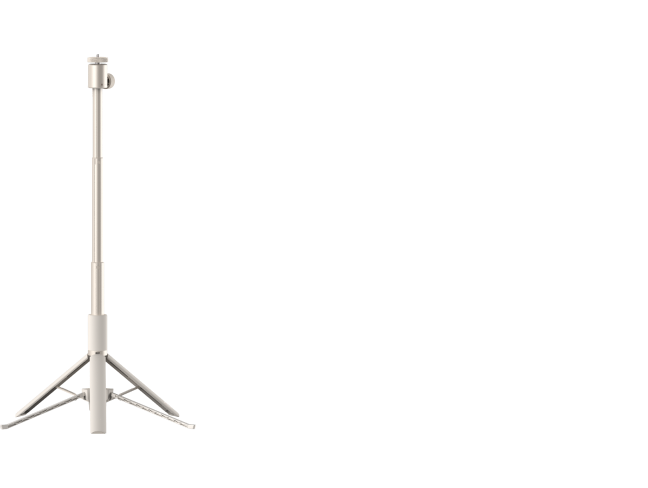
When a stand makes sense, look for models with a heavy base, adjustable height, and universal 1/4-inch mounting. XGIMI offers several options designed specifically for their portable and smart projectors.
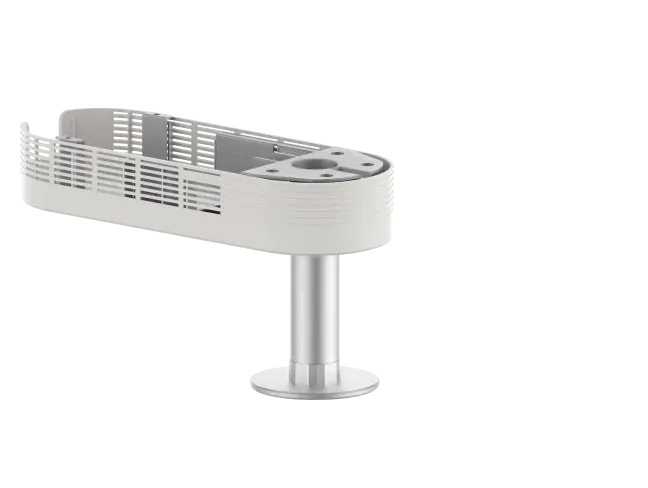
The XGIMI Floor Stand Ultra provides stable aluminum construction, cable management, and flexible positioning that keeps your setup looking clean. For HORIZON series users, the XGIMI Floor Stand for HORIZON S Series offers a weighted base that resists vibration effectively.
Browse the full Stands collection to match your specific model and room needs. These stands also maintain proper ventilation while elevating the projector to a more comfortable viewing height.
Final Tips for Long-Term Stability and Safety
- Re-check leveling after the projector warms up, as slight expansion can affect alignment.
- Keep the area around the setup clear of pets, children, or rolling furniture that could cause sudden jolts.
- Combine a stand with isolation pads on carpet for maximum damping in challenging rooms.
- Periodically inspect mounting screws and feet for any loosening over time.
Remember that this article discusses comfort and setup advice only. It does not constitute technical, safety, or medical guidance. If you experience persistent issues with your projector or have specific installation concerns, consult the user manual or a qualified professional.
A stable floor projector setup doesn't require perfection, but it does reward attention to surface choice, isolation, and support. By matching your method to your actual room conditions, you can enjoy shake-free movies and games without sacrificing the flexibility that makes floor placement appealing in the first place.
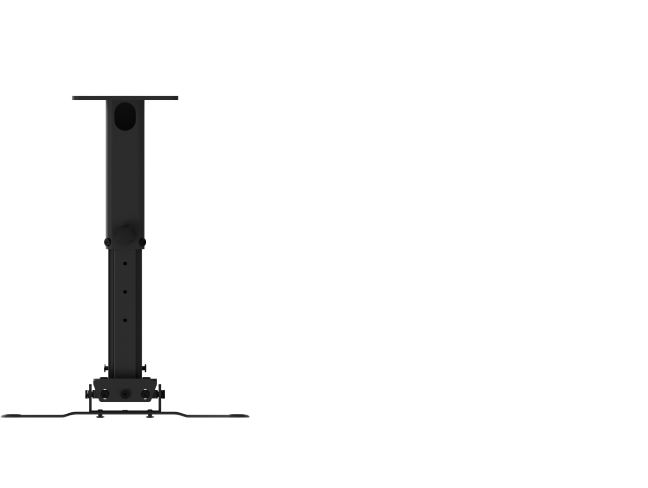
For more on different mounting approaches, see our guide comparing floor projector vs ceiling projector. If you're ready to upgrade your setup, explore XGIMI accessories for compatible solutions. For more on this topic, see The Hidden Costs of a Home Theater: Budgeting for Projector Accesso....


