





Many parents worry about eye strain when their children watch screens for long periods. Projectors can offer a more comfortable viewing experience in many family setups because the image is reflected rather than emitted directly, but the real key to reducing discomfort lies in choosing a suitable screen size, placing seating at a natural distance, matching brightness to the room, and building in regular breaks.

There is no single medically proven “safe distance” that protects every child’s eyes in every situation. Instead, the goal is to create a comfortable setup where children can sit naturally, see clearly without squinting or leaning forward, and take breaks. This practical approach helps minimize eye fatigue during cartoons, movies, or educational videos.
Understanding Diffuse Reflection vs. Direct LED Light
Projectors create images by reflecting light off a screen or wall. This diffuse reflection spreads the light more evenly and can feel gentler on the eyes compared with the direct light from an LED TV panel. Many families notice less perceived glare and a softer overall look, especially in controlled lighting.
That said, comfort depends heavily on room conditions. In a bright living room with lots of daylight, a projector image may wash out, prompting children to move closer and increasing visual demand. In a darker or dimmable room, the reflected image often feels easier to watch for longer periods.
As guidance from the American Academy of Ophthalmology explains, screen comfort for kids comes from good habits rather than one perfect device or distance. The same principle applies whether you choose a projector or TV.
How Far Should Kids Sit from a Projection Screen?
Use seating distance as a comfort check rather than a strict safety rule. A common heuristic for a 100-inch projected image is roughly 10–14 feet. At this range, most children can view the full screen without strain while still feeling immersed. For more on this topic, see How to Follow Along with Workout Videos on a Large Projected Screen....
Smaller screens work well closer, while larger ones benefit from more distance. The exact sweet spot varies with content (movies vs text-heavy shows) and each child’s sensitivity.
Here is an illustrative guide to typical comfort ranges:
Illustrative Comfort Viewing Distance by Screen Size
Heuristic comfort ranges for projector viewing distance by screen size.
View chart data
| Category | Lower bound | Upper bound |
|---|---|---|
| 80-inch | 8 | 11 |
| 100-inch | 10 | 14 |
| 120-inch | 12 | 17 |
Illustrative heuristic ranges scaled proportionally from the provided reference point of a 100-inch screen with a 10-14 ft comfort band. Not medical advice and not experimental data. Use as a rough comfort check for distance planning only; include 20/20/20 breaks for eye comfort.
These numbers are heuristic guidelines drawn from AV design principles and practical family use. Treat them as a starting point and adjust based on how your child actually watches. If a child leans forward, squints, or rubs their eyes, the setup is likely too close, too dim, or both.
Research on projection screens confirms that viewing distance and room illumination together affect visual comfort and performance. One study highlights the importance of balancing these factors rather than relying on distance alone.
Calculating Distance Based on Screen Size
A simple rule many families use is to multiply the screen width in inches by 1.5 to 2.5 for a comfortable viewing range in feet. For a 100-inch diagonal screen (approximately 87 inches wide), this suggests roughly 11–18 feet, though most families settle closer to 10–14 feet for everyday use.
For text-heavy educational content or games with menus, favor the farther end of the range so eyes do not have to work as hard. For pure movie nights, the closer end can feel more cinematic without causing strain.
Always test the setup with your actual projector, room lighting, and content. A bright, sharp image at the proper distance feels easier to watch than a dim or blurry one even if the measured feet match a formula.
Projector vs TV: Which Is Gentler on Children’s Eyes?
Many parents ask whether projectors are better for kids’ eyes than TVs. The evidence supports a comfort-based rather than medical advantage. The reflected light from a projector can feel less harsh than direct LED emission in well-controlled rooms, but this perception depends on brightness, contrast, and ambient light.
In darker or dimmable rooms, projectors often seem easier on the eyes. In bright rooms, a high-quality TV may deliver clearer images without washing out, making it more practical.
The American Association for Pediatric Ophthalmology and Strabismus emphasizes that overall screen habits matter more than the display type. No device eliminates the need for sensible use.

Brightness Settings and Room Lighting for Kids
Match the projected image brightness to the surrounding room light. Too bright in a dark room creates glare; too dim in a lit room forces children to strain.
The American Academy of Pediatrics notes that keeping the display comfortably bright for the room helps eyes work less hard. Read their guidance here.
In practice this means dimming room lights for evening movie nights or choosing a brighter projector model for living rooms with windows. XGIMI projectors include smart brightness features that automatically adjust, making it easier to maintain comfortable viewing.
Practical Tips to Reduce Eye Strain During Family Viewing
Follow the widely recommended 20/20/20 rule: every 20 minutes, have children look at something about 20 feet away for 20 seconds. This simple habit helps relax eye muscles and reduces fatigue.
Additional steps that help:
- Encourage natural posture instead of letting kids sit unusually close.
- Keep the screen at or slightly below eye level.
- Ensure good room contrast without extreme darkness or brightness.
- Limit session length for younger children and mix in non-screen activities.
- Use projector models with eye-friendly features such as low blue light modes where available.
Our guide on safe entertainment with projectors for kids offers more tips on creating healthy family viewing environments.
How to Choose a Projector Setup for Child-Friendly Home Theater
When building a family setup, consider these checkpoints:
- Choose a screen size that fits your room without forcing seating too close.
- Verify you can achieve the 10–14 foot range (or similar) for a 100-inch image in your space.
- Select a model with sufficient brightness for your typical ambient light.
- Look for easy setup features so the projector stays in a consistent, safe position.
- Prioritize portable or home projectors designed for living rooms and bedrooms.
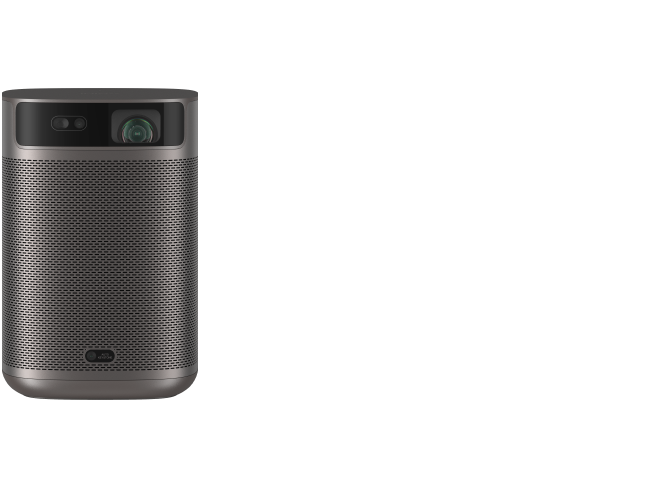
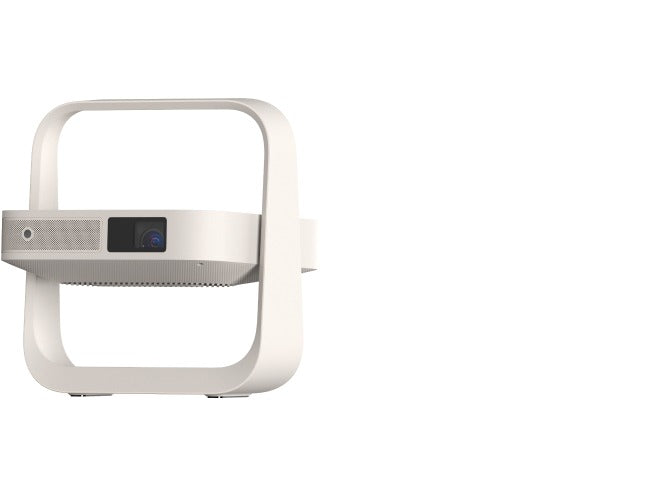
Portable options like the MoGo 4 or Elfin series give families flexibility while delivering sharp, comfortable images. For larger home theaters, explore the home projector collection.
Compare different light source technologies in our article on LED vs laser projectors to match performance with your room needs.
Quick Comfort Checklist for Parents
Before starting a viewing session, run through this short self-check:
- Can your child sit naturally without leaning forward or squinting?
- Is the full image clear and readable without strain?
- Does brightness feel balanced with room lighting?
- Will you include breaks every 20 minutes or so?
- If any discomfort appears, are you ready to adjust distance, brightness, or session length?
If the answer to most questions is yes, the setup is likely working well for comfort. Persistent eye complaints should prompt a visit to a qualified eye care professional.
This article offers comfort and setup guidance only. It is not medical advice, does not diagnose or treat eye conditions, and should not replace professional care. Consult an optometrist or pediatrician if your child experiences ongoing vision discomfort or has existing eye issues.
Projectors can be an excellent choice for family entertainment when set up thoughtfully. By focusing on distance comfort, room lighting, and healthy viewing habits, parents can create enjoyable shared experiences that feel easier on young eyes.


