
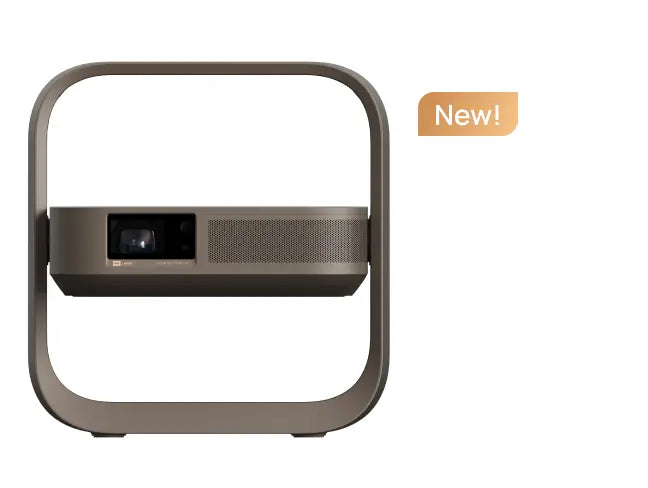
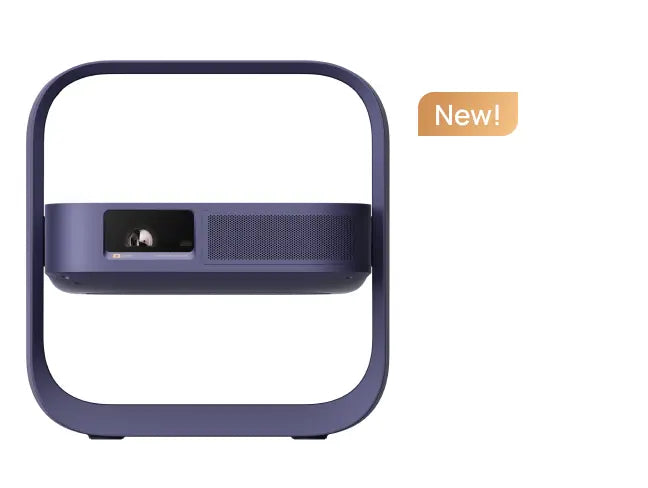
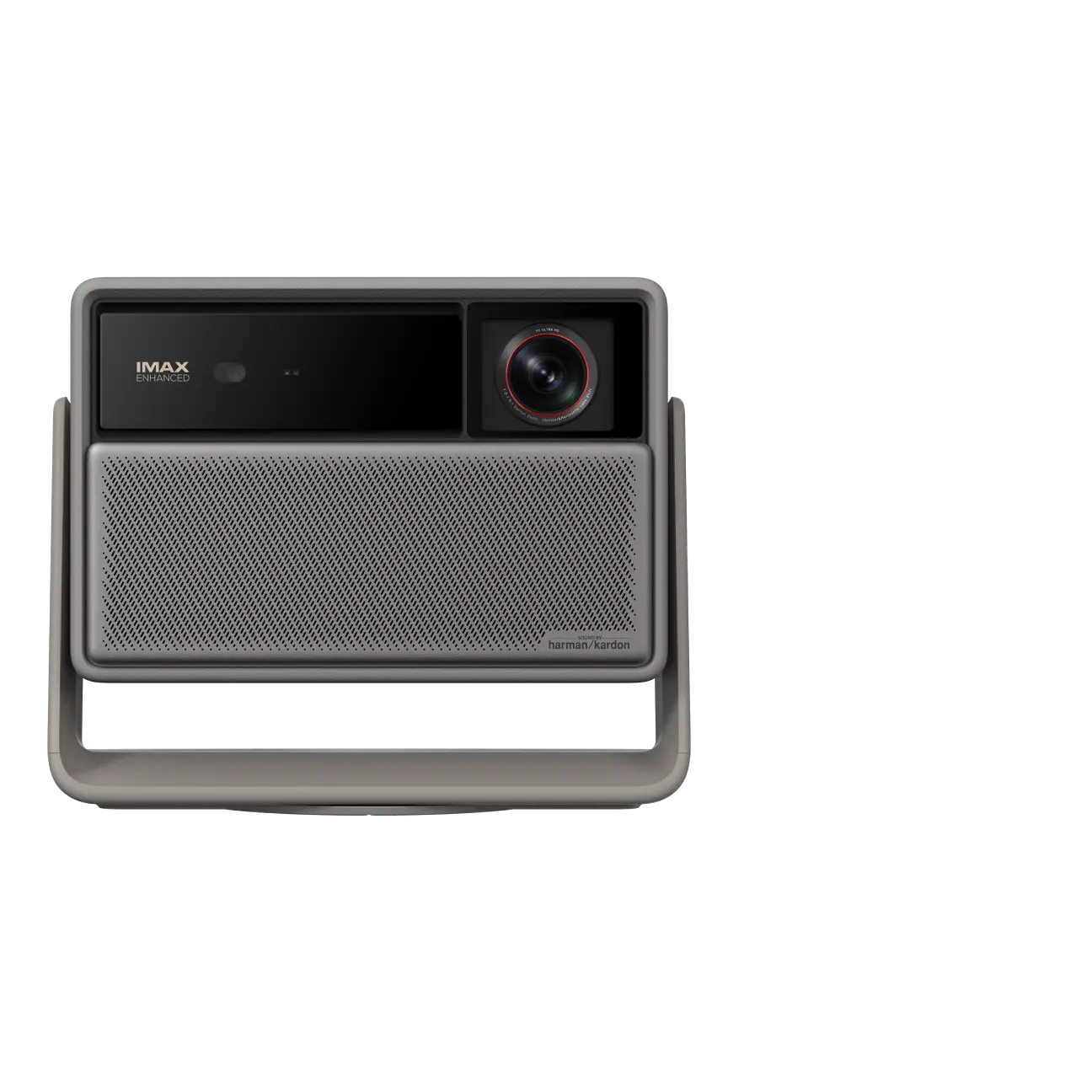
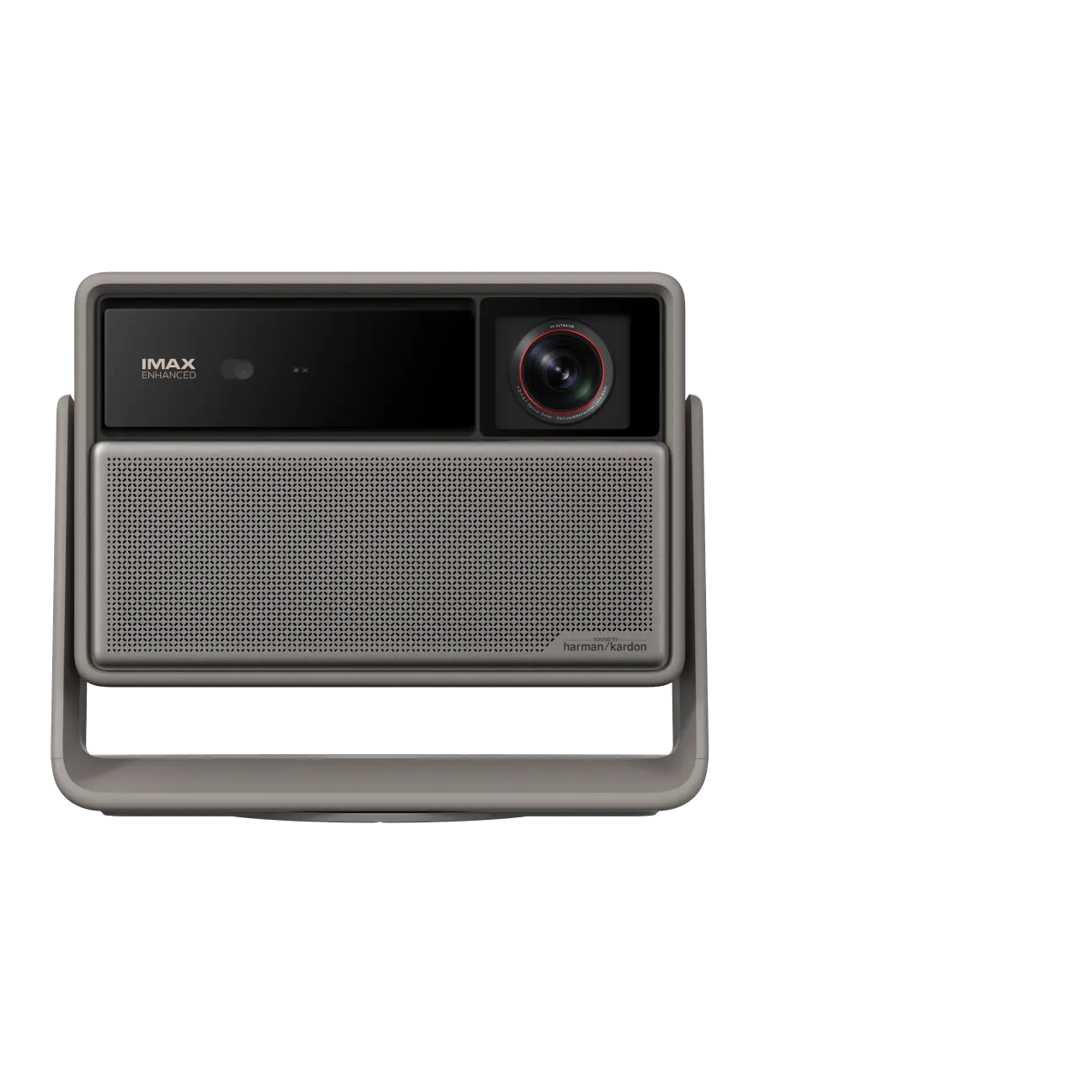
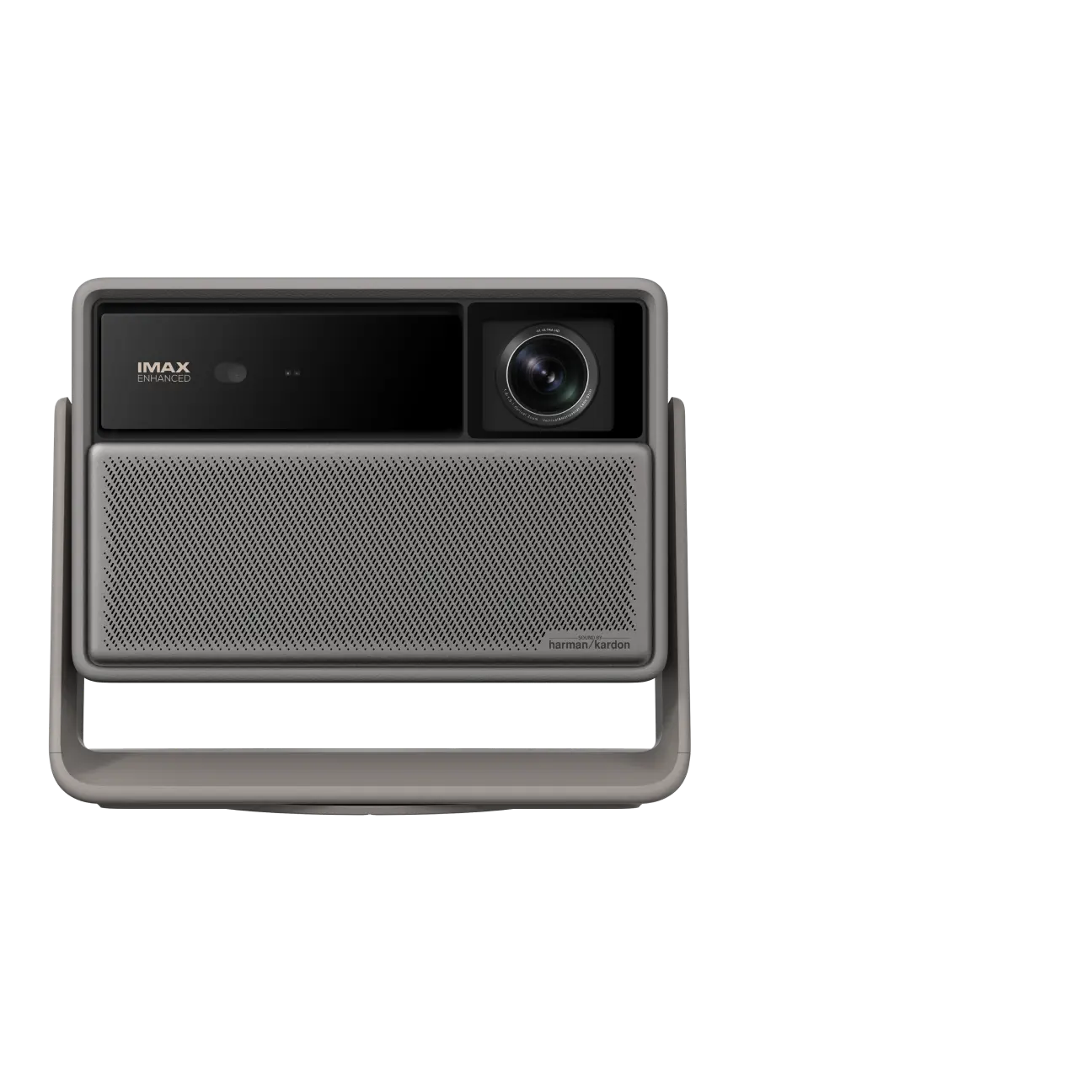
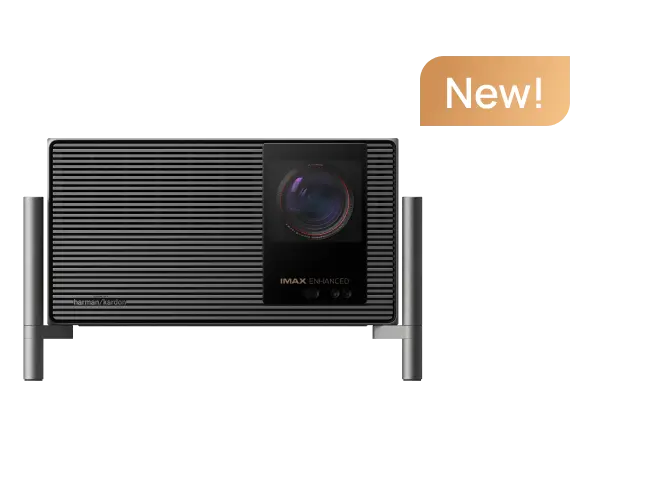
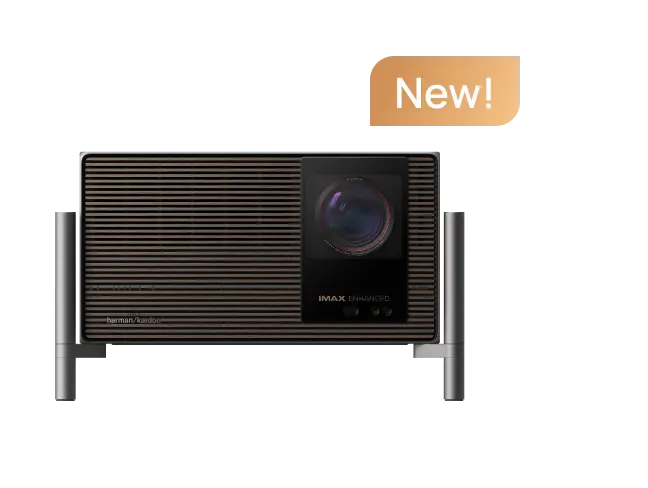
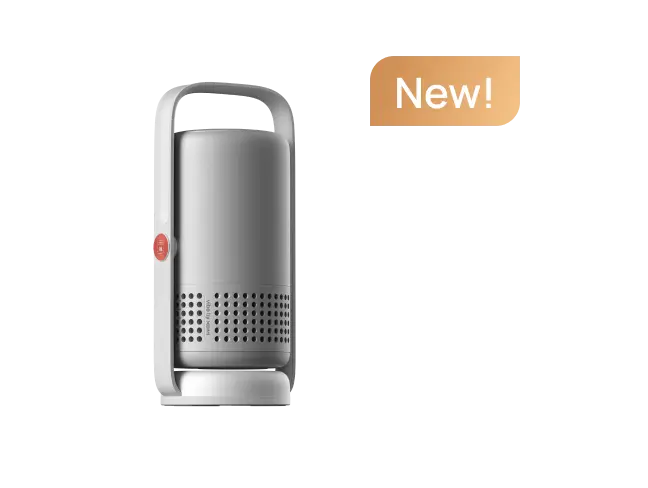
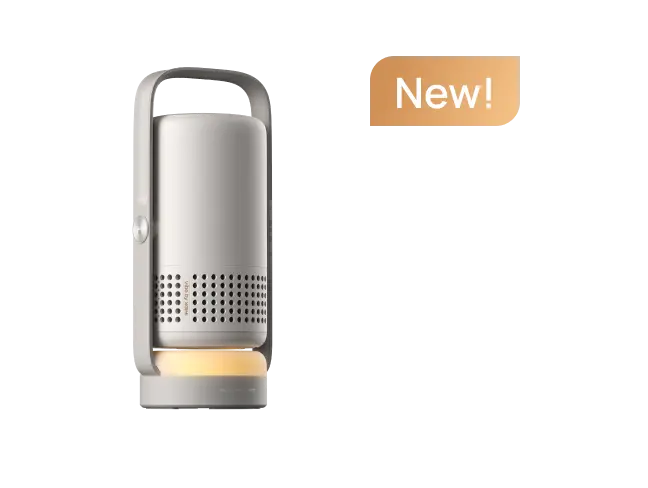
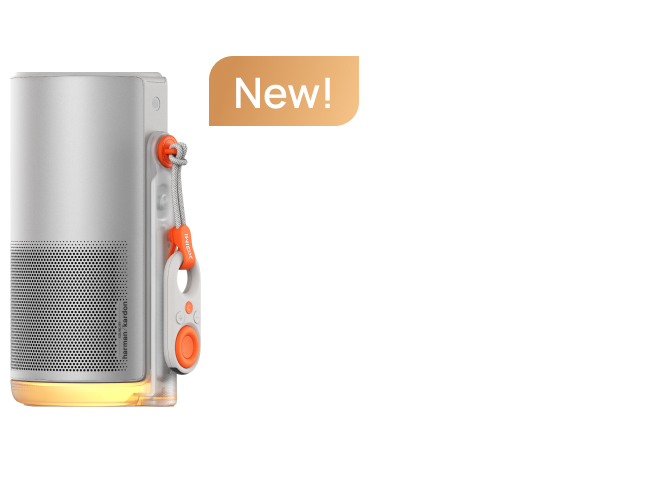
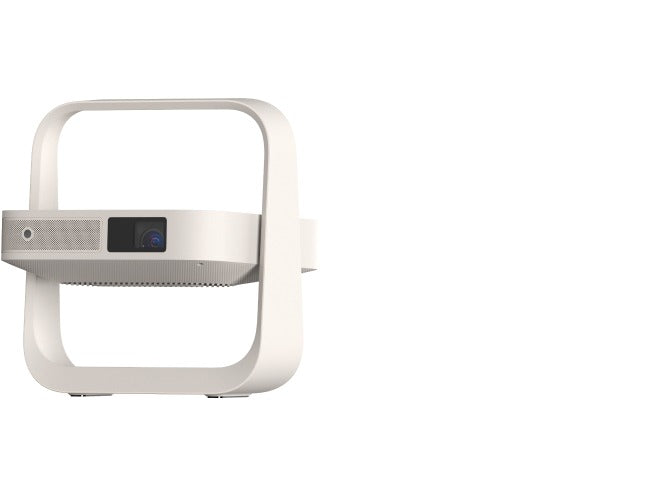
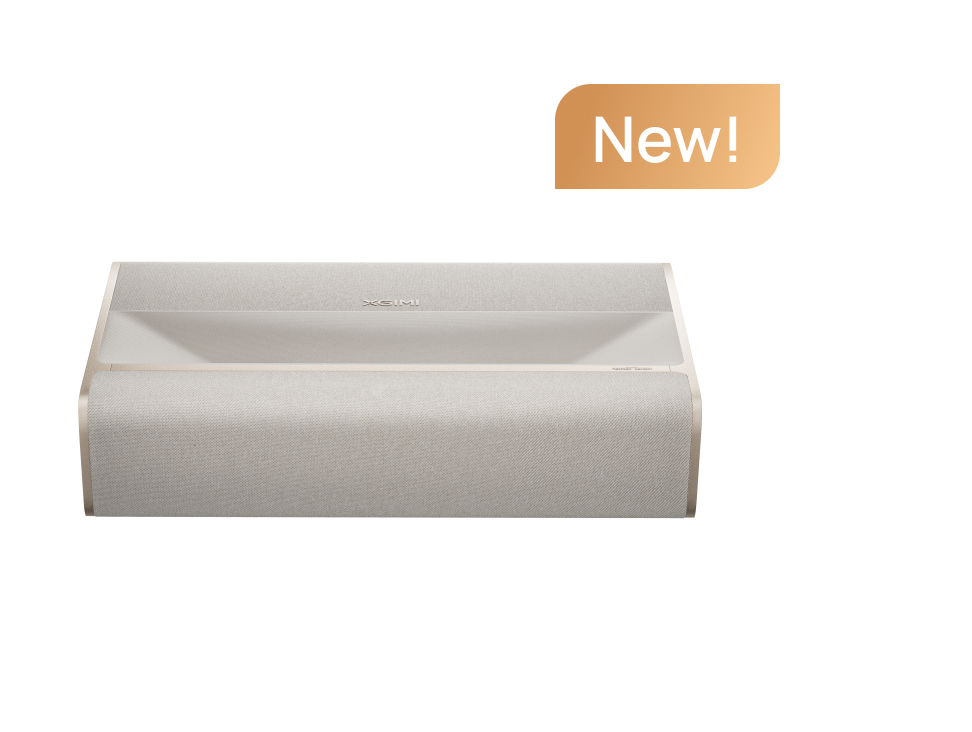
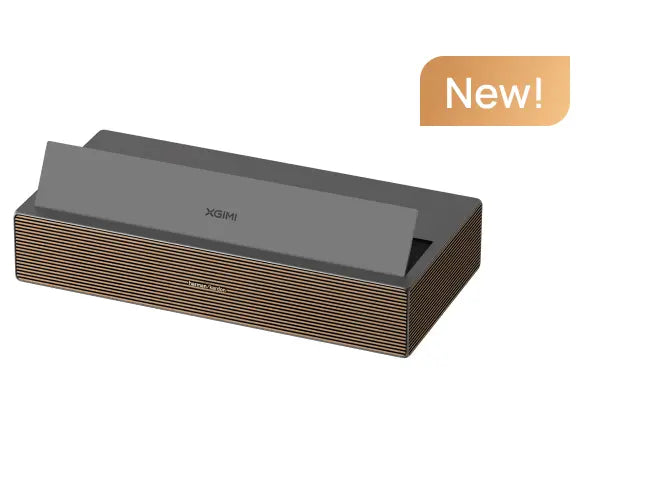
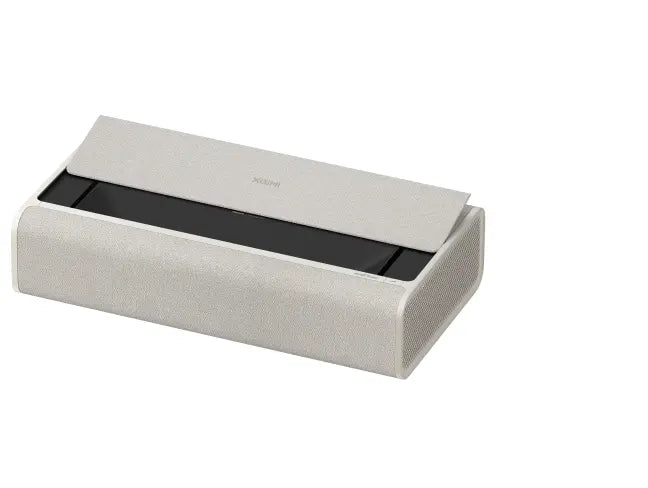
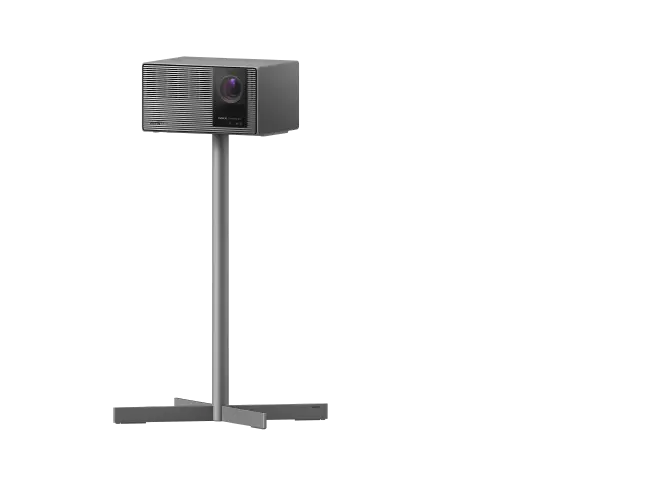
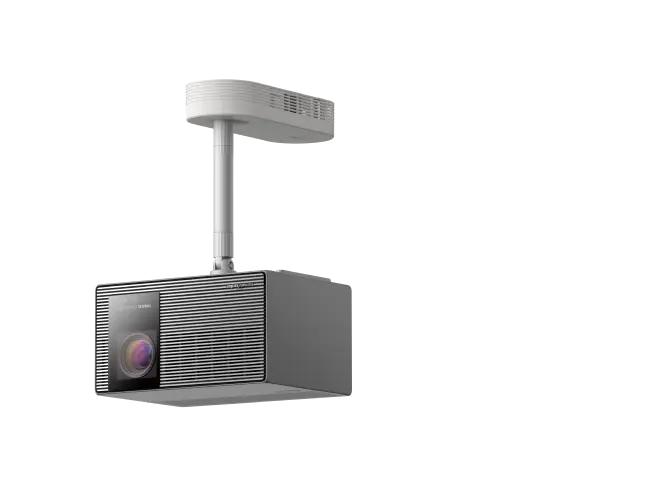





Choosing a projector means facing one critical decision: which light source technology fits your needs? LED, laser, and dual light systems each deliver images differently. The right choice depends on your budget, viewing environment, and how you plan to use your projector. This guide breaks down each technology so you can make an informed purchase.

What Really Powers Your Projector's Image
The light source determines every aspect of your projector's performance, from image quality to operational costs.
The Importance of a Light Source
The light source is your projector's engine. It determines brightness levels, color quality, and how long your device will last. Traditional lamp-based projectors required frequent bulb replacements. Modern technologies changed that equation completely.
Your projector's light source affects everything from electricity bills to image sharpness. Different technologies excel in different areas. Some prioritize longevity while others focus on raw brightness or color accuracy.
A Quick Guide to the Technologies We'll Cover
LED projectors use light-emitting diodes to create images. They're energy-efficient and compact.
Laser projectors generate light through laser diodes, delivering exceptional brightness and clarity.
Dual light source projectors combine both technologies to balance performance across multiple factors.
Each system has distinct advantages. Your viewing habits and space requirements should guide your decision.
The Tried and True World of LED Projectors
LED technology has earned its reputation through consistent performance and remarkable longevity.

LED Projector Color Accuracy Stands Out
LED technology excels at reproducing accurate colors. The three-color LED system (red, green, blue) creates natural-looking images without oversaturation. You'll notice this advantage when watching movies with subtle skin tones or nature documentaries.
LED projectors maintain consistent color over their entire lifespan. Unlike traditional lamps that shift color temperature as they age, LEDs stay true. This consistency matters for professional presentations and home theater enthusiasts who value accurate reproduction.
The technology also allows instant on and off capabilities. No warmup period means you can start watching immediately.
The Lifespan and Energy Benefits of LED
LED light sources typically last 20,000 to 30,000 hours. That translates to over a decade of regular use without replacement. This longevity reduces long-term costs significantly.
Energy consumption stays remarkably low with LED systems. They generate less heat than other technologies, which means quieter operation. Smaller cooling fans make LED projectors ideal for bedrooms or quiet office spaces.
The compact size of LED components allows manufacturers to create portable projectors. If you need mobility, LED-based units often weigh less than their laser counterparts.
The Brilliance of a Laser Projector
Laser technology transforms projector performance with unmatched brightness and razor-sharp image quality.

How Laser Technology Delivers Unmatched Brightness
Laser projectors offer brightness that is difficult for LEDs to attain. Laser projectors with brightness measures of 3,000 lumens or more can be easily found. This feature qualifies laser projectors as ideal for large rooms as well as rooms with ambient lighting.
Laser light is more focused, providing clearer images. There is edge-to-edge sharpness, which is the same throughout the image area. This provides clearer text, so laser projectors would be ideal for business presentations.
Laser systems also retain brightness levels throughout their usage lifetime. Unlike traditional lamps, which lose brightness with time, laser systems remain bright from their inception until their end.
The Impressive Laser Projector Lifespan
Most laser projectors operate for 20,000 to 30,000 hours, similar to LED units. Some high-end models claim 50,000 hours of use. This extended lifespan eliminates maintenance worries for years.
The solid-state nature of laser technology means fewer components that can fail. Reliability increases while downtime decreases. For commercial installations or dedicated home theaters, this dependability proves invaluable.
Initial costs run higher for laser projectors. The investment pays off through reduced maintenance and consistent performance.
Dual Light Source Projector Technology Explained
Dual light source systems represent the cutting edge of projector innovation, merging two technologies into one powerful package.

The Best of LED and Laser Combined
Dual light source projectors use both LED and laser elements in a hybrid system. The laser handles brightness-intensive tasks while LEDs fill in color ranges. This combination aims to eliminate compromises inherent in single-technology designs.
The hybrid approach allows engineers to optimize each light type for specific wavelengths. Blues might come from laser diodes, while reds utilize LEDs. The result is broader color coverage than either technology alone.
This innovation represents the newest advancement in projector technology. As manufacturing costs decrease, dual systems are becoming more accessible.
The Main Benefits of Dual Light Source Technology
Color gamut expansion is the primary advantage. Dual systems can reproduce colors that fall outside the range of single-technology projectors. Movie enthusiasts notice richer reds and more vibrant greens.
Brightness remains competitive with pure laser systems while maintaining LED's color accuracy. You don't sacrifice one quality for another. The balanced approach suits users who demand excellence across all performance metrics.
Energy efficiency often surpasses pure laser systems. The hybrid design draws power strategically, activating each light source only when needed.
Picture Brightness Comparison Across Technologies
Brightness requirements vary dramatically depending on when and where you plan to watch content.
Which Technology Works Best in a Dark Room
LED projectors perform beautifully in dark environments. Their lower brightness output (typically 500-2,000 lumens) provides comfortable viewing without eye strain. Colors appear rich and saturated when ambient light is controlled.
A laser projector might seem overly bright in pitch-black conditions. However, modern units offer brightness adjustment features. You can dial down the output for evening movies and increase it for daytime use.
Dual light source projectors adapt well to dark rooms. Their flexible output accommodates various viewing preferences.
The Right Projector for Daytime Viewing
Daytime viewing demands higher brightness levels. Laser projectors shine here with their powerful output. Windows and overhead lights won't wash out your image when you have 3,000+ lumens working for you.
LED projectors struggle in bright rooms unless you invest in light control measures. Blackout curtains or scheduling viewing for evening hours becomes necessary. This limitation doesn't make LED inferior, just specialized for specific conditions.
Dual systems offer middle-ground performance. They handle moderate ambient light better than LED-only units while consuming less power than high-output laser models.

Differences in Color and Contrast Performance
Color reproduction and contrast capabilities separate good projectors from exceptional ones.
How Each Light Source Creates a Vibrant Picture
LED technology naturally produces saturated colors. The narrow wavelength output of each LED creates pure primary colors. Mixing these primaries yields accurate secondary colors.
Laser projectors achieve vibrant images through intense light output. The brightness capability allows for higher contrast ratios. Shadows appear deeper while highlights stay brilliant.
Dual light source systems expand the color spectrum beyond what standard LED or laser can achieve. Coverage of DCI-P3 or even Rec. 2020 color spaces become possible. This matters when viewing HDR content.
Why HDR Performance Varies Between Technologies
HDR requires both brightness and color range. Laser projectors handle the brightness demands easily. Their powerful output creates the peak highlights that make HDR content pop.
LED units often lack the brightness needed for convincing HDR. The limited lumens cap shows how bright highlights can get. Standard dynamic range content looks excellent, but HDR falls short.
Dual light source projectors were designed with HDR in mind. They combine laser brightness with expanded LED color capabilities. The result is HDR performance that rivals high-end laser-only units.
Long-Term Value and Projector Maintenance Needs
Total ownership costs extend far beyond the initial purchase price.
The Upfront Cost of Each Technology
LED projectors typically offer the lowest entry price. Budget models start under $200 while mid-range options hover around $400-800. The accessible pricing makes LED attractive for casual users.
Laser projectors command premium prices. Expect to invest $1,500-5,000 for home models. Commercial units run significantly higher. The cost reflects superior components and manufacturing complexity.
Dual light source projectors occupy the upper price range. New technology and complex design drive costs up. Prices typically fall between $1,500-2,500, though they're gradually decreasing as production scales increase.
Best Projector Light Source for Longevity
All three technologies offer similar maximum lifespans of 20,000-30,000 hours. Some laser units extend beyond 50,000 hours. The practical difference comes from maintenance requirements.
LED systems require virtually zero maintenance. No filters to clean, no lamps to replace. You use the projector until the light source finally dims.
Laser projectors may need dust filter cleaning, but nothing more intensive. Dual systems inherit this low-maintenance advantage. The best projector light source from a maintenance perspective is whichever technology fits your usage pattern.
LED vs Laser Projector: The Right Choice for You
Your specific needs and viewing environment should drive your technology selection.
Who Should Choose an LED Projector
LED projectors suit home users who primarily watch content in dark rooms. If you're setting up a bedroom theater or a basement entertainment space, LED delivers excellent value.
Budget-conscious buyers benefit from LED's lower entry costs. You can get quality performance without breaking the bank. The portable projector also needs to point toward the LED options.
Content creators and presenters who value color accuracy should consider LED. Consistent, natural color reproduction helps when reviewing photos or videos.
When a Laser or Dual Light Projector Is the Right Fit
Commercial settings demand laser reliability. Conference rooms, classrooms, and auditoriums need consistent brightness and minimal downtime. The higher initial investment pays dividends through reduced maintenance.
Dedicated home theaters with ambient light benefit from laser brightness. Large screen sizes (100 inches or more) require the power that laser provides. Serious movie enthusiasts won't regret the investment.
Dual light source projectors cater to the types of users who wouldn't settle for less. If you want the best color accuracy, brightness, and HDR, dual light source projectors offer this in one product.

Your Final Checklist for Projector Selection
What you must do is assess a variety of considerations against your own circumstances.
Below is a comparison that illustrates the most important differences between the two technologies.
| Feature | LED Projector | Laser Projector | Dual Light Source |
|---|---|---|---|
| Brightness Range | 500-2,000 lumens | 2,000-5,000+ lumens | 1,500-4,000 lumens |
| Color Accuracy | Excellent | Good | Excellent |
| Lifespan | 20,000-30,000 hours | 20,000-50,000 hours | 20,000-30,000 hours |
| Initial Cost | $200-$800 | $1,500-$5,000+ | $1,500-$2,500 |
| Energy Efficiency | Excellent | Good | Very Good |
| Best For | Dark rooms, portability | Bright rooms, large screens | Premium home theater |
| HDR Performance | Limited | Excellent | Excellent |
| Maintenance | Minimal | Minimal | Minimal |
This table provides a quick reference, but your own decision must take other personal considerations into account.
Lighting conditions in the room head the list of considerations. You must measure the prevailing light levels. Black rooms provide equally good solutions, whereas bright rooms will limit you to laser projectors or dual systems.
Screen size and viewing distance will count. A bigger screen requires more lumens. Compute your projector's throw distance as well as your desired screen size.
Content type is a consideration that affects your choice. Sport and gaming require high brightness. Movies require color accuracy. Choose your technology based on your primary use.
A budget will give you realistic expectations. Just don't forget that you will also be spending money on the screens, the mounting system, and cables. Remember that your projector cost is merely a component of your projected spend.
Think, for example, about the comparison between LED or laser projectors. You simply cannot generalize this information. Other considerations come into play. One must think of environmental issues, as well as your own preferences, that will affect your choice of projector light source.
Make Your Choice With Confidence
You now have the information needed to select the right projector technology. LED offers affordable and accurate colors for controlled environments. A laser projector delivers unmatched brightness for challenging lighting conditions. Dual light source systems provide cutting-edge performance for those seeking the absolute best.
Start by honestly assessing your viewing space and habits. Match those requirements to each technology's strengths. Your perfect projector awaits, ready to transform your viewing experience.
FAQs
Q1: How Long Does a Laser Projector Last Compared to an LED?
The lifetime of both the laser projector and the LED projector ranges from 20,000 to 30,000 hours, though some laser projectors can last up to 50,000 hours. Compared with traditional projectors, both last much longer.
Q2: Can LED Projectors Work in Bright Rooms?
LED projectors don't shine well under well-lit conditions. They work well in low lighting. If you're going to use your projector in the daytime with your windows open, you might want a laser projector or one with dual lighting sources.
Q3: Are Dual Light Source Projectors Worth the Extra Cost?
Dual light source projectors aim to justify their higher cost in terms of color gamut and HDR capabilities. However, if your primary use will be for regular content in well-managed lighting, the higher cost may not offer a direct benefit.
Q4: Which Technology Offers Better Color Accuracy?
LED projectors were always the best in terms of natural color accuracy, given their narrow wavelengths. Currently, two light source solutions offer color capabilities comparable to, if not better than, LEDs, plus brightness capabilities. Laser projectors prioritize brightness over color range but still deliver quality images.
Q5: Do Laser Projectors Require Special Maintenance?
Laser projectors come with low maintenance requirements, merely involving periodic cleaning of the filter. They do away with the replacement of lamps. Maintenance requirements remain much the same as LED projectors.


