



How Large-Screen Projection Enhances Home Workouts
Following workout videos on a large projected screen makes it easier to see full instructor movements and check your own alignment in real time. Many people struggle with small screens that force them to squint or crane their neck, increasing the chance of poor posture or missed cues. A properly set up projector turns an ordinary wall into an immersive fitness studio, letting you mirror poses accurately for yoga, HIIT, Pilates, or dance routines while keeping the workout area clear and safe.

The key is choosing the right placement, lighting control, and projector features so the image stays clear and your movements stay visible without interruption. This guide walks through practical steps to create a workout-friendly projection setup that prioritizes visibility, quick startup, and injury-prevention basics.
Quick Selection Guide: Best Projector Specs for Your Fitness Style
To help you decide on the right equipment, use this framework to match your environment and workout type to the necessary specifications.
| If your priority is... | Look for these specs | Recommended Feature |
|---|---|---|
| Small Space / Studio | Short Throw Ratio (<1.2:1) | Digital Zoom / Screen Fit |
| Daytime / Bright Room | 2000+ ANSI Lumens | High Contrast Mode |
| Fast HIIT / Dance | Low Input Lag / MEMC | Game Mode / 60Hz+ |
| Yoga / Meditation | Low Fan Noise (<30dB) | Integrated Hi-Fi Audio |
Why a Large Projected Screen Improves Form During Workouts
Small screens like tablets or laptops often show only partial body views or force you to stand too close, making it hard to judge full range of motion or alignment. A life-sized projection, typically 80 to 120 inches or larger, lets you see the instructor's entire body from a natural workout distance. This clearer view supports better mirroring of movements and quicker self-correction.
Clear demonstrations can make it easier to match the instructor’s movement pattern and check your own form. Proper form and technique help reduce exercise injury risk during home workouts. Keeping a neutral, upright posture can support safer movement during exercise, especially when you can see both the demonstration and your reflection or shadow on the same large surface.
For yoga and mobility work, clear alignment cues can help you keep positions safer and more consistent. In HIIT or strength sessions, the ability to pause and compare your stance to the instructor reduces the risk of rushing with incorrect technique. Controlled movement and proper technique are key to safer strength training.
Start slowly, warm up, and increase intensity gradually to reduce injury risk. Choose workouts and intensity levels that fit your current ability and health status. This article only discusses comfort and setup advice; it does not constitute medical advice, diagnosis, or treatment. If persistent discomfort occurs or you have existing conditions, consult qualified professionals.
Choosing the Right Wall and Room Layout for Workout Projections
Select a flat, light-colored wall with enough clear floor space in front for your exercise mat and safe movement. Aim for a projection height that places the bottom of the image roughly at or slightly below eye level when standing, so you can view full-body demonstrations without tilting your head excessively.
A good rule of thumb is to position yourself 8 to 12 feet from the wall for a 100-inch image. This distance allows comfortable full-body visibility while leaving room to move. Keep the workout area clear of cords, furniture edges, and other trip hazards to maintain a safe home workout space.
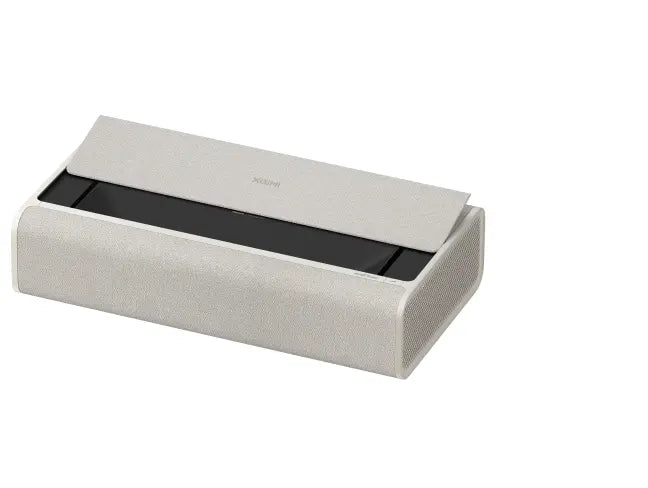
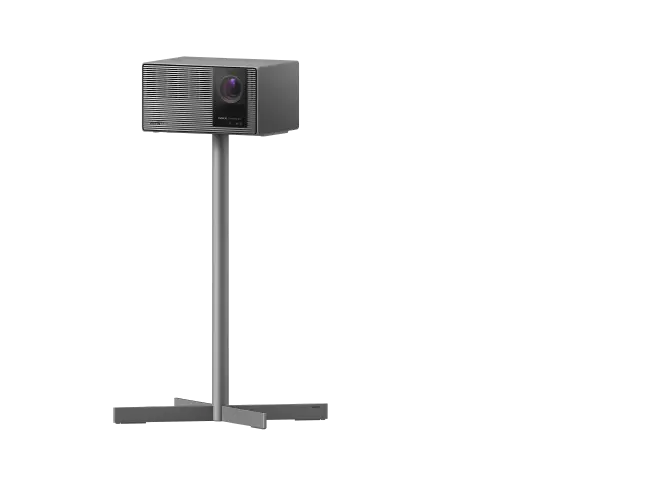
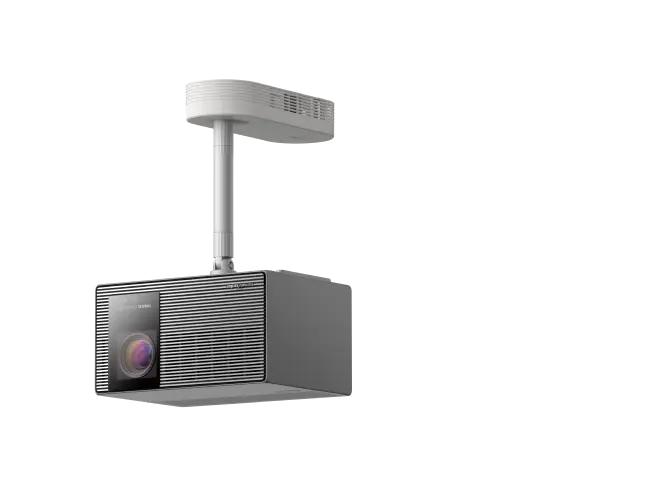
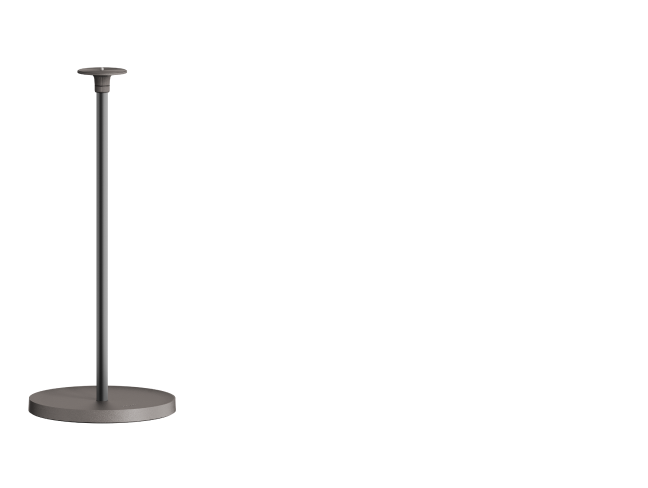
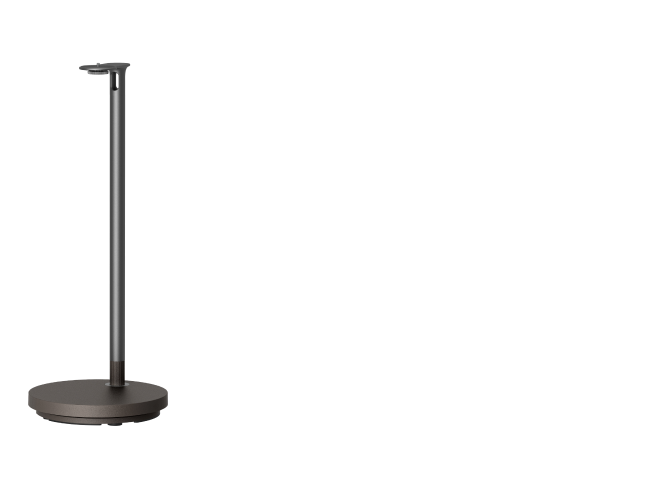
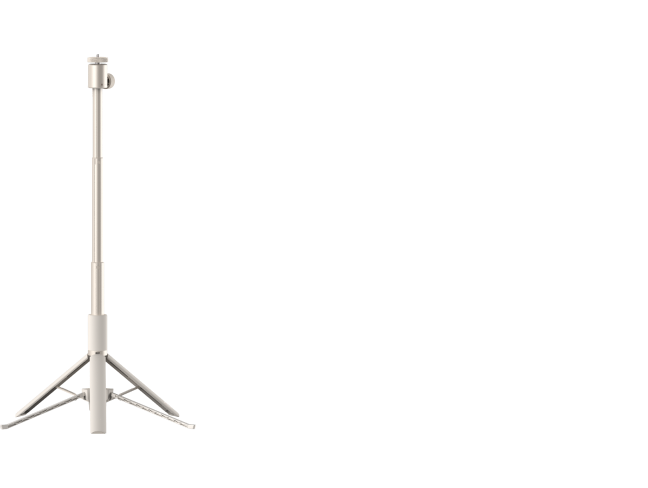
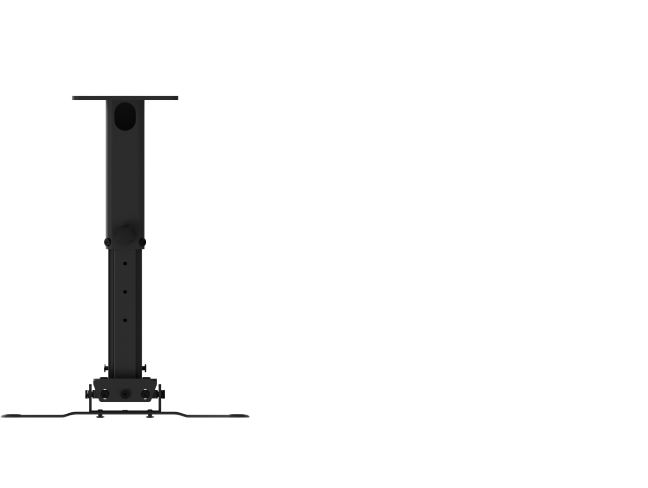
For apartment dwellers or renters, portable setups on a table or portable stand work well without permanent installation. Ceiling mounts offer a cleaner look but require more planning. Consider your typical workout time—morning or evening—and the room's natural light sources.

Controlling Lighting and Brightness for Clear Workout Visibility
Ambient light is one of the biggest factors affecting projected image clarity. Brightness is usually measured in ANSI lumens, and more ambient light means you need a brighter image or a darker room. For clearer projected workout videos, reduce ambient light where possible.
Heuristic Brightness Guidelines
The following ranges are rules of thumb for a standard 100-inch screen on a white wall.
| Room Lighting Condition | Recommended Brightness (ANSI Lumens) | Verification Method |
|---|---|---|
| Dedicated Dark Room | 1,000 – 1,500 | Check for deep blacks in shadows. |
| Dim Light / Evening | 1,500 – 2,200 | Ensure instructor's joints are visible. |
| Daylight (Indirect) | 2,200 – 3,000+ | Check if colors look "washed out." |
Verification Check: Play a 30-second clip of your intended workout. If you cannot clearly distinguish the instructor's hand placement or feet against the floor during fast movements, your ambient light is too high for your current settings.
Priority Adjustment Order:
- Control Light: Close curtains or use blackout shades to improve contrast.
- Adjust Mode: Switch to "Bright" or "Vivid" picture modes.
- Resize: Move the projector closer to the wall (shrinking the image increases light density).
The chart below shows heuristic setup fit across different lighting levels. These relative scores illustrate how priorities shift: darker rooms allow more flexibility in screen size and distance, while brighter rooms demand higher brightness and tighter placement to maintain clear full-body visibility. For more on this topic, see How to Choose the Right Projector Screen Material for Different Roo....
Heuristic Setup Fit by Room Lighting
Illustrative trade-off chart for projector selection in workout rooms.
View chart data
| Category | Brightness fit | Screen-size fit | Throw-distance fit |
|---|---|---|---|
| Dark room | 2.0 | 3.0 | 4.0 |
| Low ambient light | 3.0 | 4.0 | 4.0 |
| Medium ambient light | 4.0 | 3.0 | 3.0 |
| High ambient light | 5.0 | 2.0 | 2.0 |
Heuristic/illustrative synthesis from cited lumen guidance: ~2000-3000 ANSI lumens for typical indoor use, ~2500-3000 for averagely lit rooms, and ~3000-4000 for brighter/high-ambient conditions. Scores are relative fit levels, not measured performance, and are intended to show directional trade-offs only.
This heuristic chart is for guidance only and does not represent measured test results. Actual performance depends on your specific room, projector model, and screen surface.
Projector Features That Make Workout Setup Fast and Reliable
Quick startup is essential for spontaneous workouts. Look for projectors with automatic keystone correction, autofocus, and intelligent screen adaptation. These features let you place the unit on a table or portable stand, power it on, and have a properly aligned, focused image within seconds.
Obstacle avoidance and screen fitting help when furniture or irregular walls are present. For fitness use, prioritize models that support fast screen mirroring or casting from your phone, tablet, or laptop so you can stream YouTube fitness channels, apps, or subscription services without complicated cables.
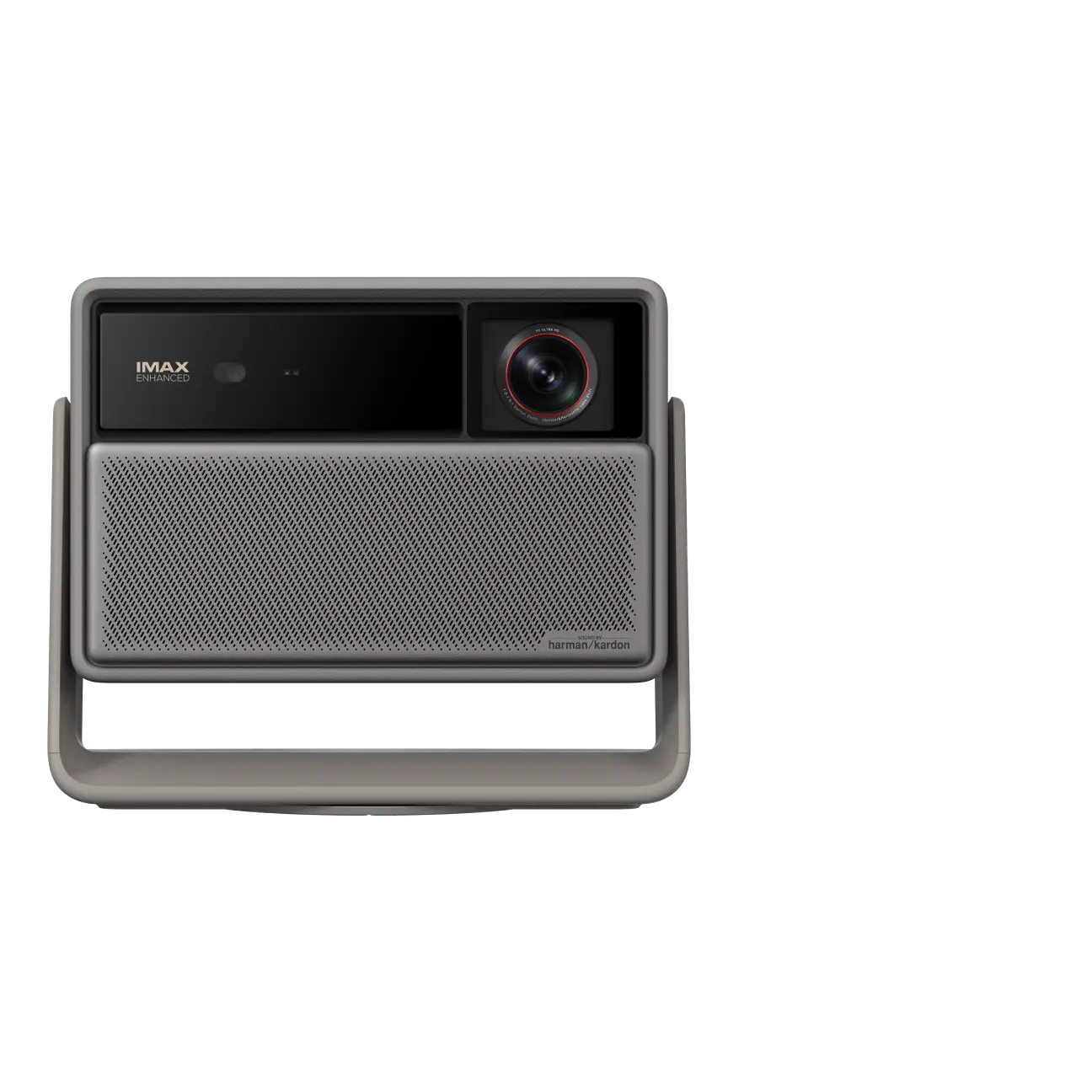
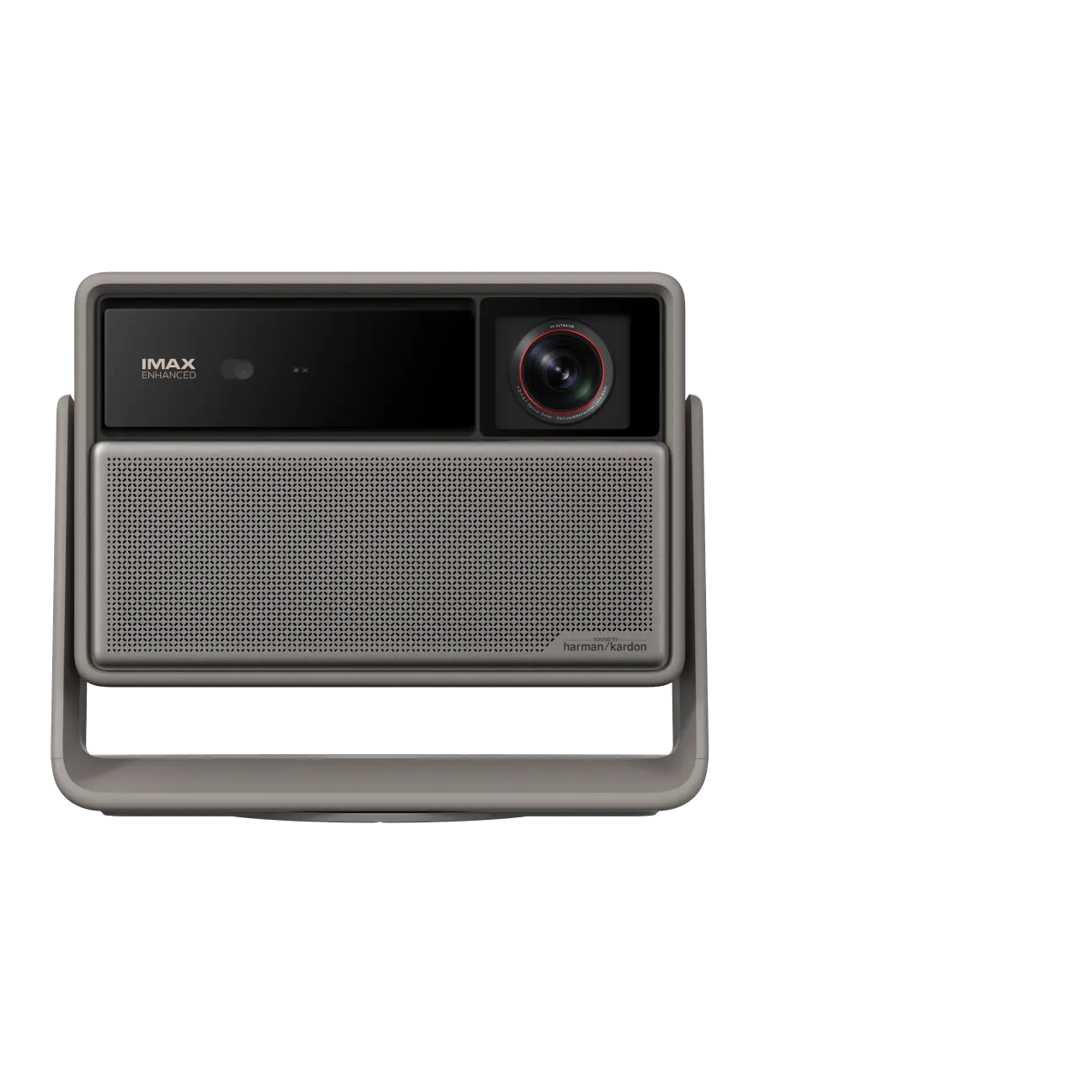
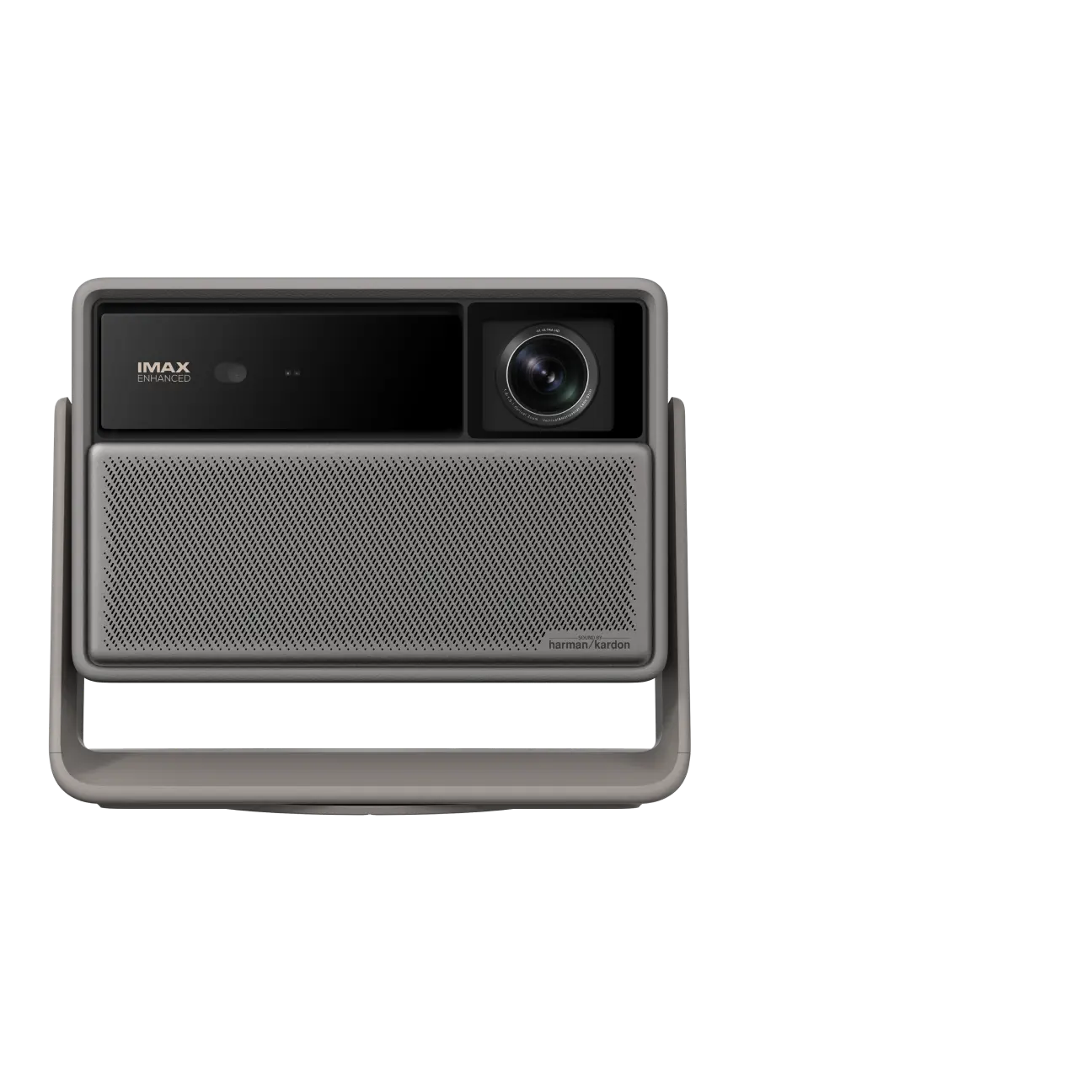
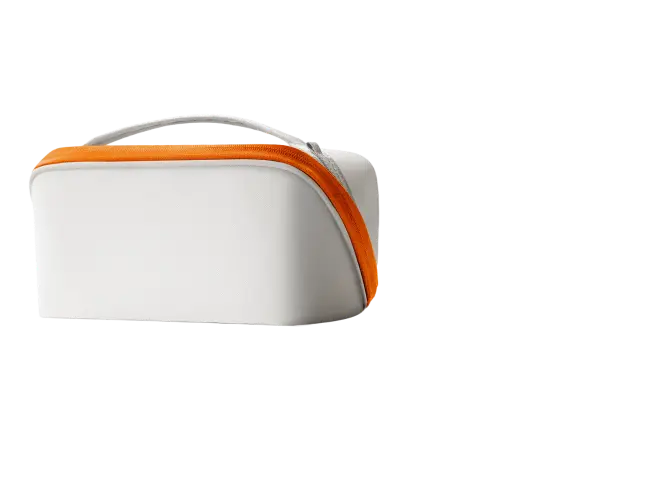
Harman Kardon speakers or Bluetooth audio output are useful for clear instructor cues without extra equipment. Battery-powered portable options add flexibility for moving between rooms or taking workouts outdoors when weather permits.
As this official throw-ratio guide explains, understanding throw distance helps match projector capabilities to your available space. Short-throw or ultra-short-throw models can create large images from closer distances, which is convenient in smaller apartments.
Step-by-Step Setup for Projecting Workout Videos
- Choose and clear your projection wall and floor space.
- Position the projector at the recommended distance for your desired screen size.
- Connect to power and your video source—use screen mirroring for phones or tablets, or built-in streaming apps.
- Let auto-setup features handle keystone, focus, and screen alignment.
- Adjust height so the image allows comfortable full-body viewing without neck strain.
- Dim the lights or close curtains, then test a short video segment while performing sample movements.
- Verify you can see the instructor's full form and your own alignment easily.
For detailed calibration steps, review this guide on smart projector setup features covering keystone correction, autofocus, and intelligent screen adaptation.
Workout Types and Viewing Adjustments
Yoga and Pilates benefit from slower, deliberate movements and clear alignment lines, so a stable, high-contrast image at moderate brightness works well. HIIT and dance fitness involve faster motion, making low input lag and sharp motion handling more important to avoid blur during quick demonstrations.
Position the projected image slightly lower for floor-based workouts like Pilates or core exercises. For standing routines, raise it so the instructor's upper body aligns closer to your natural eye level. Experiment with zoom or screen-fit settings to optimize the visible area without cutting off feet or head.
If using a portable projector, a portable stand provides stable height and angle adjustments for different workout styles.
Troubleshooting and Common Mistakes
If You Encounter Issues:
- Image is "washed out": Follow the "Priority Adjustment Order" in the lighting section (control light first, then adjust modes).
- Motion is blurry or laggy: Check if "Motion Compensation" (MEMC) is enabled. For fast HIIT, switch to "Game Mode" to reduce processing delay.
- Neck or Eye Strain: Lower the projection height so you aren't looking up. Check focus; a soft image causes the eyes to strain.
- Safety Stop: If you experience persistent dizziness, sharp pain, or significant eye strain, stop the workout immediately and consult a professional.
Common Mistakes to Avoid:
- Placing the projector too low or high, forcing awkward neck positions.
- Using a wall with strong color or texture that reduces image clarity.
- Running cables across the workout area, creating trip hazards.
- Choosing a screen size that is too large for the distance, causing pixelation or loss of detail.
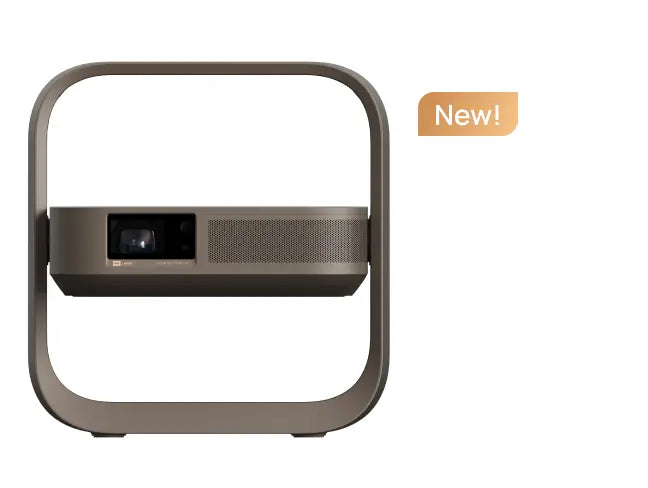
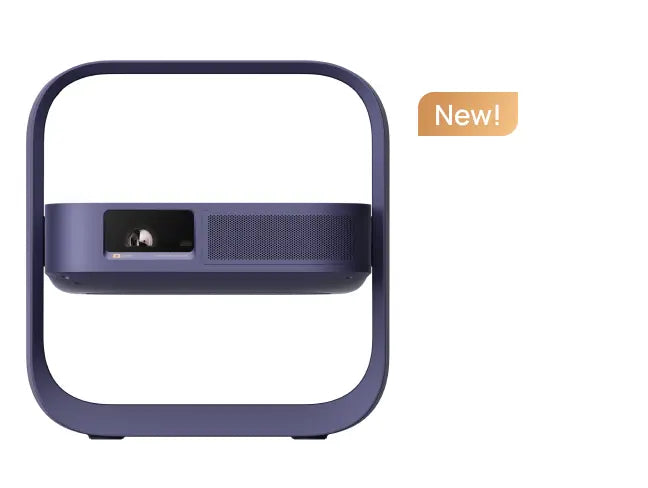
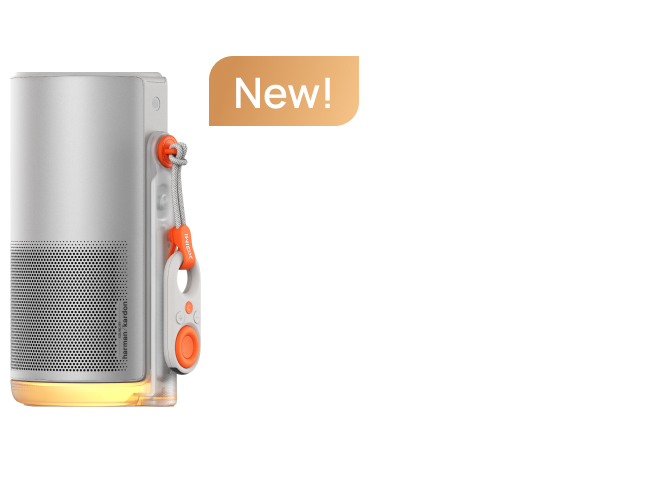
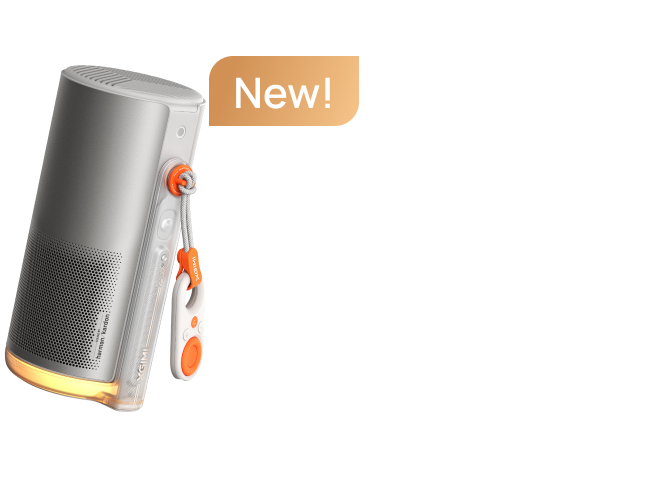
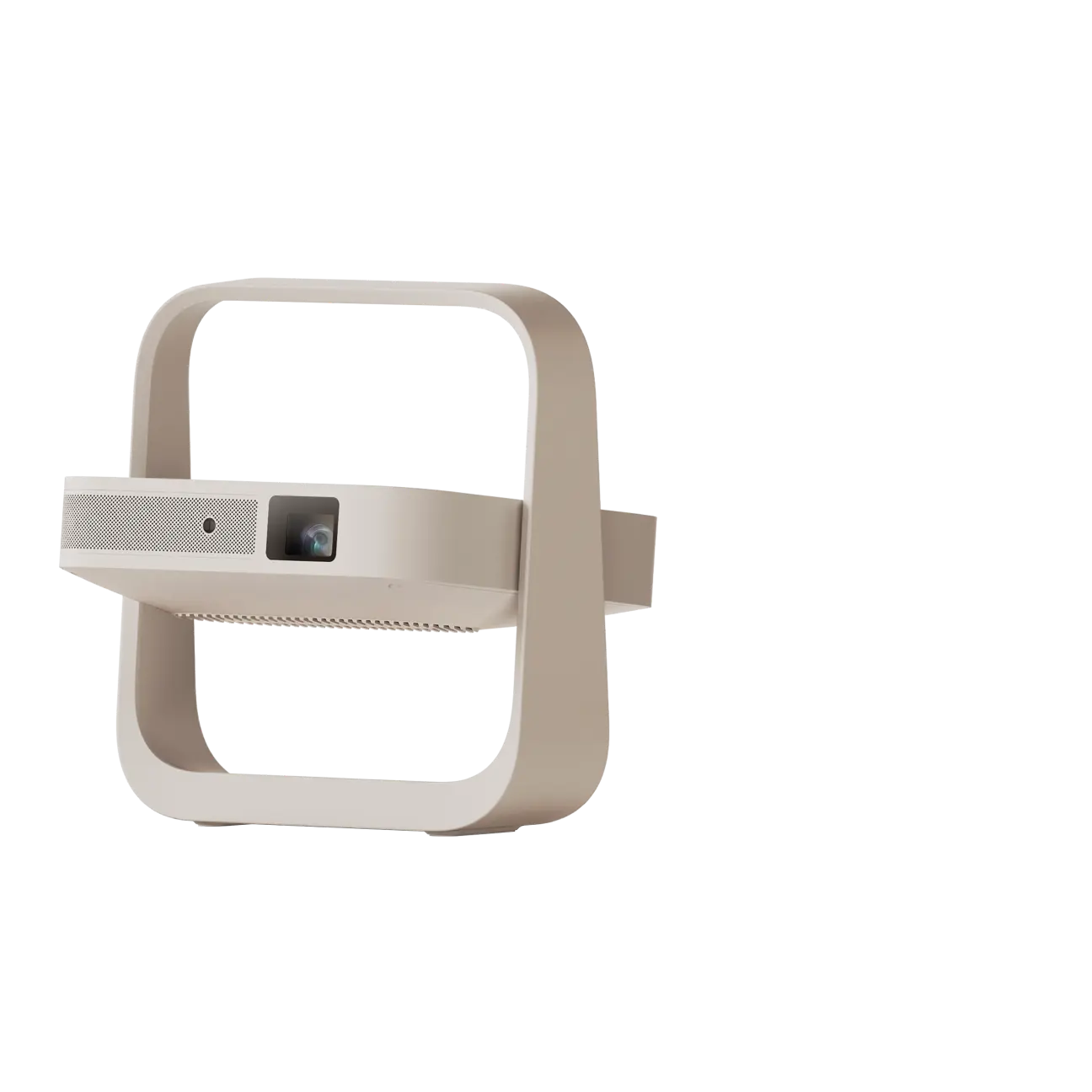
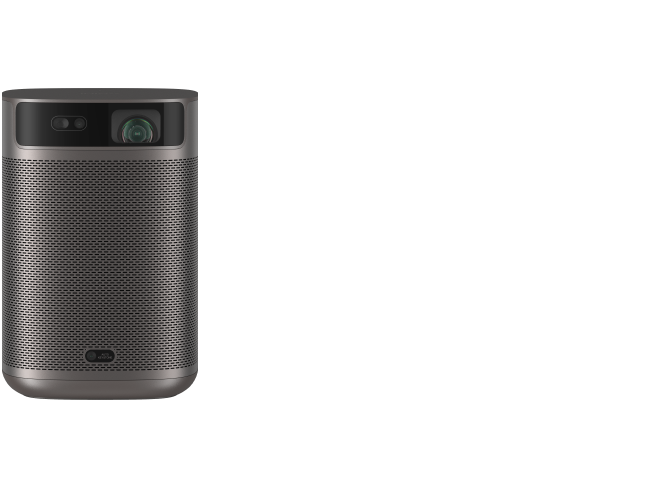
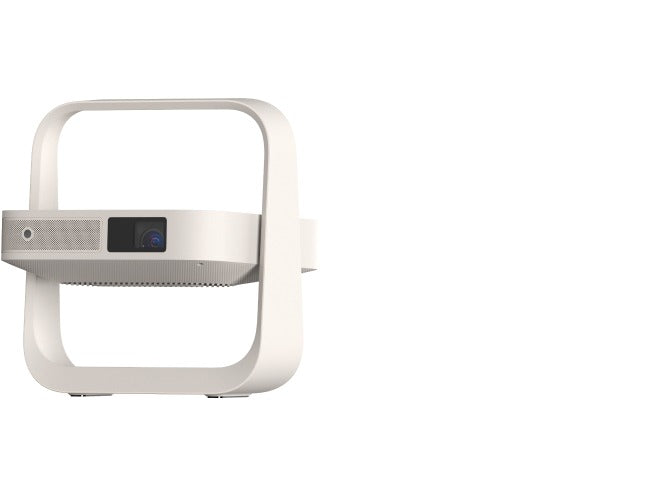
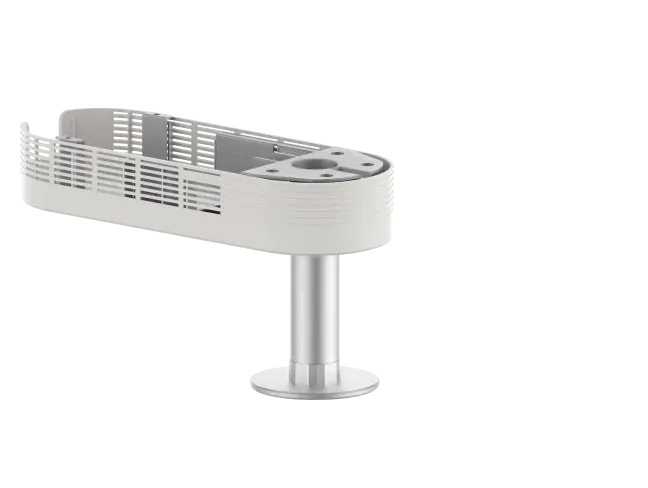
Portable models like the MoGo series or Halo+ offer convenient options for fitness enthusiasts. The Halo+ (New) combines battery power, auto-setup, and solid brightness suitable for various room conditions.
Quick Checklist Before Starting Your Session
- Is the workout area free of obstacles and cables?
- Can you see the instructor's full body and feet clearly?
- Does the image brightness allow comfortable viewing without squinting?
- Are you able to maintain neutral posture while watching and moving?
- Have you warmed up and chosen a routine matching your current fitness level?
Using these checkpoints helps create a safer, more effective projected workout environment. Over time, the convenience of instant large-screen access can make consistent home fitness easier to maintain.
For more ideas on incorporating projection into healthy routines, see this article on how smart projectors can help you live a healthy life.
Final Thoughts
A well-planned projector setup for workout videos can transform how clearly you follow guided sessions and monitor your form. Success depends heavily on room conditions, lighting control, and choosing features that minimize setup friction. While a large projected screen may feel more comfortable and convenient for many users, results vary based on individual space and preferences. For more on this topic, see How to Match Screen Gain Specifications to Your Room's Ambient Ligh....
Experiment with different placements and lighting in your own home to find what works best. Focus on practical visibility and safe movement rather than chasing perfect studio conditions. With the right configuration, your home can become a flexible fitness space that supports better technique and more enjoyable workouts.
This article only discusses comfort and setup advice; it does not constitute medical advice, diagnosis, or treatment. If persistent discomfort occurs or you have existing conditions, consult qualified professionals.


