







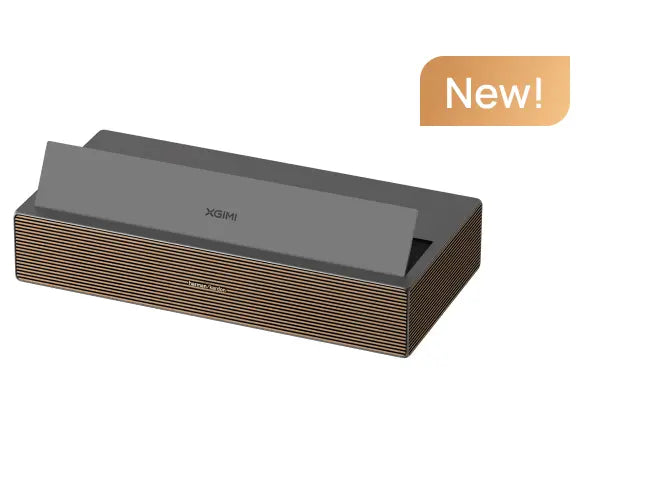
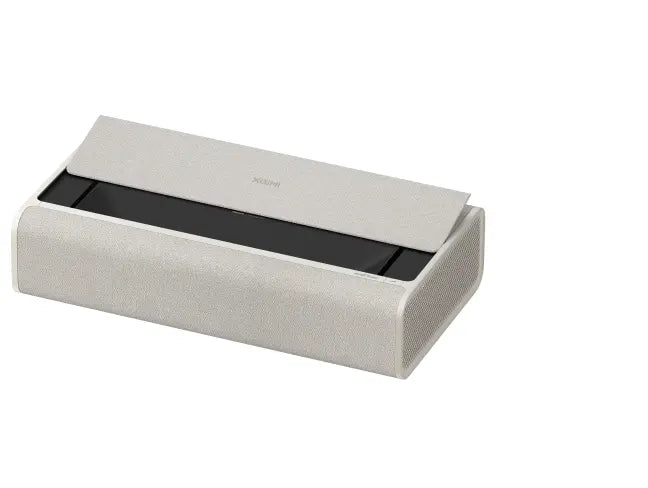
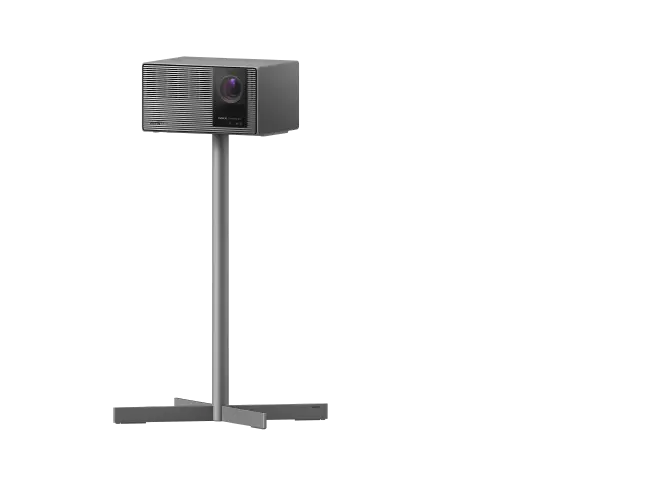
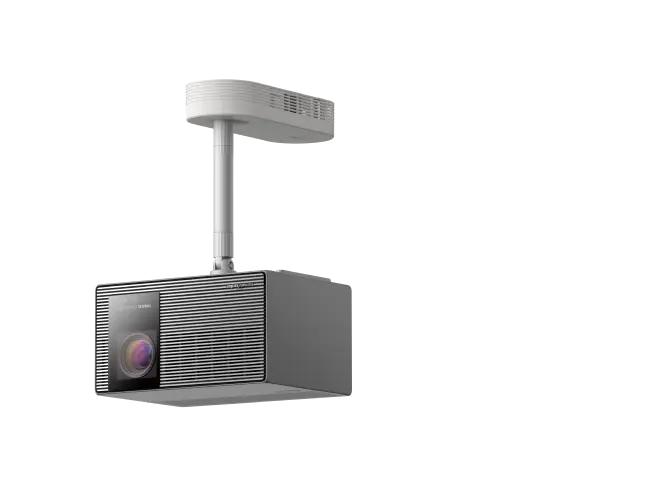





Turning your living room into an immersive window into nature can make abstract concepts like ecosystems and biodiversity far more tangible for children. Using large-scale visual storytelling with a projector allows parents to present vibrant, life-sized scenes of rainforests, coral reefs, or woodlands that capture attention and invite discussion, turning routine family time into meaningful shared learning without relying solely on textbooks or worksheets.

Visual storytelling leverages the power of dynamic imagery and guided narratives to help kids aged 4-12 grasp interconnected natural systems. Rather than memorizing definitions, children can see how animals, plants, and environments depend on one another in real time. This approach aligns with recommendations from educational organizations that emphasize concrete visuals for complex topics, making it easier for families to explore nature concepts together at home.
What Are Ecosystems and Biodiversity?
An ecosystem is a community of living organisms interacting with their physical environment, including everything from tiny microbes to large mammals and the air, water, and soil that support them. Biodiversity refers to the variety of life, including diversity within species, between species, and of ecosystems, as explained by the American Museum of Natural History's kid-friendly Biodiversity for Kids resource. This variety strengthens ecosystems by providing resilience against changes like disease or climate shifts.
Biodiversity helps explain how different living things contribute to the health and resilience of ecosystems, according to the National Park Service. Teaching these ideas at home becomes more effective when families move beyond static pictures to dynamic visuals that show relationships unfolding. For instance, projecting a scene of a forest floor reveals layers of life that text alone cannot convey as vividly.
Why Visual Storytelling Works for Teaching Nature Concepts
Children often struggle with abstract ideas such as food chains, habitats, and interdependence when presented through text or small illustrations. Large-screen visuals bring these concepts to life by displaying scale, motion, and detail that make connections obvious. Official resources like NOAA's guide to aquatic food webs highlight how understanding interconnected relationships is key, and visuals accelerate that insight.
Age-appropriate visual materials can help children explore biodiversity in a more concrete way, per World Wildlife Fund's teaching tools about biodiversity. Story-driven science content further makes these topics approachable, turning passive viewing into active family conversations about why certain species matter to the whole system.
Visual diagrams and guided drawing are common ways to help students understand ecosystem interactions, as noted in Smithsonian Science Education Center materials. When parents project high-quality nature documentaries, time-lapse sequences of plant growth, or animated food webs, children stay engaged longer than with worksheets, creating opportunities for questions and follow-up activities.

Practical Ways to Use a Projector for Ecosystem Lessons at Home
Start with short, focused sessions of 20-40 minutes to keep energy high. Choose age-appropriate content such as BBC Earth or National Geographic clips showing specific habitats, then pause frequently for discussion. For younger children (ages 4-7), focus on colorful habitats and simple cause-and-effect, like how bees pollinate flowers. Older kids (8-12) can explore more complex ideas such as keystone species or the impact of habitat loss.
Project life-sized scenes onto a blank wall or screen to create an immersive experience. A portable projector allows flexibility—set up in the living room for group viewing or move to a bedroom for smaller sessions. Combine the visuals with hands-on elements: after watching a segment on coral reefs, have children draw their own food web or build a simple ecosystem model using craft materials.
Guided prompts work well: "What happens if the frogs disappear from this pond?" or "How are these plants and animals helping each other?" These questions reinforce lessons from sources like New York State's Interdependences in Ecosystems materials, which pair food chains, habitats, life cycles, and biodiversity visuals.
Family-friendly nature lessons can make biodiversity and ecosystems easier to discuss at home. Follow projections with outdoor observation if possible, or use apps and books that match the visuals for deeper exploration. This keeps the activity purposeful rather than passive.
Here is an illustrative overview of where visual storytelling may offer stronger engagement based on age and topic:
Illustrative Fit of Visual Storytelling by Age Group and Ecosystem Topic
Use as a scenario guide, not as factual performance data.
View chart data
| Category | Visual storytelling fit score (illustrative) |
|---|---|
| Age 3–5 | 5.0 |
| Age 6–8 | 4.0 |
| Age 9–11 | 3.0 |
| Food web topic | 5.0 |
| Habitat topic | 4.0 |
| Cause-effect topic | 4.0 |
Heuristic and illustrative score only, reconstructed from writer evidence on visual diagrams, food webs, age-appropriate materials, and family lessons. The values indicate relative suitability for using visual storytelling in session design; they are not measured outcomes or official statistics.
The scores above are illustrative only, derived from general guidance on visual learning aids. They serve as a planning tool rather than proven measurements of effectiveness.
Checklist: How to Design Effective At-Home Visual Nature Sessions
To ensure sessions feel educational rather than just entertaining, follow this practical checklist:
- Select quality content: Choose documentaries or clips from reputable sources like museums, national parks, or science channels that accurately depict ecosystems.
- Prepare discussion prompts: Write 3-5 open-ended questions tied to key concepts like interdependence or biodiversity before starting.
- Limit session length: Keep initial viewings under 30 minutes for younger children, extending only if engagement remains high.
- Include follow-up activities: Plan a related craft, drawing exercise, or outdoor exploration that builds on what was seen.
- Involve everyone: Rotate roles so children explain concepts back to parents, reinforcing understanding.
- Balance with non-screen time: Pair projector sessions with nature walks, books, or hands-on experiments to maintain variety.
This structure helps address common challenges where children lose interest in traditional materials while keeping screen use purposeful and guided.
Choosing the Right Setup for Family Learning
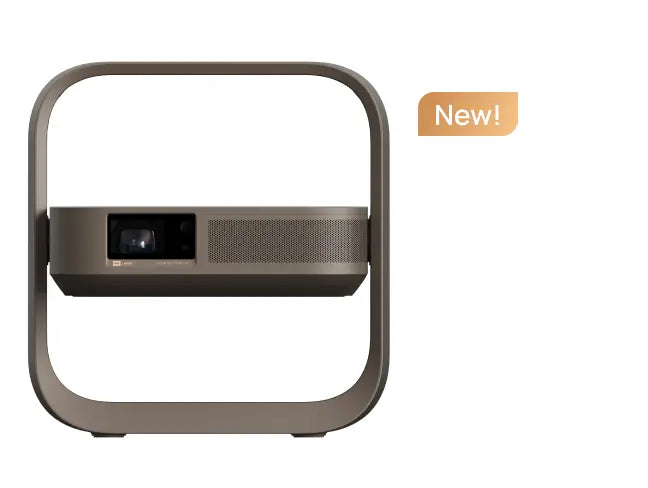
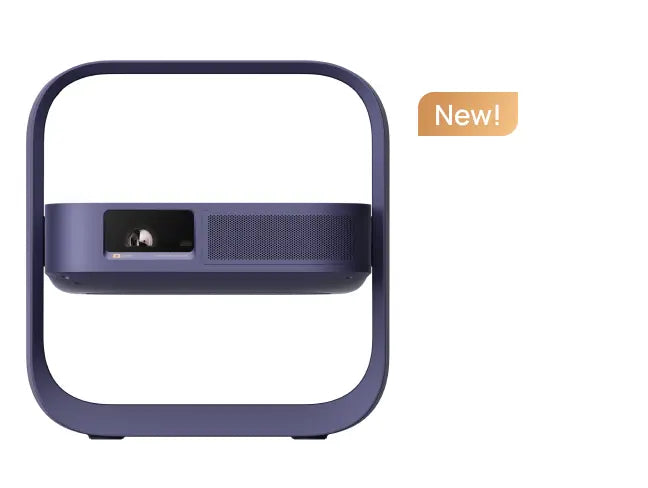
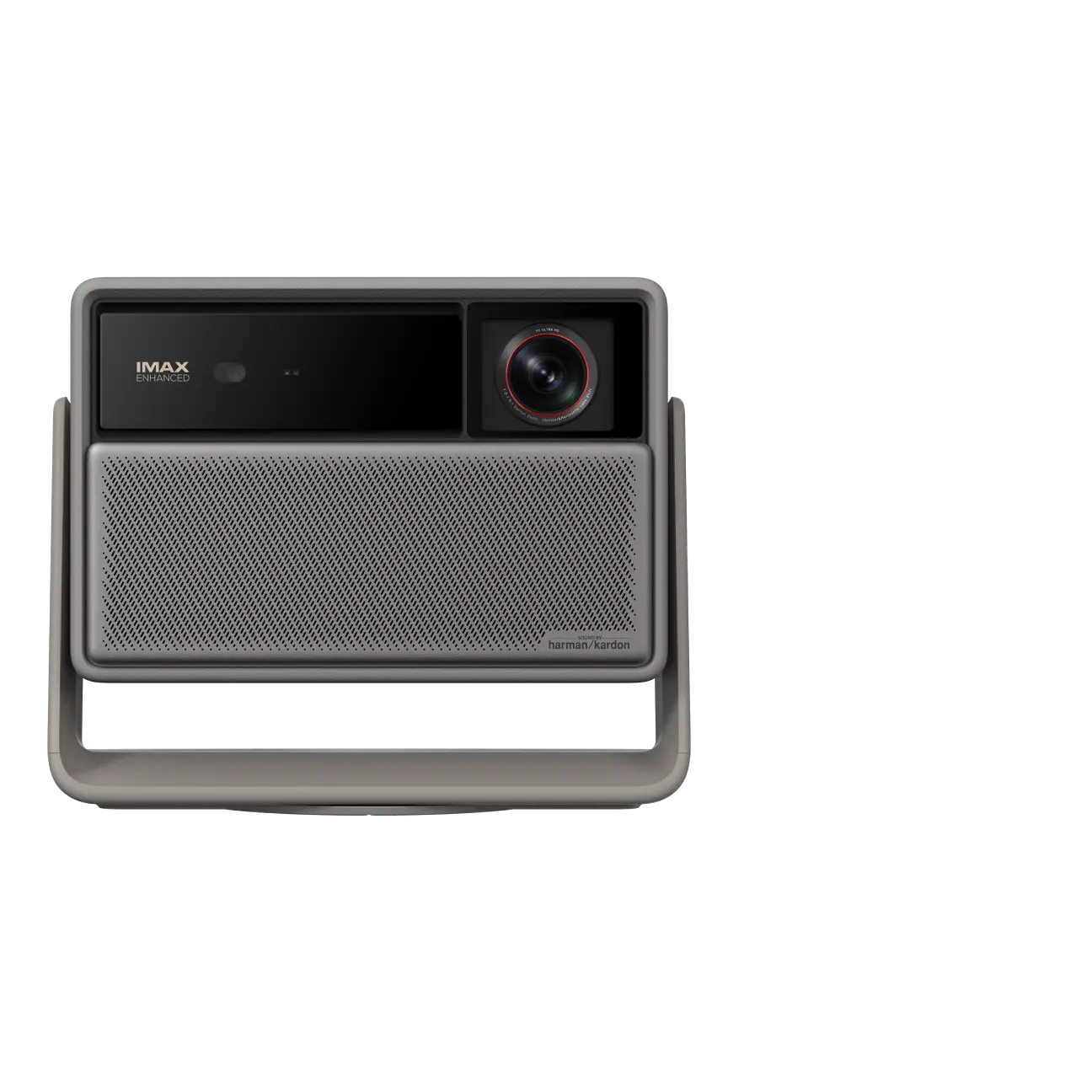
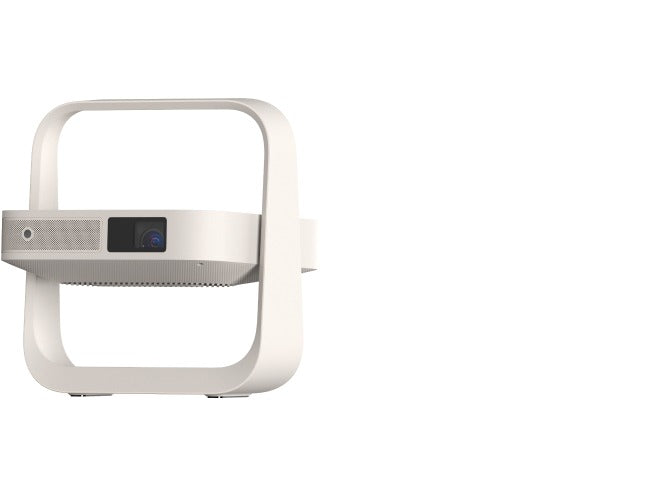
Portable projectors offer flexibility for different home spaces and can be moved easily between rooms or even outdoors during good weather. Models with good color accuracy help reproduce nature's vibrant hues realistically, enhancing the immersive feel. For families new to this approach, starting with a compact, easy-to-use device minimizes setup frustration so the focus stays on learning.
When evaluating options, consider brightness suitable for your room's lighting and features like auto-focus for quick starts. Portable projectors provide the versatility many families need for both educational activities and entertainment.
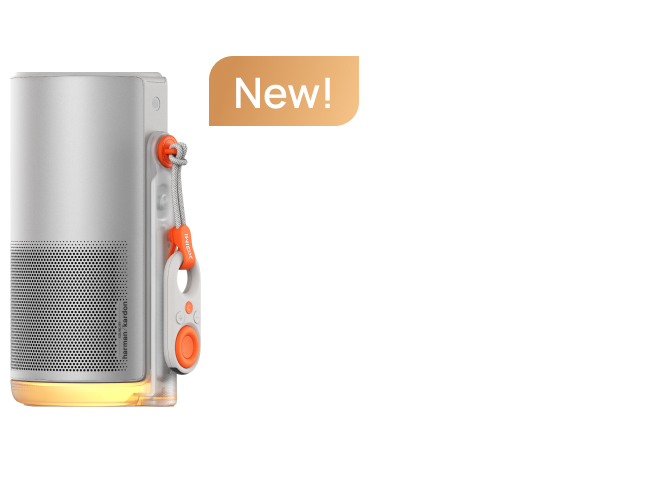
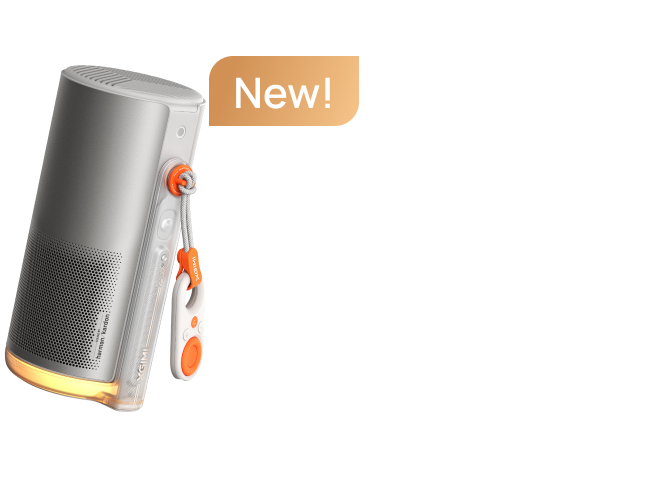
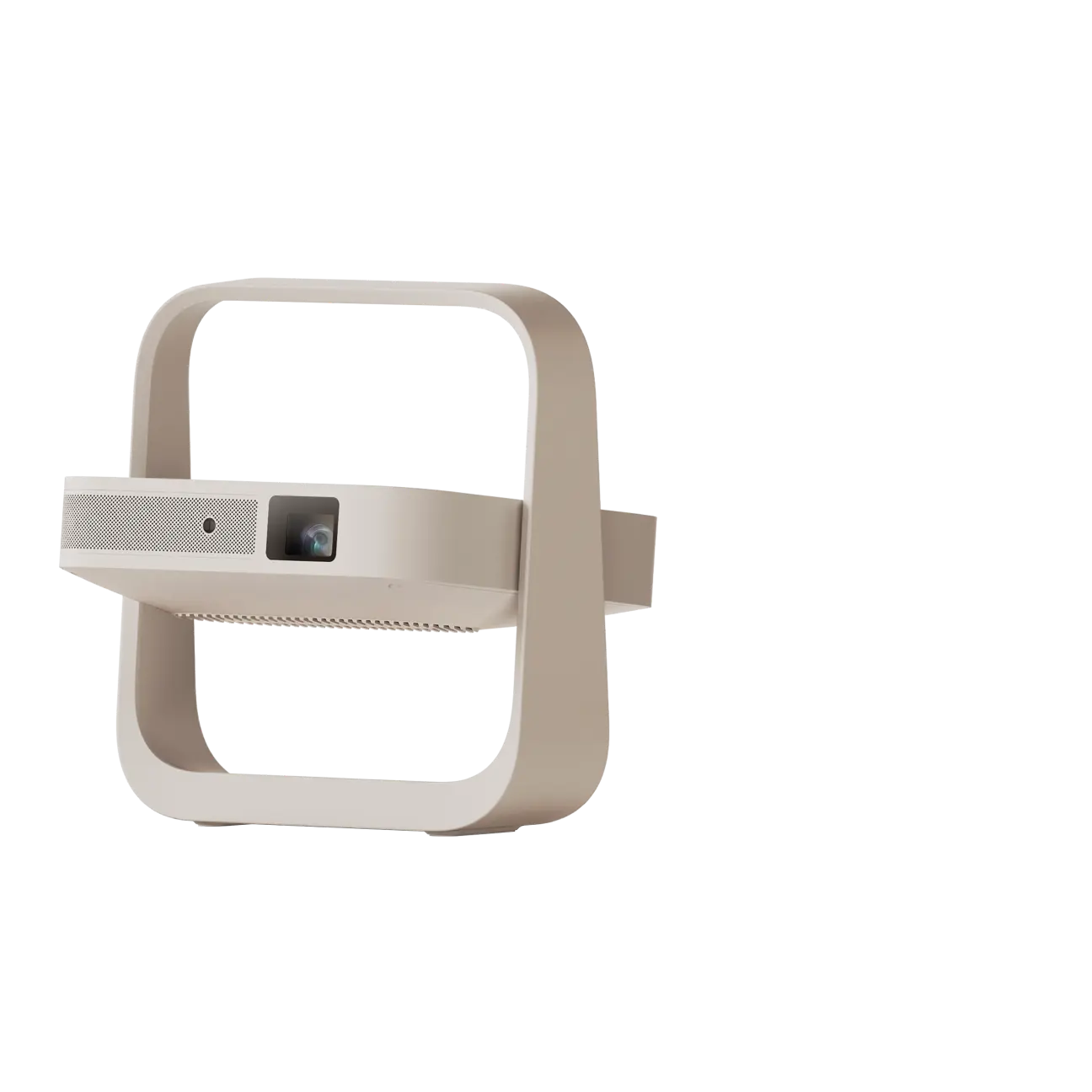
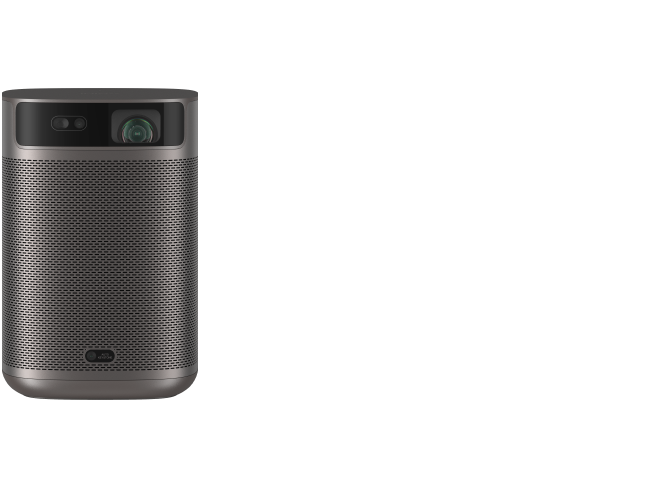
Parents interested in dedicated learning tools may explore options like the XGIMI Elfin, noted in guides for supporting children's engagement with the world through visual content. Its compact design works well for spontaneous family sessions without dominating the space.
Another helpful read is Should You Buy A Projector For Fun Activities With Kids?, which discusses balancing education, eye comfort, and family enjoyment.
Addressing Screen Time Concerns
Many parents worry about screen time displacing other activities. The key is intentional use: treat the projector as a storytelling tool paired with conversation and hands-on follow-ups rather than a babysitter. Official guidance from organizations like the American Academy of Pediatrics encourages purposeful media consumption with active parental involvement.
This article discusses comfort and setup advice for family learning only. It does not constitute medical advice, diagnosis, or treatment. If your child experiences persistent discomfort, eye strain, or has existing conditions, consult qualified healthcare professionals.
Making It a Repeatable Family Tradition
Consistency turns one-off sessions into lasting habits. Create a weekly "Nature Night" where the family explores a new ecosystem or follows the progress of a particular habitat over time. Track observations in a shared journal or build a wall display of drawings inspired by the projections.
Over months, children often develop greater appreciation for biodiversity and begin noticing nature details in their everyday environment. This shared experience strengthens family bonds while fostering environmental awareness in a natural, enjoyable way.
Biodiversity lessons can work well as shared family activities that build nature appreciation. By combining immersive visuals with guided discussion and creative follow-ups, parents can make complex environmental topics accessible and memorable without leaving home.
The right tools and approach transform education from a chore into an adventure the whole family looks forward to. Start small, stay curious, and let the wonders of the natural world unfold on your living room wall.


