








Turning documentary night into a weekly tradition that kids look forward to starts with treating it as a shared family ritual rather than an educational chore. The key is selecting short, visually rich titles, watching together, adding simple interactive elements, and creating a repeatable setup that feels special without becoming a hassle. When done this way, the evening becomes a reliable opportunity for connection that many families sustain for months or years.

Choosing Documentaries Kids Will Actually Watch
The foundation of an enjoyable family documentary night is picking titles that match children's attention spans and interests. For ages roughly 5 to 9, favor shorter nature documentaries or episodes under 45 minutes that feature fast-paced visuals, animals, or exploration. Older elementary kids (9–12) can often handle 50- to 60-minute films if the topic aligns with their curiosity, such as space, ocean life, or wildlife adventures.
Look for content that prioritizes stunning cinematography over dense narration. Many families find success with series that include humor, music, or engaging narrators. Always preview the first 10 minutes to confirm the pacing and vocabulary feel appropriate. As this CDC guidance on age-appropriate supervised viewing notes, choosing media that fits the child's developmental stage helps keep the experience positive rather than frustrating.
Making Documentaries Engaging Through Interaction
The most reliable way to keep children attentive is active participation rather than passive watching. Families who succeed treat the viewing as a conversation starter. Pause occasionally to ask light questions like "What do you think will happen next?" or "Have you ever seen something like that?" After the documentary ends, spend 5–10 minutes sharing one surprising fact each person noticed.
This co-viewing approach transforms the session from a lecture into a shared discovery. According to guidance from New York State's digital wellness resources, families can make documentary night more engaging by watching together and talking about what stood out afterward. The discussion does not need to be formal—just a few minutes of genuine interest from parents usually sparks kids to contribute their own thoughts.
Many parents also create a simple family media plan that outlines the weekly time, expected behavior, and post-viewing activity. The American Academy of Pediatrics recommends building a Family Media Use Plan that fits your child and household, which can include rules like "no phones during the movie" or "everyone shares one takeaway." Such structure helps the night feel predictable and fair rather than imposed.
Designing a Cozy Home Theater Setup for Documentary Night
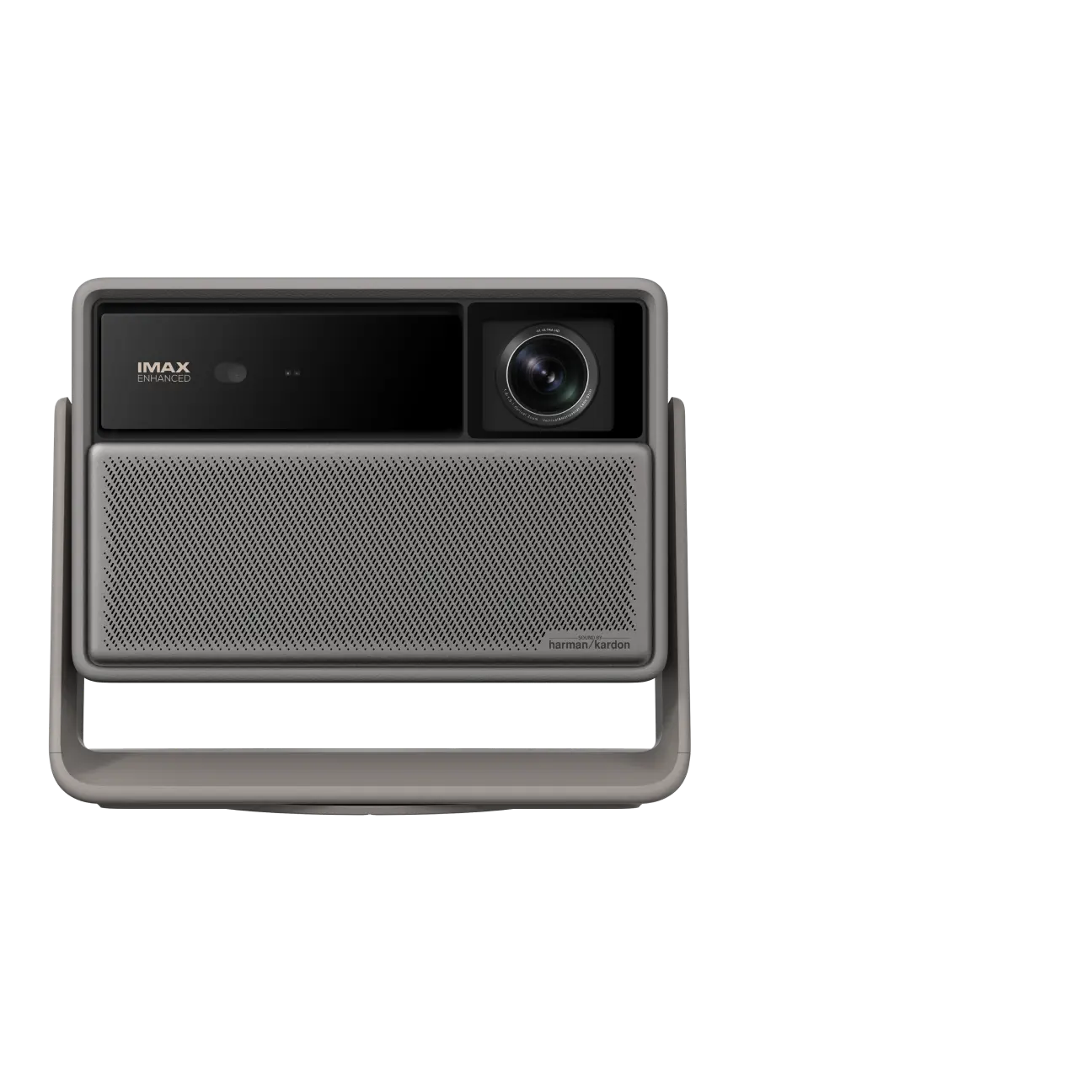
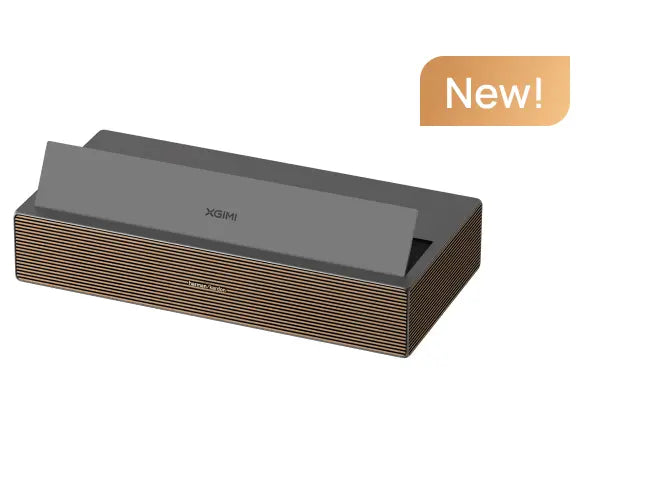
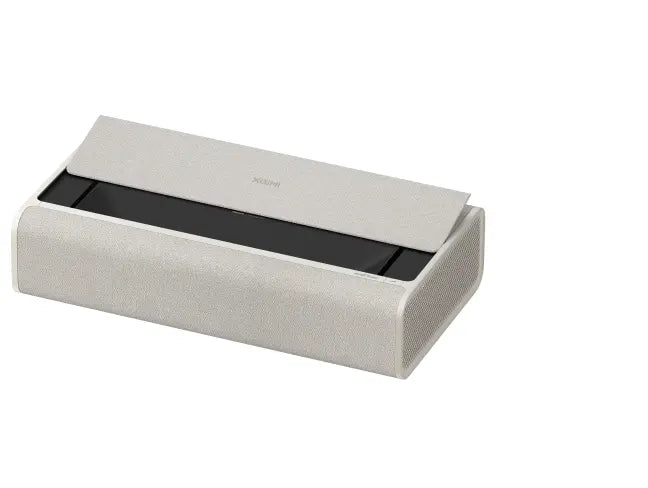
The physical environment plays a large role in whether kids view the evening as a treat. Dim the lights, arrange comfortable seating with blankets and pillows, and prepare a small snack station. A projector often elevates the experience by creating a true big-screen feel that makes the night distinct from regular TV time.

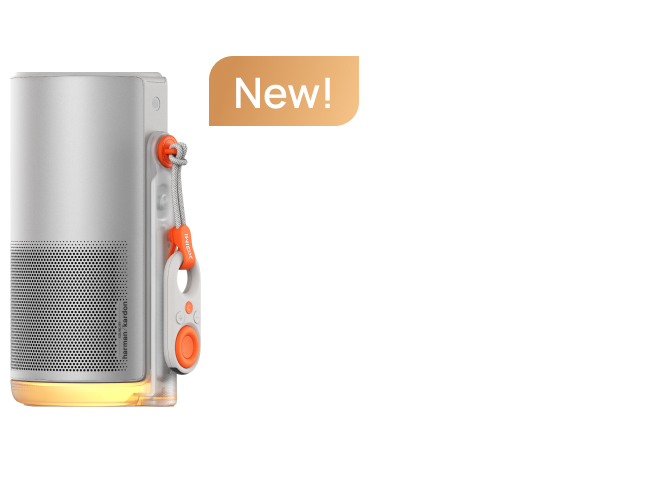
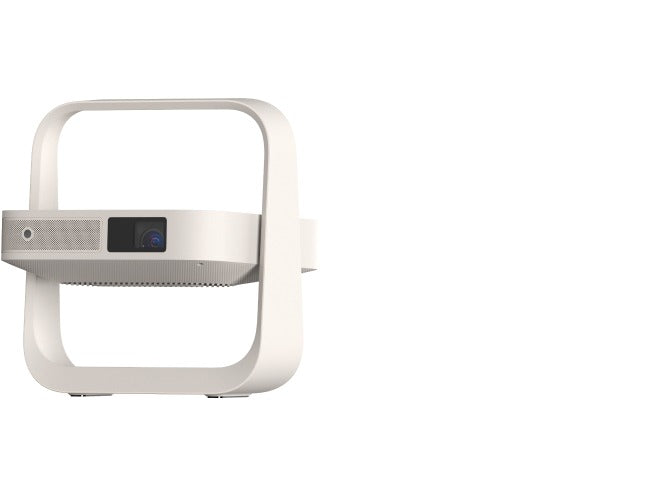
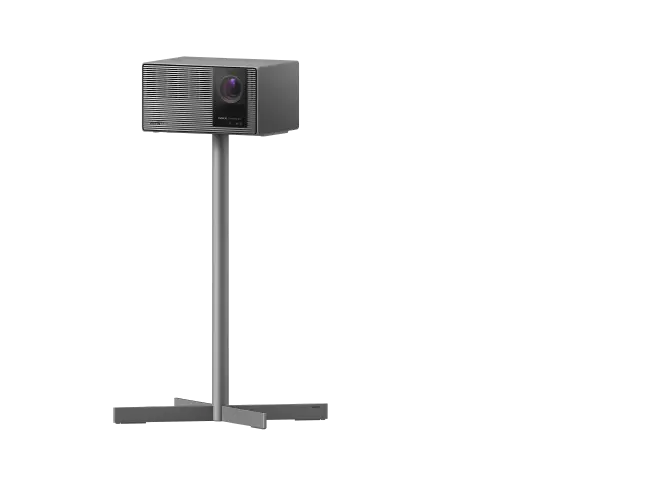
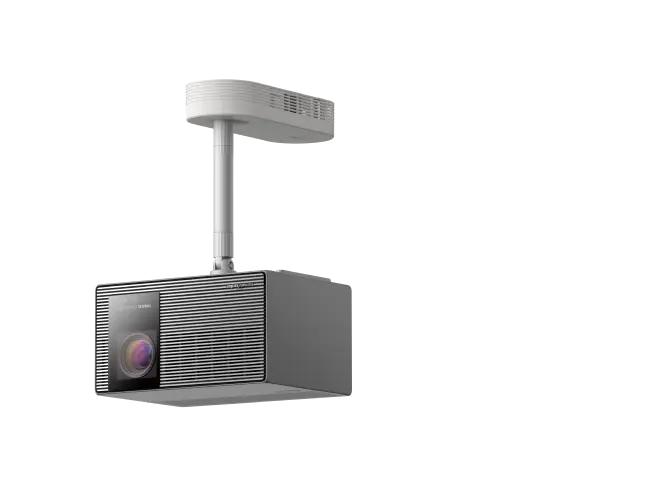
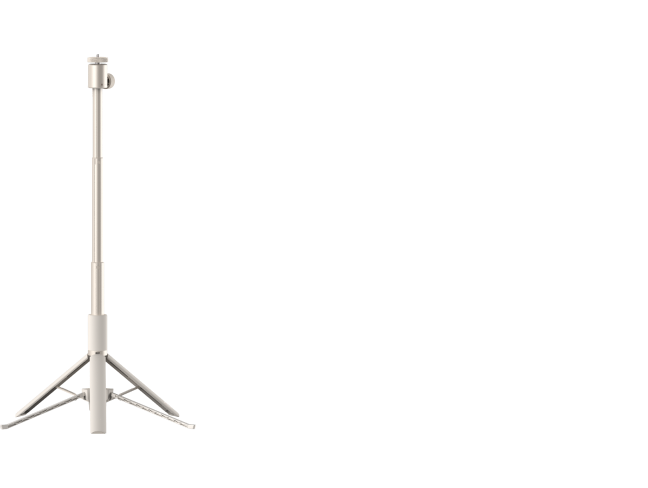
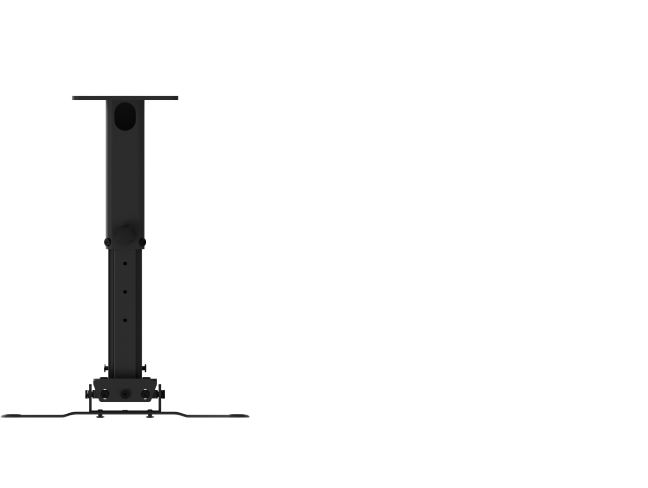
Position the projector on a stable surface or ceiling mount so the image fills a wall or portable screen without distortion. For living rooms, models that offer easy auto-focus and keystone correction reduce weekly setup time. Portable options with built-in batteries work well for families who want flexibility to move the experience outdoors on clear nights or to different rooms.
As explained in our guide on projector placement, choosing between tabletop, ceiling, or rear projection depends on your room layout and how often you want to rearrange. The goal is a setup simple enough that parents actually repeat it every week rather than only on special occasions. A smart home projector with streaming apps built in can further streamline the process by eliminating the need to switch devices.
Building Repeatable Traditions and Routines
Sustainability comes from turning the night into a ritual rather than an occasional event. Pick a consistent day and time—many families choose Friday or Saturday evenings after dinner. Keep the runtime bounded so the whole experience, including discussion and snack, fits within 90 minutes and avoids interfering with bedtime.
Thematic touches help children anticipate the evening: a "Nature Explorer Night" with animal-shaped snacks, an "Ocean Adventure" with blue drinks, or a simple popcorn bar where kids choose toppings. Rotate between nature documentaries, biography-style stories, and science explorations to maintain variety without overwhelming young viewers.
Evidence from parenting resources shows that treating shared media time as a family ritual supports healthier digital habits when combined with clear boundaries. Keep documentary night earlier in the evening when possible, as guidance on children's media use recommends avoiding late-night screen habits that can affect sleep.
Common Myths About Family Documentary Nights
Several widespread assumptions can set families up for disappointment. One myth is that any documentary is automatically educational. In reality, value depends on whether children can follow the content and whether adults add context or discussion afterward.
Another common belief is that kids universally hate documentaries. Many children engage enthusiastically when the topic matches their interests and the pacing feels accessible, especially with parental involvement. Finally, the idea that a bigger screen automatically makes the evening fun overlooks the importance of interaction. A large projection can enhance the atmosphere, but only when the room setup and family participation support a genuine shared experience.
How to Choose the Right Format for Your Family
Different combinations of content length, screen type, and structure work better in specific situations. The radar chart below illustrates relative fit across common family scenarios using a simple heuristic scale. Higher values indicate better alignment for that situation, not measured outcomes.
Heuristic Fit for Kids' Documentary Night Formats
Illustrative guidance only: higher scores mean a better fit for the scenario, not measured outcomes.
View chart data
| Series | Short nature doc | Longer documentary | TV setup | Projector ritual | Themed night | Unstructured night |
|---|---|---|---|---|---|---|
| Younger / distracted | 5.0 | 1.0 | 5.0 | 2.0 | 3.0 | 2.0 |
| Older / curious | 2.0 | 5.0 | 3.0 | 4.0 | 4.0 | 3.0 |
| Busy / late | 5.0 | 1.0 | 5.0 | 1.0 | 2.0 | 4.0 |
| Ritual-focused | 3.0 | 4.0 | 2.0 | 5.0 | 5.0 | 1.0 |
Illustrative heuristic built from the provided scenario splits: younger children and distracted evenings favor short, low-friction viewing; older/curious kids can handle longer docs and discussion; projector works best when it is an easy repeatable ritual, while TV is safer when setup friction is high.
This chart helps clarify that short nature documentaries and simpler TV setups often suit younger or busier evenings, while longer films and a projector-based ritual can enhance the experience for families who have established routines and older children who enjoy discussion. The right combination depends on your household's energy level, room constraints, and willingness to maintain the setup.
Practical Checklist for Your First Documentary Night
Use this step-by-step list to launch your routine with minimal friction:
- Select one short, visually engaging title and preview it yourself.
- Decide on a consistent weekly time slot that leaves room for discussion and wind-down.
- Prepare the viewing space in advance—test the projector, adjust seating, and gather snacks.
- Create a simple family agreement about expectations, such as staying until the end or participating in the closing talk.
- Plan one or two light discussion prompts to use during or after the film.
- End the night with a consistent closing activity, like drawing one favorite scene or planning next week's theme.
Review what worked and adjust the following week. Many families find that the third or fourth night becomes noticeably smoother as the ritual becomes familiar.
When a Projector Setup Might Not Be the Best Fit
While a projector can make documentary night feel cinematic, it is not essential for every household. If your living room requires significant rearrangement each time, or if one parent ends up handling all the technical adjustments, the added effort may reduce how often the activity actually happens. In those cases, starting with your existing TV and focusing on content and interaction often produces more consistent family nights.
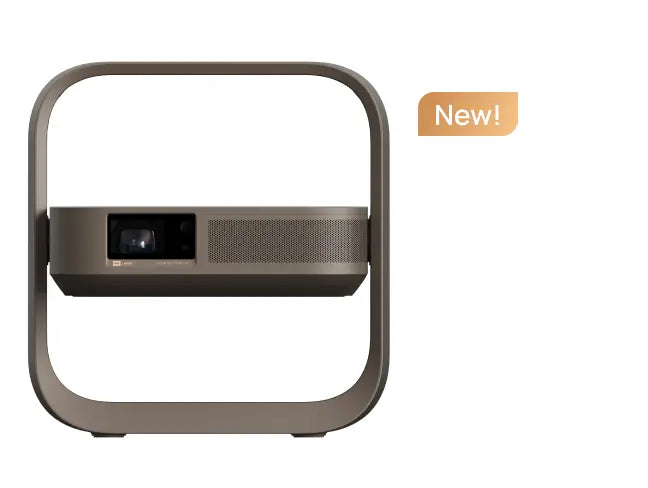
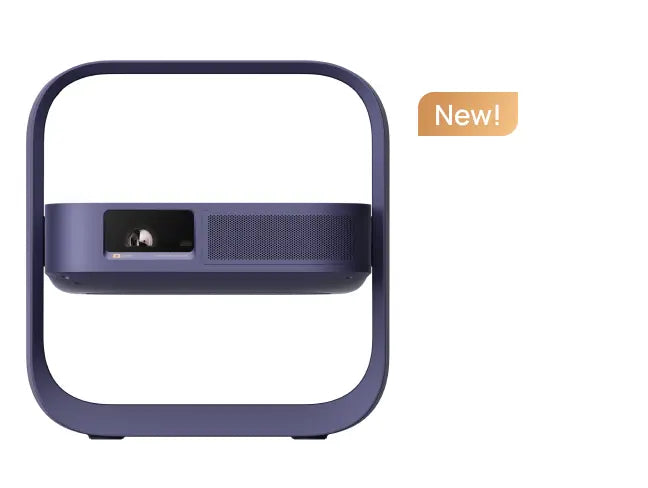
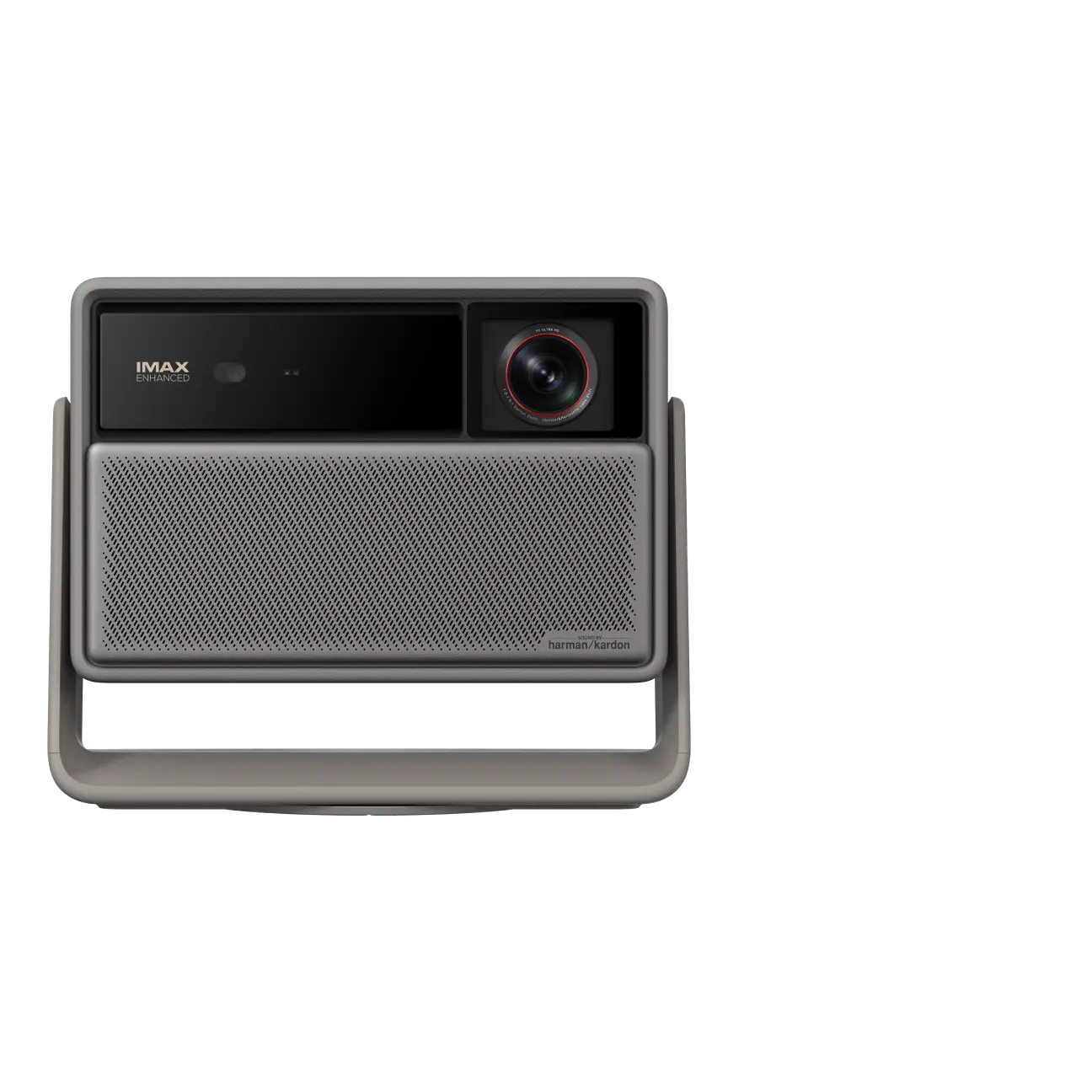
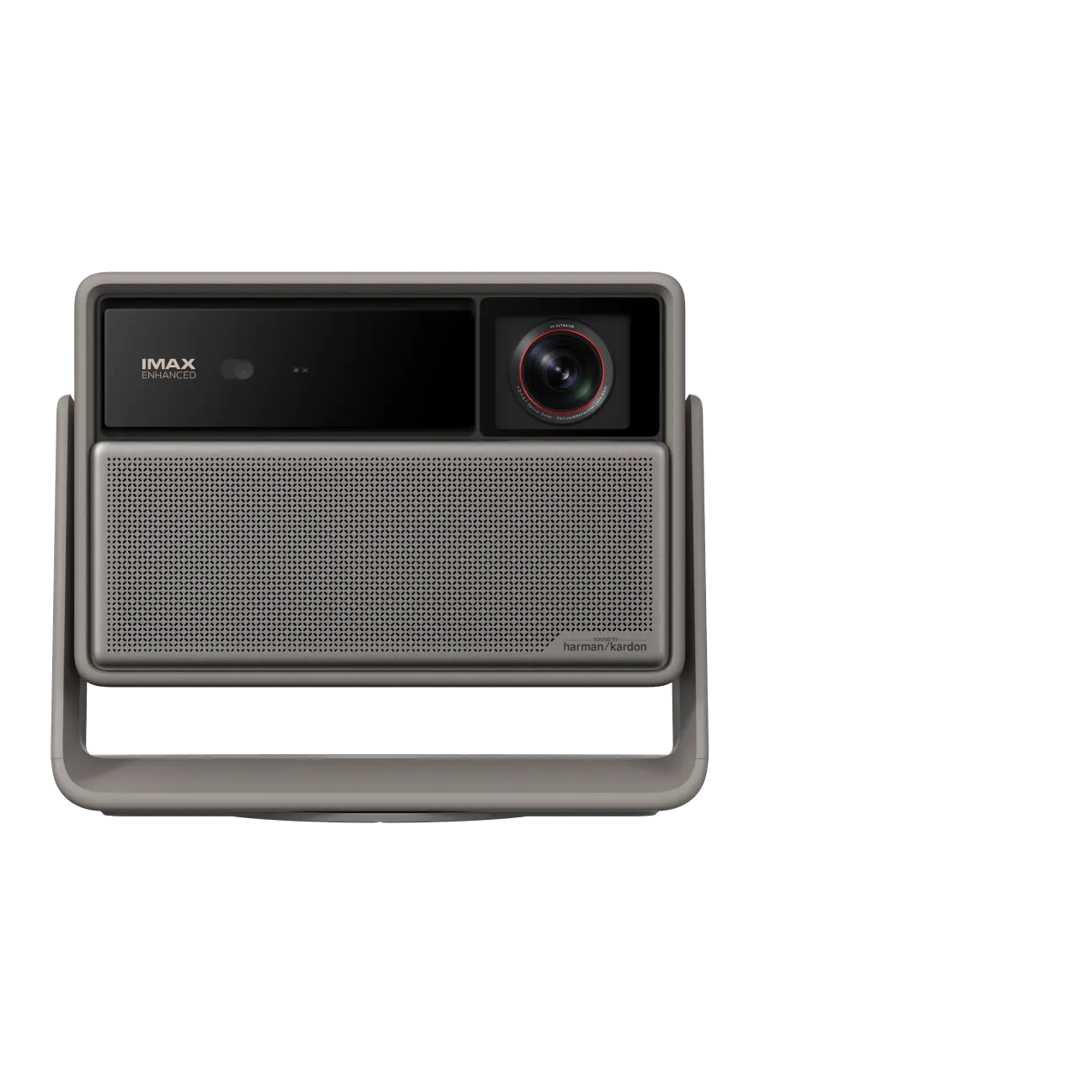
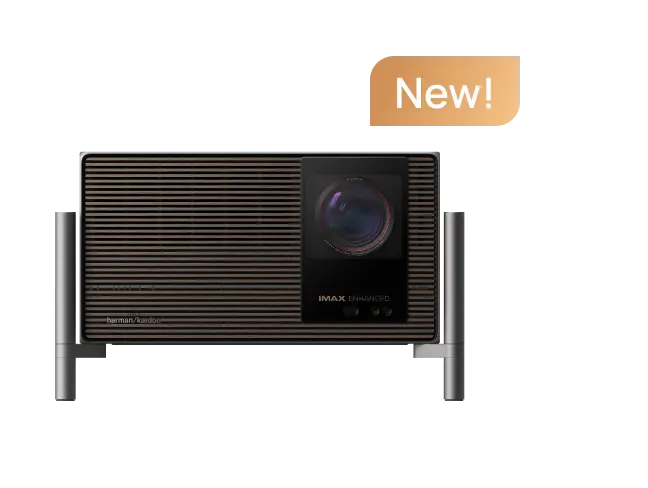
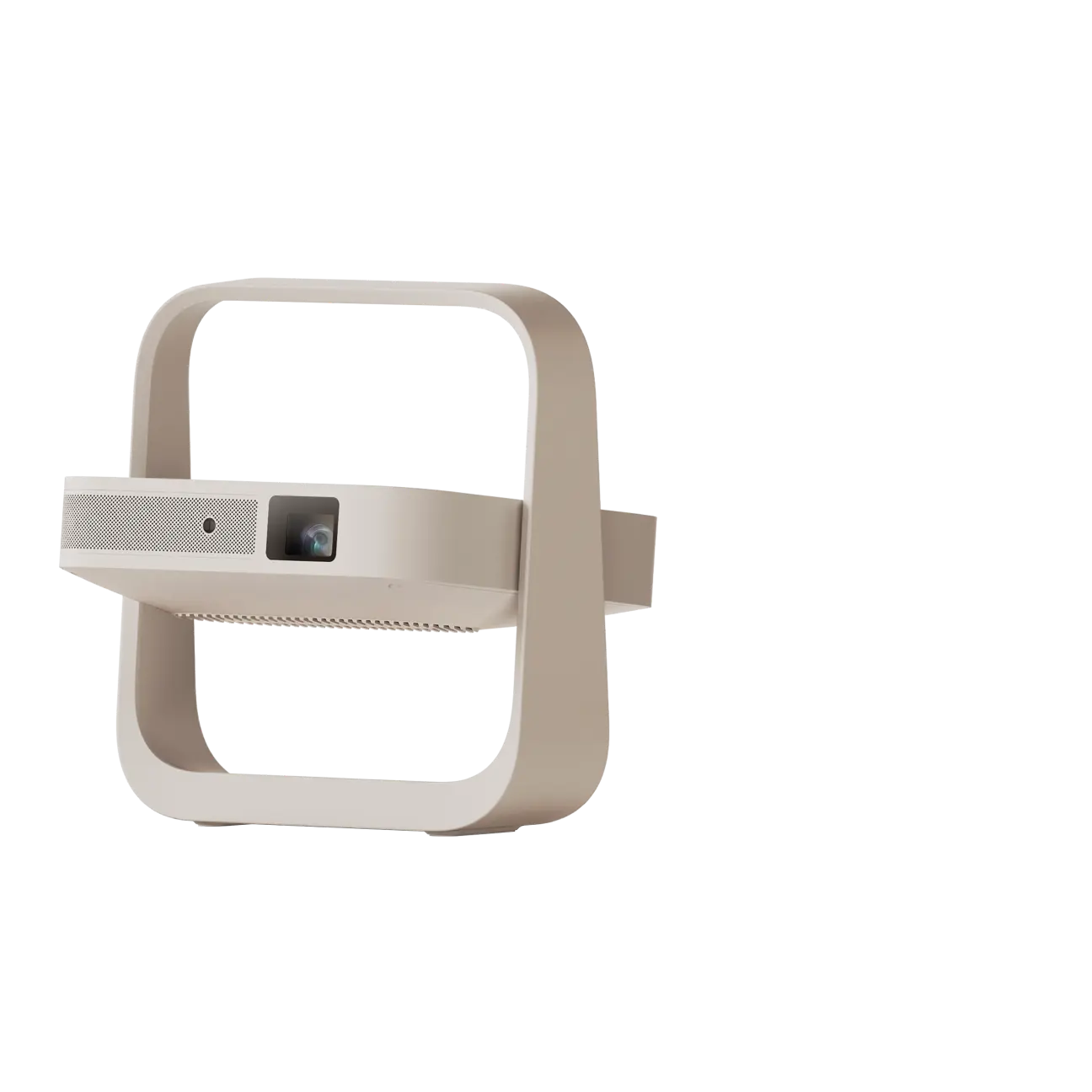
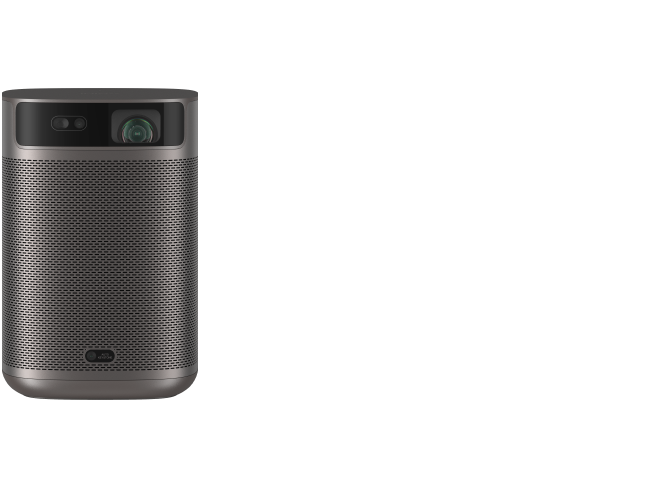
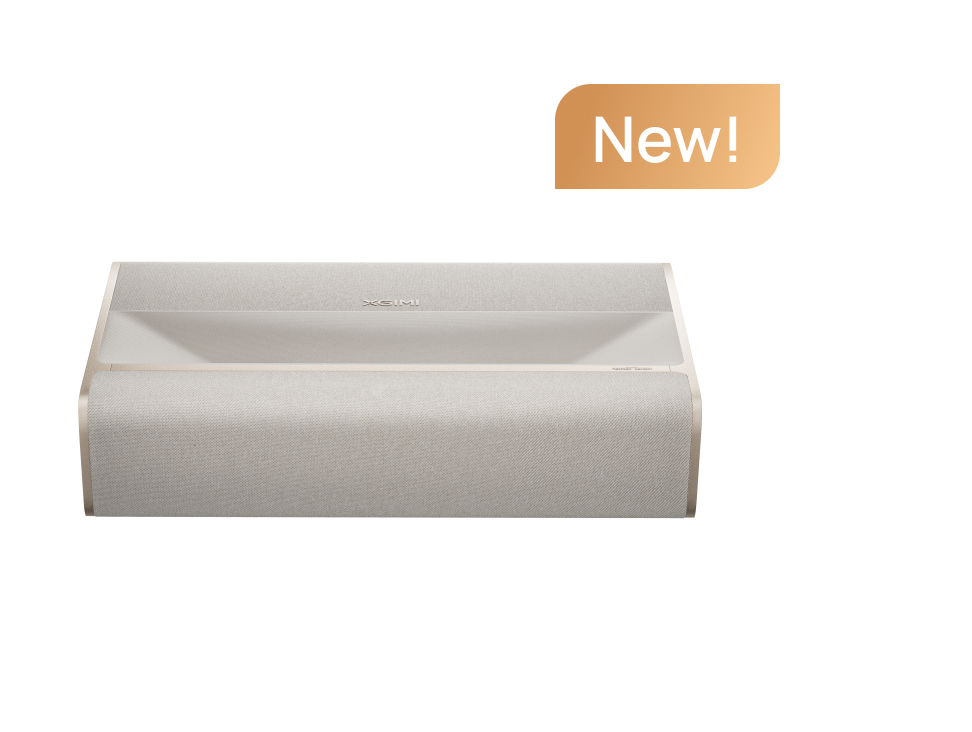
Consider a projector when you want the viewing space itself to signal "special event" and your room allows a semi-permanent arrangement. Portable models with quick setup features lower the barrier considerably. Explore options like the HORIZON Ultra for bright, detailed images or the MoGo 4 for easy portability. Our overview of family movie entertainment with smart projectors offers additional ideas for making the most of projector-based viewing.
Important Note on Comfort and Media Use
This article discusses practical ways to create an enjoyable family viewing routine and focuses on entertainment and bonding. It does not provide medical advice, diagnosis, or treatment recommendations regarding screen time, eye health, or child development. Screen-related comfort varies by individual and setup conditions. If your child experiences persistent discomfort, headaches, sleep issues, or other symptoms during or after screen use, consult a qualified healthcare professional. The activity described here should always prioritize age-appropriate content, adult supervision, and respect for each family's unique needs and boundaries.
Creating a weekly family documentary night that children genuinely enjoy takes some planning, but the payoff is a reliable tradition that combines learning, laughter, and togetherness. Start small, stay consistent, and adjust based on what your family responds to best. Over time, the evening often becomes one of the highlights of the week for both kids and parents alike.
For more inspiration on indoor family activities, see our guide to recreational activities when staying indoors with children. If you're considering upgrading your home entertainment, the full range of 4K projectors can help create that theater-like atmosphere at home.


