








Setting up parental controls on your smart projector is one of the most effective ways to create a safer viewing environment for children while still enjoying family movie nights and educational content. By combining device-level restrictions, app-specific profiles, and simple household rules, parents can reduce the risk of kids encountering inappropriate material or changing important settings. This guide provides clear, step-by-step instructions along with practical checklists to help you build layered protection that fits your family's needs. For more on this topic, see Smart Projector Auto-Correction: How ISA Works.

Why Layered Parental Controls Matter for Smart Projectors
Smart projectors bring big-screen entertainment into living rooms and play areas, but they also introduce the same online risks found on tablets and smart TVs. Relying on a single setting rarely provides complete protection. As guidance from Internet Matters explains, parents should layer controls across the projector, streaming apps, and household rules instead of relying on one setting alone. This approach helps address accidental exposure through browsers, apps, and devices, according to official safety resources. For more on this topic, see How to Sideload Apps on Android Projectors When They're Not Availab....
Most streaming services and devices include their own content controls, so parents should check both layers when setting up a family viewing device. For young children, healthy media use should be limited and supervised, especially for younger ages, as noted by the American Academy of Pediatrics. Availability of parental controls, kids profiles, and PIN locks depends on the projector platform and the installed apps, so always verify features on your specific model.

Step-by-Step: Setting Up Parental Controls on Your Smart Projector
Begin by accessing the main settings menu on your projector. Most smart models powered by Android TV or similar systems have a dedicated “Parental Controls,” “Screen Lock,” or “Restrictions” section. Enable a system-wide PIN or password first—this prevents children from altering settings or installing new apps without permission.
Next, create a dedicated kid-safe profile. Many platforms allow multiple user profiles where you can set age-appropriate content ratings, disable the app store, and restrict web browsing. Assign this profile to your children and test it yourself before regular use. Parents should preview media and test apps before children use them to catch any gaps early.
For blocking specific apps or content sources, use the built-in app management tools. Disable or hide streaming services that lack strong internal controls, and set maturity ratings within each remaining app. Streaming services often require separate setup: open Netflix, Disney+, or YouTube Kids individually and configure their parental controls or kid profiles. This extra layer is essential because projector settings alone may not cover everything.
Set up a PIN lock for purchases and changes. This stops in-app buying or profile switching. On many Google TV-based projectors, you can also limit screen time or enable bedtime modes through integrated tools or companion apps.
Creating a Kid-Safe Profile That Works in Real Homes
A well-configured kid-safe projector profile goes beyond turning on a toggle. Start by selecting or creating a restricted account, then adjust content filters to match your child’s age. Disable auto-play features that might surface unexpected recommendations and turn off voice search if it bypasses filters.
Test the profile thoroughly: navigate as a child would and try to access blocked content or settings. If something slips through, adjust the ratings or add household rules. For families using the projector in shared spaces, make switching between adult and kid profiles quick but secure.
Common setup friction occurs when users set a device PIN but overlook app-level restrictions. Streaming apps frequently maintain separate maturity ratings and profiles, so a child profile on the projector does not automatically restrict what plays inside YouTube or Prime Video. Always configure each service you plan to use.
Blocking Apps, Browsers, and Content Sources
To block unwanted apps, go to the app drawer or installed applications section in settings and select “Disable” or move them out of easy reach. For browsers, either uninstall them or enable strict content filtering through the projector’s network settings if available.
Many families also use external solutions like router-level parental controls or DNS services that filter content before it reaches the projector. Combine these with the device’s built-in tools for stronger protection. Remember that children under 13 are protected by COPPA when using online services directed to children, which may influence how apps handle data collection.
Here is an illustrative view of how different safety layers contribute to overall protection:
Illustrative Safety Coverage by Layer for Smart Projectors
Illustrative safety coverage by layer; higher values indicate broader practical protection, not measured performance.
View chart data
| Series | Projector UI Lock | Streaming App Profiles | Browser/Content Filters | Household Rules/Time Limits | Preview & Test Routine |
|---|---|---|---|---|---|
| Basic setup (one layer) | 2.0 | 1.0 | 0.0 | 1.0 | 1.0 |
| Layered setup | 4.0 | 4.0 | 3.0 | 4.0 | 4.0 |
Illustrative/heuristic synthesis based on guidance from InternetMatters (layered controls), ConnectSafely (streaming-service controls), NJ.gov (set controls on apps/devices), KidsHealth (preview and test), and HealthyChildren.org (limit and supervise). Values express relative safety coverage by layer, not measured data.
Practical Checklist: How to Choose and Verify Controls in Your Home
Use this checklist to evaluate and strengthen your setup:
- Confirm your projector model supports PIN protection and profile switching.
- Set a strong system PIN that children cannot guess or bypass.
- Create and fully test a dedicated child profile with appropriate content ratings.
- Configure parental controls inside every streaming app you allow.
- Disable or hide the web browser and any unapproved apps.
- Preview several titles and test navigation in kid mode before handing over the remote.
- Establish family media rules such as time limits and supervised viewing for younger children.
- Periodically review settings and update profiles as children grow older.
The right approach depends on your scenario. For young kids watching cartoons in a dedicated playroom, prioritize the most restrictive layered setup with frequent supervision. In shared family movie rooms where adults also use the projector, choose controls that are easy to switch between profiles without frustrating grown-ups. For older children using the device more independently, focus on consistent limits applied across both the projector and individual apps.
Many families regret assuming the projector’s main lock covers everything. In practice, the weakest link is often an unchecked streaming service profile or auto-play recommendations. Always test the full experience rather than stopping after enabling the first setting.
Additional Tips for Family-Friendly Projector Use
Consider pairing your projector with kid-friendly streaming services that have robust built-in controls, such as YouTube Kids or Disney+. For portable models used in different rooms or on vacation, save your parental control settings so they travel with the device.
If your projector runs Android TV, explore Google Family Link for additional management options on linked accounts. For households with multiple children of different ages, create separate profiles tailored to each age group when the platform supports it.
Keep in mind that technical controls work best alongside open conversations about media choices. Well-designed parental control tools can improve safety while preserving the benefits of internet use for young people, according to industry guidance.
This article discusses comfort and setup advice only. It does not constitute medical advice, diagnosis, or treatment. If your child experiences persistent discomfort or has existing eye conditions, consult qualified professionals.
When to Revisit or Upgrade Your Setup
Review parental controls every few months or when children reach new age milestones. As kids grow, they may need adjusted restrictions rather than complete locks. If your current projector makes layered controls difficult to manage, consider models with more intuitive family features during your next upgrade.
For more family entertainment ideas, explore why a smart projector is the perfect addition to your family entertainment setup. You might also find value in our guide on how to set up a movie theater at home that includes tips for creating comfortable shared viewing spaces.
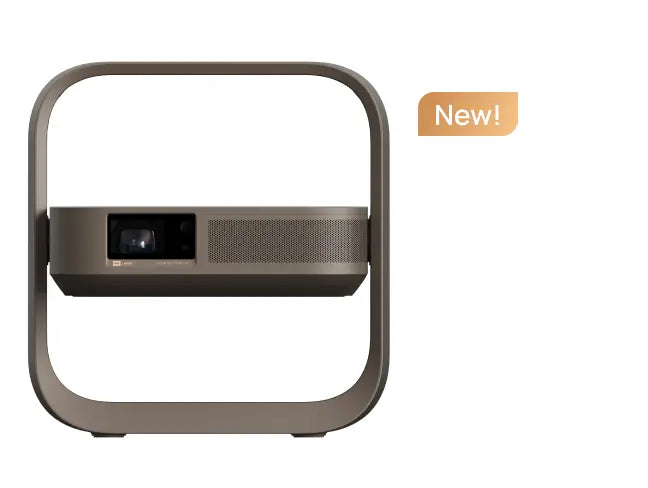
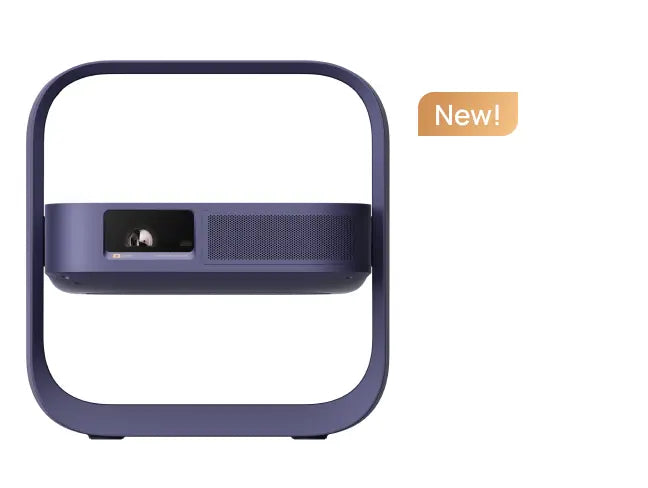
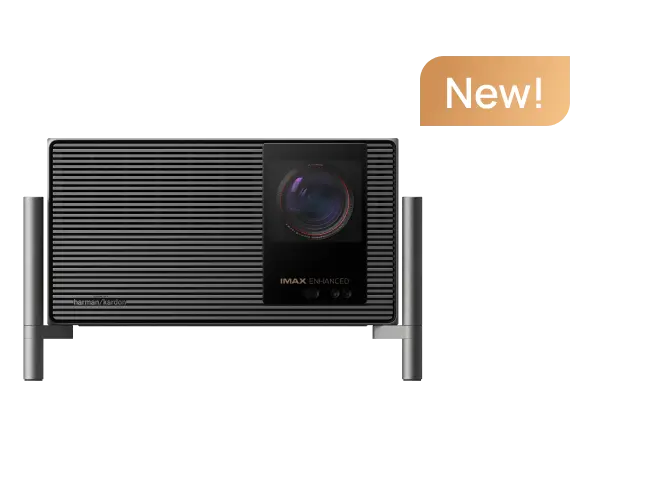
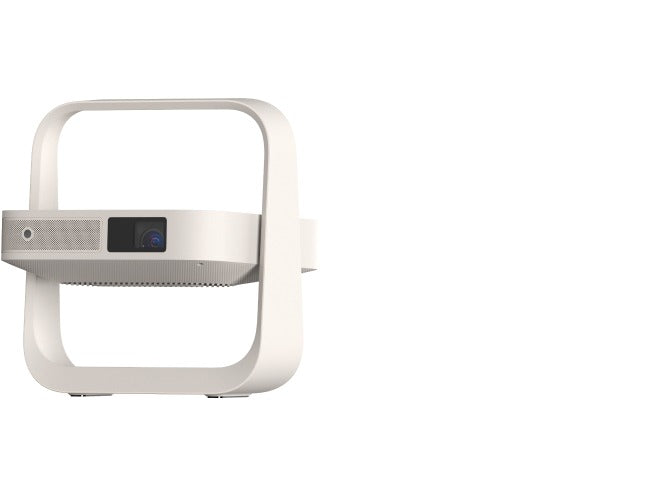
If you own or are considering one of our portable models, the Halo+ (New) offers convenient features that work well for family use in different rooms. Home projector collections also provide options designed for reliable everyday entertainment.
By taking time to configure controls properly and regularly testing your setup, you can create a safer, more enjoyable viewing experience that grows with your family.


