
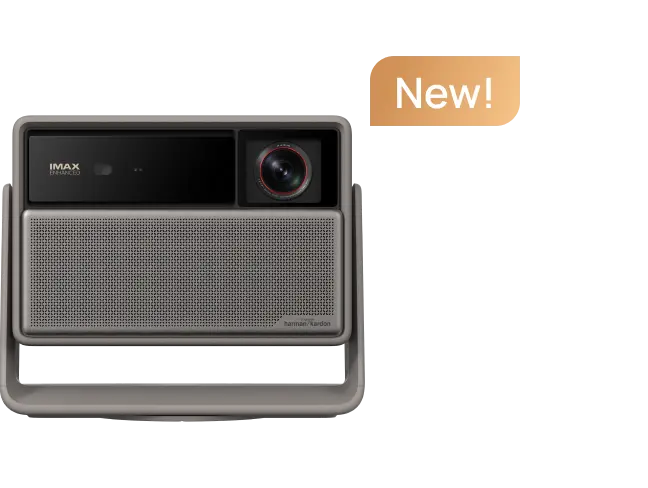
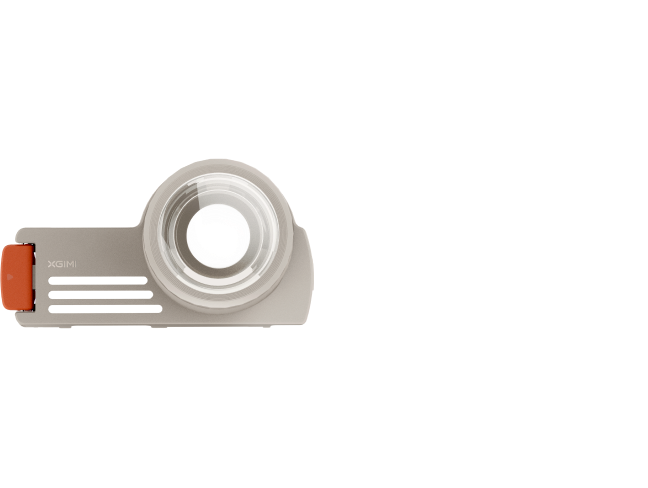
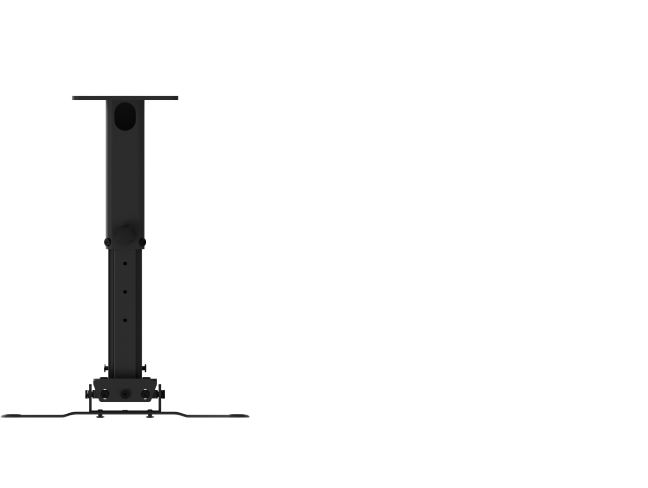



Your living room setup decides which projector works best. Ultra short throw (UST projectors sit inches from your wall. Standard throw projectors can be mounted on your ceiling or sit on a back table. Both create big 4K images, but they need different room layouts. The right choice depends on your space, your furniture, and how much installation you want to handle.
For related guidance, see How to Choose the Right Furniture Height for Your Ultra-Short Throw.... For related guidance, see How to Hide Your UST Projector Cables for a Clean Living Room Aesth.... For related guidance, see Overcoming Glare: Setting Up a UST Projector in a Room with Floor-t....

Space Requirements: How Much Room Do You Actually Need?
Standard Throw Projectors
Standard projectors need 8 to 12 feet between the projector and screen for a 100-inch image. You can mount them on your ceiling or place them on a rear shelf or table. Your living room needs clear space in the middle. Tall furniture or people walking by will block the picture.
For related guidance, see How Room Shape and Furniture Layout Should Influence Your Projector....
UST Projectors
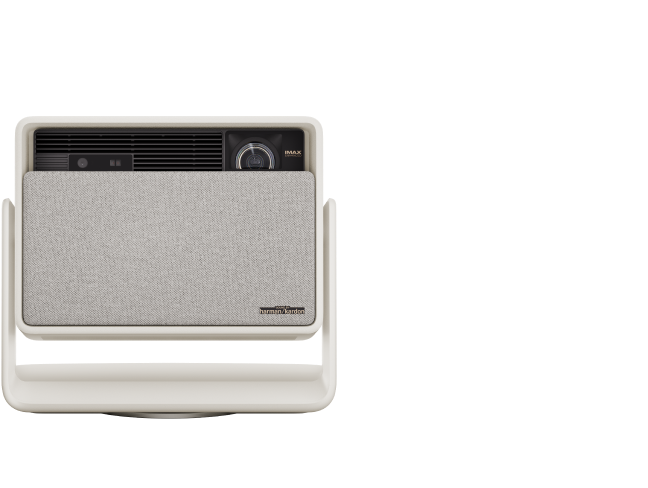
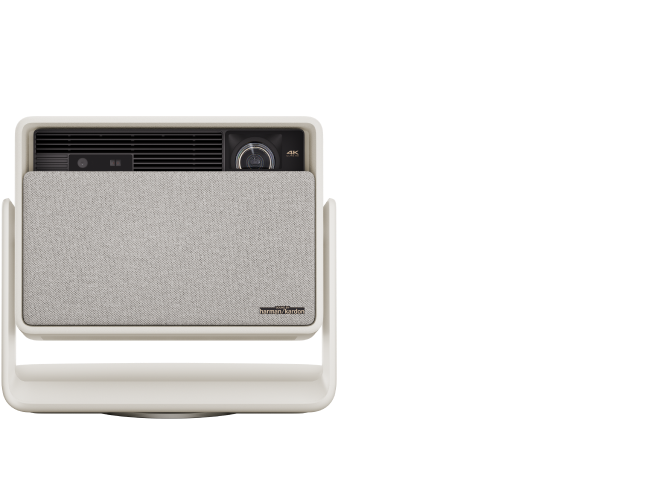
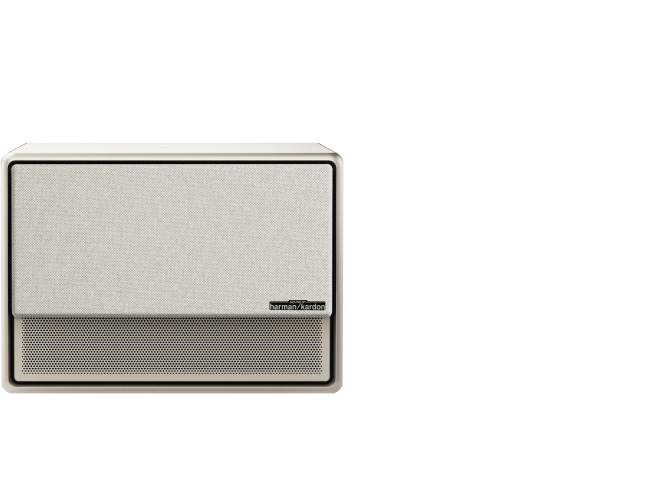
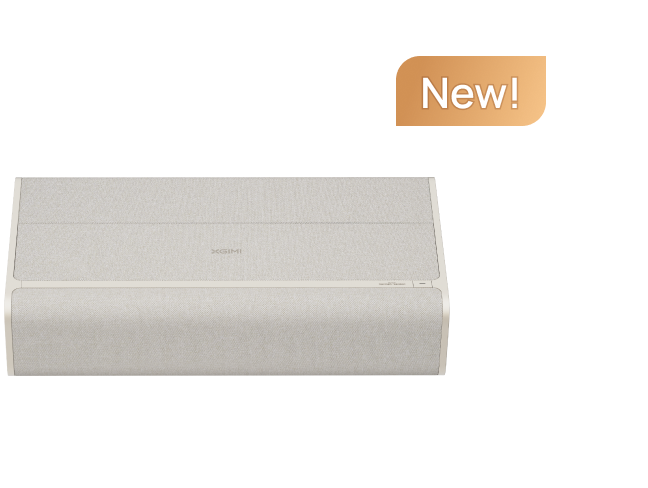
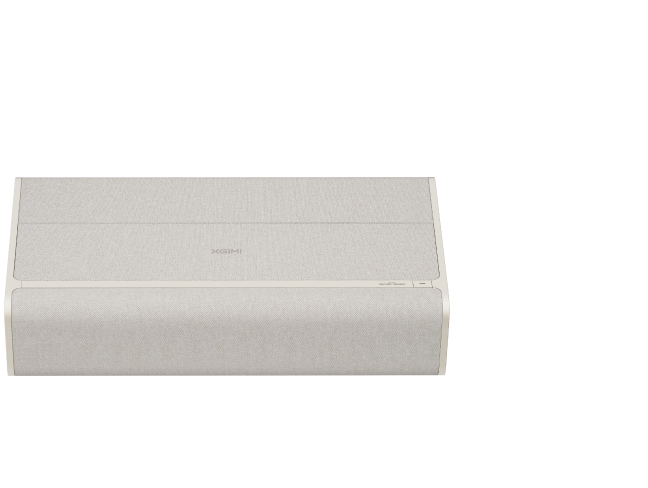
UST projectors sit 6 to 20 inches from your screen. They go on your TV console right below the screen. Nothing blocks the image because the projector sits so close.
Your space decides this:
- Small room under 12 feet deep? Choose UST
-
Large room over 14 feet deep? Choose standard throw
-
Need portable setup? Either works on tables
| Measurement | UST | Standard Throw |
|---|---|---|
|
Distance to screen (100" image) |
6-20 inches |
8-12 feet |
|
Where it goes |
Front TV console |
Ceiling mount or back table |
|
Space needed |
Minimal |
Entire room depth |
Screen Needs: Why UST Is Pickier
Standard Throw Screens
Standard projectors work with basic white projection screens. Even textured walls can work okay in dark rooms. The light hits the screen straight on, so small bumps don't show much.
UST Screen Requirements
UST projectors shoot light upward at a sharp angle. This makes every bump visible. Regular walls create wavy images. You need a flat, rigid screen.
ALR (Ambient Light Rejection) screens help a lot with UST. They block ceiling lights and window glare. Standard projectors benefit from ALR too, but they're not required.
Screen costs:
-
- Basic screen for standard throw: $100-300
-
UST-compatible flat screen: $200-500
-
ALR screen (recommended for UST): $500-1,500
Brightness: Can You Watch With Lights On?
Lumen Output
UST projectors typically output 2,500 to 4,000 lumens. Standard throw models offer 3,000 to 5,000 lumens. Higher numbers mean brighter images.
Both types handle normal room lighting. You can watch with the curtains open on cloudy days. Direct sunlight on the screen washes out both types unless you add an expensive ALR screen.
Real Performance
-
Dim evening lighting: Both work great
-
Bright overhead lights: Both struggle without ALR screens
-
Afternoon with curtains: Both work acceptably
-
Direct sunlight: Neither works well
Your ceiling lights matter most. Lights directly above the screen cause the biggest problems.

Picture Quality: What Does 4K Look Like?
Sharpness
Standard throw projectors show even sharpness across the whole image. The center and corners look equally clear.
UST projectors sometimes have softer corners. The sharp upward angle makes this happen. From 8 to 10 feet away during movies, most people don't notice. It's more obvious with computer text.
Colors and Blacks
Good 4K short-throw projector models deliver excellent colors. Most laser projectors use laser light for bright, accurate colors. Standard projectors use lasers, LEDs, or traditional bulbs.
Both types lose some black depth in rooms with light-colored walls. Wall reflections bounce light back at the screen.
For related guidance, see How to Build a Budget Golf Simulator Using a Short-Throw Projector.
Installation: Your Setup Options
Standard Throw Projector Setup
You have two options:
1. Ceiling mount (permanent):
- Drilling holes in your ceiling
-
Running power cables
-
Hiding wires in walls
-
Professional installation: $200-500
-
Takes 2-4 hours

2. Table or shelf placement (portable):
- Place on the back table or shelf
-
Plug into a nearby outlet
-
Simple setup in 15 minutes
-
Easy to move to different rooms
-
No drilling needed

The portable option works great if your room has a stable back table at the right height. You lose some flexibility because the projector sits in your living space, where people might bump it.
UST Projector Setup
Place it on your TV console up front. Setup takes:
- No drilling needed
-
Plug into a nearby outlet
-
Simple cable management
-
DIY installation: 30 minutes
-
Easy to move later
The projector sits at table height, where kids and pets can reach it.

Living Room Aesthetics
Standard throw projector living room look:
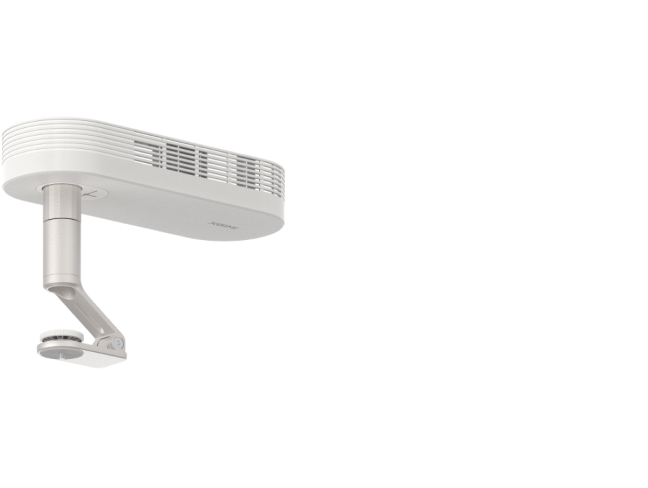
- Ceiling mount: Black box hangs overhead, visible but out of the way
-
Table setup: Takes up back shelf space, more noticeable in daily life
-
Cables might show with table placement
-
Clean floor space either way
UST living room appearance:
- Blends into media console
-
Looks like a soundbar
-
Cables stay low and hidden
-
Equipment within reach
Maintenance and Adjustments
Standard Throw Maintenance
Ceiling-mounted projectors need a ladder for cleaning. If someone bumps the mount, you need to realign it. This doesn't happen often.
Table-placed standard projectors are easier to clean. But people walking by or kids playing can bump them. You'll need to adjust alignment more often.
UST Maintenance
UST projectors sit where you can reach them. Cleaning is easy. But they're easier to bump accidentally, which throws off alignment.
Laser models of both types last 20,000+ hours. Lamp-based projectors need bulb changes every few years at $150-400 per bulb.
Which Should You Choose?
Choose UST If You Have:
-
Room less than 12 feet deep
-
Want the equipment out of the way up front
-
Limited back wall space
-
Rental apartment (no drilling)
-
Want an easy DIY setup
Choose Standard Throw If You Have:
-
Room over 14 feet deep
-
Sturdy back table or can be ceiling-mounted
-
Want cheaper screens
-
More flexible budget
-
Existing rear shelf setup
Quick Decision Guide
| Your Situation | Best Choice |
|---|---|
|
Small room (under 12 feet) |
UST |
|
Large room (over 14 feet) |
Standard throw |
|
Renting apartment |
UST (or portable standard throw) |
|
Own your home |
Either works |
|
Budget under $2,000 |
Standard throw |
|
Want easy setup |
UST or portable standard throw |
|
High ceilings (10+ feet) |
UST or table-mounted standard throw |
|
Kids running around |
Ceiling-mounted standard throw |
|
Need portable setup |
Portable standard throw |
Pick the Right Projector for Your Space
Measure your room first. The distance from your screen wall to the back of your room tells you which projector fits. Under 12 feet means UST. Over 14 feet gives you both options.
Your budget matters too. Standard throw projectors plus basic screens cost less overall. UST setups need better screens, which adds cost. Portable standard throw models save installation costs as UST does.
Think about your daily life. Can you drill into your ceiling? Do you have a stable back table? Do you move furniture around? Will you adjust the setup later? These practical questions matter as much as the specs.
FAQs
Q1: Can I Use My White Wall Instead of Buying a Screen?
Standard throw projectors work okay on smooth white walls in dark rooms. UST projectors create wavy, distorted images on walls. You must buy a proper flat screen for UST. Budget $200 minimum.
Q2: How Much Does Installation Cost?
Ceiling-mounted standard throw costs $200-500 with professional installers. Portable standard throw and UST projectors need no installation. Just place them on tables or consoles. You save money but need sturdy furniture.
Q3: Do UST Projectors Work in Small Rooms?
Yes. UST projectors are perfect for rooms under 10 feet deep. They create 80-120-inch images in tight spaces. Standard throw projectors can't make big screens in small rooms.
Q4: Which Type Costs Less to Maintain?
Laser models of both types last 20,000-30,000 hours with no maintenance. Traditional lamp-based standard projectors need $150-400 bulb replacements every 3-5 years. Laser versions cost the same to maintain.
Q5: Can I Move My Projector Between Rooms Easily?
Portable standard throw projectors and UST models both work for this. Ceiling-mounted standard throw projectors stay permanent. Portable models need realignment each time you move them, which takes 5-10 minutes.


