



Modern projectors require warm-up and cool-down periods primarily to manage the intense heat generated by their light sources and optical components. Skipping these steps, especially abruptly unplugging the device, can stress internal parts and potentially shorten lifespan, though the exact risk depends heavily on the projector type and design. Many contemporary smart projectors include automated thermal controls that reduce the need for manual intervention while still recommending proper shutdown habits for best results.

Projectors create bright, detailed images by concentrating a lot of energy into a small light source. This process naturally produces heat that must be carefully controlled to prevent damage to sensitive components like the lamp, LED array, laser module, mirrors, lenses, and electronics. Warm-up allows the device to reach stable operating temperatures gradually, while cool-down lets fans safely dissipate residual heat after use.
What Warm-Up and Cool-Down Actually Do
During warm-up, the projector gradually powers the light source and activates cooling systems to bring everything to the ideal temperature range. This prevents sudden thermal expansion that could misalign optics or stress materials. Cool-down, on the other hand, keeps fans running after the light source is turned off so that lingering heat dissipates without causing abrupt temperature drops.
As this Dell Projectors User Guide explains, many projectors keep the fan running briefly after shutdown so internal heat can dissipate safely. This behavior is normal and serves as built-in protection rather than a sign of malfunction.
How Different Light Sources Affect Warm-Up and Cool-Down Needs
Not all projectors behave the same way. The light source technology plays a major role in thermal characteristics and recommended procedures.
Traditional lamp-based projectors (often using high-pressure mercury or metal halide bulbs) generate the most heat and operate at very high internal temperatures. These typically require the longest warm-up times—around 2-5 minutes to reach full brightness—and extended cool-down periods of 5-10 minutes or more. The lamp itself is under significant pressure and temperature stress while operating.
LED projectors produce less heat overall but still rely on heat sinks and airflow to maintain performance. Their warm-up is usually quicker, often under a minute, and cool-down needs are moderate. Laser projectors, including the advanced models popular in 2026, strike a balance with fast startup but benefit from controlled shutdown to protect the laser diodes and optics.

LED-based light engines still need thermal management because heat affects performance and longevity, as supported by engineering studies on high-power LEDs. Similarly, thermal management lowers operating temperature, which improves reliability and can extend device life.
Here is a visualization of typical thermal management differences across light source types:
Typical Thermal Management Differences by Projector Light Source
Thermal management needs vary by light source; skipping warm-up/cool-down is riskiest for lamp-based projectors.
View chart data
| Category | Warm-up Time (min) | Cool-down Time (min) | Thermal Stress Index |
|---|---|---|---|
| Traditional Lamp | 3.0 | 10.0 | 15.0 |
| LED | 1.0 | 5.0 | 3.0 |
| Laser | 0.5 | 2.0 | 1.5 |
Illustrative comparison based on general engineering principles and common projector behavior: lamp-based systems typically require longer cool-down and more thermal management; LED and laser generally need less warm-up/cool-down but still benefit from controlled shutdown and ventilation. Values are bounded, heuristic, and not measured field data.
These values are illustrative to show relative differences. Actual times vary by specific model.
Why the Fan Keeps Running After You Press Power Off
The most common source of confusion for new owners is the continued fan noise after shutdown. This is not a fault but a deliberate safety feature. Internal components remain hot even after the light source turns off, and rapid temperature changes can cause problems.
Thermal protection can force a shutdown if a projector gets too hot or detects a cooling fault. The fan continues operating to bring temperatures down gradually, often for 1-3 minutes in modern designs or up to 2 minutes or longer in lamp-based units.
Users who notice this behavior frequently worry that something is wrong, but it is standard operation designed to protect the hardware.
What Happens Inside When You Unplug Without Cooling Down
Abruptly cutting power prevents the controlled cool-down sequence. Heat remains trapped, leading to several potential issues:
- Thermal shock: Rapid contraction of materials as temperatures drop unevenly can cause micro-cracks in the light source, lenses, or internal housings.
- Condensation risk: In some environments, quick cooling can cause moisture to form on optics.
- Component stress: Power supply, electronics, and the light source experience higher stress without gradual stabilization.
With lamp-based projectors, skipping cool-down can increase stress on the lamp and other heat-sensitive parts. Some projector lamp systems operate under high internal pressure and should be allowed to cool before handling or shutdown procedures are bypassed.
Modern projector designs may use feedback-based thermal control to keep internal temperatures within safe limits, reducing but not eliminating the value of proper habits.
Does Skipping Cool-Down Really Shorten Lifespan?
For lamp-based models, repeated improper shutdowns can meaningfully reduce bulb life and raise the chance of premature failure. Lamp life is rated under ideal conditions that include proper cool-down.
For LED and laser projectors, the risk is lower because these light sources are generally more tolerant of temperature variations. However, consistent good practices still support overall system longevity by protecting optics, fans, and circuit boards.
Proper operating and shutdown habits are part of normal projector care. The risk is not that every single improper shutdown will immediately break your device, but that over time it contributes to wear.
How Modern Smart Projectors Handle Thermal Management Automatically
Today's premium projectors, especially laser and LED models, incorporate sophisticated sensors and control systems. They can detect temperatures, adjust fan speeds dynamically, and often perform automated cool-down routines even if you simply press the power button.
Many models will display on-screen messages or automatically complete their shutdown sequence before fully powering off. This built-in intelligence makes them more user-friendly while maintaining reliability.
Features like intelligent airflow design and advanced heat sinks further minimize risks. When comparing options, look for projectors that highlight robust thermal engineering.
Best Practices for Powering Your Projector On and Off
To maximize longevity and performance, follow these steps:
- Always use the remote or device buttons to turn the projector on and allow it to complete its warm-up cycle before adjusting settings or starting content.
- When finishing a session, press the power button once to initiate the proper shutdown sequence and wait until the fan stops completely and the power indicator shows the device is fully off.
- Only then unplug from the wall if needed. Avoid yanking the power cord while the unit is running or in cool-down.
- Ensure the projector has good ventilation and is not enclosed in tight spaces that restrict airflow.
- For lamp-based models, allow extra time for cooling and avoid moving the projector while it is hot.
These habits are especially important for home theater users who log many hours of use.
Common Myths About Projector Cooling
- Myth: The fan running after shutdown means the projector is broken. Reality: It is normal behavior to safely manage heat.
- Myth: You can unplug any projector immediately with no consequences. Reality: While modern designs are more forgiving, it is still better to follow the recommended procedure.
- Myth: Only old lamp projectors need cool-down. Reality: All types benefit from thermal management, even if the requirements differ.
Choosing a Projector with Strong Thermal Design
When evaluating models, consider how well they handle heat. Laser and LED projectors generally offer faster operation and lower maintenance needs compared to traditional lamps. Look for features like automatic temperature monitoring and efficient cooling systems.
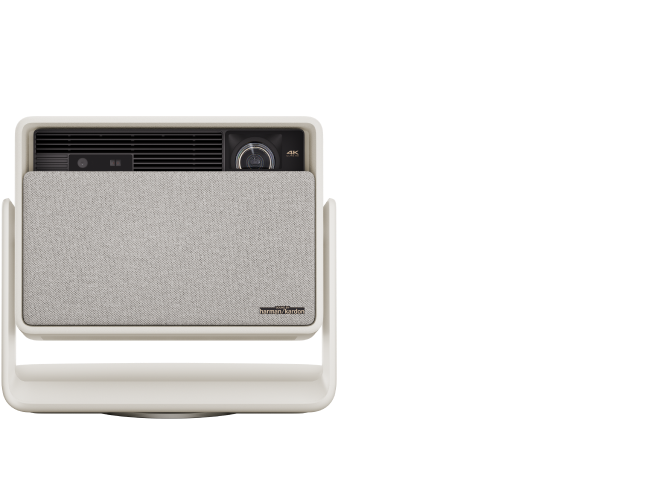
For example, many current laser projectors incorporate advanced thermal regulation that simplifies daily use while protecting the investment. Similarly, 4K projectors with smart features often include these protections as standard.
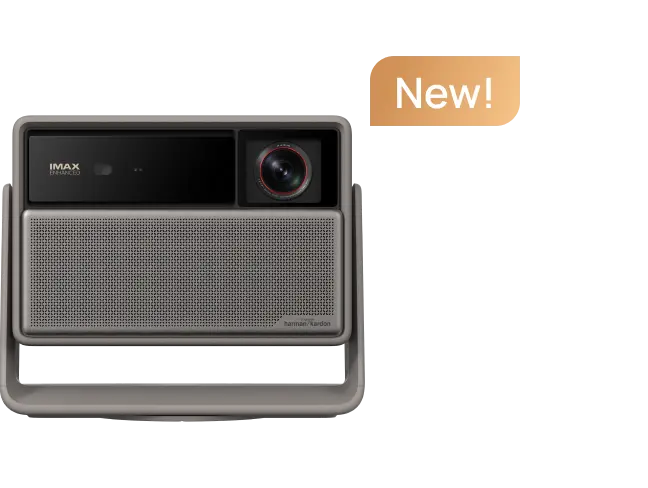
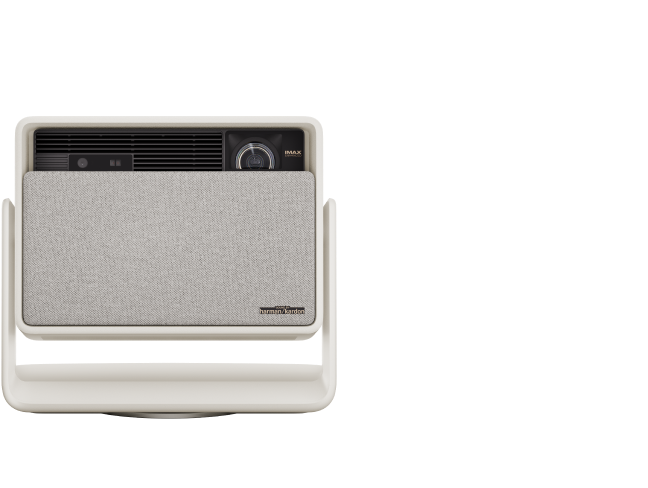
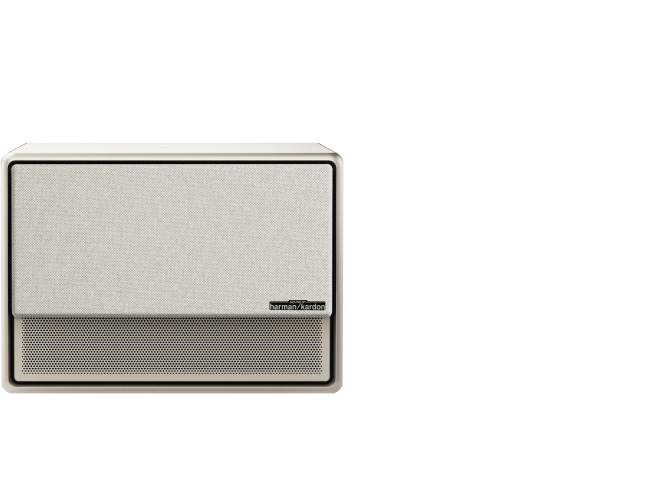
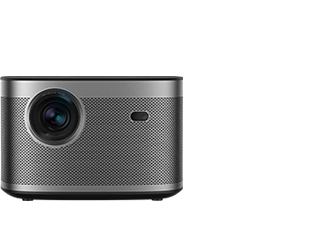
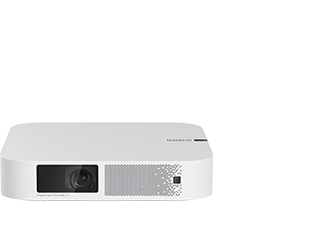
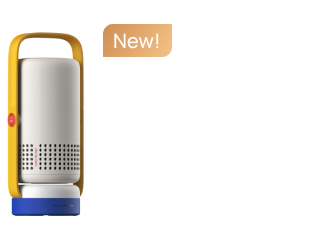
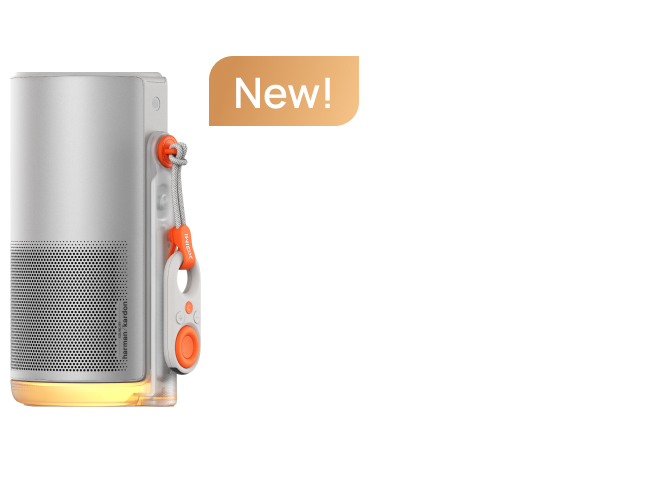
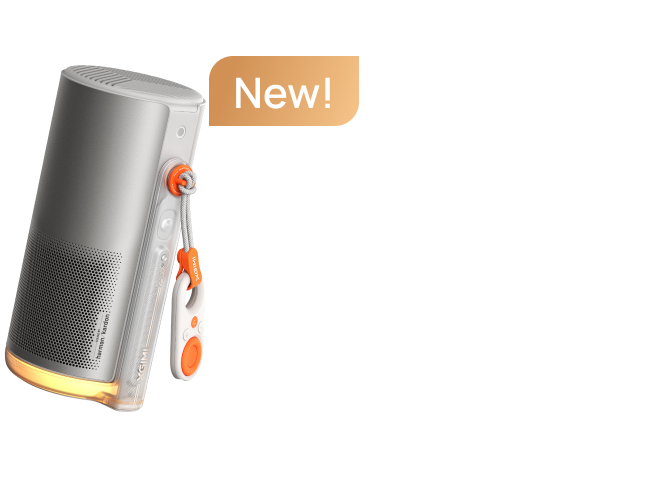
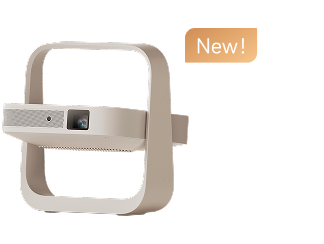
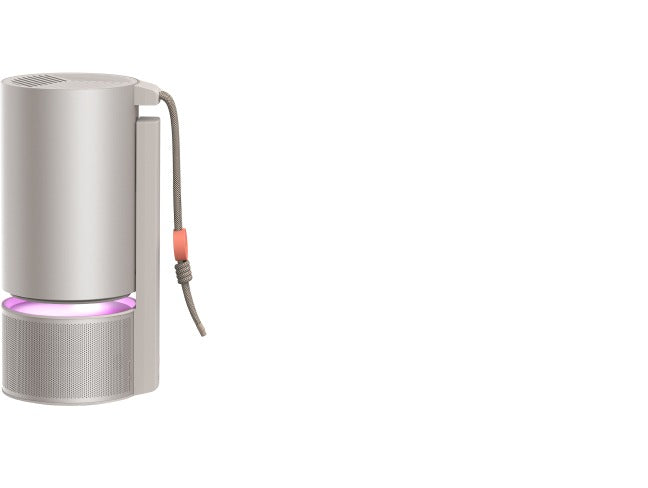
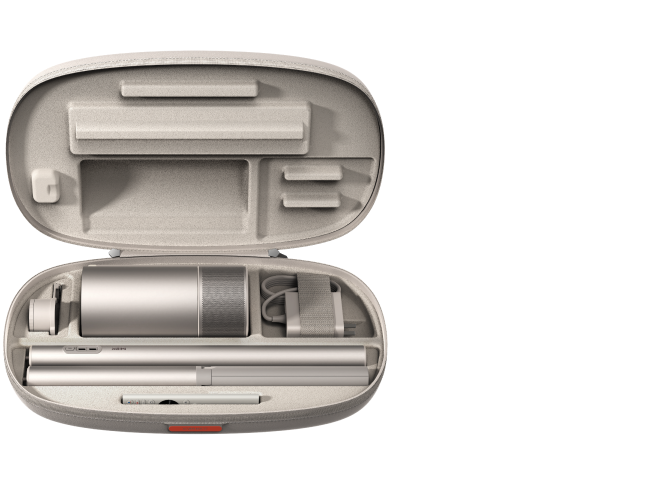
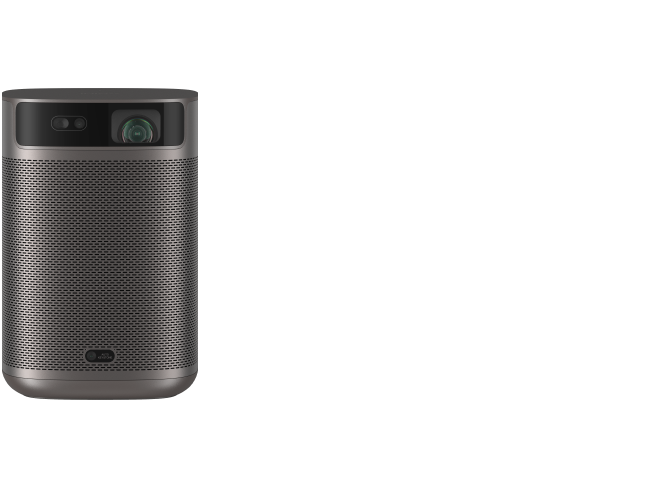
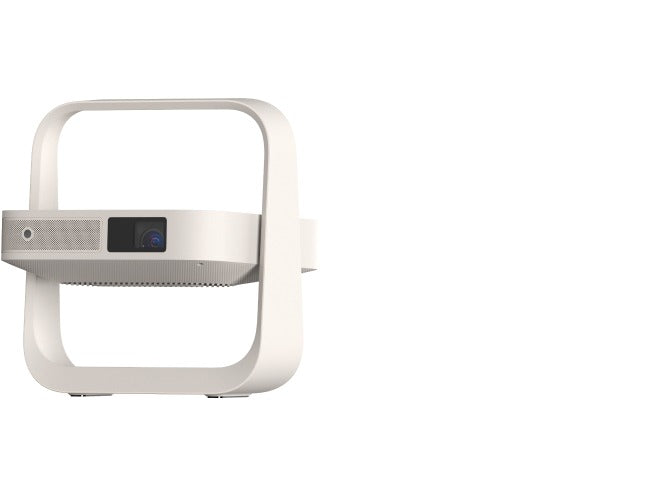
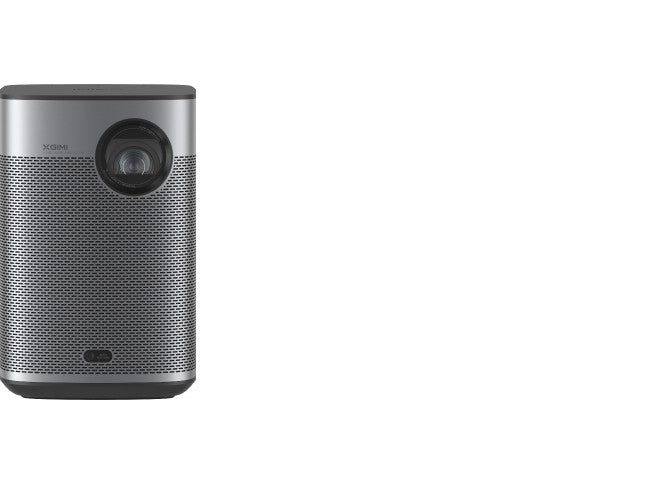
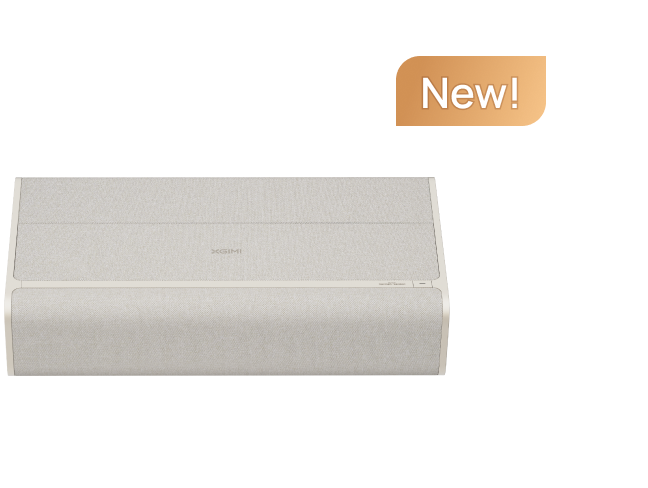
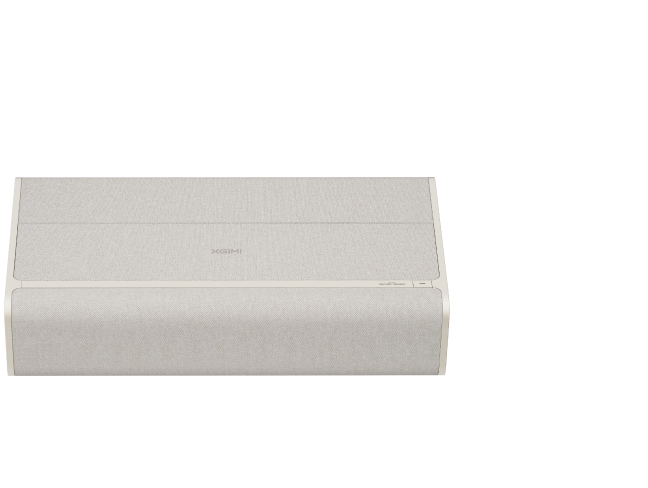
Portable options like the MoGo series balance convenience with reliable operation for on-the-go viewing. Home cinema users may prefer models such as the HORIZON Ultra or AURA 2 that emphasize premium build quality and automated systems.
Final Takeaways on Projector Care
Warm-up and cool-down periods exist to protect your projector from the effects of extreme heat and rapid temperature changes. While skipping them occasionally is unlikely to cause immediate catastrophic failure in most modern units, developing good habits significantly supports long-term reliability and performance consistency.
The key is understanding your specific model—check the user manual for exact recommendations—and using the power button rather than the plug for shutdown. This simple practice, combined with proper ventilation, helps ensure years of enjoyable viewing.
This article provides general guidance based on projector operating principles and is not a substitute for your device's official instructions. If you experience unusual behavior, consult the manufacturer or a qualified technician.
Comfort and Safety Note: This discussion addresses hardware thermal management and setup practices only. It does not provide medical advice regarding eye strain or vision health. Projector use should follow manufacturer guidelines for viewing distance and environment. If you experience persistent discomfort during or after use, consult a qualified eye care professional.


