



Motion interpolation, commonly known as MEMC (Motion Estimation and Motion Compensation), is meant to create smoother video playback by generating new frames between the original ones. However, when watching fast action scenes or live sports on a projector, enabling this feature often produces distracting visual glitches instead of clarity. These artifacts—such as haloing, ghosting, tearing, or the soap opera effect—occur because the underlying algorithms struggle to accurately predict motion in complex or rapid scenes. Understanding why this happens and how premium projector implementations address it can help you choose better settings or upgrade hardware for a more immersive experience.
What Is Motion Interpolation and How Does It Work?
Motion interpolation works by creating intermediate frames between original frames to smooth motion. The process involves estimating where objects are moving from one frame to the next and then compensating by generating plausible new frames. This is often marketed as MEMC in projectors and TVs, and it aims to reduce judder (stuttery motion) and motion blur, especially in content shot at 24 or 30 frames per second.
As explained in this detailed motion test guide, the feature analyzes consecutive frames to synthesize in-between images. On paper, this should make panning shots and action sequences feel fluid. In practice, however, the results depend heavily on the quality of the motion estimation algorithm and the processing power available.
Frame interpolation remains a difficult computer-vision problem because the algorithm must synthesize plausible motion rather than simply copy existing frames. Academic surveys highlight that quality depends on perceptual plausibility, not just higher frame rates.
Why Fast Action Scenes Trigger More Artifacts
Artifacts happen when the display's motion estimation cannot reliably predict where pixels should go in fast or complex scenes. Fast camera pans, sports broadcasts, explosions, and scenes with multiple overlapping motions create ambiguous motion vectors—the algorithm simply does not have enough reliable information to guess correctly.

For example, a soccer player sprinting across the field with a rapidly panning camera produces large displacements between frames. The processor may misinterpret edges, leading to unnatural doubling or trailing. Similarly, bright explosions against dark backgrounds confuse edge detection, resulting in halo effects around moving objects.
This IEEE paper on MEMC-Net underscores that motion estimation and compensation become unreliable when scene complexity increases. Standard processors in many consumer displays lack the sophistication to handle these edge cases cleanly.
Common visible problems include:
- Haloing or ghosting: Faint duplicate outlines around fast-moving subjects.
- Tearing or double edges: Misaligned synthesized frames that create jagged or duplicated borders.
- Soap opera effect: An unnaturally smooth, video-like appearance that makes cinematic content feel cheap or overly processed.
- Jitter: Subtle shaking or stuttering that the interpolation fails to fully eliminate.
These issues are more pronounced on projectors because large screen sizes magnify any processing errors, and viewing distances in home theaters can make artifacts more noticeable.
Motion Smoothing vs. Advanced MEMC: Implementation Matters
Motion smoothing is common on consumer displays, but many viewers reduce it or disable it when the look feels unnatural. Not all MEMC implementations perform equally. Basic motion smoothing often applies uniform frame generation regardless of content, while advanced MEMC uses more intelligent, content-aware algorithms that adjust processing strength based on detected motion complexity.
Premium projectors with stronger processors and better-tuned MEMC can reduce—but not completely eliminate—artifacts in challenging scenes. The difference comes down to better motion vector analysis, higher computational accuracy, and sometimes adaptive processing that dials back interpolation during particularly difficult sequences.
This CNET explanation of the soap opera effect notes that visible side effects like ghosting or halos appear when the motion model breaks down. Implementation quality is therefore a key buying factor when comparing projectors for sports or action viewing.
Here is an illustrative comparison of relative artifact risk across scene types and processor quality levels:
Illustrative Artifact Risk by Scene Type and Processor Quality
Higher values indicate greater likelihood of visible artifacts. This is an illustrative, evidence-bounded model based on the article's claims, not measured data.
View chart data
| Category | Low-quality processing | Medium-quality processing | High-quality processing |
|---|---|---|---|
| Slow dialogue | 1.0 | 1.0 | 1.0 |
| Camera pan | 4.0 | 3.0 | 2.0 |
| Sports | 4.0 | 3.0 | 2.0 |
| Explosion/action | 3.0 | 2.0 | 1.0 |
| Complex mixed motion | 4.0 | 3.0 | 2.0 |
Illustrative, evidence-bounded scoring from article claims only: fast pans, sports, explosions, and complex motion are more likely to produce artifacts when motion vectors are ambiguous; implementation quality can reduce but not eliminate risk; low/medium/high are relative tiers, not measured performance.
This chart shows how artifact likelihood increases dramatically in fast-action scenarios with lower-quality processing, while high-quality MEMC keeps risk noticeably lower across the board.

How to Reduce or Fix Motion Artifacts on Your Projector
If artifacts are distracting, the practical fix is usually to lower the interpolation setting or turn it off for that source. Most projectors and TVs offer adjustable controls such as de-judder, de-blur, or MEMC strength sliders. Start by reducing the intensity rather than disabling completely—many users find a middle setting works well for mixed content.
Practical checklist for minimizing artifacts:
- Watch a fast-action test scene (sports or action movie) with the feature enabled at different levels and note where glitches appear.
- Use content-appropriate settings: turn MEMC higher for sports, lower or off for cinematic films to preserve the director's intended motion.
- Ensure your source material has high quality—compressed streaming video can worsen estimation errors.
- Check room conditions: excessive ambient light or improper screen choice can make subtle artifacts more obvious.
- Update firmware if available, as manufacturers sometimes improve motion algorithms over time.
Many displays expose motion controls such as de-judder and de-blur that change how interpolation behaves. Experimenting with these is the fastest way to improve your current setup.
For sports fans or action enthusiasts, choosing a projector with stronger MEMC capabilities often yields better results without constant tweaking. Features like higher processing power and adaptive algorithms help maintain smoothness while reducing the soap opera effect or ghosting.
When Premium Projectors Make a Difference
How clean the motion looks depends on the display's implementation, processing power, and tuning; MEMC is not equally effective on every device. Premium models often incorporate more advanced motion estimation that better handles ambiguous vectors in fast scenes.
If you frequently watch live sports or high-octane movies, investing in a projector designed with robust MEMC can reduce the frustration of artifacts. These systems typically offer more granular control and smarter scene detection, delivering smoother results where basic smoothing falls short.
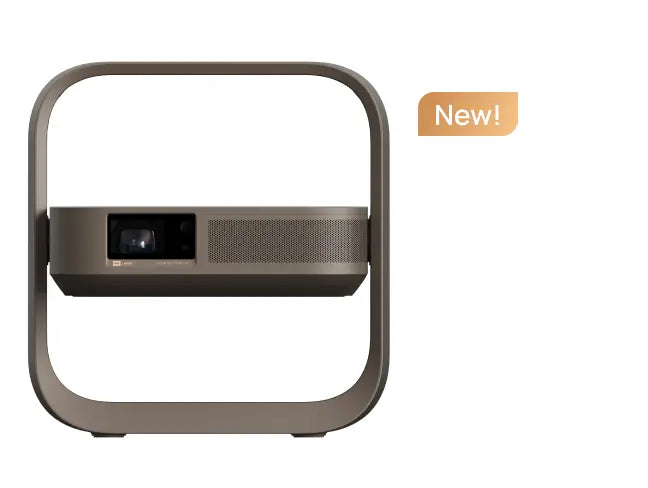
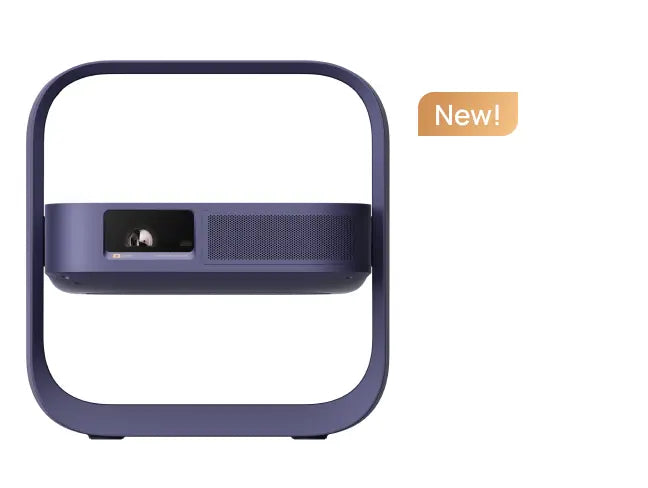
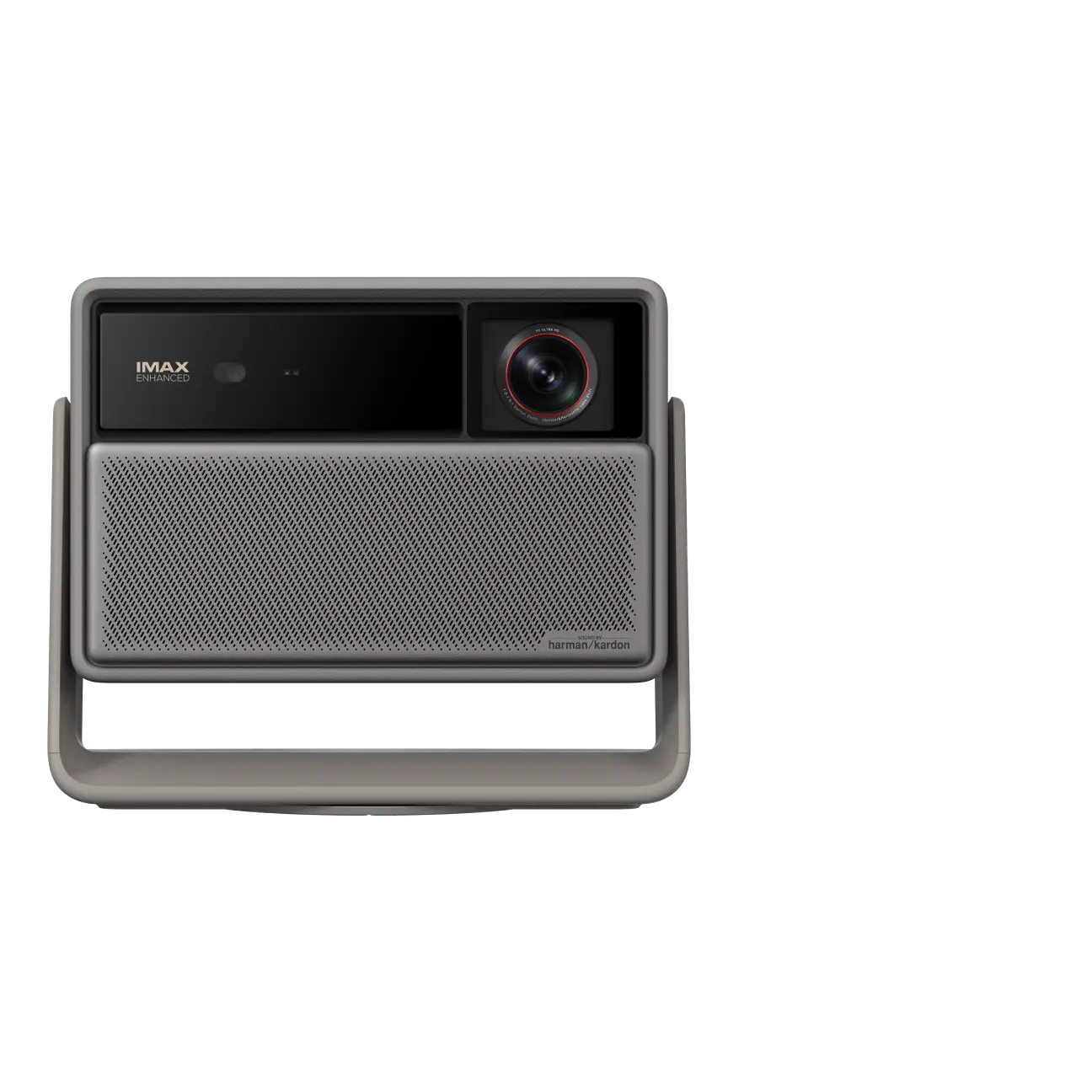
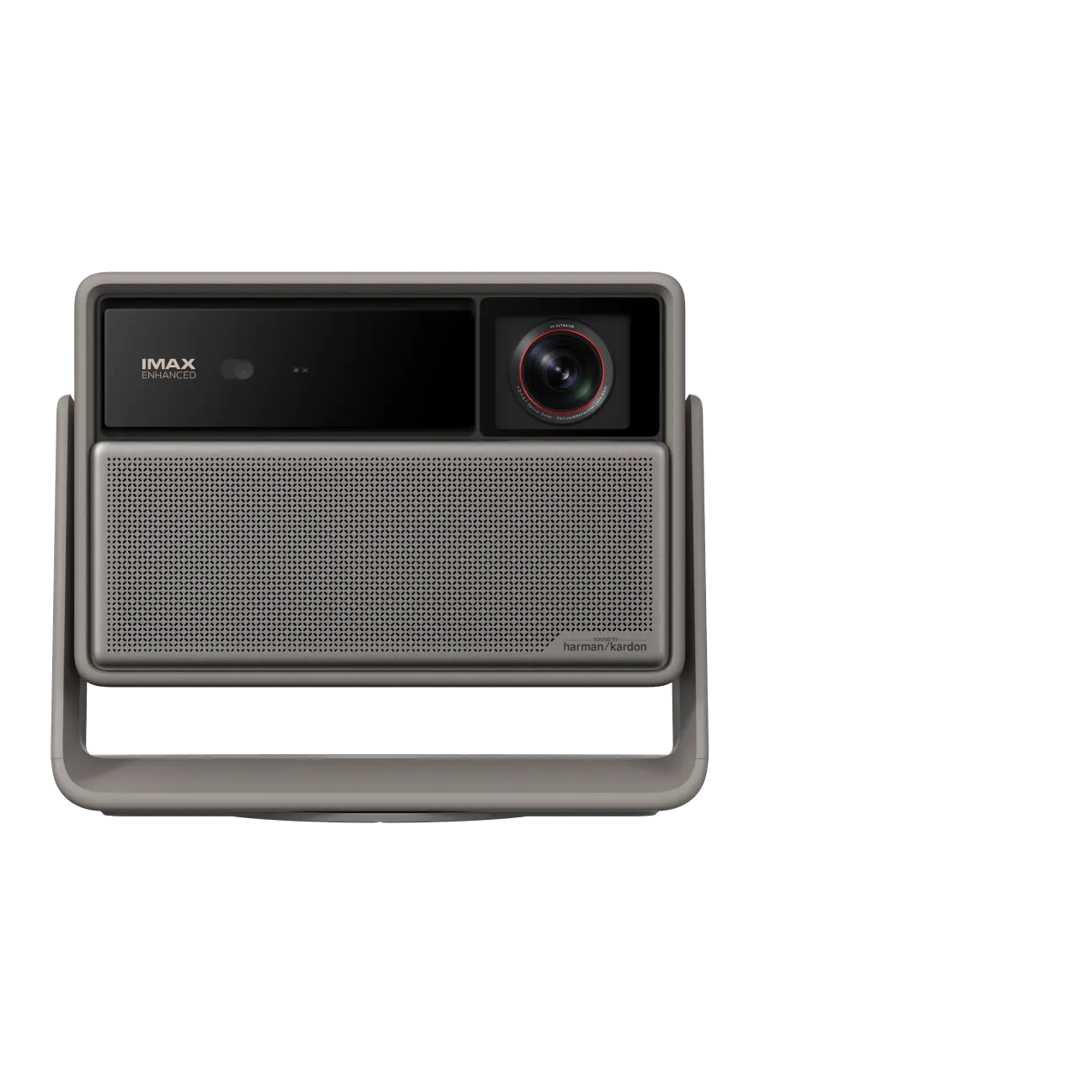
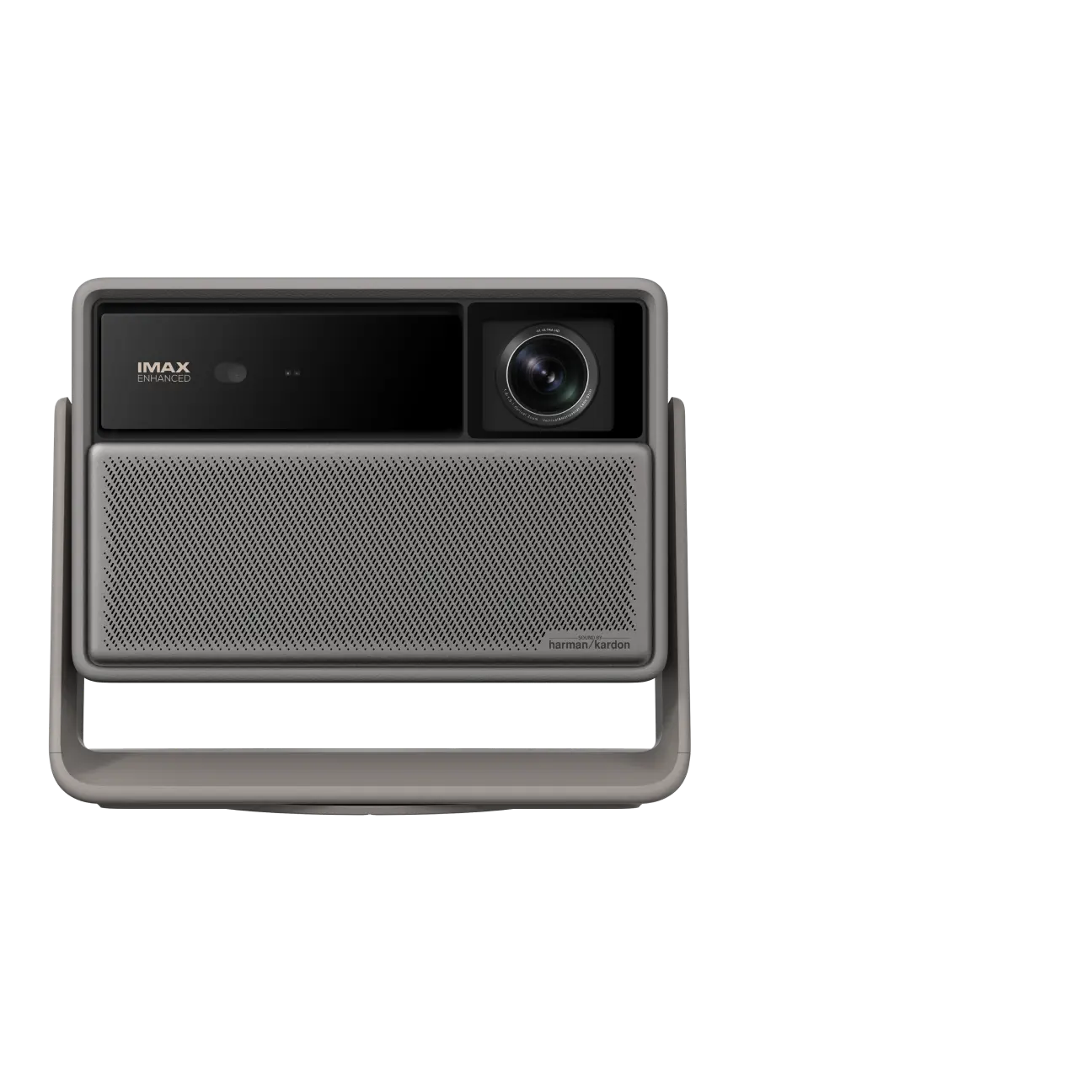
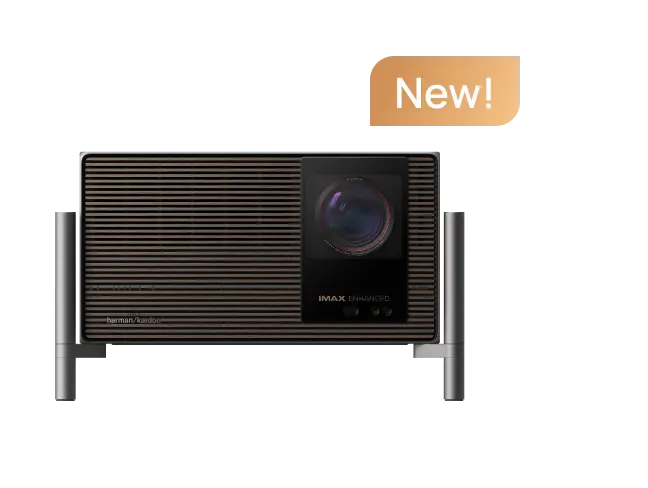
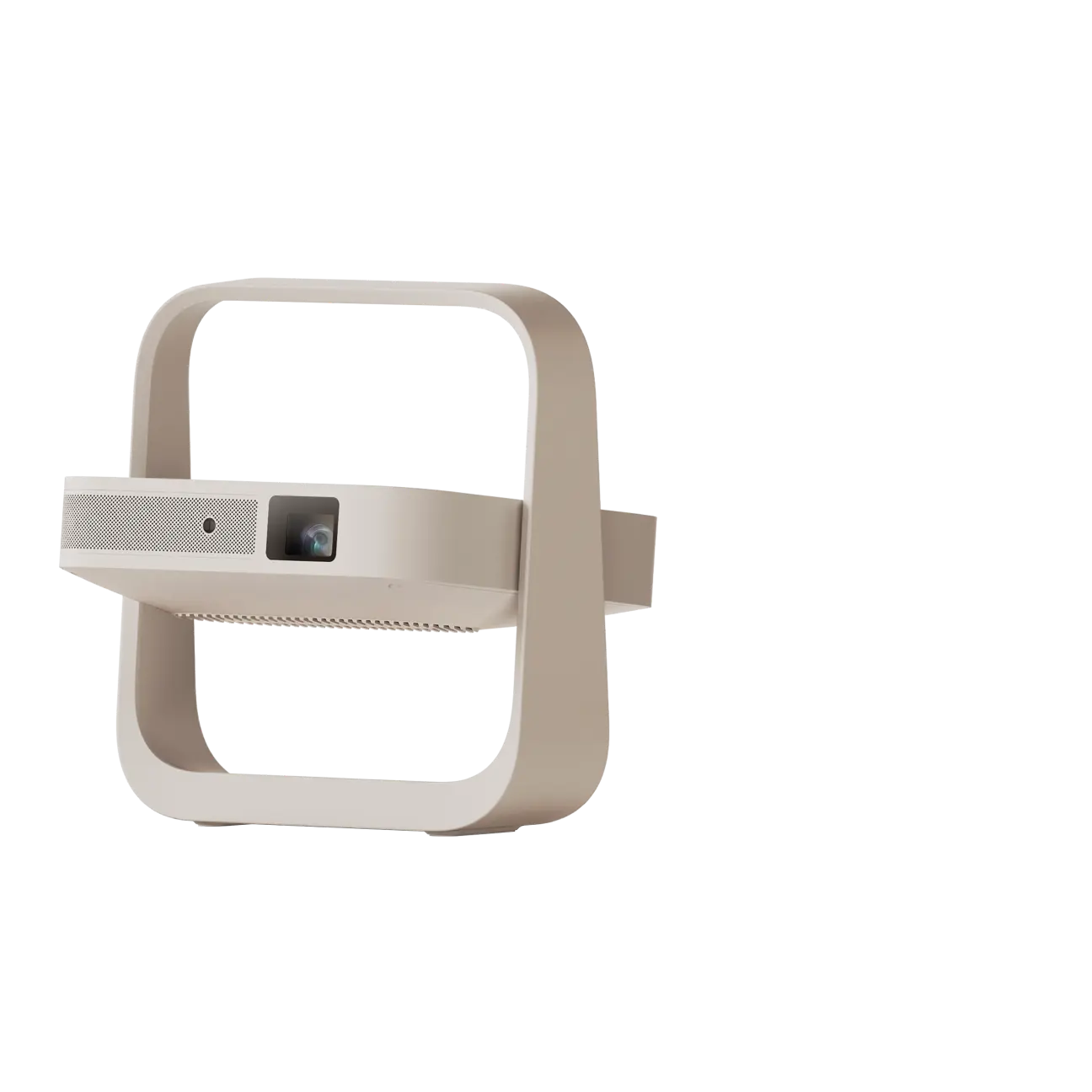
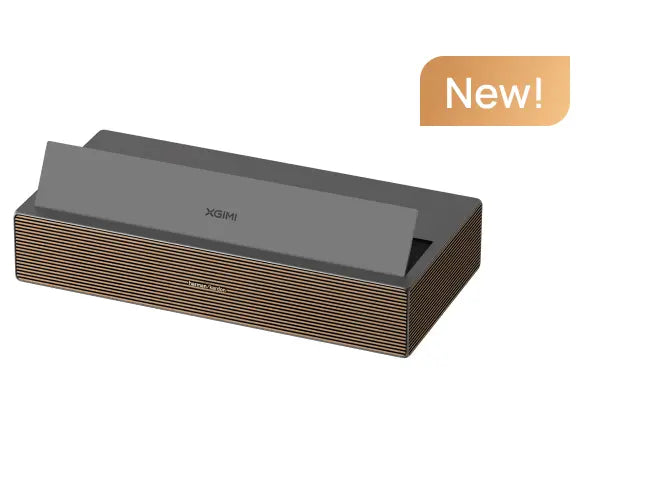
Consider models from the HORIZON series that emphasize advanced picture processing for dynamic content. Their implementation aims to balance smoothness with natural motion, making them suitable for both movies and sports.
For those prioritizing motion performance alongside brightness and resolution, explore the full range of 4K projectors to find options that match your viewing habits.
Key Takeaways for Better Viewing
Motion interpolation can enhance clarity in moderate motion but often introduces artifacts during fast action because synthesizing accurate intermediate frames is inherently challenging. The soap opera effect and related glitches stem from limitations in motion estimation when scenes become complex or rapid.
By understanding these technical constraints, adjusting settings thoughtfully, and selecting hardware with capable MEMC processing, you can achieve smoother, more enjoyable playback. Ultimately, the best approach depends on your content preferences—some viewers prefer to disable interpolation entirely for films, while others fine-tune it for live sports.
This article discusses display comfort and setup considerations only. It does not constitute technical advice, diagnosis, or recommendations for specific medical or vision conditions. If you experience persistent visual discomfort or have existing eye conditions, consult a qualified professional.
For more on optimizing your projector experience, read our guide to the importance of refresh rate in projectors.


