




A dimming projector image often feels like a sudden disappointment after months or years of crisp viewing, but the cause is rarely a total hardware failure on the first sign. Most cases stem from dust buildup, incorrect eco or power-saving modes, dirty lenses, or changing room lighting rather than a broken light source. By checking a few simple factors first, you can often restore much of the original brightness without expensive repairs or immediate replacement.
This guide walks through the most common reasons your projector image is getting dimmer, how to safely diagnose the issue, and step-by-step ways to bring back vivid colors and contrast. We will also cover when gradual fading is normal wear and when it makes sense to consider maintenance accessories or an upgrade to longer-lasting LED or laser technology.
Common Causes of a Dimming Projector Image
Projector brightness can decline for several reasons that are often easy to address. Ambient room light is one of the biggest culprits. As this technical evaluation of display characteristics explains, ambient light can make a projector image look dimmer, so a brightness problem may actually be a room-lighting problem.
Power-saving or eco modes are another frequent cause. These settings intentionally reduce light output to extend lamp life or lower energy use. Higher brightness or lamp modes can restore output in brighter rooms, while eco modes reduce light output, according to official guidance on audiovisual systems.
Dust accumulation on the lens, vents, or internal filters restricts airflow and light transmission. Over time this leads to overheating and noticeable dimming. Lens smudges from fingerprints or airborne particles scatter light and reduce clarity.
For lamp-based projectors, gradual brightness loss is a normal part of light-source aging. LED and laser models from manufacturers like XGIMI maintain consistent output far longer, making sudden dimming in those units more likely to point toward settings, dust, or environmental factors rather than natural wear. For more on this topic, see Laser vs. LED Projector: Which Light Source Lasts Longer and Looks .... For more on this topic, see The Environmental Impact of Laser Projectors vs. Traditional Lamp M....

How to Diagnose the Real Cause Quickly
Start with the easiest checks before assuming the light engine has failed. Run this quick test sequence:
- Switch to a standard or high-brightness picture mode and disable any eco or energy-saving options.
- Turn off room lights or close curtains and observe whether the image improves dramatically.
- Check whether the projector feels unusually hot or the fan runs louder than normal.
- Inspect the lens and exterior vents for visible dust or smudges.
If brightness returns in a dark room after changing modes, the issue is likely environmental or a setting. Persistent dimming across all conditions points toward dust, aging (especially in lamp models), or a need for cleaning.
The brighter the room, the more projector output you need to maintain a similar viewing experience, as noted in university instructional space guidelines. This explains why the same projector can suddenly seem dimmer after a room change or seasonal light shift.
Here is an illustrative troubleshooting chart based on common projector dimming patterns. The bars show relative likelihood of each cause and the priority of the first recommended action. Scores are heuristic and meant as a decision aid rather than measured diagnostic rates.
Projector Dimming: Most Likely Cause and First Action
Illustrative troubleshooting map based on common projector dimming patterns; not a measured diagnosis rate.
View chart data
| Category | Likelihood of cause | Priority of first action |
|---|---|---|
| Eco mode + dim image | 5.0 | 3.0 |
| Bright room + washed-out image | 4.0 | 4.0 |
| Lamp projector + gradual dimming | 5.0 | 5.0 |
| LED/laser + sudden dimming | 4.0 | 5.0 |
| Dusty lens/vents + hot chassis | 4.0 | 5.0 |
| New bulb/module still dim | 2.0 | 1.0 |
Heuristic synthesis from the provided scenario matrix (eco mode, bright room, lamp aging, LED sudden dim), reverse recommendation (start with external cleaning; avoid opening internal parts first), threshold notes on when to upgrade, and writer evidence on ambient light, settings, dust, and aging. Scores are illustrative and bounded, not statistical.
Safe Steps to Restore Projector Brightness
Begin with non-invasive actions that carry almost no risk of damaging your device.
Adjust settings first. Access the picture menu and select a brighter mode such as “Standard,” “Vivid,” or “High Brightness.” Disable any automatic eco or dynamic contrast features that lower lamp power. Many users discover their projector was unintentionally left in a low-power preset after an earlier energy-saving experiment.
Control ambient light. Reduce direct light hitting the screen or wall. Even moderate daylight can wash out the image significantly. Use blackout curtains or schedule viewing for evening hours when possible. Screen choice also matters—higher-gain screens reflect more light toward viewers and can make the same projector output appear brighter.
Clean the exterior safely. Power off and unplug the projector, then let it cool completely. Gently wipe the lens with a dry microfiber cloth using circular motions. Avoid household cleaners, paper towels, or compressed air that could scratch the optics or force dust deeper inside.

For vents and the outer case, use a soft brush or vacuum with a brush attachment on low power to remove dust buildup. Do not attempt to open the projector or clean internal components unless your specific model manual explicitly permits it. Internal cleaning should be handled cautiously or by service, as improper DIY work can damage sensitive optics or void the warranty.
If your model has a cleanable air filter (common on many XGIMI units), consult the user manual for the proper removal and cleaning procedure. Clogged filters are a leading cause of overheating and resulting brightness drop.
When Dimming Is Normal Wear Versus a Sign of Failure
Lamp-based projectors typically lose 50% or more of their initial brightness after 2,000–4,000 hours of use as the bulb ages. This gradual fade is expected and not a defect. LED and laser light sources in modern projectors maintain consistent output for 20,000–30,000 hours or more, so noticeable dimming in these models usually indicates another issue.
If brightness improves temporarily after cleaning and mode changes but then declines again quickly, check for poor ventilation or frequent use in a hot environment. Persistent dimming despite all external fixes may indicate it is time to consider a replacement bulb (for lamp models) or professional service.
Before assuming a failing lamp or light engine, check brightness mode, eco settings, room lighting, screen choice, and lens cleanliness, as recommended in audiovisual system standards.
Practical Checklist: Restore Brightness in Your Room
Use this checklist to make an informed decision about your projector:
- Room audit: Can you darken the space effectively? If not, consider an ambient-light-rejecting screen or moving the projector closer to the wall for higher effective brightness.
- Settings check: Confirm you are not in eco mode and that brightness is set to maximum acceptable level for your content.
- Maintenance check: Lens and vents clean? Filter (if present) free of dust? Fan noise normal?
- Test in dark room: Does the image look acceptably bright with lights off? If yes, the issue is primarily ambient light.
- Age and type: Lamp projector older than 2–3 years with heavy use? Consider a new bulb or upgrade to LED/laser for lower long-term maintenance.
- Remaining brightness: If the image is only usable in near-total darkness after all fixes, the projector may no longer match your room or screen size requirements.
Projector brightness has to be matched to the room, screen size, and ambient lighting for acceptable image quality, according to technology standards references.
When to Upgrade Instead of Repair
If external maintenance and setting adjustments no longer deliver satisfying brightness for your typical viewing, upgrading often provides the best value. Modern LED and laser projectors eliminate the frequent bulb replacements and gradual fade common with traditional lamps. They also run cooler and require less cleaning overall.
XGIMI models emphasize long-life light sources and smart features that maintain optimal performance with minimal user intervention. Before purchasing replacement parts, evaluate whether a newer model better suits your current room and usage habits.
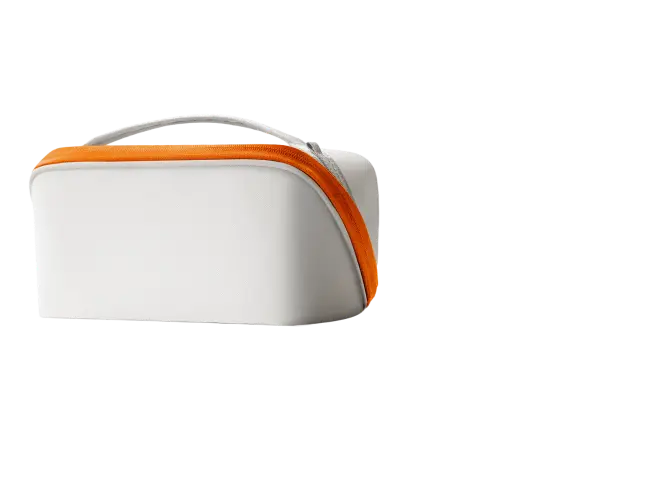
For official maintenance accessories and genuine replacement components, explore the After-sale Accessories collection or browse Accessories for cleaning kits, mounts, and protective cases that help prevent future issues.
Additional helpful reading includes our guide on How to Stop My Projector from Overheating, which covers related ventilation and dust topics, and Blurry Projector Image: Causes, Fixes, and Best Settings for complementary troubleshooting.
Important note on eye comfort and health: This article discusses setup, cleaning, and brightness restoration for improved viewing comfort only. It does not constitute medical advice, diagnosis, or treatment. Brightness and contrast issues can sometimes relate to eye strain, but persistent discomfort, headaches, or existing vision conditions should be evaluated by a qualified eye care professional.
Restoring projector brightness is usually simpler than it first appears. Begin with the checklist above, prioritize safe external cleaning and settings adjustments, and only consider internal service or replacement when basic steps no longer deliver acceptable results. With proper care, many projectors continue delivering excellent performance for years beyond their initial brightness peak.


