
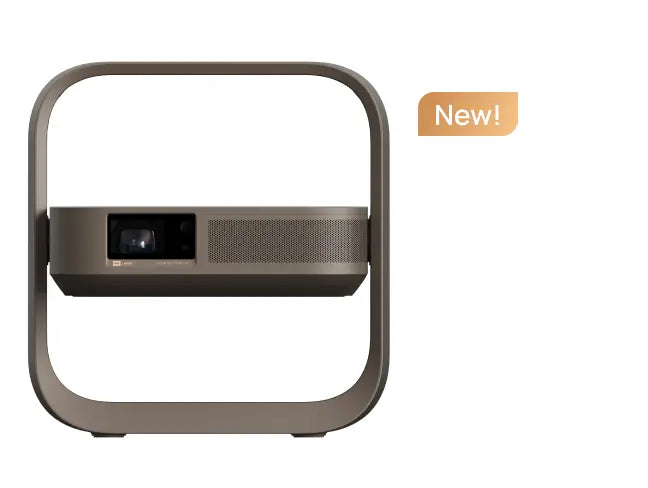
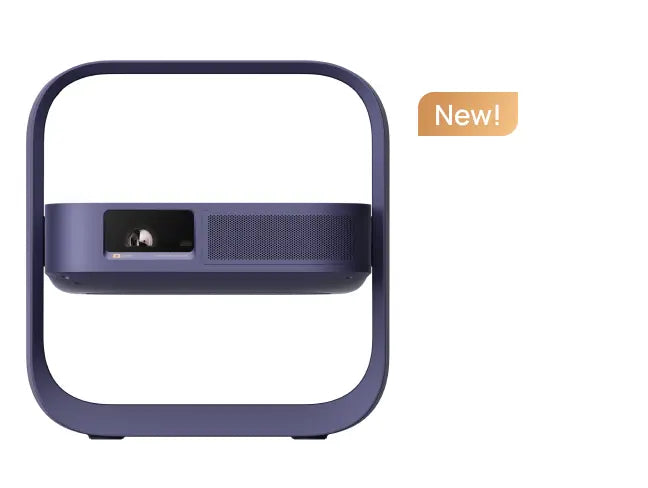
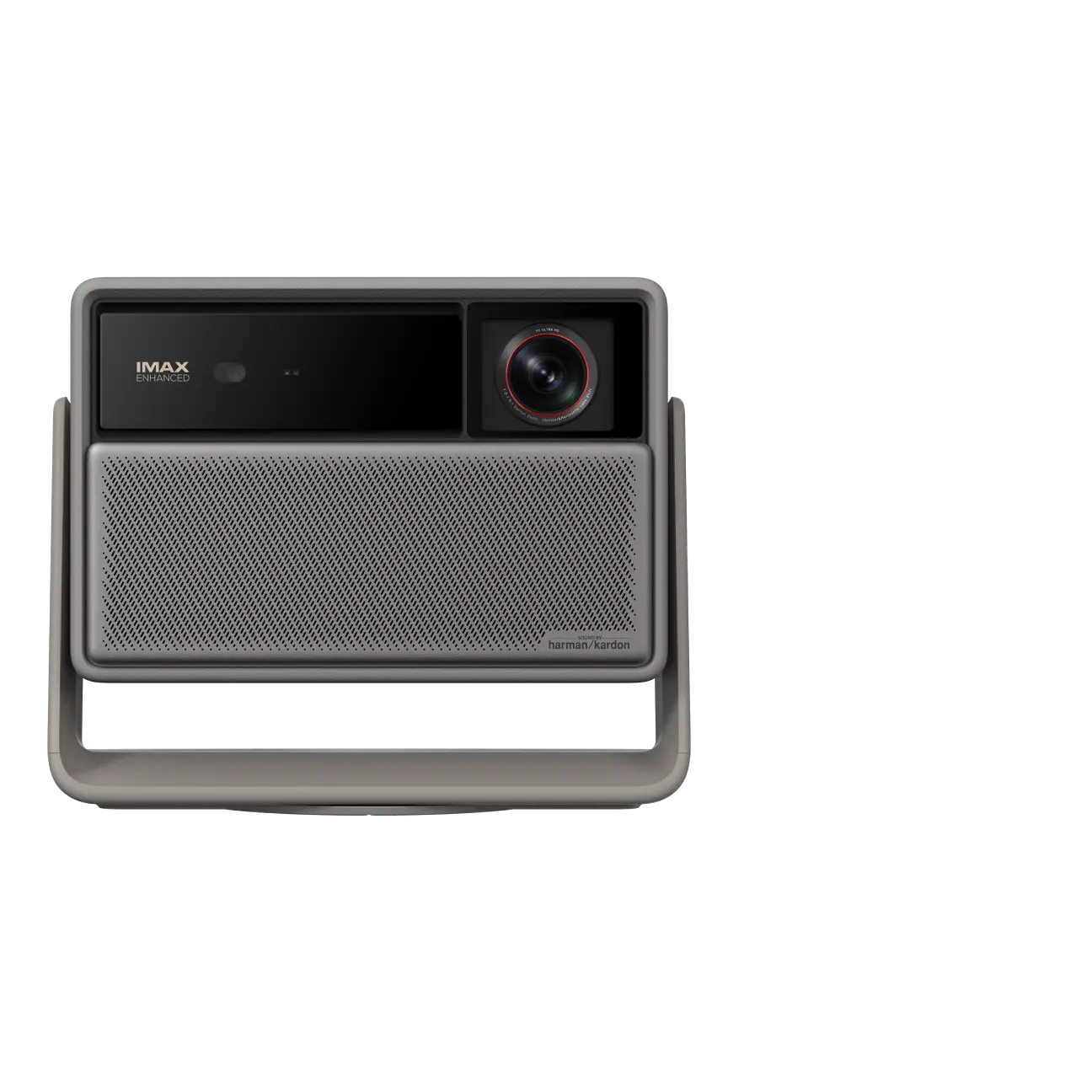
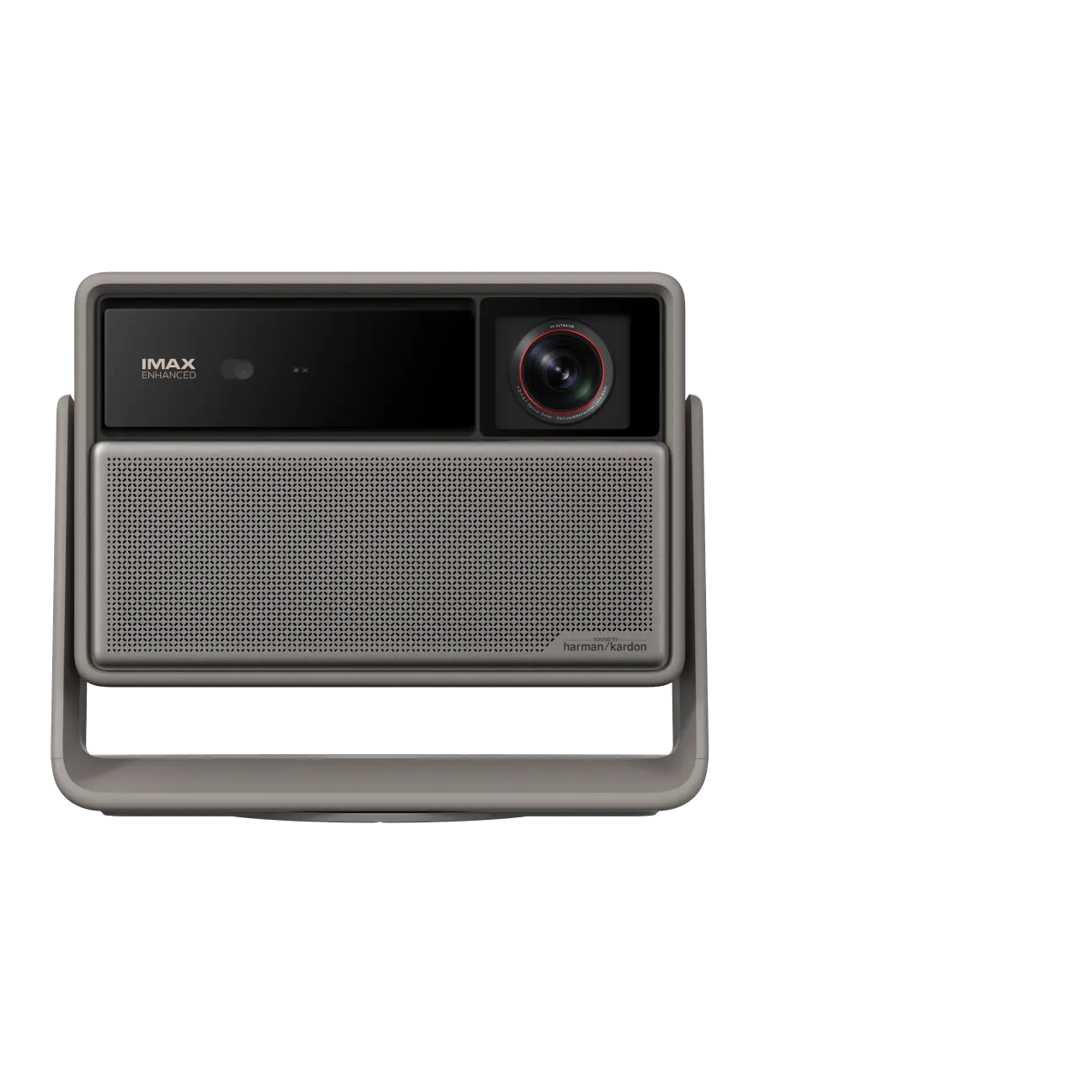
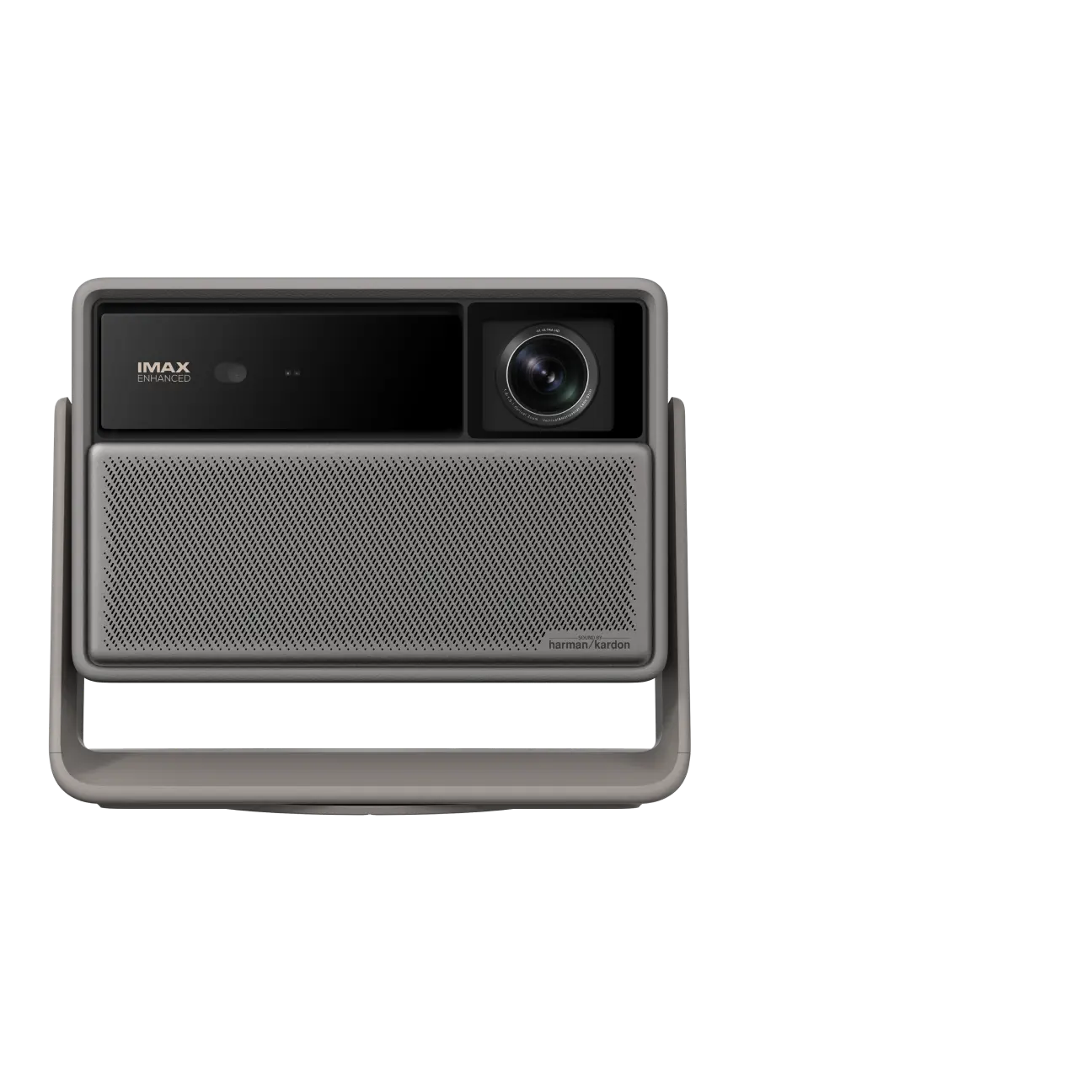




Getting a clear projector picture in a bright room is possible when you match sufficient brightness, an ambient light rejecting (ALR) screen, and smart placement to your specific lighting conditions. Many families now successfully use projectors as primary screens in living rooms with windows by focusing on these three factors instead of chasing a single perfect lumen number.
Ambient light is the main reason projector images look washed out. As this University of Michigan legibility study explains, ambient light adds illumination directly to the screen surface and reduces perceived contrast. The result is a gray, flat image that lacks the punch most people expect from a TV replacement.
Why Projectors Struggle in Bright Rooms
Projectors work by reflecting light off a surface. In a dark room this works beautifully, but any uncontrolled light in the space competes with the projected image. Direct sunlight or strong overhead lighting is especially disruptive, as noted in official guidance on display visibility.
The problem is not the projector itself but the physics of light. Ambient lighting is the general illumination in a room, and controlling it improves screen visibility according to standard lighting design principles. Without proper tools, even a bright projector can appear dim during daytime hours in a typical living room.

How Many Lumens Do You Need for a Bright Room in 2026
There is no single universal lumen number that guarantees success in every bright room. The right target depends on screen size, how much ambient light reaches the screen, room reflectance, and whether you use an ALR screen.
High-brightness projectors are generally better suited to ambient-light conditions than ordinary models. For shared living rooms, higher-brightness laser projectors tend to deliver more usable performance than dimmer theater-first designs.
Here is a practical heuristic range based on real-world factors:
- Under 2,000 ISO lumens: Usually insufficient for daytime TV-style use in bright rooms.
- 2,000–3,000 ISO lumens: Can work for a 100-inch screen in moderate ambient light with good placement and an ALR screen.
- 3,000–4,000 ISO lumens: More comfortable for regular bright-room viewing with some light control.
- 4,000–6,000 ISO lumens: Stronger choice for brighter living rooms or larger screens.
Heuristic ISO Lumen Ranges for Bright-Room Projectors
Use this chart as a decision aid, not a precise specification. It visualizes conservative lumen bands for brighter rooms across screen size and ambient-light conditions.
View chart data
| Category | Suggested ISO Lumen Range (Low) | Suggested ISO Lumen Range (High) |
|---|---|---|
| 100" Screen — Moderate Ambient | 2000 | 3000 |
| 100" Screen — High Ambient | 3000 | 4000 |
| 120"+ Screen — Moderate Ambient | 4000 | 5000 |
| 120"+ Screen — High Ambient | 5000 | 6000 |
Heuristic ranges derived from evidence boundaries and manufacturer guidance; no universal lumen threshold, so values are illustrative decision bands rather than measured requirements. Bright-room performance also depends on screen size, ALR use, placement, and room reflectance.
These ranges are illustrative only. Actual results vary with screen type and room conditions. As this official projector manual reminds users, screen size and throw distance affect how bright the image appears.
The Role of Ambient Light Rejection (ALR) Screens
An ALR screen is designed to help preserve contrast in bright rooms by reflecting more projected light toward viewers and reducing the impact of ambient light. ALR stands for ambient light rejecting and uses directional reflection to favor the projector image.
ALR becomes most valuable when your room has persistent ambient light and you still want reliable daytime viewing. If you can control light with curtains most of the time, a regular screen or even a light-colored wall may suffice for evening use.

However, ALR screens improve bright-room performance only when matched correctly to your projector type. Ultra-short throw (UST) projectors pair especially well with UST-specific ALR screens that reject light from above and the sides.
Placement and Setup Tips for Daytime Clarity
Placement matters as much as raw brightness. Screen size and throw distance affect how bright and usable the image looks, so careful positioning is essential.
Key checkpoints before buying or installing:
- Measure your room's typical ambient light at different times of day.
- Choose a screen size that matches your projector's brightness and throw ratio.
- Position the projector to avoid direct light hitting the screen surface.
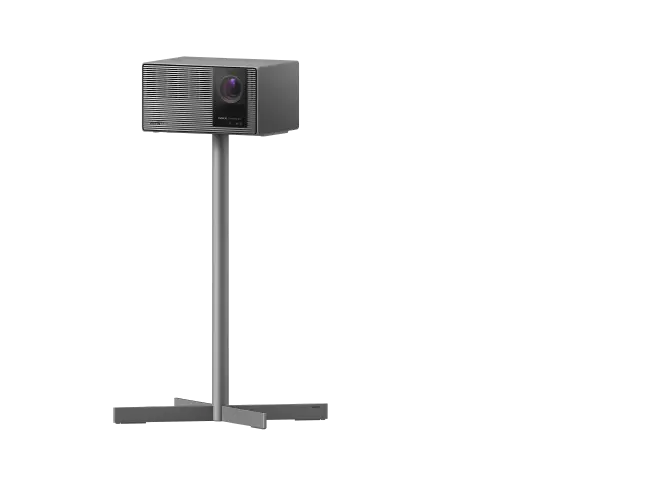
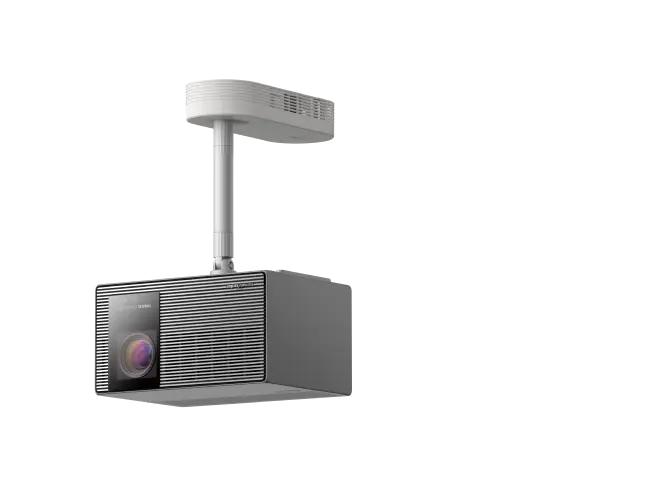
- Use ceiling mounts or stable shelf placement for consistent alignment in shared rooms.
- Consider wall color—darker walls reduce stray reflections.
For ceiling versus shelf decisions, follow manufacturer guidance on mounting height and keystone correction to maintain sharpness.
Best Projector Types for Bright Living Rooms
For TV replacement in living rooms with windows, higher-brightness laser projectors generally perform better than standard models. Laser light sources maintain consistent output and often deliver the lumens needed for daytime use.
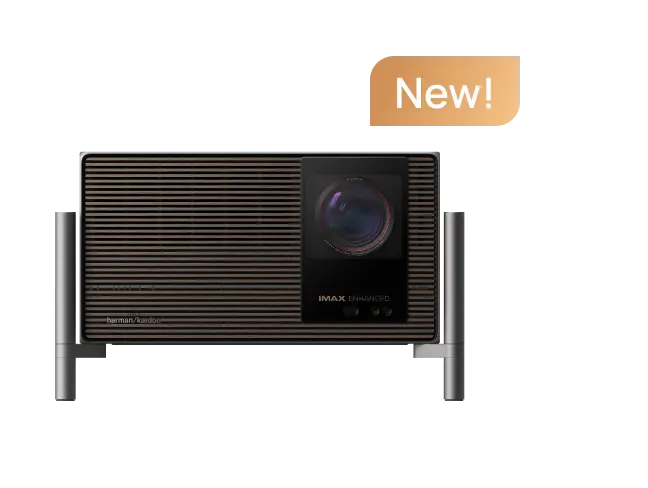
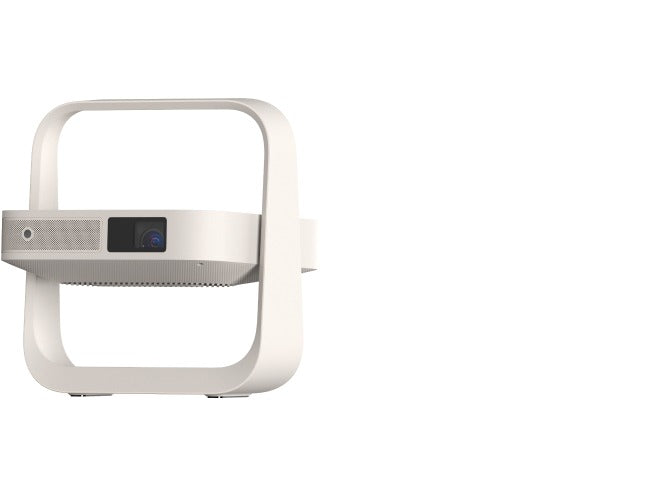
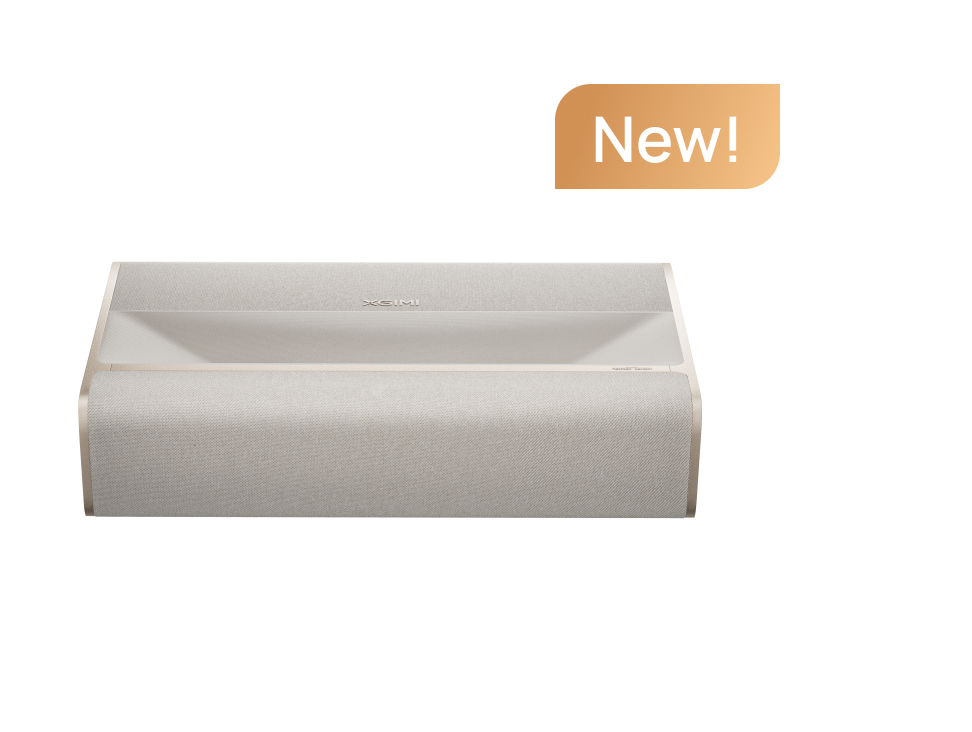
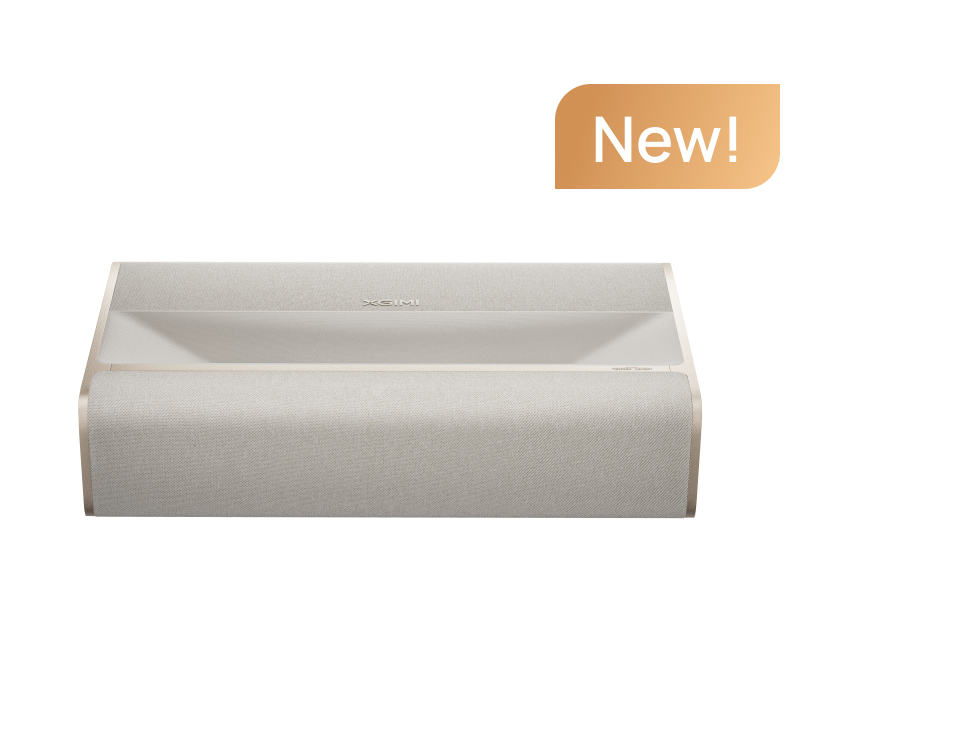
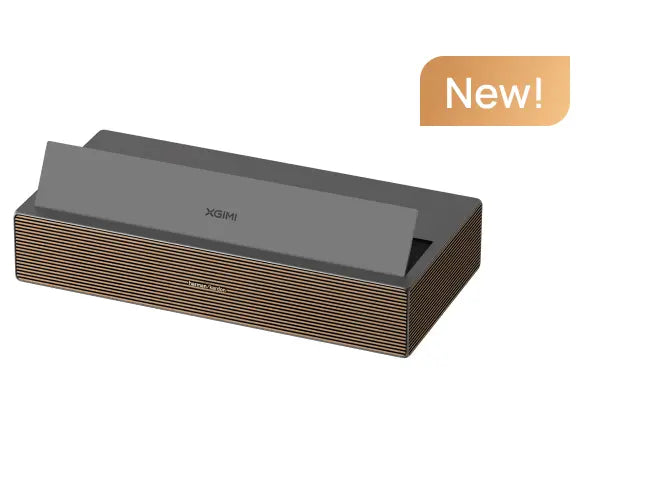
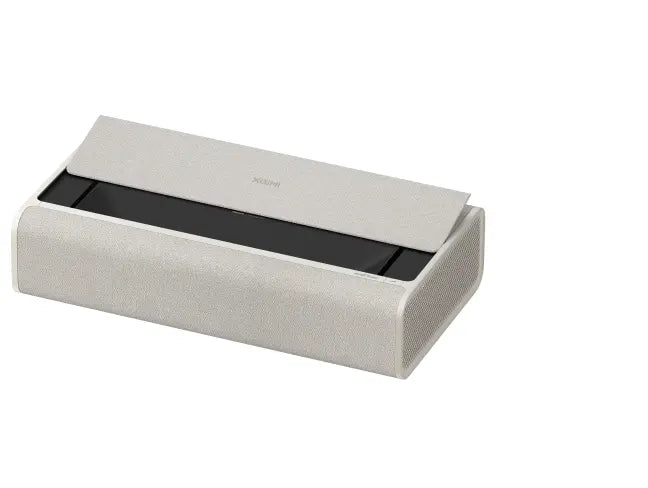
Premium options like triple-laser or high-output models can reach the 4,000+ lumen range that supports larger screens in brighter conditions. Ultra-short throw designs are particularly convenient because they sit close to the wall, reducing cable clutter and making them easier to integrate into existing furniture layouts.
When comparing models, prioritize real ISO or ANSI lumen ratings over marketing claims. Check how the projector performs with your planned screen size and typical room lighting.
Room Types That Work Best for Daytime Projectors
Open-plan apartments and family rooms with large windows can support projectors when the setup is optimized. Multi-use spaces benefit most when the projector can deliver TV-like convenience without requiring complete blackout.
Condos where installing blackout curtains is impractical are good candidates for high-brightness projectors paired with ALR screens. The key is accepting that performance will vary with time of day and weather rather than expecting perfect results in direct sunlight.
How to Choose the Right Setup for Your Space
Follow this practical checklist:
- Assess your room's brightest typical condition during viewing hours.
- Decide on desired screen size (100 inches is a common starting point for living rooms).
- Determine whether you will use an ALR screen or a standard surface.
- Select a projector whose lumen range matches the combination above.
- Verify throw distance and placement options in your actual room.
- Test for direct light paths that could wash out the image.
This approach helps avoid regret by setting realistic expectations before purchase.
Common Myths About Daylight Projectors
Many believe any projector above a certain lumen count will work perfectly in daylight. In reality, brightness alone is rarely enough without addressing screen type and placement.
Another myth is that ALR screens completely block all ambient light. They reduce its impact but still perform best when some light control is possible.
Finally, some assume projector setups are always more complicated than TVs. With modern ultra-short throw models and ALR screens, many users find the experience simpler and more flexible than a large wall-mounted television.
Making the Switch to a Projector in Your Bright Room
A projector can deliver a clear, enjoyable picture in a bright room when you combine adequate brightness, the right screen, and thoughtful placement. While it may not match a TV in every lighting extreme, many households now enjoy cinematic experiences during the day by following the principles outlined here.
This article discusses comfort and setup advice only. It does not constitute technical measurement, medical advice, or a guarantee of performance in all conditions. Results depend heavily on your specific room, chosen equipment, and content type. If you experience persistent issues with image quality or eye strain, consult the product manuals or a professional installer.
For more details on brightness standards, explore this comprehensive reference on ANSI and ISO lumens. Consider models designed for versatile home use when evaluating options for your living room.


