
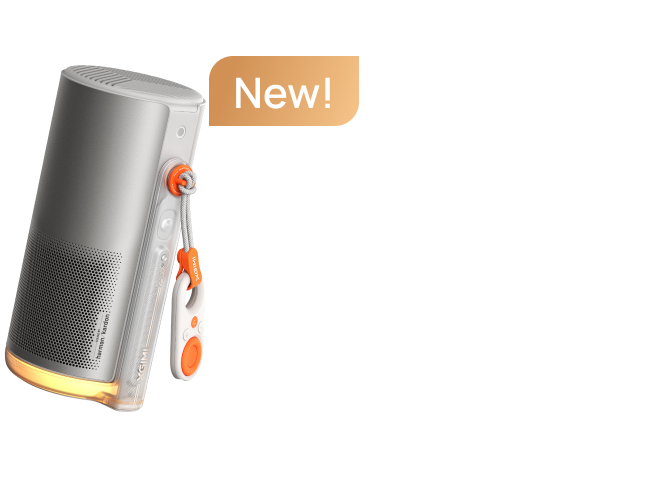
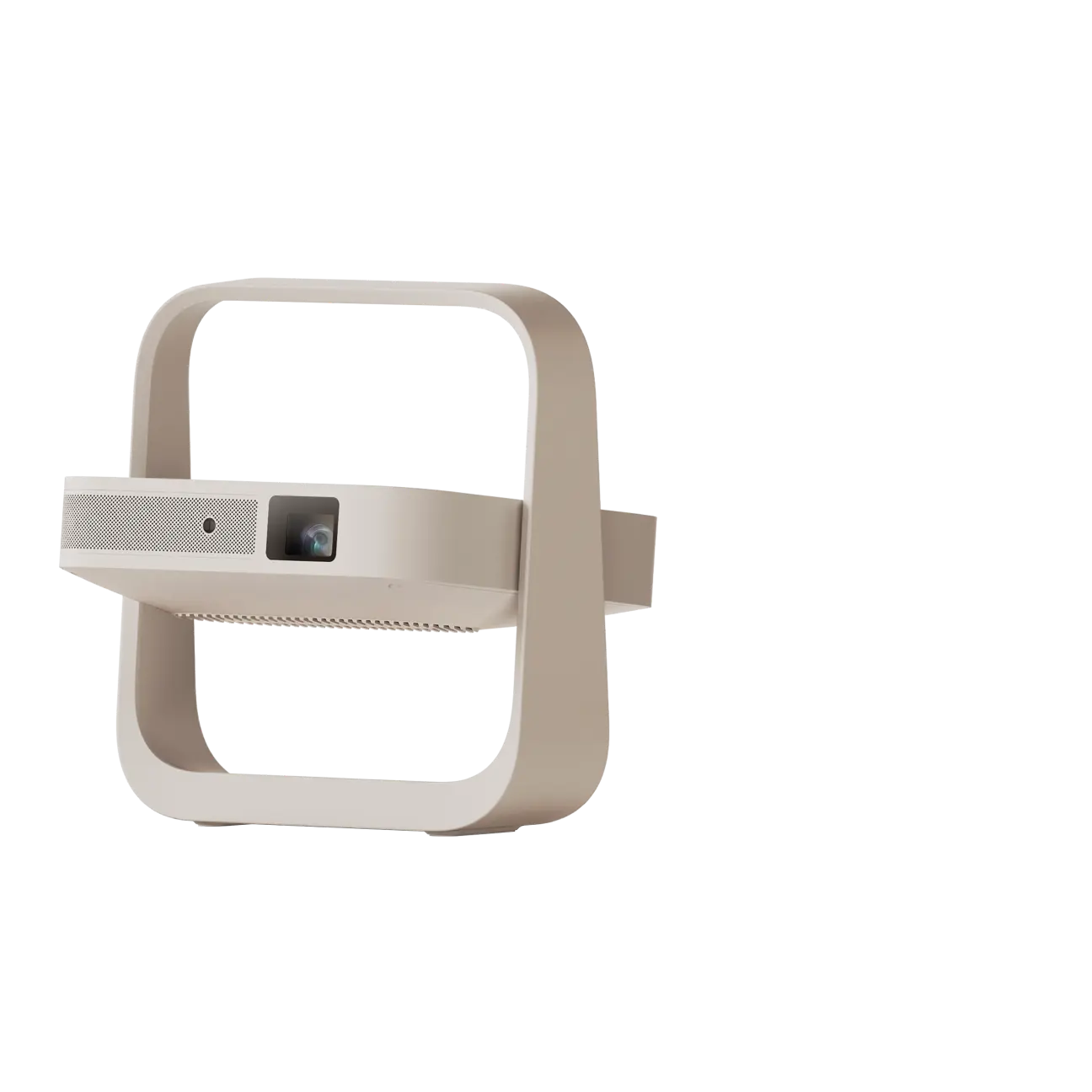
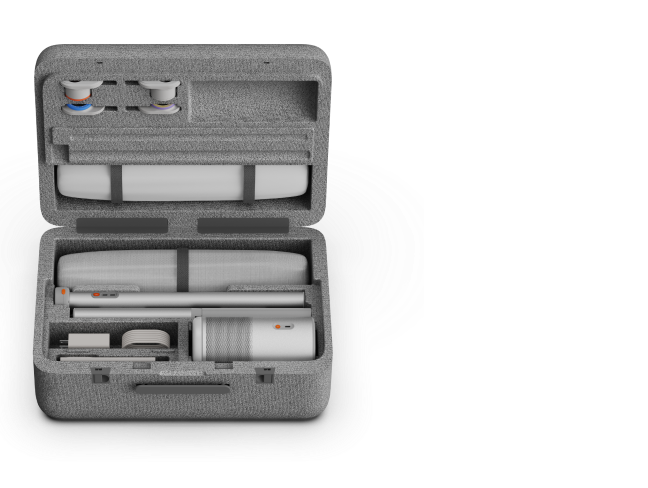
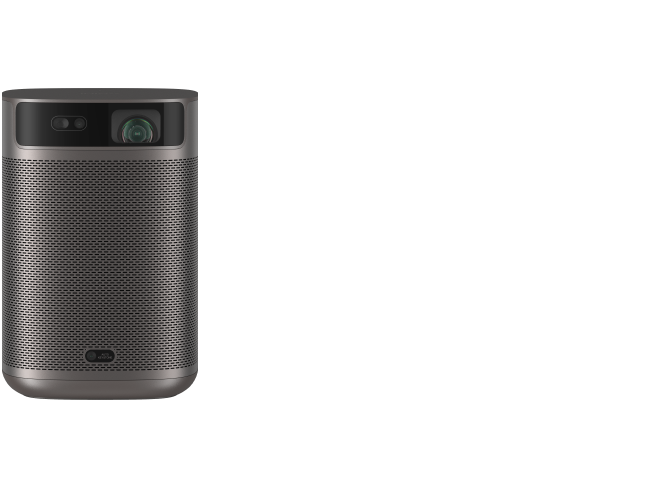



Creative optical filters and magnetic lens attachments can transform your projector's ambient art mode from a clean digital display into something warmer, more textured, and analog-like. These simple add-ons shift color tone, add subtle diffusion, and introduce organic patterns that many users find more engaging for mood lighting, especially in living rooms, bedrooms, or temporary outdoor setups. For more on this topic, see Projector Dust & Filter: When and How to Clean. For more on this topic, see Projector Maintenance Guide: Keep Your Projector Like New.
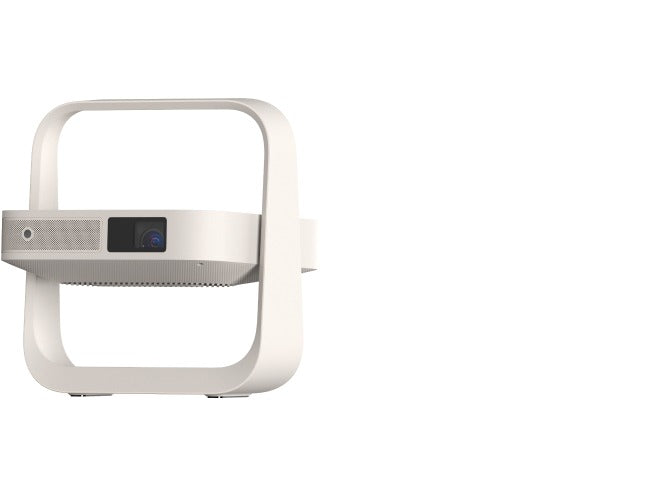
For owners of portable projectors like those in the MoGo series, the right filter can make ambient art feel closer to gallery prints or vintage film projections. However, the improvement comes with real tradeoffs in brightness and sharpness that matter more in certain environments.
Understanding Ambient Art Mode and Its Limitations
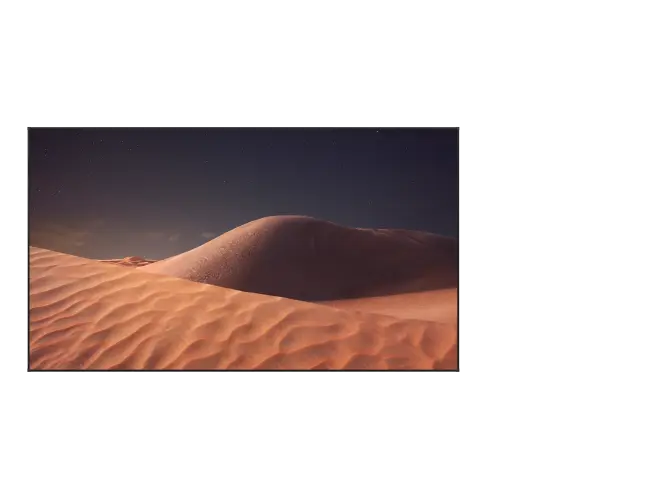
Ambient art mode turns your projector into a decorative piece by displaying static or slowly changing visuals when not in active use. It works well for setting a relaxing atmosphere without the full commitment of a movie night. Yet many users notice the output can appear flat, overly bright, or too digitally perfect, lacking the depth and tactile quality found in traditional art or printed photographs.
In brighter rooms or outdoor spaces, projected images generally look less contrasty and less saturated than the same content in complete darkness. This makes the built-in art visuals feel generic rather than immersive. Adding physical optical filters addresses this by interacting directly with the light path before it reaches the surface.
These accessories modify the projected beam to introduce warmth, soft grain, or patterned diffusion. The result often feels richer and more artistic, particularly when displaying nature scenes, abstract patterns, or soft color fields during gatherings or quiet evenings.
How Optical Filters and Creative Lens Attachments Work
Optical filters and lens attachments sit in front of the projector lens and alter the light as it exits. They can reduce certain wavelengths to add warmth, scatter light slightly for softer edges, or imprint subtle patterns such as ripples or star-like effects. This physical interaction creates visual texture that software alone struggles to replicate convincingly.

For example, a filter designed to enhance starry sky ambiance softens harsh digital lines and adds a gentle glow that mimics atmospheric haze. Magnetic versions allow quick swapping between different effects like lunar, ripple, or dreamscape modes, often synchronized with background audio for dynamic mood changes.
Creative optical filters change the perceived look of projected art by shifting brightness, warmth, color tone, and texture. The best results appear when the filter matches the projector's output characteristics and the intended viewing distance. In practice, users report that these accessories make ambient visuals more inviting for long-term display, especially in low-light conditions where the added character stands out.

Compatible Models and Proper Setup
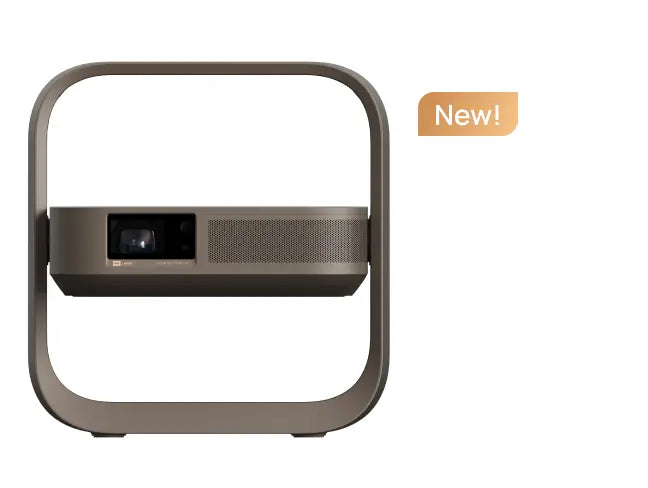
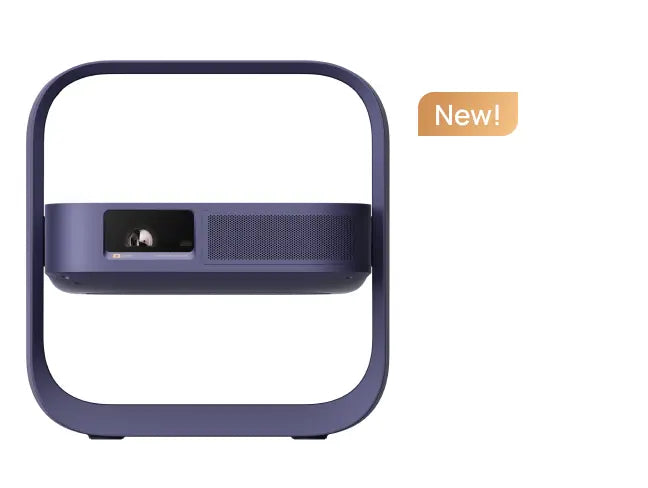
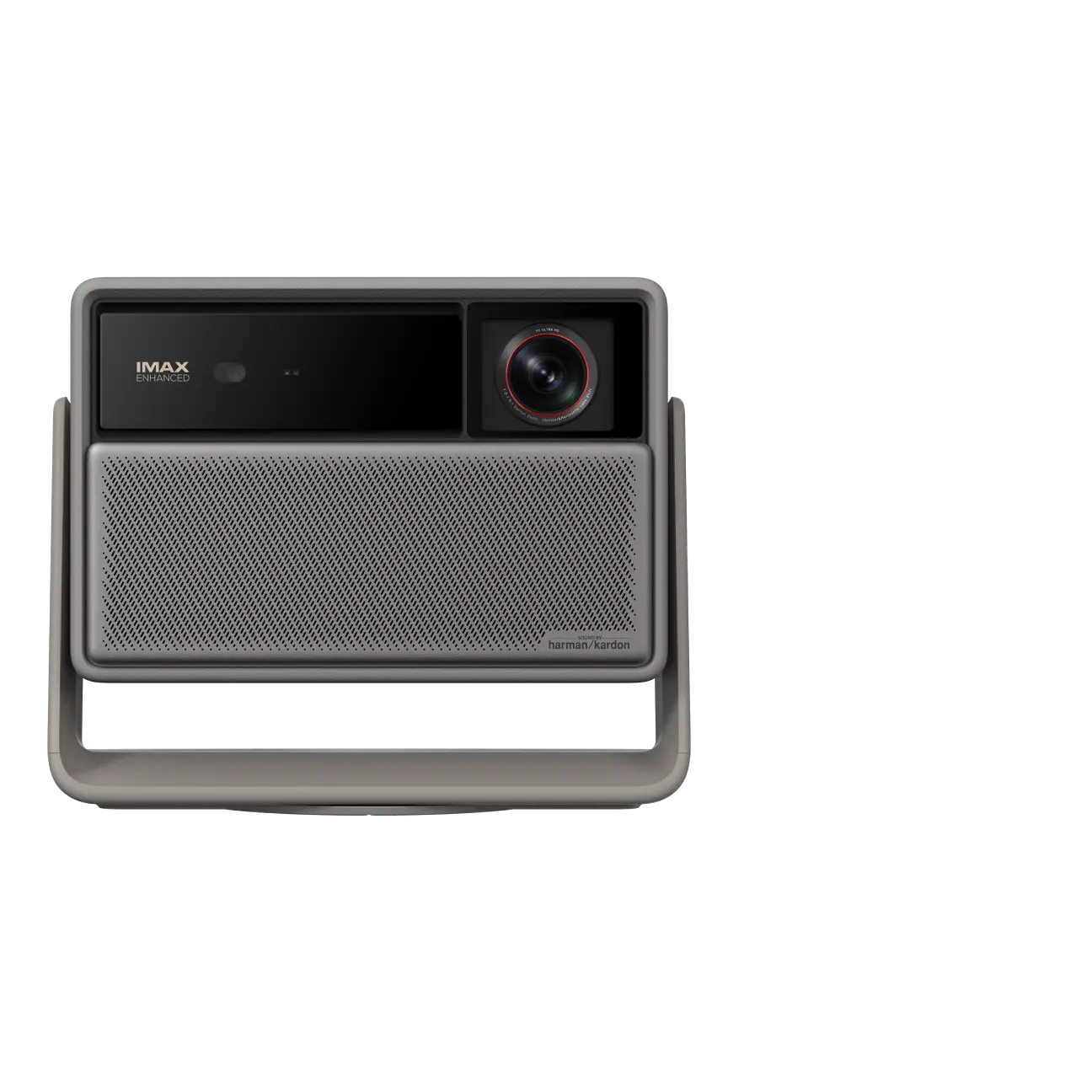
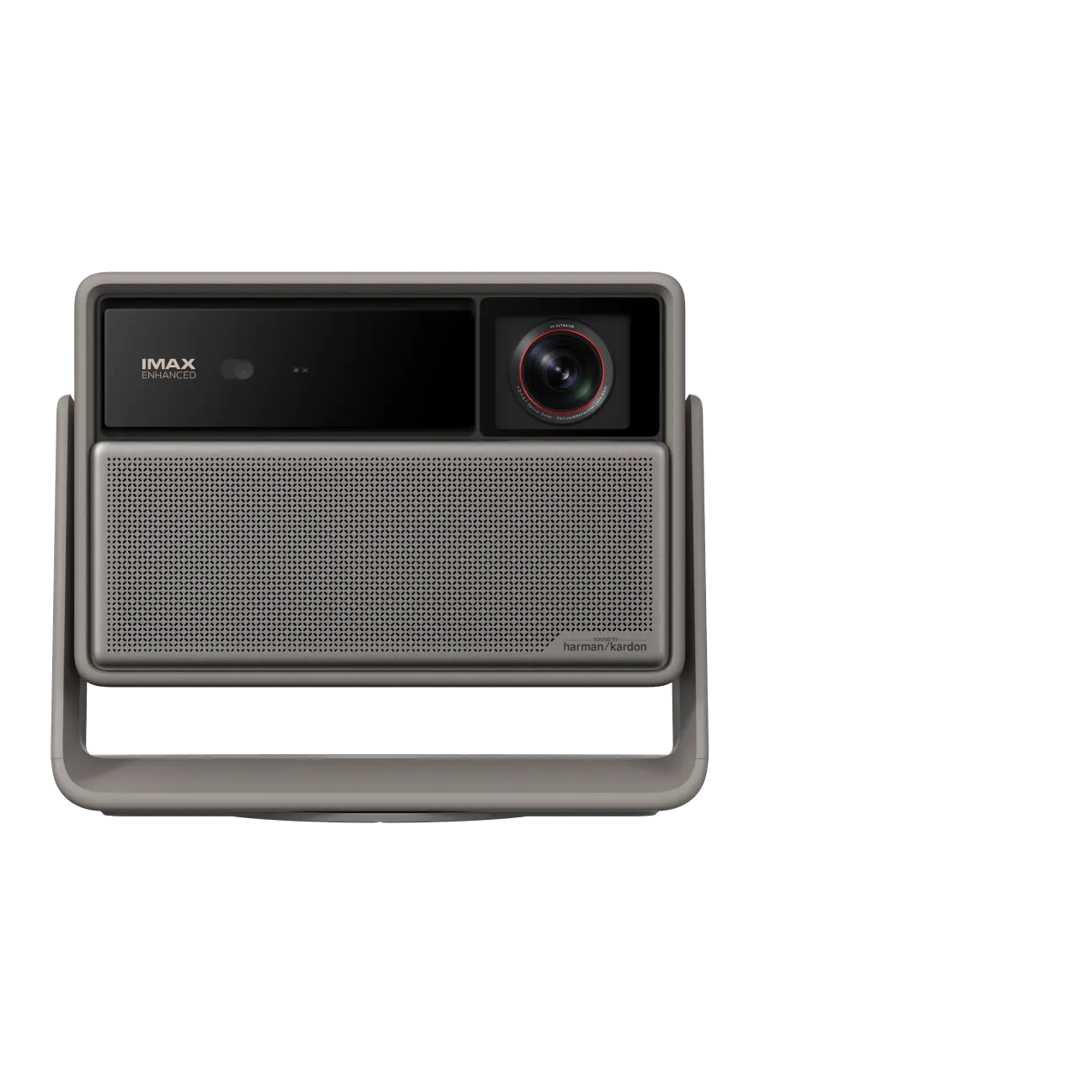
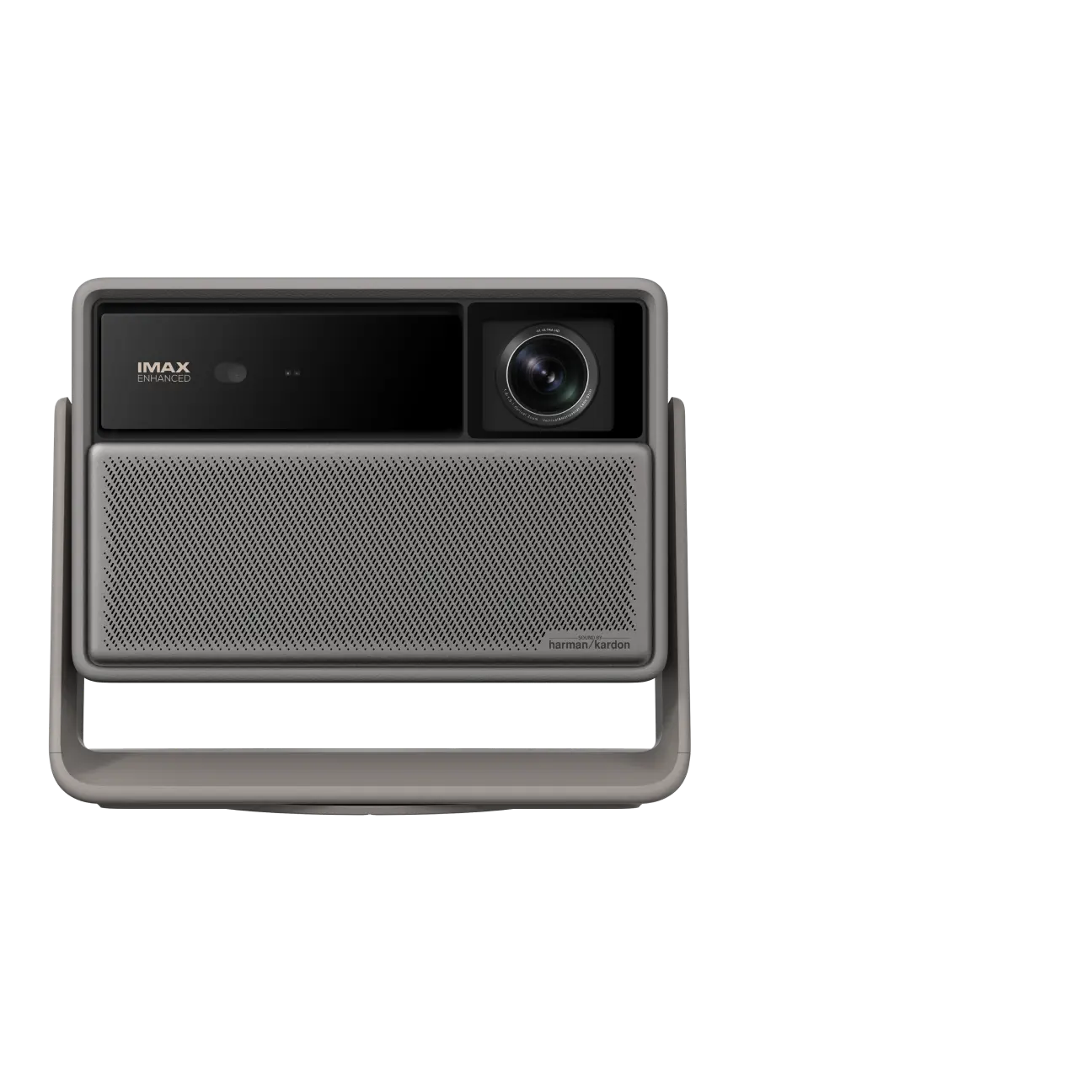
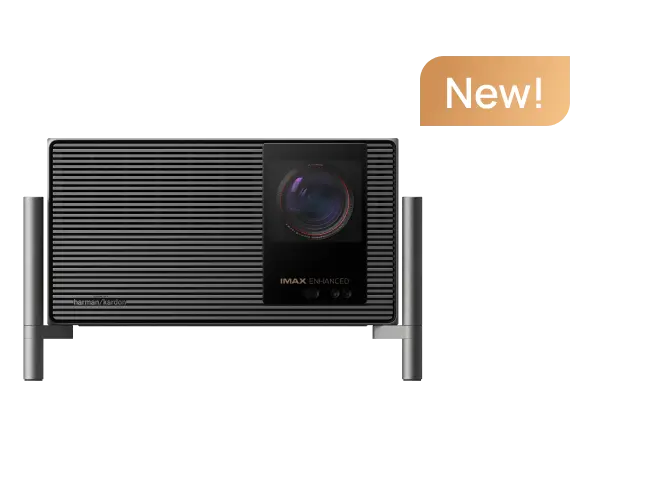
Compatibility remains model-dependent, so always confirm against official product pages before purchasing. XGIMI offers dedicated creative optical filters for specific portable units, including snap-on designs for the MoGo 3 Pro and magnetic creative filters compatible with the MoGo 4 and MoGo 4 Laser.
Installation typically involves simple magnetic or clip-on attachment that requires no tools. Position the projector at the recommended throw distance for your screen or wall size, then attach the filter and fine-tune focus. For ambient art mode, slight defocus can sometimes enhance the soft, painterly effect, but test multiple positions to avoid uneven coverage.
Official product and support pages provide the safest confirmation that a creative optical filter is intended for your specific projector model. Checking these resources helps avoid fit issues that could cause light leakage or instability during use.
When setting up in temporary spaces like tents or RVs, secure the projector firmly. Portable setups need extra attention to power, stability, and changing light conditions. Battery-powered models perform best when the filter does not excessively reduce output, preserving visibility as natural light fluctuates.
Key Benefits for Artistic and Outdoor Applications
Users seeking an analog feel for smart projectors often choose filters to create a more gallery-like mood. The added texture can make digital art appear handcrafted, while warmth adjustments help visuals blend better with ambient room lighting or candle-like campsite illumination.
In artistic creation workflows, these attachments support mood-board sessions or content shoots by providing instant visual variation without editing software. Seasonal events and parties benefit from the quick mood shifts possible with swappable filters.
For outdoor and camping enthusiasts, a properly chosen filter can enhance nighttime atmosphere in cabins or on patios. The soft diffusion reduces the clinical look of LED projection, creating a more inviting environment for relaxation or storytelling around the campsite.
However, these benefits shine brightest in controlled, darker environments. In direct competition with daylight or when maximum clarity matters, the artistic gains may not outweigh practical limitations.
Important Tradeoffs and Potential Drawbacks
Any add-on that alters the light path may reduce brightness or sharpness, so the visual payoff should justify the tradeoff. Filters typically dim the image slightly and soften fine details, which can make text or intricate patterns less distinct.
Color accuracy might shift toward warmer tones, which suits artistic displays but could disappoint users needing faithful reproduction. Edge uniformity sometimes suffers on larger projections or when the filter sits slightly off-center.
Here is a heuristic comparison of typical tradeoffs:
Heuristic Tradeoffs: Creative Optical Filter vs No Filter
Heuristic comparison of ambient art mode tradeoffs for XGIMI MoGo series in indoor artistic vs outdoor camping scenarios.
View chart data
| Series | Brightness | Sharpness | Artistic Texture | Warmth | Ease of Setup | Outdoor Suitability |
|---|---|---|---|---|---|---|
| With Filter | 4 | 5 | 8 | 7 | 6 | 3 |
| No Filter | 8 | 8 | 3 | 4 | 9 | 7 |
Illustrative/heuristic 1-10 relative scoring only. Values are bounded from general optical principles and manufacturer-style guidance about brightness reduction, sharpness loss, texture gain, warmth shift, and compatibility; not measured data or verified field tests.
This chart uses relative scores to illustrate typical differences. Actual results vary by projector model, room conditions, and specific filter chosen. The visualization highlights why filters excel for pure artistic use but require careful consideration for versatile or outdoor applications.
When to Skip Creative Optical Filters
Do not buy or use creative optical filters if you need the projector to stay useful outdoors, in camping setups, or in other low-control environments. These filters usually trade away brightness and sharpness, so the image can become more fragile exactly when ambient light, distance, and placement are already working against you.
Avoid them when your projector model has tighter accessory compatibility or when you prioritize crisp details over atmosphere. If the setup changes frequently or serves mixed purposes beyond ambient art, the added step and reduced performance may lead to regret.
This accessory works best for dedicated decorative use in dark, stable indoor spaces. For general entertainment or bright environments, the native projection without filters often delivers more practical results.
Choosing and Using the Right Accessory
Start by identifying your projector model and reviewing available options in the Accessories collection. The XGIMI Creative Optical Filter suits certain MoGo models with easy snap assembly, while the XGIMI Magnetic Creative Filter (3-Pack) offers versatile effects for the MoGo 4 series.
Consider your primary scene. Bedroom or living room decor benefits most from warmth and texture filters. Camping or patio use requires verifying that remaining brightness still meets visibility needs after attachment.
Test the setup thoroughly. Project several art styles with and without the filter, noting changes in mood and clarity. Adjust projector settings like brightness, contrast, and color temperature to compensate for any light loss. Many users find that lowering overall brightness slightly after adding a filter creates a more balanced, film-like appearance.
For outdoor enthusiasts, combine the filter with a stable mounting solution and sufficient battery capacity. Position the projection surface to minimize competing light sources. This approach helps maintain the artistic enhancement while preserving enough performance for practical nighttime use.
Maintenance and Long-Term Considerations
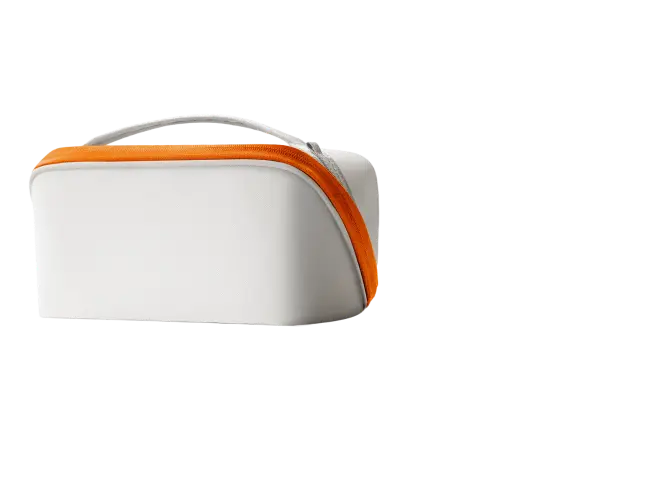
Clean filters gently with appropriate lens tools to avoid scratches that could introduce new artifacts. Store them in protective cases when not attached, especially during travel or camping trips.
Over time, users often develop preferences for certain effects and may rotate between multiple filters for different occasions. This modularity adds value for creative users who enjoy experimenting with visual styles.
Remember that this article discusses comfort and setup advice only. It does not constitute medical advice, diagnosis, or treatment. If you experience persistent eye discomfort or have existing eye conditions, consult qualified professionals.
Making the Decision for Your Setup
Optical filters provide a meaningful upgrade for those wanting richer, warmer ambient art from their projector. They excel when the goal is purely atmospheric and the environment allows control over lighting and placement.
Weigh the artistic gains against reduced brightness and sharpness before purchasing. Confirm compatibility with your exact model and consider starting with a versatile pack if available.
For portable projector owners focused on creative or relaxing applications, the right creative lens attachment can deliver noticeable mood improvement. In outdoor or multi-purpose scenarios, evaluate whether the native image already meets your needs or if the filter's character justifies the compromises.
Explore the MoGo Series Accessories to find options matched to your device. With thoughtful selection and setup, optical filters can help turn your projector into a more expressive piece of living decor.
Whether displaying art in a home studio or creating ambiance at a campsite, these accessories offer an accessible way to add analog charm to digital projection. Test in your actual space to confirm the effect matches your vision before making a final commitment.


