



Why You Shouldn't Skimp on a Projector Stand: Stability and Alignment
A wobbly surface or improvised support can quickly turn an otherwise excellent portable projector into a source of frustration. Even minor vibrations or gradual shifts can ruin focus, force repeated realignment, and make keystone correction difficult to maintain. Investing in a dedicated projector stand often delivers the stability and adjustability that tables, shelves, and stacked books simply cannot provide, especially for renters, frequent movers, and anyone setting up temporary home theaters.

Portable projectors offer incredible flexibility, but that mobility creates specific demands on the support beneath them. Without a purpose-built stand, many users encounter recurring issues: image drift during viewing, difficulty achieving precise alignment, and reduced airflow that can lead to thermal throttling. A quality stand addresses these problems by offering a stable base, controlled tilt and rotation, and proper clearance for cooling.
Why Stability is the Foundation of Image Quality
Stability is more than just preventing a fall; it is the foundation of a consistent viewing experience. Even minor wobbles caused by footsteps, pets, or air currents can cause the projected image to jitter. In shared living spaces where movement is constant, this jitter becomes noticeable within minutes, breaking the immersion of a movie or game.
The risks of an unstable setup extend beyond mere annoyance. While modern electronics are generally robust, repeated micro-vibrations or accidental tips can, over time, potentially affect sensitive optical alignments or mechanical components like cooling fans. A dedicated stand with a wide, weighted base minimizes these disturbances far more effectively than a standard coffee table or side table.
Furthermore, once a projector shifts even slightly, the entire image may require re-centering and refocusing. This "alignment drift" is a common pattern in temporary setups, turning a relaxing evening into a series of technical adjustments.
The Hidden Cost of Digital Correction (Keystone vs. Physical)
Precise image alignment depends on the projector remaining exactly where it is placed. Everyday surfaces like sofas or stacked boxes often have slight inclines or "give" that allow for slow drift. A projector stand with fine angle controls and locking mechanisms allows you to set the position once and maintain it throughout the session.

While most modern projectors feature keystone correction to fix angled images, this digital adjustment comes with a trade-off. Excessive keystone correction reduces effective resolution and can introduce slight blurring or "aliasing" at the edges of the frame. By using a stand to achieve a physically square-on projection, you reduce reliance on digital processing, preserving the native sharpness of your 1080p or 4K device.
For outdoor movie nights or uneven floors, the challenge is even greater. Grass, patios, and temporary flooring rarely offer level support. A portable stand designed for these scenarios provides adjustable legs and robust leveling that generic household items cannot match.
Ventilation: Protecting Your Hardware Investment
Proper airflow is essential for the longevity of any projector. Many portable models draw in cool air from the bottom or sides. Placing a projector directly on a flat table—or worse, a soft surface like a rug or bed—can block these intake vents. This leads to higher operating temperatures, which may trigger louder fan speeds or thermal throttling to protect the internal hardware.
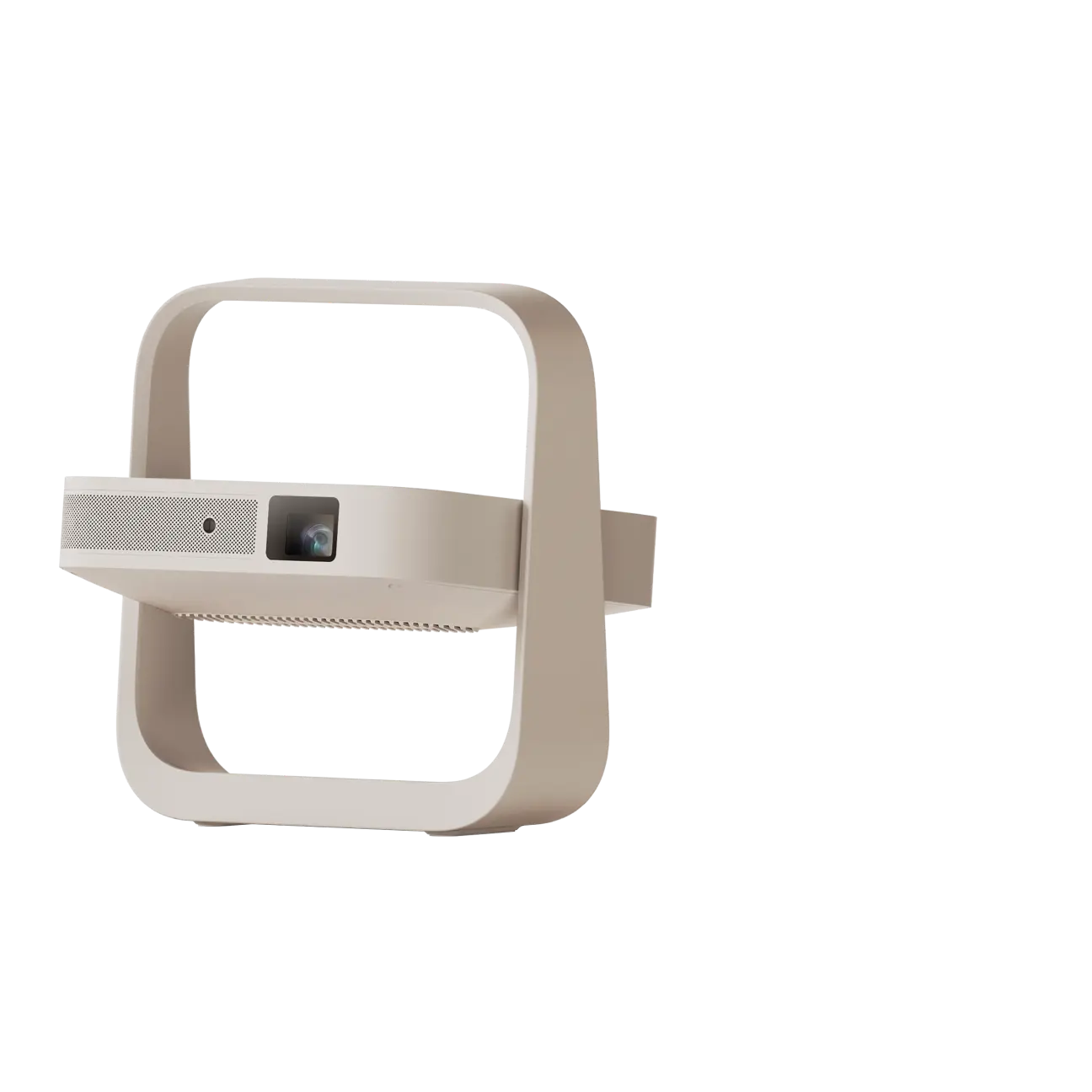
While occasional heat buildup rarely causes immediate failure, consistent poor ventilation is a known factor that can contribute to the premature degradation of LED or lamp brightness over several years. A dedicated stand with an open-frame design or elevated mounting plate promotes better cooling by keeping the intake and exhaust paths unobstructed.
Choosing the Right Stand: A Scenario-Based Guide
Different environments highlight different needs. When selecting a stand, consider where you will use the projector most frequently:
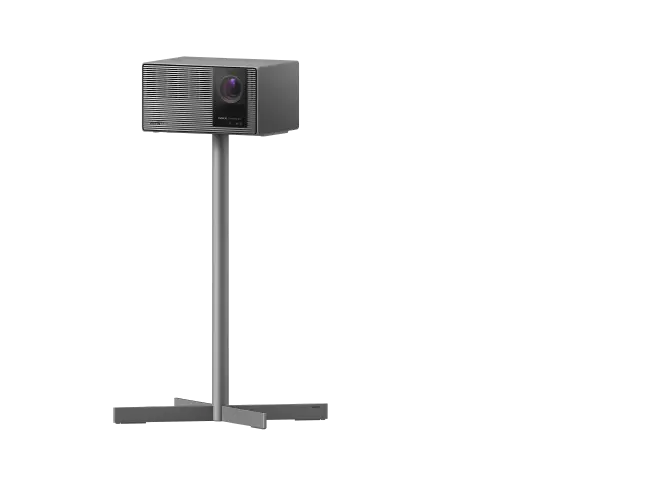
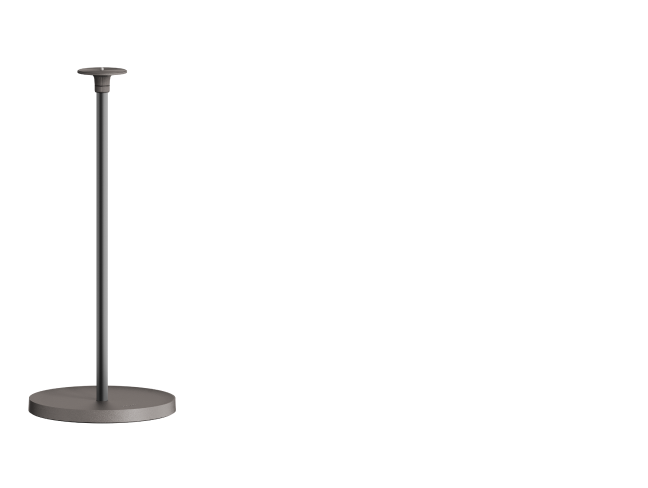
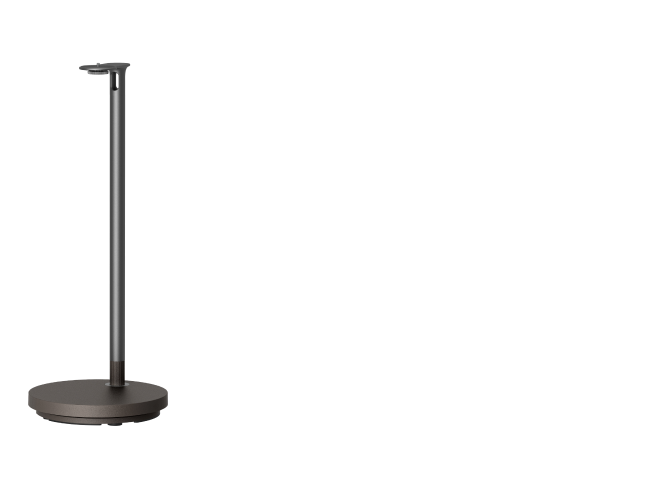
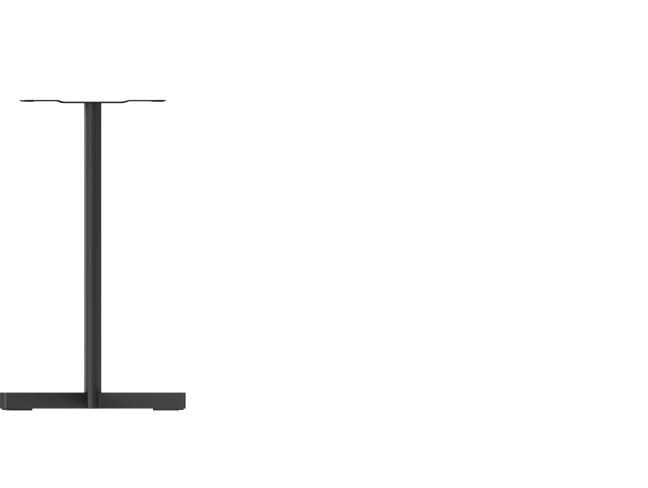
- Living Room/Permanent Setup: Prioritize stability and fine-tuned angle controls. A weighted floor stand or a sleek desktop mount ensures the image stays centered even if the furniture is bumped.
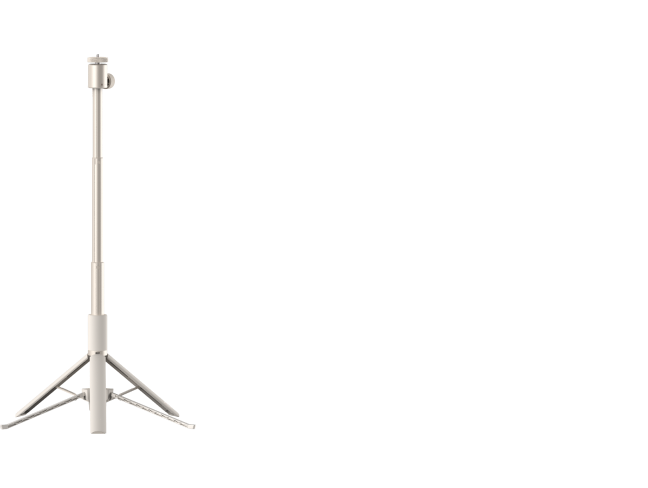
- Bedroom or Rental Space: Look for "quick-setup" models that are easy to move or store. A tripod-style stand is often ideal here for its height adjustability.
- Outdoor Use: Prioritize a wider base and "bump resistance." Stands with spiked feet or weighted legs are better suited for grass or uneven patios.
- Small Apartments: Compact footprints are key. A multi-angle desktop stand that folds flat can save valuable space while still providing the necessary elevation.
Illustrative Comparison: Dedicated Stand vs. Improvised Surface
Illustrative Trade-offs: Dedicated Projector Stand vs Improvised Surface
Illustrative, non-measured comparison for article guidance.
View chart data
| Category | Dedicated stand | Improvised surface |
|---|---|---|
| Stability | 5.0 | 2.0 |
| Alignment success | 5.0 | 2.0 |
| Setup ease | 4.0 | 5.0 |
| Ventilation safety | 5.0 | 2.0 |
| Tipping resistance | 5.0 | 2.0 |
Illustrative heuristic scoring only. The chart translates the article's stated risks (wobble, misalignment, poor ventilation, shake, distortion, overheating, tipping) into a conservative 1–5 relative score to help readers compare trade-offs across the same scenario.
Note: This chart uses relative heuristic scores to illustrate typical trade-offs observed in consumer environments. It is not based on laboratory measurements; actual results will vary based on your specific projector model and room conditions. For more on this topic, see Projector Brightness Standards and Measurement: A Comprehensive Ref.... For more on this topic, see How to Choose a Projector for Your Space: Room-by-Room Guide.
Technical Checklist: What to Verify Before Buying
To ensure a stand is a functional upgrade rather than a lateral move, check these specifications:
- Weight Capacity Margin: Look for a stand rated for at least 20-30% more than your projector’s actual weight to prevent "neck sag" or tilting over time.
- Mounting Compatibility: Most portable projectors use a standard 1/4"-20 UNC tripod thread. Verify your projector's mounting hole size and depth before purchasing.
- Vibration Dampening: Check if the stand has rubberized feet or a weighted base to absorb floor vibrations.
- Ventilation Clearance: Ensure the mounting plate does not completely cover the projector's intake or exhaust vents.
- Locking Mechanisms: Ensure the tilt and rotation knobs lock firmly. If the projector "creeps" downward after you let go, the stand is inadequate.
When an Improvised Setup is "Good Enough"
A dedicated stand is not always a mandatory purchase. If your projector is placed in a permanent, perfectly level location on a rigid, non-vibrating surface (like a wall-mounted shelf), a dedicated stand may offer little additional benefit. Similarly, if you are using a Short Throw or Ultra Short Throw (UST) projector designed to sit inches from a wall on a dedicated media console, a stand is usually unnecessary. For more on this topic, see Projector Throw Ratio Explained: Standard vs. Short Throw vs. Ultra....
However, for the majority of portable projector owners who move their device between rooms or travel with it, skimping on the support usually leads to recurring setup frustration.
Practical Setup Tips for Maximum Stability
- The Tap Test: Once set up, gently tap the floor or table near the stand. If the projected image jitters for more than a second, consider adding weight to the base or moving the stand to a more rigid surface.
- Cable Management: Use the stand’s cable clips (if available) or Velcro ties to secure power and HDMI cords. A hanging cable can act as a lever, slowly pulling the projector out of alignment or creating a tripping hazard.
- Test Patterns: Use a built-in grid or "focus pattern" to check alignment rather than a movie scene. This makes it much easier to see if the image is perfectly square and sharp across all four corners.
Common Myths and Final Verdict
A common myth is that any standard camera tripod is a perfect substitute for a projector stand. While they share the same mounting thread, camera tripods are often designed for vertical loads and may have a narrower base that makes them "top-heavy" when supporting a bulky projector at a steep angle. Projector-specific stands typically offer a lower center of gravity and wider tilt ranges optimized for wall projection.
Ultimately, a dedicated stand is the highest-impact accessory for a portable projector. By solving the issues of wobble, alignment drift, and poor ventilation, it allows the hardware to perform at its best.
Comfort and Setup Disclaimer: This article discusses setup practices intended to improve stability and ease of use. It does not address medical or health claims. Projector use should be comfortable for your eyes and environment. If you experience persistent eye strain or headaches, consult a qualified professional. Individual results depend on room conditions and equipment models. This is not medical or safety advice.


