



Curved projector screens can deliver a more enveloping experience for certain gaming genres, particularly sim racing and flight simulations, but they often introduce image distortion, alignment challenges, and higher costs that make them impractical for many setups. Whether the added immersion justifies the trade-offs depends heavily on your game types, room layout, projector capabilities, and budget. For more on this topic, see Projector Gaming in a Dorm Room: Maximizing Space and Screen Size. For more on this topic, see How to Fix Screen Tearing When Gaming on a Projector.
What Makes Curved Screens Different for Projector Gaming
Curved screens aim to mimic the wrap-around field of view that curved monitors provide in PC gaming. By bending the surface to better match natural peripheral vision, they can enhance the sense of depth and presence, especially in cockpit-style games. However, projectors differ significantly from flat-panel displays because they rely on precise light projection over distance. A curved surface changes the throw distance across the screen, which can affect focus, brightness uniformity, and geometry. For more on this topic, see Couch Co-Op Revival: Why Projectors Are Perfect for 4-Player Split-....
For most gamers, a high-quality flat screen or even a properly calibrated wall remains simpler and more consistent. Yet for enthusiasts building dedicated sim rigs, the curved option is worth evaluating carefully.

Potential Benefits of Curved Projector Screens in Gaming
The primary advantage is improved immersion. In racing games or flight simulators, the curved surface can make the horizon and peripheral elements feel more natural, reducing the “flat” sensation that some players notice on large flat screens. This effect is most pronounced when seated relatively close to a moderately curved screen, where the edges of the image fall more comfortably within your field of view.
Some users also report better perceived contrast and reduced eye strain during long sessions in dark rooms because the screen edges appear to “wrap” toward the viewer rather than recede. Additionally, in a well-matched setup, the curve can minimize the need for extreme off-angle viewing, which is common in wide flat screens.
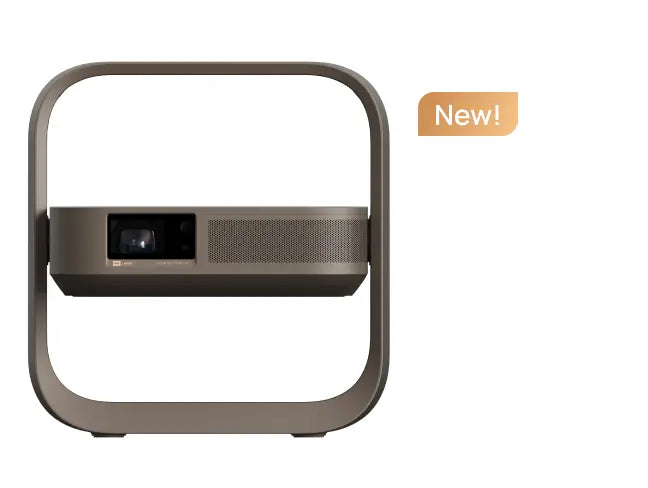
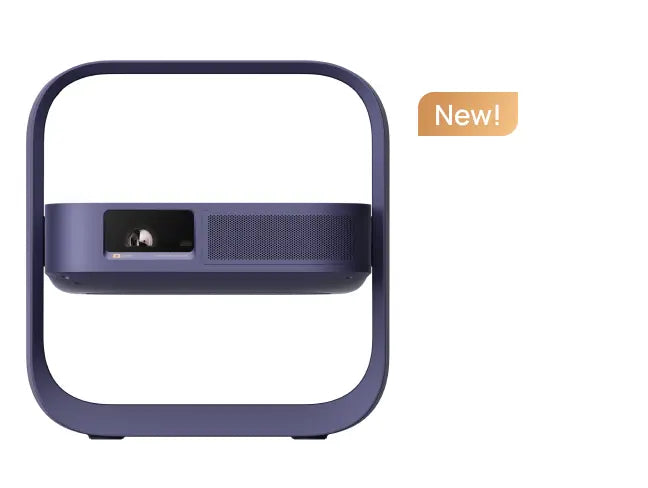
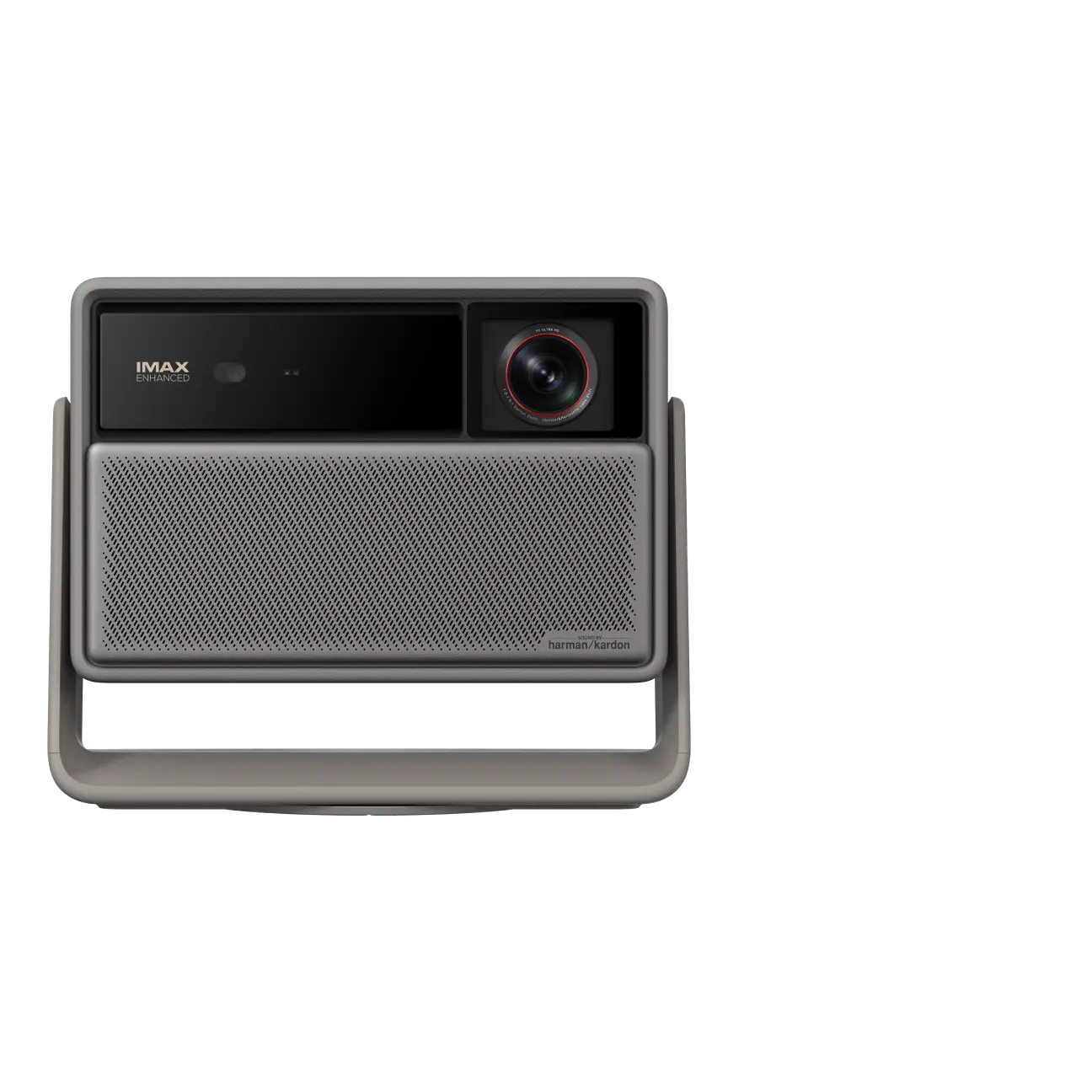
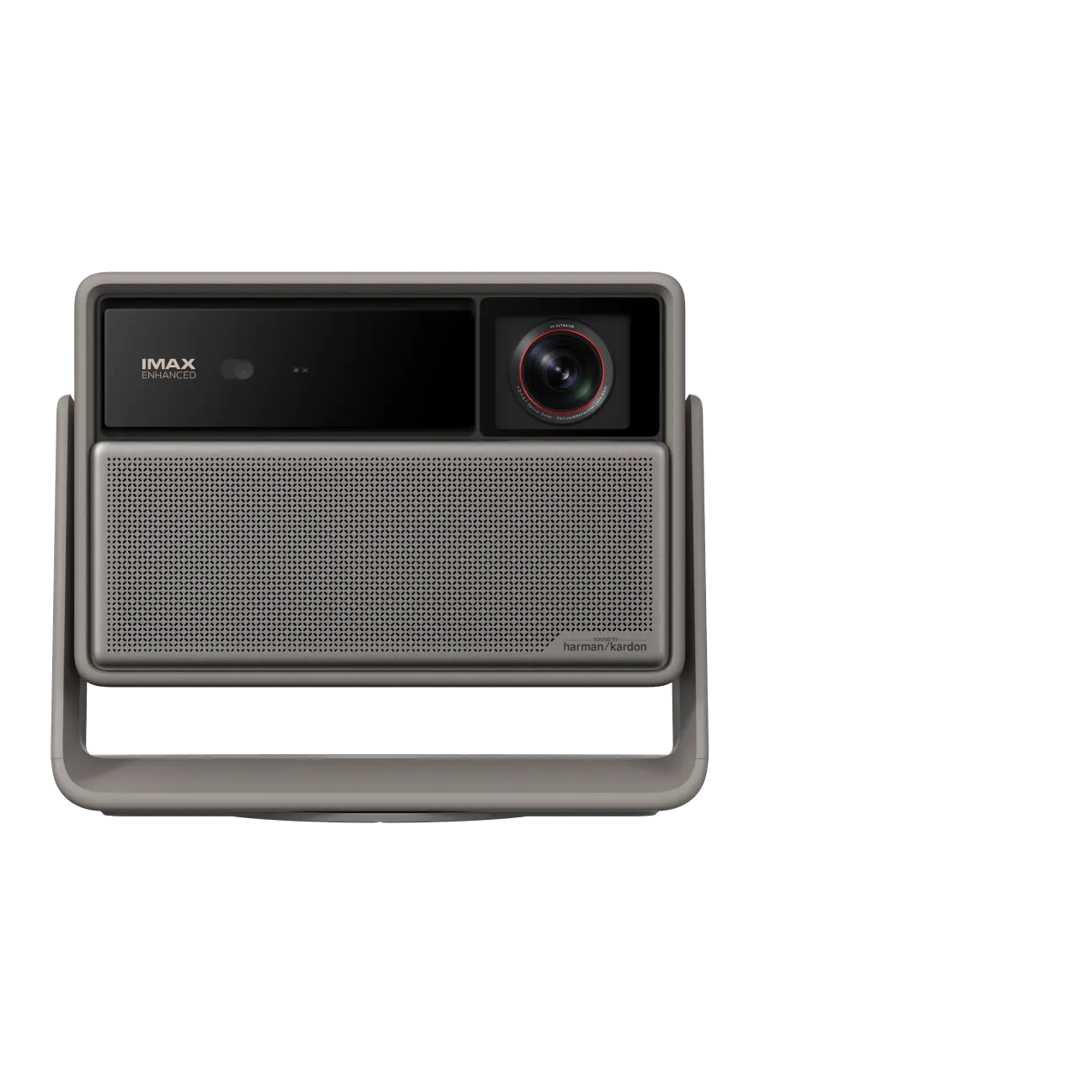
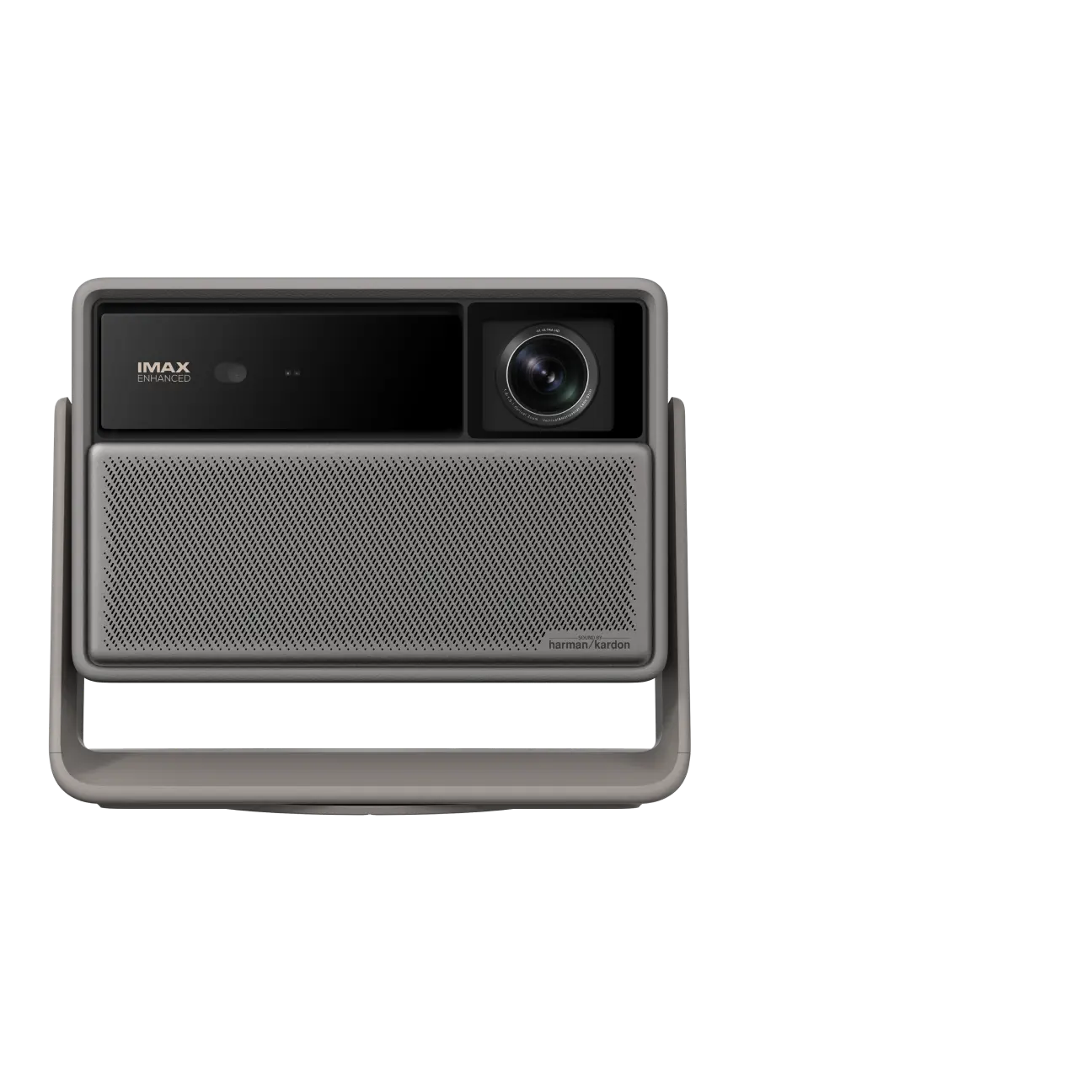
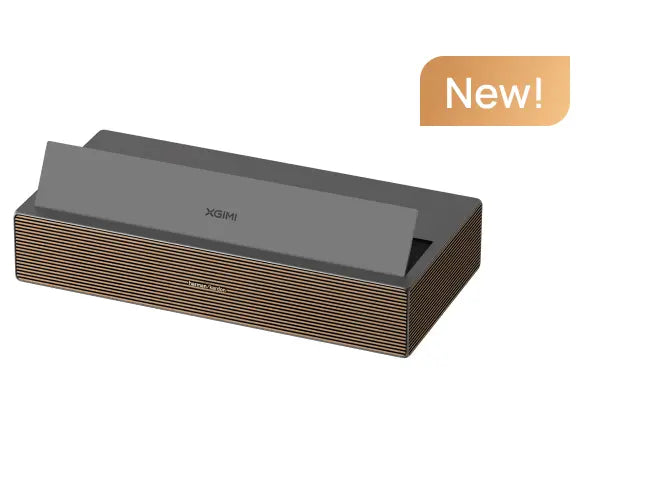
Certain specialized curved projection screens are designed with acoustic transparency or high-gain materials that maintain brightness better than entry-level flat alternatives. When paired with a high-lumen projector like the XGIMI HORIZON 20 Pro, these screens can deliver vibrant colors across the curve in controlled lighting.
Significant Drawbacks and Practical Challenges
Projectors and curved screens do not always pair cleanly. Because the distance from the lens to different parts of the screen varies, maintaining sharp focus across the entire image becomes difficult without advanced lens shift or motorized adjustment capabilities. Many consumer projectors rely on digital keystone correction, which can introduce artifacts or reduce resolution when compensating for a curved surface.
Brightness uniformity often suffers as well. The center of the curve is closer to the projector in many setups, appearing brighter, while the edges receive light at a more oblique angle, leading to noticeable falloff. Edge clarity can also degrade, creating a soft or slightly warped appearance that distracts during fast-paced gaming.
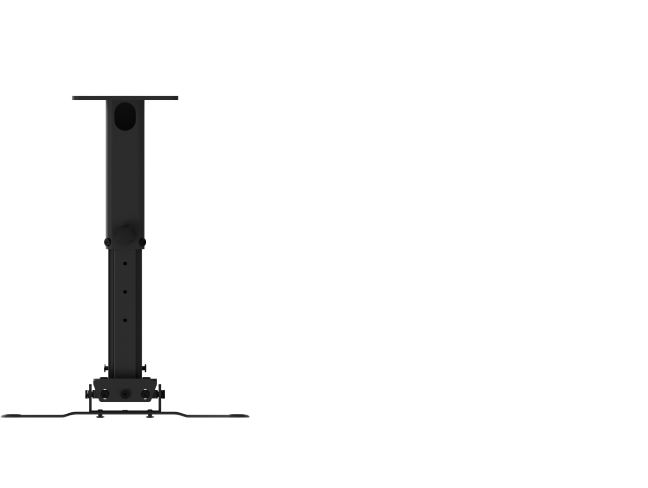
Installation complexity increases substantially. Curved screens typically require rigid frames or specialized mounting systems that are more expensive and less forgiving than flat screen setups. Adjusting the projector’s position, zoom, and focus to match the curve demands more calibration time and may require ceiling mounts or stands with greater flexibility. For renters or those with shared living rooms, this added hardware can be prohibitive.
Cost is another major factor. Quality curved projection screens often carry a premium over comparable flat models, and the total investment—including any necessary projector upgrades for better lens shift or throw ratio compatibility—can easily exceed expectations.
Which Game Genres Benefit Most
Sim racing and flight simulation games see the clearest gains from curvature. The wrap-around effect enhances the feeling of speed and spatial awareness, making it easier to judge turns or maintain orientation in virtual cockpits. Driving and flying titles that emphasize realism and long play sessions tend to benefit when the screen curve radius roughly matches the viewing distance.
In contrast, competitive first-person shooters, platformers, or multiplayer party games rarely justify the added complexity. These genres often prioritize pixel-perfect accuracy, fast response times, and uniform image quality over immersion. Any introduced distortion or focus inconsistency can hurt performance more than the curve helps.
General console or casual gaming falls in the middle. A larger flat screen or ultrawide monitor may deliver similar satisfaction without the projector-specific headaches.
How Setup Factors Influence Results
Curve radius, screen size, seating distance, and projector throw ratio all interact. A gentle curve (such as 2000R or higher) on a 120-inch screen viewed from 10–12 feet may introduce minimal distortion. Tighter curves on larger screens viewed closer can create noticeable geometric warping unless the projector is perfectly centered and has excellent lens shift.
Projectors with limited vertical lens shift or those using digital keystone struggle more with curved surfaces. Short-throw or ultra-short-throw models are especially sensitive to placement precision. As explained in guides on how throw ratio helps achieve the ideal screen size, understanding your projector’s throw characteristics is essential before committing to a curved screen.
Room lighting and screen material also play roles. Ambient light reduces the perceived immersion benefit while highlighting any uniformity issues. High-gain curved screens can help but often narrow the viewing angle further.
Curved Projector Screens for Gaming: Illustrative Trade-off by Scenario
Illustrative only: relative trade-offs, not measured data.
View chart data
| Series | Immersion gain | Distortion risk | Installation complexity | Cost burden |
|---|---|---|---|---|
| Sim racing / flight sim | 5.0 | 2.0 | 4.0 | 4.0 |
| FPS / competitive | 2.0 | 4.0 | 4.0 | 4.0 |
| General gaming | 3.0 | 3.0 | 3.0 | 3.0 |
Illustrative heuristic scoring only, based on the brief: curved screens tend to increase immersion most in racing/flight simulation use cases, while distortion, alignment sensitivity, installation complexity, and cost are practical drawbacks. Scores use a 1-5 relative scale and are not measured statistics.
How to Decide: Practical Checklist for Your Setup
Before purchasing a curved screen, run through these checkpoints:
- Game library audit: Do you primarily play racing, flight, or cockpit-heavy titles? If most of your time is spent in competitive or varied genres, a flat screen is usually the better choice.
- Projector compatibility: Does your projector offer optical lens shift, minimal keystone reliance, and sufficient brightness (at least 1500–2000 ISO lumens for larger screens)? Models from the XGIMI 4K Projectors collection with strong lens capabilities perform better in demanding setups.
- Room geometry: Can you mount the projector dead-center with consistent throw distance? Measure the variation in distance from lens to screen center versus edges—if it exceeds 10–15%, distortion risk rises sharply.
- Viewing distance: Is your seating position roughly 0.8–1.2 times the screen width? Tighter curves require closer seating to realize immersion benefits without warping.
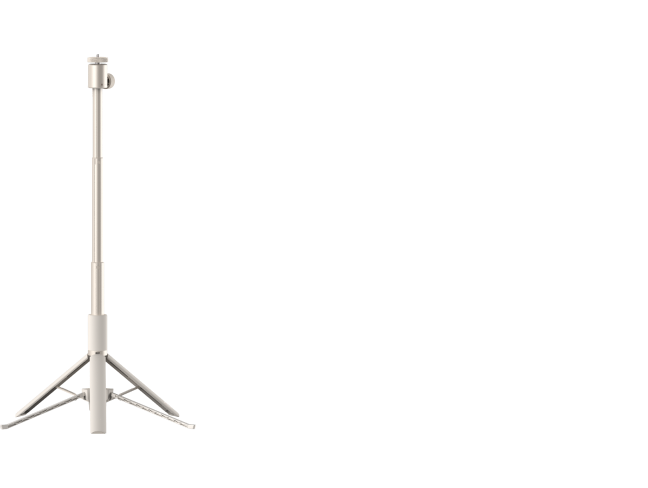
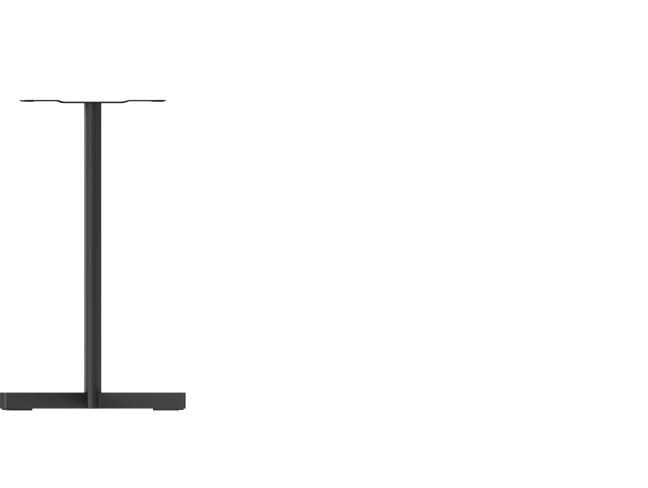
- Budget and installation tolerance: Are you prepared for custom framing, potential professional calibration, and 30–100% higher screen cost? Factor in extra stands or mounts from the XGIMI Accessories collection.
If three or more checkpoints raise concerns, stick with a quality flat screen or even a smooth painted wall for most gaming sessions.

Alternatives to Curved Projector Screens
Many gamers achieve excellent results with large flat screens, high-quality gray or ambient-light-rejecting materials, or even direct projection onto a flat wall with proper treatment. A bigger flat screen often provides more consistent focus and brightness while costing less and simplifying installation.
For those seeking ultrawide immersion without a projector, a large ultrawide monitor or multi-monitor setup with bezel compensation software can be more practical for desk-based sim racing. Portable or couch gaming setups, as covered in guides on best couch gaming projector setups, rarely benefit from curvature. For more on this topic, see Setting Up a Portable Gaming Station: Projector and Steam Deck Combos.
Understanding why projectors can appear sharp in the center but blurry at the edges helps explain why flat surfaces remain the default recommendation for most users.
Final Recommendation
Curved projector screens offer a specialized immersion upgrade that appeals most to dedicated sim racing and flight simulation enthusiasts with controlled rooms and compatible high-end projectors. For the majority of gamers, however, the added distortion risk, installation effort, focus challenges, and cost make a well-chosen flat screen the more sensible and satisfying option.
Test the concept if possible by projecting onto a flexible material temporarily curved before investing. Prioritize your specific games, room constraints, and projector model when deciding. In most cases, optimizing throw distance, brightness, and calibration on a flat surface delivers better overall gaming performance and enjoyment. For more on this topic, see How to Achieve Accurate Color Calibration When Projecting Reference....
This article discusses setup and comfort considerations for projector gaming only. It does not constitute technical advice for every environment. Results depend heavily on individual room conditions, projector specifications, and personal preference. Consult product manuals and consider professional installation for complex curved screen projects.


