




College students often crave a big-screen gaming experience but are stuck with cramped dorm rooms that leave little space for a traditional TV or bulky entertainment setup. A well-chosen portable or short-throw projector can deliver immersive gameplay on a 100-inch or larger screen while keeping your floor space clear and your setup easy to manage or store. For more on this topic, see The Pros and Cons of Using a Curved Screen for Projector Gaming. For more on this topic, see How to Fix Screen Tearing When Gaming on a Projector.

The key is matching the projector type to your exact room constraints, gaming habits, and dorm rules. When chosen correctly, these compact devices turn a small shared bedroom into a surprisingly capable gaming den without permanent installations or excessive clutter.
Why Traditional TVs Struggle in Dorm Rooms
Most dorm rooms measure around 10 by 12 to 15 by 15 feet, with shared furniture, bunk beds, and strict rules against wall damage or bulky items. A 65-inch TV requires a dedicated stand or mount, takes up valuable desk or floor real estate, and is heavy to move between semesters.
Projectors solve this by projecting onto an existing wall or a lightweight portable screen. You gain a massive image from a device that weighs just a few pounds and can often sit on a desk or shelf. This flexibility is especially valuable for first-year students and those in temporary housing who need to pack up quickly at the end of the year.
However, not every projector works equally well. Success depends on throw ratio (how close the projector can sit to the wall while producing a large image), brightness suitable for typical dorm lighting, input lag for responsive gameplay, and overall portability.
Understanding Throw Ratios: The Most Important Spec for Small Rooms
Throw ratio determines how large an image you can create from a given distance. In a dorm, you rarely have 10 to 15 feet of clear space, so models with lower throw ratios shine.
Standard portable projectors often have a throw ratio around 1.2:1. This means they need roughly 8 to 10 feet to produce a 100-inch image. Short-throw models, by contrast, can achieve the same size from just 3 to 5 feet away.
This difference matters in shared spaces where you cannot block walkways or constantly reposition gear. Short-throw options reduce shadow risks from people walking in front of the beam and make desk-based setups more practical.
As this official throw-ratio guide explains, short-throw projectors can produce a large image from close range, which makes them easier to fit into many small rooms.
Portable vs Short-Throw Projectors for Dorm Gaming
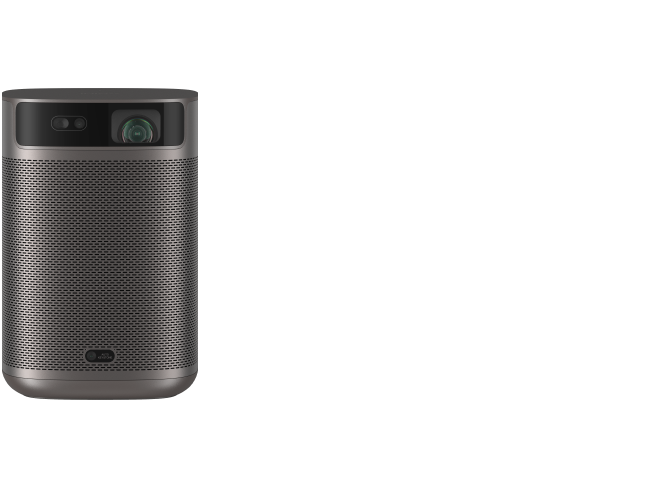
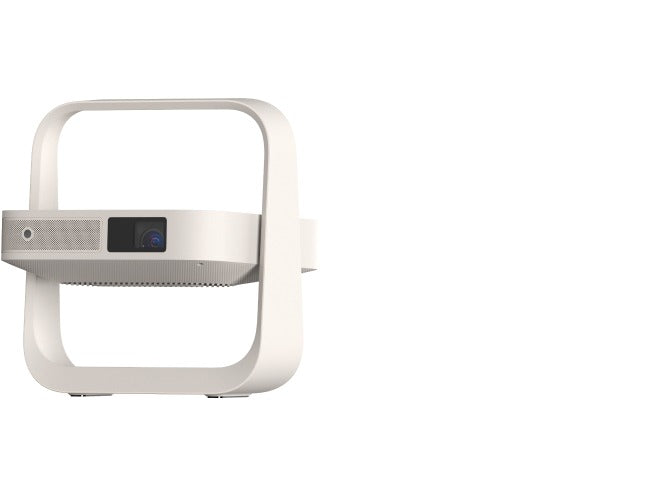
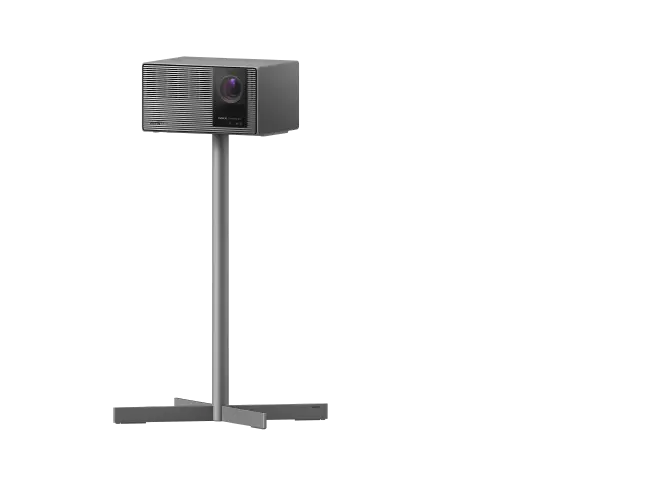
Portable projectors excel when you need flexibility. Battery-powered models like the XGIMI MoGo series or Halo+ let you move the setup between your desk, bed, or even a friend's room. They are lightweight, often include built-in speakers, and pack away easily to comply with roommate preferences or cleaning days.
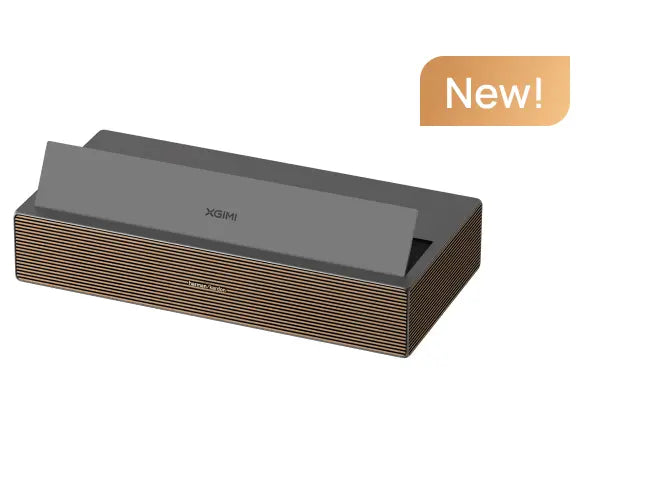
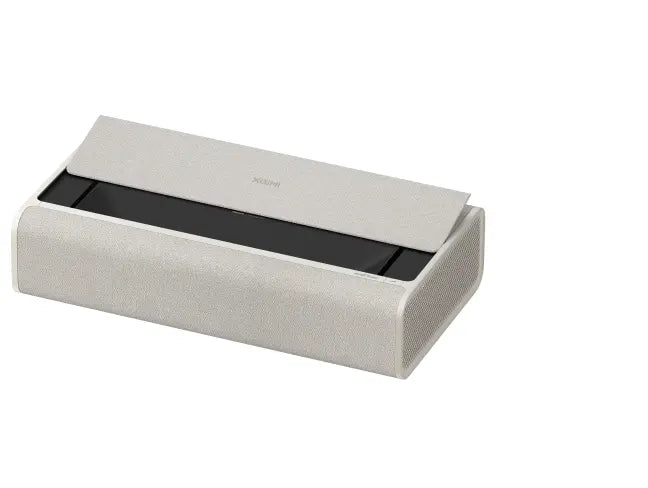
Short-throw projectors are better when you can dedicate a semi-permanent spot. They deliver bigger images with less distance, reducing the need to clear long projection paths. However, they tend to be slightly larger and may lack the same battery life for true on-the-go use.
The choice often flips based on your daily routine. If you must store the projector after each session or frequently rearrange furniture, prioritize portability. If your desk faces a clear wall and the projector can stay put, short-throw usually feels more convenient for daily gaming.
Here is an illustrative comparison of typical achievable screen sizes at common dorm distances:
Typical Achievable Screen Size by Distance and Throw Type
Illustrative comparison of dorm-friendly screen size potential at common throw distances.
View chart data
| Category | Portable (≈1.2:1) | Short-Throw (≈0.5:1) |
|---|---|---|
| 5 ft | 50.0 | 120.0 |
| 7 ft | 70.0 | 168.0 |
| 10 ft | 100.0 | 240.0 |
Illustrative model only. Screen width is approximated from throw distance ÷ throw ratio, then converted to diagonal assuming a 16:9 image. Portable uses a typical ~1.2:1 throw ratio; short-throw uses a typical ~0.5:1 throw ratio. Values are not measured product data and should be read as rough planning ranges for dorm-sized rooms, where gaming setup decisions also depend on input lag (<30 ms preferred) and brightness (about 300–700+ lumens in ambient light).
These numbers are rough planning estimates only. Actual results vary by exact model, zoom capability, and whether you project onto a wall or screen.

Gaming Performance Considerations
Responsive gameplay requires low input lag. Look for models with gaming modes that keep lag under 30 ms for competitive titles and under 50 ms for casual play. Many modern portable projectors now include dedicated low-latency settings that make them viable for consoles or PC gaming.
Our detailed guide on projector input lag and gaming performance covers how lag affects responsiveness and what to look for in 2026 models.
Brightness is another key factor. Dorm rooms often have windows or overhead lights that cannot be fully controlled. Aim for at least 300-500 lumens in darker conditions, or 700+ lumens if you game during daytime or in shared suites. Higher brightness helps maintain color vibrancy and contrast without a completely dark room.
Built-in speakers matter too. Look for Harman Kardon or similar quality audio to avoid extra speakers that add clutter. Many XGIMI models deliver surprisingly rich sound in small spaces.
Practical Dorm Setup Tips and Checklist
Before buying, run this quick self-audit:
- Measure the exact distance from your preferred projector spot to the wall.
- Test ambient light at your usual gaming times.
- Check dorm rules on wall projections, mounting, or power strips.
- Consider roommate tolerance for noise and light.
- Plan cable routing to keep things tidy.
For renter-friendly or drill-free setups, auto-keystone correction and screen fit features are lifesavers. They automatically adjust the image even if the projector is slightly off-angle.
Read our renter-friendly home theater guide for practical no-drill tips that translate perfectly to dorm life.
Place the projector on a stable desk or shelf rather than the floor to avoid kicks or dust. Use a lightweight portable screen or high-quality wall paint in a neutral color for best results. Keep cables minimal with wireless casting where possible.
For split-screen multiplayer or couch gaming, position the projector to maximize viewing angles without hot spots. Our couch gaming projector setups article offers useful layout ideas adaptable to dorm beds and futons. For more on this topic, see Couch Co-Op Revival: Why Projectors Are Perfect for 4-Player Split-....
Recommended Projector Types for Students
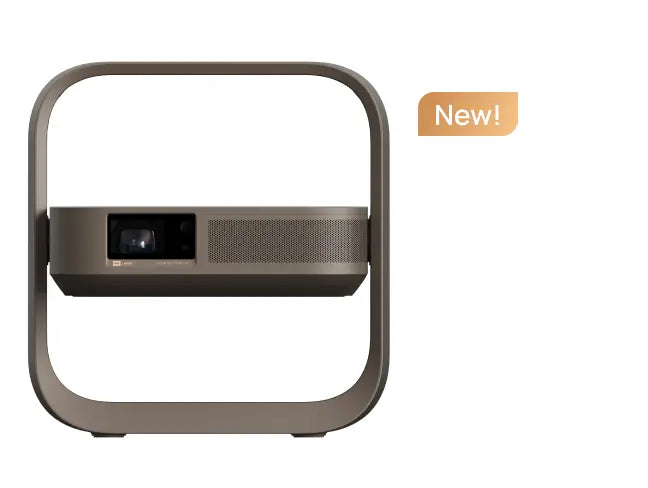
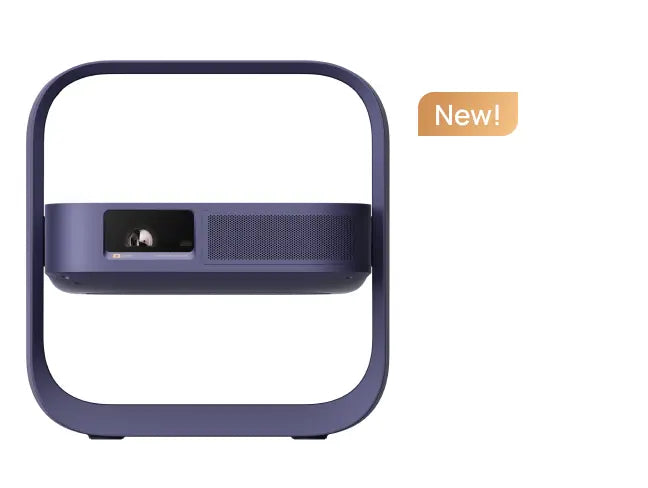
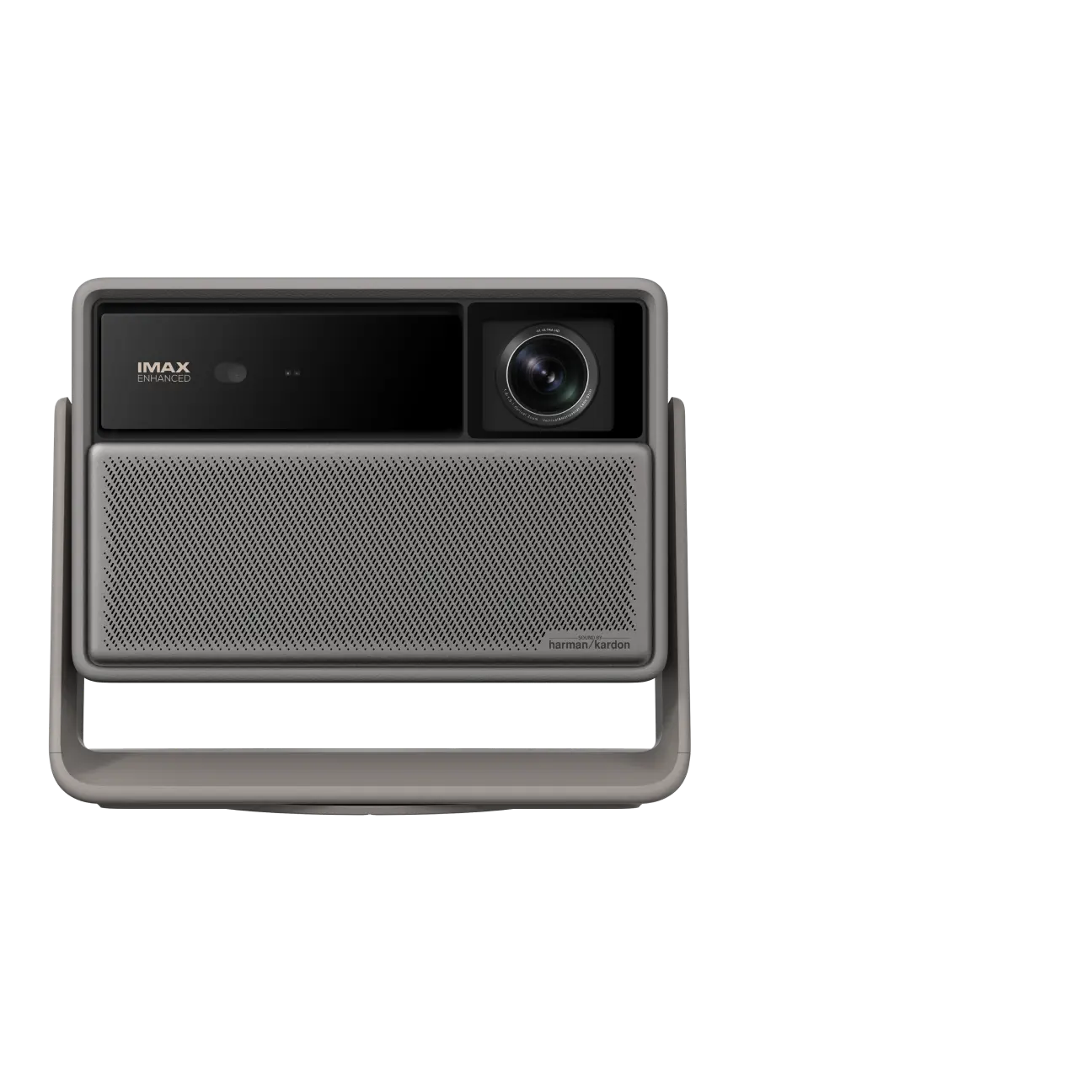
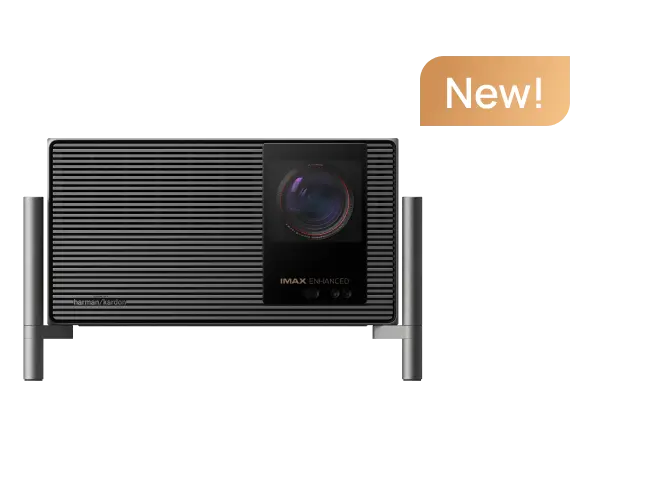
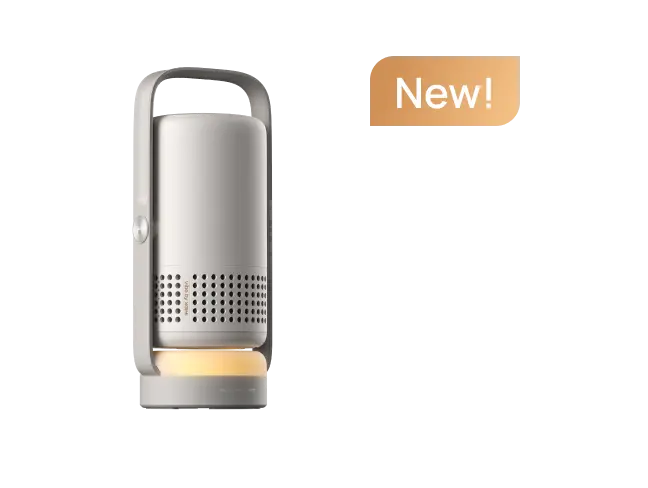
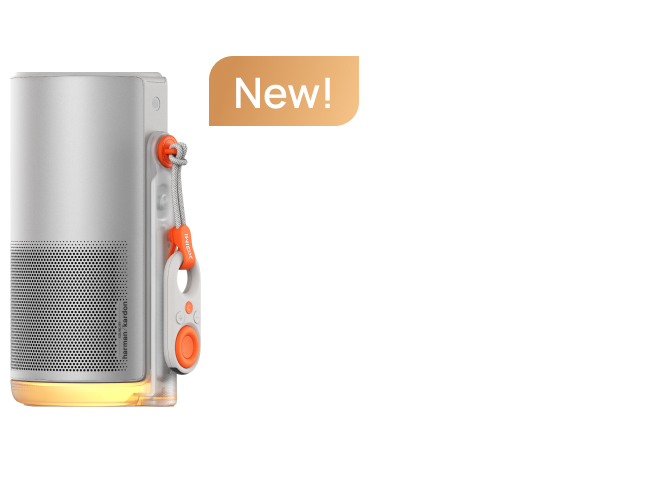
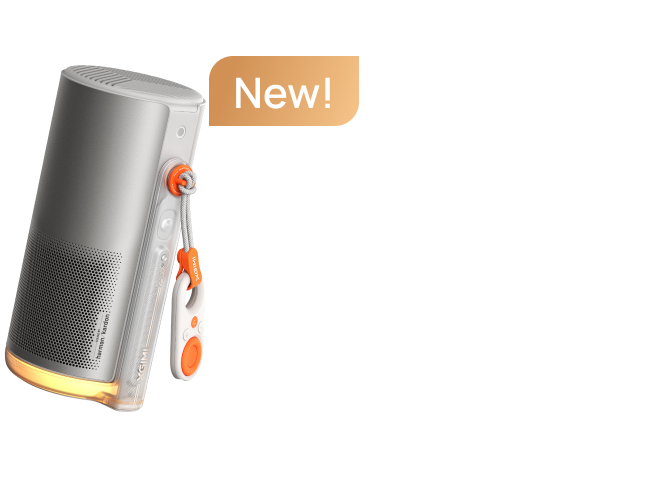
Portable options such as the MoGo 4 or Halo+ (New) are excellent for students who value mobility. These battery-powered units support Google TV, Netflix, and low-lag gaming while fitting easily into a backpack.
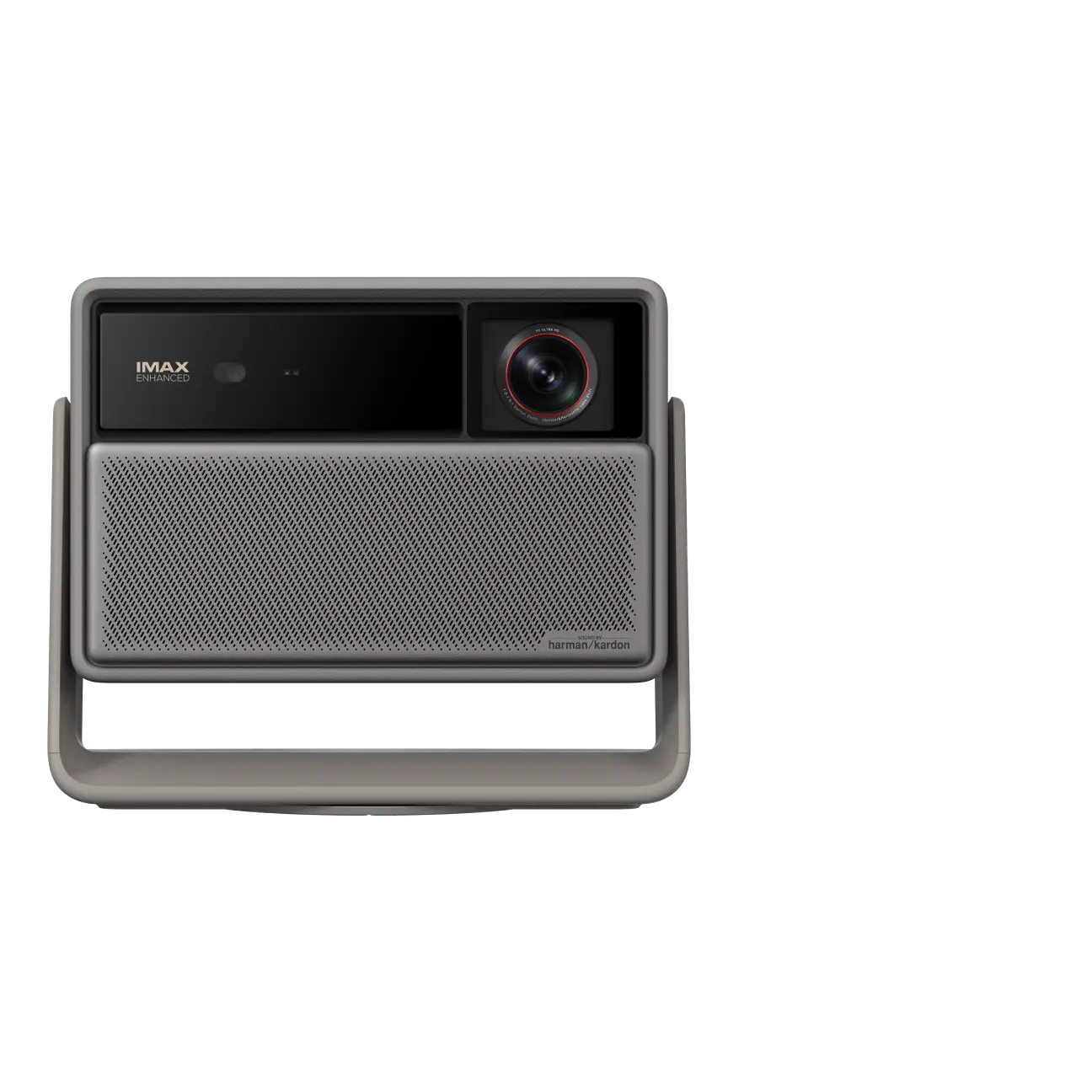
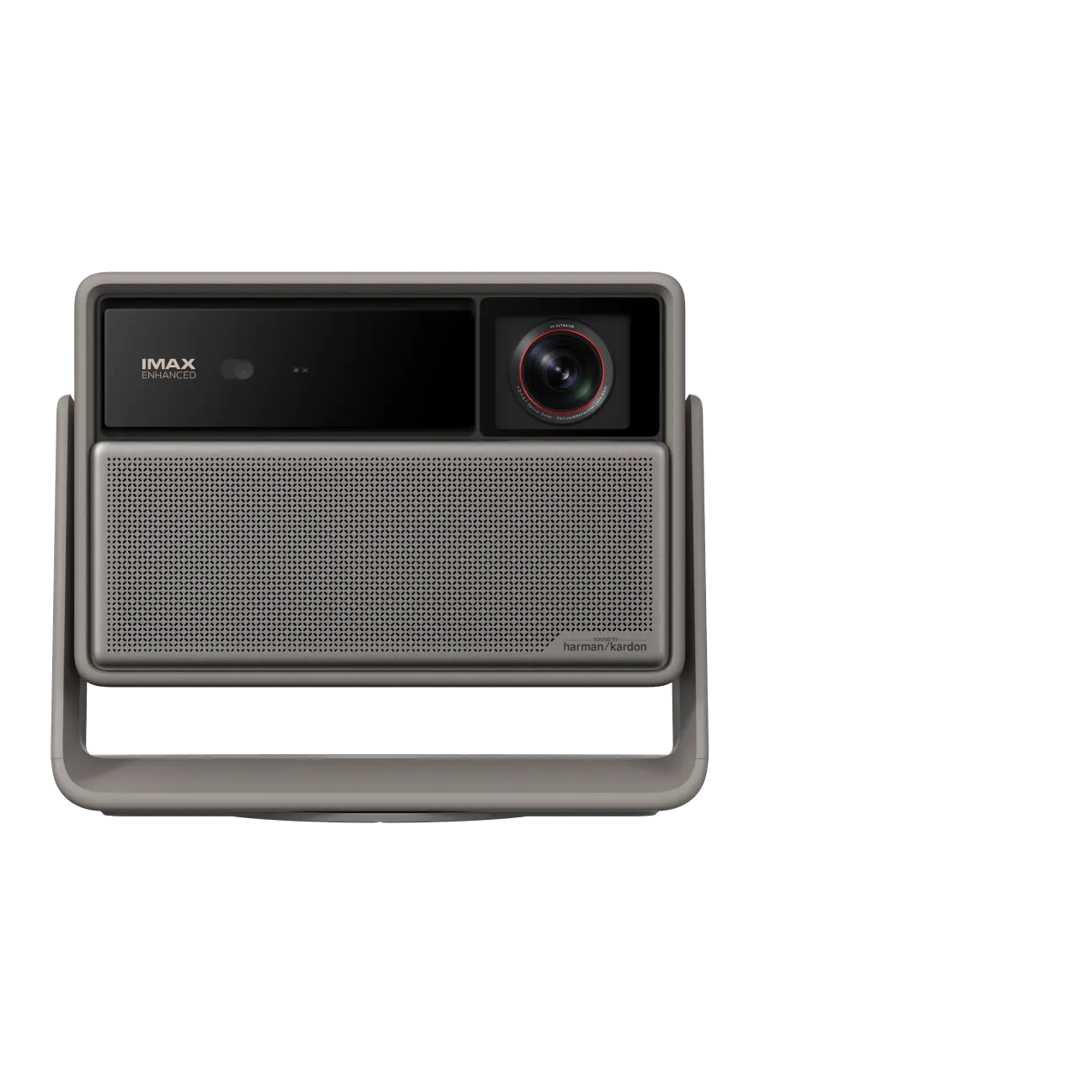
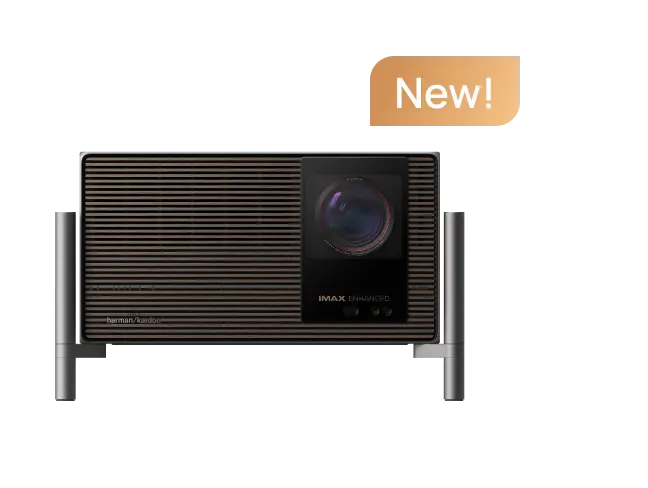
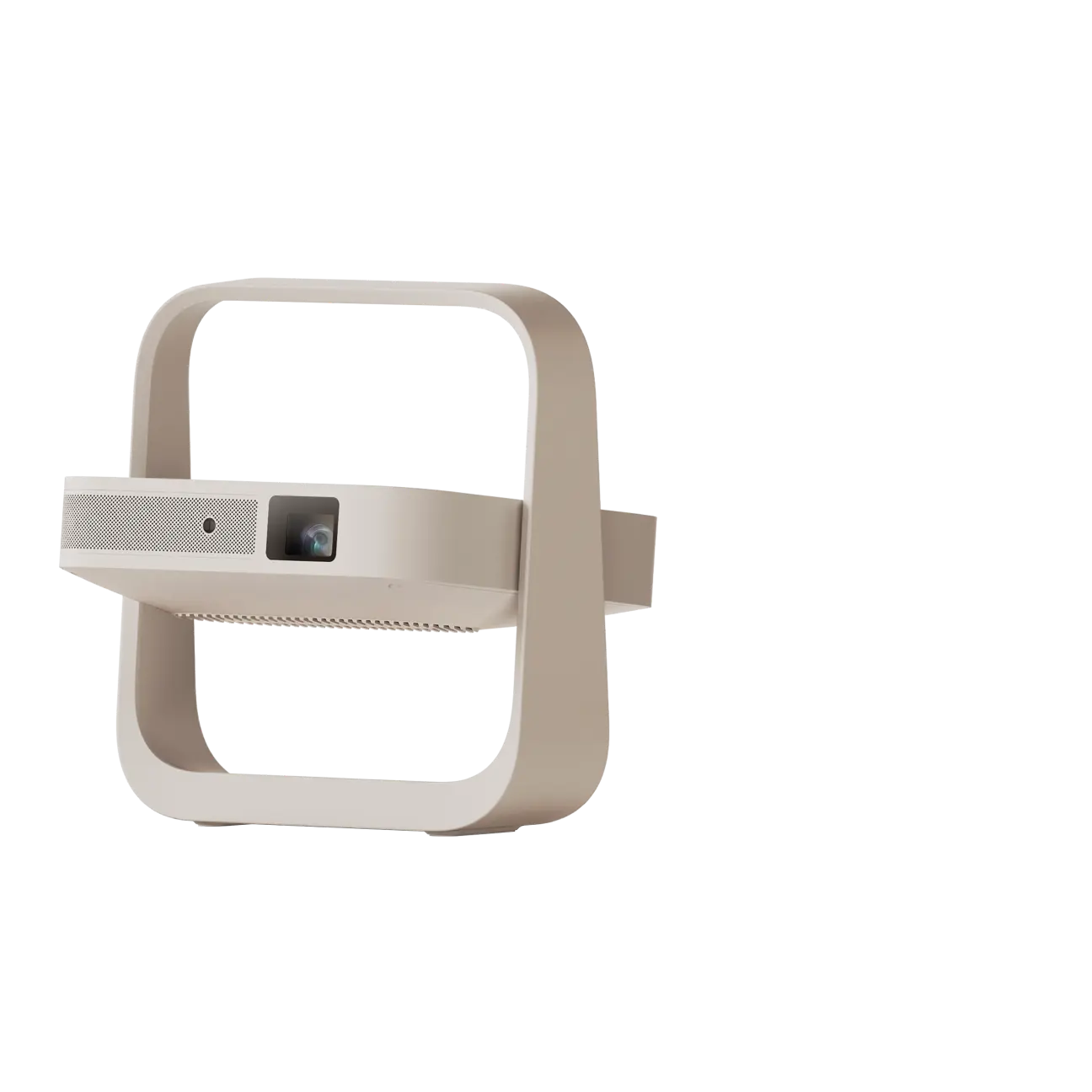
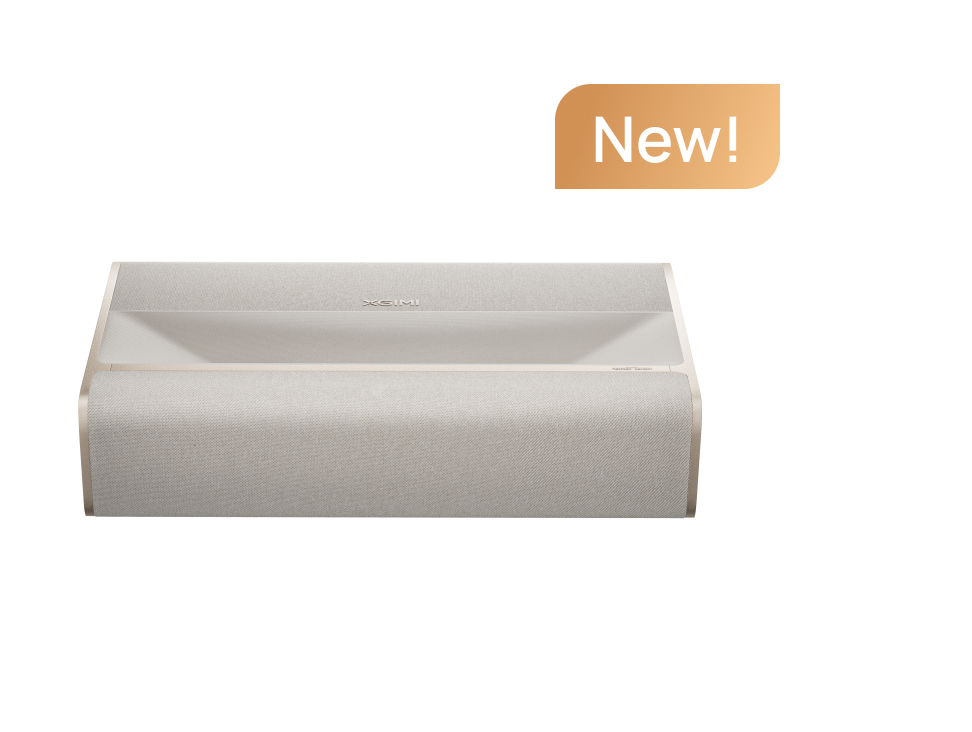
The Elfin Flip Plus or similar compact models add more lumens and smart features without sacrificing portability. For slightly more permanent desk setups, consider short-throw models from the AURA 2 (New) line if your budget and space allow.
Explore the full Portable Projectors collection or MoGo Series to find options that match your needs. Many come with student-friendly pricing or bundles.
If you prefer bedroom-focused guidance, check the ultimate guide to bedroom projectors for additional cozy setup advice.
Common Myths About Dorm Projector Gaming
Myth: Any bright projector works great for gaming in a dorm. Reality: Brightness alone does not guarantee smooth play. Input lag, placement stability, and light control often matter more in daily use.
Myth: Short-throw projectors are always the best choice for small rooms. Reality: They help with distance but still require careful alignment and may not suit highly mobile lifestyles.
Myth: You need a completely dark room for a usable image. Reality: Modern projectors with decent lumens can perform well in dimmed conditions, though results vary by model and wall color.
When a Projector May Not Be the Right Choice
Skip the projector route if you cannot control ambient light at all, need instant on/off convenience every session, or are extremely sensitive to even moderate input lag. In those cases, a high-refresh monitor on your desk may deliver a simpler, more consistent experience. For more on this topic, see 120Hz Projectors: Do You Need High Refresh Rate for Gaming?. For more on this topic, see Projector vs Gaming Monitor: Size, Lag & Immersion.
Also reconsider if your dorm has very reflective walls, constant foot traffic in the projection path, or strict rules against any wall use. A portable setup still requires some planning.
Final Setup Advice for Maximizing Your Dorm Gaming Experience
Start small: test with a budget portable model to learn your room's quirks before investing more. Focus first on throw distance and lag, then refine with brightness and audio. Take advantage of auto-focus and keystone features to minimize daily adjustments.
With the right choice, you can enjoy console, PC, or cloud gaming on a screen far larger than any dorm-friendly TV while keeping your space livable and compliant. The setup remains portable enough to take home during breaks or to a future apartment.
Remember this article discusses comfort and practical setup advice only. It does not constitute technical, medical, or safety advice. If you experience eye strain, headaches, or other discomfort during use, take regular breaks and consult a qualified professional. Projector performance depends heavily on your specific room conditions, lighting, and chosen model.
Check your exact measurements, test lighting at different times of day, and verify dorm policies before purchasing. This helps ensure your big-screen gaming dreams become a practical daily reality rather than a source of frustration.


