
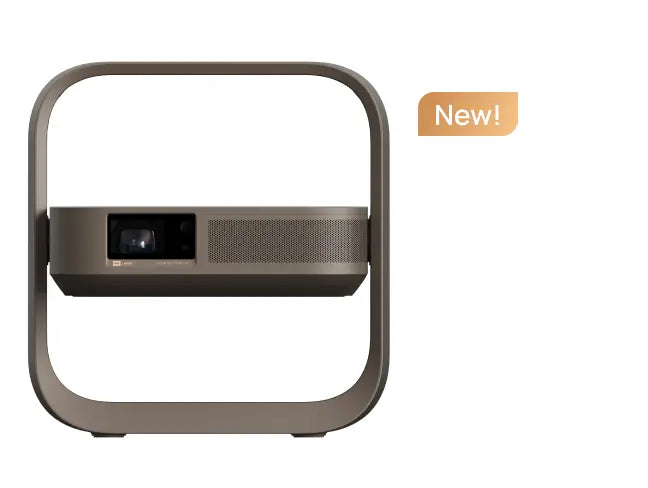
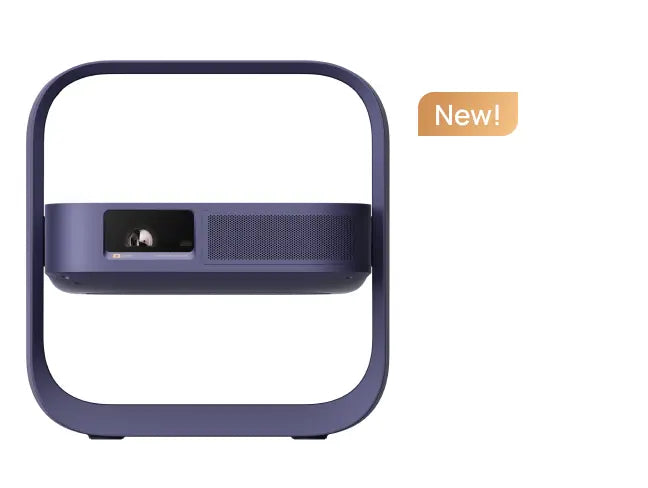
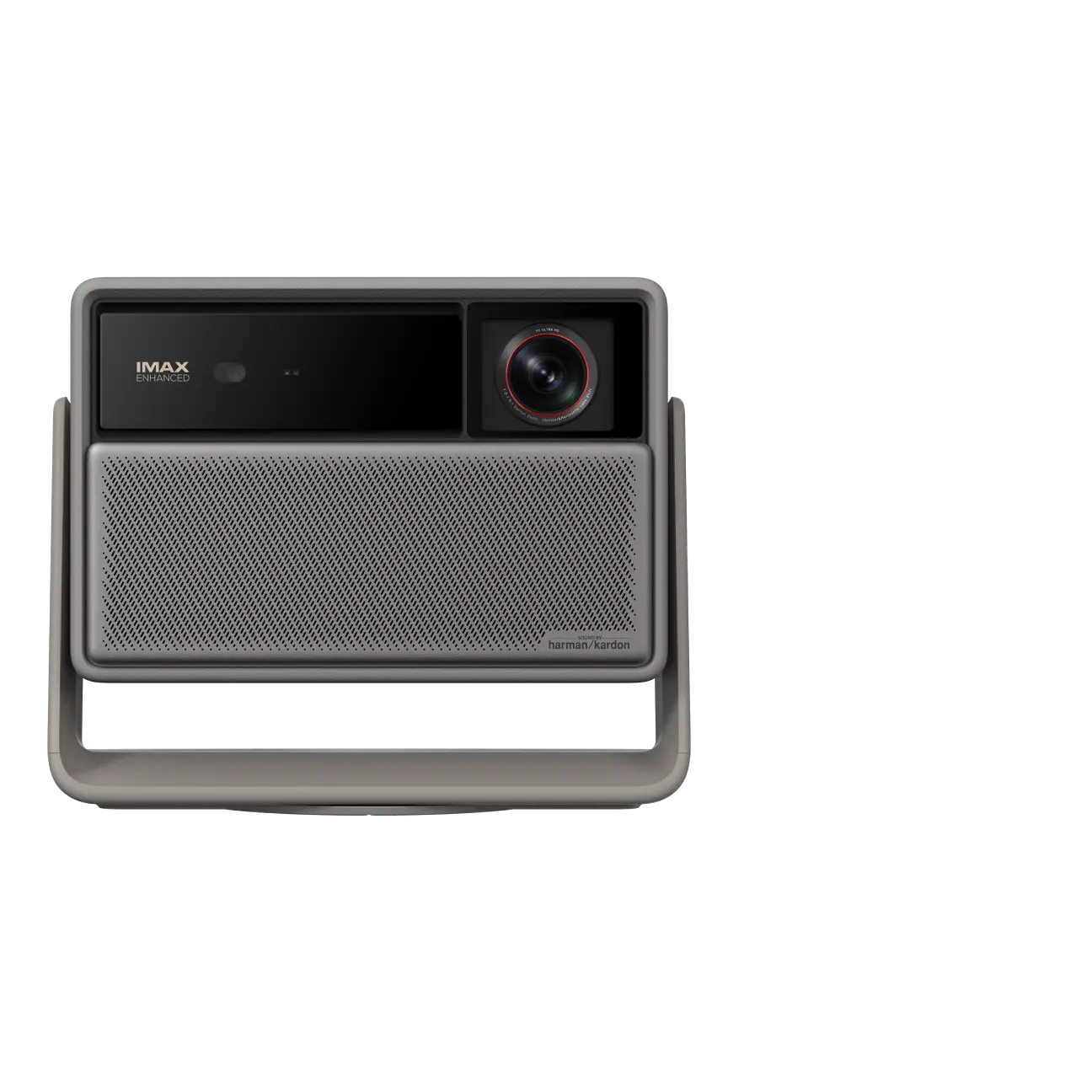
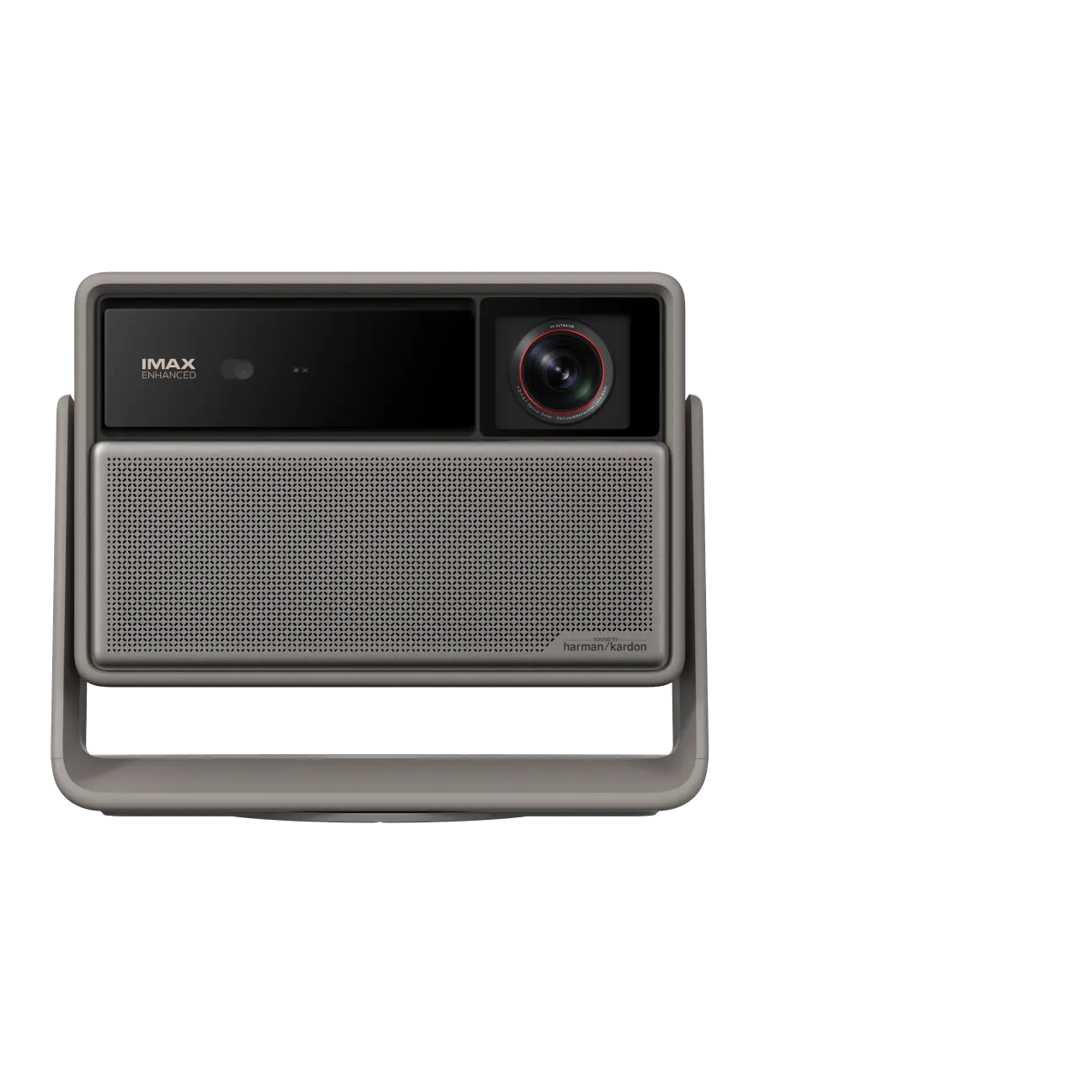
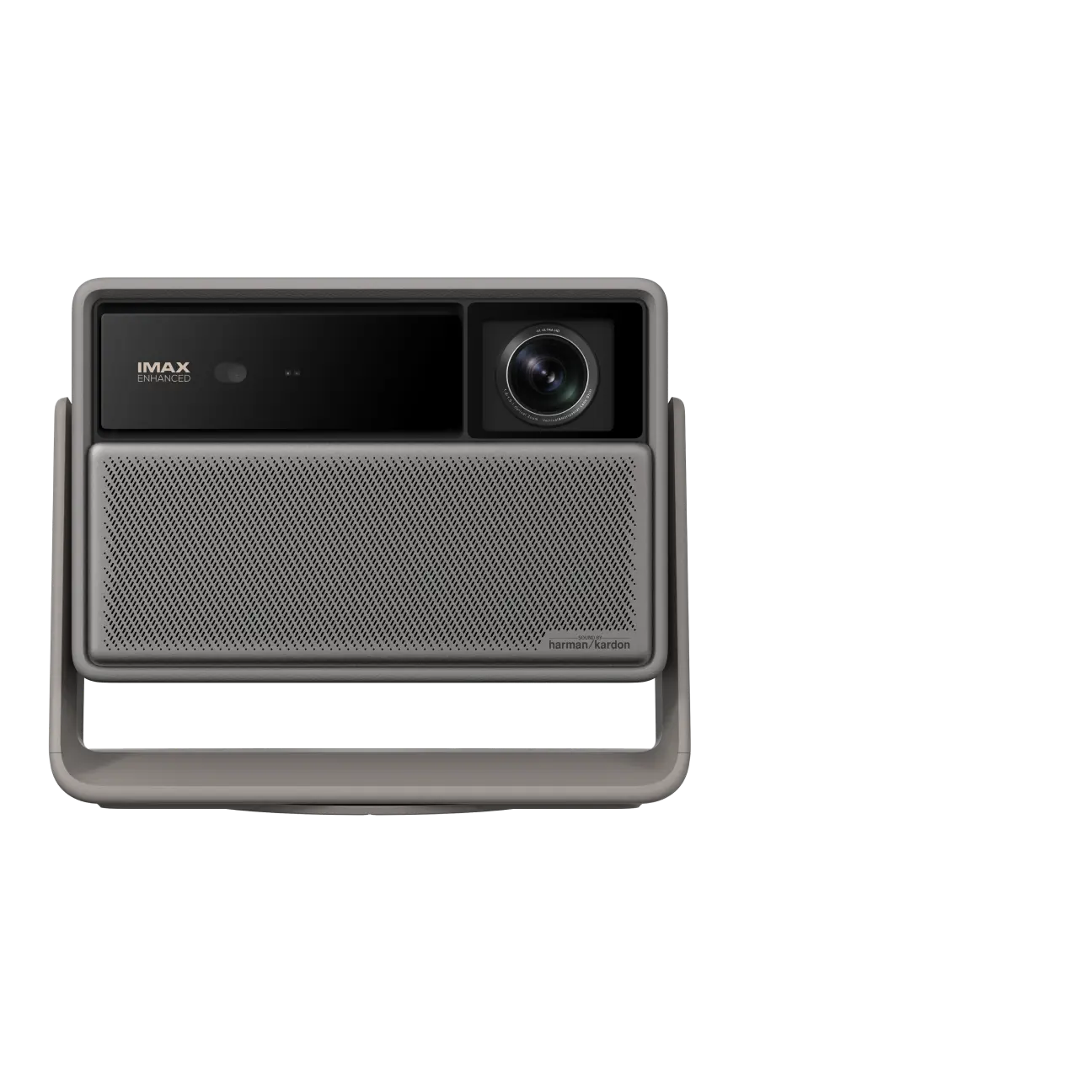
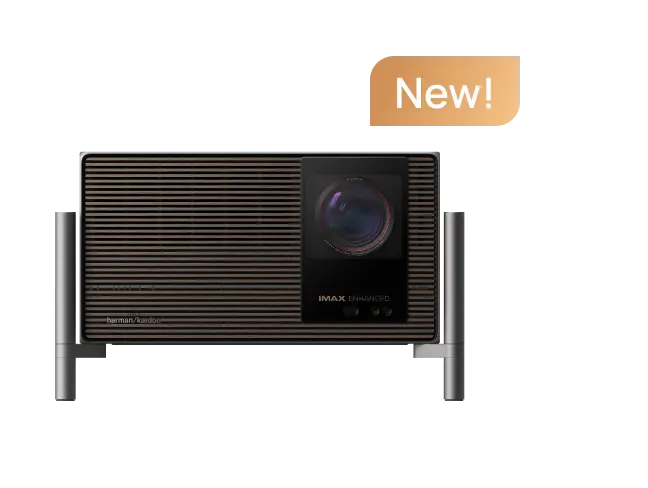
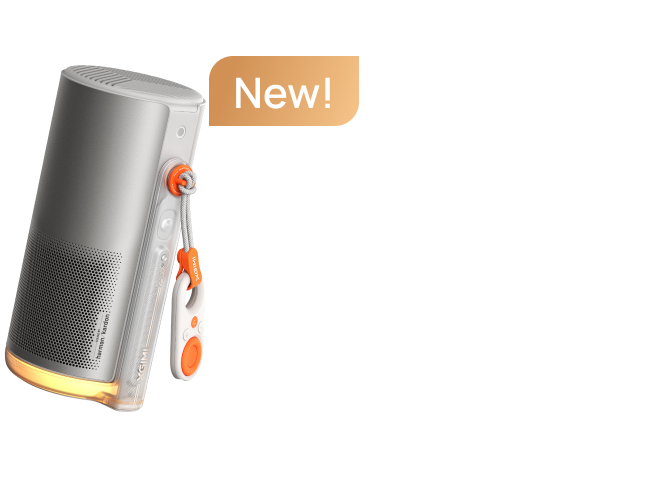
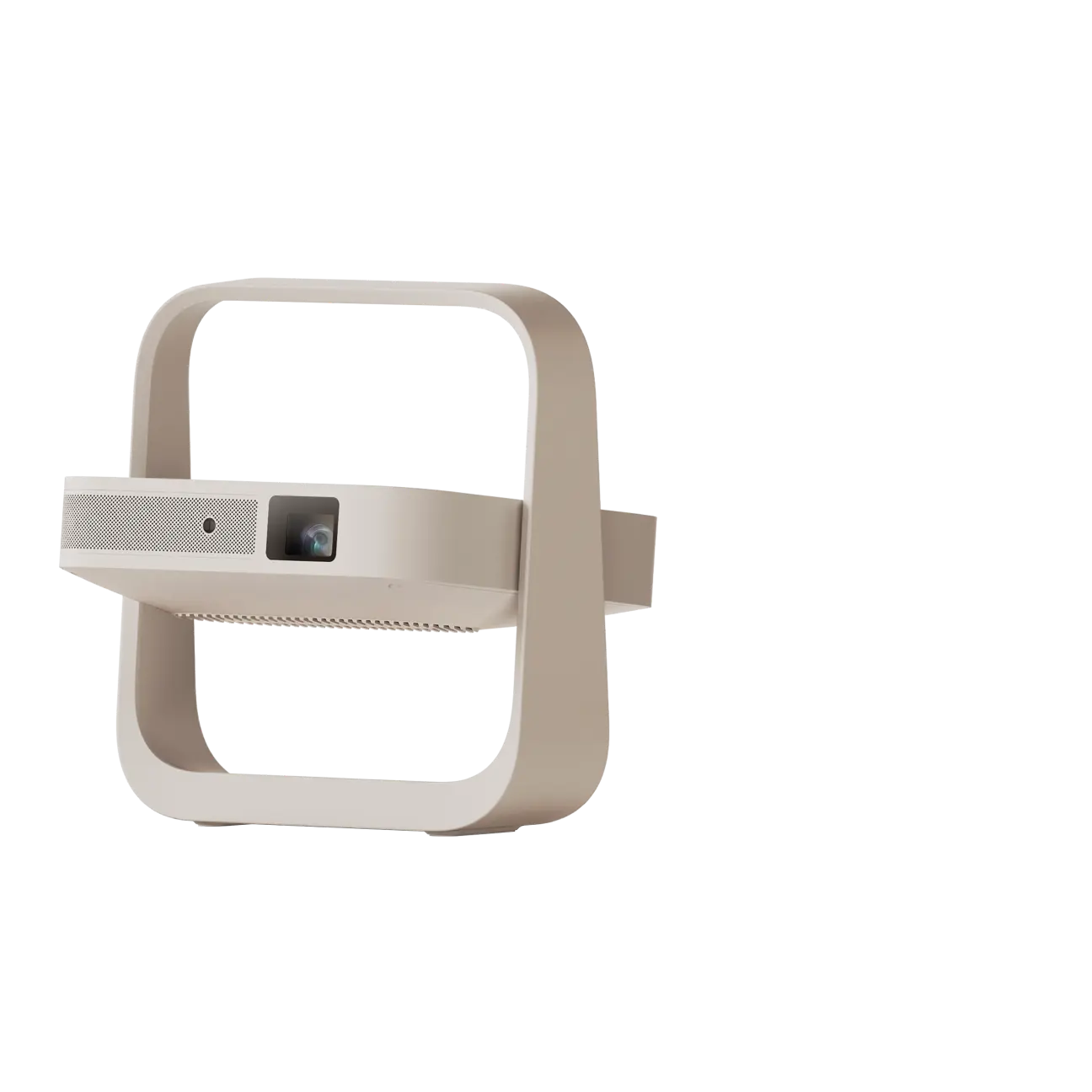
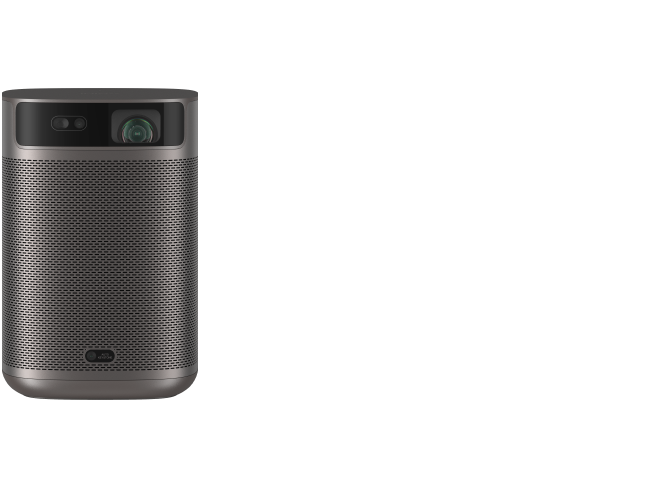
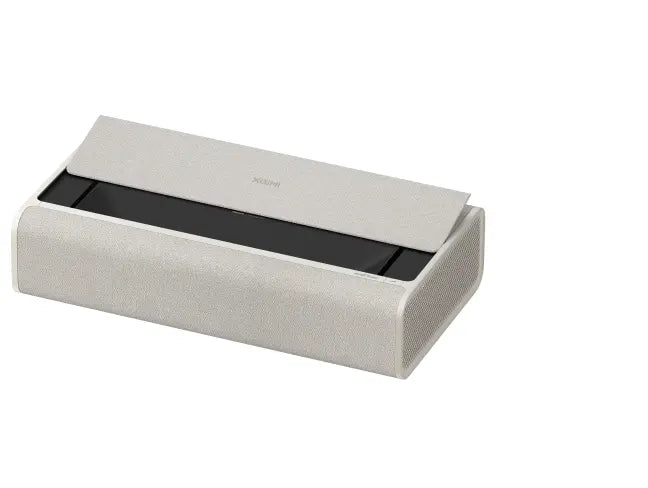
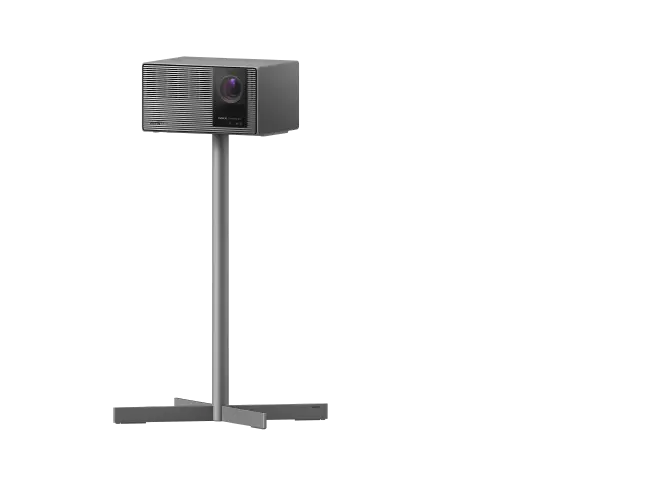
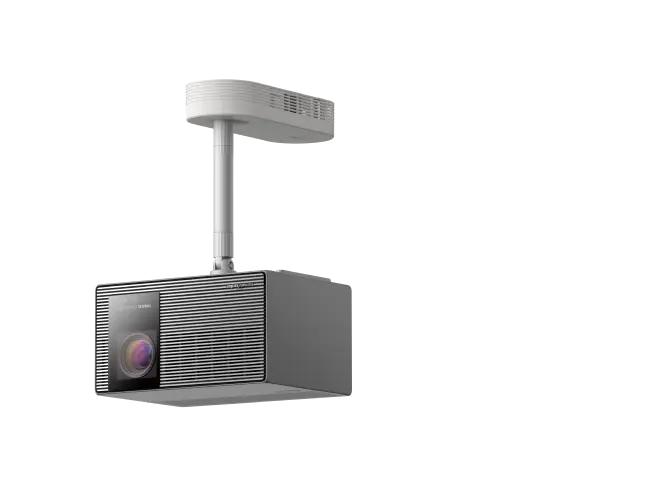





Nothing beats gathering on the couch with friends or family for a split-screen multiplayer session on a massive projected screen. A well-chosen couch gaming projector setup brings back the joy of local co-op like Mario Kart or party games on a 100-inch or larger display, making every player feel immersed while keeping the action readable and responsive from typical living room seating. For more on this topic, see Sim Racing on a 100-Inch Screen: The Ultimate Projector Setup Guide.

The key is balancing low input lag, sufficient brightness for your room's ambient light, and the right image size so that split-screen UI elements remain clear without forcing players to squint. This guide walks through practical setups for living room or family room gaming, helping you avoid common pitfalls like motion blur, washed-out colors, or frustrating latency in social play.
Why Split-Screen Gaming Feels Different on a Projector
Split-screen multiplayer adds unique demands compared to single-player or movie watching. Each player gets roughly half the screen, so the projected image must stay large enough for menus, scores, and character details to remain legible from couch distances—often 8 to 15 feet. At the same time, fast-paced games make even small delays or blur noticeable, and ambient light in shared living spaces can quickly flatten contrast and colors.
As this official brightness standards reference explains, real-world performance depends heavily on your environment rather than peak marketing numbers. For couch co-op, prioritize setups that maintain clarity and responsiveness under typical family room conditions rather than chasing maximum cinematic specs alone.
Don't Buy If: Quick Filters for Couch Gaming Setups
Before comparing models, rule out poor fits to avoid regret. Skip a projector for split-screen couch gaming if your living room stays bright during play and cannot be easily darkened, as ambient light often makes colors look washed out and reduces contrast needed for game details.
Avoid setups requiring indirect connections such as wireless adapters or extra devices, since these can add noticeable lag in timing-sensitive multiplayer. If your couch seating is too far back for the planned screen size, split-screen text and HUD elements may become hard to read without leaning forward.
Finally, if players are highly sensitive to delay in competitive or reflex-based games, a non-gaming-oriented projector may frustrate more than it entertains. These exclusions help focus on practical room and usage realities rather than impressive specs alone.
Scenario Matrix: When the Best Setup Changes
The ideal couch gaming projector setup flips depending on your room and play style. In a bright living room used for daytime or casual party gaming, brightness and larger image size become more critical because split-screen UI and labels get harder to read under ambient light. In a darker, controlled room for regular family nights, low input lag and consistent viewing angles take priority since responsiveness stands out once basic visibility is achieved. For more on this topic, see Projector Gaming in a Dorm Room: Maximizing Space and Screen Size.
For wide couch seating with players spread out, prioritize good off-axis performance and sufficient screen size so edge positions don't lose clarity. In tight apartment setups with closer seating, a clearer but moderately sized image paired with minimal latency often works better than pushing for the absolute largest projection. Family game nights with mixed ages benefit most from readability and simple audio over maximum immersion, while competitive couch sessions demand low lag even if brightness is only moderate.
Portable or shared-space setups shift emphasis toward quick connectivity and forgiving brightness since setup friction determines whether the projector gets used at all. This practical matrix helps match your specific target scene—whether weekend co-op, family nights, or local parties—to the right priorities.
Practical Thresholds and Buyer Checklist
Readers need clear judgment boundaries rather than vague advice. For input lag, prioritize projectors marketed or tested for gaming performance, aiming for configurations that feel responsive in fast multiplayer—typically those with dedicated low-latency modes. Brightness should scale with your room: higher levels help maintain visibility during social or daytime sessions where ambient light is harder to control.
Screen size needs to be large enough that each half of the split-screen stays legible from your couch distance rather than just looking impressive. A quick self-check is whether you would need to lean forward to read typical game UI—if so, the combination of size and distance is likely insufficient. Seating distance should match the projection so players aren't too far for details or too close for comfort.
Use this operational checklist before buying:
- Can the room be dimmed during play?
- Can the console connect directly via HDMI without extra processing?
- Will the projected image keep split-screen text readable from all couch positions?
- Does the brightness level suit your typical lighting and number of players?
- Is audio routing simple and immersive without adding latency?
These checkpoints translate abstract factors into executable decisions for your living room.
Practical Priority Guide for Couch Gaming Projector Setup
Illustrative relative importance across common split-screen couch gaming scenarios; not measured rankings.
View chart data
| Category | Room control | Direct HDMI path | Legibility distance | Brightness |
|---|---|---|---|---|
| Bright room / daytime | 5.0 | 3.0 | 3.0 | 4.0 |
| Dark room / controlled light | 5.0 | 5.0 | 4.0 | 5.0 |
| Long couch distance / UI-heavy game | 3.0 | 4.0 | 5.0 | 4.0 |
| Mixed social play / convenience-first | 4.0 | 3.0 | 3.0 | 4.0 |
Illustrative heuristic scores based on practical gaming setup guidance: ambient light control and direct HDMI are prioritized first, UI legibility at couch distance comes next, and brightness matters more in bright or social/daytime rooms. Scores are relative only, not measurements.
How to Choose a Projector with Low Input Lag and Smooth Motion
For responsive split-screen play, focus on models offering low input lag in gaming or low-latency modes. This minimizes the delay between controller input and on-screen action, which feels especially important when multiple players react simultaneously. Pair this with good motion handling to reduce blur during fast movements common in sports, racing, or party games.
Modern consoles benefit from direct HDMI connections and features like ALLM when available, avoiding unnecessary video processing that adds latency. Test your planned setup with simple direct paths first, as this projector input lag guide highlights how even small delays impact gameplay feel.
Achieving Readable Split-Screen on a Large Image
A larger projected image helps make split-screen sections feel fair and visible from the couch, but size must match your seating distance. Aim for a screen large enough that each player's portion keeps text, icons, and scores clear without becoming soft or pixelated. This often means 100 inches or more in typical living rooms, but always verify legibility from all seats rather than measuring diagonally alone.
The hidden tradeoff is that pushing for maximum size can expose motion blur or make UI scaling issues more obvious if the projector lacks sharp optics. Choose content-aware scaling and test with your favorite multiplayer titles to ensure oversized UI doesn't become a problem.

Optimizing Your Living Room for Viewing Angles and Seating
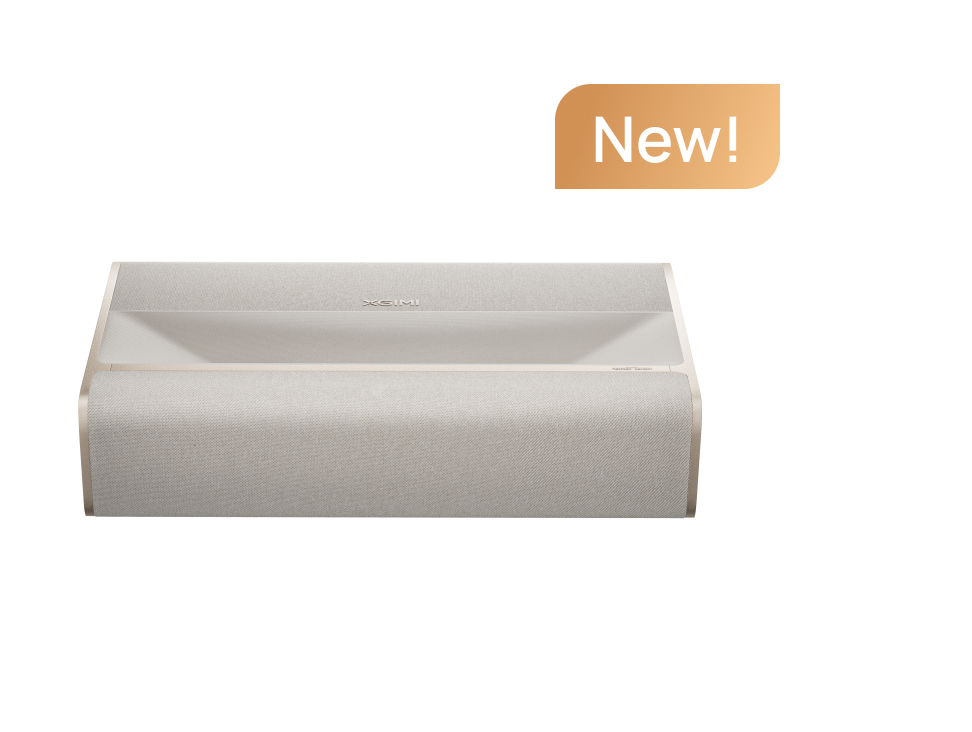
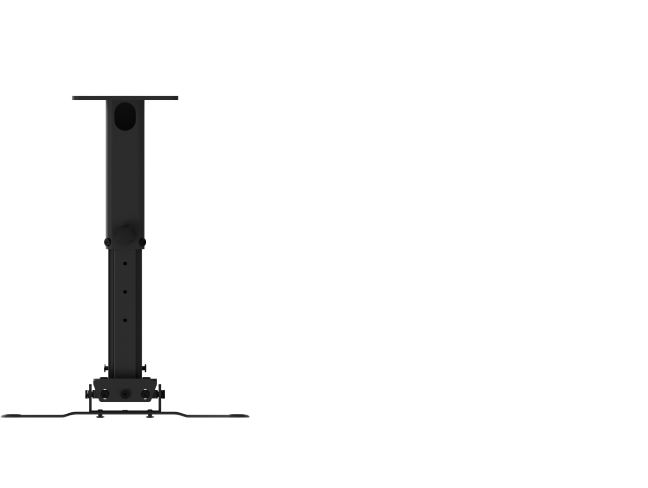
Couch co-op succeeds when everyone has a comfortable line of sight without color shift or distortion. Position the projector and screen (or wall) so the couch sits centered within the optimal throw and viewing cone. For shared family rooms, consider short-throw or ultra-short-throw models that allow flexible placement without sacrificing image quality.
Adjust seating slightly closer than movie-watching distance to improve split-screen readability. Add subtle room treatments if needed to control reflections, but keep the setup simple enough for quick game nights. This layout planning turns a basic living room into an effective multiplayer space.
Balancing Brightness, Contrast, and Ambient Light
Ambient light remains one of the biggest challenges for living room gaming. Choose projectors with enough brightness to combat typical household lighting during social gatherings, as lower output can make colors appear flat and details hard to distinguish in split-screen views.
Higher lumen ratings help maintain contrast when the room isn't fully darkened, though exact needs depend on your walls, time of day, and number of players. For daytime or well-lit parties, prioritize models that perform well in moderate ambient conditions rather than assuming perfect darkness. The brightness reference linked earlier provides useful benchmarks for different environments.
Console Connectivity and Minimizing Latency
Connect modern consoles using the simplest direct HDMI route possible to reduce processing delays. Avoid receivers or switches that introduce extra lag unless they specifically support gaming features like VRR. Many current projectors include multiple HDMI ports with eARC for audio, allowing clean integration with soundbars or home theater systems without compromising responsiveness.
Test the full chain with your specific console and games, as stable performance matters more than peak specs in party settings. This approach prevents common issues where the setup works for movies but feels off during fast multiplayer action.
Audio, Immersion, and Avoiding Common Pitfalls
Good sound enhances couch co-op without adding complexity. Built-in speakers can suffice for casual play, but pairing with a soundbar or simple surround setup improves immersion for everyone on the couch. Route audio directly where possible to avoid sync problems.
Watch for motion blur in fast games by enabling any game-specific picture modes. Prevent washed-out colors through proper brightness and contrast calibration for your room. Finally, check that game UI scales appropriately on large projections—some titles benefit from in-game adjustments to keep split-screen elements from feeling too small or oversized.
Recommended Projector Setups for Different Rooms
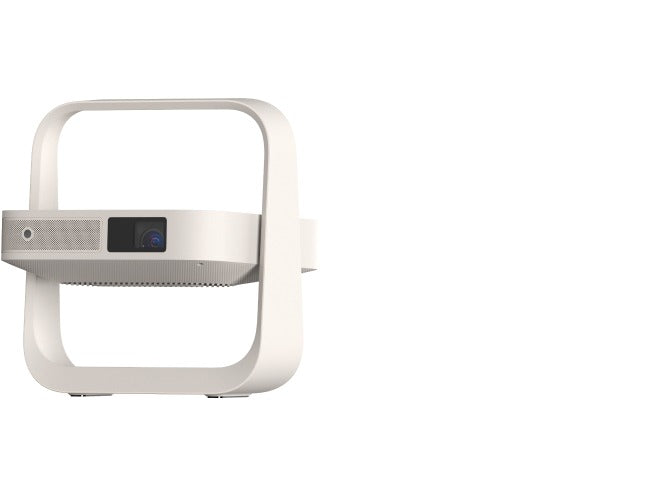
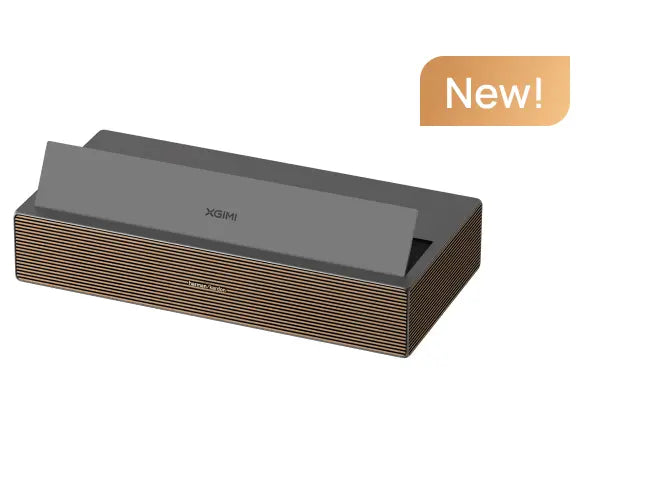
For standard living rooms, versatile home projectors with solid brightness and low-latency options work well for mixed family use. Ultra-short-throw models shine in spaces where rear placement is difficult, delivering large images from close range while keeping the couch area clear.
Portable options add flexibility for apartment parties or moving between rooms, though they may trade some peak performance for convenience. Look for models that combine reasonable brightness, gaming-friendly lag, and easy setup for spontaneous game nights. Check dedicated buying guides for current top choices suited to console multiplayer.
Setting Up for the Best Couch Co-op Experience
Start with room assessment: measure your couch distance and typical lighting, then select image size accordingly. Mount or place the projector for straight-on projection to maximize sharpness across the split-screen. Connect consoles directly, calibrate picture settings in a game mode, and test with actual multiplayer titles to fine-tune.
Add simple seating adjustments or a pull-down screen if wall color affects image quality. Focus on usability so the setup encourages regular use rather than becoming a complicated project. With these steps, your living room can deliver memorable split-screen sessions that feel responsive and fun for all players.
This article offers setup and buying guidance only and does not constitute technical measurement or medical advice. Projector performance depends heavily on your specific room, content, and equipment. If you experience persistent eye strain or discomfort during use, consult a qualified professional. Actual results vary based on individual setup conditions and device capabilities.


