



Pairing a Steam Deck or ROG Ally with a portable battery-powered projector lets you enjoy your full PC game library on a big screen almost anywhere. The key is choosing gear that keeps input lag low, provides enough brightness for the environment, and supports reliable off-grid power so the setup stays truly portable rather than frustrating.

Many gamers want the big-screen thrill without hauling a TV or monitor. A well-matched projector and handheld combo can deliver that in hotel rooms, campsites, dorms, or backyards. Success depends on understanding connection methods, managing battery life, and selecting a projector with gaming-friendly performance rather than chasing the highest specs. For more on this topic, see The Pros and Cons of Using a Curved Screen for Projector Gaming. For more on this topic, see Projector vs Gaming Monitor: Size, Lag & Immersion.
Why Portable Projectors Work Well with Handheld PCs
Steam Deck and ROG Ally output video over USB-C with DisplayPort alt mode, making them compatible with many modern projectors. You can connect directly via USB-C to HDMI adapters or use a dock for more stable charging and video output. This flexibility turns these handhelds into versatile big-screen gaming machines that fit in a backpack.
Portable projectors have improved dramatically in recent years. Models with built-in batteries, auto-focus, and low-latency modes now handle gaming better than older options. When paired correctly, they deliver 60-inch or larger images from just a few feet away, perfect for temporary setups where space is limited.
The real advantage appears in scenarios where traditional displays aren't practical. Campers avoid carrying bulky screens, travelers gain entertainment in small hotel rooms, and students create immersive gaming corners without permanent installations. However, not every projector suits gaming demands. Brightness, response time, and power management become critical factors that determine whether the experience feels responsive or disappointing. For more on this topic, see The Best Audio Solutions for Immersive Projector Gaming.
Essential Connection Methods for Steam Deck and ROG Ally
The simplest approach often uses a USB-C to HDMI adapter or cable if your projector accepts HDMI input. Many newer portable projectors support direct USB-C video input, reducing cable clutter. For the Steam Deck, enable desktop mode or use the gaming mode output settings to ensure the correct resolution and refresh rate. For more on this topic, see 120Hz Projectors: Do You Need High Refresh Rate for Gaming?.

ROG Ally users benefit from its more powerful USB-C port that supports higher power delivery and video output simultaneously. A USB-C dock provides the cleanest experience by handling video, power charging for the handheld, and sometimes audio through a single connection. This setup minimizes the number of cables while keeping the handheld charged during longer sessions.
When using HDMI, select a high-quality cable rated for 4K or high refresh rates even if running 1080p. Poor quality cables can introduce signal issues or increase latency. Test different adapters because some cheap USB-C hubs fail to deliver stable video or adequate power, causing the handheld to throttle performance or disconnect.
For audio, the projector's built-in speakers work for casual play, but many gamers prefer Bluetooth headphones or a portable speaker. Be aware that Bluetooth audio can add noticeable delay in fast-paced games. Wired audio through the dock or a 3.5mm connection usually provides the most reliable sync.
Learn more about connecting projectors to PCs for detailed cable and adapter recommendations that also apply to handheld devices.
Managing Input Lag and Gaming Performance
Input lag represents one of the biggest concerns when gaming on projectors. Most portable models now include a dedicated game mode that reduces processing time. Aim for projectors advertising under 40ms of lag for casual gaming and under 20ms for action titles or competitive play. For more on this topic, see How to Minimize Input Lag When Gaming on a Projector for Competitiv....
The projector input lag and gaming performance guide explains how different processing modes affect responsiveness and provides tips for optimizing settings. Enable game mode on both the projector and handheld, then adjust resolution to 1080p at 60Hz as a reliable starting point. Higher refresh rates like 120Hz only help if the entire chain supports them without introducing extra delay.
Position the projector to minimize keystone correction, which can sometimes add processing overhead. Many modern portable projectors feature automatic keystone and focus that work well without noticeable performance penalties. Test your specific game library because some titles feel more sensitive to lag than others.
Power Solutions for True Off-Grid Gaming
Battery life determines how portable your gaming station actually becomes. Handhelds consume significant power when outputting video, often draining in 1-2 hours at high performance. Pairing with a projector that has its own built-in battery creates a balanced system where both devices last similar amounts of time.
Portable power banks rated for at least 100Wh provide extended playtime and can charge both devices simultaneously. Look for power banks that support pass-through charging and multiple output ports. For camping or RV use, solar-compatible power stations offer even more flexibility for multi-day trips.
The RV and campervan projector setup guide offers excellent advice on powering portable projectors off-grid that translates directly to gaming setups. Consider total system power draw rather than individual device ratings when planning session length.
Brightness and Environment Considerations
Portable projectors typically range from 300 to 700 ANSI lumens. In completely dark environments like tents at night, lower brightness works fine for 60-80 inch images. Hotel rooms with some ambient light or daytime backyard sessions demand higher output to maintain visible contrast and color.
The authoritative reference on projector brightness standards helps decode marketing claims and select appropriate models for different lighting conditions. Dark room gaming allows smaller, lighter projectors while brighter environments may require slightly larger units with more powerful light sources.
Screen choice also matters. A portable projection screen or even a light-colored wall works, but dedicated screens improve contrast in less-than-ideal lighting. For travel, a collapsible screen adds minimal weight but significantly enhances image quality.
Portable Gaming Projector Fit: Thresholds and Scene Suitability
Illustrative threshold map for portable gaming projector setups; higher scores mean closer fit to the target gaming scene.
View chart data
| Series | Input lag | Brightness | Battery life |
|---|---|---|---|
| Good enough | 3.0 | 3.0 | 3.0 |
| Acceptable | 2.0 | 2.0 | 2.0 |
Illustrative heuristic built from threshold_table and scenario_matrix: action gaming favors input lag under 20 ms; dark-room play is around 300–500 lumens; portable use typically needs about 2–3 hours of usable battery. Scores are relative only, not official measurements.
Scenario-Based Setup Recommendations
Your ideal configuration changes based on where you plan to game. In dark camping situations, prioritize battery life and lightweight design over maximum brightness. A compact model with 2-3 hours of runtime and simple setup features works best when power sources are limited.
Hotel rooms often provide wall power but include some ambient light from windows or lamps. Here, a brighter projector with quick connection options becomes more important. USB-C direct connection shines for minimal setup time between gaming sessions.
Dorm or small apartment users benefit from projectors with short throw distances and flexible placement. Since space is limited, models that project large images from close range reduce the footprint while still delivering immersive gameplay.
Backyard or living room portable setups face more ambient light challenges. These scenarios often favor models with higher brightness even if they sacrifice some battery capacity, especially when you can plug in for longer sessions.
Choosing the Right Projector for Gaming
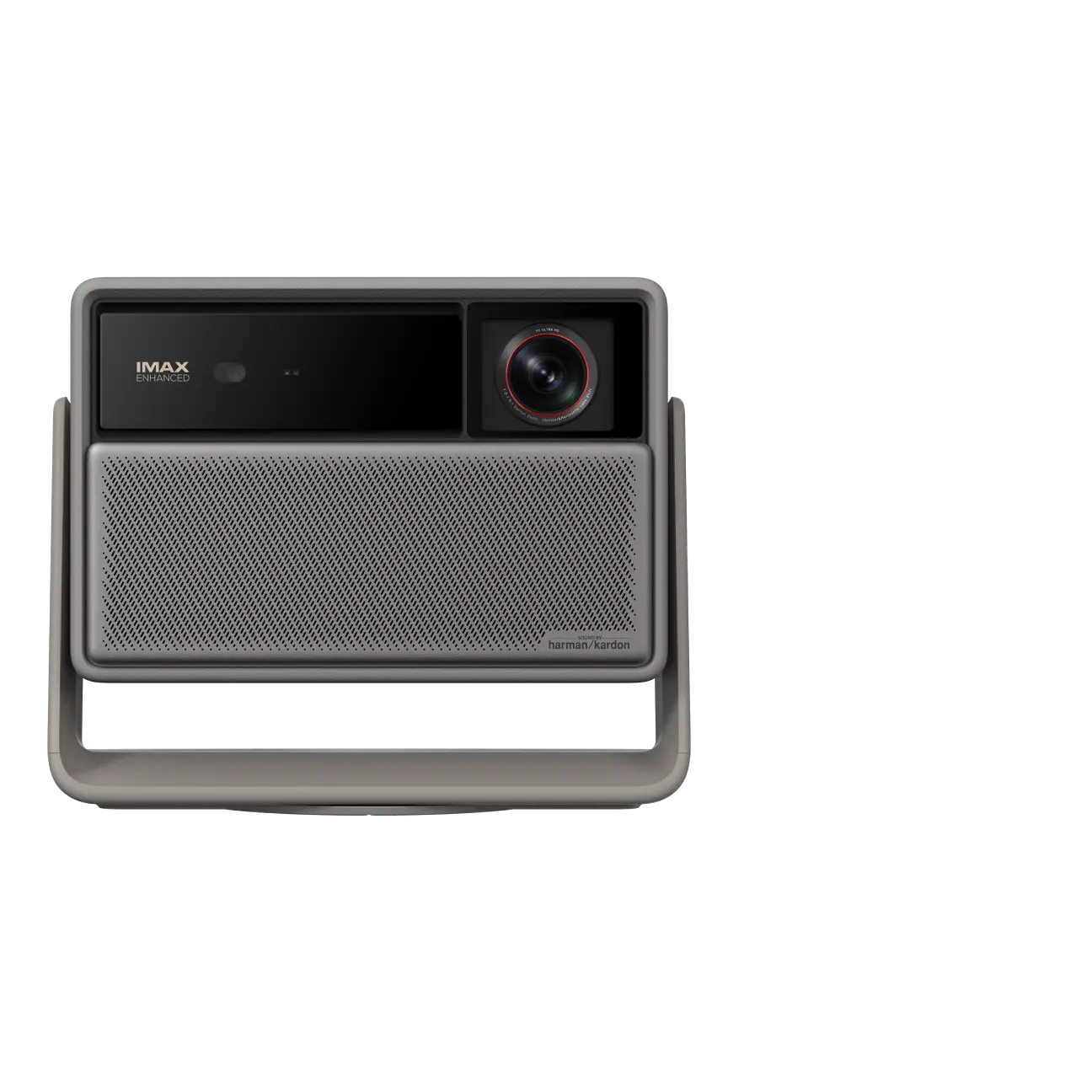
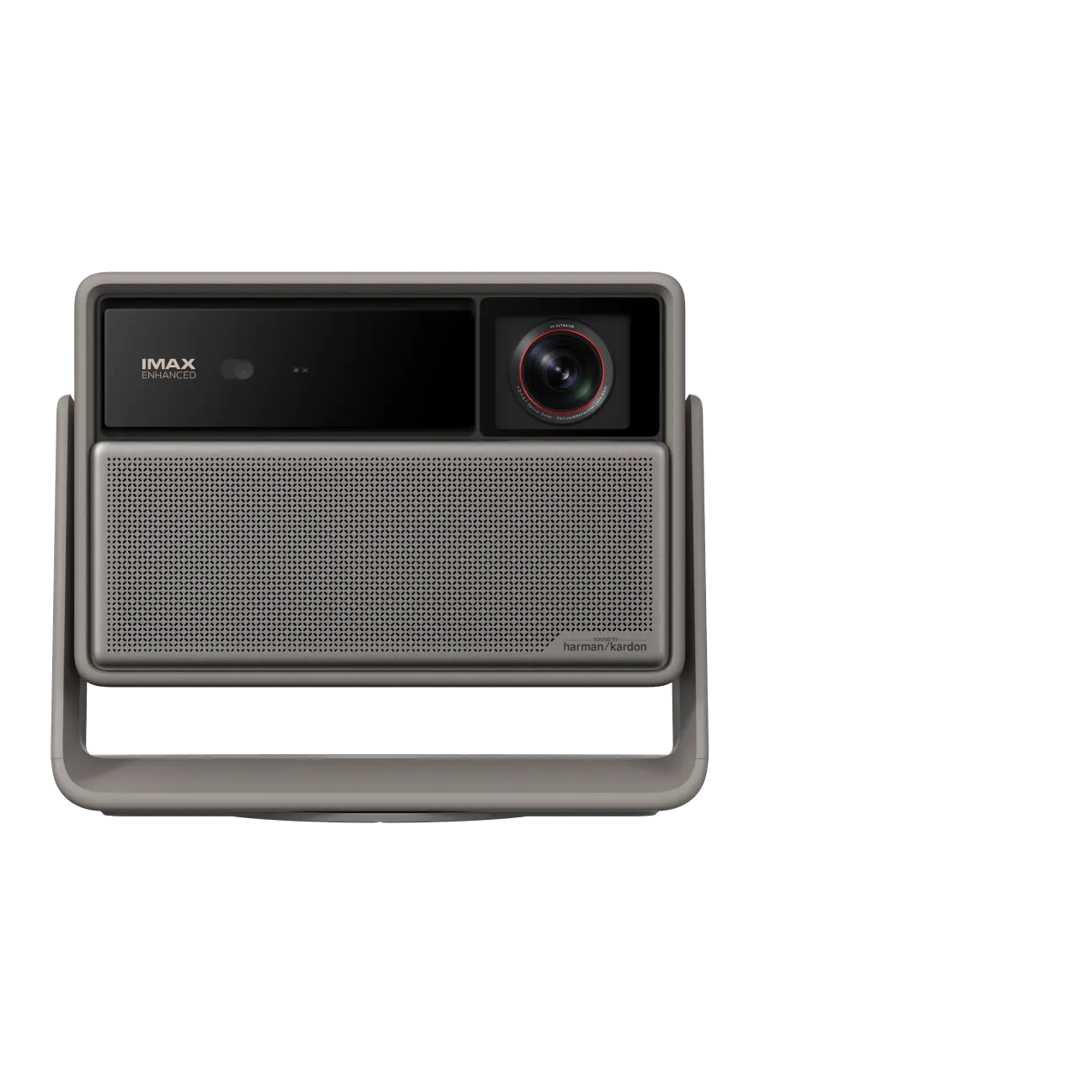
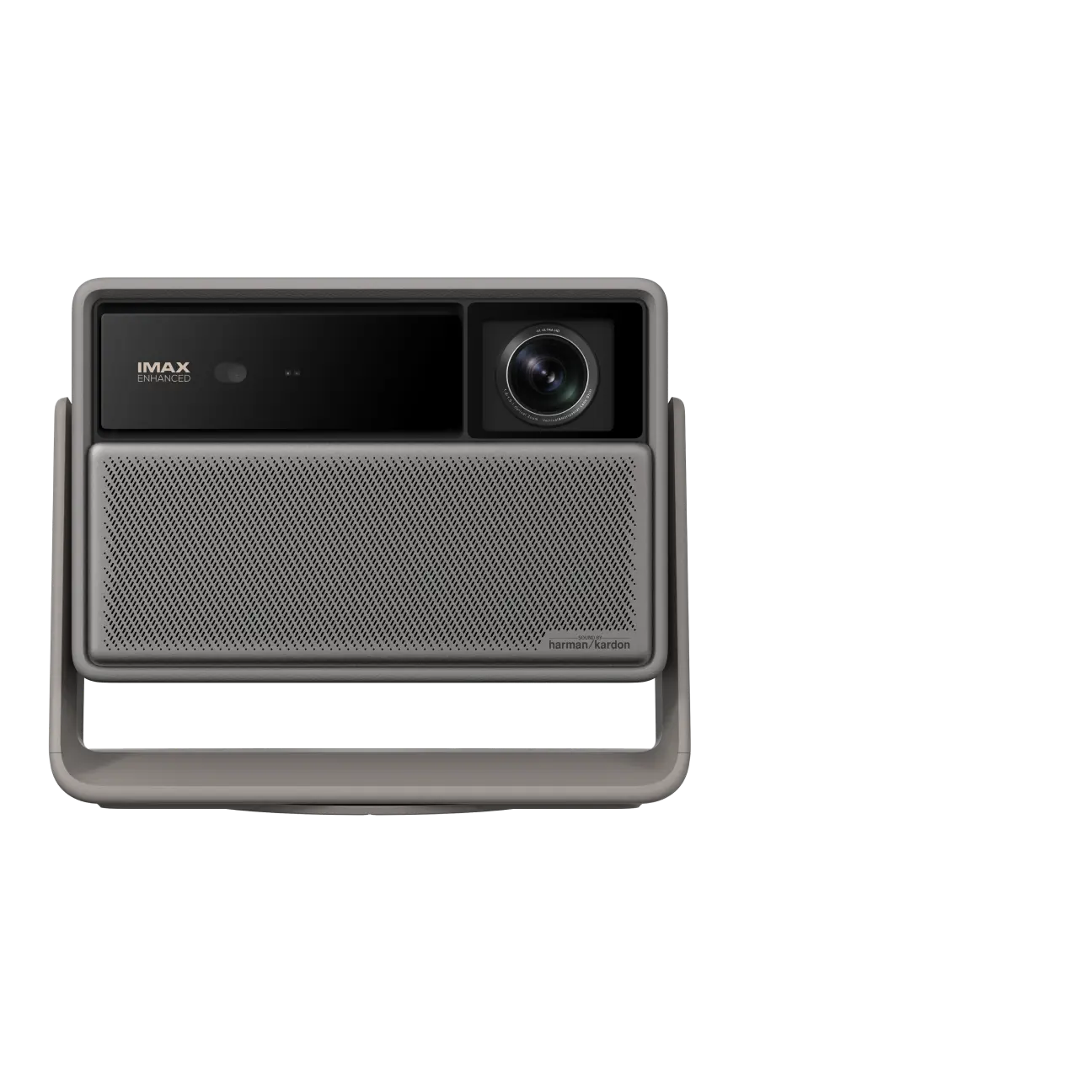
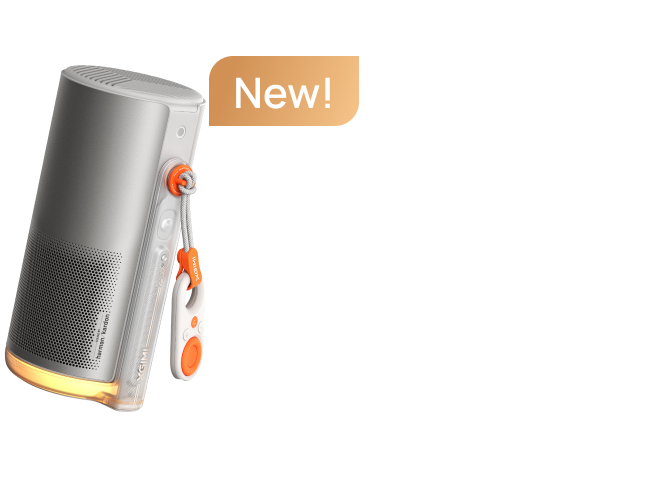
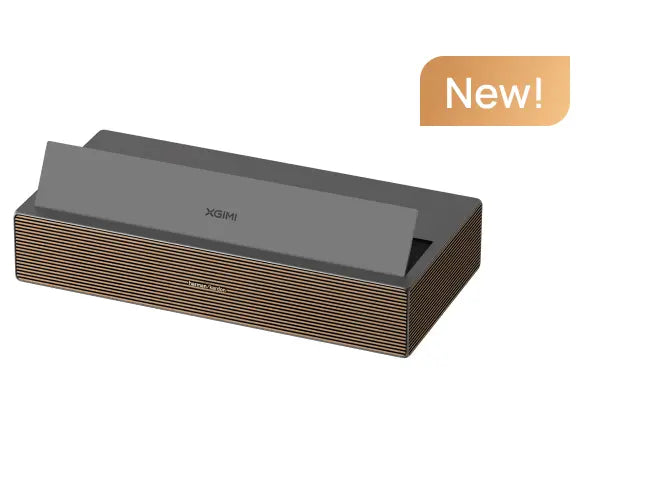
Look for portable projectors that explicitly support gaming modes and have low input lag specifications. Built-in batteries, Harman Kardon or similar quality speakers, and Google TV or Android TV platforms add convenience for switching between gaming and streaming.
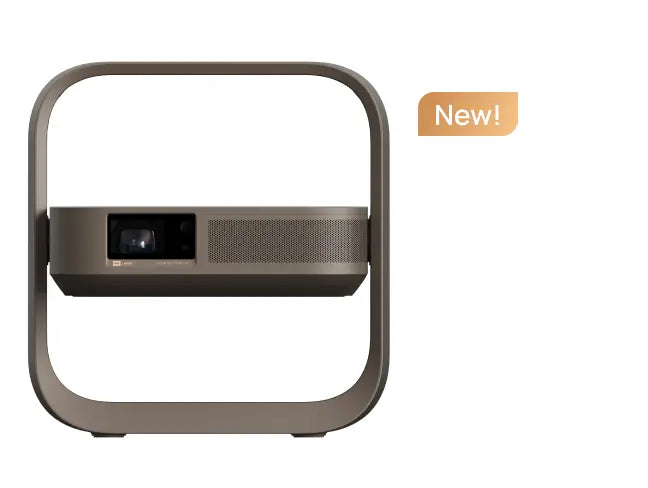
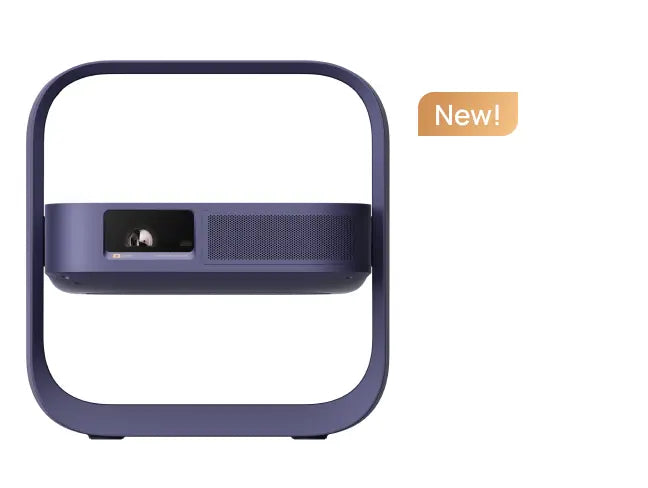
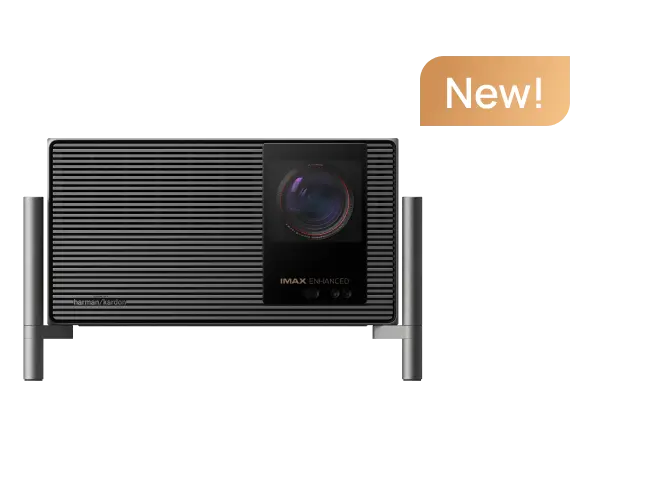
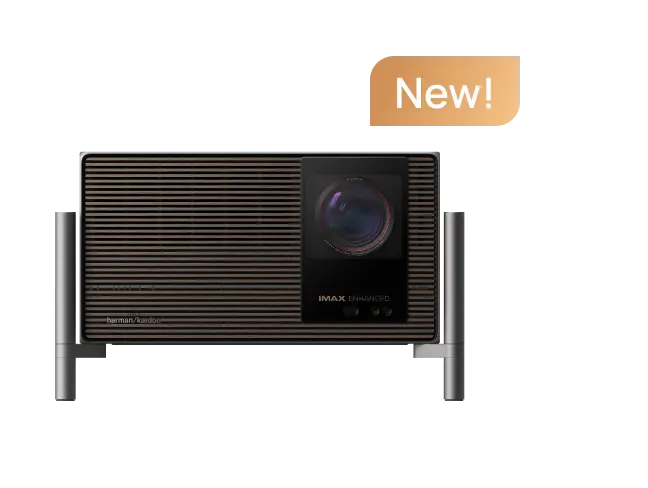
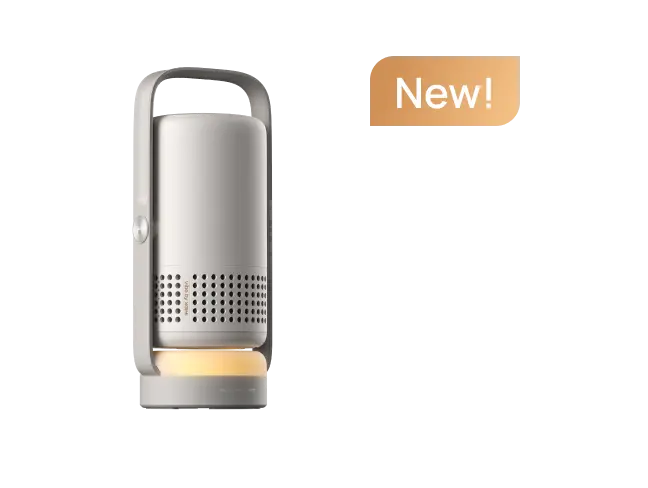
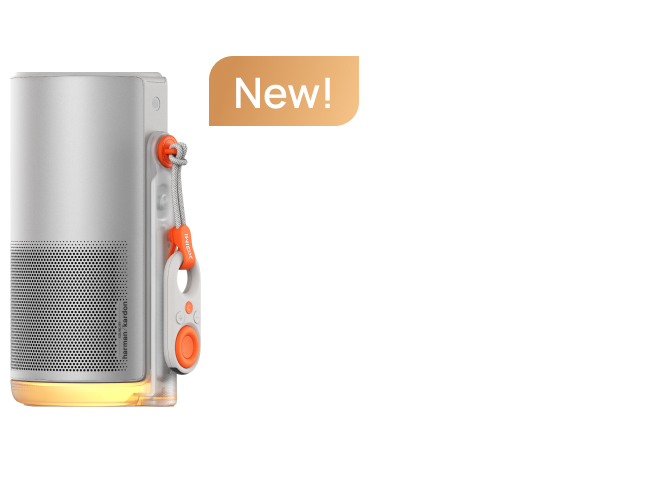
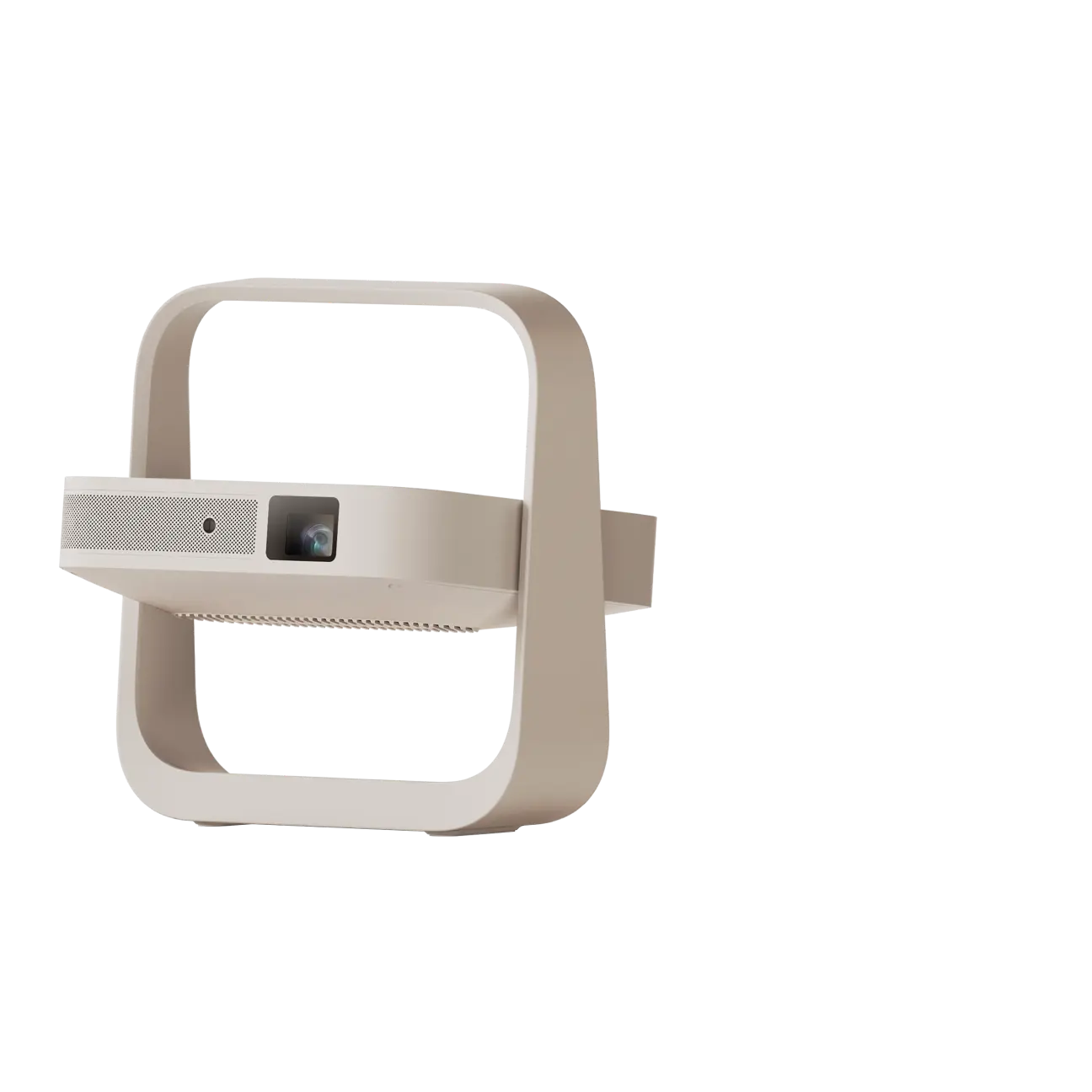
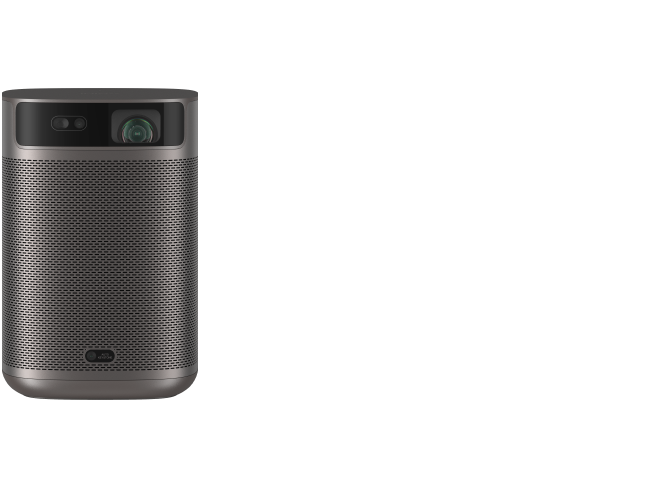
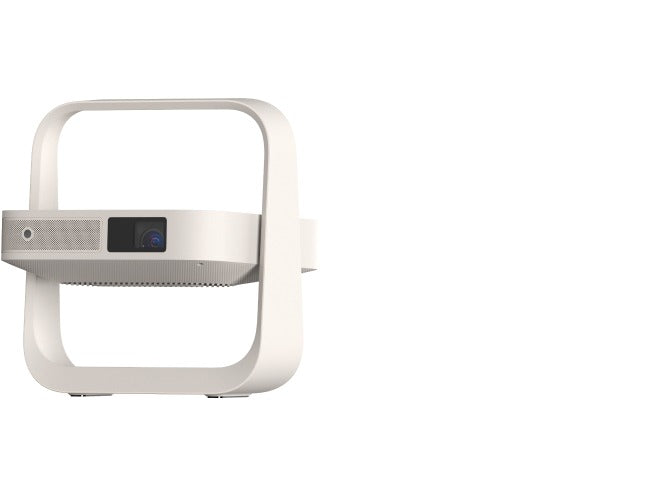
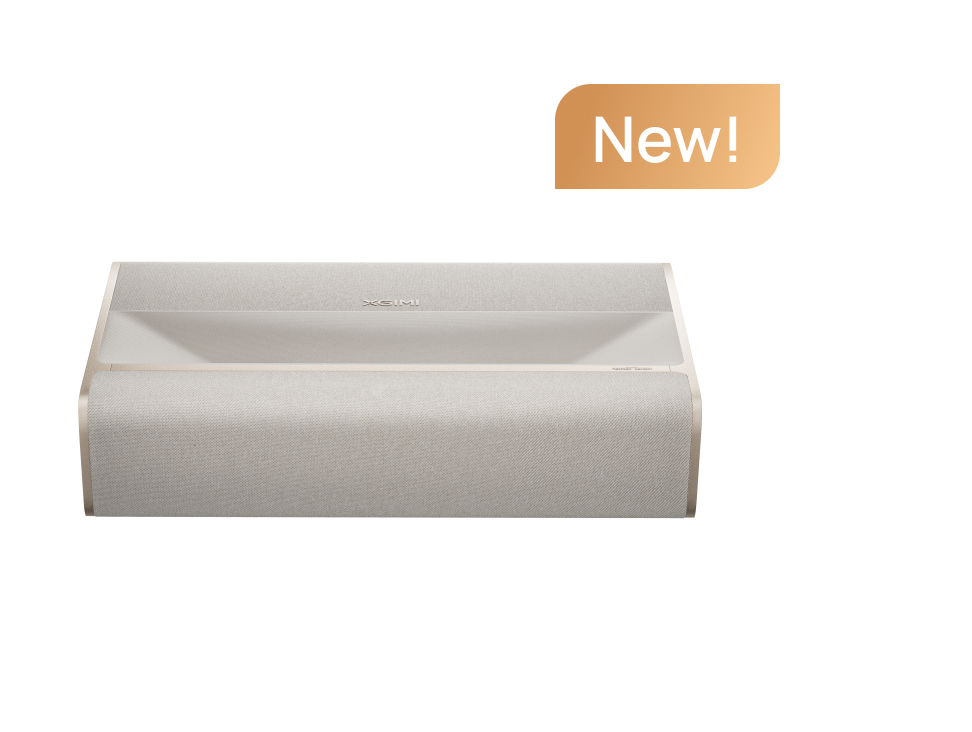
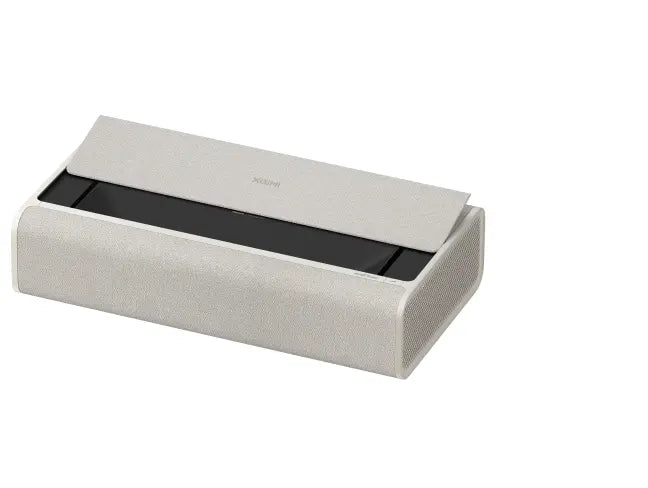
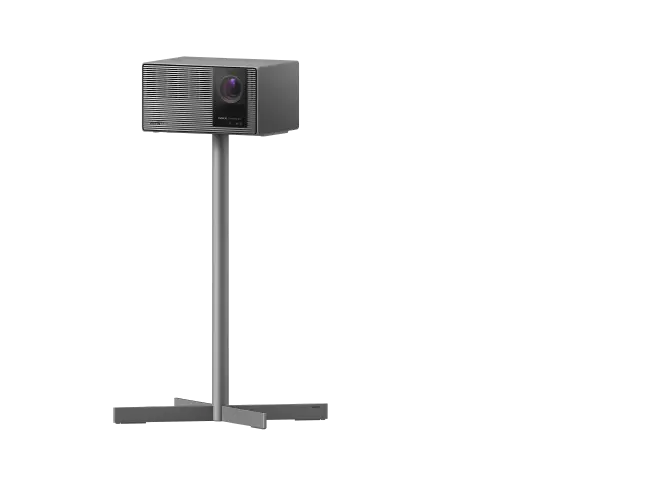
The MoGo series offers excellent portability with models like the MoGo 4 and MoGo 4 Laser that balance brightness, battery life, and smart features. For more power, the Halo+ delivers strong performance in a compact form factor with reliable battery operation.
Consider the portable projectors collection to compare options designed specifically for travel and flexible use. Battery-powered models generally suit true on-the-go gaming better than plugged-in units that require constant power access.
Common Pitfalls and How to Avoid Them
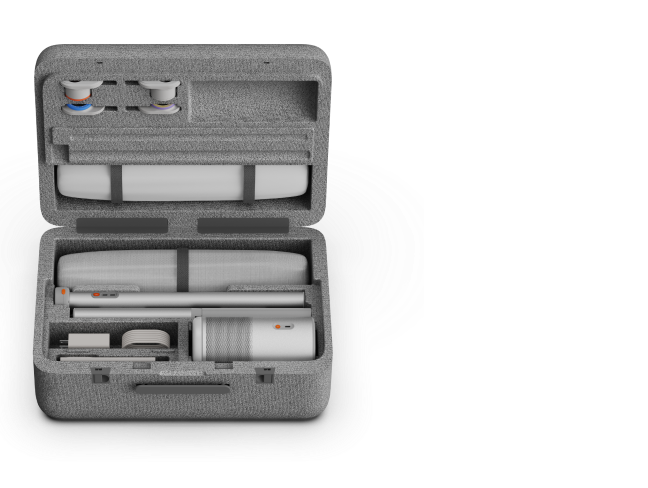
Many users underestimate total setup weight and complexity. A projector, handheld, dock, cables, power bank, and optional screen can quickly exceed 10 pounds, reducing the appeal of portability. Pack everything into one dedicated bag to maintain convenience.
Audio synchronization issues frequently disappoint gamers using wireless solutions. Test Bluetooth latency in your specific games and consider wired alternatives for competitive titles. Heat buildup during extended docked play can also affect comfort and performance.
Controller pairing works best when done before connecting to the projector. Steam Deck and ROG Ally support Bluetooth controllers well, but some projectors may interfere with wireless signals. Have a wired backup option available for problematic environments.
Battery anxiety represents another frequent regret. Plan for shorter sessions than your individual device ratings suggest because combined power draw increases significantly. Always carry extra charging options for longer trips.
Practical Checklist Before Building Your Setup
Verify your handheld supports stable video output while charging through your chosen connection method. Test the complete chain at home before traveling to identify any compatibility surprises.
Check that the projector offers a usable game mode for your preferred titles. Measure actual input lag if possible using online tools or simple response tests. Confirm brightness levels match your typical environment rather than relying on marketing numbers.
Calculate total system weight and volume to ensure it remains genuinely portable. Consider how long setup takes in real conditions rather than ideal demonstrations. Plan audio solutions that avoid adding noticeable delay.
Assess whether your games run well at 1080p 60Hz, as this resolution provides the best balance of performance and compatibility with most portable projectors. Higher resolutions may strain battery life and increase heat without proportional visual benefits in many gaming scenarios.
Making the Most of Your Portable Gaming Station
Start with a minimal configuration using direct connections and built-in projector features. Add accessories like docks or external batteries only after testing the basic setup. This approach helps identify what actually improves your experience versus adding unnecessary complexity.
Regularly update both the handheld firmware and projector software for optimal compatibility and performance improvements. Many manufacturers release updates that specifically address video output stability and latency reduction.
Experiment with different projection surfaces and distances to find the sweet spot for your games. Some titles benefit from larger screens while others feel better at more moderate sizes that maintain higher effective brightness.
The combination of handheld PC gaming and portable projection continues evolving as both technologies improve. Current options already deliver compelling big-screen experiences that were impossible just a few years ago. Focus on matching the right projector characteristics to your specific usage scenarios rather than seeking one perfect device for every situation.
With careful selection and setup, your Steam Deck or ROG Ally can become the heart of an incredibly flexible gaming station that travels with you. The investment in compatible accessories pays off through countless hours of big-screen gaming in places where traditional setups simply aren't practical.
Remember that real-world performance depends on your specific combination of devices, games, and environments. Start conservatively with proven connection methods and expand based on your actual experience rather than theoretical specifications. This practical approach leads to more satisfying portable gaming adventures.


