




The Short Answer: ANSI and ISO Lumens Are Trustworthy — CCB Often Isn't
If you're comparing projectors across brands and the specs list different lumen standards, here's what you need to know upfront: ANSI lumens and ISO lumens measure the same thing in nearly the same way, and their results are within roughly 5% of each other on the same projector. You can treat them as equivalent for purchasing decisions. CCB lumens are a fundamentally different measurement — they capture peak color brightness, not combined white brightness — and on single-laser or LED projectors they routinely read 2–3× higher than the ANSI/ISO figure for the same unit. A projector marketed as "4500 CCB lumens" may deliver real-world brightness closer to 1500–2200 ISO lumens.
This guide is for first-time projector buyers, apartment renters upgrading from a TV, and home theater enthusiasts who want to cut through spec-sheet noise. It is not aimed at professional AV calibrators or commercial installation engineers who already work with photometric standards daily.

How Each Standard Actually Measures Brightness
Understanding the methodology is the fastest way to see why the numbers diverge.
ANSI Lumens: The 9-Point White Field Method
The ANSI lumen methodology — originally defined in ANSI IT7.228-1997 and later aligned with IEC 61947-1 — projects a full-white image onto a screen, then measures illuminance (in lux) at nine specific points arranged in a 3×3 grid across the image area. Those nine readings are averaged and multiplied by the screen area to produce a lumen figure. The key word is white field: the projector is pushing all color channels simultaneously at maximum output. This reflects the brightness you actually see during a bright movie scene or a white document.
ISO Lumens: The Same Grid, a Different Passport
ISO 21118:2020 governs projector brightness for international markets and uses the same 9-point grid on a full-white image. The methodology is functionally identical to the ANSI approach. In practice, ISO lumen figures from the same projector under the same conditions land within about 5% of ANSI lumen figures — close enough that the two labels can be used interchangeably for consumer comparison purposes, though manufacturers' individual calibration practices can introduce small variances at the edges of that range.
Logic Summary: The ≤5% variance between ANSI and ISO readings reflects differences in test environment tolerances and rounding conventions, not a fundamental measurement difference. Treat them as equivalent for purchase decisions; do not attempt to "convert" one to the other with a fixed multiplier.
CCB Lumens: Peak Color, Not White Output
CCB (Chinese Color Brightness) is a specification used primarily by Chinese projector manufacturers and measures the peak brightness of individual color channels rather than combined white output. On a projector that uses a single blue laser with a phosphor wheel (a common cost-effective design), the color channels are generated sequentially rather than simultaneously. The peak of each color channel can be significantly higher than the combined white output — which is why CCB figures frequently run 2–3× above the ANSI/ISO white brightness figure for the same unit.
The divergence is technology-dependent:
- Single blue laser + phosphor (e.g., original XGIMI AURA): Large gap between CCB and white brightness. The AURA (Original) is rated at 1800 ISO lumens using this architecture.
- LED light sources: Moderate gap; CCB typically reads 1.5–2× above white brightness.
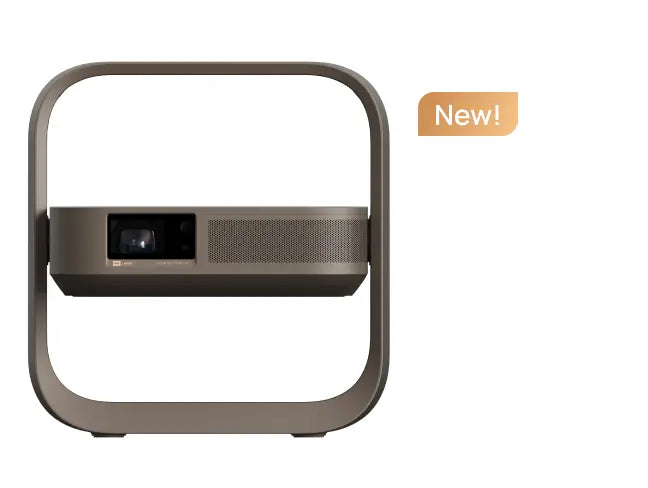
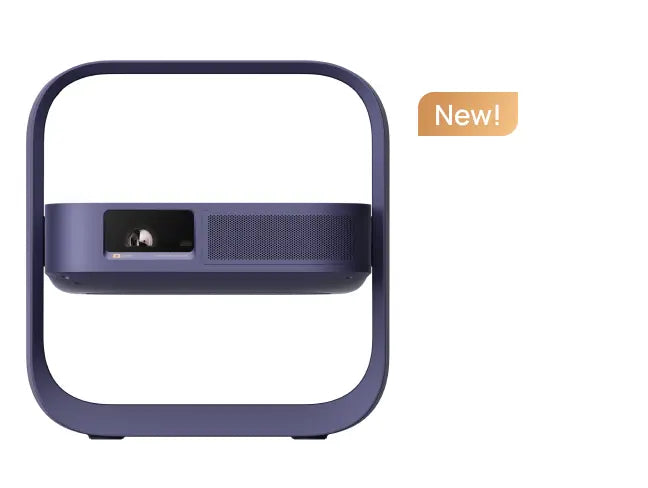
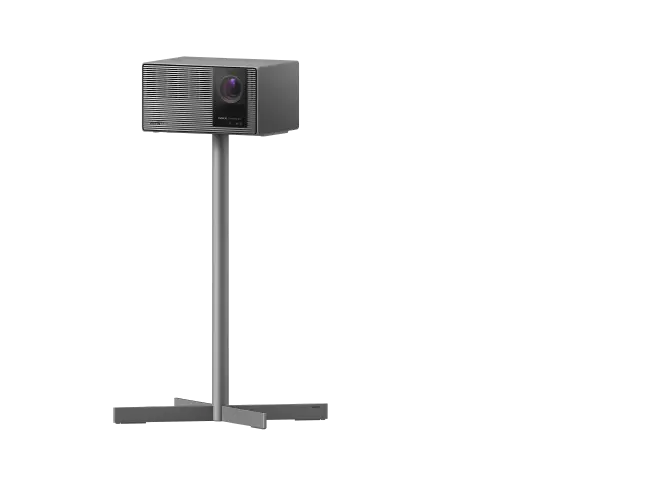
- RGB triple laser (e.g., XGIMI HORIZON 20 series, MoGo 4 Laser): Near-parity. Because red, green, and blue lasers fire simultaneously, peak color brightness and combined white brightness converge. CCB ≈ ANSI/ISO for these projectors, which is why RGB triple laser is a meaningful differentiator — not just a marketing term.
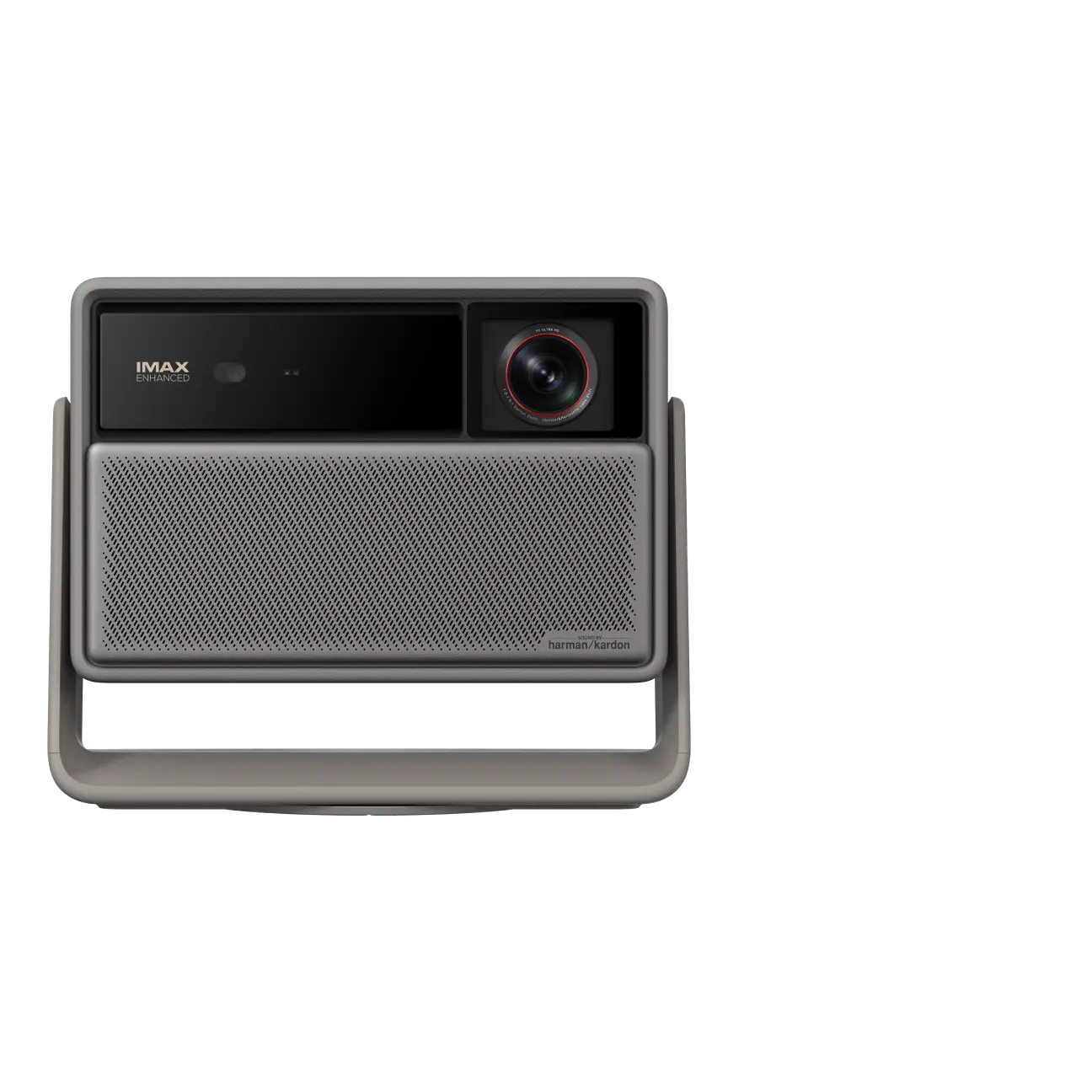
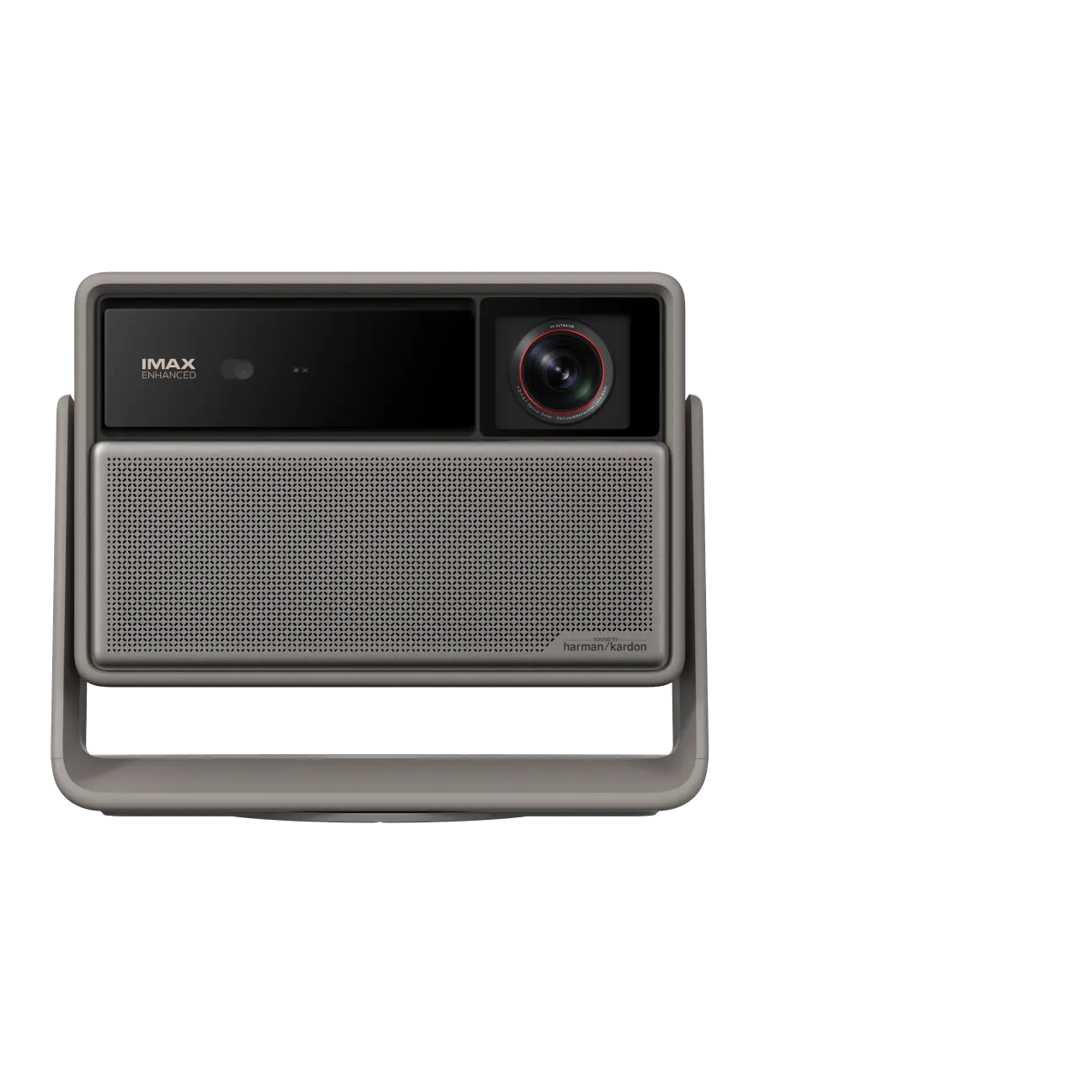
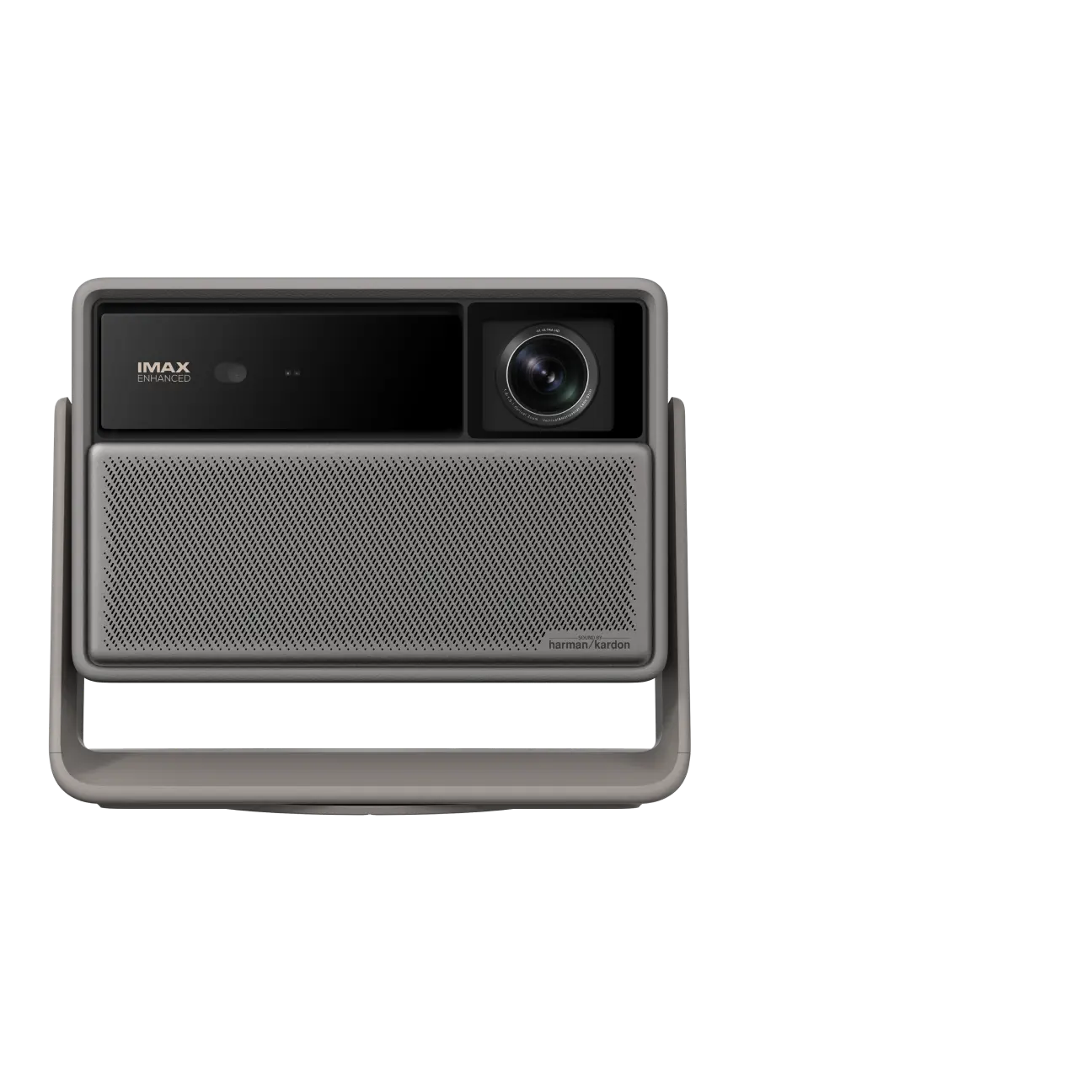
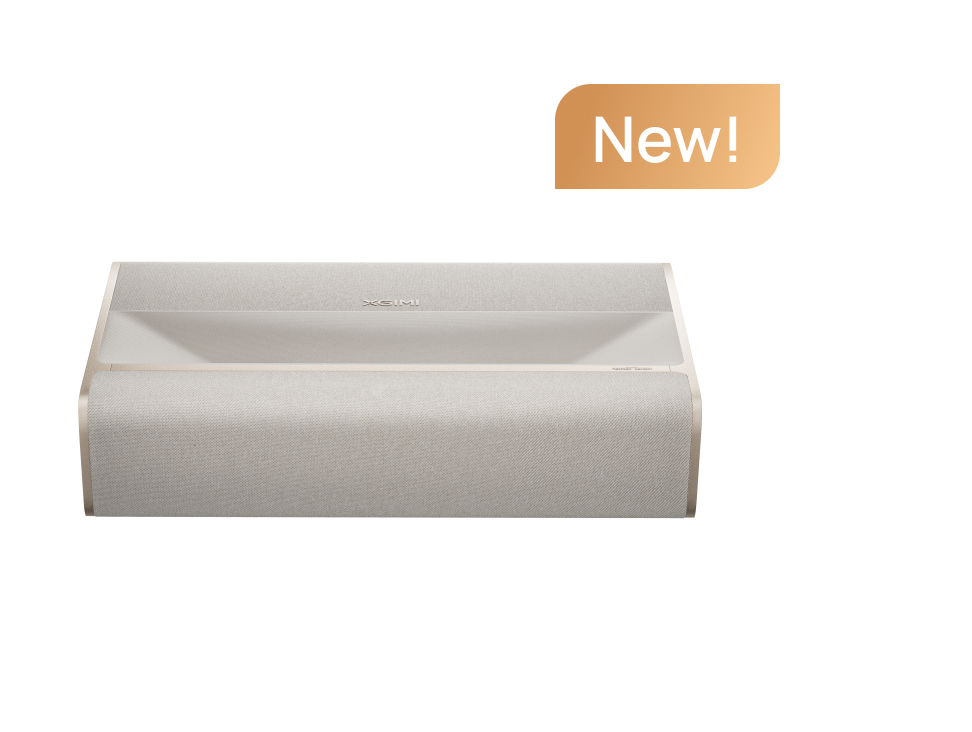
Evidence: The XGIMI AURA 2 replaced the single-laser AURA with a Dual Light 2.0 architecture and is rated at 2300 ISO lumens — illustrating how light source technology directly shapes which brightness standard a manufacturer can credibly use.

The Conversion Shortcut (And When It Breaks)
| Scenario | Approximate Conversion |
|---|---|
| ISO lm → ANSI lm | Multiply by ~1.0 (within ±5%) |
| ANSI lm → ISO lm | Multiply by ~1.0 (within ±5%) |
| CCB lm → white brightness (single-laser/LED) | Divide by 2 to 3 |
| CCB lm → white brightness (RGB triple laser) | Near 1:1; minimal adjustment needed |
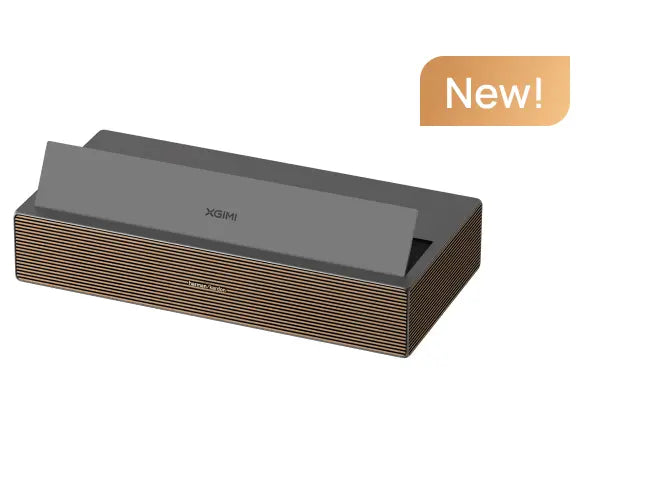
When this table breaks down: These are heuristics, not engineering constants. A projector using a hybrid laser-LED engine (like the XGIMI HORIZON Ultra at 2300 ISO lumens) sits between the single-laser and RGB-laser extremes. If a listing doesn't specify the light source type, the CCB-to-white conversion ratio is genuinely unknown — treat the CCB figure as unreliable for comparison. For more on this topic, see Laser vs. LED Projector: Which Light Source Lasts Longer and Looks .... For more on this topic, see Beyond Movies: Using Your Projector for Digital Art and Ambient Lig....
What Lumen Count Do You Actually Need?
Raw lumen numbers mean nothing without room context. The three scenarios below cover the vast majority of consumer environments.
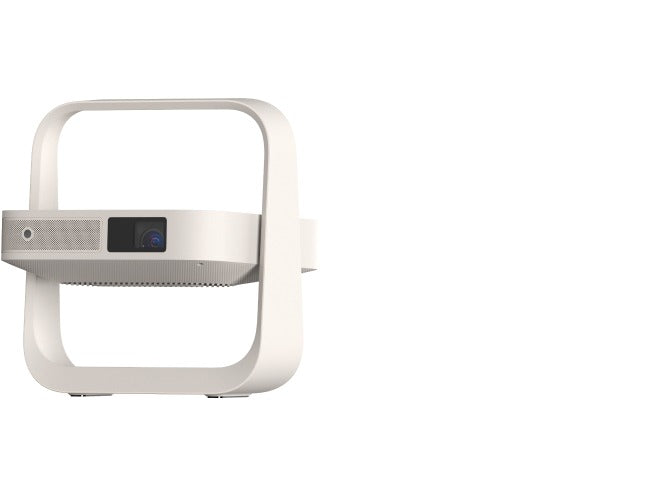
Dark bedroom or dedicated home theater (lights off, blackout curtains): You need less brightness than you think. For a 100-inch screen in a truly dark room, 300–550 ISO lumens produces a watchable, film-like image. The MoGo 4 Laser at 550 ISO lumens (RGB Triple Laser) is genuinely capable here — and its compact, battery-powered form factor makes it a strong portable option. Pushing to 1500+ ISO lumens in a pitch-black room often results in an image that feels harsh rather than cinematic.
Mixed-light living room (lamps on, some daylight from windows, curtains partially closed): This is where most buyers underestimate their needs. Ambient light washes out projected images quickly, reducing perceived contrast and color saturation. The practical floor for a satisfying 100–120 inch image in this environment is around 800–1500 ISO lumens. The XGIMI Halo+ at 700 ISO lumens sits at the lower edge of this range — workable with curtains drawn, but you'll notice the difference with lamps on. The HORIZON 20 at 3200 ISO lumens gives comfortable headroom for typical living room conditions. The technical reference.
Daytime viewing or TV replacement with ambient/natural light: Direct sunlight on the screen washes out both standard-throw and UST projectors unless you add an ALR (Ambient Light Rejecting) screen. For daytime use without full blackout, 2000+ ISO lumens is a practical starting point, and 4000+ ISO lumens provides meaningful resilience against indirect daylight. The HORIZON 20 Pro at 4100 ISO lumens and the HORIZON 20 Max at 5700 ISO lumens are designed for this use case. As XGIMI's official guidance notes, even at high lumen counts, blackout curtains or an ALR screen remain the most effective tools for daytime image quality — raw brightness alone cannot fully compensate for direct ambient light.
Evidence: XGIMI's official buying guidance states: "Brightness is measured in lumens, specifically ANSI lumens for accurate comparison" and explicitly cautions buyers about inflated lumen figures — reinforcing that the standard used matters as much as the number itself. (Source: us.xgimi.com)
Brightness Myths That Cost Buyers Money
Projector forums are full of frustration from buyers who chased lumen counts and ended up disappointed. A common thread on r/projectors captures it well: users frequently report that a projector "advertised as 5000 lumens looks dim in my living room" — almost always because the 5000-lumen figure was CCB, not ANSI/ISO, and the room had uncontrolled ambient light. This is one of the most consistent patterns in projector buyer regret.
Myth 1: "More lumens always means a better image."
Higher brightness helps in high-ambient environments, but in a dark room it can actively hurt image quality by reducing perceived contrast and washing out shadow detail. A well-calibrated 700 ISO lumen projector in a dark bedroom will look better than a poorly calibrated 2000 ISO lumen unit in the same space. Screen surface, room reflectance, and projector calibration all shape the final image — lumen specs alone cannot predict satisfaction.
Myth 2: "ANSI and ISO lumens are completely different standards."
They use the same 9-point white-field methodology. The difference is administrative (one is an American standard, one is international). For consumer comparison purposes, 700 ISO lumens and 700 ANSI lumens from two different projectors are directly comparable.
Myth 3: "A projector with 3000 CCB lumens is brighter than one with 2000 ANSI lumens."
Not necessarily. On a single-laser projector, 3000 CCB lumens may correspond to only 1000–1500 ANSI lumens of white brightness. The 2000 ANSI lumen projector is likely significantly brighter in real-world use.
Myth 4: "You need a special screen to get good brightness."
For dark-room use, a smooth matte white wall works reasonably well. For mixed-light living rooms, a gray screen or ALR screen meaningfully improves perceived contrast without requiring more lumens from the projector. As XGIMI's screen guide notes, ALR screens feature optical layers that reflect projected light while absorbing ambient light — making them a cost-effective complement to a mid-brightness projector rather than a last resort.
How to Spot Inflated Brightness Claims Before You Buy
A few practical checks that take under two minutes:
- Identify the standard. Look for "ANSI lumens" or "ISO lumens" explicitly. If the listing says only "lumens" or "color brightness" without specifying the standard, treat the figure with skepticism.
- Check the light source type. Single blue laser + phosphor and LED projectors have the largest CCB-to-white gaps. RGB triple laser projectors have near-parity. If the light source isn't listed, ask or look for independent reviews.
- Cross-reference with screen size guidance. A projector claiming 5000 lumens that recommends a 60-inch screen at 2 meters is signaling that its real-world brightness is much lower than the headline figure.
- Look for ISO or ANSI certification language. Reputable manufacturers who use ISO/ANSI measurement will say so clearly because it's a selling point, not a liability. XGIMI lists ISO lumen ratings explicitly across its lineup for this reason.
- Check independent reviews. Measured lumen output from reviewers using a light meter frequently diverges from manufacturer claims — especially for budget projectors using CCB figures.
For a broader look at how to choose a home projector beyond brightness specs, XGIMI's buying guide covers resolution, throw ratio, and smart OS considerations in the same framework.
Matching the Right Projector to Your Room
If you're ready to apply these thresholds to a real purchase decision, the XGIMI lineup spans the full brightness range with ISO-rated figures across every model:
- Portable and dark-room use: MoGo 4 Laser (550 ISO lm, RGB Triple Laser, built-in battery) — genuinely capable for bedroom and outdoor use where you control the light.
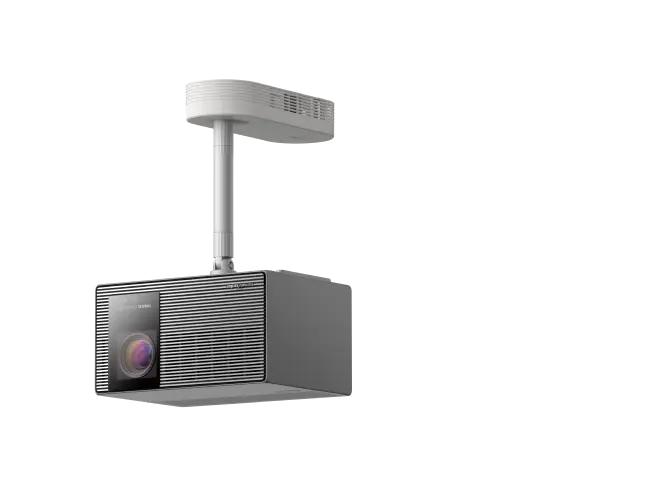
- Living room with some ambient light: HORIZON 20 (3200 ISO lm) gives comfortable headroom for typical evening viewing with lamps on.
- Bright living room or TV replacement: HORIZON 20 Pro (4100 ISO lm) and HORIZON 20 Max (5700 ISO lm) are designed for environments where you can't fully control ambient light.
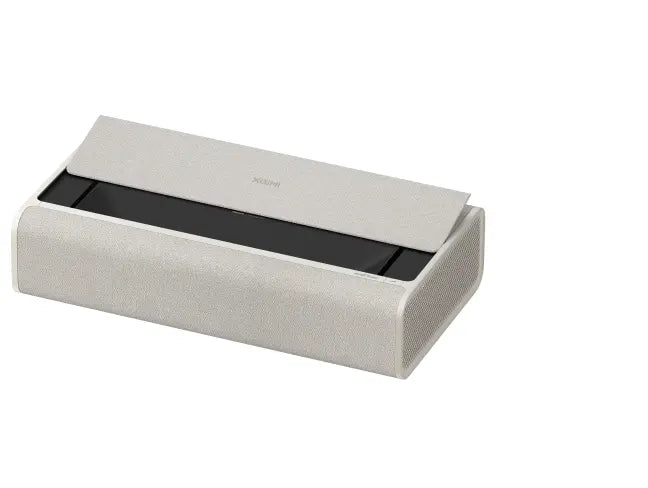
- UST laser TV setup: AURA 2 (2300 ISO lm, Dual Light 2.0) pairs with an ALR screen for a living room TV replacement without ceiling mounting.
Browse all XGIMI projectors by brightness and use case →
Note on specs: All XGIMI lumen figures cited here are sourced from official us.xgimi.com product pages and reflect manufacturer-stated ISO lumen ratings at time of writing. Verify current specs on the product page before purchase, as ratings may be updated.
References
Government / Standards / Regulators
Industry Associations / Research Institutes / Market Reports
- How to Measure ANSI Lumens for Projectors Using the 9-Point Test — TouMei Pro
- Projector Inspection: How to Verify ANSI Lumens Calibration — TradeAiders


