





Selecting your first projector can feel overwhelming with countless models and technical terms to navigate. This guide breaks down the essential factors you need to consider, from room setup to technical specifications. You'll learn what to look for in a projector that matches your space, budget, and viewing habits without getting lost in unnecessary jargon.

Step 1: Assess Your Room and Set Up Space Before Shopping
Your room's characteristics will largely determine which projector works best for you. Many beginners skip this crucial step and end up with a device that doesn't suit their environment.
Evaluate Ambient Light Conditions
Light is the biggest factor affecting image quality. Dark rooms with minimal windows give you the most flexibility. You can use projectors with lower brightness ratings and still enjoy vibrant images.
Rooms with windows or regular lighting need more powerful projectors. A basement home theater requires different specifications than a living room with afternoon sunlight. Consider when you'll actually use the projector most often.
If you watch primarily during evenings, moderate brightness works fine. Daytime viewing demands higher performance to overcome ambient light.
Measure Your Throw Distance and Screen Size
Throw distance refers to the space between your projector and the screen or wall. This measurement directly impacts which type of projector you should consider.
Standard projectors typically need 8 to 12 feet of distance to create a 100-inch image. A short throw projector can produce the same size image from just 3 to 6 feet away. An ultra-short-throw projector sits mere inches from the wall, making it ideal for tight spaces.
Measure your room carefully. The distance from your planned projector location to your viewing surface determines your options. Smaller rooms benefit significantly from short-throw models that maximize screen size without requiring extensive space.
Determine Placement Options
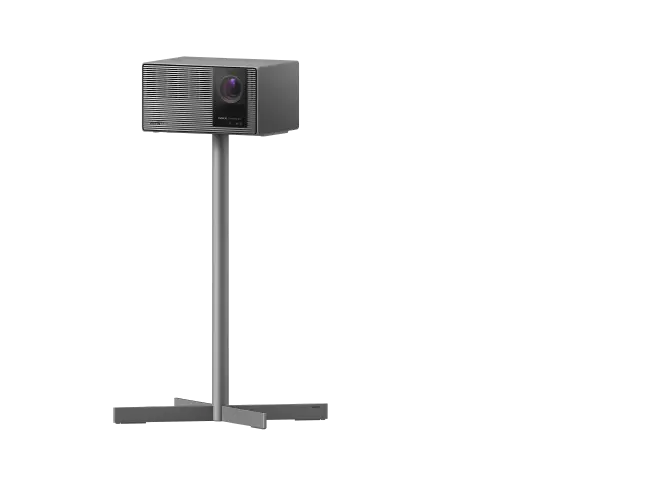
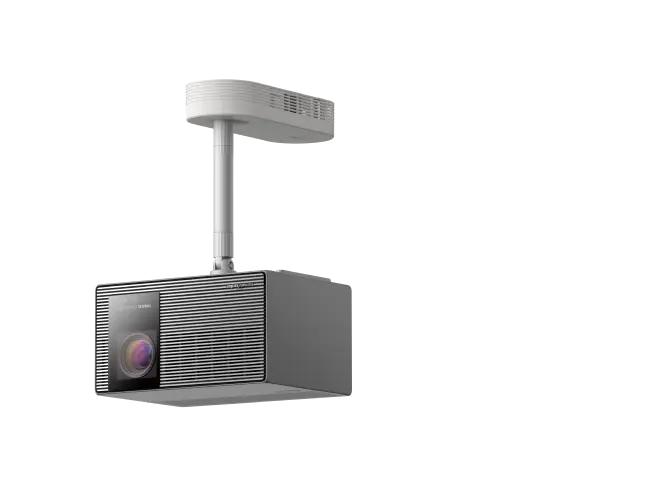
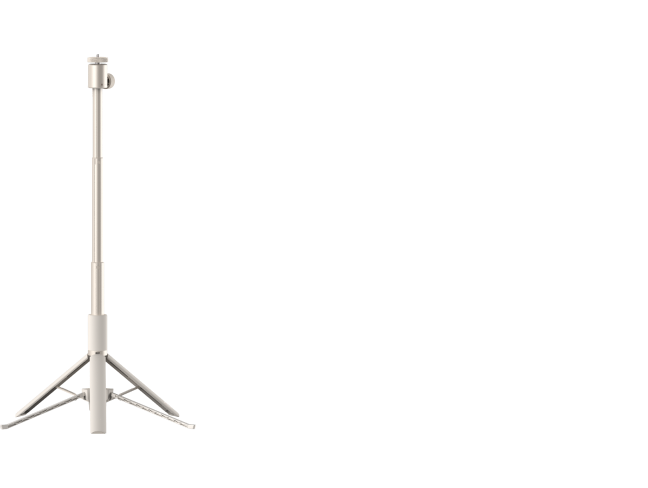
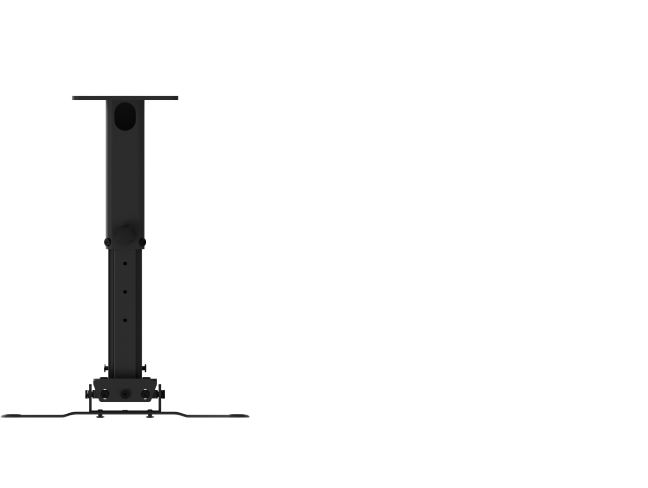
Think about where the projector will actually sit. Ceiling mounts provide a permanent, unobtrusive solution but require installation. Table or shelf placement offers flexibility to move the device between rooms.
A portable projector suits multiple locations, from the bedroom to backyard movie nights. Permanent setups in dedicated spaces allow for more elaborate mounting and cable management. Your lifestyle and viewing habits should guide this decision. For related guidance, see Projector Fan Noise: How Quiet is 'Quiet Enough' for a Bedroom?.

Step 2: Understand Key Technical Specifications That Actually Matter
Technical specifications determine your viewing experience quality. Focus on the metrics that directly impact what you see on screen.
Brightness: The Most Critical Specification
Brightness is measured in lumens, specifically ANSI lumens for accurate comparison. This specification determines how well your image holds up against ambient light.
Dark rooms function well with 2,000 to 3,000 lumens. Rooms with some ambient light need 4,000 to 6,000 lumens for clear images. Bright rooms or daytime viewing require even higher ratings.
Be cautious of inflated numbers. For ANSI lumens, check out:
| Room Condition | Recommended Lumens | Typical Use Case |
|---|---|---|
| Completely dark | 2,000-3,000 | Dedicated home theater |
| Dim lighting | 3,000-4,000 | Evening viewing |
| Moderate light | 4,000-6,000 | Living room, some windows |
| Bright conditions | 6,000+ | Daytime use, well-lit rooms |
If the projector brightness is listed in ISO lumens, use the chart below as a practical guide:
| Room Condition | Recommended Lumens | Typical Use Case |
|---|---|---|
| Completely dark | 800–1,500 | Dedicated home theater |
| Dim lighting | 1,500–2,500 | Evening viewing, bedroom setup |
| Moderate light | 2,500–3,500 | Living room with some ambient light |
| Bright conditions | 3,500+ | Daytime use, well-lit rooms |

Resolution: Balancing Quality and Budget
Resolution determines image sharpness and detail. Full HD (1080p) remains the sweet spot for most beginners, offering excellent quality at reasonable prices.
1080p resolution works perfectly for screen sizes up to 120 inches. The image stays sharp and detailed for movies, gaming, and general entertainment. This resolution handles most content well since streaming services and gaming consoles commonly output at 1080p.
4K resolution provides four times the detail of 1080p. It shines on larger screens above 120 inches or when sitting closer to the screen. Content availability in 4K continues growing, but the price premium is substantial.
720p resolution exists in budget models. It's acceptable for casual viewing on smaller screens, but shows noticeable quality limitations compared to modern standards.
Contrast Ratio and Color Performance
Contrast ratio measures the difference between the darkest blacks and brightest whites. Higher ratios create more depth and dimensionality in images.
A ratio of 3,000:1 or higher generally produces satisfying results for home entertainment. However, manufacturers often list dynamic contrast ratios that don't reflect real-world performance. Native contrast ratios provide more reliable comparisons.
Color accuracy matters for realistic images. Look for projectors covering at least 90% of the Rec. 709 color space for standard content. Higher-end models support wider color gamuts for more vibrant, lifelike images.
Aspect Ratio Considerations
The 16:9 aspect ratio dominates modern content. Movies, TV shows, and games primarily use this widescreen format. Choosing a 16:9 projector ensures compatibility with most content without black bars. For related guidance, see How Does Aspect Ratio Mismatch Between Content and Projector Affect....
Some projectors offer 4:3 ratios suited for older content or presentations. Most home users will find 16:9 the most versatile choice.
Step 3: Consider Essential Features and Connectivity Options
Beyond core specifications, practical features significantly affect your day-to-day experience with the projector.
Smart Features and Streaming Capability
Built-in smart platforms eliminate the need for external streaming devices. Android TV, Google TV, and similar systems provide direct access to Netflix, YouTube, and other services.
These integrated solutions simplify setup and reduce cable clutter. You can browse content directly through the projector interface without switching inputs or managing multiple remotes.
However, external streaming devices offer more flexibility and easier upgrades. A projector without smart features isn't necessarily inferior if you already own a streaming stick or media player.
Audio Solutions
Most projectors include built-in speakers. These work adequately for casual viewing but rarely deliver cinematic sound quality.
A portable projector with decent speakers suits bedroom viewing or outdoor movies where elaborate audio setups aren't practical. Serious home theater setups benefit from external sound systems, soundbars, or surround sound speakers.
Plan your audio solution before purchasing. If you intend to use external speakers, built-in audio quality becomes less important.
Connectivity and Input Options
HDMI ports are essential for connecting gaming consoles, Blu-ray players, and streaming devices. Multiple HDMI inputs let you keep several devices connected simultaneously.
USB ports add versatility for direct media playback from flash drives or external hard drives. Wi-Fi connectivity enables wireless streaming from phones, tablets, and computers.
Bluetooth support allows wireless connection to speakers and headphones. This feature particularly benefits late-night viewing without disturbing others.

Set up Flexibility Features
Keystone correction digitally adjusts the image when the projector sits at an angle to the screen. This feature helps achieve rectangular images even with imperfect placement.
Manual keystone works through menu settings. Automatic keystone detects angles and adjusts instantly, saving setup time.
Lens shift physically moves the lens to adjust image position without distorting quality. This mechanical adjustment generally produces better results than digital keystone correction but appears primarily in higher-end models. For related guidance, see How Does Lens Shift Affect Image Quality Compared to Digital Keysto....
Zoom functionality adjusts image size without moving the projector. A 1.3x zoom ratio provides reasonable flexibility for fine-tuning screen size to your exact space.
Step 4: Match the Projector to Your Primary Use Case
Different viewing purposes require different projector characteristics. Identifying your main use helps narrow options significantly.
Home Theater Projector Selection
Dedicated movie watching prioritizes image quality above all else. Focus on 1080p or 4K resolution for sharp detail. Higher contrast ratios create more cinematic images with deep blacks.
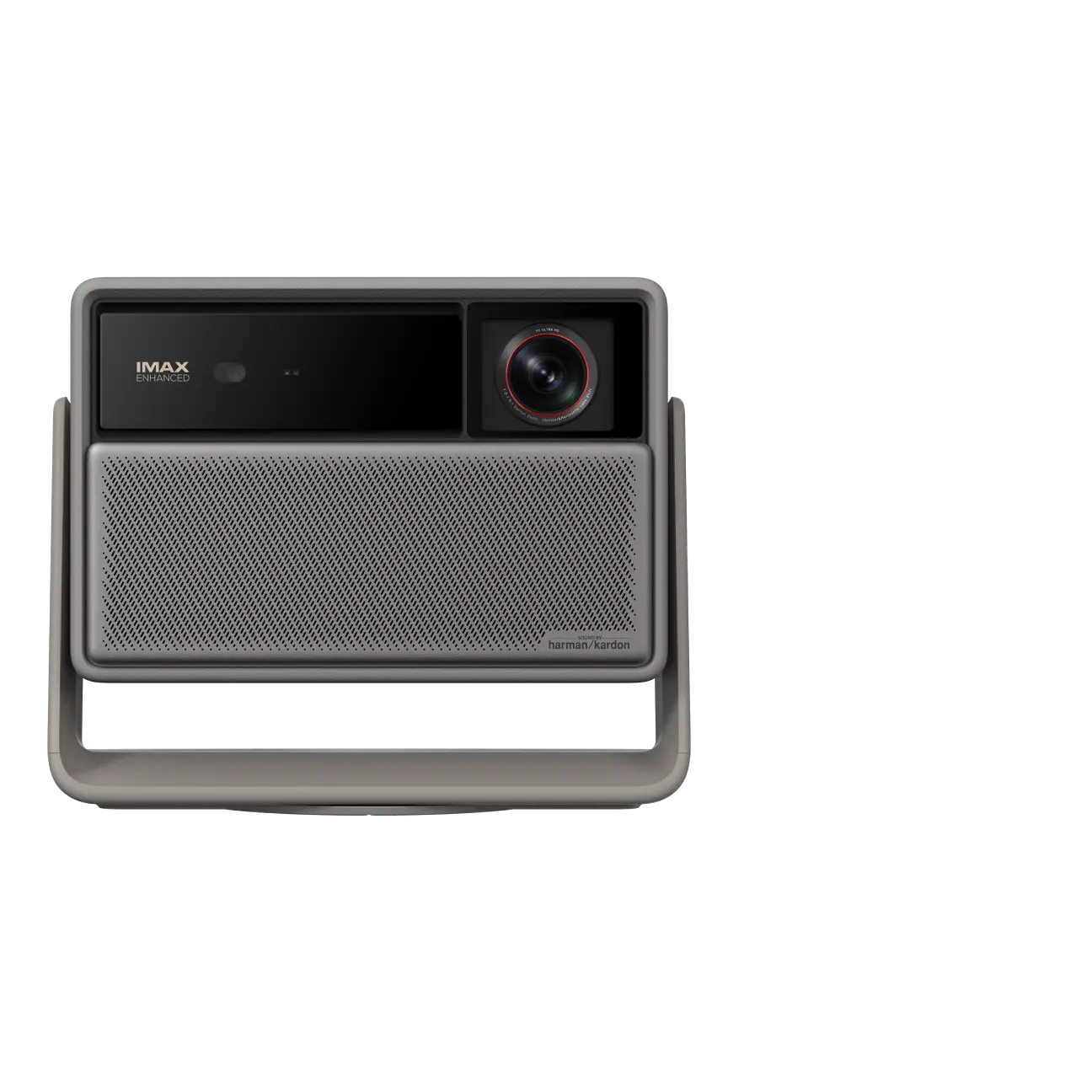
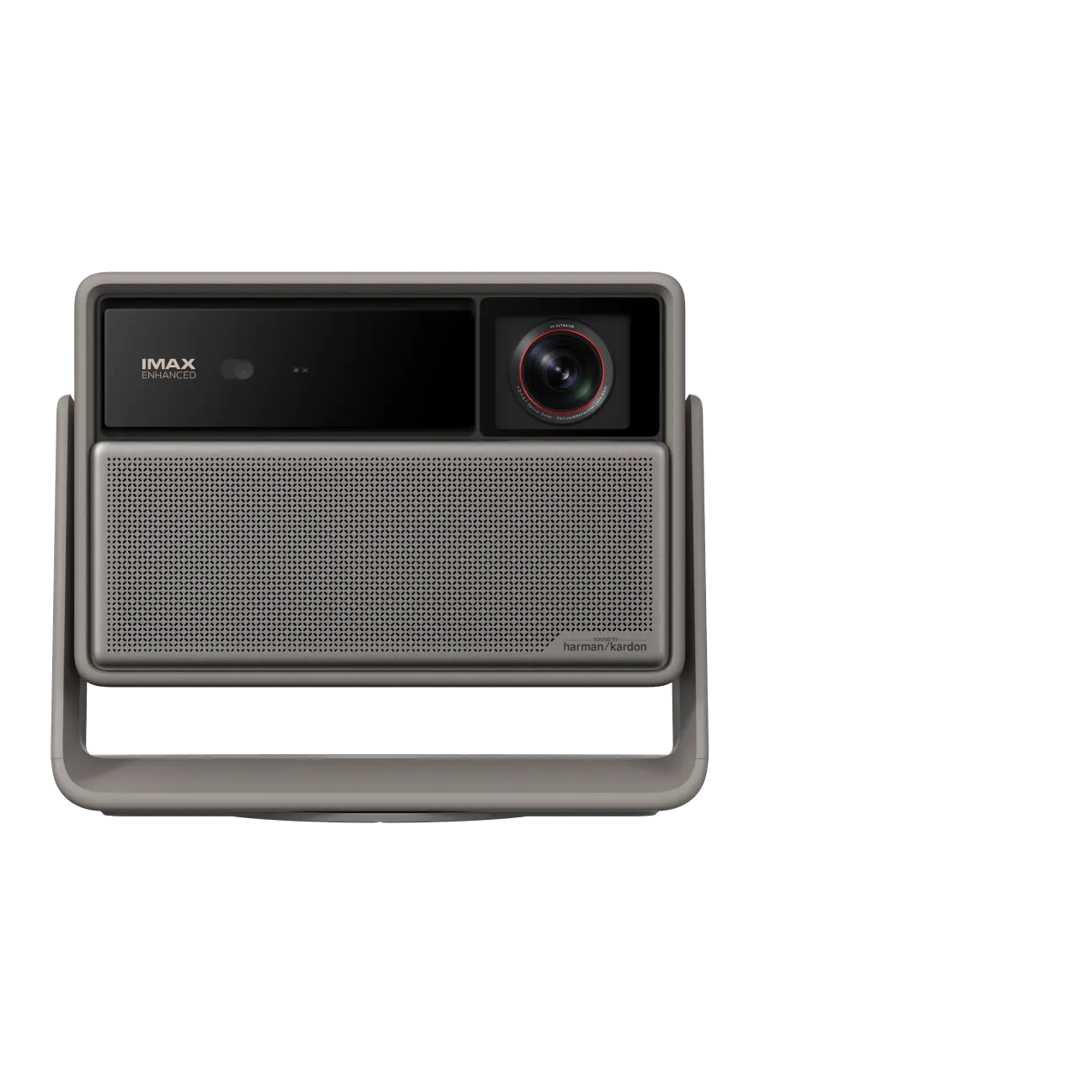
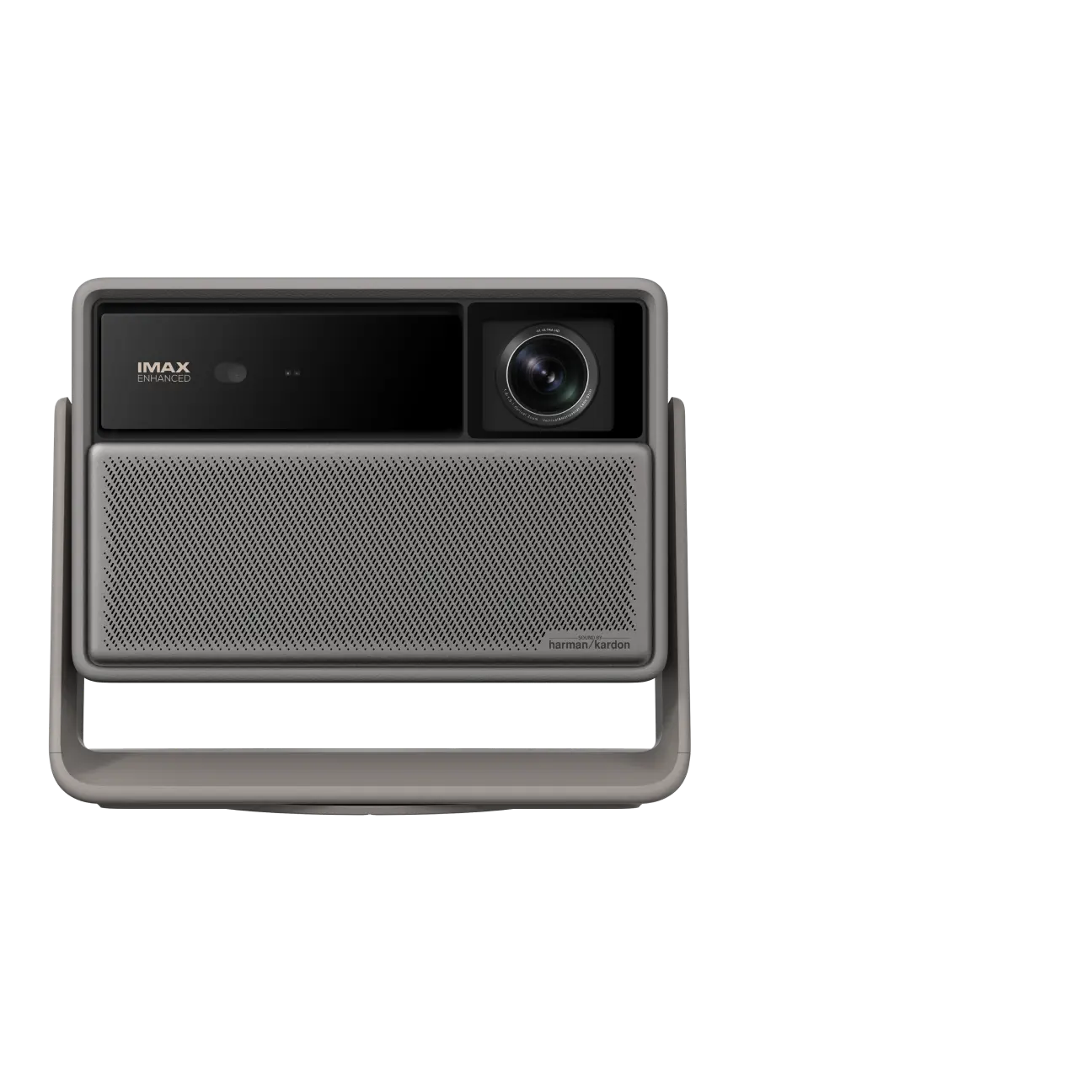
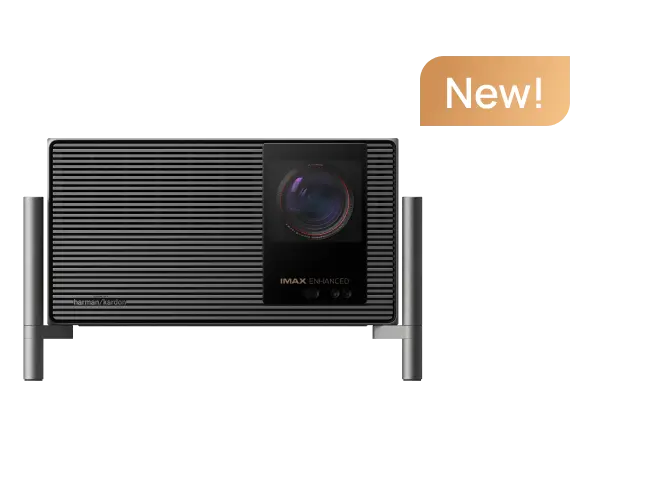
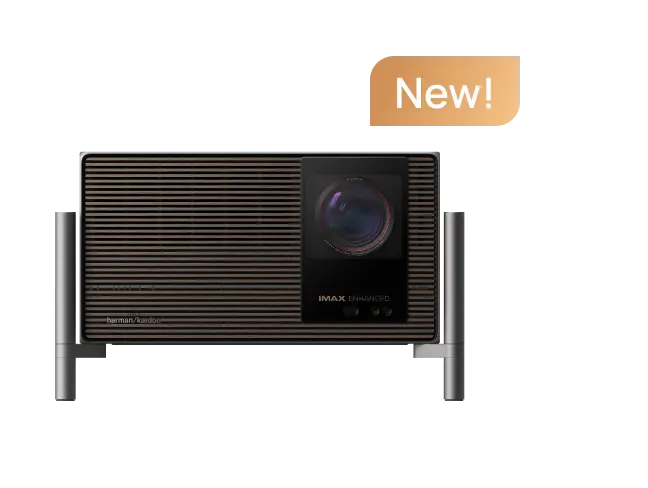
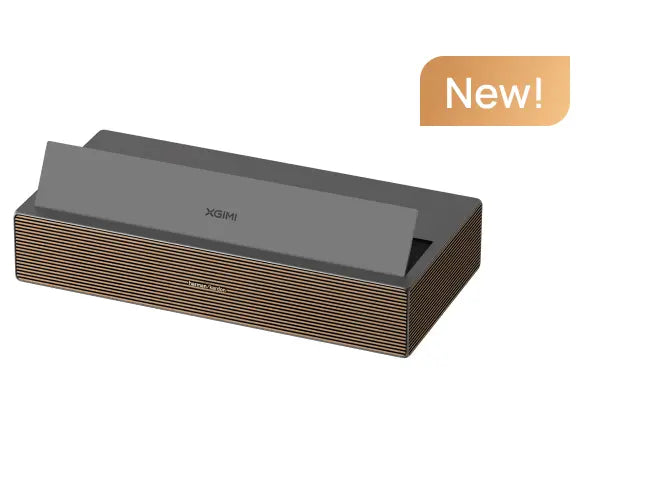
Color accuracy becomes particularly important for film enthusiasts. Look for wider color gamuts and calibration options if you're serious about movie quality. For example, the XGIMI HORIZON S Max delivers 4K visuals with 110% BT.2020 color gamut coverage and supports both Dolby Vision and IMAX Enhanced certification, bringing theater-quality performance to home setups.
Permanent installation allows ceiling mounting and integrated audio systems. Plan for light control with blackout curtains or dedicated theater rooms for the best experience.
Portable Projector Priorities
Portability demands compact size and lightweight construction. Built-in batteries eliminate the need for power outlets, though they limit brightness and runtime.
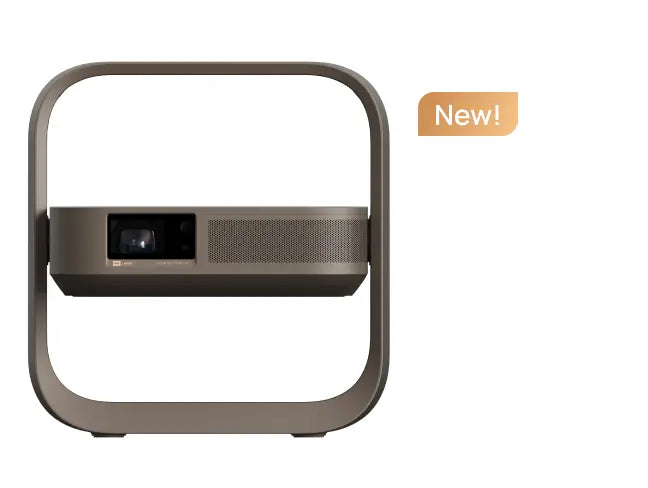
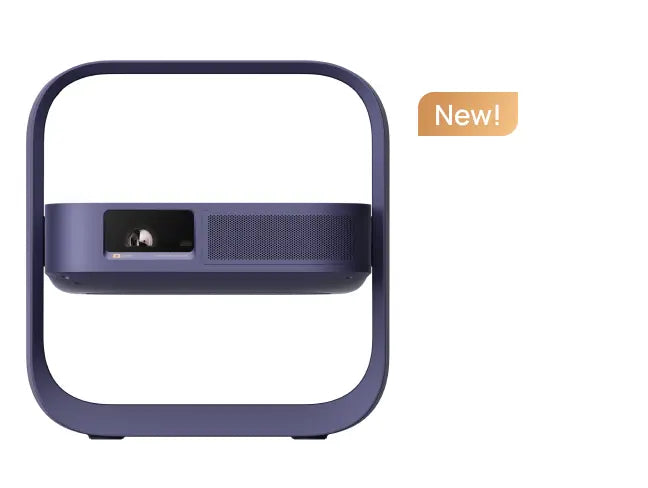
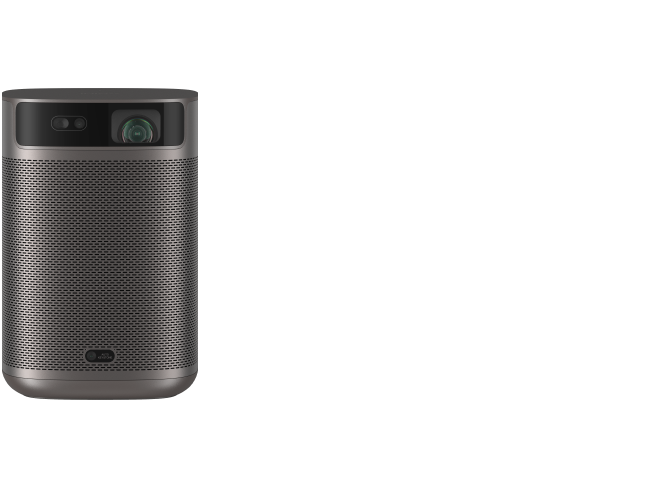
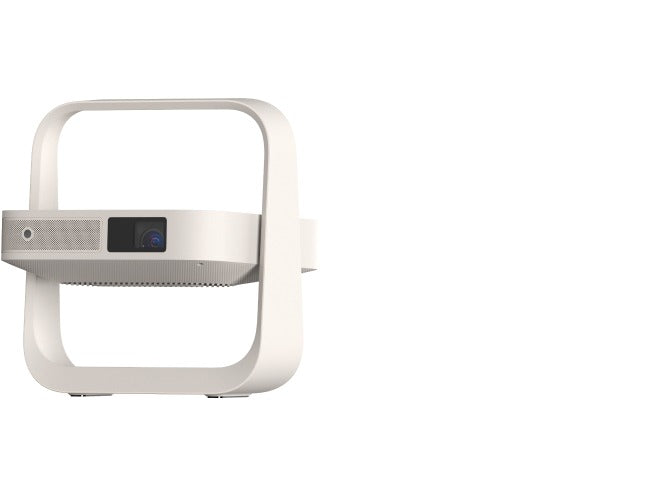
Integrated speakers become essential for on-the-go use. Smart features reduce the accessories you need to carry. Auto-focus and automatic keystone correction speed up setup in different locations. The XGIMI Vibe One (Battery Powered) exemplifies this category, weighing just 1.4 kg with a built-in battery that provides up to 1.2 hours of video playback and dual 3W JBL speakers for complete portability.
[[related_products_2]]
Accept some performance compromises for portability. Battery-powered models typically offer lower brightness and resolution than their plug-in counterparts.
Gaming Considerations
Gamers need low input lag for responsive gameplay. Input lag measures the delay between controller input and screen response. Look for specifications under 30 milliseconds, preferably under 20 milliseconds.
Higher refresh rates above 60Hz benefit fast-paced games. Some projectors now support 120Hz for smoother motion during action sequences. The XGIMI HORIZON 20 Pro takes gaming performance further with an ultra-low 1ms input lag at 1080p and 240Hz refresh rate support, plus features like VRR (Variable Refresh Rate) and ALLM (Auto Low Latency Mode) for competitive-level responsiveness. For related guidance, see What Refresh Rate and Response Time Should You Look for in a Gaming....
4K resolution enhances detail in modern games, though 1080p remains perfectly playable. Brightness matters less if you game in controlled lighting conditions.
Your Final Decision Checklist and Budget Planning
Bringing together all these considerations helps you select the right projector confidently.
Create Your Priority List
List your must-have features versus nice-to-have options. A short-throw projector might be essential in a small room but unnecessary in a spacious basement. Smart features matter more if you lack streaming devices.
Define your primary use case. A home theater projector optimizes different specifications than a portable model for camping trips. Trying to find one projector for every purpose usually leads to compromises.
Set a realistic budget. Entry-level projectors start around $200 to $400 with basic features. Mid-range options from $500 to $1,000 balance quality and affordability. Premium models exceeding $1,500 deliver the best performance for dedicated setups.
Test Before Committing
Read reviews from actual users, not just specifications sheets. Real-world performance often differs from manufacturer claims. Pay attention to comments about brightness, color accuracy, and ease of setup.
If possible, see projectors in person at electronics stores. Viewing actual images helps you understand the difference between resolution levels and brightness ratings.
Check return policies before purchasing. Many online retailers offer 30-day returns, giving you time to test the projector in your current space with your ambient light conditions.
Consider Long-Term Factors
Lamp life affects total ownership cost. Traditional lamp-based projectors require bulb replacements every 3,000 to 5,000 hours. LED and laser projectors last 20,000 hours or more without replacements. For related guidance, see The Environmental Impact of Laser Projectors vs. Traditional Lamp M....
Noise levels matter in quiet rooms. Check decibel ratings if you're sensitive to fan noise during movie dialogue or late-night viewing.
Warranty coverage protects your investment. Longer warranties indicate manufacturer confidence in reliability.
Start Your Big-Screen Journey Today
Choosing your first projector doesn't require expert knowledge, just careful consideration of your space, needs, and budget. Focus on brightness appropriate for your room's lighting, resolution matching your screen size, and features supporting your primary use case. The right projector transforms ordinary movie nights into immersive experiences.
Start by measuring your space and evaluating your lighting conditions. These physical factors will guide you toward specific projector types more effectively than any other consideration. Your perfect big-screen setup is closer than you think.

Frequently Asked Questions
Q1: How Do I Know What Lumens I Need for My Room?
Measure your ambient light conditions when you'll typically use the projector. Completely dark rooms work well with 2,000 to 3,000 lumens. Rooms with windows or lights need 4,000 to 6,000 lumens. Very bright spaces require 6,000+ lumens for clear images.
Q2: What is the Difference Between a short-throw and Ultra Short Throw Projector?
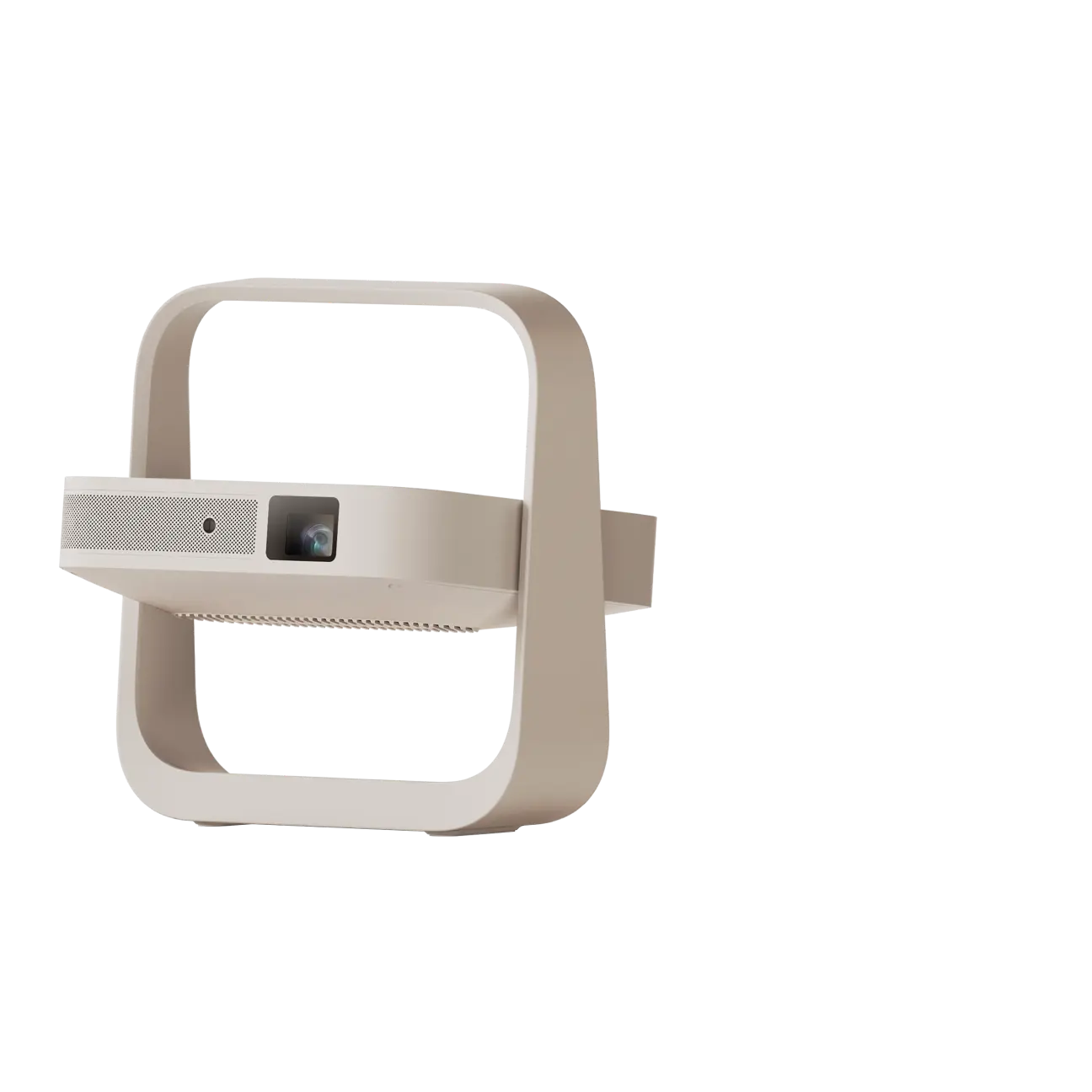
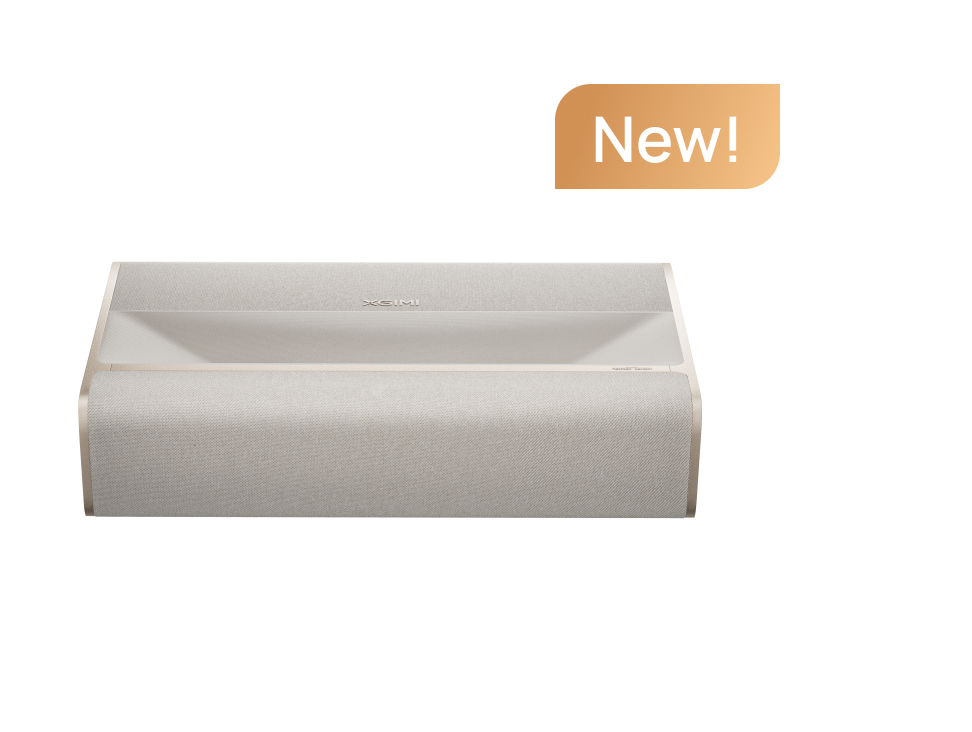
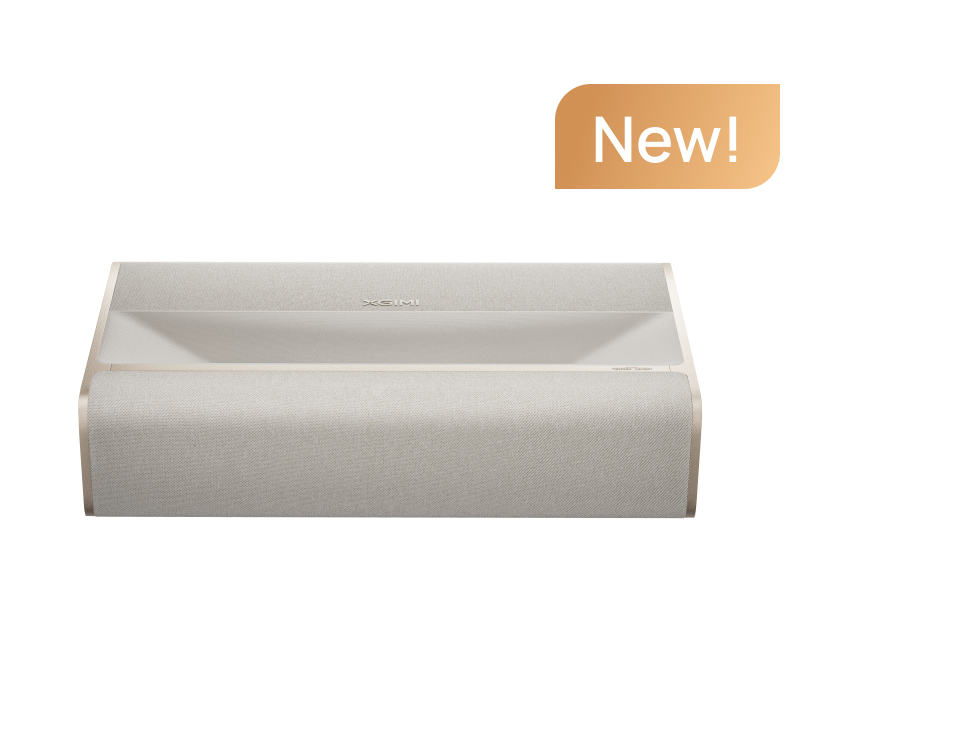
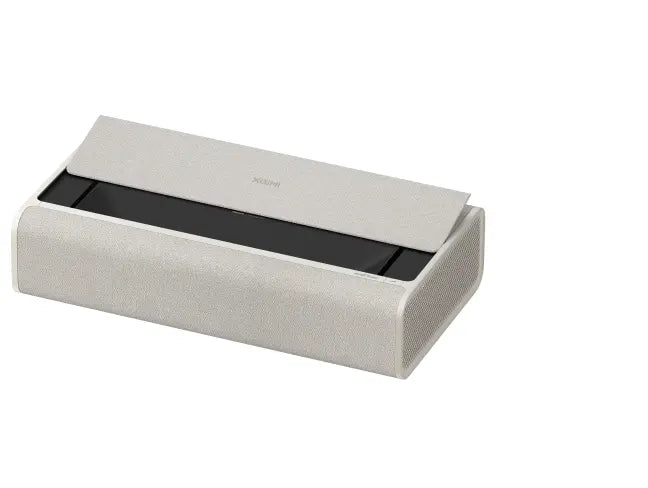
A short-throw projector creates large images from 3 to 6 feet away, while an ultra short throw projector sits just inches from the wall or screen. Ultra short-throw models work best in very tight spaces where traditional placement isn't possible. For instance, the XGIMI AURA 2 (New) can project a 100-inch image from just 7 inches away from the wall, making it ideal for rooms where you can't dedicate much floor space. Standard projectors need 8 to 12 feet for similar image sizes.
Q3: Is 1080p Good Enough or Should I Choose 4K?
1080p resolution provides excellent quality for screens up to 120 inches and costs significantly less than 4K. Choose 4K if you have a screen larger than 120 inches, sit close to the screen, or want the absolute best detail. Most streaming content and gaming still work great at 1080p.
Q4: Can I Use a Projector in a Living Room With Windows?
Yes, but you'll need a projector with at least 4,000 to 6,000 lumens to overcome ambient light. Consider using blackout curtains for daytime viewing or scheduling movie sessions during evening hours when natural light diminishes. Brightness matters more than resolution in well-lit rooms.
Q5: What Should I Look for in a Projector for Gaming?
Prioritize low input lag under 30 milliseconds for responsive gameplay. Look for 1080p or 4K resolution, depending on your console capabilities. Check for 120Hz refresh rate support if you play fast-paced games on newer consoles. Brightness and smart features matter less for gaming than input lag specifications.


