

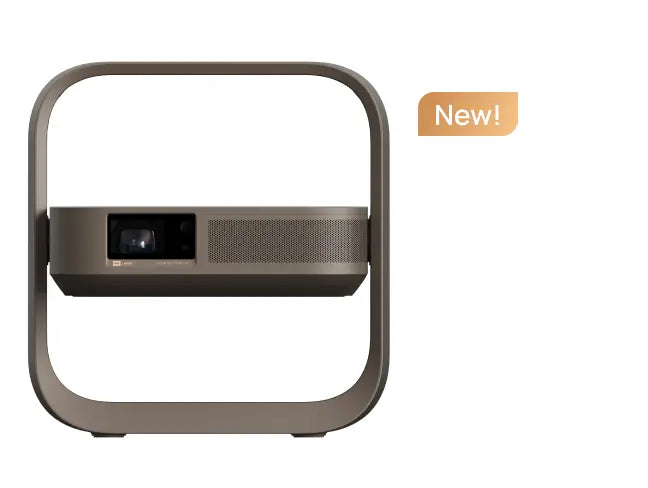
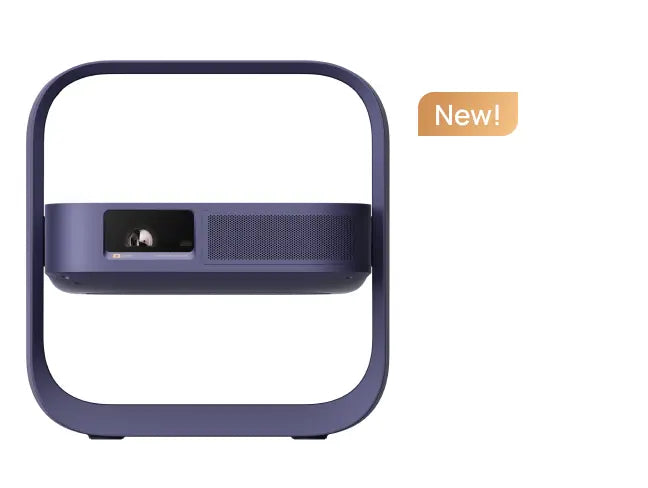
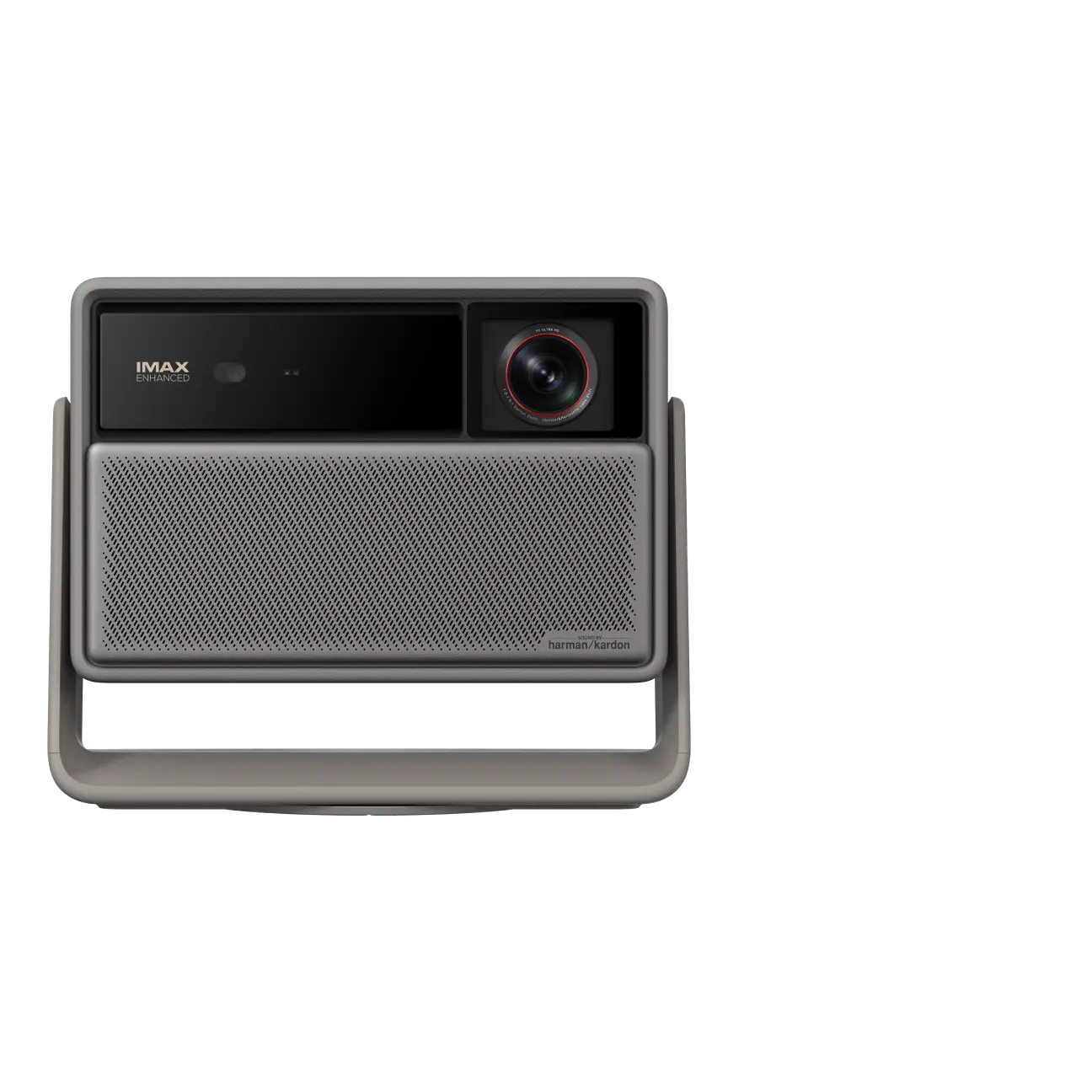
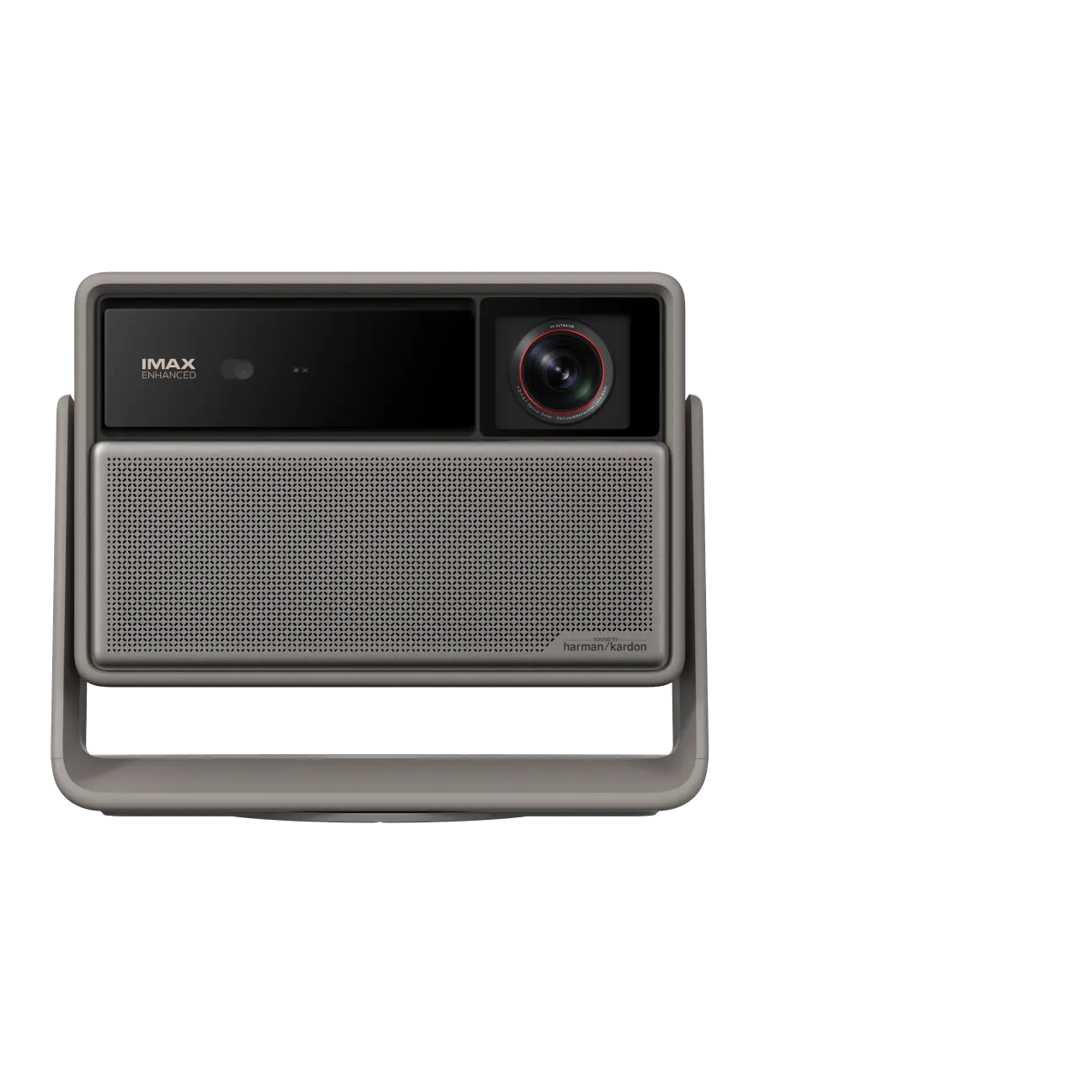
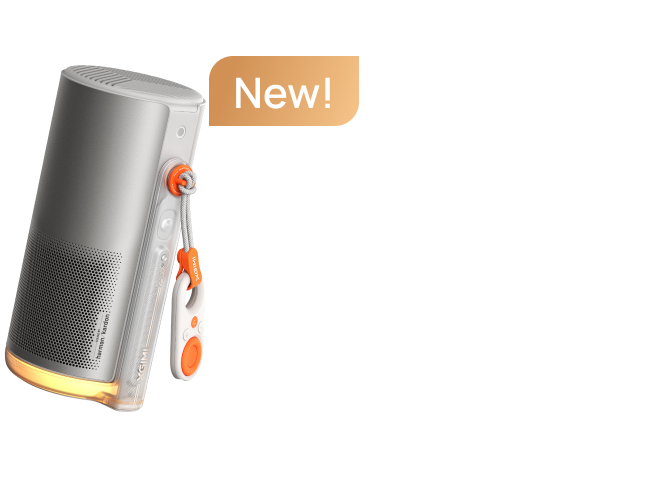
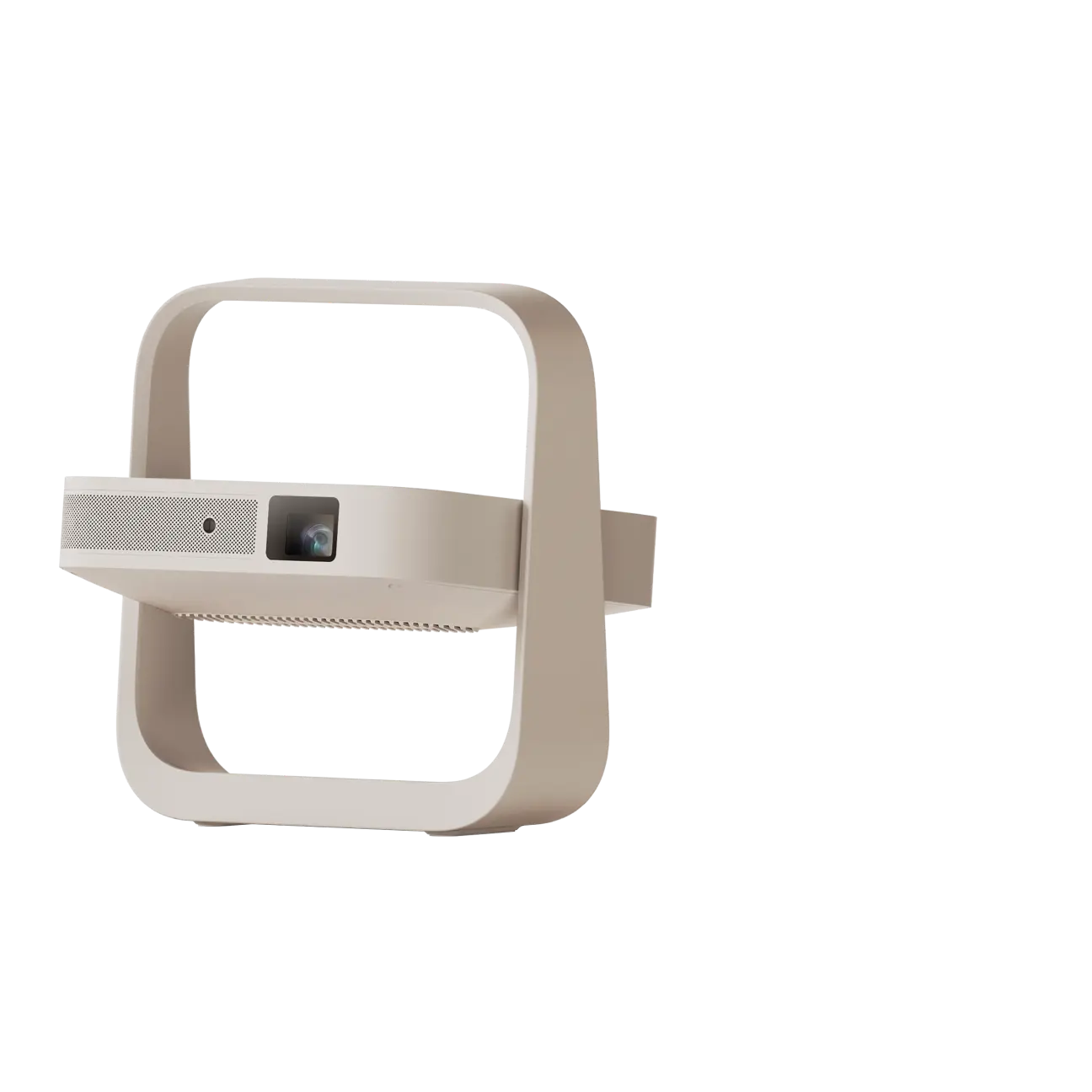



Projectors can transform more than just your movie nights by serving as dynamic digital canvases for art and subtle ambient lighting that enhances your living space throughout the day. With the right content, settings, and routines, a smart projector becomes a versatile tool for mood, creativity, and calm without requiring permanent changes to your walls or furniture. The key is matching the use case to your room, accepting some practical trade-offs around power and maintenance, and choosing content that feels intentional rather than gimmicky.
Understanding the Different Ways to Use a Projector Beyond Movies
Projectors excel at large-scale visuals, but their value as everyday ambiance devices depends on how you define the goal. Three primary non-movie roles emerge: acting as a digital art frame that displays rotating artworks or photos, providing ambient mood lighting through color washes and abstract patterns, and functioning as an always-on display for gentle background visuals.
These uses differ significantly in demands on your setup. A digital art frame works best with stable placement and occasional viewing, letting you swap images like a giant picture frame. Ambient mood lighting prioritizes soft, low-detail textures that shift colors to match the time of day or activity, creating atmosphere rather than sharp focus. An always-on display requires the most discipline because prolonged operation brings considerations around energy use, heat buildup, and whether the visuals become distracting over time.
The scenario you choose flips the recommendation. In a living room used for evening gatherings, a digital art frame or subtle ambient visuals often feels polished. In a bedroom for pre-sleep relaxation, soft mood lighting may suit better than detailed art that demands attention. Home offices benefit from calming, low-motion backgrounds that avoid pulling focus during work, while apartments with limited décor options gain flexibility from temporary projected displays. For more on this topic, see or subtle ambient visuals often feels polished.
Here is a heuristic visualization of relative fit across common scenes. Scores reflect practical judgment rather than lab measurements and should guide early decisions about which use aligns with your space.
Heuristic Fit for Projector Ambient Uses by Room/Scene
Illustrative suitability on a 1–5 relative scale; higher means a better fit for the room/scene combination.
View chart data
| Category | Digital art frame | Ambient mood lighting | Always-on display |
|---|---|---|---|
| Living room | 5.0 | 4.0 | 2.0 |
| Bedroom | 3.0 | 5.0 | 3.0 |
| Home office | 4.0 | 2.0 | 3.0 |
| Apartment | 4.0 | 4.0 | 2.0 |
Heuristic scenario matrix synthesized from viewpoint modules (scenario_matrix, constraint_first_filter, threshold_table, myth_vs_reality). Values are relative fit scores only, not measured outcomes. Use as a decision aid, not as hard performance data.

Common Myths About Projector Ambient Use
Several misconceptions can lead to disappointment when exploring projectors for digital art or mood lighting. One frequent myth is that any projector can function as a “set it and forget it” ambient device like a smart lamp. In reality, most models still require careful placement, periodic focus checks, and light control to avoid washed-out images or unwanted spill.
Another overstated idea is that ambient projection is inherently low-maintenance. Changing content regularly, managing cables, and tolerating fan noise or minor heat often become daily realities that some users underestimate. Claims that always-on projection is completely harmless overlook gradual wear on the light source, higher electricity costs over weeks of extended use, and the possibility of visual fatigue if brightness or motion is not dialed back appropriately.
These myths highlight why a projector-based digital window works best when treated as an intentional feature rather than an invisible background element. Successful setups usually involve scheduled routines rather than nonstop operation.
Practical Setup Guidance for Different Rooms
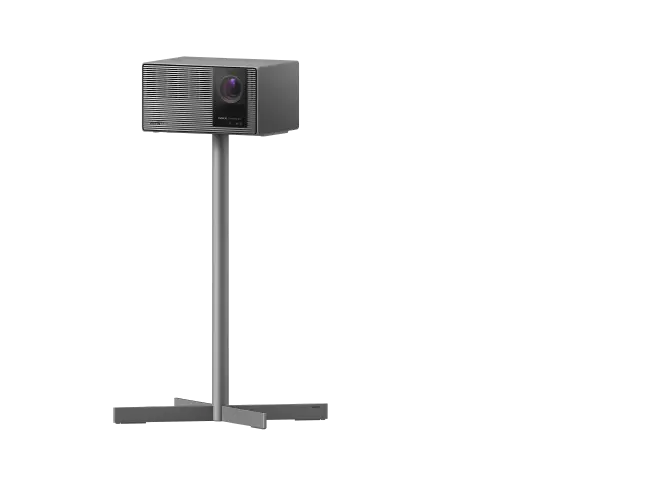
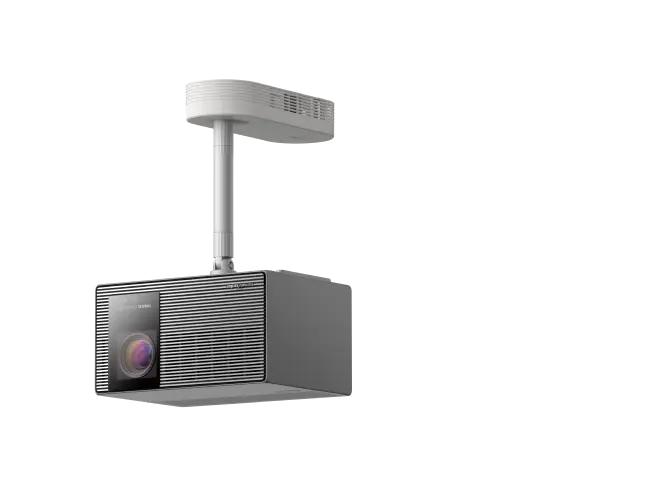
Successful ambient projector use starts with treating the device as a fixed installation where possible. For living rooms, mount or place the projector so it consistently hits the same wall area, using features like automatic keystone correction and focus to simplify daily activation. Dim the room lights or use the projector in evening hours when natural light interference is minimal.
Bedroom setups for relaxation favor lower brightness levels and slow-moving or static abstract patterns. Position the unit on a nightstand or low shelf, aiming at a neutral wall opposite the bed. Enable eco or low-power modes to reduce fan noise and heat near sleeping areas. Avoid highly detailed images that could stimulate rather than soothe.
In home offices or study spaces, prioritize subtle color gradients or nature-inspired scenes that enhance focus without distraction. Place the projector to project onto a side wall rather than directly in your line of sight during calls or deep work. Test different times of day to ensure the visuals remain calming under varying ambient light. For more on this topic, see Projector vs TV: An Honest Comparison for Your Home.
Apartments and rentals benefit from the non-permanent nature of projection. Use portable models that can be stored when not needed, but dedicate a consistent “display zone” to minimize realignment each time. Consider short-throw or ultra-short-throw options if space is tight, though these may limit projection size for art-like displays.
A quick self-check before committing includes verifying whether your chosen wall has even texture and color (light-colored, matte surfaces perform best), confirming the projector can remain aimed without frequent movement, and assessing whether room acoustics and neighbors tolerate any added fan sound during extended sessions.
Content Sources and Ideas That Feel Polished
The quality of your ambient experience depends heavily on sourcing appropriate visuals. Free and paid platforms offer high-resolution digital art, slow-motion nature footage, and generative abstract scenes designed for long viewing. Look for collections labeled as “art mode,” “ambient visuals,” or “digital canvas” on streaming services, dedicated art apps, or websites specializing in downloadable 4K wallpapers and looping videos.
Popular approaches include rotating famous artworks, personal photography collections, minimalist geometric patterns, or time-lapse landscapes that change gradually with the hour. For mood lighting effects, search for color-field videos or procedural animations that blend softly without hard edges. Some users create custom playlists that sync gentle visuals with background music for a more immersive feel.
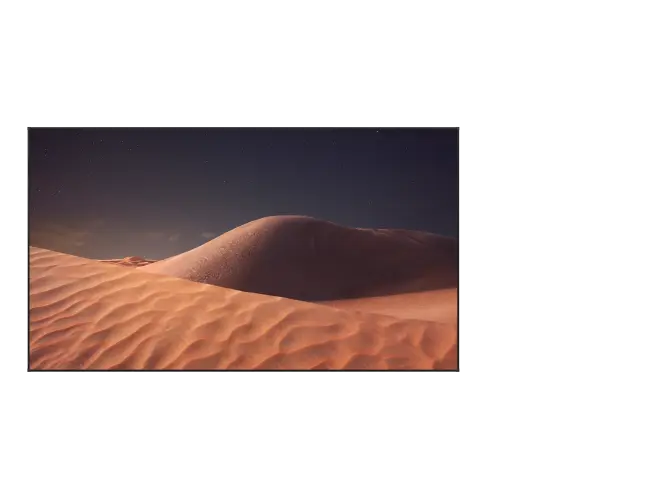
To avoid a gimmicky appearance, limit motion to very slow transitions and choose content with soft focus or artistic blur. Static or near-static images often feel more like intentional décor than moving screensavers. Rotate selections weekly to keep the display fresh without daily effort.
Optimizing Settings to Reduce Eye Strain and Energy Use
Proper calibration prevents common complaints about discomfort or inefficiency. Lower brightness to 30-50% for ambient modes, as overly luminous projections can cause glare or fatigue during prolonged exposure. Adjust color temperature toward warmer tones (around 3000-4000K) for evening use to support natural wind-down processes.
Enable any available energy-saving or eco modes to extend light source lifespan and reduce power draw. Most modern LED or laser projectors handle intermittent use well, but leaving a unit running continuously for many hours daily increases electricity costs and thermal output—factors worth monitoring in smaller rooms.
Fan noise can be mitigated by selecting quieter models for bedrooms or offices and positioning the projector farther from seating areas. Regular dust cleaning maintains performance and prevents overheating that might shorten component life.
Important note on comfort and use: This article discusses setup ideas and subjective ambiance preferences only. It does not provide medical advice, diagnose conditions, or claim specific health outcomes. Projectors are not substitutes for proper lighting or eye care. If you experience persistent eye discomfort, headaches, or sleep issues, consult a qualified healthcare professional. For more on this topic, see Projector Brightness Standards and Measurement: A Comprehensive Ref....
When a Projector May Not Be the Best Choice for Ambient Use
Certain situations make conventional alternatives more practical. If your space receives strong daylight most of the day and cannot easily be darkened, a physical art print, e-ink frame, or dedicated LED backlighting may deliver more consistent results with zero power or noise. Frequent movers or those without a dedicated display wall often find the realignment hassle outweighs the novelty.
Users sensitive to any background noise or heat may prefer screen-based digital frames or smart lighting systems for always-on décor. In rooms where the projector cannot be hidden or integrated discreetly, the visible hardware can detract from the clean aesthetic many seek.
Before purchasing specifically for ambient roles, test your intended content and room conditions for at least a few evenings. Many discover that occasional use for art or mood enhancement feels rewarding, while forcing daily always-on operation leads to abandonment.
Building a Sustainable Routine
Treat your projector like a lifestyle appliance by creating simple activation habits. Use smart plugs or the device’s scheduling features to turn on at sunset and off at bedtime. Pair with voice assistants or home automation to switch between “art mode,” “mood lighting,” and “cinema” presets effortlessly.
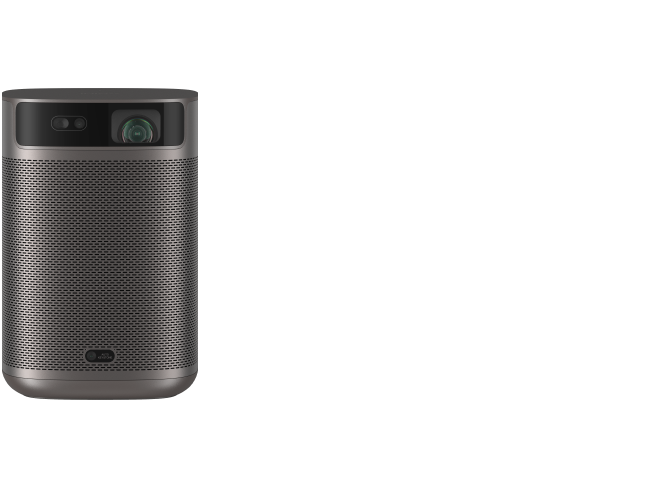
Periodic content curation—perhaps 10-15 minutes once a week—keeps the display engaging. Combine with complementary lighting, such as low-level lamps or the XGIMI Magnetic Creative Filter for added visual texture on compatible portable models like the MoGo 4.
For those deepening their home entertainment setup, explore how projectors deliver advantages beyond traditional screens while experimenting with creative applications.
Making the Most of Your Projector Investment
Expanding your projector’s role into digital art and ambient lighting increases its daily relevance, particularly for design-conscious users and smart home enthusiasts. By focusing on stable placement, suitable content, moderated settings, and realistic expectations around maintenance and energy, you can create a calming digital window that genuinely enhances your environment.
Start small—choose one room and one primary use case—then refine based on what feels natural in your space. The result can be a more inspiring, personalized home that leverages your existing hardware in thoughtful new ways, provided you respect the practical boundaries that separate novelty from sustainable daily use.

Whether you lean toward artistic expression or gentle mood enhancement, the flexibility of modern projectors opens creative doors well beyond traditional entertainment. Experiment, observe how the visuals affect your space and mindset, and adjust until the setup feels like a natural part of your home rather than an added gadget.


