
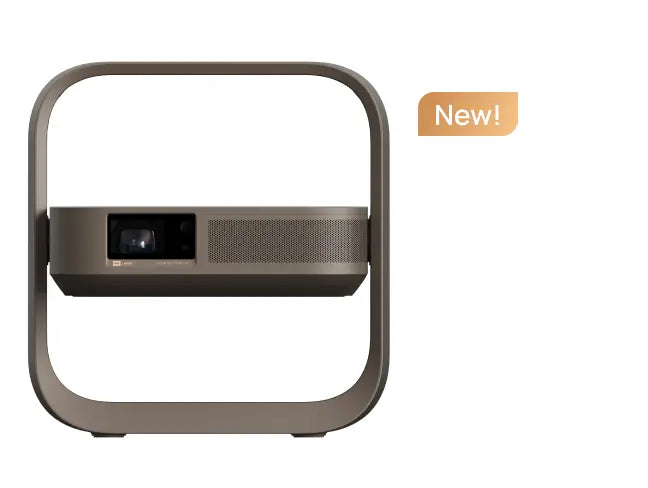
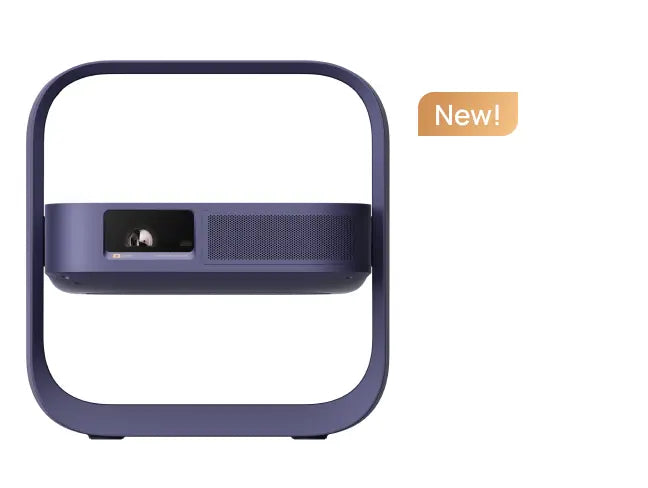
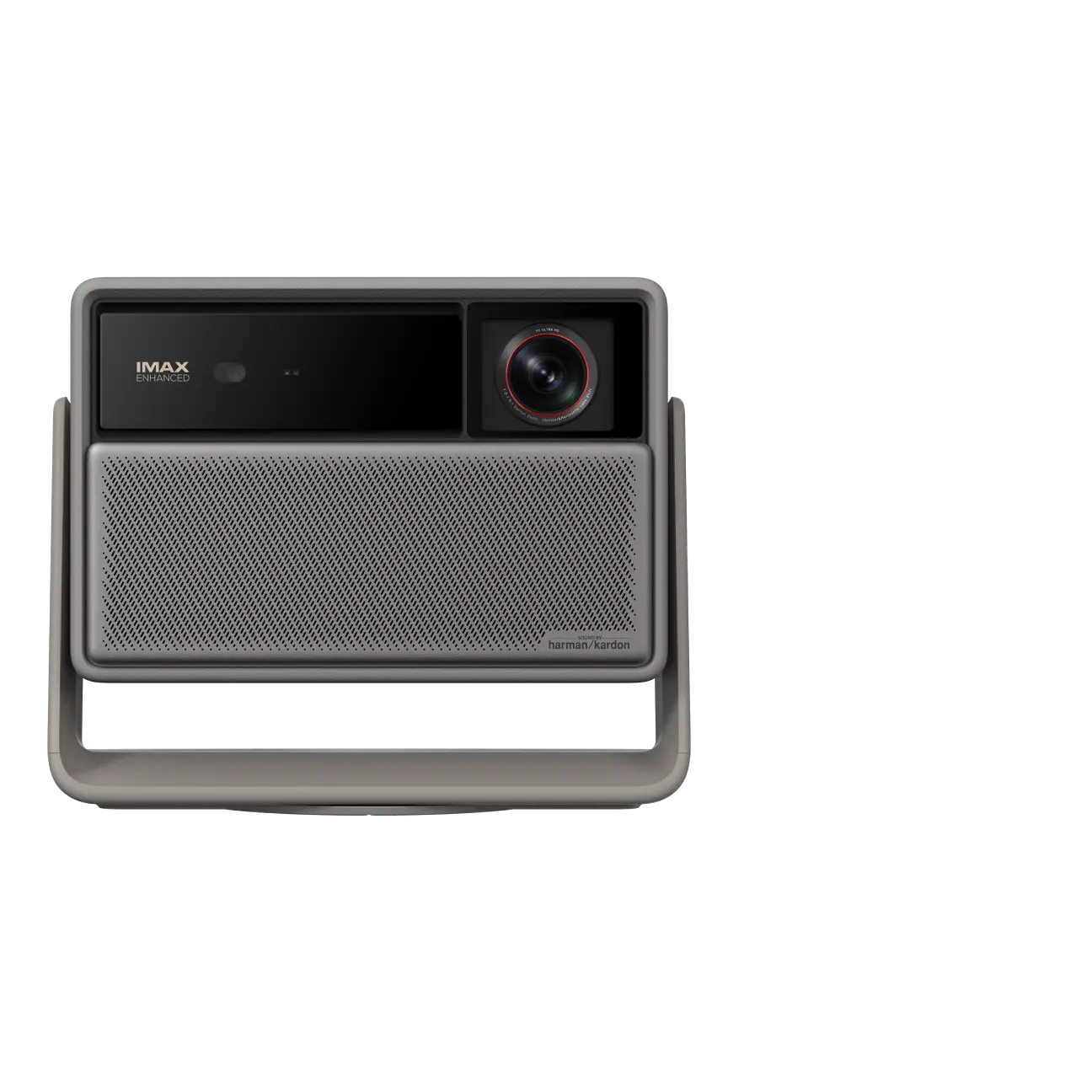
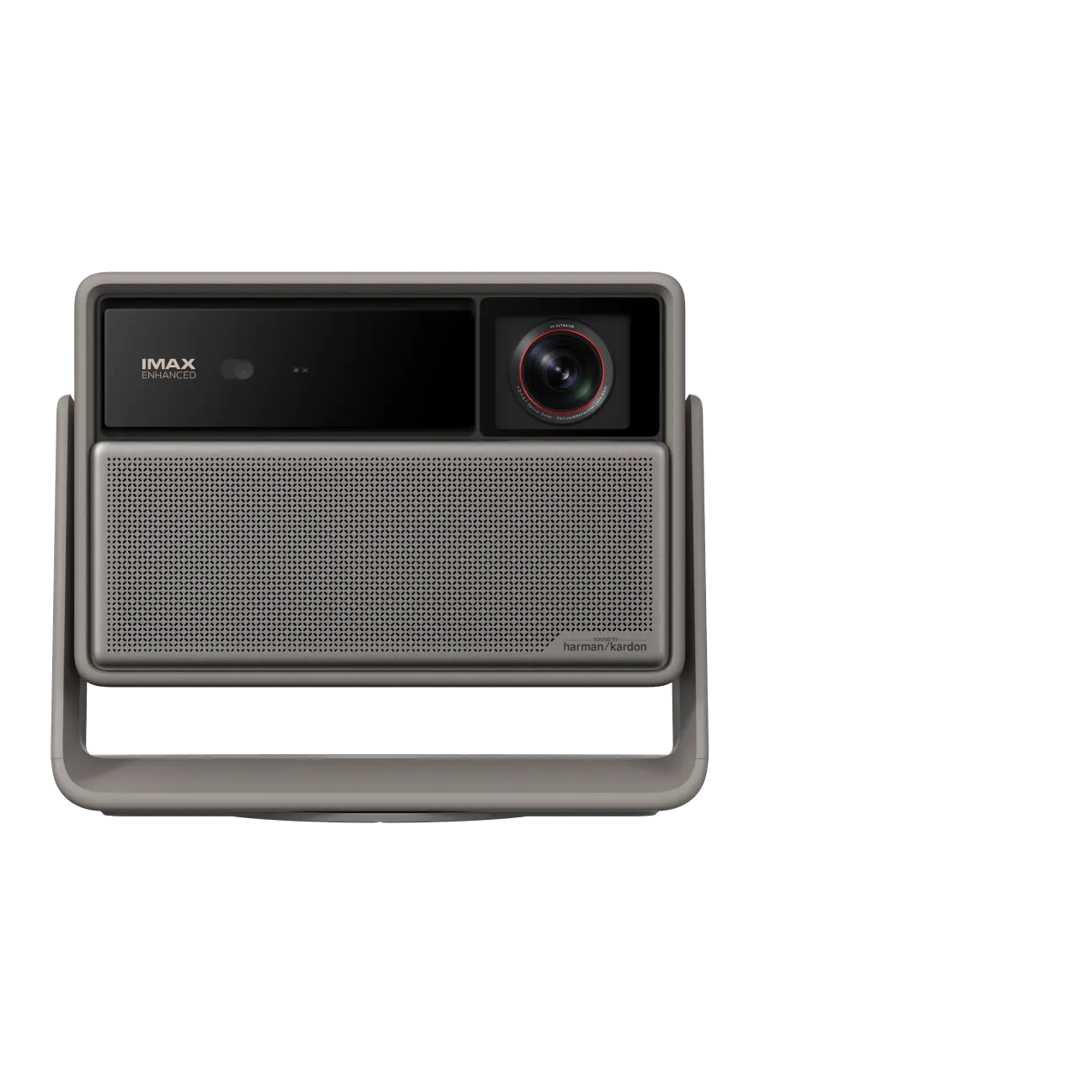
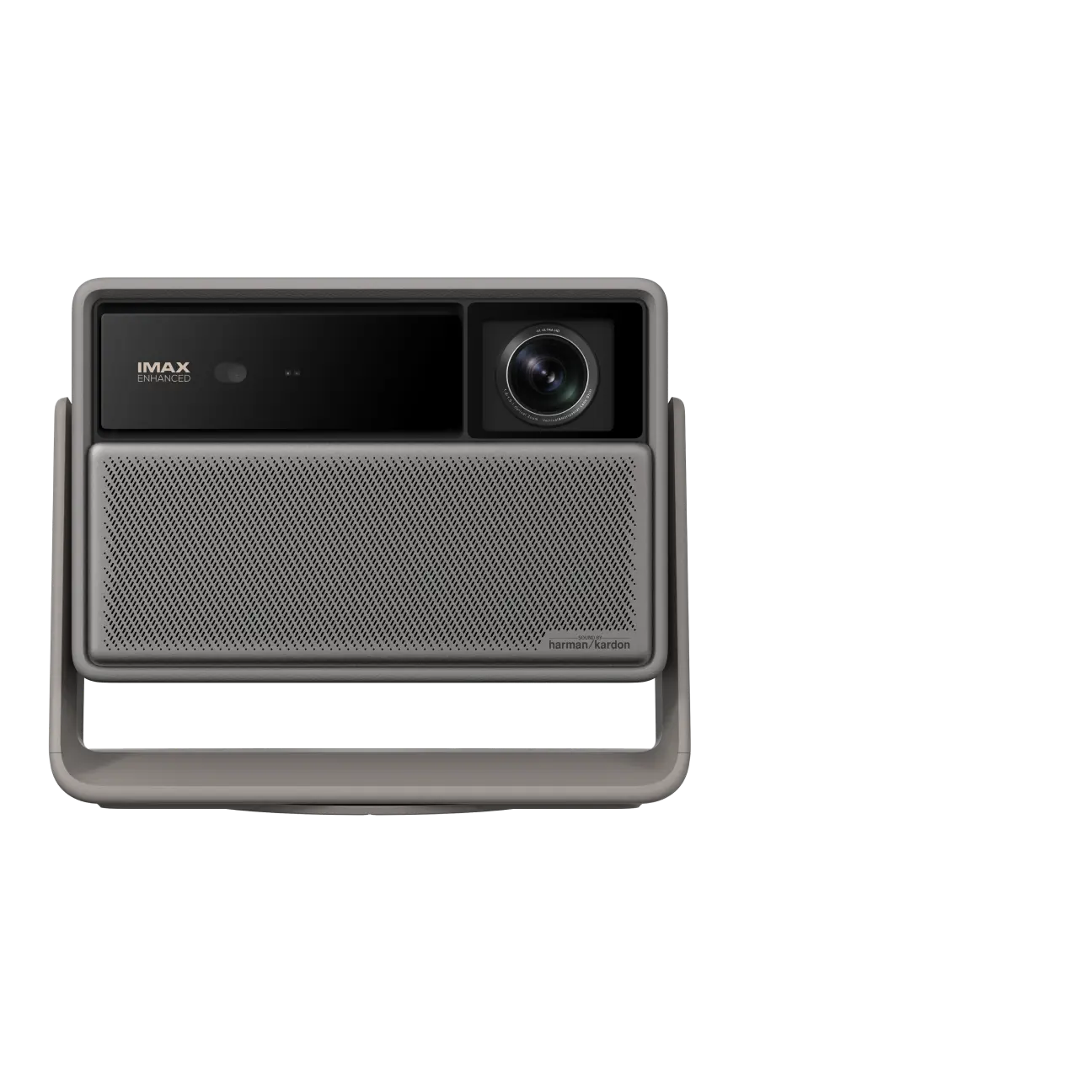
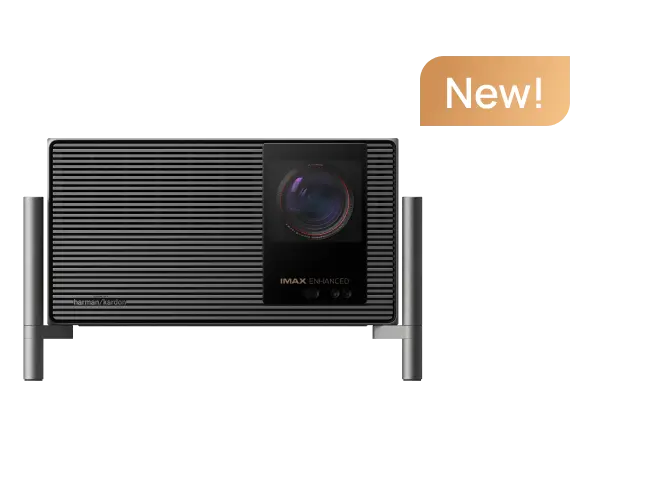
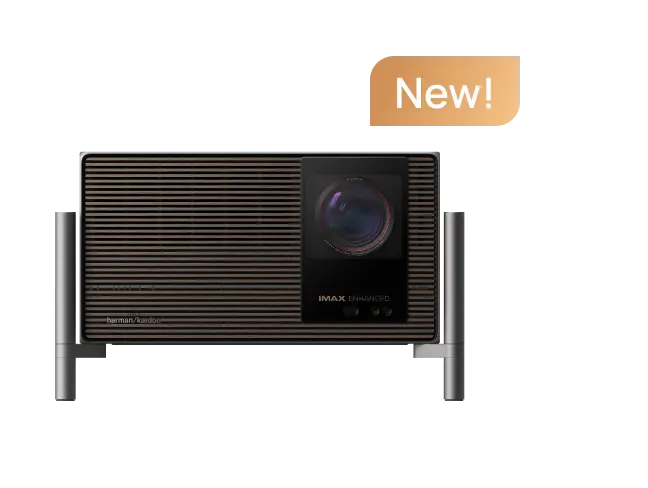
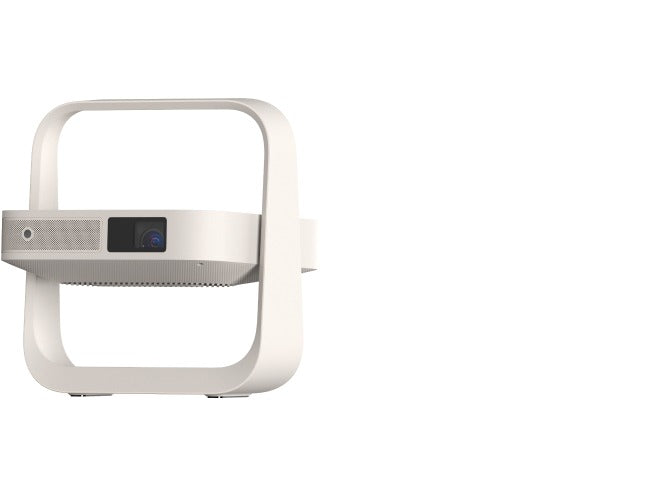
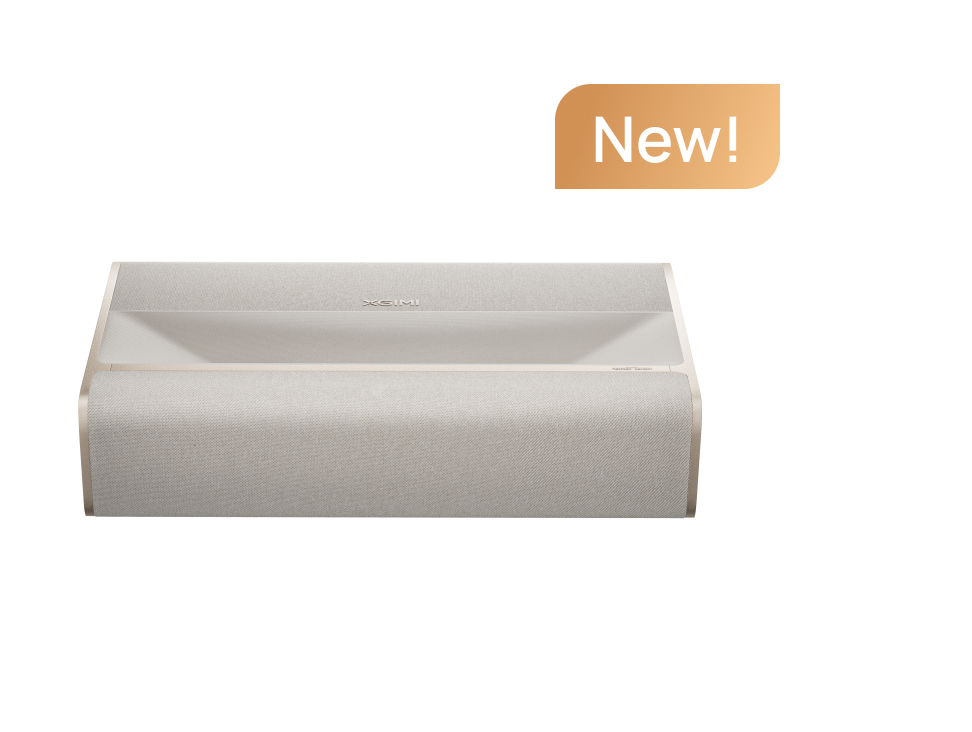
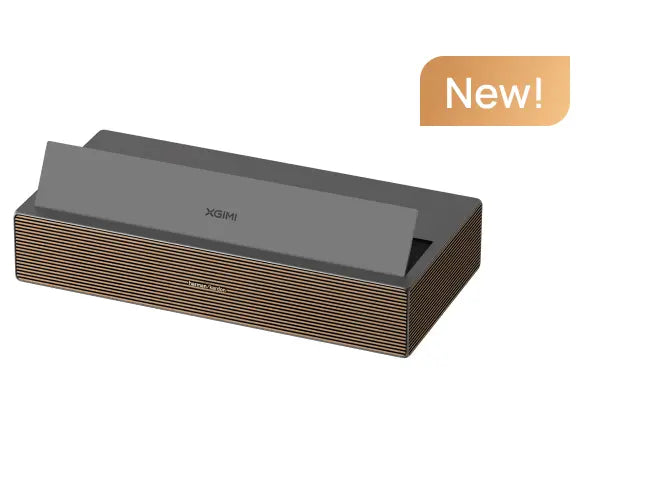
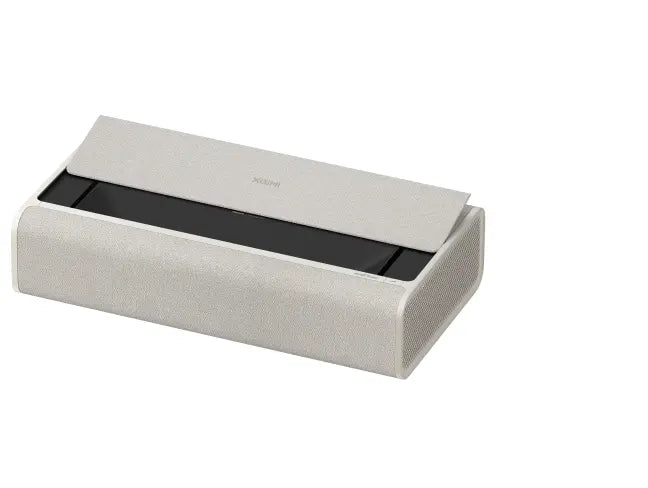
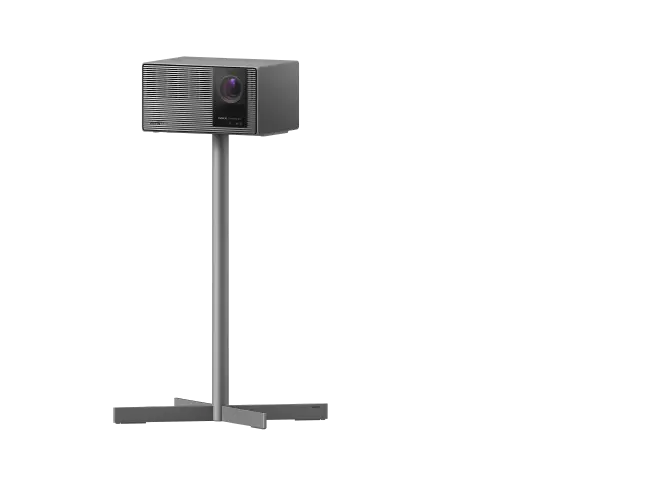
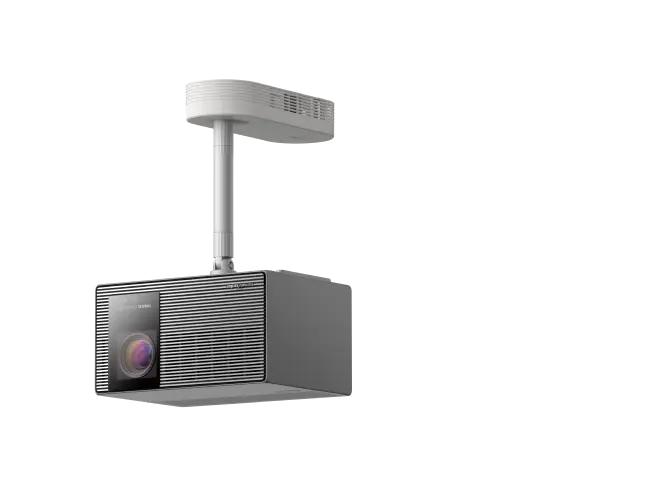



Explore XGIMI projector for home theaters, living rooms, gaming, outdoor movies, and entertainment anywhere. Compare premium 4K, compact, portable, laser, and ultra short throw projector with stunning image quality, vibrant colors, high brightness, Google TV, smart setup, and immersive big-screen viewing.
FAQs About Projector
How much is a really good projector?
Around $1,000 is a common sweet spot for a really good projector, but the right budget depends on resolution, brightness, light source, smart features, room size, and overall image quality. A quality digital projector with 1080p resolution can deliver a decent image at a lower price, while a premium projector or 4K model may cost extra for higher brightness, stronger contrast, greater color accuracy, Dolby Vision, lens shift, or more advanced optics.
Most modern media is produced in 4K resolution, so a new projector with 4K support can be worthwhile if you want sharper detail for larger-than-life movies. However, you do not always need to pay the extra cost. Choosing features that match your actual room and viewing habits can help you save big without sacrificing the performance you use most.
You can compare models with the XGIMI Projector Comparison Tool or browse the full range of XGIMI projectors.
Which is better for home use, a TV or a projector?
A living room TV is convenient for everyday viewing, especially in bright conditions, while a projector is better when screen size and immersion matter most. A home theater projector can create an exceptionally large picture for movie nights, sports, gaming, home movies, and a true home cinema experience without installing an equally large television.
The vivid visual experience provided by a large projector screen can make movies feel more immersive, especially in darker rooms. A dedicated screen can also reflect light more effectively than many painted walls while providing a smoother surface for better picture quality.
For small rooms, an ultra short throw projector can create a large image from only a few inches away, while a traditional projector generally needs more distance. A short-throw projector can create roughly a 100-inch image from about five feet away.
Can I watch normal TV on a projector?
Yes. Modern video projectors can receive content from cable boxes, streaming devices, game consoles, laptops, and other sources through HDMI or compatible wireless connections. Many smart models also offer built-in streaming, Google TV, or Android TV, making it easier to watch TV shows, movies, sports, and streaming apps without relying on a separate device.
When choosing a projector today, check whether it supports your preferred streaming services, resolution, connections, audio setup, and aspect ratio. Most TV and streaming content uses a widescreen 16:9 format.
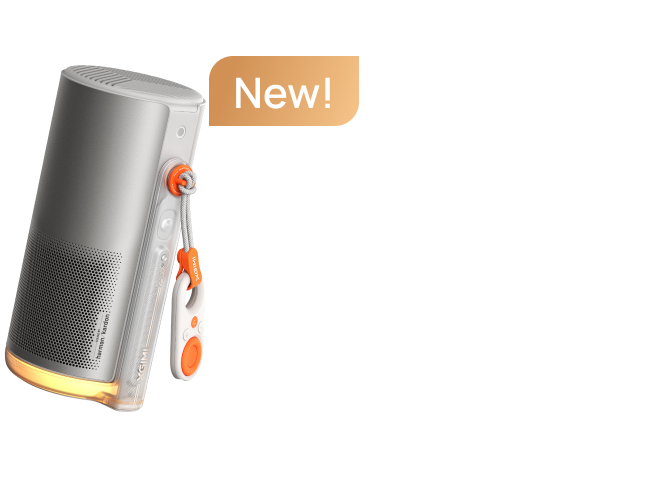
A compact projector or portable option can also work well for bedrooms, apartments, travel, or occasional viewing. Some portable models include a built-in battery, making them especially useful for outdoor movies, camping, and entertainment away from a wall outlet. Portable projectors are generally less bright than traditional models, so darker conditions usually produce better results.
For flexible indoor and outdoor use, explore portable projector.
What's the best projector for home use?
The best projector for home use depends on where you watch, how large you want the screen, and whether brightness, resolution, contrast, color accuracy, portability, gaming performance, or smart streaming matters most.
For the best picture quality, consider these factors:
- Resolution: 4K is ideal for larger screens and detailed movies because it provides significantly more picture detail than 1080p. Explore 4K projector if sharpness and fine detail are priorities.
- Brightness: Projector brightness is measured in lumens. Many modern projector fall around the 1,000–2,000-lumen range, while high-brightness models may go considerably higher for stronger performance with ambient light.
- Contrast: Higher contrast helps create deeper blacks and stronger image depth, especially in darker home theaters.
- Light source: Projector may use traditional lamps, LEDs, or lasers. Laser light sources can last roughly 20,000–30,000 hours, while traditional lamp projector may require lamp replacement after approximately 2,000–5,000 hours. LED projectors also offer long life but are often lower in brightness. For long-life, high-output options, see laser projectors.
- Projection technology: DLP, LCD, and LCoS are three major digital imaging technologies. A DLP digital projector uses microscopic mirrors and typically produces a sharp image, although some viewers may notice a rainbow effect in high-contrast scenes. An LCD projector separates white light through color panels and can deliver strong color brightness. LCoS combines reflective and liquid-crystal technologies and is often used in premium home-theater systems for stronger black levels.
- Placement: A traditional projector needs greater throw distance, while short throw and ultra short throw designs are better suited to smaller spaces.
- Smart features: Automatic focus, keystone correction, Google TV, built-in streaming, and simple screen alignment can make most modern projectors easier to set up and use.
If you want stunning image quality, vibrant colors, high brightness, and an immersive screen for a cinematic celebration, consider a premium home projector, 4K projector, or laser projector. If flexibility matters more, a compact or portable projector may deliver better performance for apartments, bedrooms, outdoor entertainment, and occasional business use.
Are projector better for your eyes than TVs?
Projector work differently from TVs because the image is created by light reflected from a wall or projector screen rather than light coming directly from a display panel toward the viewer. Some people may find projected images more comfortable for long movie sessions or very large displays, but a projector should not automatically be considered better for eye health.
Viewing comfort depends on screen brightness, ambient light, viewing distance, contrast, screen size, and session length. An excessively bright image in a dark room or an image that is too dim for the surrounding environment can still cause visual discomfort.
A dedicated screen can also improve the viewing experience because it provides a smoother projection surface and can reflect more light than many painted walls. Choose the right screen size, brightness, and viewing distance for your room, then compare the full range of XGIMI projector based on your setup.