
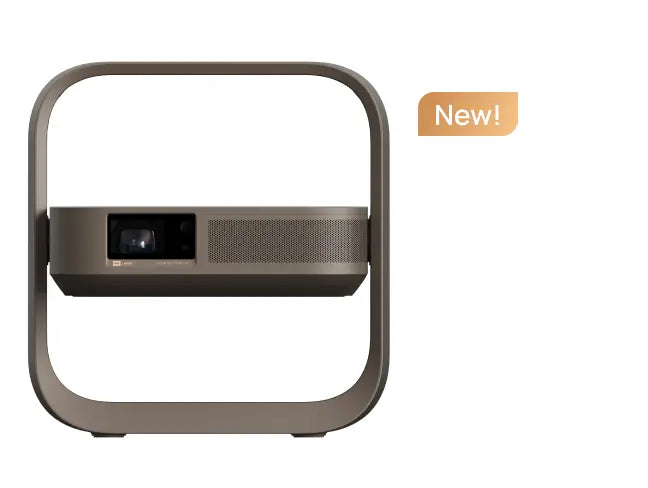
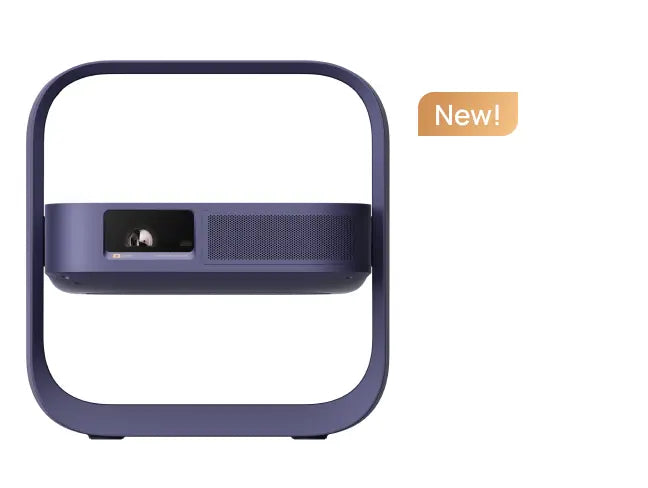
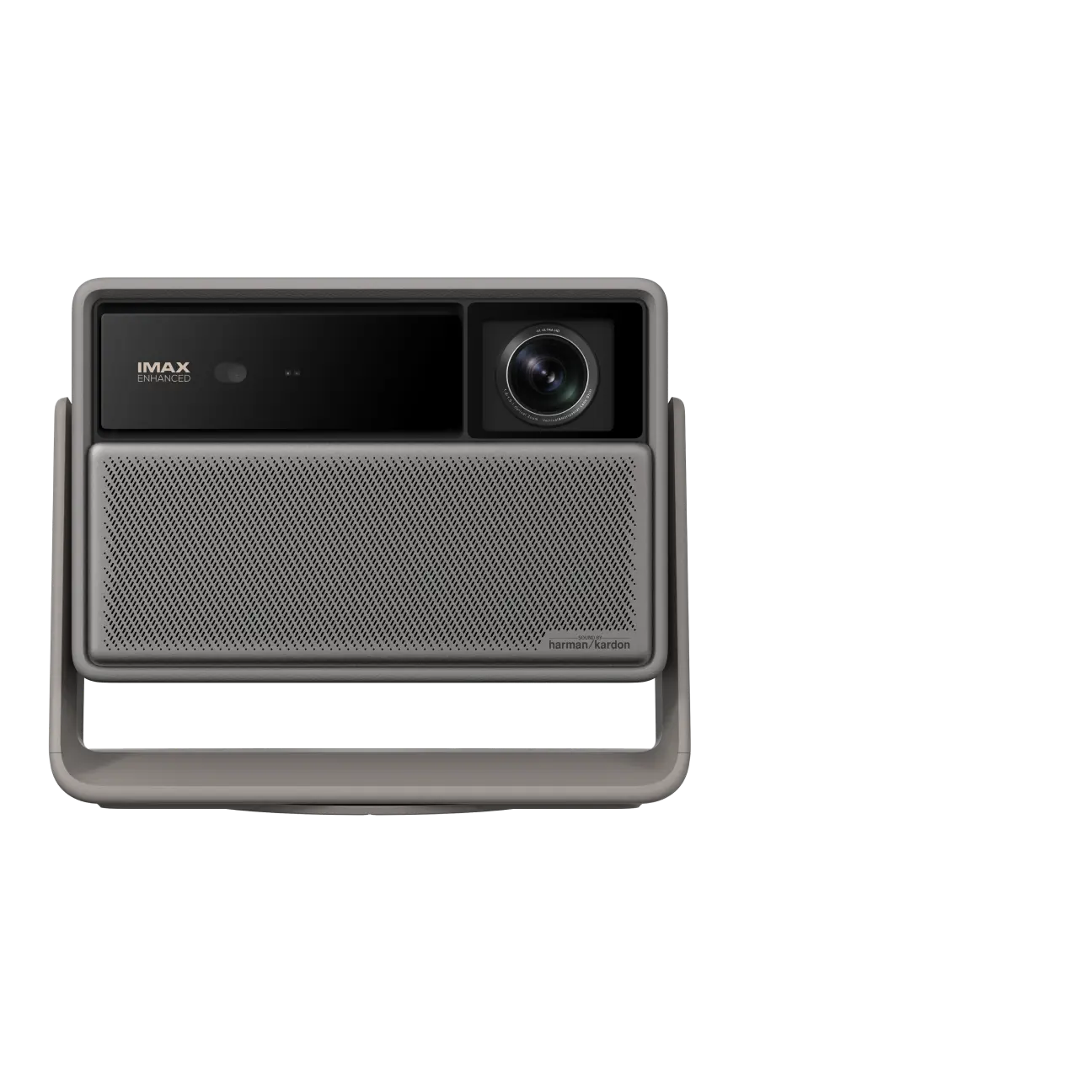
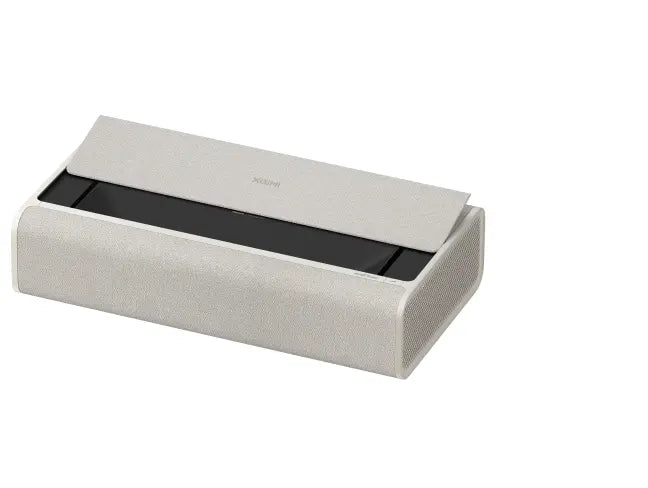
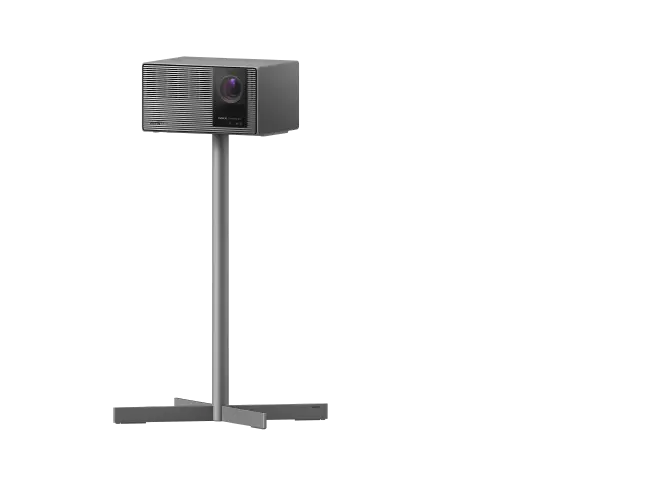
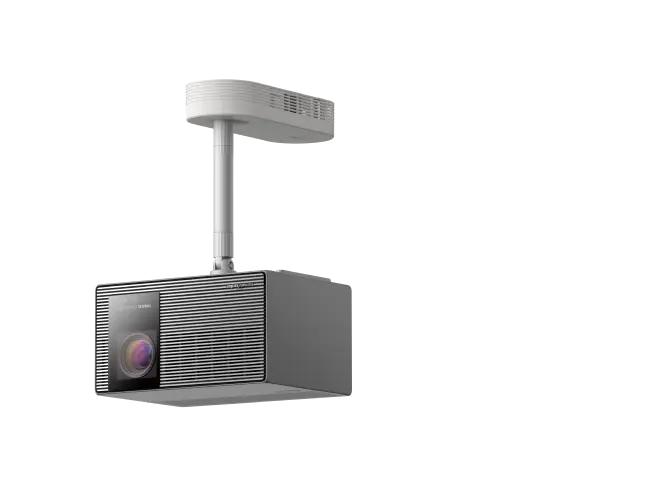

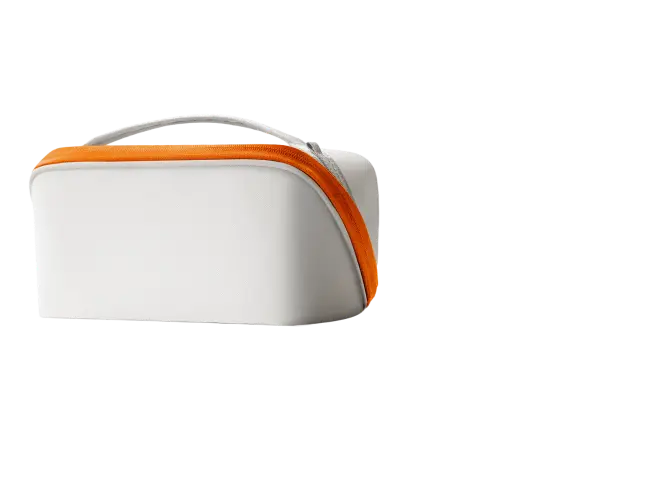




A projector can create a softer, more flexible screen experience in a child’s bedroom than a traditional TV, making it practical for bedtime stories, short educational videos, and occasional movie nights when parents prioritize perceived comfort and easy room integration.

The key is matching the device to your family’s actual routines rather than chasing blanket “eye-safe” promises. Diffuse reflection and automatic setup features can reduce the sense of harsh direct glare compared with many glowing screens, but results depend heavily on room lighting, viewing distance, and content choices.
Why Parents Consider Projectors for Kids’ Rooms
Many families explore projectors as an alternative to wall-mounted TVs in bedrooms because they offer a large image without permanently occupying valuable wall space. In small or shared children’s rooms, the ability to project onto a wall or portable screen and then store the unit can keep the space feeling open and adaptable. For more on this topic, see How to Protect Your UST Projector from Pets and Children in the Liv....
According to practical setup guidance for small apartments, projectors work best when combined with simple room adjustments such as blackout curtains or stable placement to maintain consistent image quality. This flexibility is particularly appealing for families who want screen time to feel less like a fixed appliance and more like an on-demand activity.
Important note on eye comfort: Projectors using diffuse reflection technology produce an image by bouncing light off a surface rather than emitting it directly toward the viewer. This can feel gentler in some setups compared with bright LED or OLED TVs. However, this article discusses only perceived comfort and setup factors. It is not medical advice, does not diagnose or treat any eye condition, and does not guarantee reduced eye strain. If your child experiences persistent discomfort or has existing vision issues, consult a qualified eye care professional.
Myth vs Reality: Eye Comfort and Kids’ Projectors
Several common claims circulate about projectors being inherently better for children’s eyes. Here’s a clearer picture:

-
Myth: Projectors are always safer than TVs for kids’ eyes.
Reality: They may feel more comfortable in certain viewing conditions because the light is reflected rather than direct. This is a perceptual difference, not a proven medical advantage. -
Myth: Lower blue light automatically prevents eye strain.
Reality: While some models include blue-light reduction features, comfort still depends on total viewing time, room lighting, and breaks. No projector eliminates the need for healthy screen habits. -
Myth: A projector makes screen time automatically more educational.
Reality: The display size can make shared storytelling or videos more engaging, but learning outcomes depend on content quality, parental involvement, and the child’s age—not the projection method itself.
These distinctions help set realistic expectations before purchase.
Key Features to Look For in a Kids’ Room Projector
When evaluating options, focus on characteristics that support real-world family use rather than maximum specifications.
Perceived Eye-Friendly Technology
Look for models that emphasize diffuse reflection and automatic brightness or color adjustments. These features can help the projected image feel less harsh than a direct-glow TV in low-light bedtime scenarios. Some devices also carry certifications for low blue light output in specific modes, which may support more comfortable evening viewing when used responsibly.
Intelligent Setup and Minimal Fuss
Intelligent Screen Adaptation (ISA) technology can automatically handle focus, keystone correction, and obstacle avoidance. This is especially useful in children’s rooms where parents want to avoid nightly manual adjustments. The guide to XGIMI’s ISA technology explains how these features simplify placement on shelves, nightstands, or ceilings.
Portability and Durability for Growing Families
Battery-powered portable projectors allow easy movement between bedrooms, living rooms, or even sleepovers. Compact designs with built-in stands or cases suit shared spaces and reduce clutter. Check the portable projector buying guide for factors such as battery life, weight, and audio quality that matter for kids’ activities.
Smart Features and Parental Controls
Google TV or similar platforms with licensed streaming apps provide access to age-appropriate educational content and movies. Built-in parental controls and content filtering help families manage what children watch. Screen mirroring from tablets or phones also supports homework videos or family photo slideshows.
Projector vs TV for Children’s Bedrooms: Scenario Comparison
The best choice often depends on how the room is used. Here is an illustrative heuristic comparing perceived comfort and practicality across common family activities (higher values indicate stronger relative fit for that scenario):
Perceived Comfort and Practicality Heuristic: Kids Room Projector vs TV by Family Scenario
Perceived Comfort and Practicality Heuristic: Kids Room Projector vs TV by Family Scenario chart.
View chart data
| Series | Bedtime Stories | Educational Videos / Learning | Movie Nights / Sleepovers | Daily All-day Viewing | Quick Setup in Small Room |
|---|---|---|---|---|---|
| Projector | 3 | 2 | 5 | 2 | 4 |
| TV | 2 | 4 | 2 | 5 | 3 |
Illustrative heuristic based on internal viewpoint modules (decision_snapshot, scenario_matrix, reverse_recommendation, myth_vs_reality) plus internal blog themes on diffuse light and perceived comfort, easy setup, portability for sleepovers, and small-apartment fit. Scores are qualitative (Low/Medium/High mapped to 1/2/3/4/5-style relative emphasis) and are not medical, clinical, or experimental measurements. The chart shows perceived comfort and practicality by family activity, not absolute product performance.
This chart is a bounded heuristic for illustration only. Actual experience varies with room conditions, content, and family habits.
How to Use a Projector in a Child’s Room
-
Bedtime routines: Project gentle stories or calming visuals onto the ceiling or wall. The softer light can support a wind-down atmosphere when used with appropriate content.
-
Educational moments: Display learning videos, virtual field trips, or interactive apps on a larger surface. Pair with parental discussion to reinforce concepts.
-
Movie nights and sleepovers: A portable model with good built-in sound creates an instant cinema feel without permanent installation. The list of creative ways to use a projector includes ideas for games, storytelling, and family activities.
-
Screen mirroring: Easily share educational apps or videos from a tablet or phone. See the screen mirroring guide for step-by-step instructions across devices.
Don’t Buy If…
Skip a projector for a child’s room if:
- You need one-touch simplicity every single night with zero adjustment.
- The room layout requires frequent repositioning of furniture or the projector.
- Your primary goal is a medically guaranteed eye-protection solution (no consumer display currently provides that).
- Daily all-day viewing is the main use case and a traditional TV already meets your needs without added setup steps.
In these situations, a well-positioned TV may prove less frustrating for consistent daily routines.
Recommended XGIMI Models for Kids’ Rooms
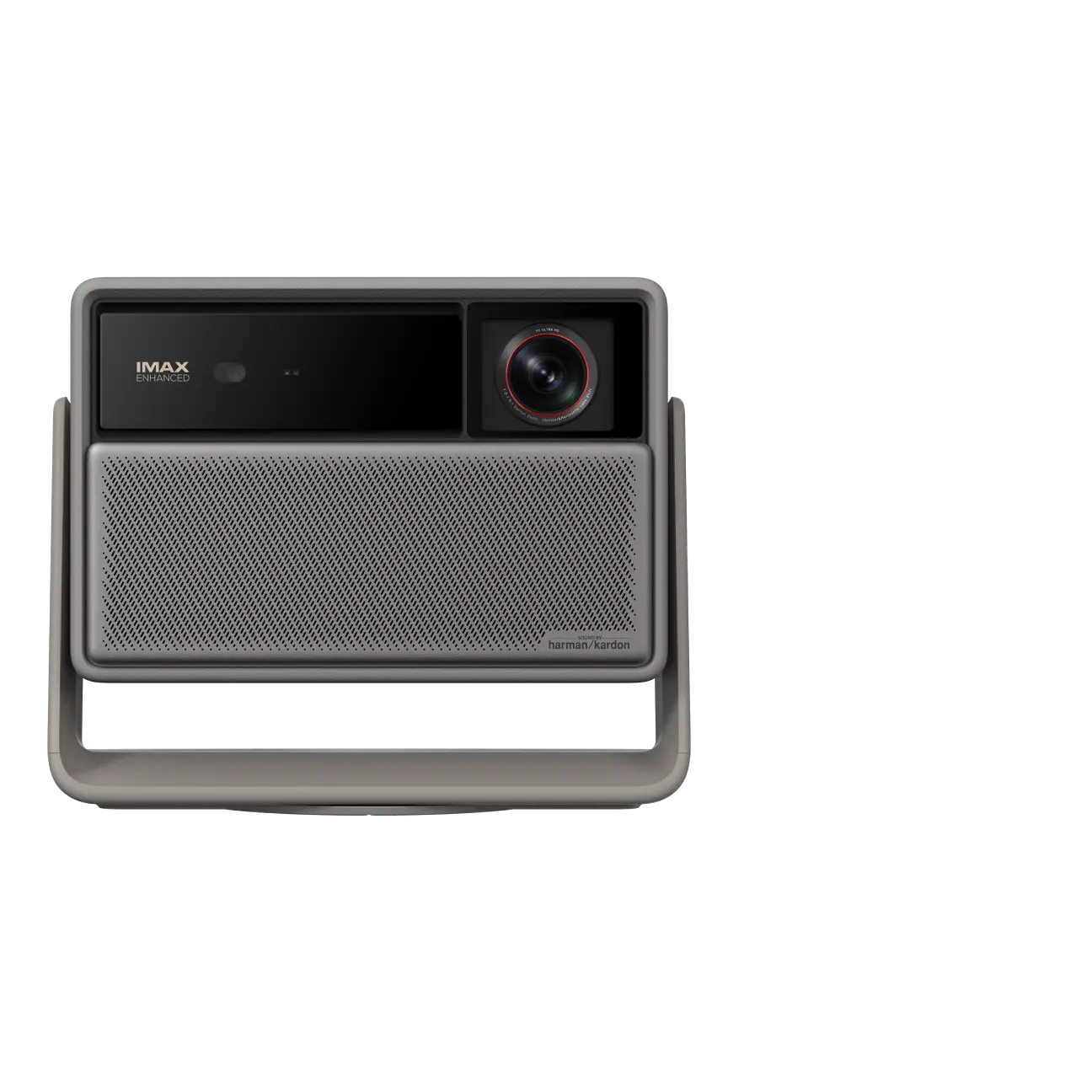
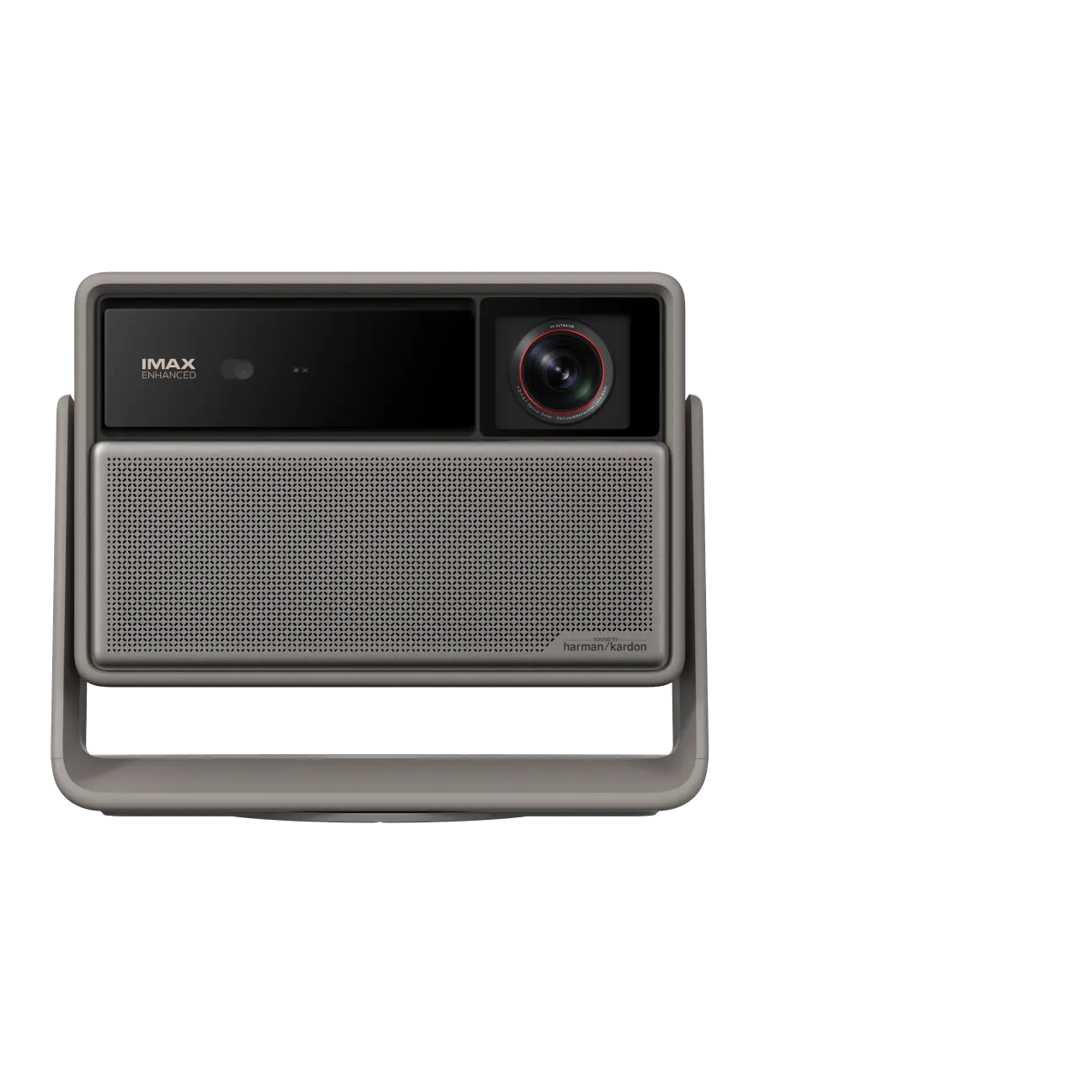
Several portable and smart models from the XGIMI lineup suit children’s bedrooms due to their compact size, automatic features, and built-in audio.
-
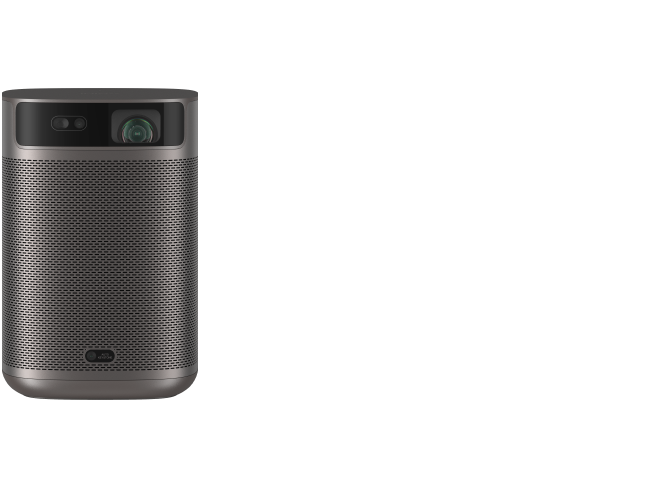
The MoGo 4 and MoGo 3 Pro offer 1080p resolution, Google TV, and battery power, making them easy to move between rooms or take to sleepovers.
-
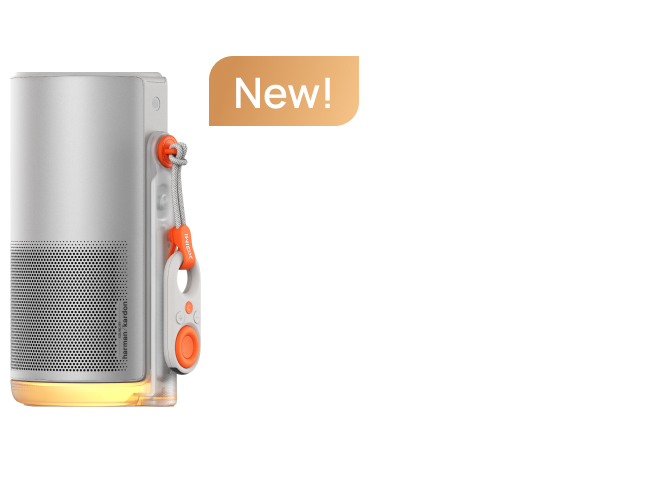
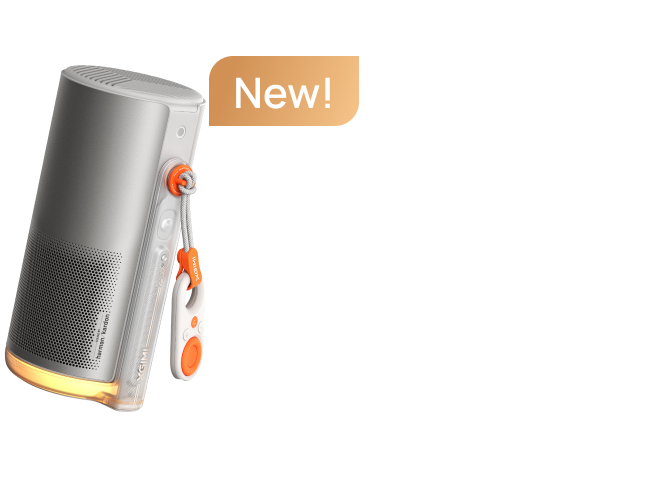
The Halo+ provides strong battery life and Harman Kardon sound in a travel-friendly package.
-
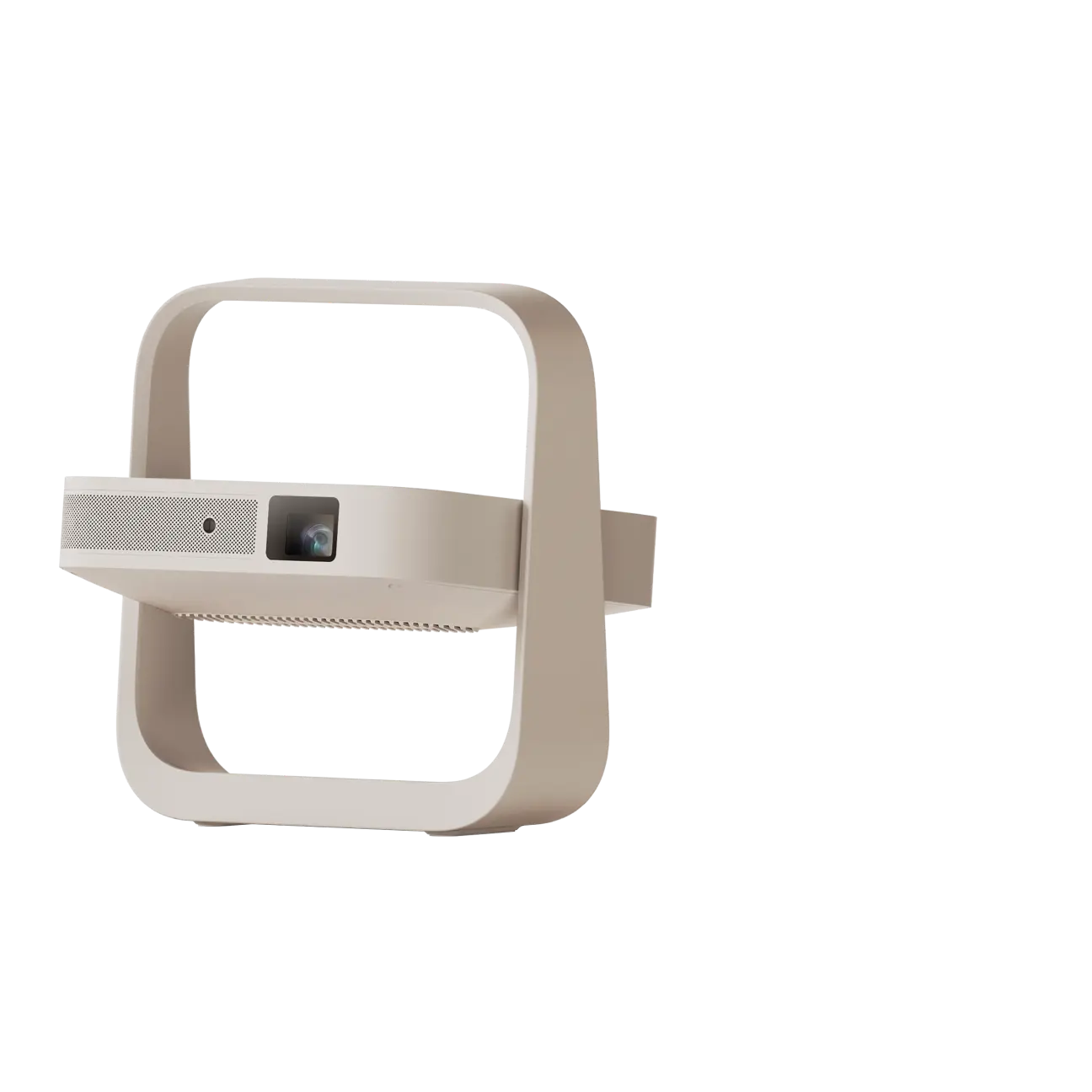
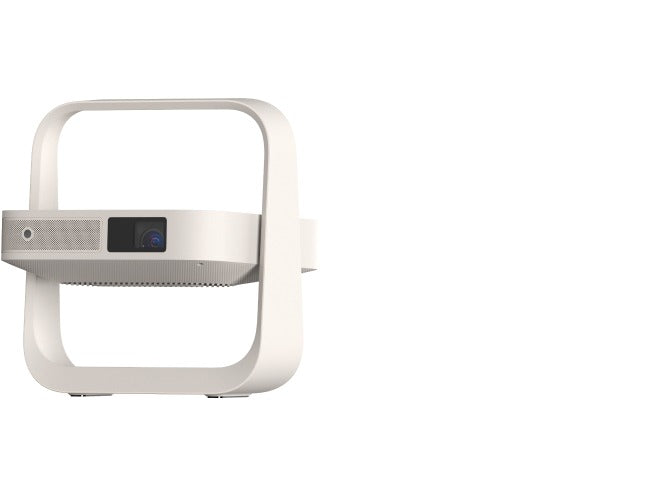
For even smaller footprints, consider the Elfin Flip with its integrated stand and 150° projection flexibility.
Explore the full MoGo Series or Portable Projectors collection to compare options that grow with your child’s needs.
Final Checklist Before Buying
- Measure your child’s typical viewing distance and room lighting conditions.
- Confirm the projector supports your preferred streaming apps and has usable parental controls.
- Test setup ease in the actual room—stable placement matters more than maximum brightness for bedtime use.
- Plan content sources: age-appropriate educational apps, streaming libraries, or screen-mirrored tablets.
- Remember healthy habits: encourage regular breaks, proper posture, and balanced screen time regardless of display type.
Choosing the right projector for a kids’ room ultimately comes down to matching the device to your family’s real routines rather than idealized marketing claims. When selected thoughtfully, it can become a versatile, space-saving addition that supports both learning and entertainment while keeping the bedroom feeling open and adaptable.
Disclaimer: This article provides general guidance on comfort, setup, and usability. It does not constitute medical advice, diagnosis, or treatment. Projectors may feel more comfortable in some setups due to reflected light, but individual results vary. Consult healthcare professionals for any concerns about your child’s vision or screen-time habits.


