
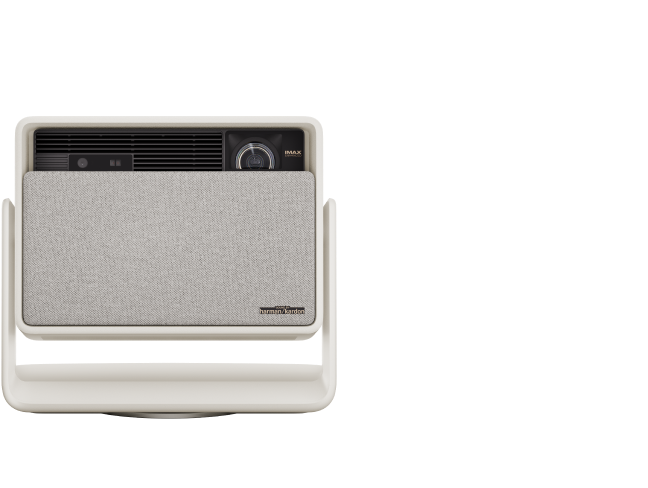
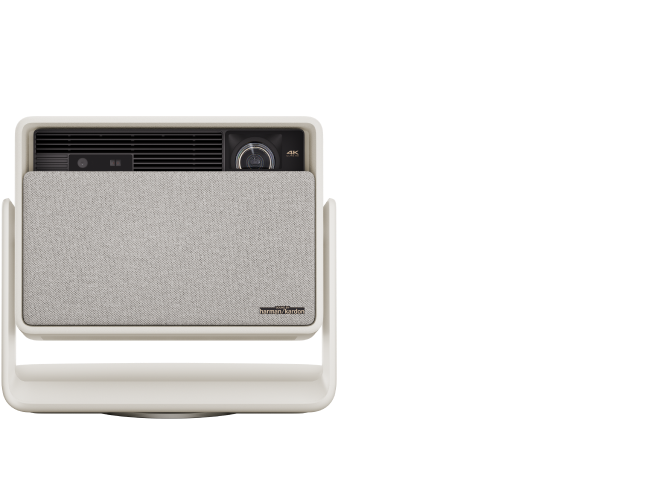
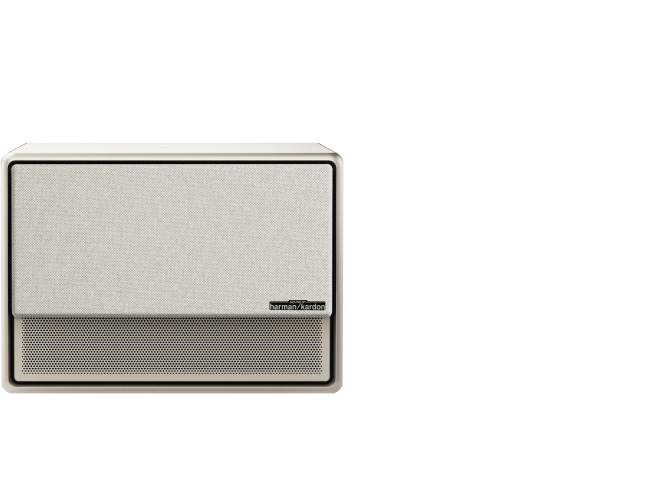
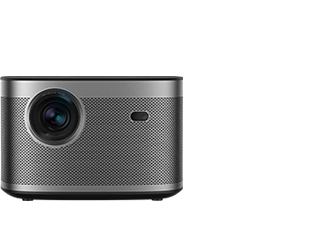
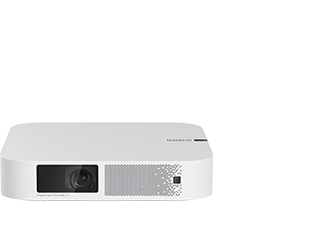






Choosing between a massive 98-inch TV and a laser TV that uses ultra-short throw (UST) projection often comes down to more than just picture size. For many homeowners who want an immersive screen without letting the display take over their living space, UST projectors deliver a cleaner, more flexible solution that can produce 100-inch or larger images from just inches away from the wall. For more on this topic, see The Best Viewing Angles for UST Projectors in Open-Concept Living R.... For more on this topic, see How to Choose the Right Furniture Height for Your Ultra-Short Throw....

While 98-inch panels have become more accessible, their weight, mounting requirements, and visual dominance can make them impractical in typical rooms. A laser TV setup, on the other hand, keeps hardware compact and often integrates better with modern interiors. This article explores the practical trade-offs so you can decide which approach better suits your room and viewing habits.
Why 98-Inch TVs Can Feel Impractical in Real Homes
A 98-inch TV can be physically demanding to move, mount, and fit into a room. These panels often weigh over 100 pounds and require reinforced walls or heavy-duty stands, making delivery and installation a significant project. In apartments or smaller living rooms, the sheer size can overwhelm the space, limiting furniture placement and interior design choices.
Many buyers initially love the idea of a wall-filling display but later find the permanent bulk reduces room versatility. Once mounted or placed, repositioning becomes difficult. This is especially true in open-plan homes where the TV might dominate sightlines from multiple angles.
In contrast, ultra-short throw projectors sit close to the wall and project upward, leaving the floor and much of the wall free. This setup helps maintain a lighter, more open feel while still delivering a huge image.
How Ultra-Short Throw Laser TVs Create a Cleaner Setup
UST laser projectors excel at reducing visual clutter by keeping the display hardware close to the wall and off the floor. Instead of a giant black rectangle always visible, you get a screen that only appears when the projector is on. Many users pair them with ambient light rejection (ALR) screens that blend into the wall when not in use.
This approach preserves room aesthetics and makes it easier to arrange seating for optimal viewing without the TV dictating the layout. Laser light sources also offer long lifespans and consistent brightness, supporting large images without frequent maintenance.
For those building a home theater, this technology aligns well with guides on what you need to build your own theater. The compact placement often means less intrusive cabling and easier integration with sound systems.

Image Quality and Performance Considerations
Both options can deliver excellent 4K visuals, but performance depends heavily on room conditions. A 98-inch TV generally handles ambient light better and offers simpler out-of-the-box contrast. UST laser TVs shine in controlled lighting, where their brightness and color accuracy create a more cinematic experience on screens up to 120 inches or larger.
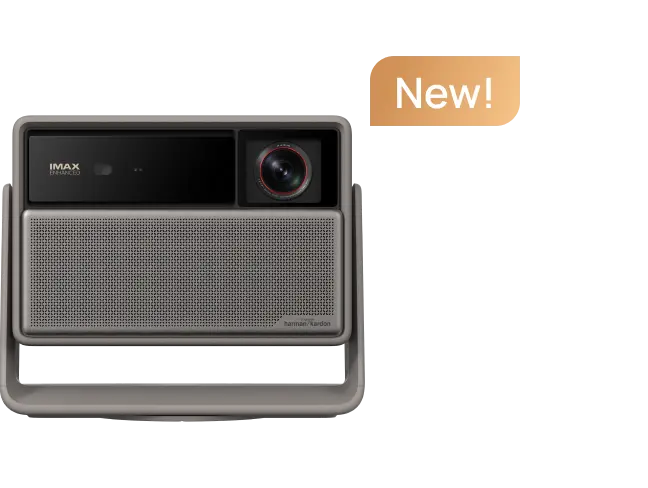
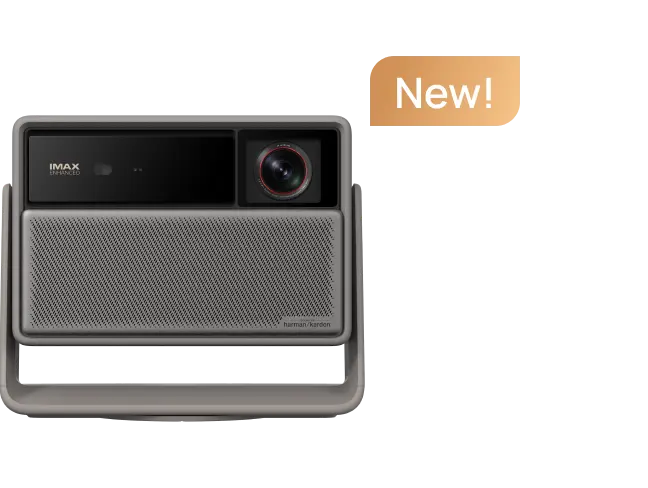
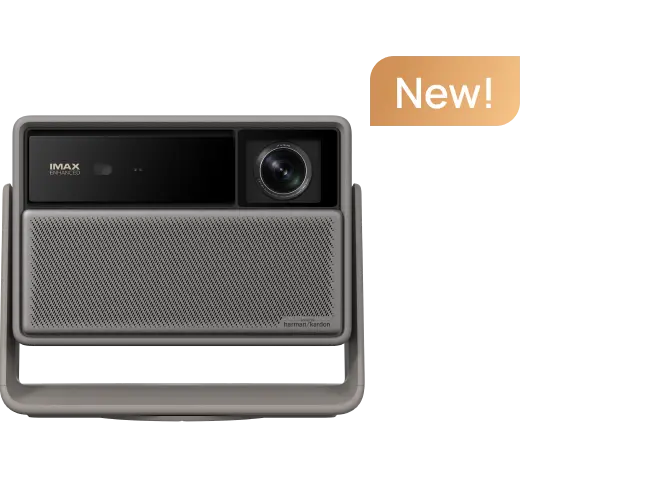
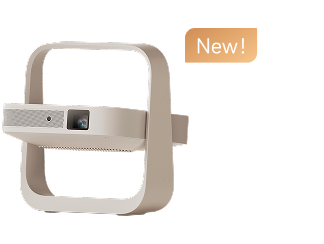
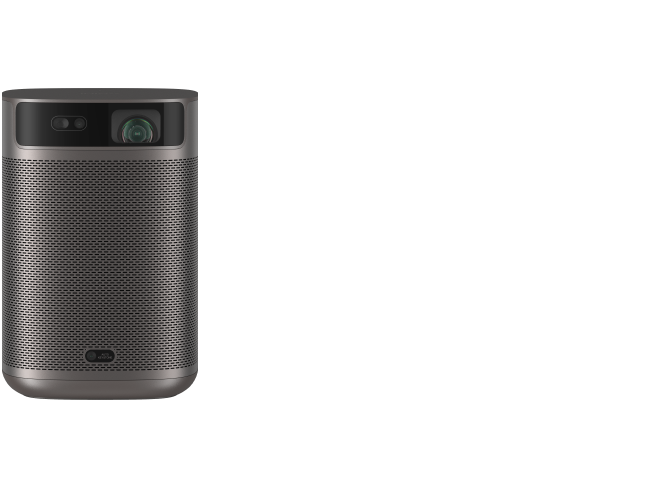
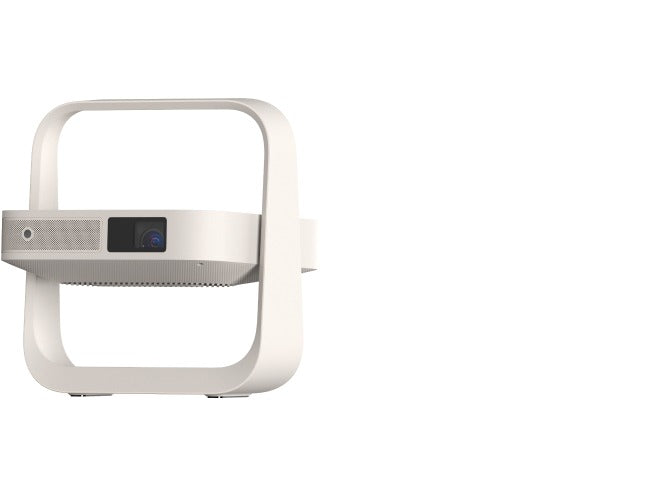
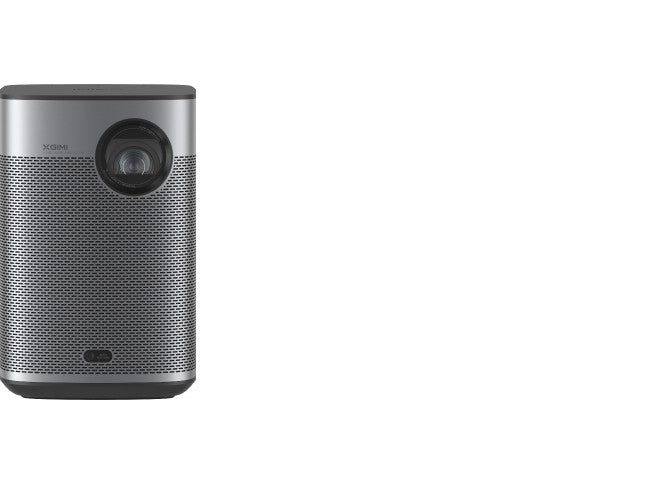
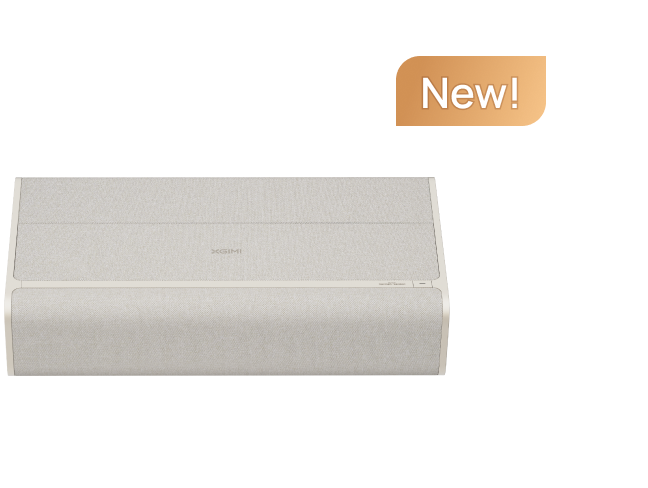
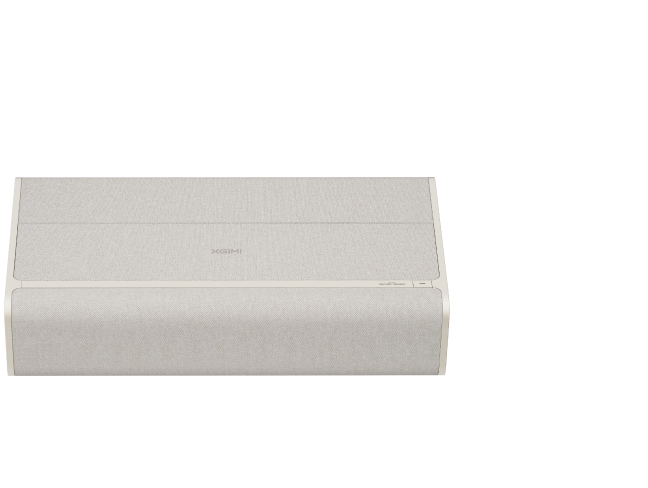
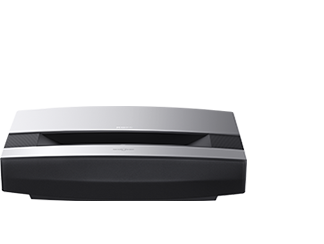
Recent models like XGIMI's AURA series use laser technology for vibrant colors and high peak brightness suitable for home use. When paired with a quality ALR screen, they mitigate many traditional projector weaknesses in moderately lit rooms. For more on this topic, see Why Custom Mounting Points Matter for High-End Projector Stability. For more on this topic, see The Environmental Impact of Laser Projectors vs. Traditional Lamp M....
Brightness standards matter here. Understanding projector brightness standards helps set realistic expectations—real-world performance varies by environment, not just listed lumens.
Key Trade-Offs: Room Fit, Installation, and Daily Use
The better choice depends on room layout, ambient light, installation constraints, and how the display will be used. UST projectors tend to win when you want a very large image without wall-sized TV furniture commitment, while a 98-inch TV tends to win when you want the most straightforward daily use with fewer placement constraints. For more on this topic, see Proprietary vs. Universal Mounts: Which is Better for Your Projector?.
Here is an illustrative comparison of how the two options tend to perform across common decision factors. Scores are relative on a 5-point scale and based on typical home setup guidance.
UST Laser Projector vs 98-inch TV: Illustrative Decision Trade-offs
Illustrative 5-point comparison based on setup guidance and scenario fit; higher scores indicate a stronger fit on each factor.
View chart data
| Category | UST laser projector | 98-inch TV |
|---|---|---|
| Room fit | 4.0 | 2.0 |
| Installation ease | 3.0 | 4.0 |
| Aesthetics | 5.0 | 3.0 |
| Ambient light tolerance | 2.0 | 5.0 |
| Immersion | 4.0 | 3.0 |
Heuristic comparison synthesized from setup guidance and decision framework: UST tends to fit limited spaces, look cleaner, and work better in dimmable dedicated rooms; 98-inch TV is simpler to install and performs better in bright, flexible rooms. Scores are relative and illustrative, not measured data.
This chart highlights that UST laser projectors often score higher on aesthetics and room fit, while large TVs provide advantages in ambient light tolerance and simpler installation.
Scenarios Where a Laser TV Makes More Sense
Choose a UST laser projector if your room can be dimmed, the front wall can stay relatively dedicated, and you prioritize a cinematic, integrated look. This is ideal for media rooms, apartments with limited space, or open-plan areas where minimizing visual bulk matters.
Families watching movies, sports, and gaming in the evening often find the large projected image more immersive. The ability to achieve 100-150 inch screens without a massive permanent fixture adds flexibility for future room changes.
Explore laser projectors to see current models designed specifically for this use case. Pairing with an ALR screen further improves daytime usability.
When a 98-Inch TV Might Still Be the Better Pick
A 98-inch TV can be simpler to set up than a projector-plus-screen system. If your room receives significant ambient light during the day, furniture layout changes frequently, or you prefer a familiar always-ready display, the big panel may offer less hassle.
Bright-room performance and built-in smart features make large TVs convenient for casual viewing. However, consider the long-term impact on room design and the challenges of moving or upgrading such a heavy device.
Buyer Checklist: How to Choose for Your Space
Before deciding, run through these practical checkpoints:
- Measure your room and front wall space—can you dedicate 8-12 feet of clear area for a large image?
- Assess ambient light—do you have good window coverings for evening viewing, or is the room bright most of the day?
- Consider installation—will you handle mounting a heavy TV, or prefer a plug-and-play projector on a console?
- Think about aesthetics—does a large black panel fit your interior style, or would a hidden projector preserve the room's look?
- Review usage—primarily movies and immersive content, or mixed sports, news, and daytime TV?
- Budget for accessories—UST often requires a compatible screen for best results.
Do not buy a UST laser projector if the room layout changes often, ambient light control is poor for your main viewing times, or you want minimal placement sensitivity.
Models like the AURA 2 (New) or AURA offer strong performance in suitable environments. For more options, check home projectors.
Final Thoughts on Laser TVs vs Giant Panels
The case for laser TVs rests on their ability to deliver massive, immersive images with less physical and visual intrusion than a 98-inch TV. They can be easier to integrate into living spaces while providing cinema-like scale when conditions allow.
Projector performance depends heavily on room light and screen selection, so the better choice depends on the space. Test your room's lighting and layout before committing. Many find that once they experience a well-set-up UST system, the elegance and flexibility outweigh the convenience of a traditional panel.
Whether you choose ultra-short throw or a large flat screen, focus on how the technology fits your actual daily life and room. This balanced approach leads to greater long-term satisfaction with your home entertainment upgrade.
Important Note on Viewing Comfort: This article discusses setup advice and display options for home entertainment. It does not constitute medical advice. Display choice may affect perceived eye comfort depending on brightness, contrast, viewing distance, and individual sensitivity. If you experience persistent eye strain, headaches, or have existing vision conditions, consult a qualified eye care professional. Always follow manufacturer guidelines for safe viewing distances and take regular breaks during extended screen time.


