
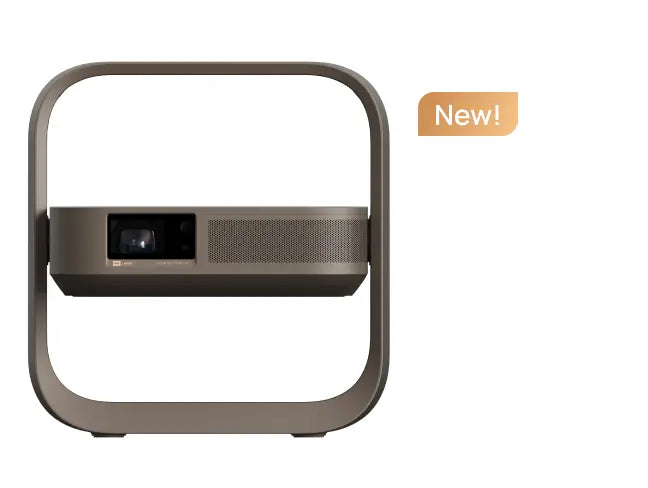
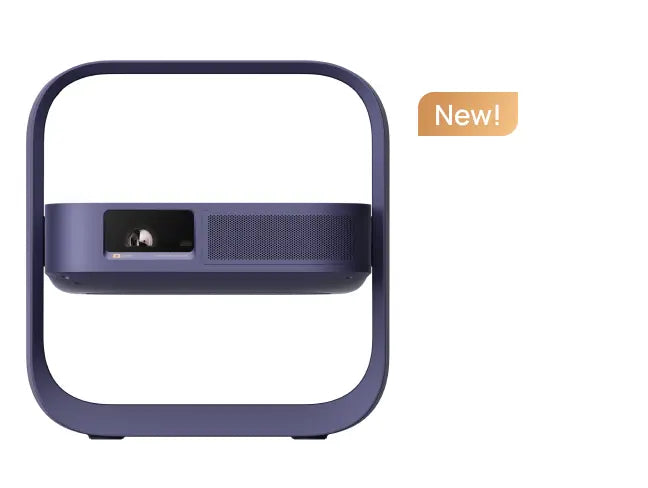
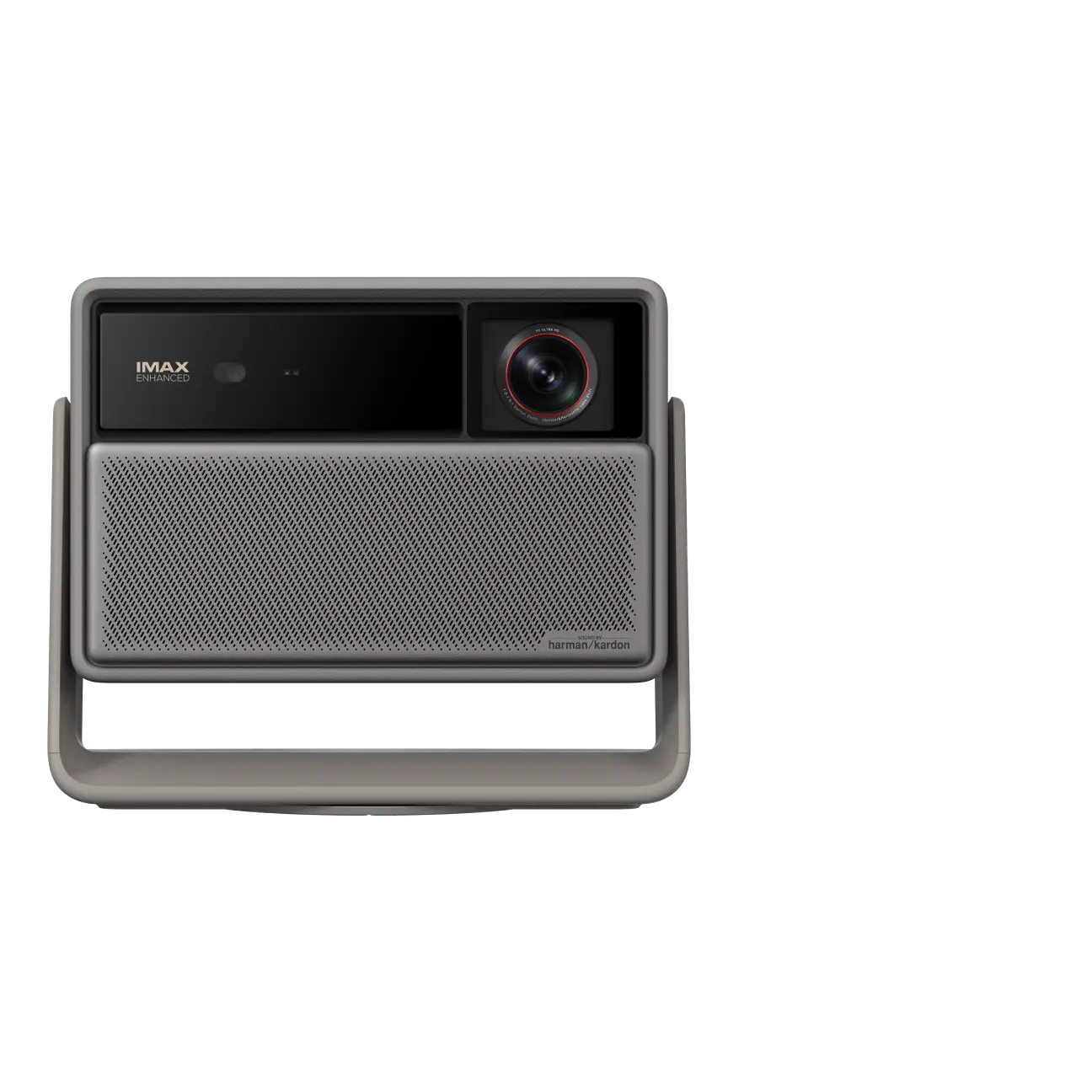
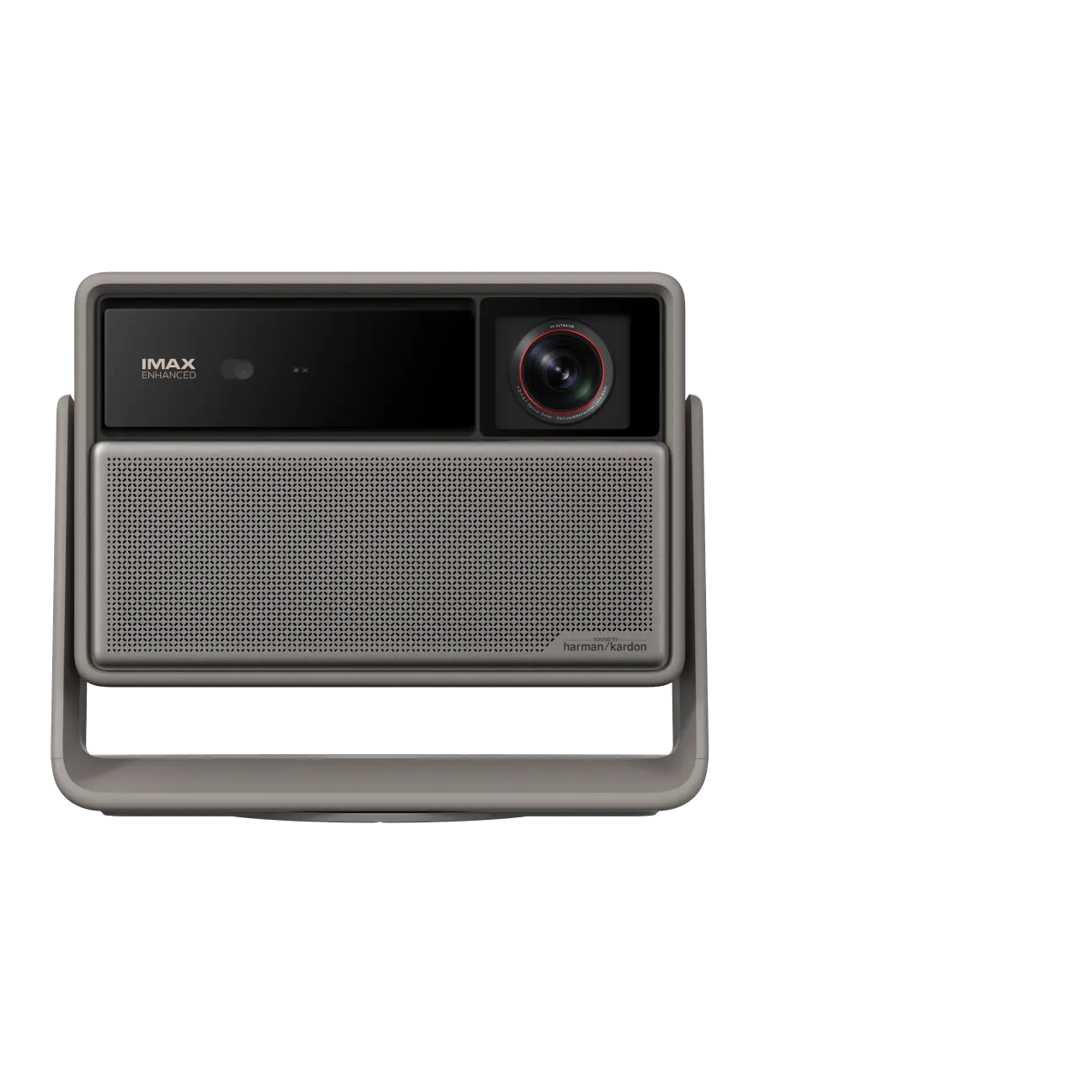
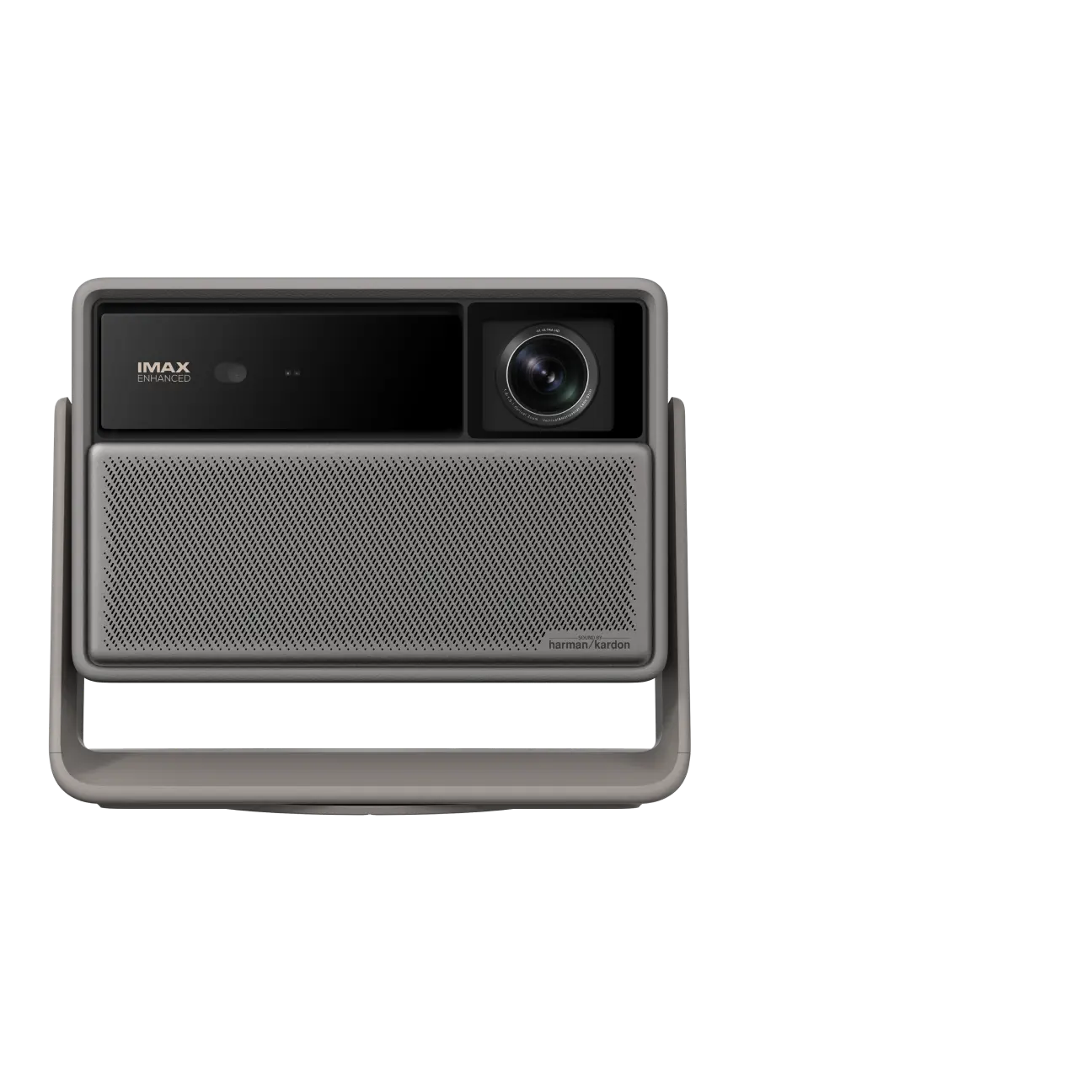
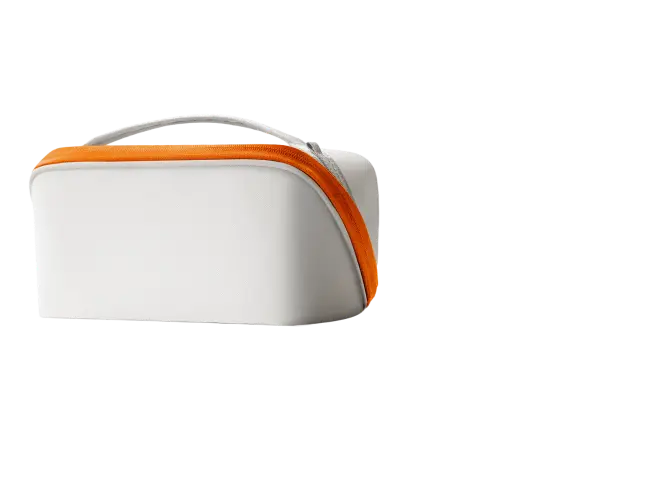
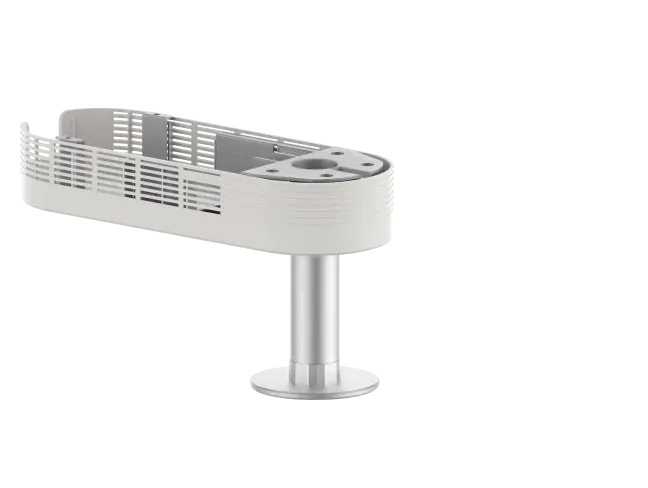



Setting up a portable projector outdoors often hits one frustrating snag: few natural spots are perfectly flat. A stable, level placement can help reduce wobble and make outdoor projection easier to align, especially on rocky campsites, grassy backyards, or sloped RV pads. The good news is that combining the right physical support with built-in correction features like XGIMI's Intelligent Screen Adaptation (ISA) technology turns uneven terrain from a deal-breaker into a manageable part of the adventure.
Why Uneven Terrain Challenges Portable Projectors
Nature rarely cooperates with perfect geometry. Gravel, grass, sand, or sloped picnic tables introduce three immediate problems: physical instability, image tilt, and repeated readjustment. A projector that rocks or shifts even slightly can create noticeable shake in the picture, force constant refocusing, or risk tipping over entirely.
This frustration is common among campers and backyard movie fans. Small movements from wind, footsteps, or soft ground quickly undo careful aiming. While many users reach for auto-keystone correction as a quick fix, it addresses image shape rather than underlying stability. As this official projector alignment guidance explains, features like auto-keystone work best as a convenience layer after you secure the base physically.

Physical Stability First: Choose the Right Support
The foundation of any successful outdoor setup is preventing movement. Before turning on correction tools, ensure the projector cannot rock, slide, or be nudged out of position. This stability-first rule matters most on rocky or sloped ground where software alone cannot compensate for vibration or tipping risk.
Tripods and Stands for Outdoor Use
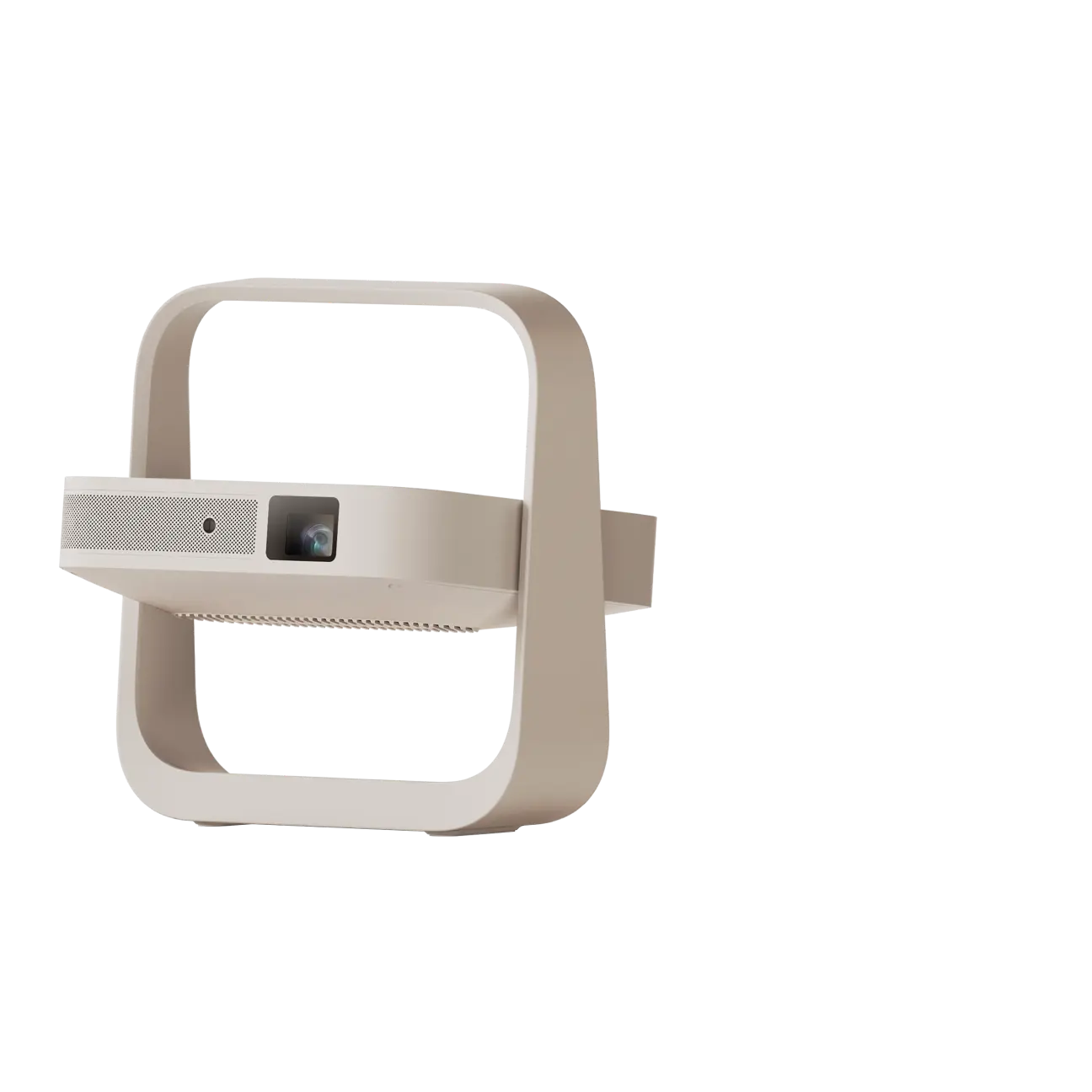
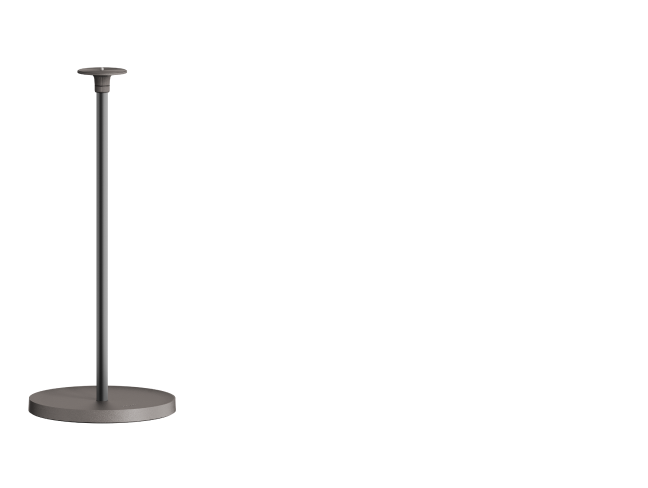
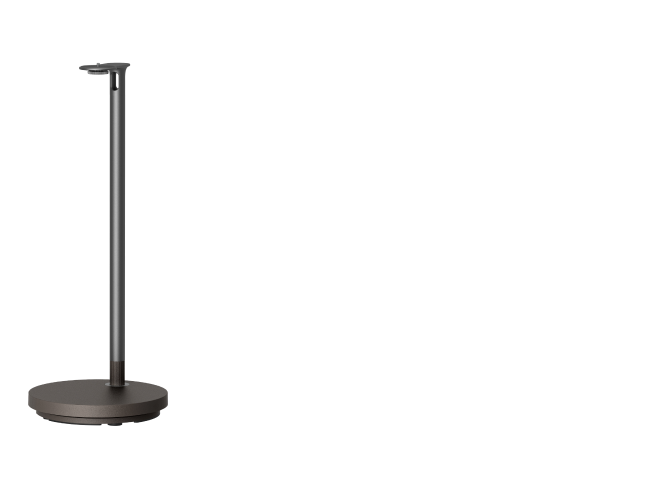
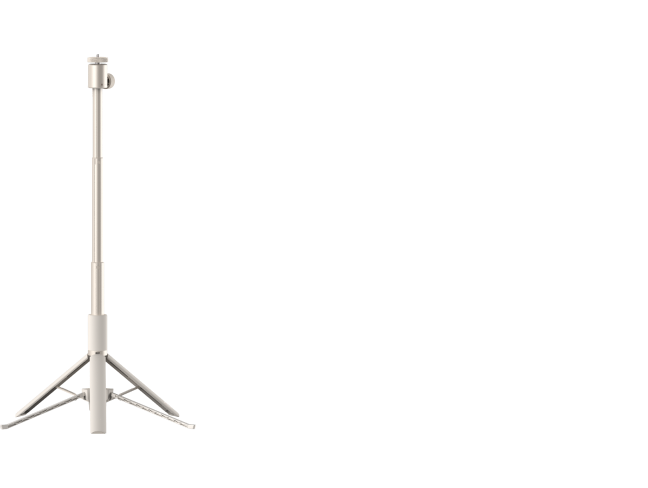
A dedicated projector tripod or stand provides the most reliable solution for most campers. Look for models with locking legs, wide bases, and adjustable angles that let you level the projector even when the ground is irregular. The XGIMI Multi-Angle Stand offers 120° rotation and secure mounting, making it easier to fine-tune on uneven surfaces. Similarly, the Portable Stand delivers 360° panoramic rotation and a 45° pitch angle with a 5kg load capacity, ideal for quick outdoor adjustments.
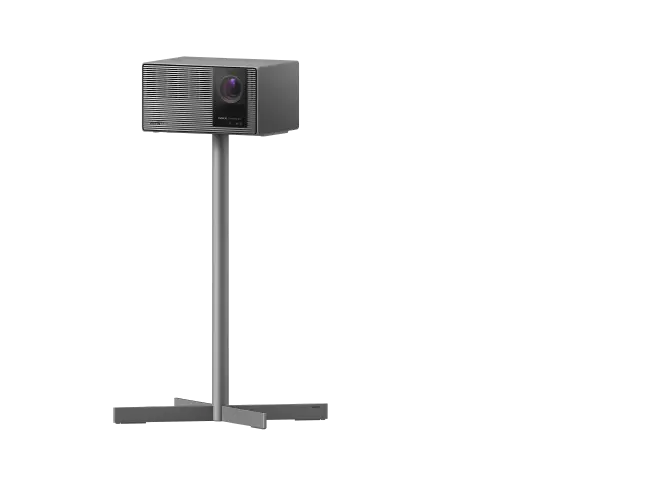
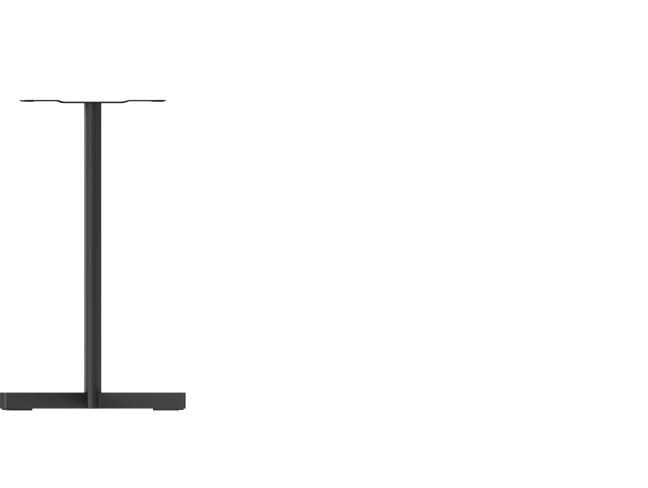
For more height and versatility, consider floor stands. The X-Floor Stand adjusts from 19 to 35 inches with a stable base and 360° rotation, while the XGIMI Floor Stand Ultra provides flexible aluminum construction perfect for 4K portable models. These options work well on grass or firm dirt but require the firmest available footing—avoid placing them directly on loose rocks or deep sand without additional stabilization like weights or a portable platform.
When using any tripod or stand outdoors, lock all joints securely and test stability by gently pushing the setup. If it moves, reposition to a firmer spot or add ballast. This projector mounting guide highlights how proper stand selection reduces setup stress in varied environments.
When to Use Shims, Weights, or Improvised Bases
On very irregular surfaces, simple additions can improve stability without extra gear. Small leveling shims, rubber feet, or even a sturdy camping mat under the stand legs distribute weight and reduce wobble. In windy conditions, hanging a small weight from the center of the tripod can lower the center of gravity. These low-tech tricks often outperform relying solely on digital correction.
Leveraging Software: Auto-Keystone and ISA Technology
Once the projector sits securely, software features handle the rest. XGIMI's ISA technology combines autofocus, intelligent screen alignment, auto-keystone correction, and obstacle avoidance to deliver a crisp image even when placement is slightly imperfect. Auto-keystone corrects trapezoidal distortion caused by tilt, while screen alignment ensures the picture fits your chosen surface automatically.
However, these tools have limits. Excessive keystone correction can reduce effective resolution and introduce minor geometric compromises. This is why physical stability remains essential—ISA shines as a time-saver on near-level setups but cannot fix a wobbly base. The article Why Does Auto-Keystone Correction Sometimes Make My Image Worse explains common pitfalls and how to minimize image degradation.
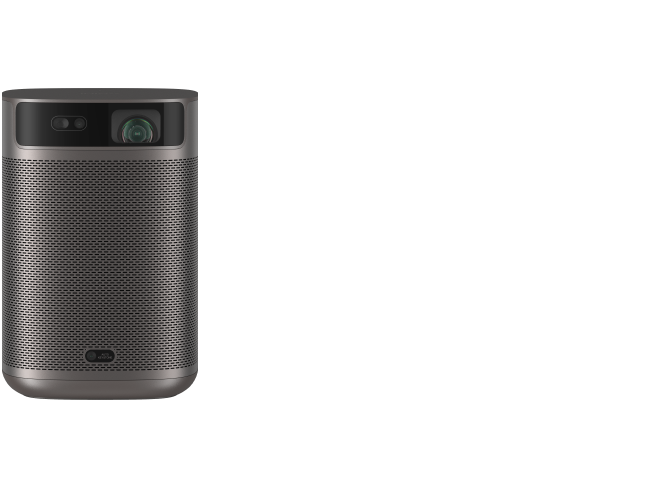
For XGIMI portable models like those in the MoGo Series, ISA makes outdoor evenings far less frustrating. Activate it after securing the projector, and let the system handle fine adjustments. Always start with the most level orientation possible to reduce the amount of digital correction needed.
Heuristic Terrain Fit for Portable Projector Mounting
Illustrative decision aid only: higher scores mean a better fit for the terrain in terms of stability, portability, and setup ease combined.
View chart data
| Category | Firm Tripod / Stand | Gimbal Mount | Auto-keystone / ISA Only |
|---|---|---|---|
| Rocky | 5.0 | 2.0 | 1.0 |
| Grass | 4.0 | 3.0 | 3.0 |
| Sand | 2.0 | 1.0 | 2.0 |
| Sloped | 3.0 | 4.0 | 5.0 |
Heuristic, scenario-based scoring inspired by the provided scenario_matrix and reverse_recommendation notes: rocky terrain favors a firm tripod, sand is weak for stands, and software correction should be used only for minor adjustments. Scores are illustrative, not measured data.
Scenario-Based Decision Guide
Different outdoor environments call for different approaches. The heuristic chart above summarizes relative fit across common terrains, combining stability, portability, and ease of setup. Scores are illustrative only and based on practical user scenarios.
- Rocky campsites: A firm tripod or stand usually wins because it can lock onto stable contact points. Auto-keystone helps with final alignment but cannot prevent wobble on loose stones.
- Grass or backyard lawns: Adjustable stands or tripods with spiked feet perform well if the ground is firm. Soft patches may require shimming to avoid sinking.
- Sand or beaches: These surfaces challenge traditional stands as legs tend to sink. Look for wider bases or consider a portable platform; rely more on ISA for image correction after securing the best footing possible.
- Sloped or uneven decks: Gimbal-style or multi-angle stands excel here by allowing precise tilt adjustment. Software correction then fine-tunes the image shape.
In windy conditions or with frequent movement (typical for RV travel), prioritize heavier or lockable stands over lightweight options. The 2026 Outdoor Projector Buying Guide for Camping offers additional scenario recommendations for off-grid setups.
Step-by-Step Setup Checklist for Uneven Terrain
Follow this practical sequence to minimize frustration:
- Scout the site for the firmest, least-sloped spot available—avoid deep sand or loose gravel if possible.
- Deploy your stand or tripod and lock all adjustments. Test stability by applying light pressure.
- Place the projector and level it as closely as possible using built-in bubble levels or visual cues.
- Power on and activate ISA or auto-keystone. Allow the system to autofocus and align the image.
- Fine-tune manually if needed, then check the setup again after 5-10 minutes of use as the ground may settle.
- During the viewing session, avoid bumping the area and monitor for any shift caused by wind or movement.
Keep a small toolkit handy: rubber pads, adjustable shims, or a lightweight mat can solve unexpected issues quickly.

Common Mistakes to Avoid
Many first-time users over-rely on auto-keystone, assuming it can fix any placement. In reality, heavy digital correction often shrinks the usable image or softens sharpness. Always prioritize physical leveling. Another pitfall is choosing an overly lightweight tripod that cannot handle outdoor bumps—opt for models rated for at least 5kg when possible.
Do not place the projector directly on unstable surfaces like folding tables on grass. If using improvised surfaces, secure the projector with straps or non-slip mats. Finally, remember that while ISA technology simplifies alignment, it works best on XGIMI portable projectors when combined with one of the recommended stands.
Safety and Practical Considerations
An unstable projector risks tipping, especially on slopes or with children or pets nearby. Secure setups protect your investment and ensure uninterrupted enjoyment. For storage and transport after outdoor use, follow best practices outlined in How to Store and Transport a Portable Projector.
This article discusses setup and comfort advice for outdoor projection only. It does not constitute technical, safety, or installation guidance beyond general principles. If you experience persistent setup issues or have specific equipment concerns, consult the product manual or a qualified technician.
Final Thoughts
Securing a portable projector on uneven terrain comes down to physical stability first, followed by smart use of features like auto-keystone and ISA. By selecting an appropriate tripod or stand for your typical scenes—whether rocky campsites or backyard grass—you can enjoy stable, well-aligned outdoor movies with minimal hassle. The right combination of hardware from the XGIMI accessories collection and software intelligence makes even imperfect locations work beautifully.
Experiment in your own environment to find the sweet spot between portability and rigidity. With these techniques, uneven ground becomes just another part of the outdoor cinema experience rather than a barrier to it.


