



The Trade-off: Why Convenience Can Cost You Image Quality
Auto-keystone correction promises a perfectly rectangular image in seconds, but many users find it can shrink the picture, soften edges, or introduce distracting artifacts. This happens because keystone correction is a digital workaround rather than a physical optical alignment.
When a projector is placed at an angle, the raw light hitting the wall forms a trapezoid. Auto-keystone sensors detect these skewed edges and apply digital compression to "fit" a smaller rectangle inside that trapezoid. While the resulting shape is correct, you are essentially throwing away pixels and brightness. In our experience with various home setups, the more aggressive the correction, the more noticeable the "grey halo"—the unused, dimly lit portion of the original projection area—becomes around your active screen. For more on this topic, see Why Is My Projector Blurry on the Edges? Keystone and Focus Fixes. For more on this topic, see Why Is My Projector Sharp in the Center But Blurry at the Edges?.

Why Auto-Keystone Sometimes Makes the Image Look Worse
The core issue is the sacrifice of resolution for geometry. Digital keystone correction warps pixels, which can lead to a loss of fine detail. Technical research into projector-based graphics confirms that while these systems compensate for off-axis distortion, they are corrective measures rather than a substitute for proper alignment.
As a rule of thumb, every degree of digital correction reduces the effective resolution of your image. If the projector has to correct a steep 30-degree angle, the usable image area can shrink significantly, leaving you with a much smaller screen than the projector’s specifications suggest.
Furthermore, ambient light and surface textures often confuse the internal algorithms. If your room is too bright, the sensors struggle to distinguish the "test pattern" from the wall, leading to "focus hunting" or skewed results. Professional AV guidance generally suggests that for the best results, you should aim to get the projector as physically square to the wall as possible before letting the software take over.
Common Environmental Factors That Confuse the Sensors
Several real-world conditions can cause auto-keystone to fail or produce a blurry result:
- Textured or Patterned Walls: Wallpaper with busy patterns or heavy brick textures can create "phantom edges." The projector’s camera may misinterpret these lines as the boundary of the screen, resulting in a crooked image.
- Low Contrast Environments: If you are projecting onto a dark grey or colored wall in a room with high ambient light, the sensor's "signal-to-noise ratio" drops. This often leads to the system giving up or applying an inaccurate, tilted correction.
- Obstacles in the Path: A bookshelf edge or a hanging plant near the projection zone can trigger "obstacle avoidance" features prematurely, forcing the image to shrink much more than necessary to avoid the object.
- Extreme Angles: Most consumer projectors have a "sweet spot" for auto-correction. Pushing the projector to an extreme side-angle often exceeds the algorithm's limits, resulting in an image that looks "soft" or out of focus on one side.

Decision Framework: When to Use Auto-Keystone vs. Manual Setup
The success of auto-keystone depends on your specific environment. Based on typical user patterns, here is how to decide which method to use:
| Scenario | Recommended Method | Why? |
|---|---|---|
| Fixed Home Theater | Manual / Physical Alignment | Maximizes resolution and brightness for a permanent spot. |
| Portable/Outdoor Use | Auto-Keystone | Speed and convenience outweigh minor resolution loss. |
| Extreme Side Projection | Manual Fine-Tuning | Auto-systems often over-crop at steep angles. |
| Plain White Wall | Auto-Keystone | High contrast allows sensors to work with high precision. |
Note: This framework is a heuristic based on common user experiences; individual projector hardware may vary.
Auto-Keystone: Heuristic Risk by Setup Scenario
Higher risk suggests auto-keystone is more likely to degrade image quality; higher success likelihood suggests the setup is more forgiving.
View chart data
| Category | Degradation risk (1-10) | Success likelihood (1-10) |
|---|---|---|
| Mild angle | 3.0 | 8.0 |
| Extreme angle | 9.0 | 2.0 |
| Textured wall | 8.0 | 3.0 |
| Bright ambient light | 7.0 | 4.0 |
| Fixed square placement | 2.0 | 9.0 |
Synthesized decision aid from setup principles and article evidence modules (scenario_matrix, reverse_recommendation, community_objection_card, writer_evidence). Heuristic/illustrative scores only, using relative 1-10 scales rather than measured data.
Troubleshooting Steps for a Sharper Image
If your auto-keystone is producing poor results, follow this checklist to improve the outcome:
- Square the Projector: Physically move the projector so it faces the wall as directly as possible. Even a small adjustment can reduce the digital "work" the software has to do.
- Control the Light: Dim the lights or close the curtains before running the auto-calibration. This helps the sensors see the calibration pattern clearly.
- Check the Lens and Sensors: Ensure the small camera sensor (usually located next to the main lens) is free of dust or fingerprints.
- Reset and Re-run: If the image looks skewed, go into the settings and "Reset Keystone." Then, trigger the auto-calibration again from a stable surface.
- Use Manual Overrides: Most modern projectors allow you to "fine-tune" the auto-result. Use the remote to pull the corners out slightly if the auto-system cropped too aggressively.
Intelligent Screen Adaption (ISA) vs. Standard Keystone
Not all "auto" features are created equal. Basic auto-keystone only fixes the trapezoid shape. Advanced systems, like the Intelligent Screen Adaption (ISA) found in premium XGIMI models, use a combination of ToF (Time-of-Flight) sensors and CMOS cameras.
ISA technology doesn't just fix the shape; it handles autofocus, screen alignment, and obstacle avoidance simultaneously. This multi-sensor approach is generally more robust against textured walls and can distinguish between a picture frame and the actual wall. For users in non-ideal spaces, such as those looking for renter-friendly projector setups, ISA provides a much more reliable "set it and forget it" experience.
When Manual Adjustment or Better Placement Is Preferable
Manual alignment remains the gold standard for enthusiasts. By physically centering the projector and using lens shift (if available), you preserve every pixel of the native resolution.
Consider manual setup if:
- You are watching 4K content and want maximum clarity.
- You are gaming and want to minimize input lag (digital processing can sometimes add a few milliseconds of delay).
- The "grey halo" around the image is distracting in a dark room.
Optimizing Your Setup for Reliable Performance
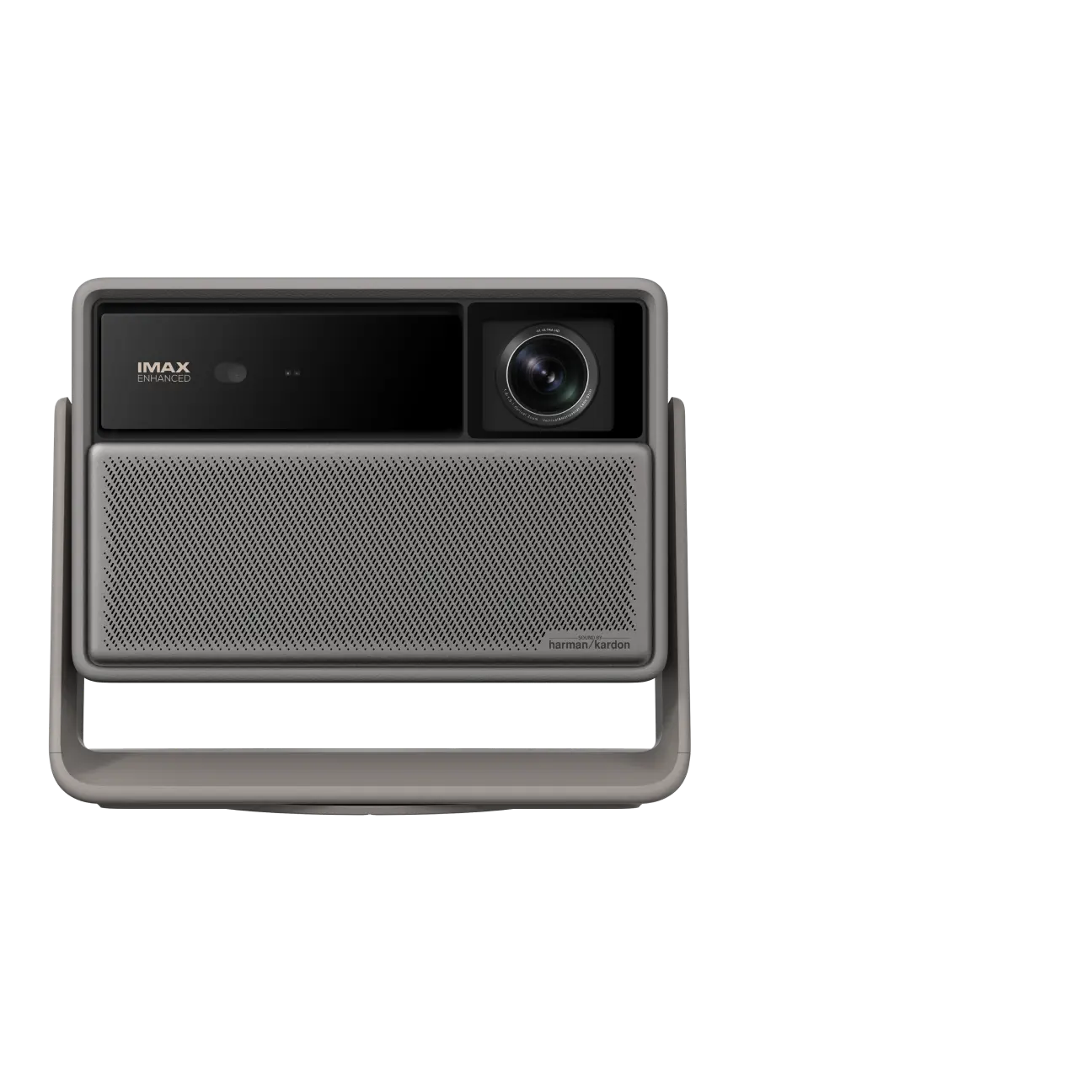
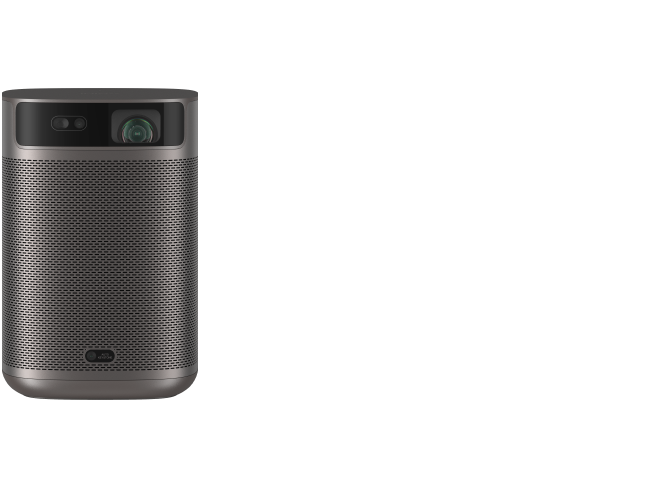
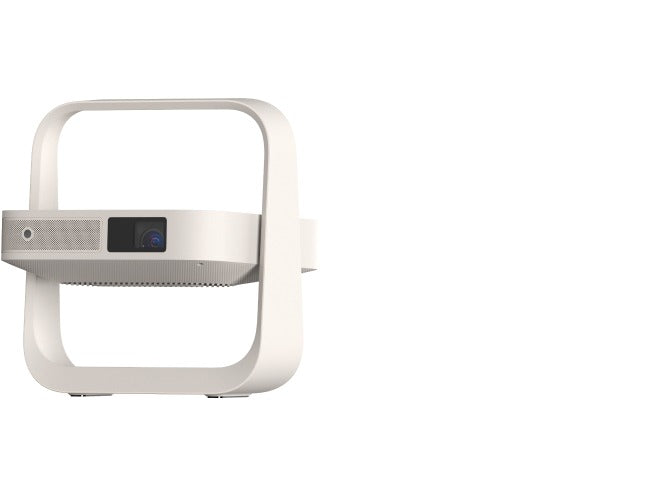
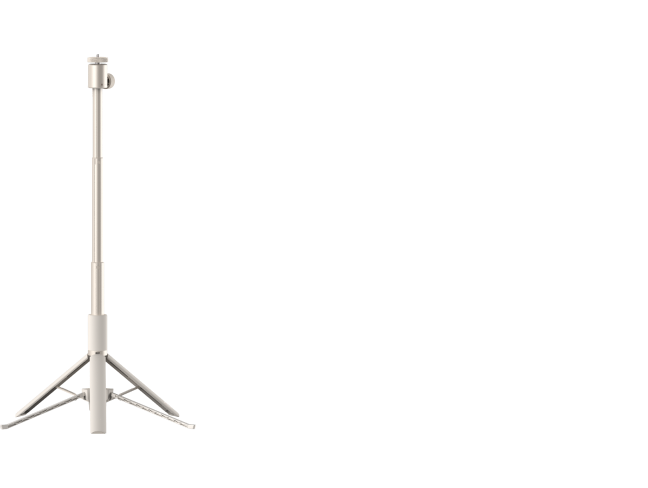
To get the most out of your projector's automated features, try to maintain a consistent height—ideally level with the center or bottom of your projection area. For portable models like the MoGo 2 Pro, using a tripod can help you find a "near-square" position quickly, allowing the auto-keystone to make only tiny, invisible adjustments.
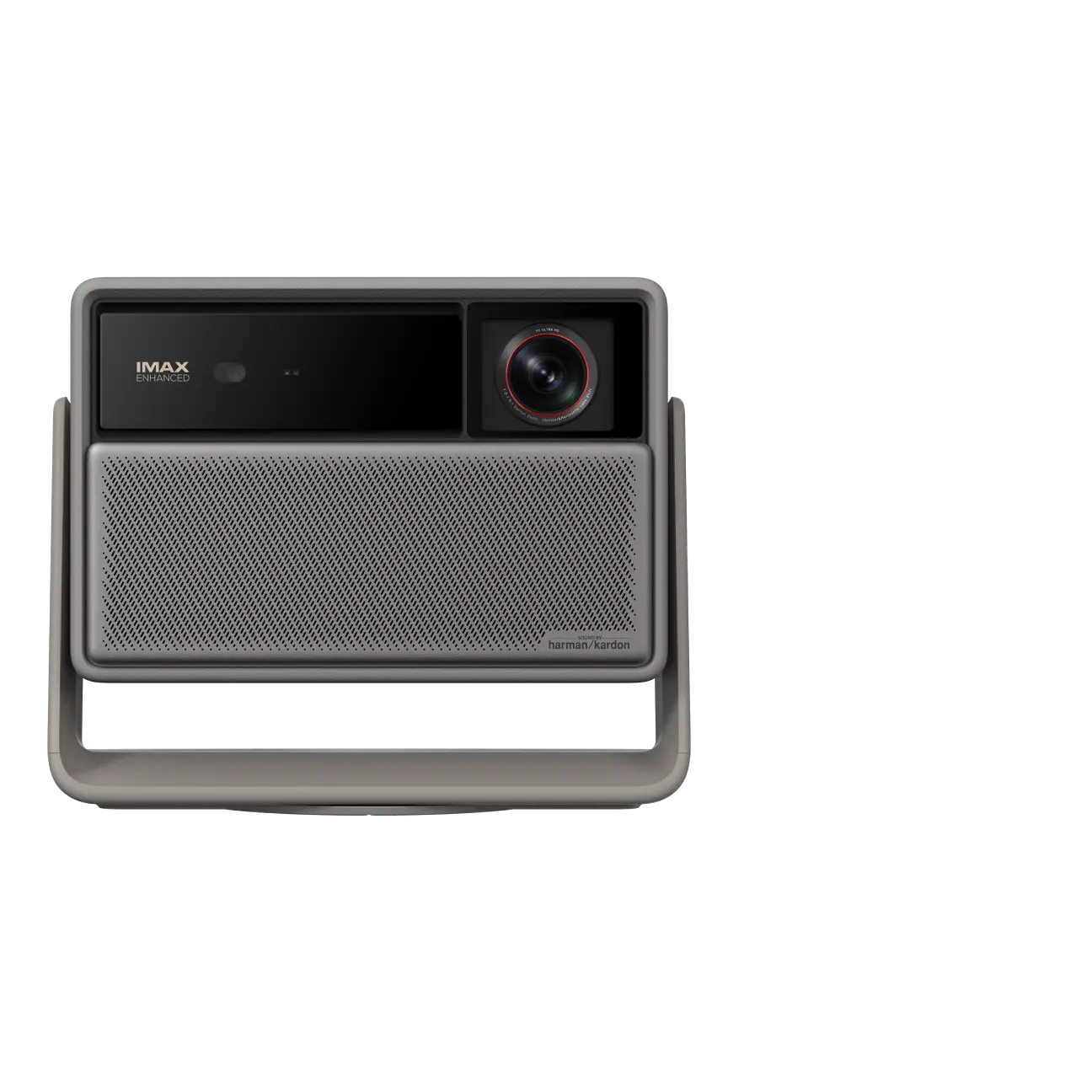
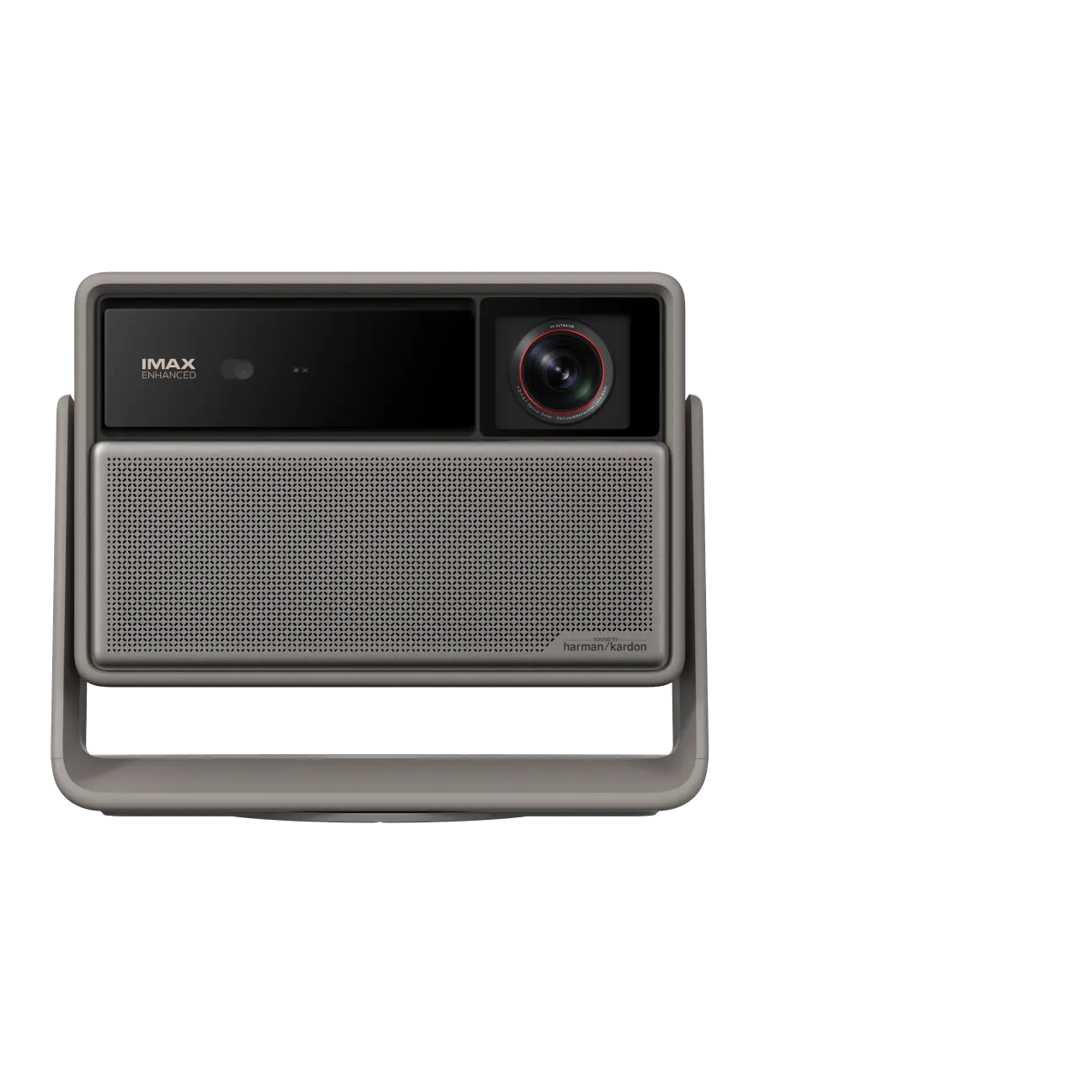
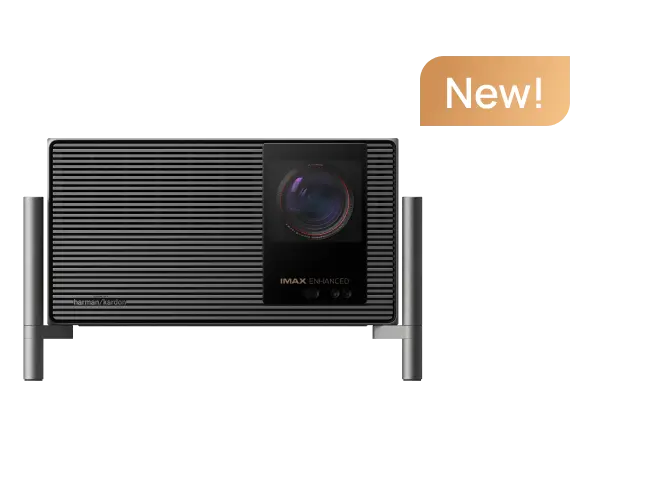
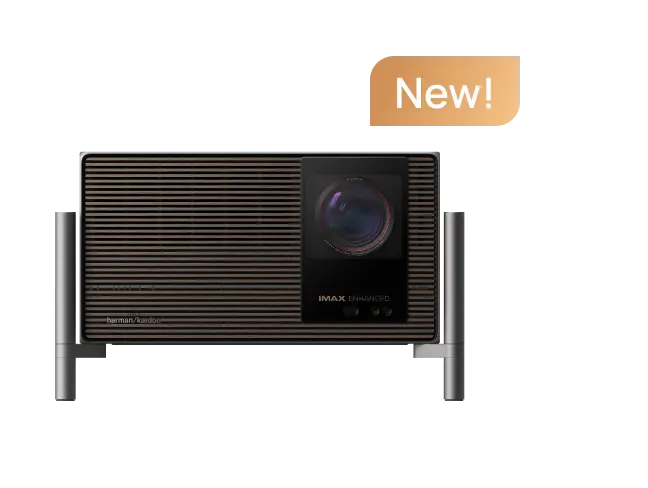
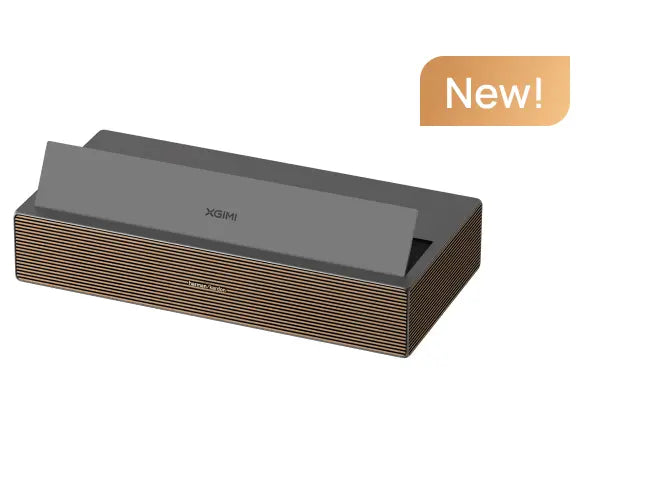
For high-end home setups, models like the HORIZON Ultra use advanced processing to minimize the softening effects of digital correction, but even then, a thoughtful physical placement will always yield a superior image.
Key Takeaways for Better Projector Setup
Auto-keystone is a powerful tool for convenience, but it is not magic. It works best when the "ask" is small. By optimizing your room's lighting and getting the projector as close to the center as possible, you can enjoy the benefits of automation without sacrificing the cinematic quality you bought the projector for.
For more detailed advice on positioning, check out our guide on home projector setup to ensure you're getting the biggest, brightest picture possible.
Comfort and Setup Disclaimer: This article discusses projector setup techniques and image quality considerations only. It does not address medical, vision, or health effects. Projected images may appear different depending on individual perception, room conditions, and content. If you experience eye strain or discomfort during use, adjust viewing distance, brightness, and ambient lighting, and consult a qualified professional. This is not medical advice.


