




You no longer need a pitch-black room to enjoy a large, cinematic image from a projector. With the right combination of an ambient light rejecting (ALR) screen and a sufficiently bright projector, you can achieve crisp, vibrant viewing in living rooms, family spaces, and apartments that receive daylight or artificial light.

The key is understanding that ambient light is the primary enemy of projected images. It reduces contrast, washes out colors, and makes blacks appear gray. ALR screens address this by selectively reflecting the projector's light toward viewers while absorbing or redirecting off-axis ambient light from windows, lamps, and ceilings. Paired with high-brightness models delivering 2000+ ISO lumens, these setups make everyday projection practical without constant blackout curtains.
What Is an ALR Screen and How Does It Work?
An ambient light rejecting screen uses specialized optical microstructures or coatings to control light direction. Unlike a standard matte white screen that scatters light equally in all directions, an ALR screen has a narrow viewing cone. It reflects projector light—typically arriving from a specific angle—directly back to the seating area while rejecting light coming from other angles, such as sunlight from side windows or ceiling fixtures.
This technology improves perceived contrast and color accuracy in lit rooms. As explained in technical breakdowns of how ambient light destroys projector color accuracy, uncontrolled light overwhelms the projector's output on ordinary surfaces, but ALR materials help preserve black levels and saturation.
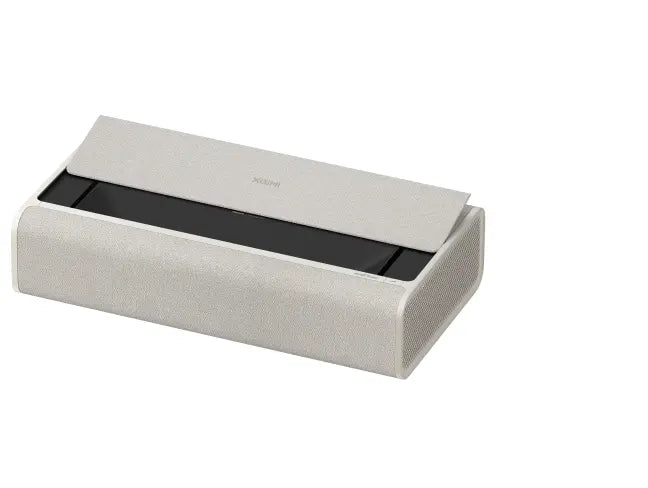
There are two main categories relevant for home use: gray ALR screens optimized for standard throw projectors and specialized lenticular or fresnel ALR screens designed for ultra-short-throw (UST) models. The latter often feature a sawtooth or layered structure that performs best when the projector sits close to the wall or on a media console just below the screen.

Why Ambient Light Is the Biggest Barrier to Projector Adoption
Projectors rely on reflected light, making them inherently more sensitive to room illumination than self-emissive displays like TVs or OLED panels. Even moderate ambient light can cut contrast ratios dramatically, turning deep blacks into washed-out grays and muting vibrant colors.
Brightness standards matter here. As detailed in guides comparing ANSI vs ISO vs CCB lumens, real-world performance depends on standardized measurements rather than marketing peak figures. For bright-room usability, projectors rated at 2000+ ISO lumens generally provide a usable foundation when combined with light control or rejection technologies.
In living rooms with windows or open-concept spaces, this sensitivity creates a practical problem: many buyers want a big-screen experience without committing to a dedicated dark theater. This is where ALR screens become valuable—they don't eliminate the need for reasonable brightness, but they make the setup more tolerant of typical household lighting.
ALR Screens vs Standard Screens: Key Differences
A standard white or gray screen offers wide viewing angles and simplicity but reflects all incoming light indiscriminately. This works well in controlled lighting but fails quickly in ambient conditions.
ALR screens trade some viewing angle width for better light rejection. They often have higher effective gain in the sweet spot (typically 0.6–1.2 gain depending on model) and perform best with fixed seating directly in front of the screen. For UST projectors, the screen must match the projector's low throw angle precisely; mismatched screens can create hot spots or uneven brightness.
The ultimate guide to choosing the ideal projector screen highlights that screen size, type, and gain should align with room conditions and projector capabilities. In daylight-prone rooms, ALR often outperforms standard options for maintaining watchable image quality.
Best ALR Screen Choices for UST Projectors in Bright Rooms
Ultra-short-throw projectors are popular for living rooms because they sit close to the wall, eliminating the need for ceiling mounts or long throw distances. However, they require a compatible ALR screen for optimal bright-room performance.
Dedicated UST ALR screens use lenticular or fresnel designs that reject light from above and sides while directing the projector's upward beam toward viewers. These screens are typically fixed-frame or tensioned for flatness, as even minor waves can distort the image at short distances.
For example, pairing a UST projector with a matched 100" ALR screen can deliver strong results in rooms with moderate ambient light. The screen's structure helps maintain contrast even when lamps or windows are active.
When shopping for the best ALR screen for UST projector, prioritize models specified for your projector's throw ratio and consider screen size relative to seating distance. A 100–120" screen is common for typical living rooms, but verify that your projector has enough brightness to fill it effectively.
Bright Room Projectors That Work Well with ALR Screens
Not all projectors suit bright environments. LED, laser, and dual-light-source models differ in output, color accuracy, and longevity. Laser light sources often excel in high-brightness scenarios due to consistent output and wide color gamuts.
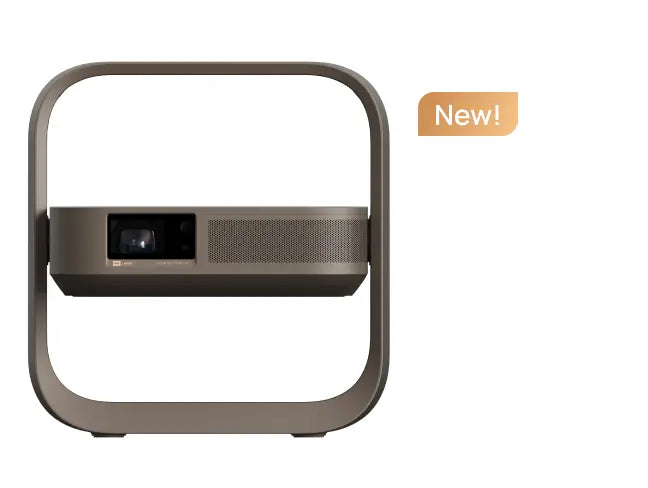
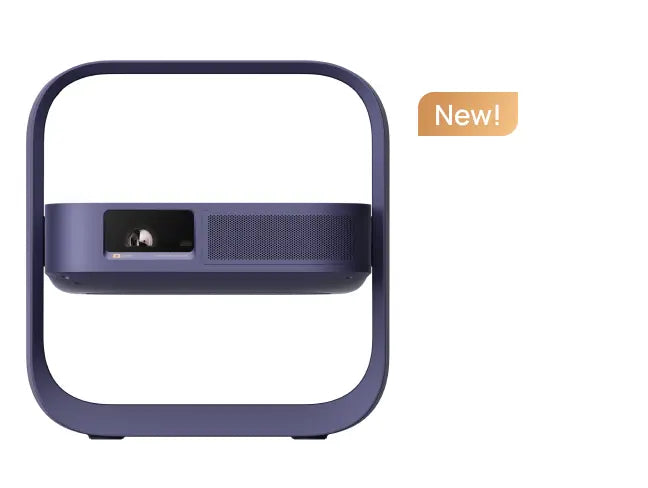
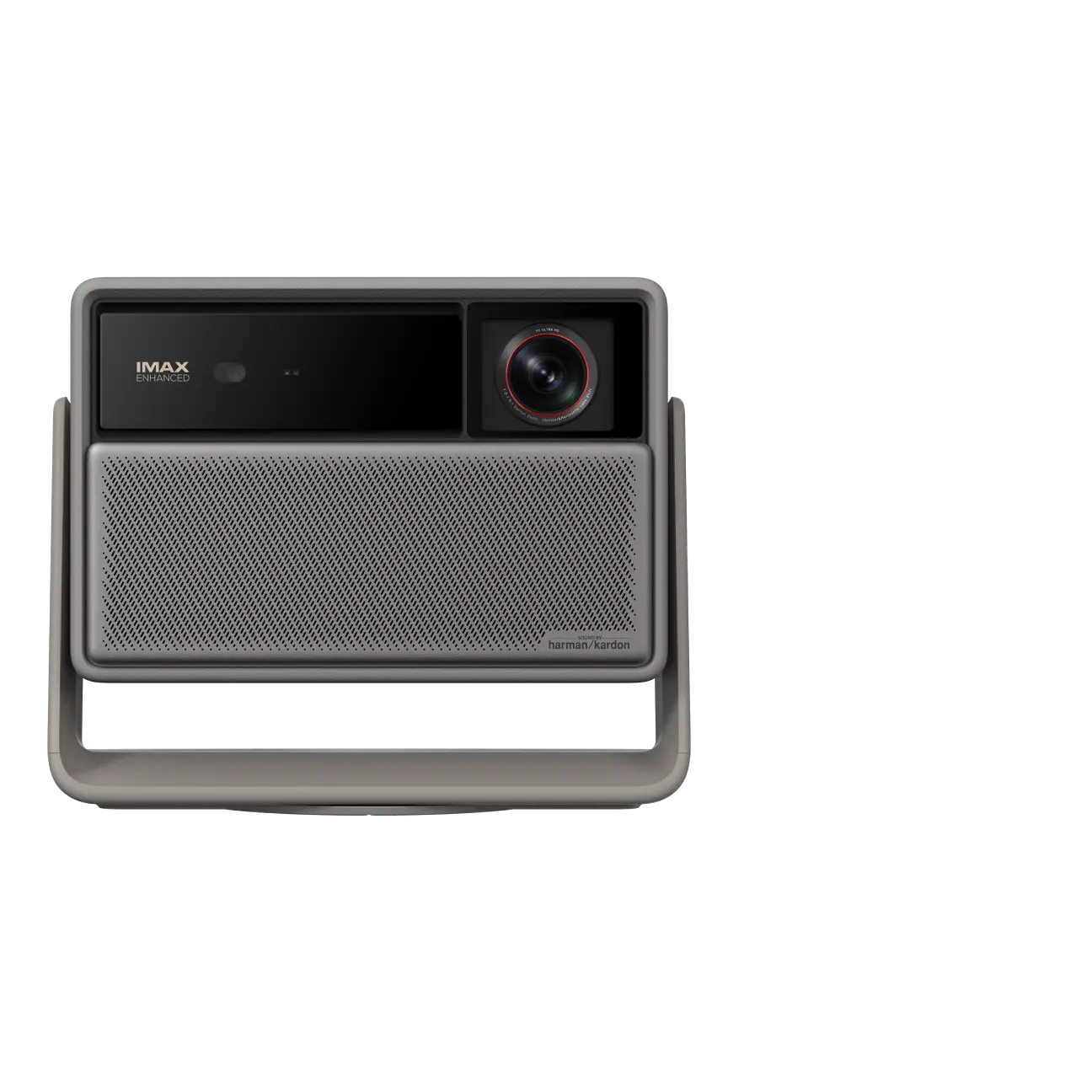
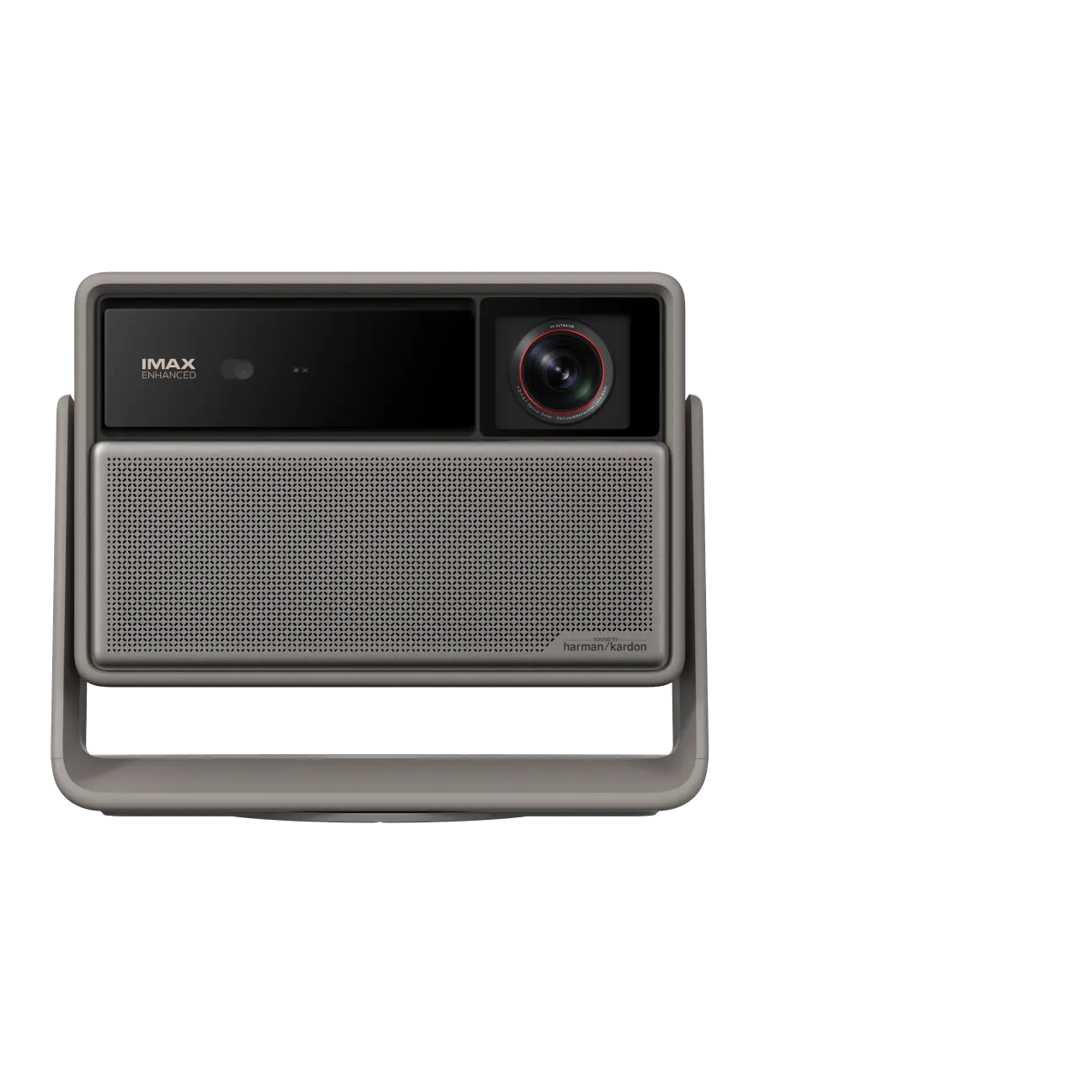
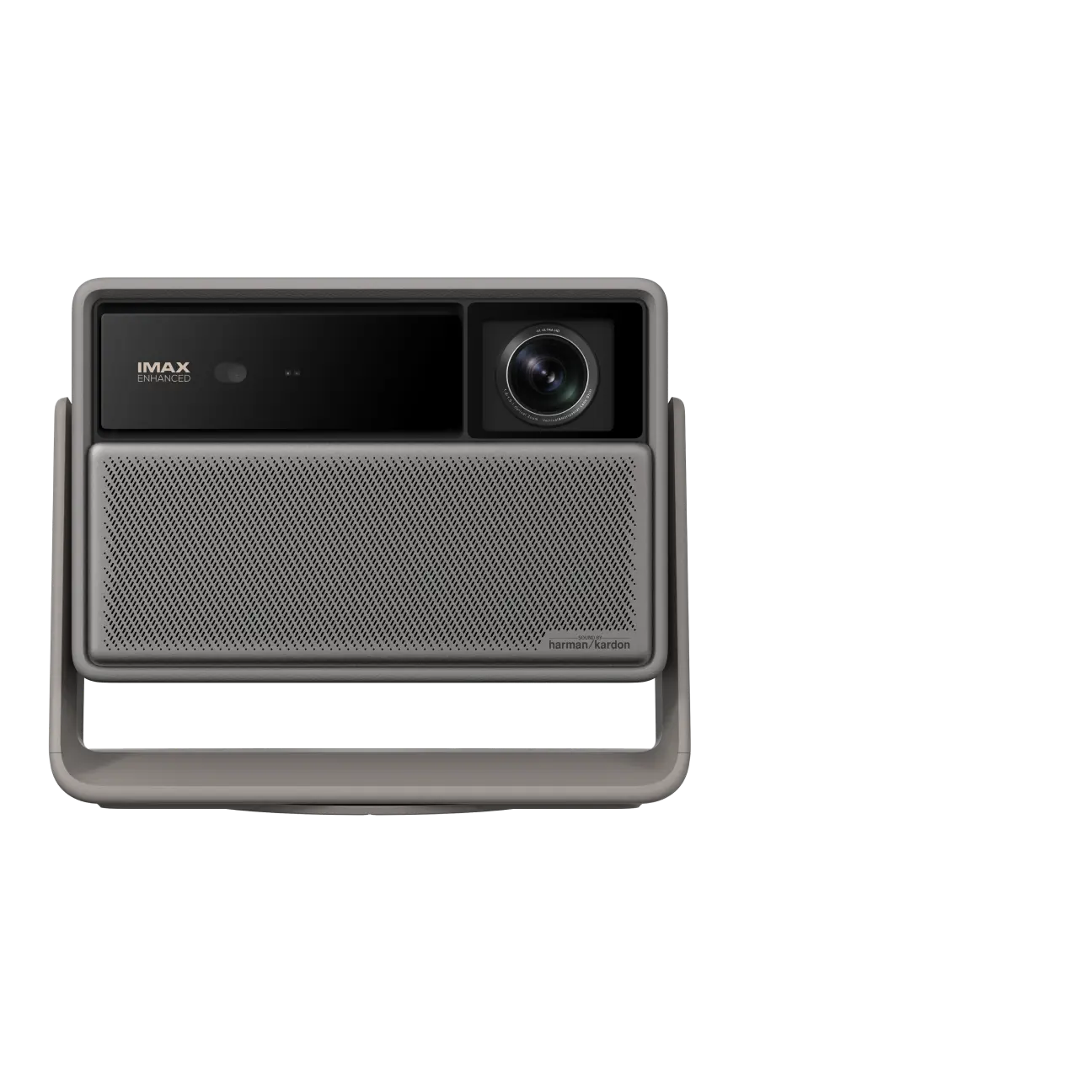
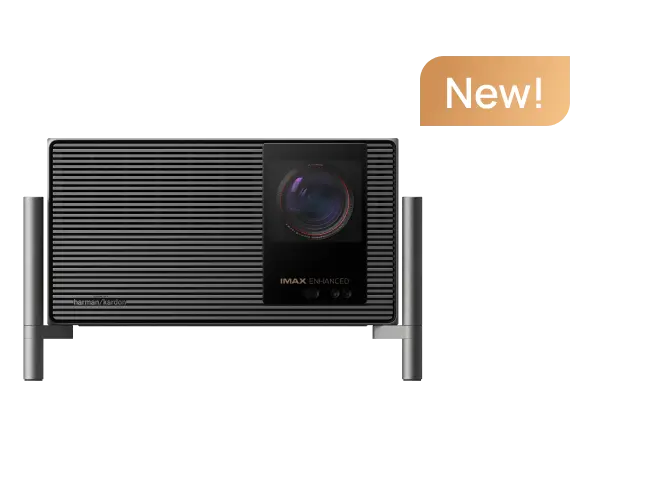
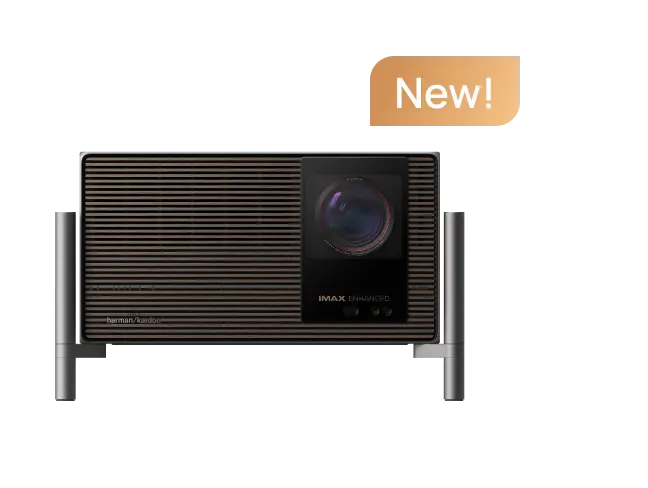
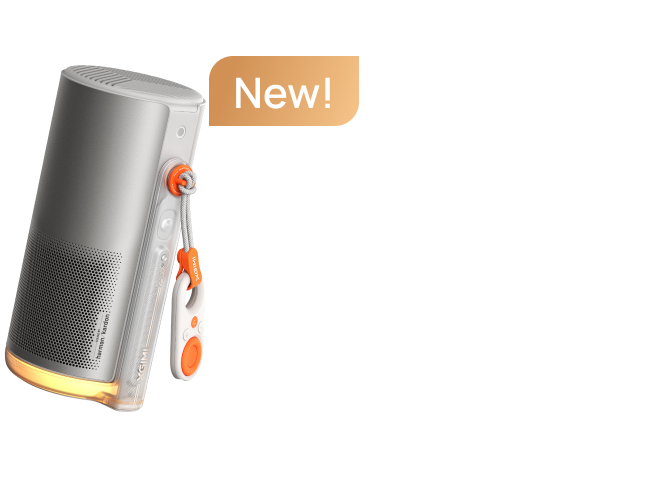
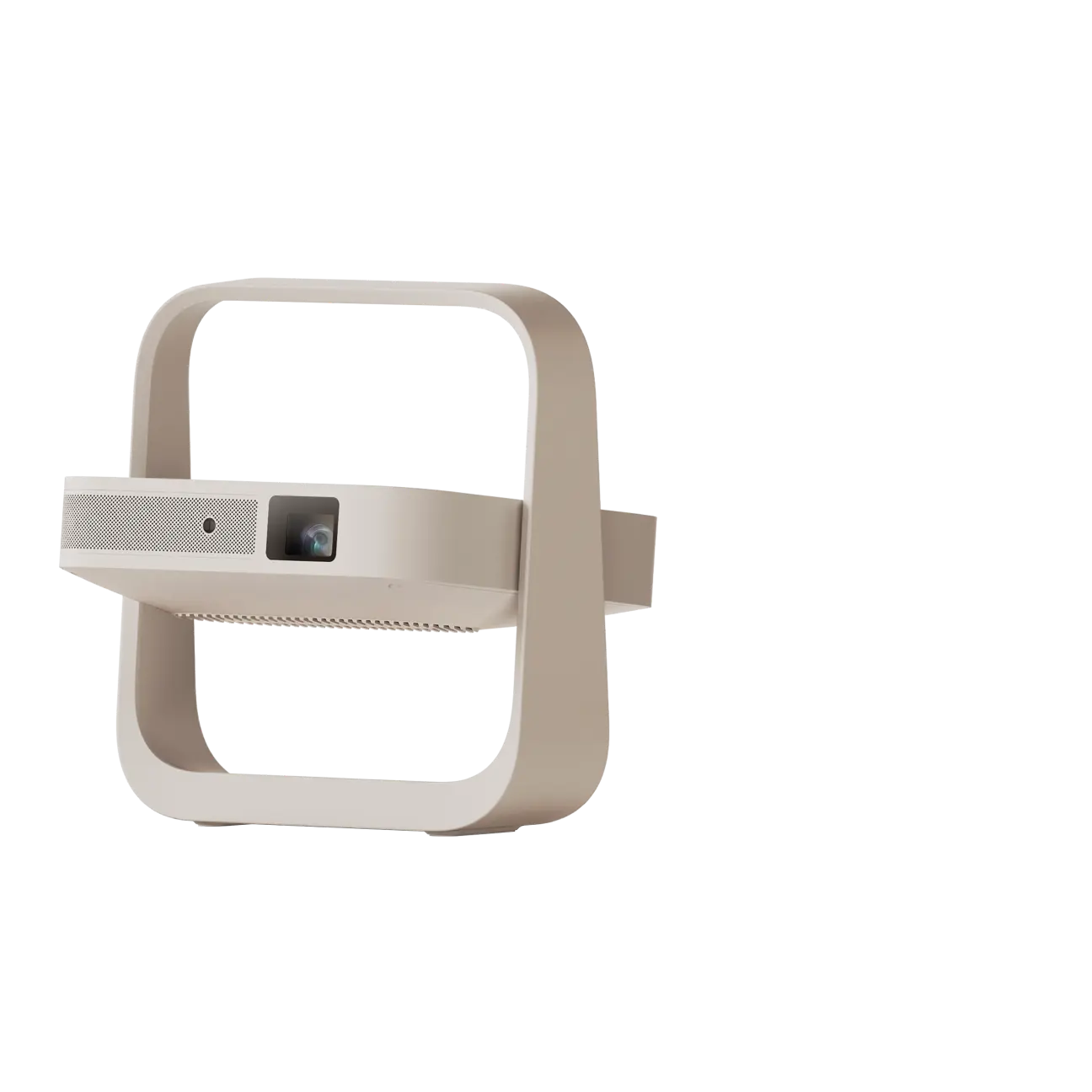
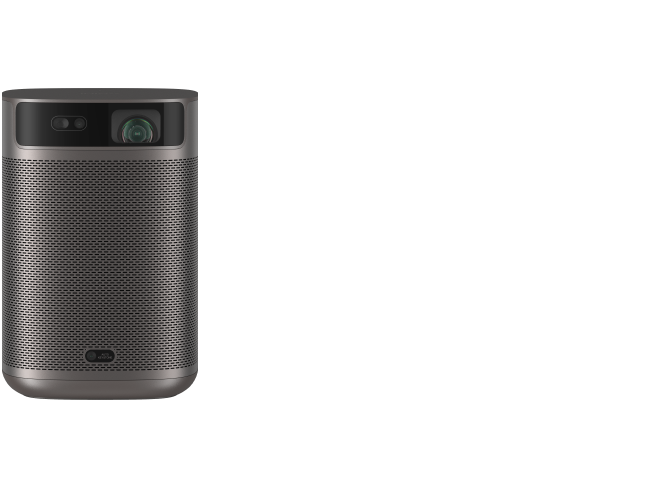
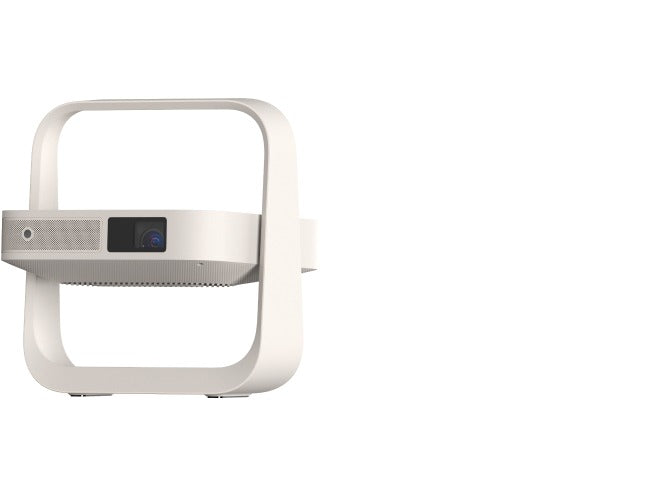
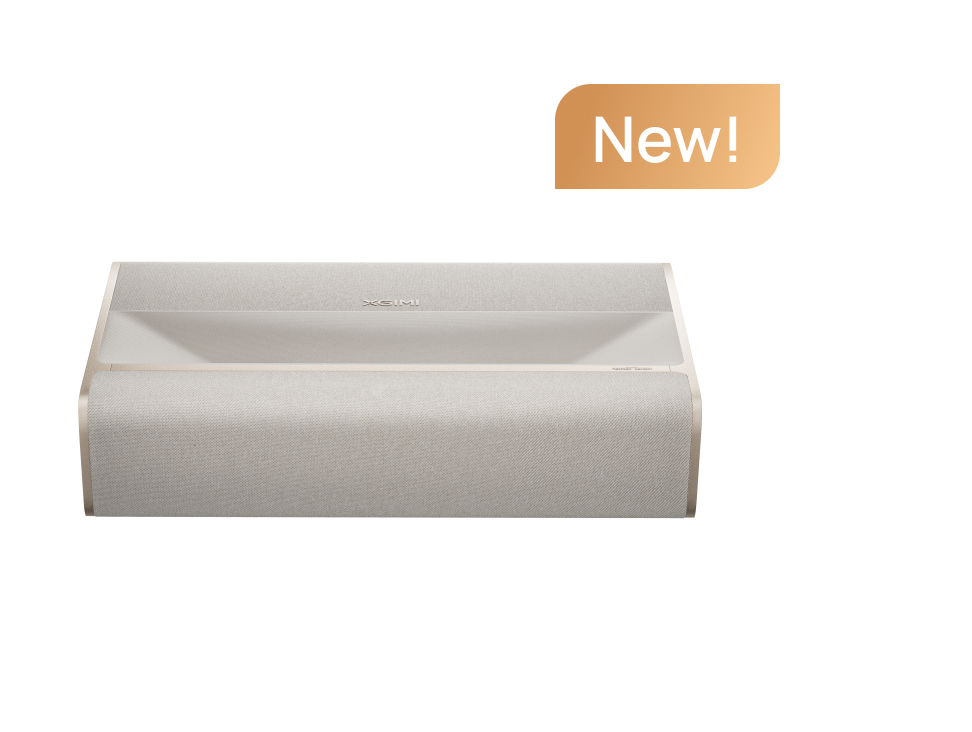
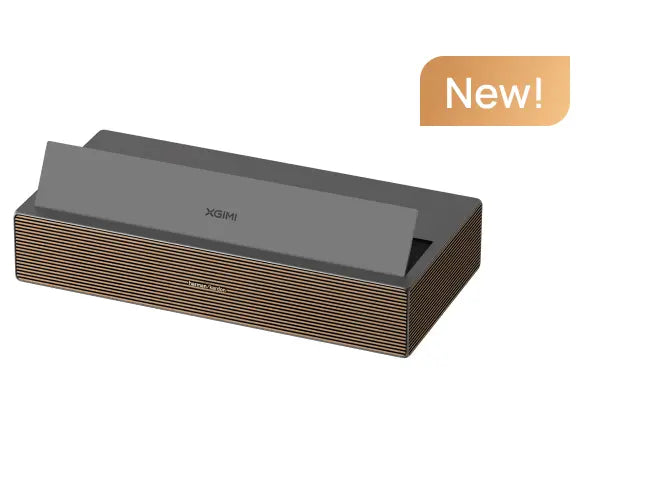
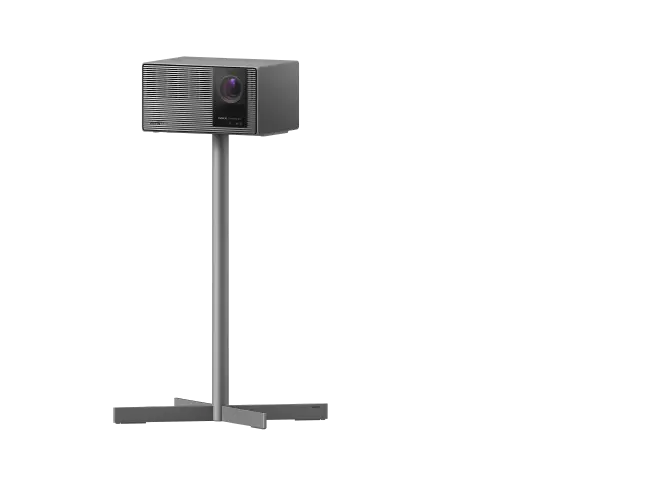
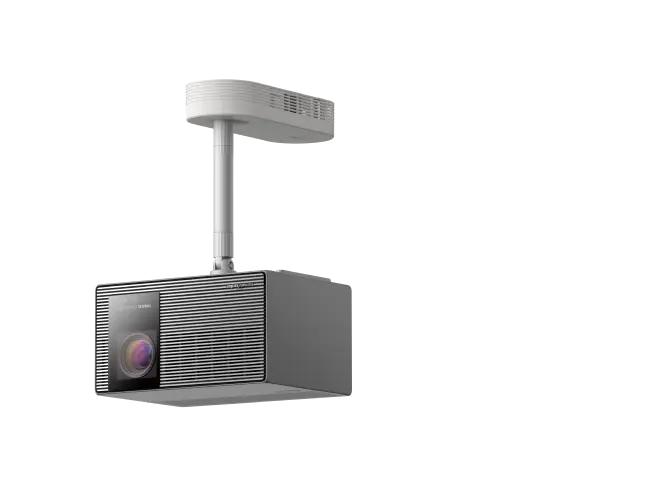
Models delivering 2000+ ISO lumens, such as those in the XGIMI lineup, pair effectively with ALR screens. For instance, the HORIZON series offers portable flexibility with strong brightness, while UST options like the AURA 2 integrate well with dedicated ALR surfaces for console-based setups.
The best 4K projector for bright room considerations emphasize balancing lumens with features like Dolby Vision, low input lag for gaming, and smart platform integration. Laser models frequently provide the sustained brightness needed for daytime use without the color shift sometimes seen in older LED designs.
Is an ALR Screen Worth It? Decision Framework
Whether an ALR screen justifies its premium cost depends on your specific room and usage. Many buyers overestimate daylight performance expectations. ALR improves usability but does not transform a projector into a TV that competes with direct sunlight.
Myth vs Reality
- Myth: An ALR screen makes any projector suitable for full daylight viewing. Reality: It helps with controlled ambient light but cannot overcome intense direct sun. Brightness and room shading still play major roles.
- Myth: You only need ALR for UST projectors. Reality: Standard throw projectors also benefit in lit rooms, though screen design differs.
- Myth: Brighter is always better than adding an ALR screen. Reality: In fixed living room setups with frequent daytime use, the screen often provides more noticeable contrast gains per dollar than incremental brightness alone.
From a practical standpoint, ALR becomes most worthwhile when:
- Your room has windows or consistent artificial light during viewing hours.
- The projector and screen position will remain fixed.
- You prioritize contrast and color over maximum brightness or wide viewing angles.
If your viewing is mostly evenings or you can reliably darken the space, a standard screen paired with a bright projector may suffice at lower cost.
Don't buy an ALR screen if:
- The room receives direct sunlight on the screen surface during typical use.
- You need flexible or temporary setups that change frequently.
- Viewers sit at extreme side angles, as many ALR screens narrow the effective viewing cone.
- Your projector lacks sufficient base brightness for the desired screen size.
Scenario Matrix: When the Best Choice Flips
The optimal setup changes based on room conditions and habits. In darkenable dedicated spaces, a standard screen with a quality projector often delivers excellent value. In multipurpose living rooms with daylight, ALR plus a compatible UST or bright laser model frequently provides better real-world satisfaction.
For apartments where blackout curtains are impractical, ALR helps reduce dependence on perfect lighting control. The decision also flips with screen size: larger images demand more brightness or better rejection to maintain quality.
Relative Suitability of Projection Setups by Room Light Level
Heuristic model for comparing common projection setups across room-light scenarios.
View chart data
| Category | ALR + UST | ALR + Standard Throw | Standard Screen + Bright Projector | Standard Screen + Low-Brightness Projector |
|---|---|---|---|---|
| Low / Darkened | 4.0 | 3.0 | 9.0 | 8.0 |
| Moderate Ambient | 8.0 | 7.0 | 8.0 | 5.0 |
| High / Daytime | 10.0 | 9.0 | 5.0 | 2.0 |
Heuristic scoring model based on typical room-use guidance: ALR + UST is favored for daytime / ambient-light viewing; standard throw is better when the room can be darkened; direct sun and highly movable setups reduce ALR suitability; brighter rooms generally need roughly 2000+ ISO lumens to remain usable. Scores are illustrative, not measured data.
These scores represent a heuristic model synthesized from setup guidance. They illustrate relative suitability rather than precise lab measurements and should guide thinking rather than dictate purchases.
How to Choose and Set Up for Bright Room Success
Follow this checklist to evaluate your space:
- Measure typical ambient light levels during intended viewing times. Use a phone light meter app for rough lux readings—moderate ambient is around 100–300 lux.
- Determine if the projector position can be fixed. UST setups benefit most from matched ALR screens when placement is permanent.
- Calculate required brightness. Larger screens in brighter rooms need proportionally more lumens. Aim for at least 2000 ISO lumens for 100"+ in moderate light.
- Check viewing angles. Ensure primary seating falls within the ALR screen's effective cone.
- Test room controllability. Simple shades or curtains can reduce the need for premium ALR in borderline cases.
- Match technologies. Choose laser or high-output LED sources for sustained performance in lit environments.
For daytime projector setups, the guide to watching movies without closing the curtains emphasizes that physics and proper pairing matter more than chasing the highest lumen claims.
Consider exploring laser projectors for their efficiency in bright conditions, or review the full range of 4K projectors to find brightness matches for your room.
Limitations and Realistic Expectations
Even the best ALR screen and brightest projector combination has boundaries. Direct sunlight on the screen surface will still degrade the image significantly. Wide seating arrangements may see reduced performance from angle-sensitive screens. ALR technology also tends to lower peak brightness slightly compared to standard screens, so projector output must compensate.
This article discusses comfort and setup strategies for better viewing in ambient light. It does not constitute advice on medical or vision-related matters. If you experience eye strain or have existing vision conditions, consult a qualified professional.
Results depend heavily on your specific room, projector model, screen size, and content type. What feels excellent for movies at dusk may feel merely acceptable for sports on a sunny afternoon.
Final Buying Recommendations
For most living room users seeking a TV alternative without darkening the space, start by assessing light control. If ambient light is unavoidable, prioritize an ALR screen matched to your projector type—especially for UST installations. Combine it with a projector offering at least 2000 ISO lumens and modern light source technology for the most satisfying results.
If your room allows some light control or you mainly watch in evenings, a bright standard-throw projector with a quality matte screen may deliver better overall value. Test your space where possible, as real-world performance varies.
By focusing on the interaction between projector brightness, screen rejection capabilities, and your actual room conditions, you can create an enjoyable big-screen experience that fits everyday life rather than fighting against it.


