




Modern smart projectors have eliminated the need for external streaming sticks in many setups. A built-in operating system like Google TV turns your projector into a complete entertainment hub, offering direct access to streaming apps, personalized recommendations, and voice controls right out of the box. This matters most for living room movie nights or family viewing where simplicity and quick access reduce friction, though native app support still depends on the specific model and its certifications.

For first-time buyers and streaming enthusiasts, understanding projector OS options helps avoid post-purchase surprises. Google TV stands out as a content-first platform that organizes recommendations across apps, but not every projector labeled with it delivers identical experiences—especially for services like Netflix.
What Is Google TV on a Projector?
Google TV is a content-first experience that organizes streaming apps and recommendations on supported devices. Unlike older Android TV interfaces that focused primarily on apps, Google TV prioritizes shows and movies from multiple services on the home screen, making discovery easier without switching between individual apps.
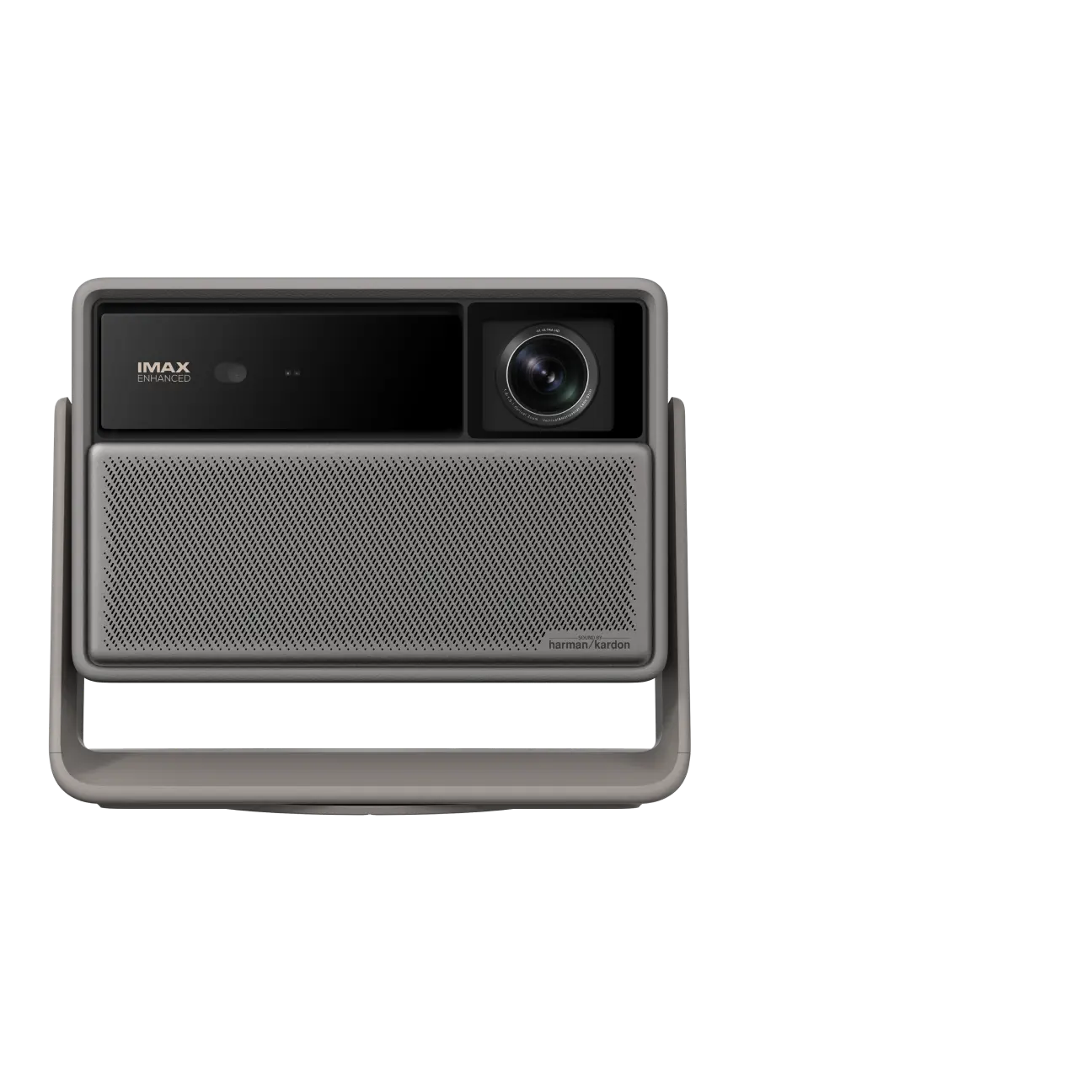
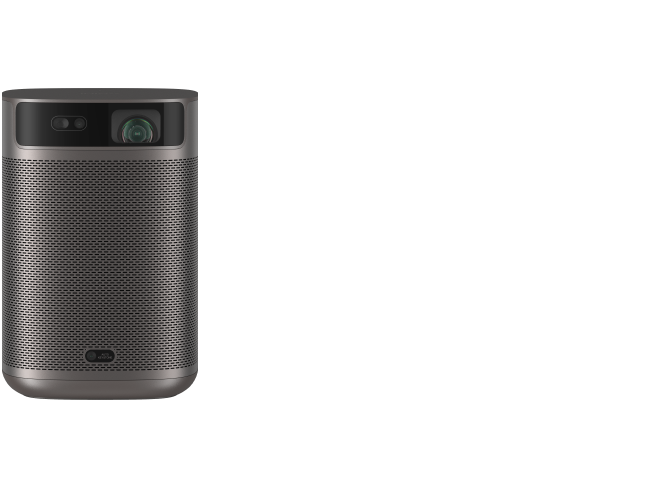
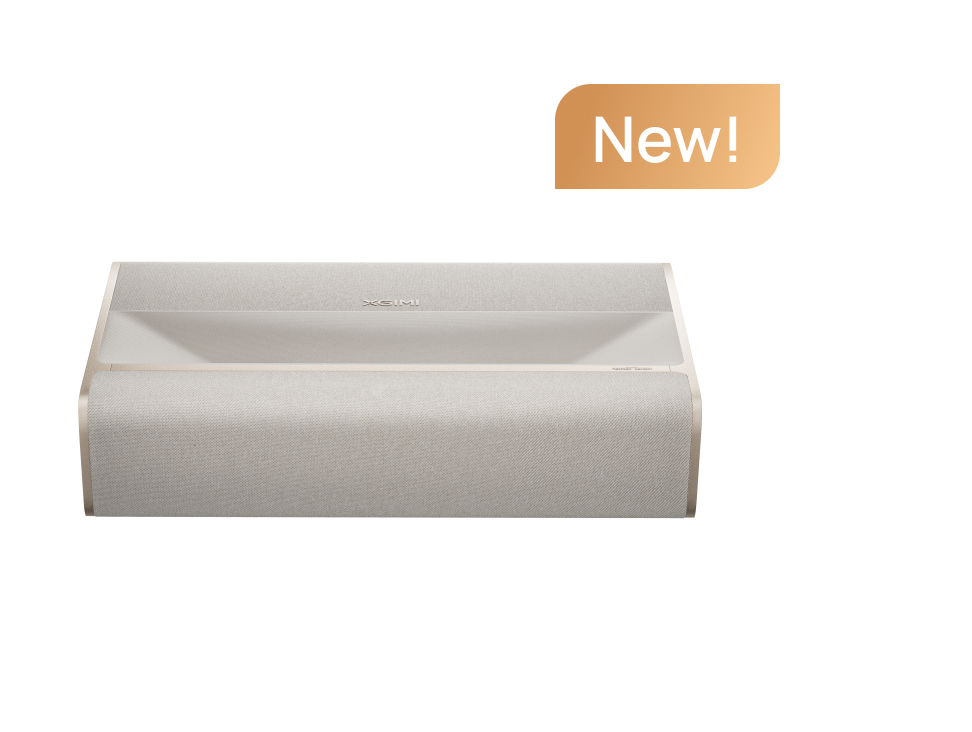
This approach benefits projector users who want an all-in-one device. As this official Google TV Help resource explains, the platform emphasizes curated content rows and unified search, which translates well to big-screen viewing in living rooms or bedrooms. Many current XGIMI models, including portable options like the MoGo 4 series, incorporate this system for seamless streaming.
The shift from external dongles to native smart platforms addresses a common historical pain point. Projectors once required separate devices for Netflix or Disney+, adding cables and remote juggling. Today's Google TV projectors integrate these functions directly, though success varies by certification and region.

Native Netflix Support: What Actually Matters
Native Netflix support depends on the specific projector being officially supported or certified. Simply having Google TV does not guarantee full Netflix functionality, as Netflix behavior on Android TV and Google TV devices depends on the projector model and its compatibility status.
This distinction prevents disappointment. Some projectors offer a dedicated Netflix button on the remote and full HD or 4K streaming within the native interface. Others require workarounds or may not support the app at all due to licensing and certification requirements that change over time.
According to Netflix's own guidance, compatibility is determined at the device level rather than the OS alone. For reliable native access, check the exact model specifications or test during any return window. This is especially relevant in 2026 as streaming certifications continue to evolve with new hardware.
If native support is missing, many users fall back to HDMI-connected streaming sticks. However, projectors with strong built-in ecosystems minimize this need for most casual viewers.
App Compatibility and Google Play Store Access
Most apps on Google TV projectors are installed through Google Play, and availability depends on the device. The Google Play store on these platforms hosts thousands of apps, including major streaming services like YouTube, Disney+, Prime Video, and Hulu, but not every title is optimized for projector hardware.
Compatibility extends beyond installation. Some apps may lack proper remote navigation support or HDR passthrough on certain models. Voice search integration through Google Assistant further enhances usability when the implementation is well-executed.
Voice control on supported Google TV projectors is typically handled through Google Assistant and a compatible remote or microphone. This feature shines during family use, allowing hands-free searches for content without passing remotes around.
For broader flexibility, some Android TV-based projectors allow sideloading, but it is a manual workaround and compatibility varies. Sideloading involves enabling developer options and installing APK files from external sources, which carries risks like security vulnerabilities or unstable performance. It suits tech-savvy users but often signals higher maintenance than a fully native experience.
How to Set Up a Google TV Projector
Setup on Google TV devices usually follows a guided sign-in and Wi-Fi onboarding flow. The process typically mirrors smart TV setup: connect to power and Wi-Fi, sign in with a Google account, update the system, and begin installing preferred apps.
In practice, many smart projector setups feel similar to setting up a streaming TV device: sign in, connect Wi‑Fi, and start installing apps. XGIMI models often include helpful features like autofocus and keystone correction that activate during initial placement, making the entire onboarding smoother than older projectors.
After basic setup, explore the remote's capabilities. Features like quick app access buttons or voice input speed up daily use. For detailed guidance on XGIMI-specific controls, review resources on using the XGIMI remote controller.
Common setup tips include ensuring a strong Wi-Fi signal for smooth 4K streaming and organizing apps on the home screen for frequent services. Regular system updates maintain compatibility with new streaming features and security patches.
Comparing Built-in Smart OS vs External Streaming Sticks
The decision between a projector with native Google TV and one relying on external devices comes down to your tolerance for setup complexity and desired simplicity.
Built-in systems excel in minimal-friction scenarios. They eliminate extra hardware, reduce cable clutter, and provide integrated power management—important for portable projectors. However, when app availability feels limited or Netflix certification is uncertain, an external stick often delivers more consistent performance across services.
When a Built-in Google TV Projector Is the Better Fit
Higher scores indicate a better scenario fit, not a benchmark.
View chart data
| Category | Built-in Google TV Recommended | External Stick Better |
|---|---|---|
| Family Simple Use | 8.0 | 3.0 |
| Tech-Savvy Flexibility | 4.0 | 8.0 |
| Netflix Priority | 3.0 | 7.0 |
| Minimal Setup Friction | 9.0 | 2.0 |
Illustrative 0-10 heuristic based on scenario_matrix and constraint_first_filter modules, plus bounded writer_evidence about device-dependent Netflix access, Google Play availability, and sideloading. Scores express buyer-fit strength rather than measured performance; higher means better fit for the scenario.
This illustrative chart highlights scenario flips. Built-in Google TV tends to suit family simple use and minimal setup situations better, while external sticks provide advantages for tech-savvy users needing maximum flexibility or specific Netflix reliability.
The correct framework for comparing options focuses on how much of your personal viewing stack works natively on the exact device. For family users who want a simple, low-maintenance setup, a projector with stable native app support and usable voice control is usually the safer choice. Tech-savvy buyers comfortable with sideloading or adding a streaming stick may prioritize other hardware features instead.
Buyer Checklist: Choosing the Right Smart Projector OS
Use this practical checklist to evaluate options before purchase:
- Verify Netflix support on the exact model rather than relying on “Google TV” in marketing materials.
- Confirm Google Play availability and whether your must-have streaming apps appear in the store.
- Assess your comfort with sideloading as a potential regular requirement versus an occasional backup.
- Test voice control and remote usability, especially for shared family or guest scenarios.
- Evaluate overall onboarding speed and app organization to ensure daily convenience.
- Consider whether an external stick would add enough value to justify a simpler projector without built-in smarts.
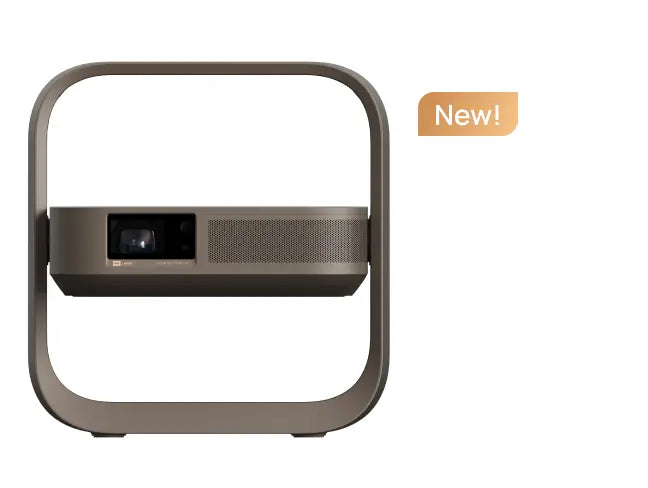
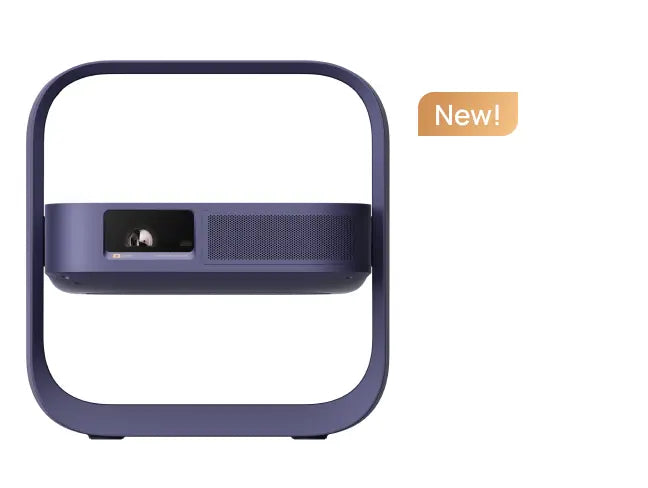
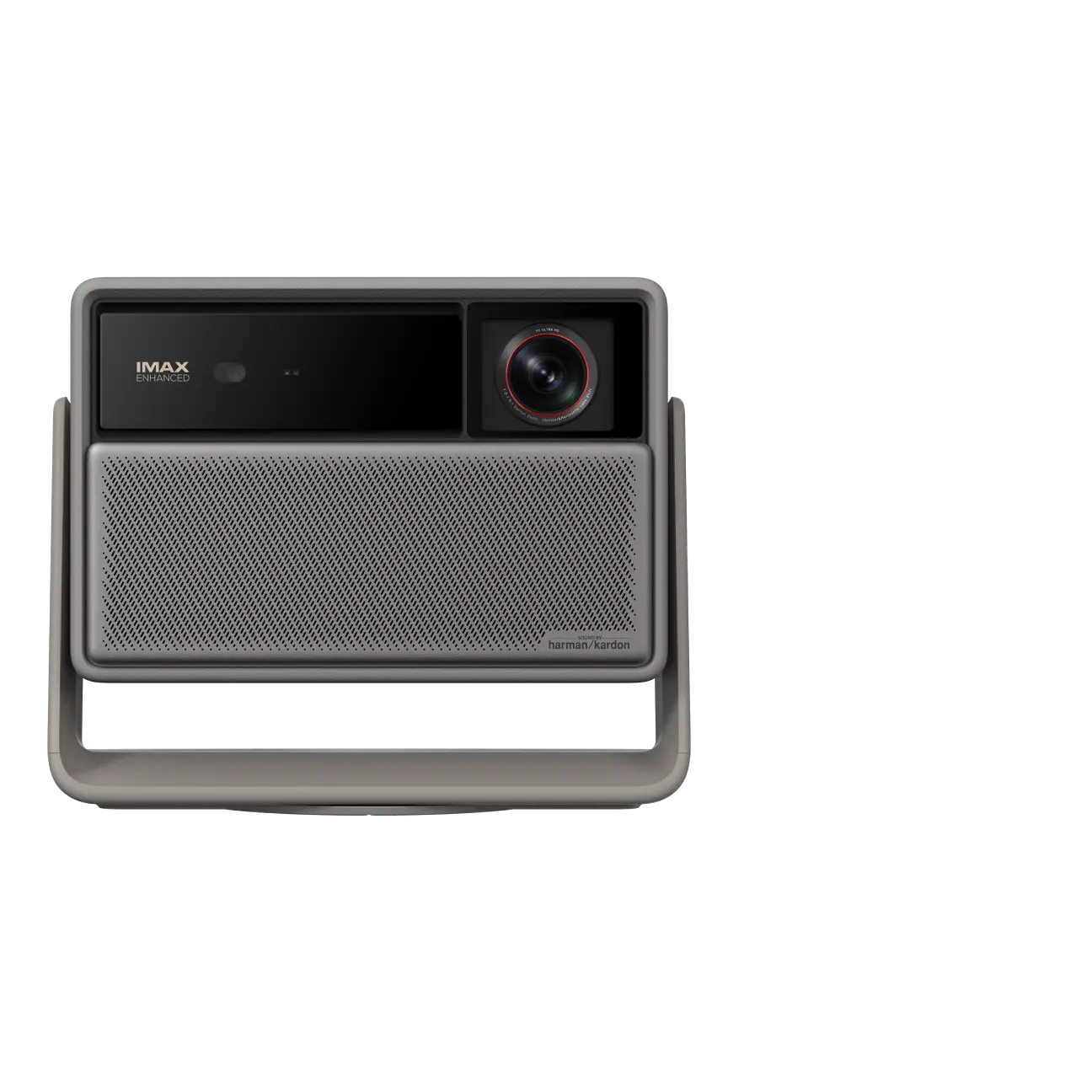
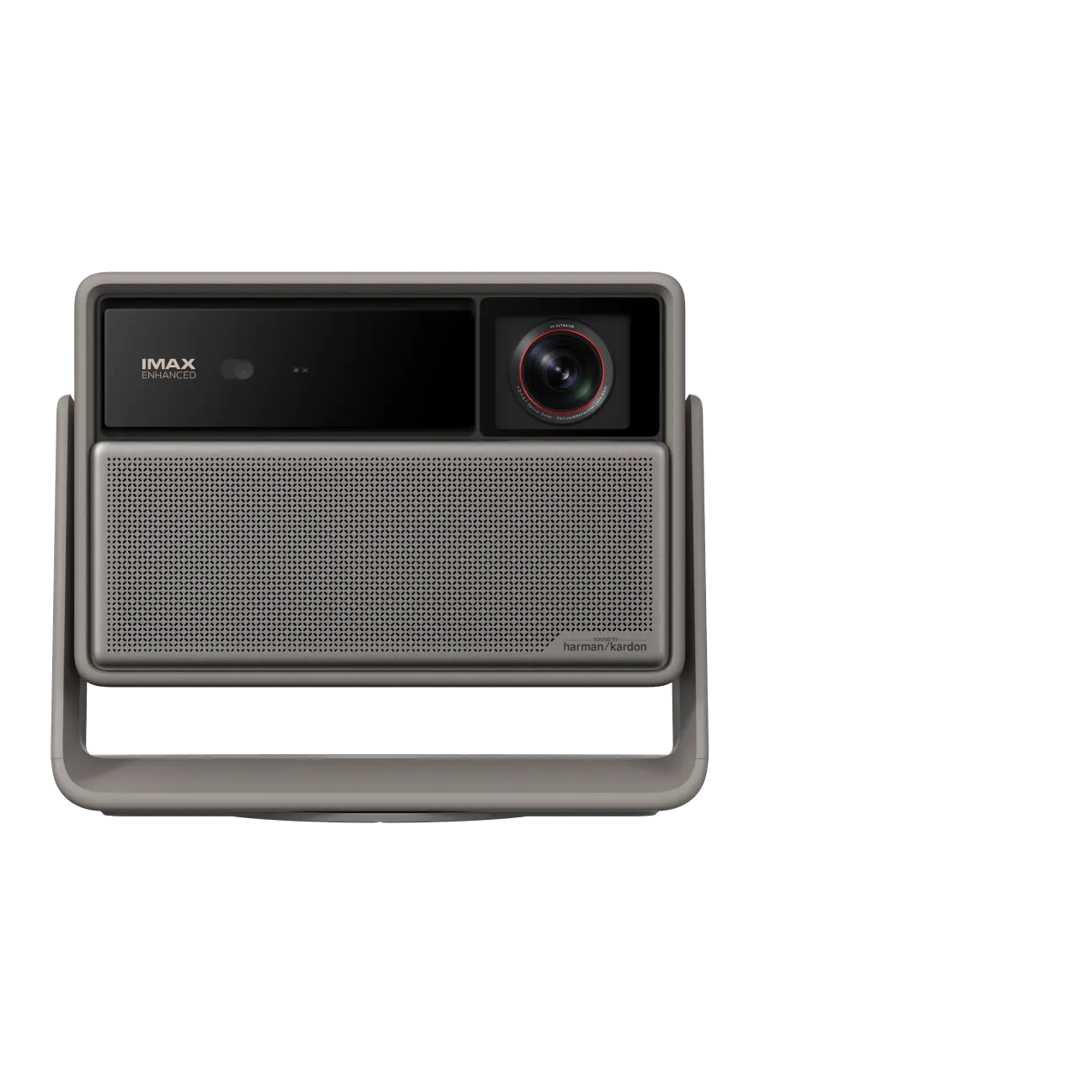
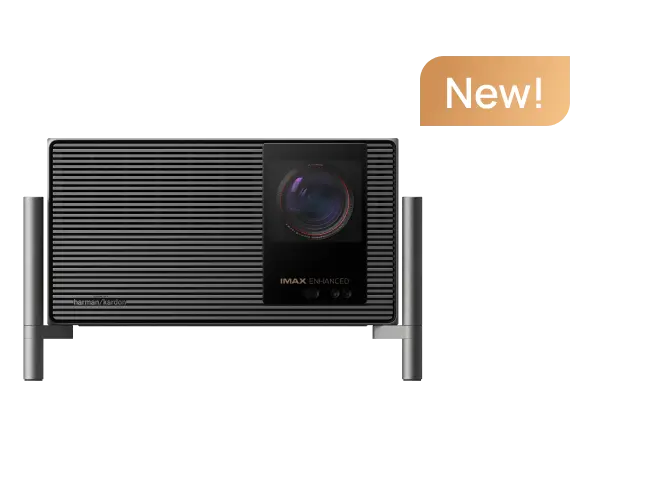
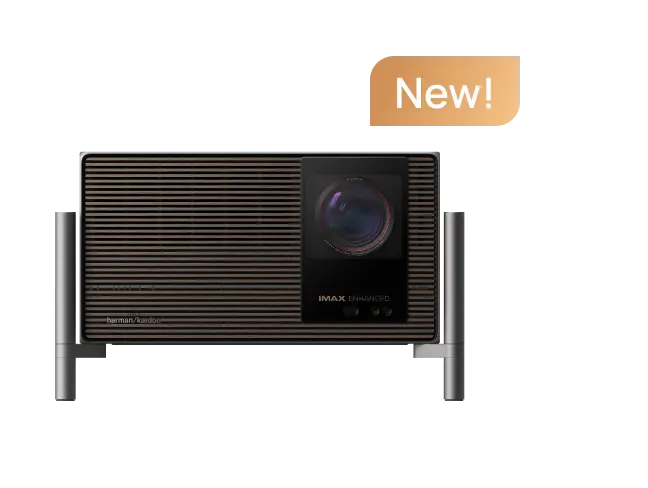
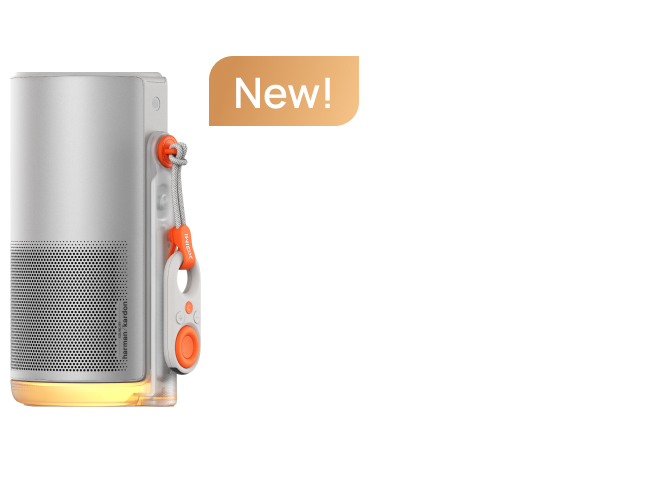
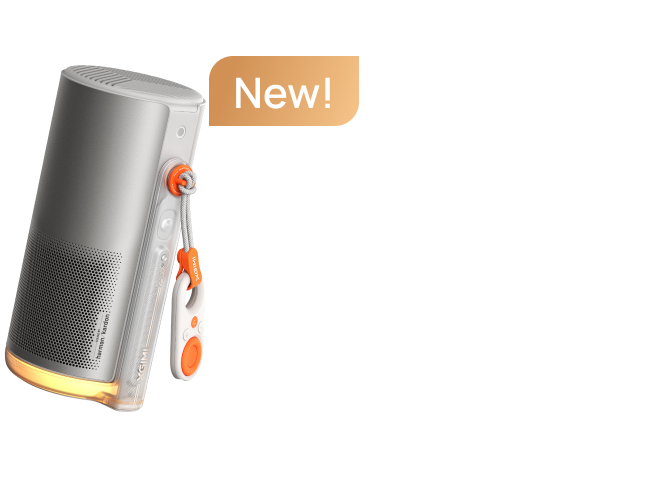
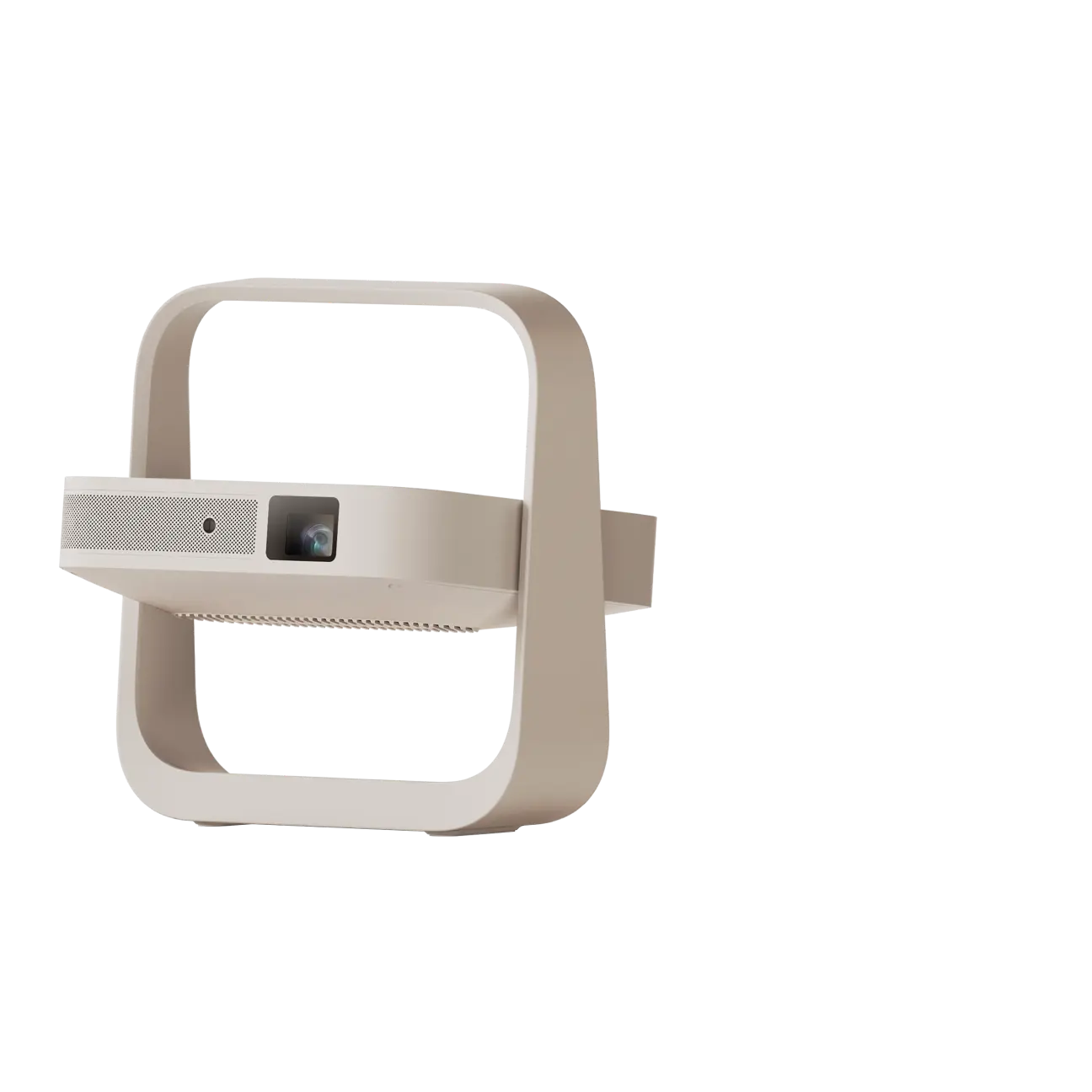
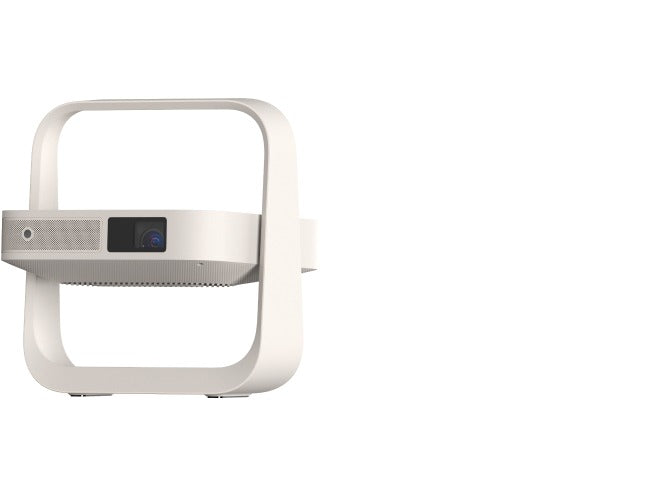
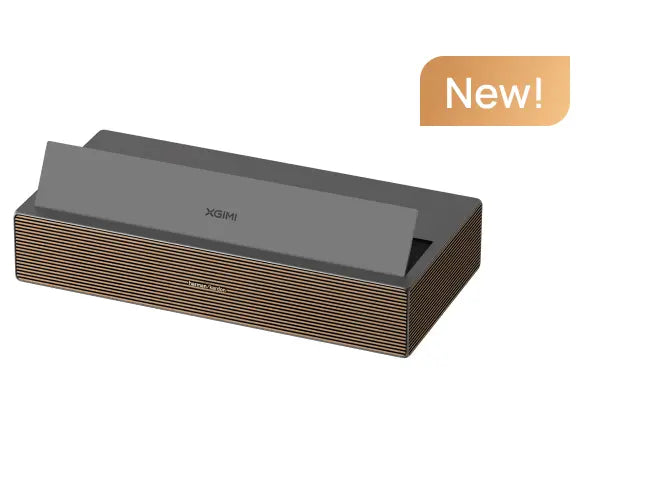
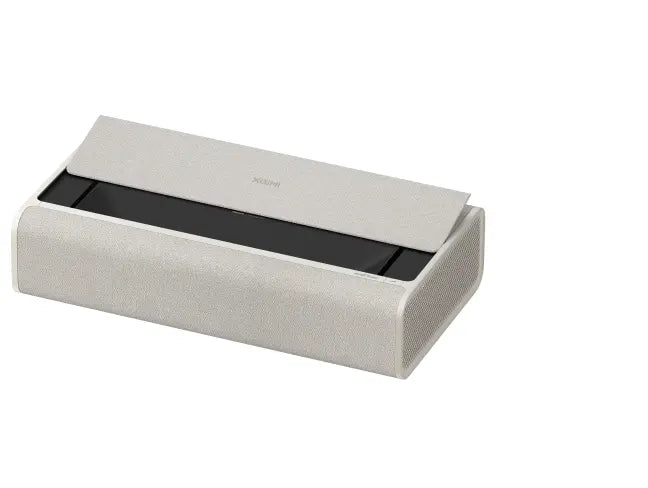
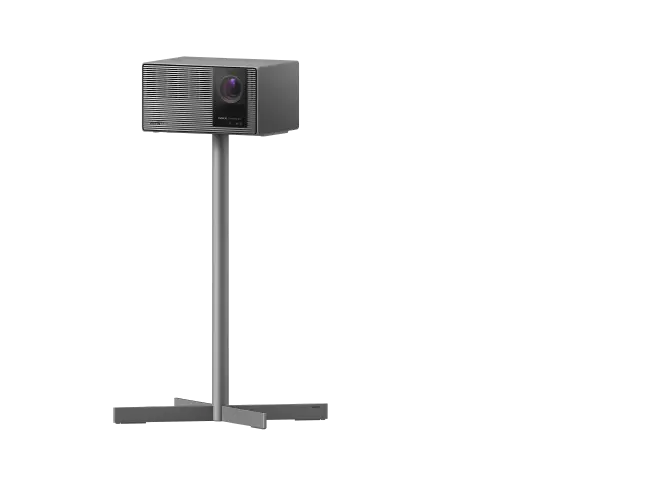
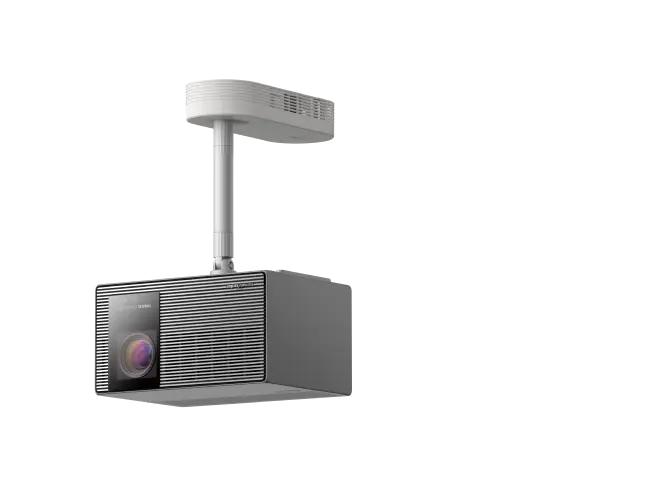
This approach helps match the projector to your real usage patterns. Portable models like the Halo+ (New) or MoGo 4 with Google TV offer excellent all-in-one experiences for many users, while larger home models like the HORIZON Ultra deliver premium performance with robust smart features.
For more on why native smart capabilities matter, explore this detailed guide on built-in streaming and native smart OS projectors.
Understanding Sideloading and Advanced Options
Sideloading provides a path to apps unavailable through official channels, but it requires technical steps and ongoing management. Most users prefer avoiding it when possible, as native support delivers better integration with the projector's remote, power management, and automatic updates.
Some projectors include additional features like screen mirroring or Chromecast built-in that complement the core Google TV experience. These enhance versatility without replacing the primary streaming platform.
Keep firmware updated regardless of your setup. Manufacturers regularly improve app compatibility, security, and voice recognition through over-the-air updates.
Choosing for Your Specific Needs
Families and casual viewers benefit most from projectors with strong native Google TV implementations and confirmed major app support. The convenience of grabbing a single remote and accessing everything immediately often outweighs minor catalog gaps.
Tech enthusiasts who enjoy customizing their setup may find value in models that support sideloading or work well alongside existing streaming devices. In these cases, evaluate the projector primarily on picture quality, brightness, and portability while treating the OS as secondary.
Travelers and those with space constraints particularly appreciate battery-powered portable projectors with built-in Google TV. These devices enable streaming anywhere with minimal gear.
Important Note on Comfort and Use: This article discusses setup convenience and streaming features only. It does not provide medical advice regarding eye strain or viewing habits. If you experience discomfort during extended projector use or have existing vision conditions, consult a qualified eye care professional. Factors like screen size, viewing distance, ambient light, and individual sensitivity all influence perceived comfort.
The smart projector landscape continues evolving, with better integration and more certified apps expected in coming years. By focusing on verified native support rather than OS labels alone, buyers can select devices that truly deliver on the promise of dongle-free streaming.
For additional reading on related topics, see our guide explaining Google TV, Android TV, Google Play, and Chromecast differences or practical advice on watching Netflix on projectors.
Whether you choose a compact portable unit or a premium home theater model, prioritizing real-world app compatibility ensures your smart projector meets expectations for years of reliable entertainment.


