



Transforming Your Space with Ambient Projection
Transforming blank walls into dynamic, calming displays can instantly elevate your living space without permanent changes. Using a projector for ambient visuals offers a flexible way to add relaxing scenes, digital art, or subtle mood lighting that adapts to your day. The key is matching the right projector to your room conditions and understanding how light, surface, and placement affect the final look. For more on this topic, see How to Choose a Projector for Your Space: Room-by-Room Guide.

For the clearest ambient visuals, keep the room dim and reduce light spill onto the wall. Ambient light is the primary factor that washes out colors and reduces the soothing effect intended for relaxation or meditation.
Why Ambient Projection Works for Mood and Relaxation
Projectors have evolved beyond cinema-only use. Modern units often feature smart OS integration and "always-on" gallery modes. In living rooms after work or bedrooms before sleep, a well-chosen projection creates a gentle visual backdrop that feels more organic than a backlit TV screen. For more on this topic, see Smart Projector Auto-Correction: How ISA Works.
Success depends on environmental variables. A smooth, matte-white wall typically provides the most accurate color reproduction. Rough textures or bold patterns can break the "fake window" illusion, making digital art look distorted rather than premium.
Common Myths About Projector Mood Lighting
Many assume any projector can turn a wall into a digital art frame. In reality, the effect requires specific conditions.
- Myth: Any projector works equally well for ambient lighting.
- Reality: Success depends on the "Lumen-to-Surface" ratio. A low-lumen projector in a room with even minor light leakage will result in a faded, uninspiring image.
- Myth: Fake windows are always convincing.
- Reality: They work best when the projection is aligned with the room's natural eye level (approx. 3-4 feet from the floor) and the room is significantly darker than the projected image.
- Myth: Projection is automatically relaxing.
- Reality: High fan noise (above 35dB) or constant "rainbow effect" from low-end DLP chips can cause eye strain or distraction rather than calm.
Don't Buy a Projector for Ambient Visuals If...
Before purchasing, run through this checklist to ensure a projector is the right tool for your space:
- Uncontrolled Light: Your room has large windows without blackout curtains or effective blinds.
- Surface Issues: Your walls are dark-colored, highly textured (like deep stucco), or covered in patterned wallpaper.
- Maintenance Aversion: You want a "set it and forget it" solution but aren't willing to occasionally recalibrate focus or keystone if the unit is bumped or moved.
- Copyright Concerns: You plan to use specific artist works without checking for Creative Commons or public domain status.
Choosing the Right Projector: Key Parameters
To avoid a "washed out" look, match your projector's brightness to your intended use case. As a rule of thumb based on common home environments: For more on this topic, see Projector Brightness Standards and Measurement: A Comprehensive Ref....
- Dim/Dark Rooms (Bedrooms): 300–800 ANSI Lumens is sufficient for a 60-100 inch image.
- Partial Ambient Light (Living Rooms): 1,500–2,500+ ANSI Lumens is necessary to maintain visible contrast.
Different categories suit different setups:
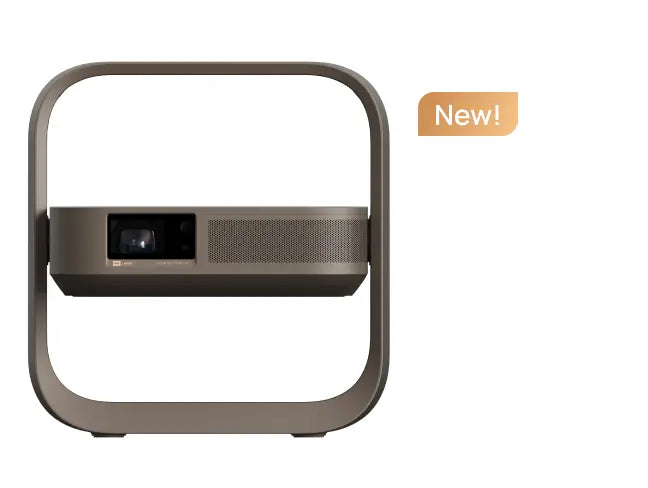
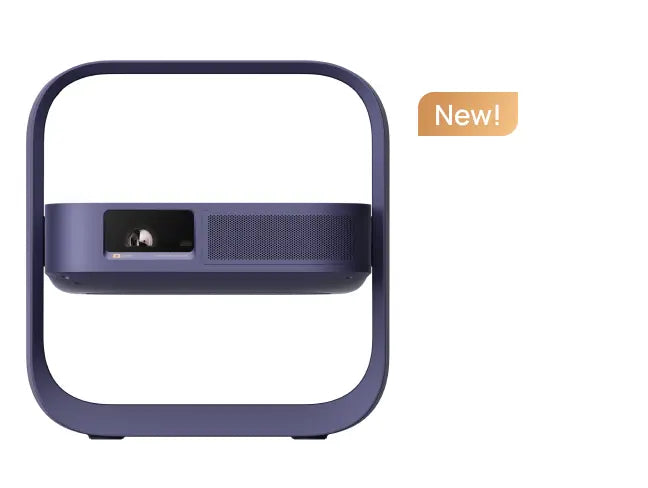
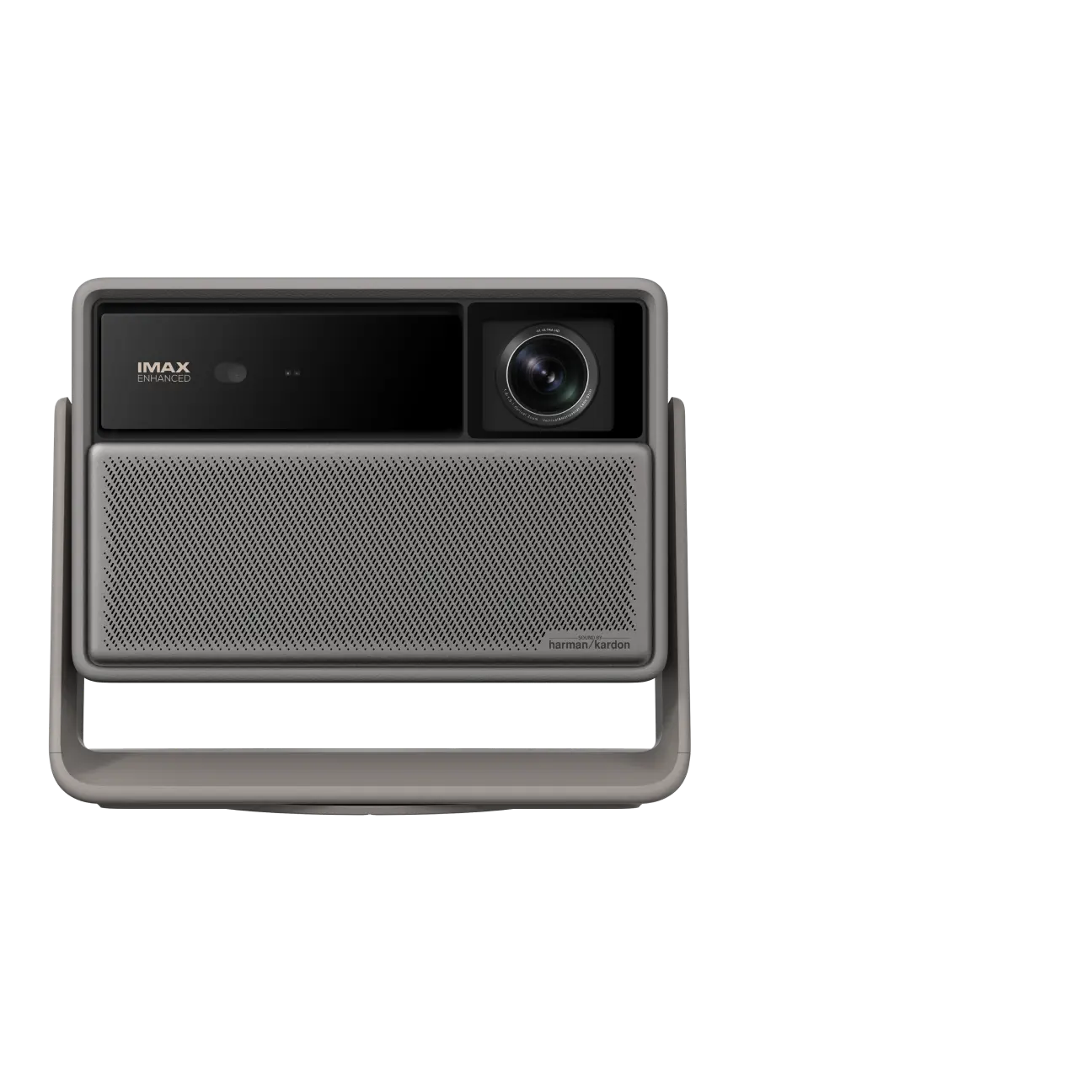
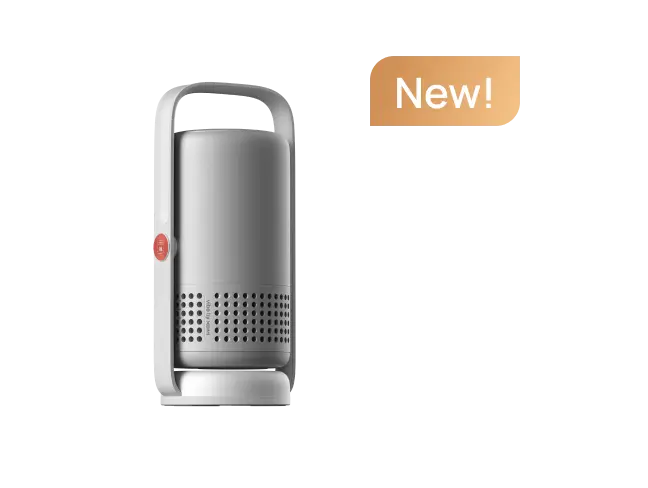
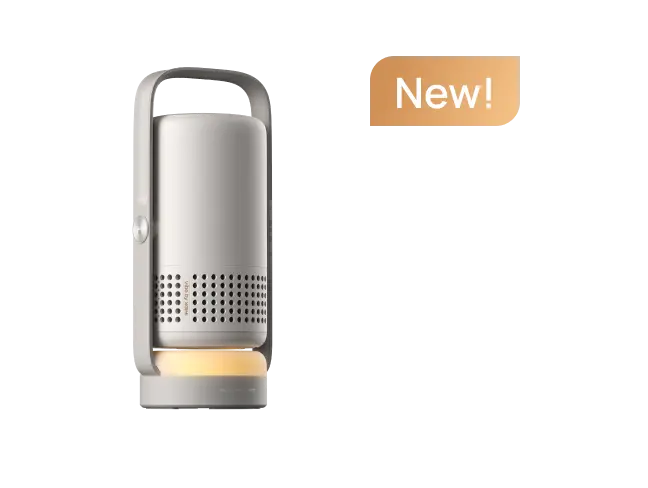
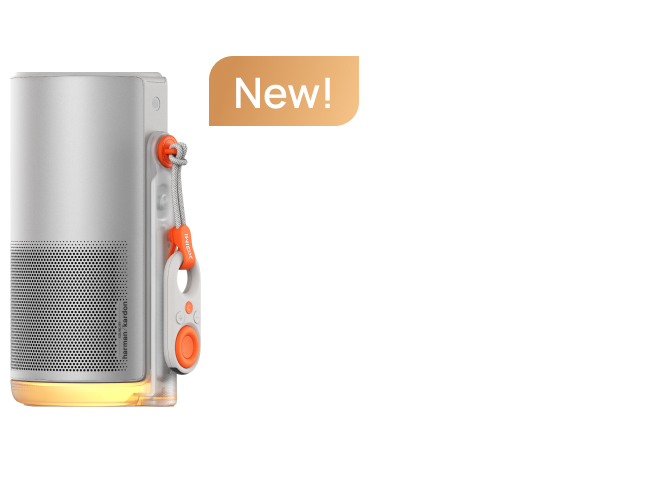
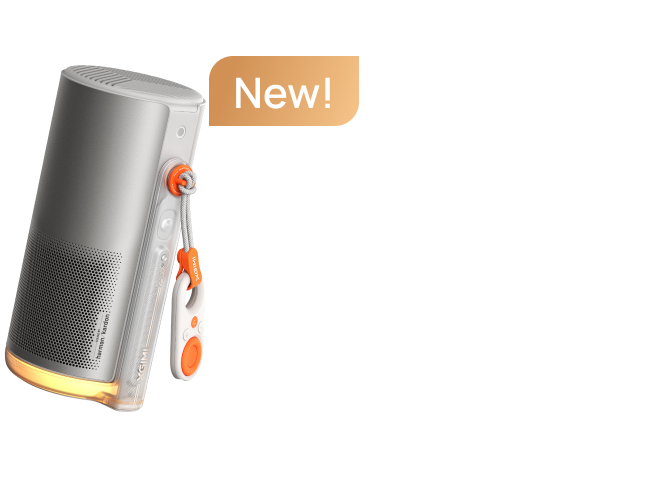
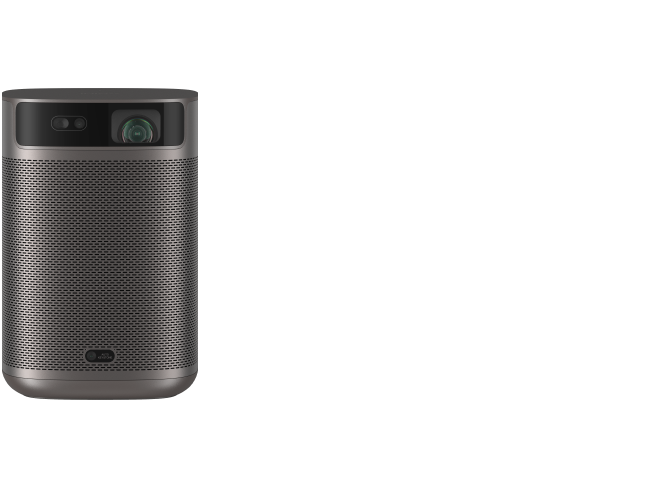
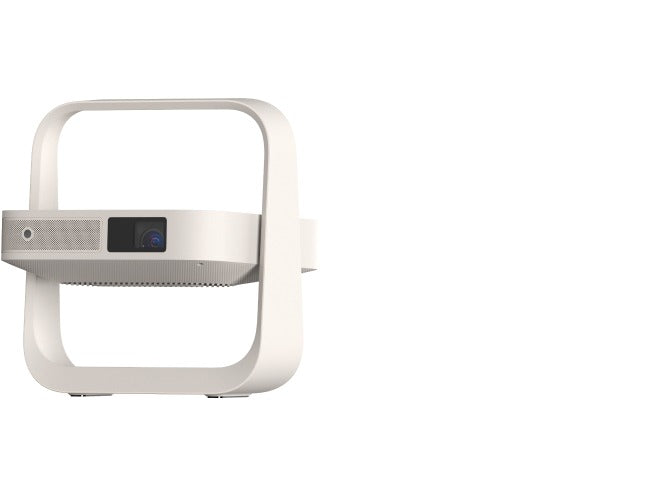
- Portable Models (e.g., MoGo 4, Halo+): Best for flexibility. Their compact nature means they perform best in very dark rooms or for smaller "window" effects where they can be placed close to the wall.
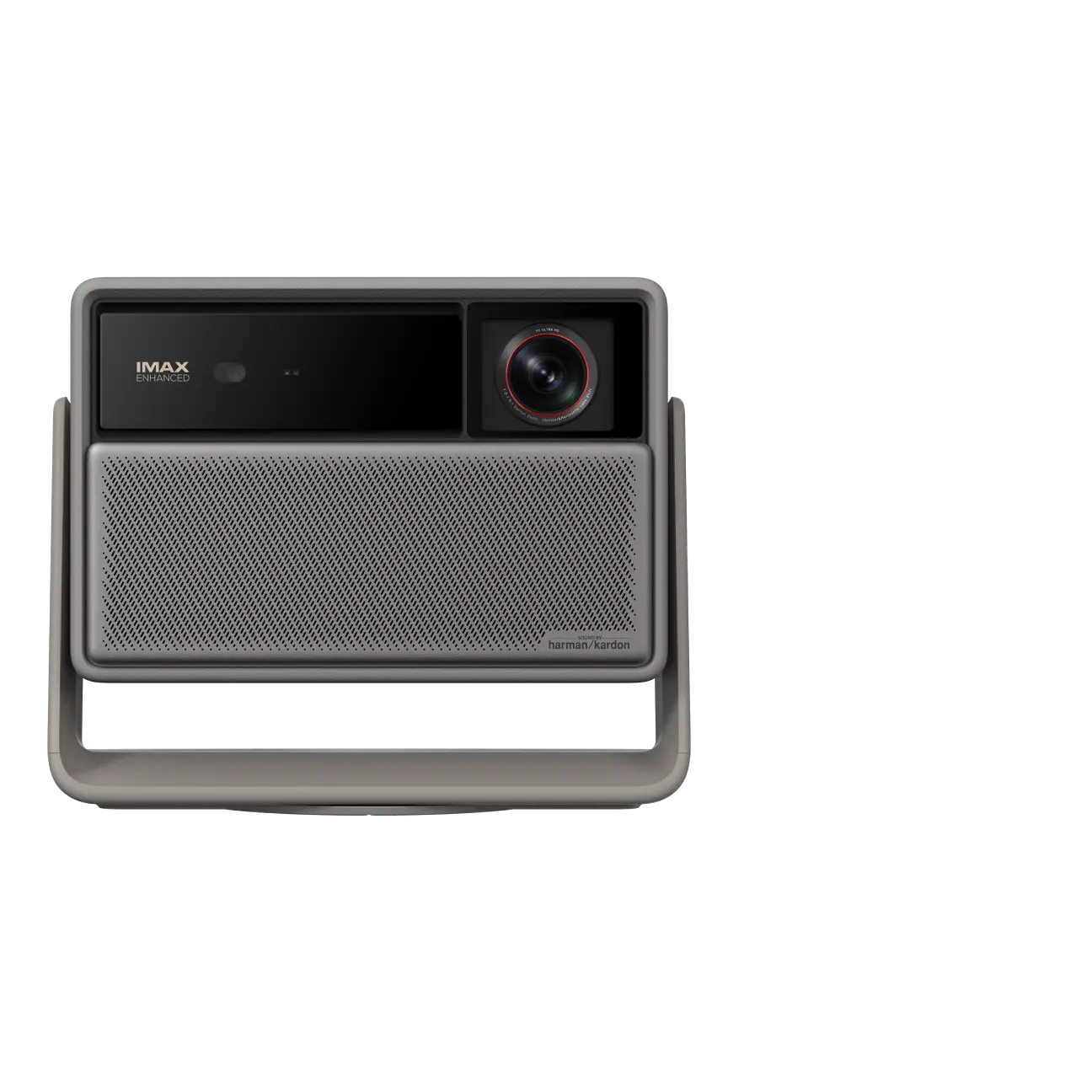
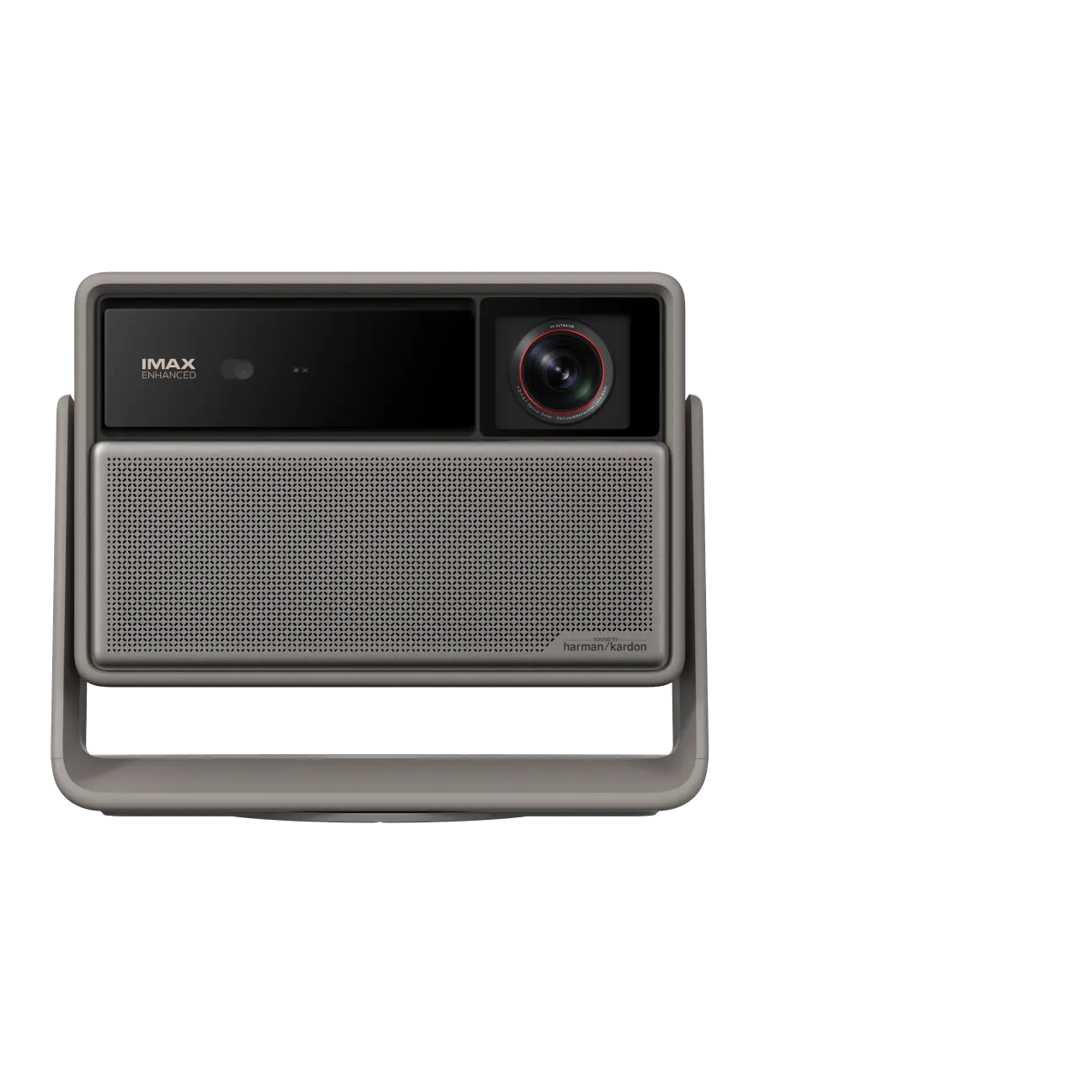
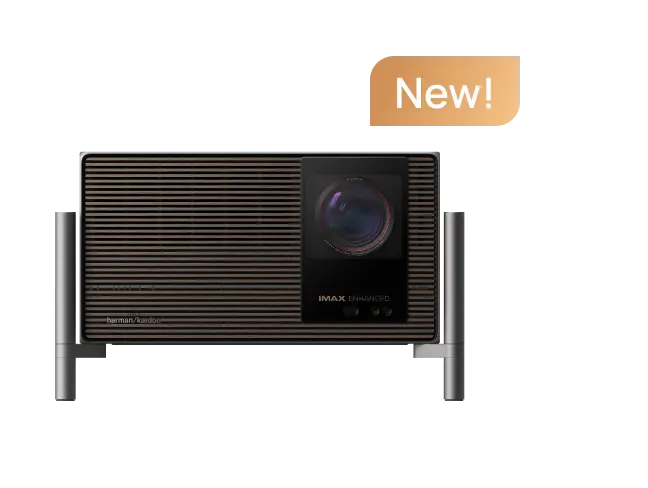
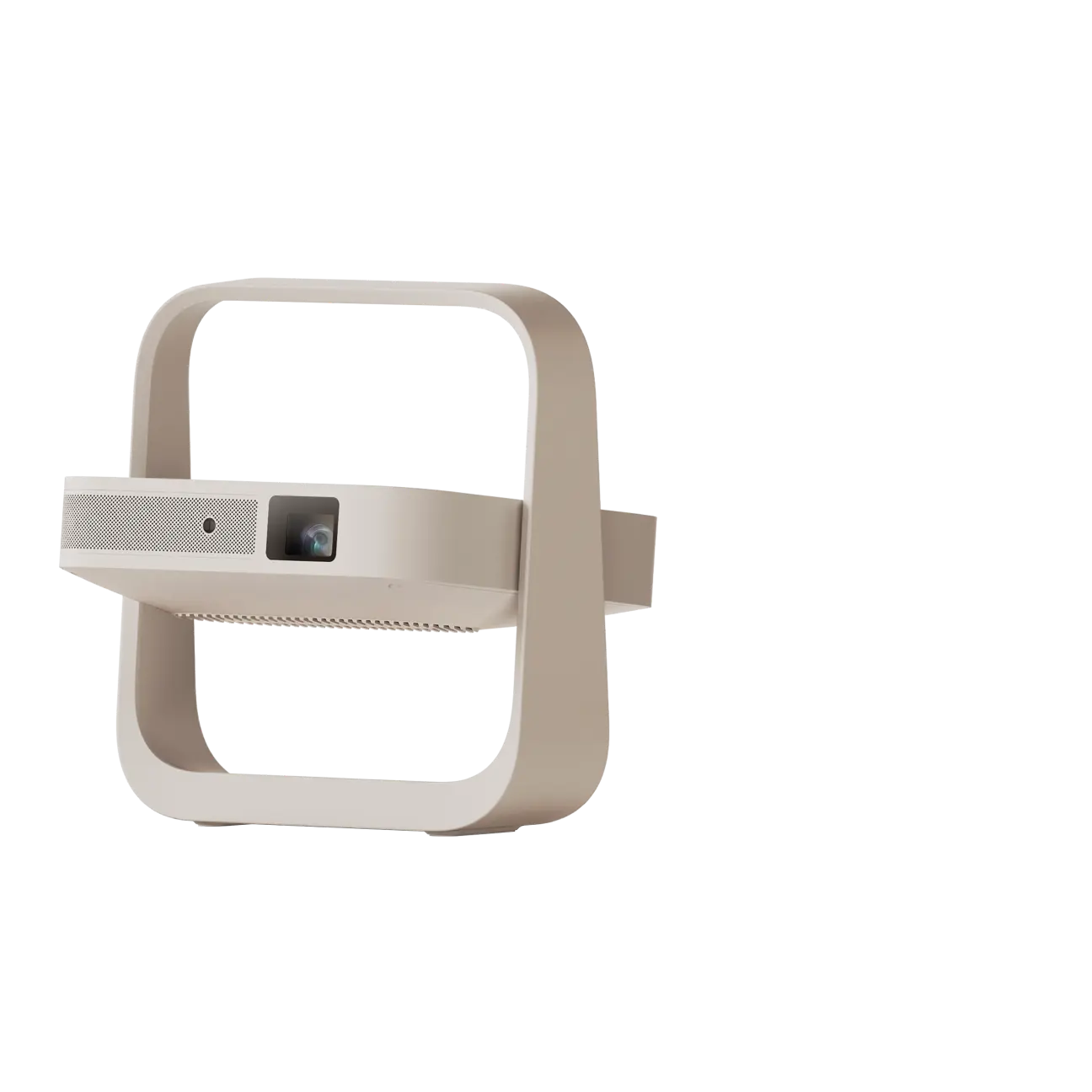
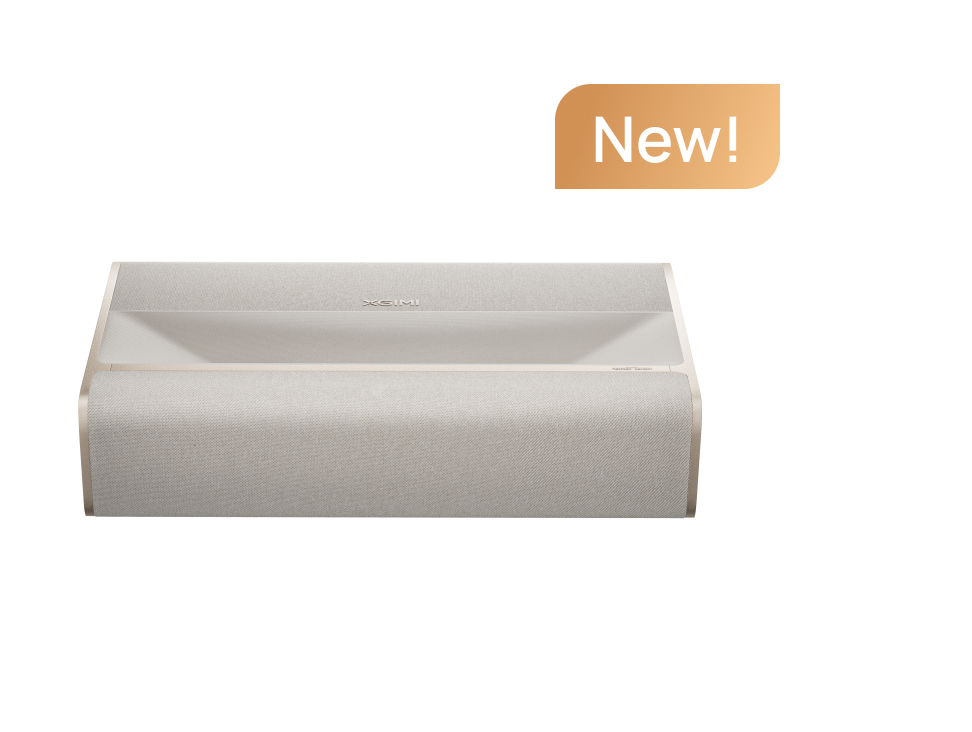
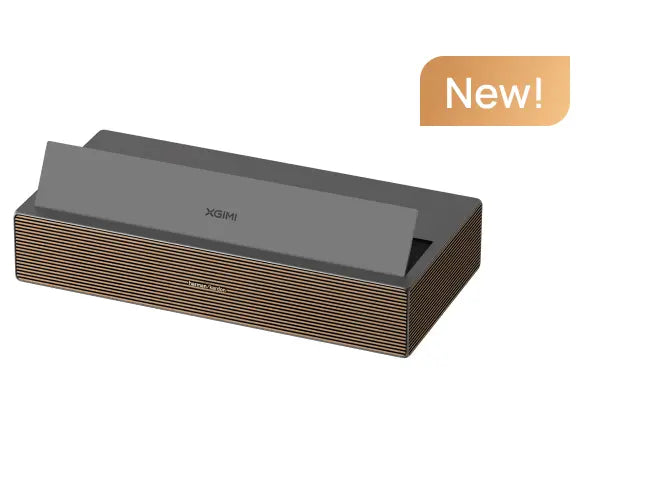
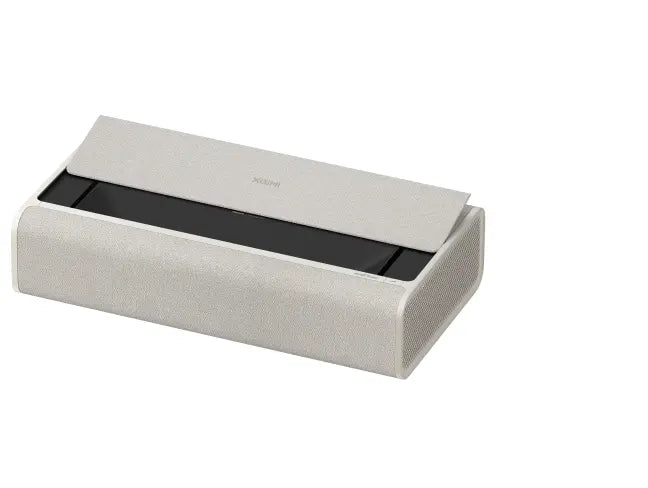
- Ultra Short Throw (e.g., AURA 2): Ideal for living rooms where you want a massive 100"+ display without the projector sitting in the middle of the room. These typically offer higher brightness and 4K resolution for realistic digital art.
Which Projector Category Fits Which Ambient Wall Setup
Relative fit by scenario for ambient wall projection
View chart data
| Category | Portable battery projector | Home cinema projector | Short-throw / UST projector |
|---|---|---|---|
| Small room, dim light, 60–80 in | 5.0 | 2.0 | 1.0 |
| Bedroom, low light, 80–100 in | 3.0 | 4.0 | 3.0 |
| Living room, mixed light, 100–120 in | 1.0 | 3.0 | 5.0 |
| Bright room, large wall, 120 in+ | 0.0 | 2.0 | 5.0 |
Illustrative relative-fit model based on room size, ambient light control, wall projection size, and setup friction. Scores are heuristic 0–5 fit levels, not measured performance. Portable battery projectors map best to small, dim spaces; home cinema projectors improve as image size and light control increase; short-throw / UST projectors fit larger ambient-light setups with tighter placement constraints.
Note: Throw distance is critical. A standard projector with a 1.2:1 throw ratio requires about 8.7 feet of distance to create a 100-inch diagonal image. Always measure your room depth before finalizing a purchase.

Practical Setup Tips for Best Results
- Surface Preparation: Matte, light-colored walls are best. If your wall is textured, a dedicated "Ambient Light Rejecting" (ALR) screen or even high-quality projection paint can significantly improve black levels.
- Alignment for Realism: For "fake windows," use the projector's 4-point keystone correction to align the image edges perfectly with the vertical lines of your room. Aligning the bottom of the "window" with a standard windowsill height (approx. 3 feet) enhances the illusion.
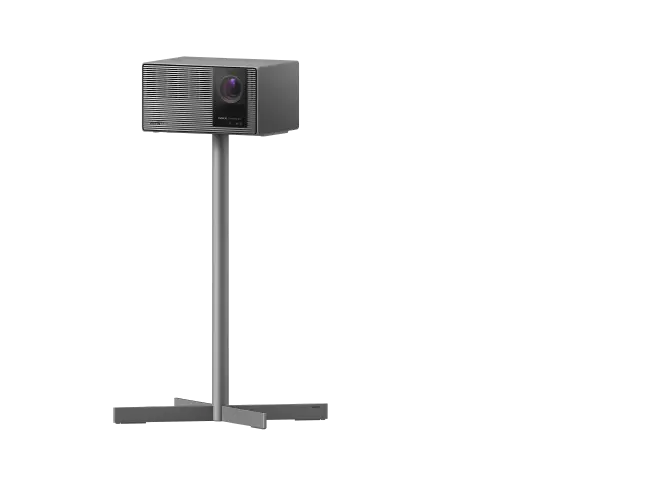
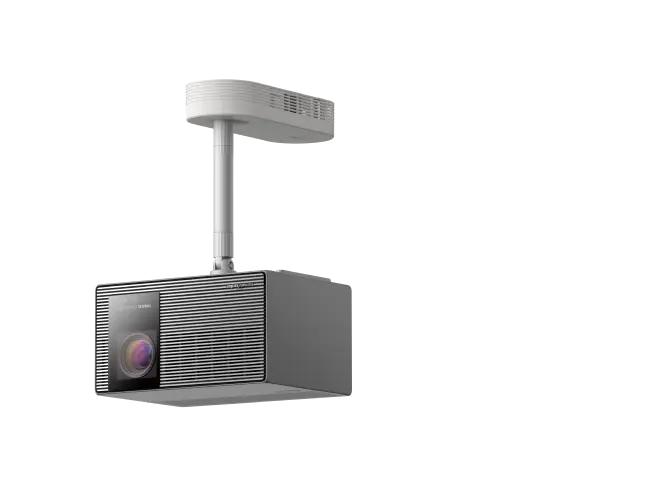
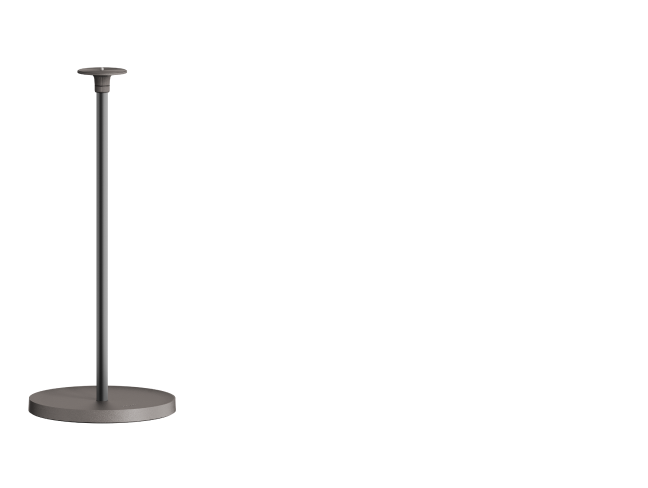
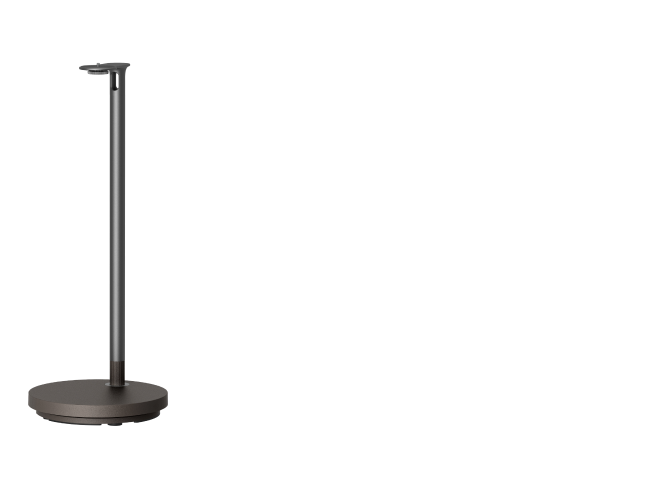
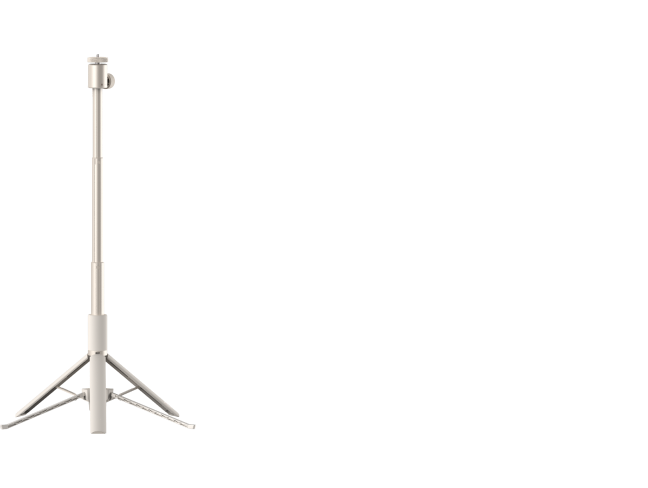
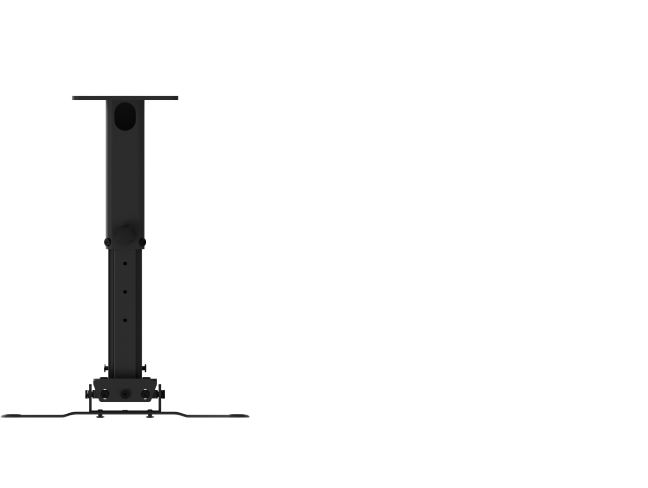
- Fixed Placement: To make ambiance part of your routine, mount the projector or place it on a dedicated stand. This eliminates the "setup friction" that often leads to devices gathering dust.
- Soundscapes: Combine visuals with audio. If using a portable model like the Halo+, leverage the built-in Harman Kardon speakers for integrated nature sounds or white noise.
Sourcing Relaxing Visuals and Digital Art
Finding high-quality content is essential for the "premium" feel.
- Legal Sources: Use YouTube (search "4K Ambient Loop"), specialized apps like Artcast, or sites offering Public Domain/Creative Commons nature footage.
- Compliance: Avoid projecting commercially produced films or copyrighted artwork in semi-public settings. For home use, ensure you have the right to stream the content via your device's OS.
- Format: Look for "Slow Cinema" or "Cinemagraphs"—images where only a small part moves (like leaves blowing)—as these are less distracting for long-term background use.
Overcoming Common Image Quality Issues
- Blur: Often caused by heat-related focus drift. Use "Auto-Focus" features or manually adjust after the projector has been running for 10 minutes and has reached operating temperature.
- Washout: If the image looks gray, reduce the projection size by moving the projector closer to the wall. A smaller, concentrated beam of light will always look more vivid than a stretched, large one.
- Fan Noise: If the noise is disruptive, switch the projector to "Eco Mode" or "Quiet Mode." This lowers brightness slightly but significantly reduces fan RPM, often bringing noise levels below 30dB.
Making Ambient Projection Part of Your Daily Routine
Integrate the projector into your smart home. Many modern units allow for scheduled power-on times or sleep timers. Set your "forest window" to appear at 6:00 PM to signal the end of the workday and help your brain transition to relaxation mode.
Disclaimer: This article discusses comfort and setup advice for ambient projection. It does not constitute medical advice, diagnosis, or treatment. If you experience persistent eye strain or discomfort, consult a qualified professional.
Explore more creative ways to use projectors in your home with our guide to 10 Creative, Productive and Cool Ways to Have Fun with a Projector. For premium home cinema experiences that also support ambient use, browse the Home Projectors collection.
Results depend heavily on your specific space, wall color, and device specifications.


