




Direct projection onto a prepared wall can deliver a clean, immersive home theater experience without a dedicated screen, but success depends heavily on repairing imperfections and creating a smooth, uniform surface first. Textured or damaged walls often introduce visible artifacts like shadowing, uneven focus, and reduced color accuracy, yet with the right assessment and DIY steps you can transform most interior drywall into a serviceable projection surface.

The process starts with honest evaluation of your wall's condition, followed by targeted repairs, optional skim coating for texture removal, proper priming, and selection of a low-sheen paint. While results vary by room lighting, projector brightness, and viewing distance, careful preparation generally improves clarity and uniformity compared with projecting onto unprepared surfaces. This guide covers practical steps grounded in standard gypsum board finishing practices so you can decide whether wall prep meets your needs or whether a screen remains the simpler choice.
Assessing Your Wall for Projection Suitability
Before purchasing materials or picking up a putty knife, determine whether your wall is a candidate for direct projection or if the imperfections are too severe. Start by projecting a test image from your intended distance and projector position, ideally during the time of day you will watch most often. Look for visible texture bumps, cracks, dents, or waviness that disrupt the image.
Minor damage such as small nail holes, hairline cracks, or light orange-peel texture can usually be repaired to an acceptable level. Larger holes, deep dents, uneven seams, or heavy popcorn-style texture typically require more extensive work and may still show under bright projection. As this official guidance on repairing historic flat plaster explains, patched areas should blend with the surrounding finish and surface texture to avoid visible transitions.
A practical test is to stand at your normal viewing position and examine the wall under both ambient and projected light. If imperfections are obvious even without the projector, they will likely appear in the image. For renters or those in apartments, weigh the effort against the temporary nature of the setup; our guide on renter-friendly home theater setups offers additional low-commitment ideas. For more on this topic, see How to Safely Remove Dust from Projector Air Vents Without Damaging....
Repairing Dents, Cracks, Holes, and Surface Imperfections
Most drywall damage can be fixed with basic patching compounds. Clean the area, remove loose material, and apply a setting-type joint compound or lightweight spackle for small holes. For larger repairs, use mesh tape or paper tape over cracks and build up layers of compound, allowing each to dry fully before sanding lightly.

Feather the edges of each patch outward by several inches so the repair gradually blends into the surrounding wall. Multiple thin coats produce smoother results than one thick layer. Once dry, sand gently with 120- to 150-grit paper to avoid damaging the paper facing of the drywall.
After repairs, the patched areas should match the surrounding wall texture and finish, according to standard preservation and rehabilitation practices. If your wall has widespread damage or you notice recurring cracks, consult a professional to rule out structural issues before proceeding.
Smoothing Textured Walls with Skim Coating and Sanding
Textured walls are one of the biggest obstacles to sharp projection. Light textures can sometimes be reduced by scraping with a wide putty knife after wetting the surface, but heavier textures usually require a skim coat. A skim coat involves applying a thin layer of joint compound or specialized skim-coat material over the entire wall to create a smoother plane.
Mix the compound to a creamy consistency, then use a wide drywall knife or trowel to spread it evenly in sections. Work in thin passes and let each coat dry completely. For the smoothest result, aim for a high-finish approach such as a Level 5-style skim coat and careful priming before paint, as described in gypsum industry resources. This official specification for gypsum board confirms that skim coating helps create a more uniform surface.
Sanding is critical but must be done carefully. Use progressively finer grits (starting at 120, finishing at 220) and sand by hand or with a pole sander under good lighting to catch high spots. Wear a dust mask and seal off the room because drywall dust travels everywhere. The goal is not perfection but enough smoothness that texture no longer creates visible shadowing in the projected image.
Priming and Choosing the Right Projector-Friendly Paint
Priming seals the repaired and skimmed surface, improves paint adhesion, and helps create uniform reflectivity. Use a high-quality PVA primer or a stain-blocking primer if previous colors or repairs might bleed through. Apply one or two coats, sanding lightly between if needed.
When selecting paint, flat or matte finishes are widely preferred because they minimize glare and hot spots. Eggshel or satin sheens can introduce subtle reflections that appear as uneven brightness under projection. White or light neutral colors help maintain color accuracy and brightness from your projector, though some users opt for darker walls in dedicated theaters to improve contrast.
After priming, a high-quality interior finish paint is commonly recommended over prepared gypsum board. No single paint finish guarantees a perfect projection result on every wall; surface prep matters more than the paint label alone. Test a small area with your projector before committing to the entire wall.
Step-by-Step Wall Preparation Checklist
Follow this sequence for best results:
- Clear the room and protect floors and furniture with drop cloths.
- Assess and mark all imperfections.
- Repair dents, cracks, and holes; allow full drying time.
- Scrape or skim coat to reduce texture; sand smooth.
- Vacuum and wipe dust thoroughly.
- Apply primer and let dry.
- Paint with flat matte finish in two coats.
- Test projection and touch up as needed.
Allow adequate drying time between each stage—rushing leads to cracks, peeling, or visible seams later. Total project time often spans several days depending on room size and number of coats.
Common DIY Mistakes and How to Avoid Projection Artifacts
Several pitfalls can undermine your efforts. Over-sanding can damage the drywall paper facing and create fuzzy patches that show in projection. Applying thick compound layers without sufficient drying time leads to shrinkage cracks. Skipping primer often causes uneven paint absorption and color variations.
Using glossy or semi-gloss paint is one of the most frequent errors; the sheen creates hotspots and reduces perceived contrast. Another mistake is failing to blend repairs fully, leaving visible lines or texture changes that become obvious when the projector is on.
Myth: any flat wall works perfectly. Reality: a wall can be usable, but only if it is sufficiently smooth, uniform, and free of sheen; otherwise, texture and unevenness tend to show up in the projected image.
Myth: just paint it white and you are done. Reality: white paint can improve brightness and color neutrality, but it does not fix bumps, seams, patching, or sheen-related reflections, so paint alone often improves the wall only partially.
Myth: texture does not matter much under projection. Reality: texture becomes more noticeable as image size increases and as you sit closer, so a wall that looks fine at normal distance may still read as distracting in projection use.
When Wall Repair Is Enough Versus Choosing a Screen
Wall preparation makes sense for minimalist or budget setups in living rooms, bedrooms, or multipurpose spaces where a permanent screen would disrupt the room's aesthetics. If your wall requires only minor patching and light skim coating, the investment in time and materials is usually worthwhile.
However, if the wall has extensive damage, heavy texture that would require multiple skim coats across a large area, or if you rent and prefer not to alter the space permanently, a portable or fixed projector screen may be the lower-risk option. Our articles on why you might need a portable projector screen and choosing a projector screen with stand explore those alternatives.
Illustrative Wall Preparation Decision Framework
Heuristic comparison of wall condition, prep effort, cost, and expected projection quality. Illustrative only; not a measured benchmark.
View chart data
| Series | Prep Effort | Cost | Image Quality | Risk Reduction | Setup Simplicity |
|---|---|---|---|---|---|
| No Prep | 1 | 1 | 1 | 1 | 5 |
| Basic Repair | 2 | 2 | 3 | 3 | 4 |
| Full Skim + Paint | 4 | 4 | 4 | 4 | 2 |
| Screen | 1 | 5 | 5 | 5 | 3 |
Illustrative heuristic model based on wall-condition decision logic. Scores are relative 1-5 estimates for comparison only, not official thresholds or measured performance data.
This radar chart offers a heuristic overview of tradeoffs across common preparation paths. Scores are relative and illustrative only; actual results depend on your specific wall, projector model, and room conditions.
Important Considerations for Comfort and Setup
This article discusses only comfort and setup advice for projection surfaces. It does not constitute medical advice, diagnosis, or treatment. If you experience persistent eye discomfort, headaches, or have existing eye conditions while using projectors, consult qualified eye care professionals. Projection brightness, ambient light control, and viewing distance all influence perceived comfort more than wall preparation alone.
Final Thoughts on Preparing Walls for XGIMI Projectors
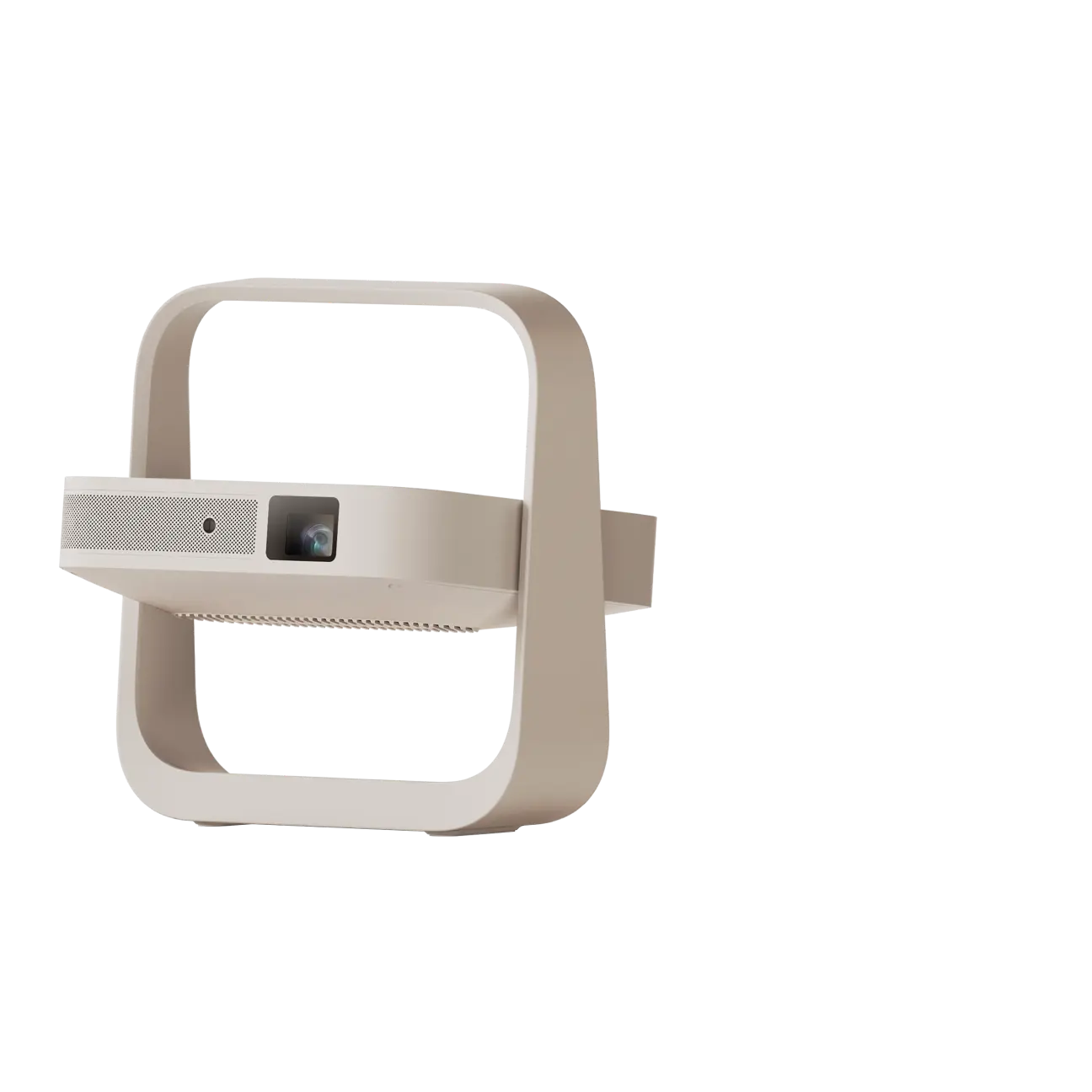
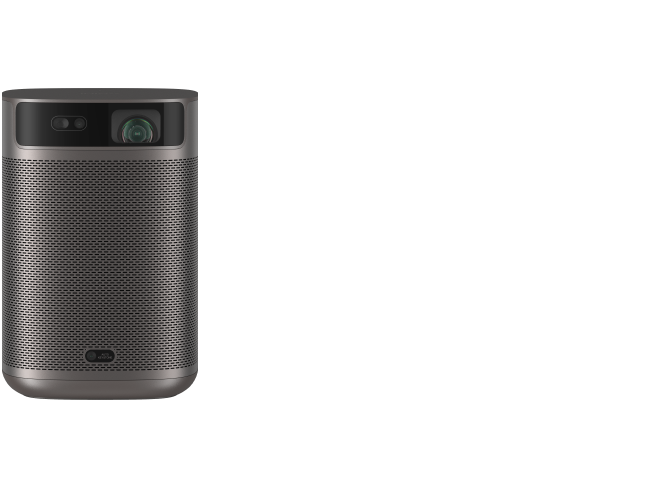
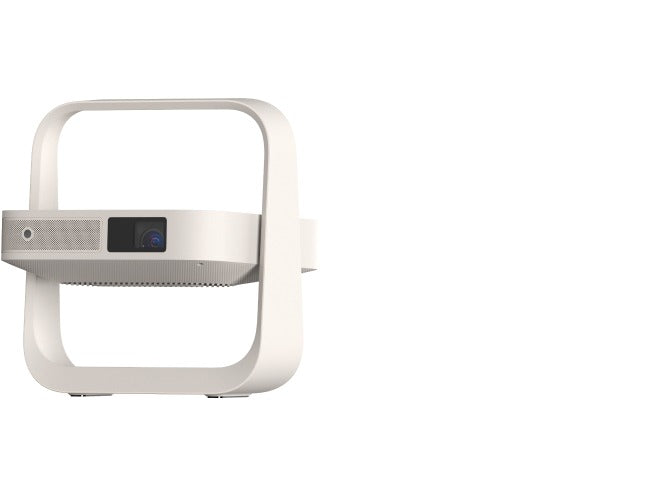
A well-prepared wall can provide a seamless, minimalist cinema experience that complements the clean design of XGIMI portable and home projectors. Models like the HORIZON series or MoGo line perform best on smooth, neutral surfaces that preserve their color accuracy and brightness. If your wall requires extensive repairs, consider whether the time and mess justify the outcome or if a portable screen offers a quicker path to great image quality.
For more ideas on integrating a projector into your living space, explore our guide on how to convert your home into a movie theater with an XGIMI projector. With realistic expectations and careful execution, direct wall projection can deliver satisfying results for many everyday viewing setups.


