






Integrating a soundbar with a UST projector and ALR screen delivers clearer dialogue and richer bass than built-in speakers, but only when the layout avoids blocking the projection path or forcing awkward screen height. The key decision is choosing a placement that respects the ultra-short throw geometry while keeping the soundbar close to the image for immersive audio. For more on this topic, see How to Place a Center Channel Speaker with a UST. For more on this topic, see How to Upgrade Your Projector's Built-in Audio with a Wireless Subw.... For more on this topic, see Projector Audio Guide: Speakers, Soundbars & Surround Sound.

Understanding the Space Conflict in UST Setups
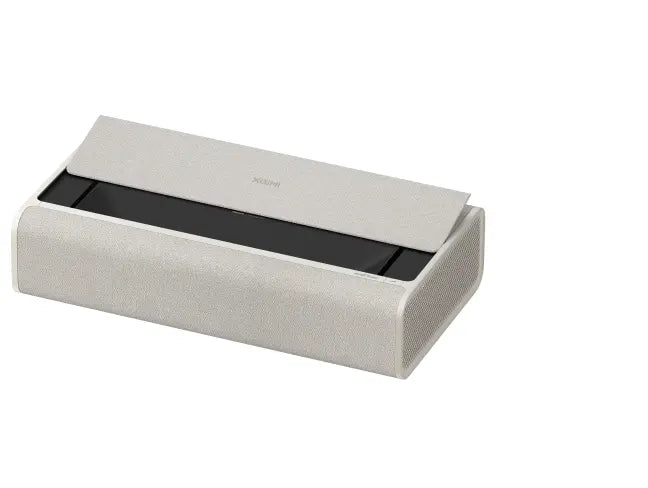
Ultra short throw projectors must sit very close to the wall—often just 6 to 18 inches away—to create a large image on an ALR screen. This positioning puts the projector directly under the screen on the same media console or cabinet where many people instinctively want to place a soundbar. The result is a physical competition for real estate that can raise the screen too high for comfortable viewing, cast shadows on the bottom of the image, or simply look cluttered.
ALR screens are designed to reject ambient light and are often mounted with their bottom edge 20 to 30 inches from the floor. A typical soundbar is 3 to 5 inches tall, leaving limited clearance. If the soundbar sits in front of the projector or too close to the screen's lower edge, it can intersect the light path and create a visible dark band or force the entire screen higher than ideal eye level.
Many users discover this conflict only after unboxing. A clean-looking front-stage setup quickly turns frustrating when the projector beam is partially blocked or when the soundbar must be moved every time the projector is adjusted.
Common Myths About Soundbar Placement with UST Projectors
A widely repeated claim is that any low-profile soundbar placed directly in front of the UST projector will work fine. In reality, this often pushes the ALR screen higher than comfortable viewing height or creates subtle shadowing at the bottom of the image. The issue is not just clearance but the throw geometry of UST models, which project at a steep upward angle.
Another myth is that wall-mounting the soundbar always solves the problem. While it frees console space, mounting the bar too high above the screen or too far below can disconnect the audio image from the visuals, making dialogue feel less anchored. Wall mounting also introduces new cable management challenges in minimalist rooms.
These assumptions lead many first-time buyers to buy a soundbar without measuring their specific console depth, screen mounting height, or projector throw distance. The better approach is to treat placement as a geometry problem first and an audio problem second.
Placement Options and Tradeoffs
Several practical layouts let you combine a soundbar with your UST projector and ALR screen without major compromises. Each option balances image integrity, sound quality, aesthetics, and ease of installation.
The most space-efficient choice is often placing the soundbar on a low shelf or riser directly above the projector but below the screen's bottom edge. This keeps the bar centered with the image for strong dialogue clarity while avoiding the projection path. It works well when your ALR screen has at least 8 to 10 inches of clearance above the projector.
Wall-mounting the soundbar just below the ALR screen is another popular option. This keeps the console free for the projector and maintains visual symmetry. Choose a slim, low-profile bar and ensure the mount positions the speakers at or slightly below ear level when seated. This layout reduces shadow risk significantly but may require careful measurement to avoid raising the screen.
For rooms where bass performance matters more, consider placing the soundbar on the same console but slightly in front of the projector with the projector raised on a low stand. This can improve low-frequency output by allowing the bar to sit closer to the floor, though it increases the chance of minor image interference if not aligned precisely.
Side placement or using separate surrounds is less common in compact front-stage setups but offers the highest flexibility in larger rooms. This avoids any conflict with the UST projector entirely but can weaken the sense of a unified front soundstage.
Here is a helpful visualization of the tradeoffs:
UST Projector + Soundbar Layout Tradeoffs
Illustrative tradeoff scores for common soundbar layouts with a UST projector and ALR screen.
View chart data
| Category | Shadow risk | Dialogue clarity | Bass impact | Install flexibility |
|---|---|---|---|---|
| In front of projector | 5.0 | 3.0 | 3.0 | 3.0 |
| Shelf above projector | 1.0 | 4.0 | 2.0 | 4.0 |
| Wall-mounted below screen | 2.0 | 4.0 | 3.0 | 4.0 |
| Wall-mounted above screen | 1.0 | 3.0 | 2.0 | 3.0 |
| Side placement | 1.0 | 2.0 | 2.0 | 5.0 |
Heuristic, illustrative scoring only. Scores reflect relative layout tradeoffs for UST projector + ALR screen integration: shadow risk is higher when a soundbar sits in the projector beam path; dialogue clarity and bass impact reflect common placement priorities; install flexibility reflects ease of fitting around a UST projector that sits very close to the wall and a screen whose lower edge is typically raised above the floor.
These scores are heuristic guides based on typical UST setups and should be verified in your own room.

Step-by-Step Setup Guide
Begin by measuring your available space. Note the projector's required distance from the wall for your desired screen size, the ALR screen's bottom edge height when mounted at comfortable viewing level, and the height of your chosen soundbar.
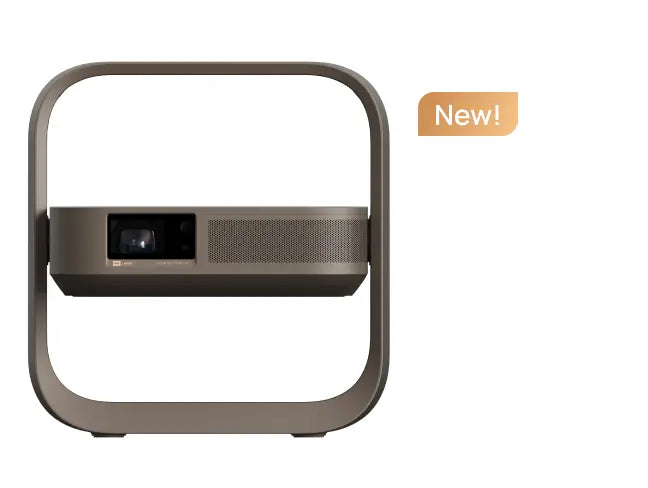
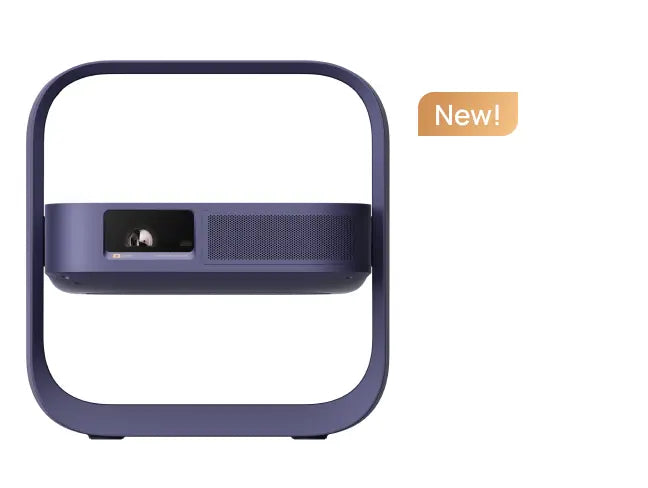
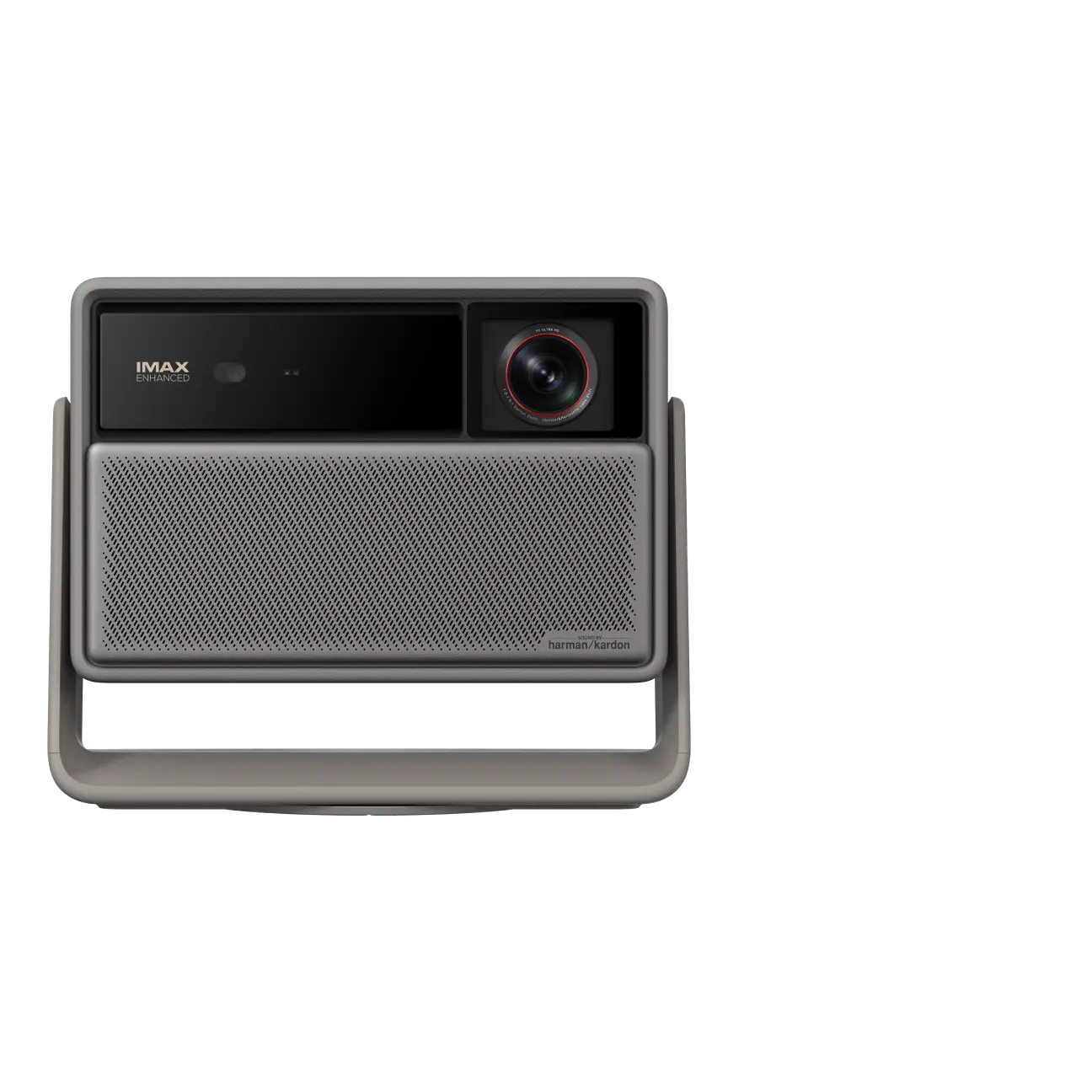
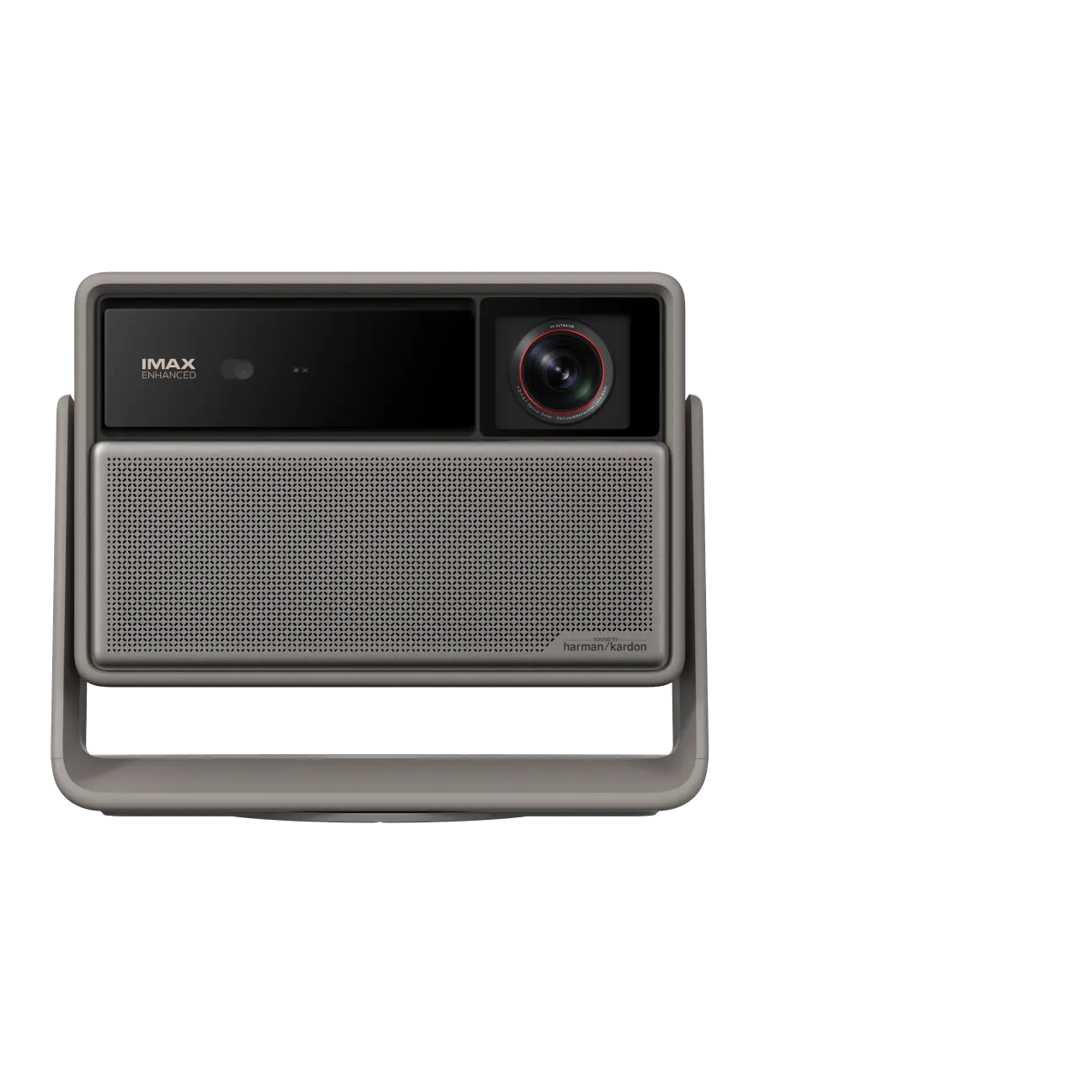
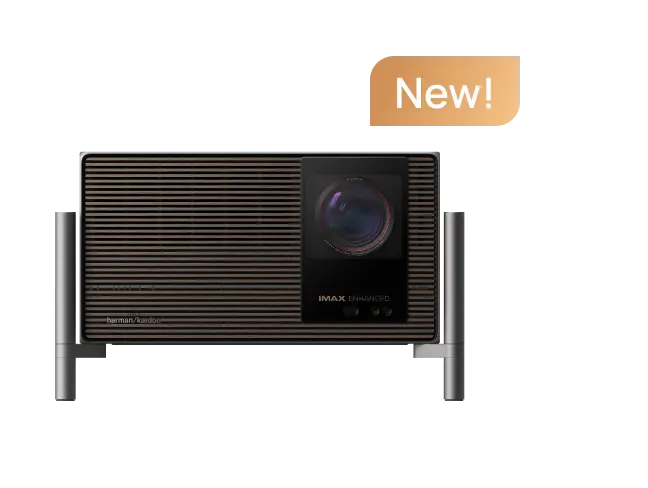
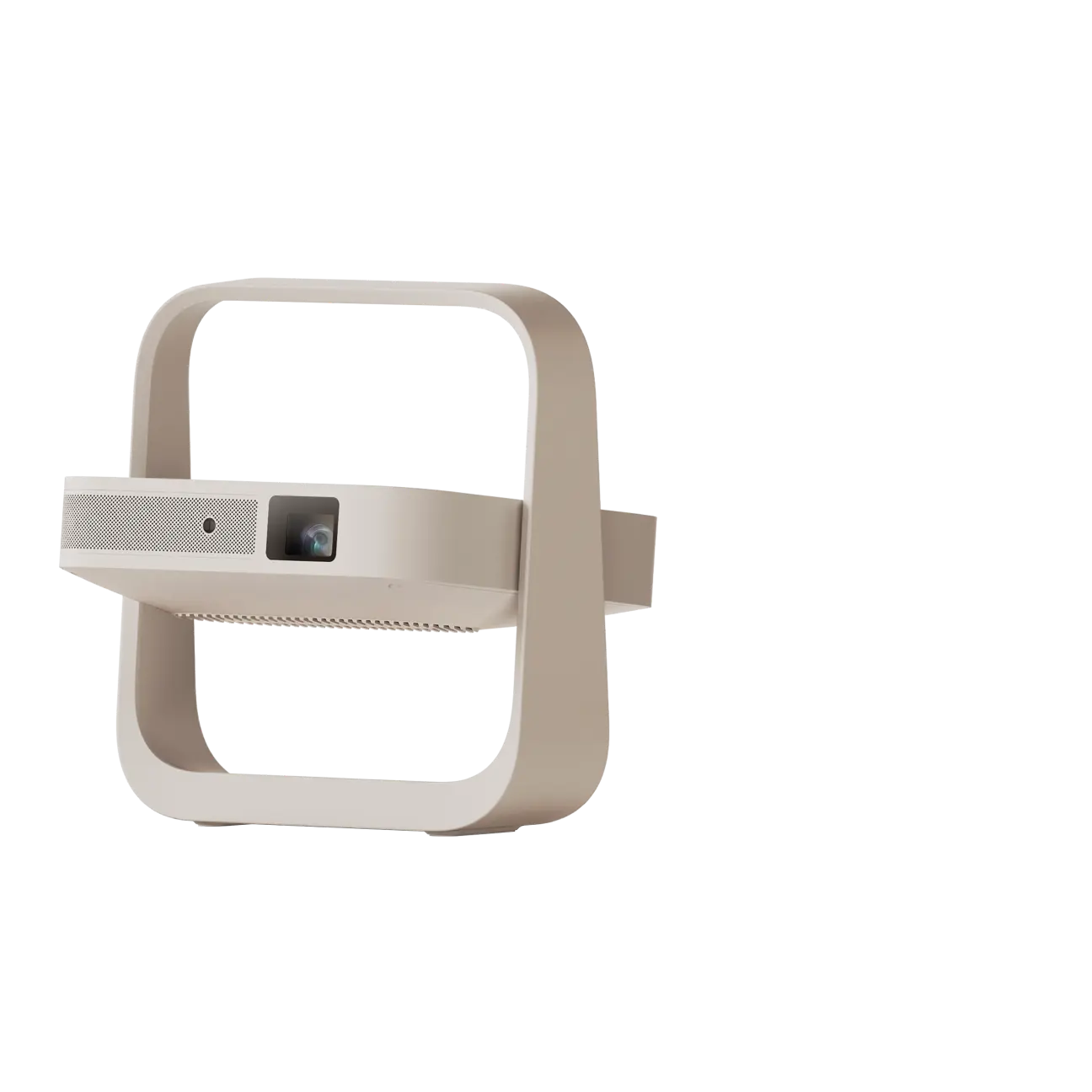
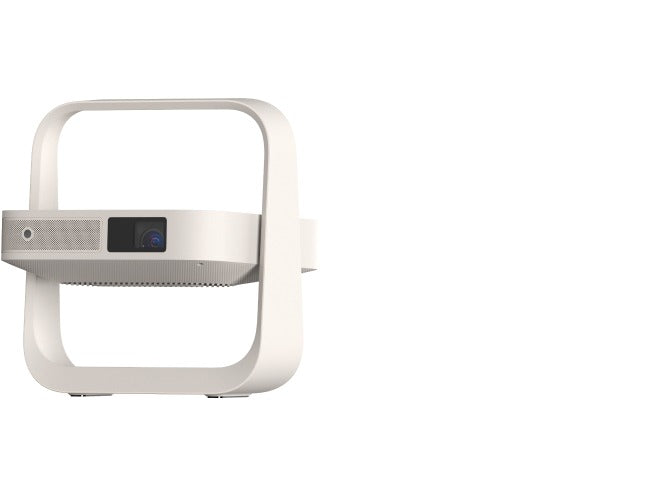
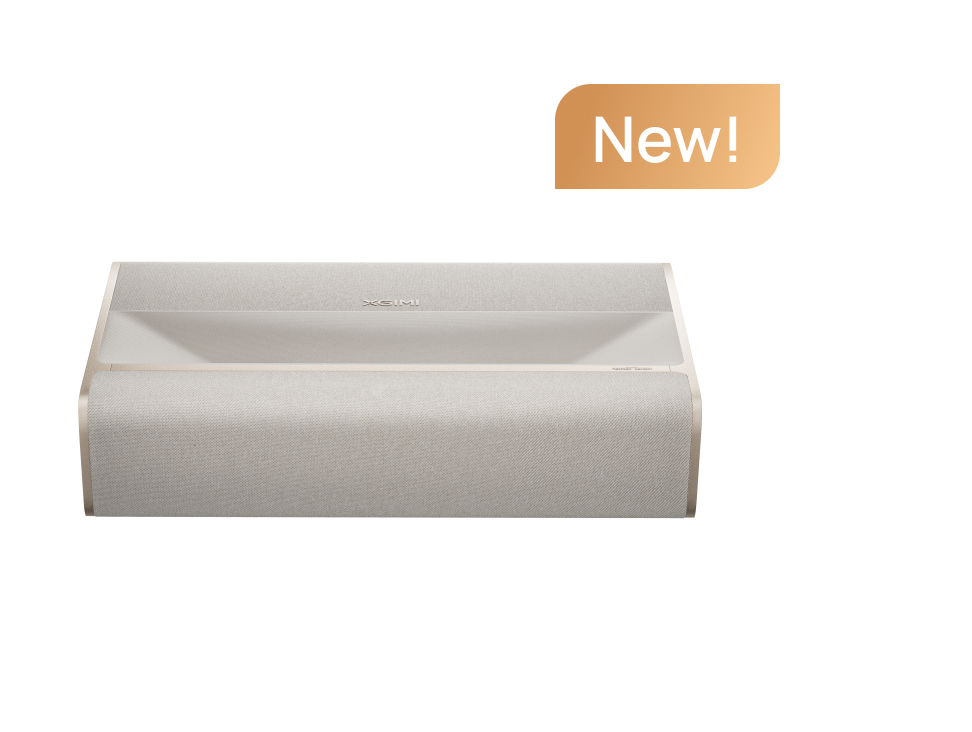
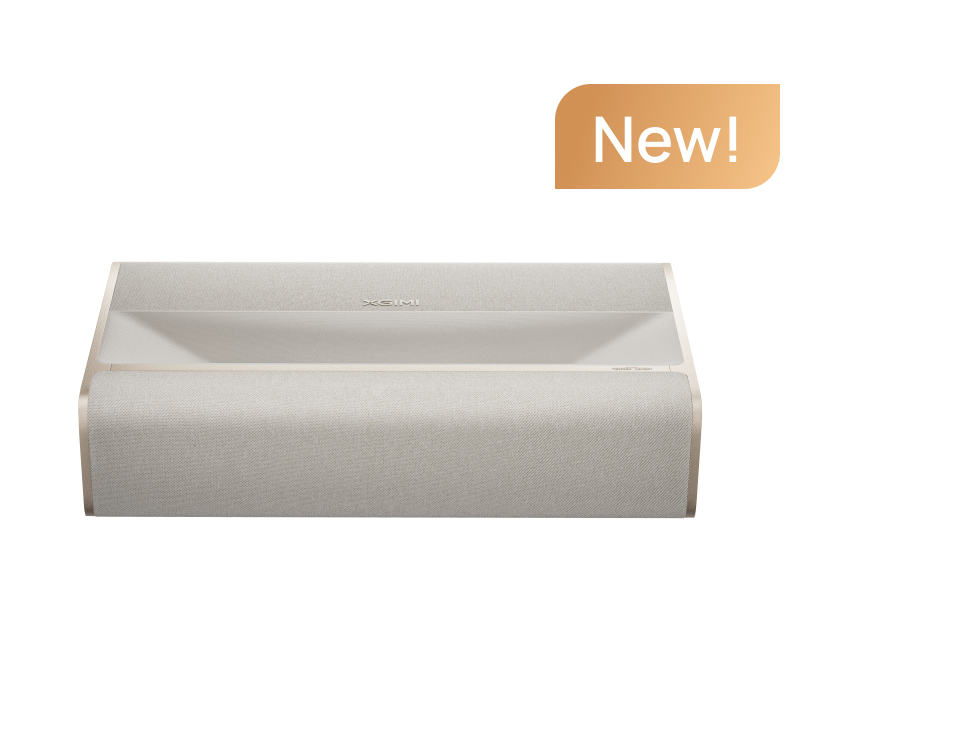
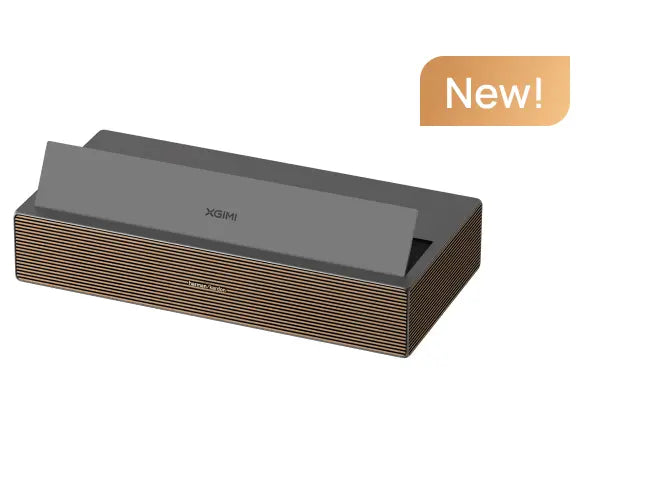
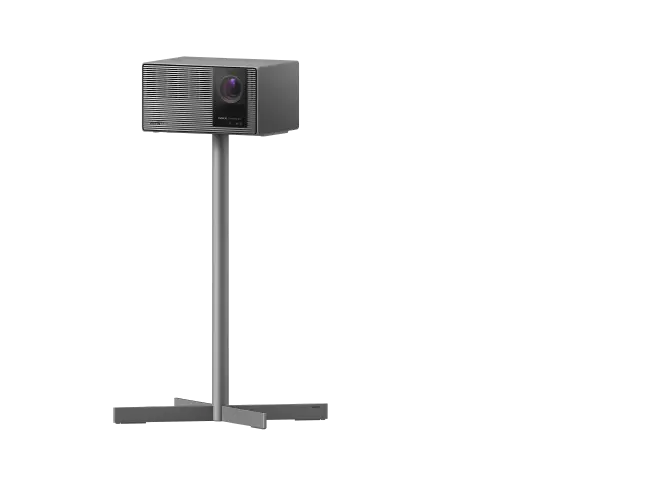
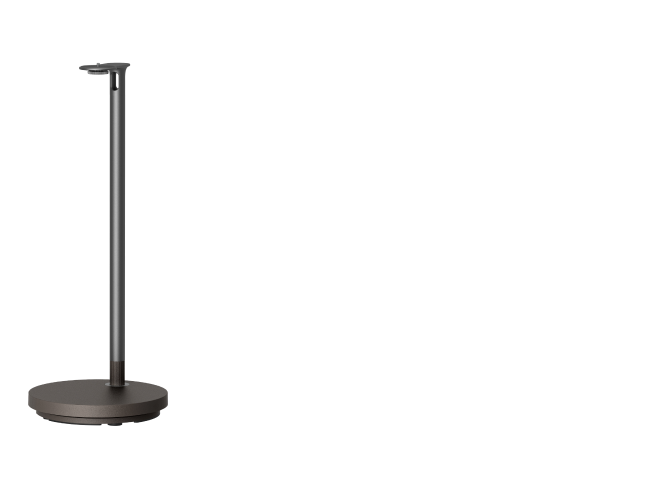
Position the UST projector first on a stable, level surface. Many XGIMI models like the AURA 2 work best on a dedicated media console or the X-Floor Stand for precise height adjustment. Ensure the projector lens aligns with the center of the ALR screen.
Next, test soundbar positions without permanent mounting. Use books or temporary risers to simulate shelf-above or wall-below placements. Play dialogue-heavy content and walk around the room to check for shadowing or uneven sound. Adjust until the bottom of the projected image clears the top of the soundbar by at least 2 inches.
For cable management, route audio cables along the baseboard or through the console. Many modern soundbars support wireless subwoofers, which reduces visible wiring.
Mount the ALR screen last, using its adjustable brackets to fine-tune height once the audio layout is finalized. This order prevents repeated repositioning.
Audio Connection Best Practices
Connecting the soundbar properly ensures low latency and full audio format support. The most reliable method is using HDMI ARC or eARC from your streaming device or projector to the soundbar. This carries Dolby Atmos or DTS:X when available and keeps synchronization tight. For more on this topic, see How to Sync Audio and Video When Using External Speakers with a Pro....
If your UST projector has limited ports, connect sources directly to the soundbar and use its HDMI pass-through to the projector for video. This approach is detailed in our guide on how to connect a soundbar to a projector.
For wireless options, Bluetooth works for casual listening but may introduce noticeable lag during movies. Optical or 3.5mm analog connections serve as backups but limit advanced formats.
Test audio sync after connecting by playing content with clear lip movements. Most soundbars offer a lip-sync adjustment setting to correct minor delays.
Choosing the Right Soundbar for UST Integration
Look for a slim, low-profile soundbar no taller than 3 inches to maximize clearance. Models with front-firing or upward-firing drivers perform better when placed close to the screen. Consider soundbars with dedicated center channels for enhanced dialogue clarity, which is especially valuable in bright rooms where ALR screens shine.
Power and features matter less than physical fit in these compact setups. A 100W system with HDMI eARC and Dolby Atmos decoding is usually sufficient for living room sizes up to 200 square feet.
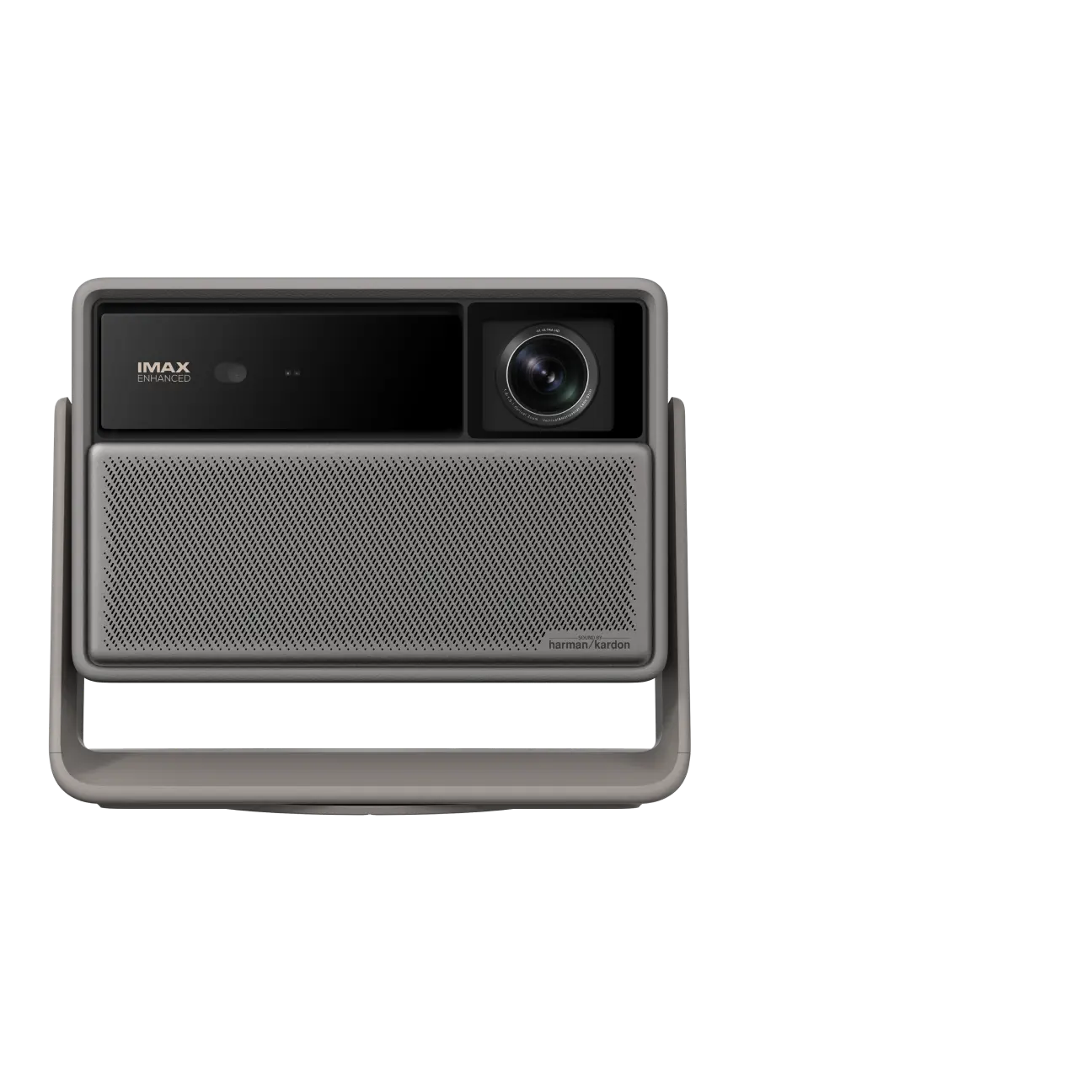
If you are using a XGIMI UST projector such as the AURA 2, its built-in Harman Kardon speakers provide a strong baseline. Adding an external soundbar becomes most worthwhile when you want deeper bass or clearer voices without increasing overall system complexity.
Scenario-Based Recommendations
The best placement often depends on your room and priorities. In small apartments with limited console space, prioritize a wall-mounted soundbar below the ALR screen or a very low-profile shelf solution. This maintains a minimalist look while preserving viewing height.
In larger living rooms where bass impact is important, a slightly forward placement on a riser can deliver better low-end performance without major visual compromise. Users who frequently rearrange furniture should avoid permanent wall mounts and opt for console-based layouts that are easier to adjust.
When your ALR screen must stay at a specific low height for family viewing, avoid any placement that requires raising the screen. In those cases, side placement or upgrading to a soundbar with wireless rear speakers may be the cleaner long-term choice.
When to Skip the Soundbar or Choose Alternatives
Avoid forcing a soundbar integration if it pushes your ALR screen higher than 30 inches from the floor or creates persistent shadowing. In these situations, the projector's built-in speakers—especially on models like the AURA series—often provide better overall satisfaction than a compromised external setup.
If bass and separation are high priorities and your room allows it, consider a separate audio system not tied to the screen position. This could mean a traditional AV receiver with in-wall speakers or a true home theater setup that decouples audio from the UST geometry.
For apartment dwellers, check rental restrictions on wall mounting before committing to any permanent installation.
Maintaining Your Setup Long-Term
Once installed, periodically check alignment as seasons change and furniture settles. Dust on the ALR screen or projector lens can exaggerate any minor shadowing from the soundbar. Use a soft microfiber cloth and avoid harsh cleaners.
Update firmware on both the projector and soundbar to ensure continued compatibility with new audio formats. Many systems now support automatic calibration features that adjust for slight changes in placement.
If you later upgrade to a different UST model or larger ALR screen, re-measure the entire layout. Throw ratios and lens heights vary between manufacturers, which can change the optimal soundbar position.
Creating a Cohesive Front-Stage Experience
A well-integrated soundbar transforms a UST projector and ALR screen from a simple display into a true home theater. By measuring carefully, testing placements before mounting, and choosing connections that support high-quality audio formats, you can achieve both excellent picture quality and satisfying sound without visual clutter. For more on this topic, see How to Customize the Home Screen on Your Google TV Projector.
The most successful setups treat the soundbar as part of the overall geometry rather than an afterthought. Whether you choose a shelf solution, wall mount, or console riser, the goal remains the same: keep the image unobstructed, the sound anchored to the screen, and the room looking intentionally designed.
For more ideas on enhancing your projector audio, explore our collection of home projectors and related accessories that support clean integration.
Comfort and Setup Disclaimer: This article discusses layout and comfort considerations for home entertainment setups. It is not medical advice. If you experience eye strain, headaches, or other discomfort while viewing, consult a qualified professional. Results depend heavily on room conditions, device quality, and individual preferences.


