
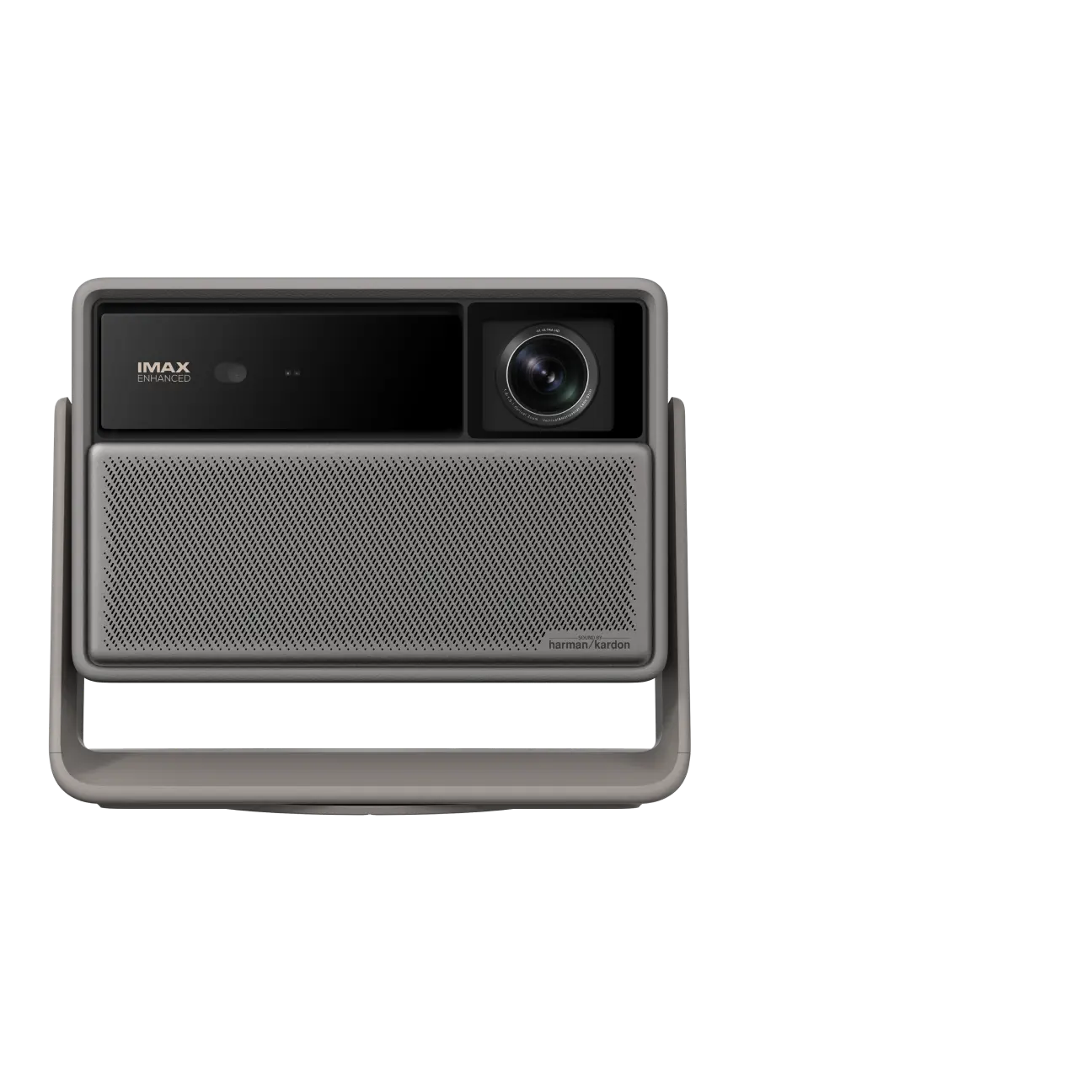
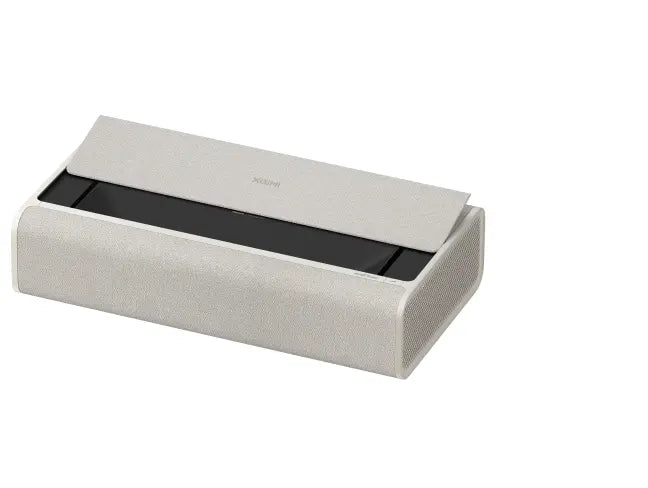
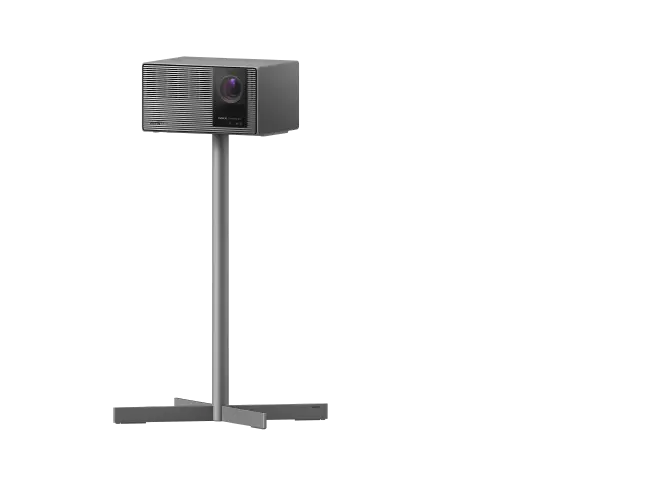
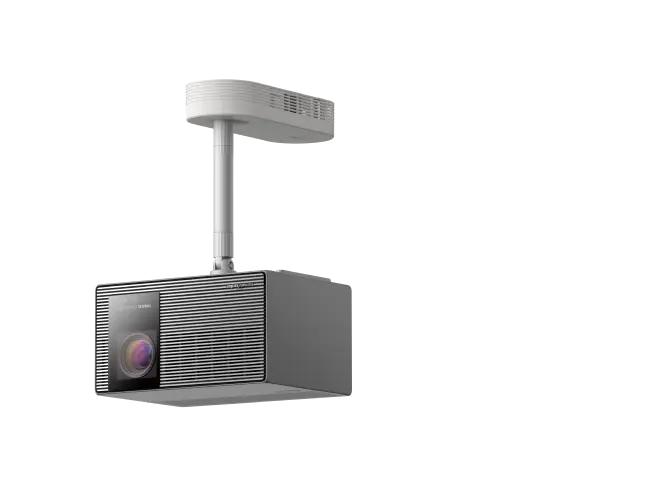

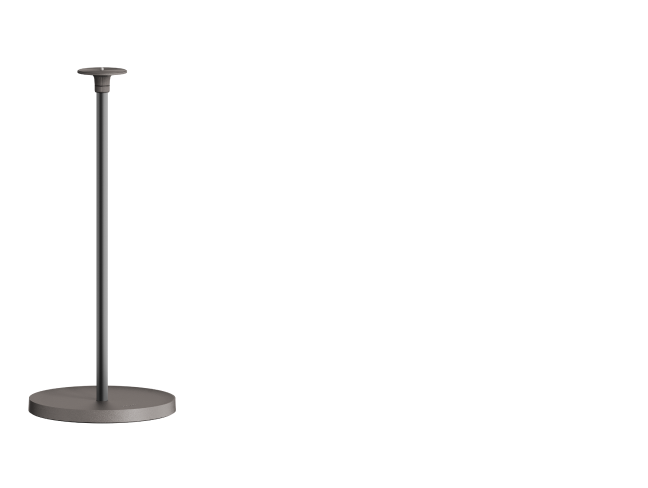
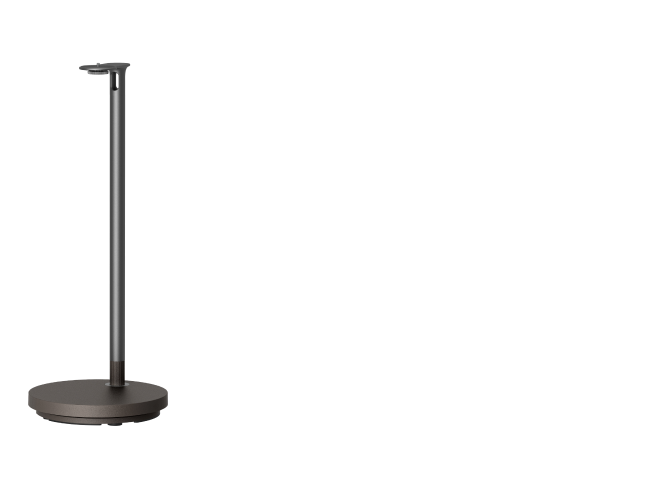
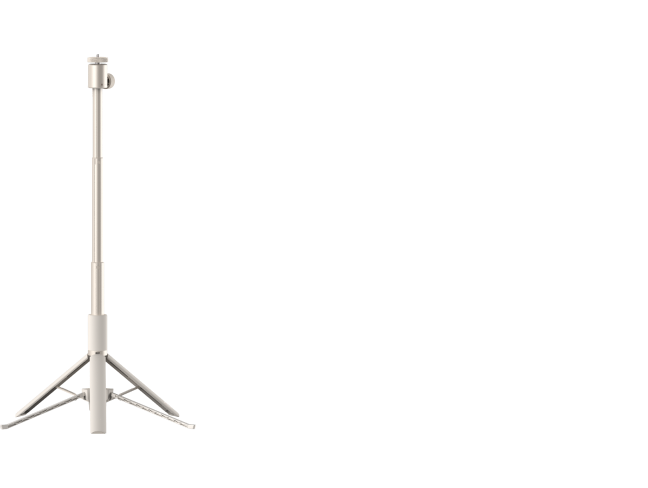




Placing a center channel speaker with an ultra-short throw (UST) projector requires balancing clear dialogue localization with the projector's unique low, close-range projection path. The most practical rule is to position the speaker as close as possible to the screen's acoustic center without obstructing the light beam, intruding into the projected image, or blocking ventilation. In many living rooms this means placing it below the screen on the same console as the projector when height allows, or using a soundbar or integrated solution when space constraints make a traditional speaker impractical. For more on this topic, see How to Integrate a Soundbar with Your UST Projector and ALR Screen. For more on this topic, see Projector Throw Ratio Explained: Standard vs. Short Throw vs. Ultra.... For more on this topic, see How to Sync Audio and Video When Using External Speakers with a Pro....

Why Center Channel Placement Matters More with UST Projectors
Ultra-short throw projectors sit just inches from the wall or screen, typically on a low media console or stand. This creates a steep upward projection angle that leaves limited room for front-facing audio equipment. A poorly placed center speaker can cast shadows on the bottom of the image, muffle dialogue, or create off-axis listening problems where voices sound thin or localized incorrectly from certain seats. For more on this topic, see More with ust projector s Ultra-short throw.
The goal of any center channel is to anchor dialogue directly to the screen so voices feel natural rather than coming from the left or right speakers. With UST setups, this ideal is harder to achieve because the projector occupies the very space where a center speaker traditionally lives. Following manufacturer clearance guidelines is essential to avoid heat buildup or image artifacts.
Understanding UST Projection Geometry and Speaker Conflicts
Unlike standard throw projectors mounted on the ceiling or rear wall, UST models project from a low position near the base of the screen. The light path starts low and rises sharply, meaning anything placed directly in front of the lens or in the lower projection cone will interfere with the picture.
Common issues include:
- The speaker cabinet blocking part of the image, especially on larger screens.
- The speaker sitting too low, forcing an extreme upward tilt that reduces dialogue clarity for seated viewers.
- Insufficient clearance around the projector vents, leading to overheating.
Always consult your specific UST projector's installation guide for exact setback, height, and ventilation requirements, as these vary by model.
Recommended Placement Options for Center Channel Speakers
There are three main approaches to front-center audio in a UST setup. The best choice depends on your room layout, screen height, and priorities for audio performance versus visual cleanliness.
Below-Screen Placement (Preferred When Possible)
Position the center speaker on the media console directly beneath the screen or slightly offset to the side, ensuring the top of the speaker remains below the bottom edge of the projected image. This keeps the speaker close to the screen for good localization while avoiding the beam path.
This option works well when your screen's bottom edge sits high enough (typically 24–36 inches from the console top) and the speaker height allows natural aiming toward ear level. Aim the speaker slightly upward if needed, but avoid extreme angles that degrade off-axis performance.
Above-Screen Placement
Mount the center speaker above the screen on a shelf or bracket when console space is occupied by the projector or when the screen sits very low. This maintains alignment with the image but can feel less natural for dialogue because the voice source is higher than the visual action.
Use this only if below-screen placement blocks the beam or creates ventilation problems. It requires careful angling downward toward the main listening position.
Soundbar or In-Console Solutions
In constrained rooms, a soundbar placed in front of or integrated with the console often provides the easiest compromise. Many modern soundbars are designed to sit low and flat, minimizing obstruction while delivering clear dialogue through dedicated center channels.
An in-console or acoustic-transparent screen approach can hide the speaker entirely behind fabric, though this requires more advanced planning and may slightly reduce acoustic output.

Heuristic Comparison of Placement Options
The radar chart below summarizes key trade-offs using illustrative scores based on typical UST room constraints. It is a decision aid only, not measured acoustic data.
UST Center Channel Placement Trade-offs
Heuristic comparison of common placement scenarios; use as a decision aid, not measured performance data.
View chart data
| Series | Beam Clearance | Dialogue Alignment | Room Fit | Installation Ease | Visual Cleanliness |
|---|---|---|---|---|---|
| Below Screen | 5.0 | 4.0 | 3.0 | 3.0 | 4.0 |
| Above Screen | 3.0 | 3.0 | 3.0 | 3.0 | 3.0 |
| Soundbar / In-Console | 4.0 | 2.0 | 5.0 | 5.0 | 4.0 |
Illustrative heuristic scores based on setup guidelines for UST center channel placement. Emphasizes preserving UST beam clearance first, then centering/alignment when height allows, with soundbar/in-console as the most practical fallback in constrained rooms. Not measured data.
Step-by-Step Setup Checklist
Use this checklist to evaluate your room before purchasing or positioning equipment:
- Measure the distance from your seating area to the screen and note the intended screen height from the floor.
- Place the UST projector in its final position and project a test image at your desired size.
- Identify the exact lower boundary of the projected image and mark any clearance zones around the projector vents.
- Test potential speaker locations: below the image area, above the screen, or integrated into the console.
- Sit in your main viewing positions and listen for dialogue clarity and localization while playing content with prominent center-channel audio.
- Adjust speaker toe-in, tilt, and receiver settings (including any AV sync delay) to fine-tune performance.
- Verify that the projector maintains proper ventilation and shows no image shadowing or heat warnings.
If dialogue still feels muffled or out of sync after placement, check your AV receiver's lip-sync adjustment or the full signal chain rather than assuming the projector is at fault.
Common Myths About UST Audio Setups
- Myth: You must have a perfectly centered traditional speaker for good dialogue. Reality: Close alignment to the screen and listening axis matters more than absolute centering; small offsets are usually inaudible.
- Myth: Any speaker placed in front of the projector is fine. Reality: Direct placement in the beam path causes shadowing or complete image blockage.
- Myth: Soundbars always sound worse than separate center speakers. Reality: In tight UST layouts, a well-designed soundbar often delivers more consistent results with far less setup hassle.
- Myth: UST projectors inherently cause lip-sync issues. Reality: Sync problems usually stem from the receiver, source device, or processing delays and can often be corrected in settings.
When to Choose Alternatives to a Traditional Center Speaker
Opt for a soundbar or in-console solution when your room has limited depth, the projector console leaves no safe space below the image, or you prioritize a clean, minimalist front wall. These options reduce visual clutter and installation complexity while still providing acceptable dialogue intelligibility for most family viewing.
A discrete center speaker makes more sense for dedicated home theaters where you can control exact heights and angles and are willing to accept some visible hardware for potentially better imaging.
Safety and Comfort Considerations
This article discusses only setup and comfort advice for home theater audio. It does not constitute technical, acoustic, or medical advice. Improper speaker or projector placement can create heat, tipping, or cable hazards. If you experience persistent audio discomfort, eye strain, or other issues, consult qualified professionals for your specific installation.
Always maintain required clearance around the projector and secure all equipment to prevent accidents, especially in households with children or pets.
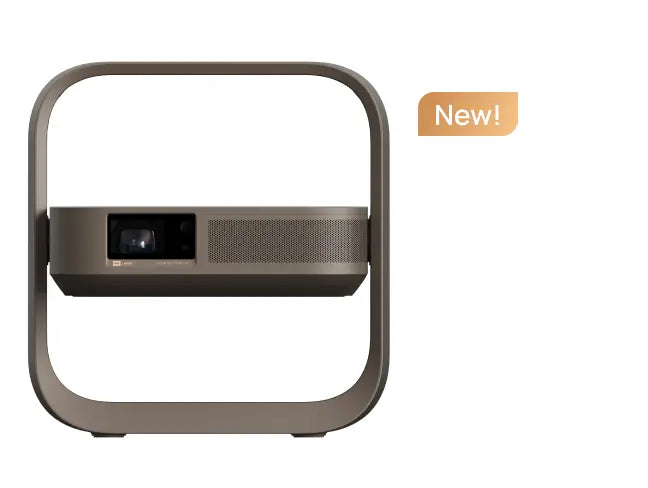
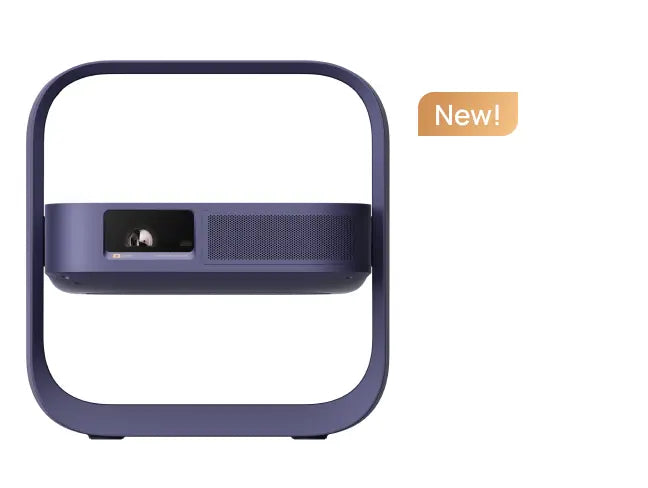
For more on choosing the right projector for your space, see our guide to UST vs Standard Throw Projector. If you're building a full system, explore Home Projectors or specific models like the AURA 2 (New) that are designed for living-room integration.
Final Tips for Best Results
Test your setup with familiar movies containing clear dialogue from multiple viewing positions. Small adjustments in speaker height, angle, or room furnishings can make a noticeable difference. Remember that room acoustics, seating distance, and content type all influence perceived clarity more than minor placement variations.
By prioritizing beam clearance first and dialogue alignment second, most UST owners can achieve satisfying center-channel performance without compromising the clean aesthetics that make these projectors popular.


