
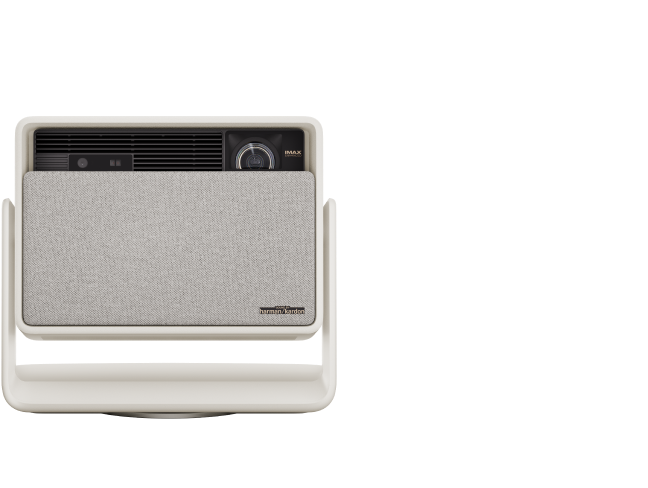
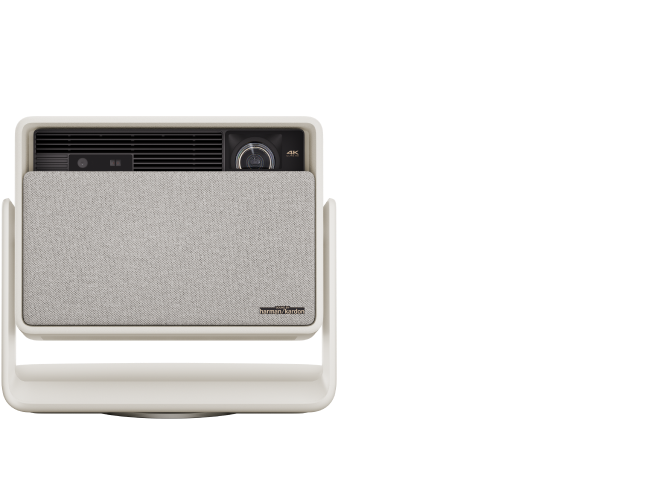
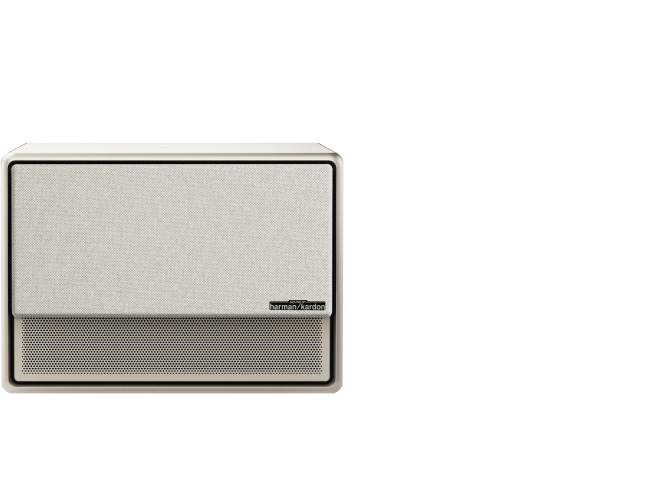
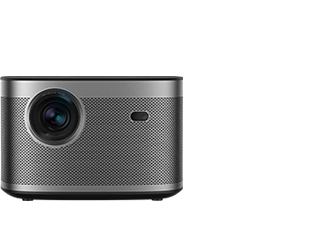
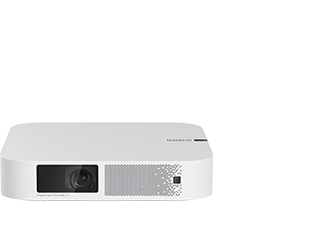
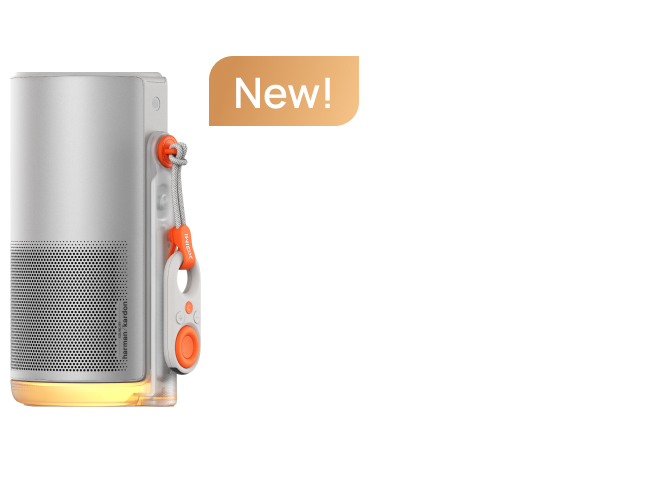





The PlayStation 5 and Xbox Series X deliver stunning 4K visuals and high frame rates that shine on large screens, but only when paired with a projector that actually supports the required specs. Many projectors marketed as 4K or "gaming ready" fall short on input lag, refresh rate handling, or full HDMI 2.1 bandwidth, leaving gamers with motion blur, delayed controls, or downgraded performance. The key to maximizing your next-gen console is prioritizing low input lag, true high-refresh support, and proper signal handling over movie-centric features alone. For more on this topic, see How to Optimize HDR Settings for PS5 and Xbox on Your Projector. For more on this topic, see Does HDMI 2.1 Really Matter for Projector Gaming? A Technical Break....

Choosing the right projector for PS5 or Xbox involves understanding how console capabilities interact with projector limitations. Both consoles support 4K resolution at up to 120Hz in many titles, along with variable refresh rate (VRR) and auto low latency mode (ALLM) for smoother gameplay. A projector must maintain these signals without excessive processing delays or compatibility drops to deliver the full experience, whether you're playing competitive shooters or immersive story-driven games in your living room.
What Specs Actually Matter for Next-Gen Console Gaming
For console gamers, four core specifications determine whether a projector unlocks or limits your PS5 and Xbox performance: resolution support, refresh rate, input lag, and HDMI version. Resolution is the most advertised, but it is rarely the deciding factor on its own.
True 4K projectors should accept and display 3840x2160 signals from the console without downscaling. However, many entry-level "4K" models use pixel-shifting technology rather than native 4K panels, which can introduce slight softness or processing overhead during fast motion. For most living-room setups, this is acceptable if the other specs are strong, but competitive players may notice the difference in sharp text or detailed environments.
Refresh rate support is more critical. The PS5 and Xbox Series X output up to 120Hz in supported games, which reduces motion blur and improves smoothness compared to 60Hz. A projector needs to accept and display these higher frame rates without dropping frames or forcing a lower rate. Look for models explicitly rated for 4K at 60Hz and 1080p at 120Hz at minimum, with full 4K 120Hz being ideal for future-proofing.
Input lag measures the delay between your controller input and the on-screen response. For responsive gaming, aim for under 30ms in game mode, with sub-20ms preferred for competitive play. Projectors tuned primarily for movies often apply heavy image processing that adds 50ms or more of lag, making fast-paced titles feel unresponsive. Enabling a dedicated low-latency or game mode is essential to minimize this.
HDMI 2.1 is the port standard that provides the bandwidth needed for 4K at 120Hz with HDR and VRR. Older HDMI 2.0 ports top out at 4K 60Hz reliably, so projectors lacking full HDMI 2.1 may force your console to downgrade settings automatically. Not every HDMI port on a projector needs to be 2.1, but at least one should support the full spec for your main console connection.

These specs interact in real-world use. A projector with excellent brightness and color for films might still disappoint in gaming if its game mode disables HDR or limits refresh rates. Testing in your actual room with your console is the only way to confirm performance, as advertised numbers can vary based on picture settings.
Common Myths About Projectors for PS5 and Xbox
Several misconceptions lead buyers to choose the wrong projector for console gaming. One widespread myth is that any projector labeled "4K" will automatically deliver the full next-gen experience. In reality, 4K support alone does not guarantee low latency or high refresh rate compatibility. A projector can accept a 4K signal yet still feel sluggish if its processing adds delay or if it cannot maintain 120Hz output.
Another myth is that HDMI 2.1 certification makes a projector automatically ideal for gaming. While the port is necessary for uncompressed 4K 120Hz, the label does not address input lag or how well the projector handles console features like ALLM and VRR. Some models advertise HDMI 2.1 but only on specific ports or with limitations that reduce real-world benefits.
Many also assume a high-quality movie projector can seamlessly double as a gaming display. Movie-optimized models often prioritize color accuracy and contrast over speed, resulting in higher lag that becomes noticeable in action games. This tradeoff is particularly problematic for competitive gamers or those playing fast-paced titles like first-person shooters.
The decision rule that replaces these myths is straightforward: prioritize documented low input lag and refresh rate support first, then verify 4K and HDMI compatibility. Marketing claims should be cross-checked against actual gaming mode performance rather than headline specs.
Gaming Scenarios: How Your Play Style Changes the Recommendation
The best projector for PS5 and Xbox depends heavily on how you game. Casual single-player or story-driven experiences in a shared living room can tolerate slightly higher lag and prioritize vibrant colors, brightness for ambient light, and easy setup. Here, a balanced model with strong HDR support and around 30ms lag often suffices, letting you enjoy big-screen immersion without strict competitive demands.
Competitive or fast-action gaming flips the priorities. Shooters, fighting games, and rhythm titles demand the lowest possible input lag and reliable high refresh rates to maintain precision and reduce motion blur. In these cases, seek projectors with sub-20ms lag, full 120Hz support, and features like VRR to match console output. Room lighting control becomes secondary to responsiveness.
Couch co-op or party gaming with friends sits in the middle. These sessions benefit from large screen sizes and decent brightness for varied lighting, but lag tolerance is higher than pure competitive play. Focus on models that offer quick source switching and good built-in audio to keep the group engaged without technical hiccups.
Mixed movie-and-gaming home theaters require compromise. A projector strong in both areas should handle seamless switching between cinema modes and low-latency game modes. Look for devices with multiple picture presets and reliable auto-detection of gaming signals.
How to Choose and Set Up Your Projector for Consoles
Start by auditing your room and habits. Measure ambient light levels to determine needed brightness—typically 1500+ lumens for controlled rooms, higher for brighter spaces. Check your typical viewing distance to calculate required screen size and throw ratio. For most living rooms, short-throw or standard-throw models work well without major installation.
When comparing models, create a quick checklist:
- Does it list input lag under 30ms in game mode?
- Can it support your target resolution and refresh rate combination (e.g., 4K@60Hz or 1080p@120Hz)?
- Is there at least one HDMI 2.1 port with full bandwidth?
- Does it include ALLM or VRR compatibility mentions?
- Are there user reports or official tests confirming console performance?
Setup tips maximize performance. Use a high-quality HDMI 2.1 cable rated for 48Gbps. Enable game mode on the projector and set your console video output to match the projector's capabilities—avoid forcing 120Hz if the projector cannot maintain it cleanly. Calibrate HDR settings carefully, as some projectors tone-map aggressively and reduce highlight detail. Position the projector to avoid keystoning if possible, or use digital correction sparingly since it can add minor lag.
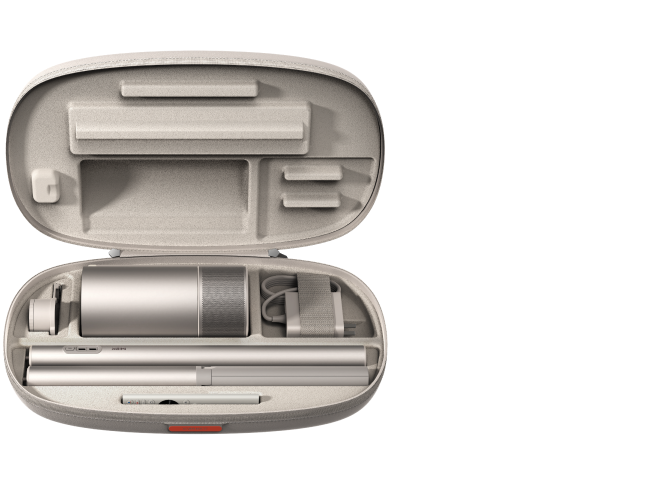
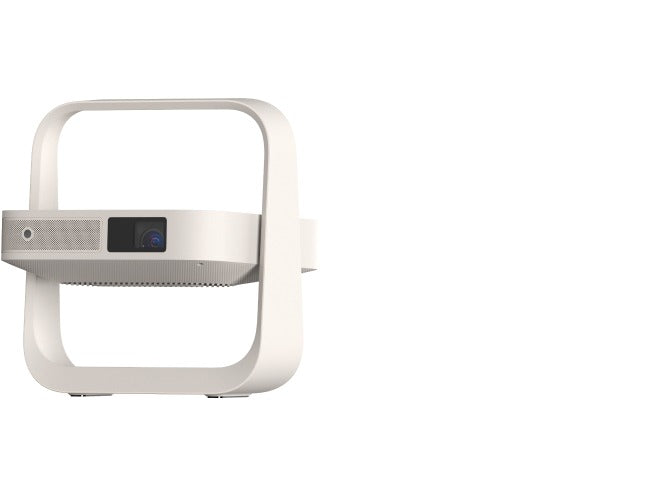
For families or shared spaces, consider portability and ease of use. Battery-powered or lightweight models allow moving the setup between rooms for different gaming sessions.
Here is an illustrative radar chart showing how different gaming priorities map to projector capabilities. These values are heuristic guides based on typical tradeoffs, not measured benchmarks from specific devices. Competitive setups score highest on low lag and high refresh support, while casual use places more emphasis on overall image quality factors.
Projector Gaming Tiers for PS5 and Xbox
Heuristic comparison of projector tiers for gaming use cases. Values are illustrative, not measured benchmarks.
View chart data
| Series | Resolution support | Refresh rate | Input lag | HDMI version |
|---|---|---|---|---|
| Competitive gaming tier | 4.0 | 5.0 | 5.0 | 5.0 |
| Balanced gaming tier | 4.0 | 4.0 | 3.0 | 4.0 |
| Casual gaming tier | 3.0 | 3.0 | 2.0 | 2.0 |
Illustrative tiering based on article constraints: PS5/Xbox can benefit from 4K@120Hz, HDMI 2.1 is needed for that mode, and input lag below 30ms is ideal. Scores are normalized heuristic levels, not benchmark data.
Don't Buy If...
Avoid projectors that lack clear gaming specifications or test data. Skip models that do not mention input lag numbers or only provide them in non-gaming modes. Movie-first projectors without a dedicated game mode often disappoint for regular console use, especially if you play action-heavy titles or notice controller delay quickly.
Be cautious of very low-cost "4K" options that rely heavily on marketing without independent verification of refresh rate or latency performance. If the product page is vague about console compatibility or HDMI bandwidth, it is safer to choose a model with transparent gaming credentials.
This article discusses setup and comfort factors for gaming projectors. It does not constitute technical advice for specific eye conditions or medical issues. Projector use for extended periods may contribute to eye strain similar to other screens; take regular breaks, maintain proper viewing distance, and consult an eye care professional if you experience persistent discomfort or have pre-existing vision concerns.
Recommended Features in Modern Gaming Projectors
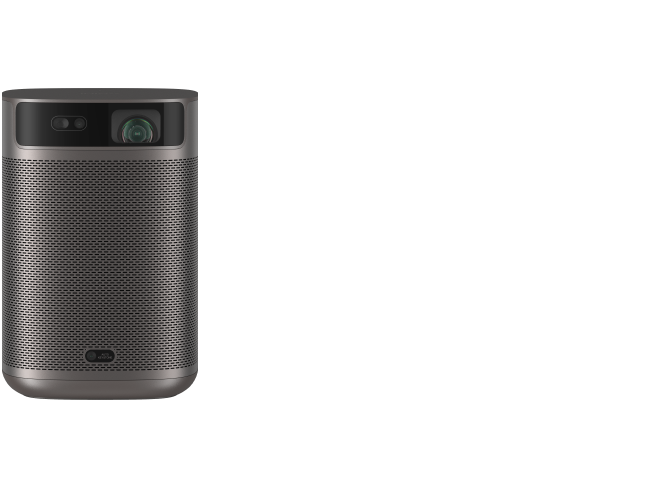
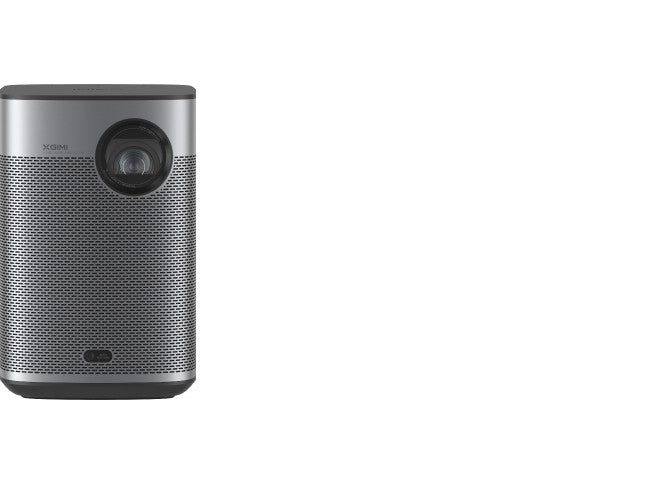
Current projectors designed with gaming in mind often include 4K resolution, 120Hz refresh support, input lag as low as 15-20ms, and HDMI 2.1 ports. Many also feature high brightness levels measured in ISO lumens for better performance in typical living rooms, along with HDR formats like Dolby Vision for richer colors in supported games. For more on this topic, see Why 1080p at 240Hz Might Be Better Than 4K at 60Hz for Projector Ga....
Built-in smart platforms simplify console pairing by allowing quick source switching and app access. Integrated speakers with strong audio output reduce the need for extra sound systems during casual play, though dedicated audio setups enhance immersion for serious gamers.
Portable options add flexibility for moving between rooms or taking the setup outdoors, provided they maintain low latency in battery mode. Laser light sources offer consistent brightness over time with minimal maintenance compared to traditional lamps.
When evaluating specific models, cross-reference official console compatibility lists and user reports from gaming communities. Real-world performance can differ based on firmware updates and picture mode tuning.
Final Tips for Getting the Most from Your Setup
Once you have the right projector, optimize your environment. Control ambient light with curtains or bias lighting to improve contrast without sacrificing brightness. Use a quality projection screen or smooth wall surface for the best image clarity. Keep firmware updated on both the console and projector to ensure the latest compatibility features.
Experiment with different game modes and picture presets to find the balance between visual fidelity and responsiveness that suits your games. For multiplayer sessions, consider a model with easy keystone correction and autofocus to speed up setup when guests arrive.
By focusing on the specs that directly impact gameplay—low latency, high refresh support, and proper HDMI bandwidth—you can create a console gaming experience that feels as responsive as a high-end TV but on a much larger scale. The investment in the right projector transforms your PS5 and Xbox into a true big-screen powerhouse for years to come.
(Word count: 1782)


