





Many gamers discover that HDR on a PS5 or Xbox Series X looks disappointing on a projector, with crushed blacks swallowing shadow detail, blown-out highlights losing texture, or an overall dull and washed-out picture. The good news is that you can dramatically improve image quality by properly matching the console's HDR calibration to your projector's real brightness limits and tone mapping behavior.

Projectors handle HDR differently than TVs because of their lower peak brightness and unique tone-mapping curves. A one-size-fits-all console setting rarely delivers the best results. By following a structured calibration approach and understanding when to prioritize shadow detail versus highlight retention, you can enjoy richer contrast, more visible details in dark scenes, and natural-looking bright highlights without sacrificing the immersive scale that makes projectors great for gaming. For more on this topic, see 120Hz Projectors: Do You Need High Refresh Rate for Gaming?. For more on this topic, see Projector vs TV for Gaming: Lag, Size & Experience.
Why Default HDR Settings Often Fail on Projectors
The PS5 and Xbox HDR calibration tools are designed primarily around TV performance, where peak brightness can reach 1000 nits or more. Most home projectors deliver far less usable light output, typically in the 500–2000 lumen range depending on the model and mode. When the console outputs a full HDR signal expecting TV-level headroom, the projector compresses the tone curve, crushing blacks or clipping highlights.
Common symptoms include dark scenes that look like solid black blobs in horror or stealth games, bright explosions or sky elements that turn into flat white patches, and colors that appear muted rather than vibrant. These issues are rarely caused by the game itself or a faulty projector; they stem from a mismatch between the console's output range and the projector's actual capabilities.
A guide to projector picture quality explains how HDR deepens contrast when properly implemented, but only when the display can handle the dynamic range without aggressive compression.
Understanding Projector HDR Limitations and Tone Mapping
Projectors vary widely in how they process HDR content. Laser models often achieve higher sustained brightness and better black levels than traditional lamp-based units, while portable LED projectors may sacrifice some contrast for convenience. Tone mapping—the process of fitting a wide HDR signal into the projector's limited range—determines whether shadow detail or specular highlights get preserved.

In practice, this means one universal calibration rarely works across models. A setting that looks excellent on a bright laser projector in a dark room can appear terrible on a lower-output unit in moderate ambient light. Always verify your projector's peak brightness rating in the specific picture mode you plan to use for gaming.
Before blaming the console, confirm the projector is actually entering HDR mode (many models show an on-screen indicator) and that you are using an HDMI cable capable of carrying the full signal. Disable any aggressive dynamic contrast or auto-iris features during calibration, as they can interfere with consistent tone mapping.
Step-by-Step HDR Calibration for PS5 on a Projector
Start by setting your projector to a neutral or Game picture mode that supports HDR. Avoid Cinema modes initially if they introduce extra processing and input lag. For competitive play, reference our gaming projector low input lag guide to balance picture quality with responsiveness.
- On the PS5, go to Settings > Screen and Video > HDR > Adjust HDR.
- Follow the on-screen prompts for black level: lower the slider until the darkest squares blend into the background, then raise it slightly until the first faint square becomes just visible.
- For peak brightness, increase the slider until the brightest reference highlights start to clip, then back off until texture remains visible in bright areas.
- Test with a real game scene containing both deep shadows and bright specular highlights. Adjust gamma or tone mapping if dark scenes still look crushed.
Many users benefit from a slightly conservative peak brightness setting on projectors to avoid clipping. If the image still looks flat, try a different projector mode rather than pushing sliders to extremes.
Optimizing HDR Settings for Xbox Series X/S
The Xbox calibration process follows a similar logic but uses slightly different test patterns. Navigate to Settings > General > TV & display options > Calibrate HDR.
Focus on the same principles: preserve the last visible black step without raising overall brightness too much, and ensure bright white steps retain detail rather than blooming into pure white. Xbox users often find that enabling Dolby Vision (if your projector supports it) requires a separate calibration pass, as the tone curve differs from standard HDR10.
For mixed-use setups involving both gaming and streaming, save multiple picture modes on your projector—one optimized for HDR gaming and another for SDR content—so you don't compromise one for the other.
Heuristic Guidance by Projector Brightness
Projector brightness heavily influences the best HDR approach. Lower-output models need more conservative settings to maintain detail, while brighter units can handle a bit more aggressive output.
Heuristic HDR Slider Guidance by Projector Brightness
Illustrative only: conservative HDR setup guidance for PS5/Xbox on projectors. Values are relative adjustment scores, not measured calibration targets.
View chart data
| Category | Black level: conservative | Black level: aggressive | Peak brightness: conservative | Peak brightness: aggressive | Priority: shadow detail | Priority: highlight retention |
|---|---|---|---|---|---|---|
| <800 lumens | 8.0 | 4.0 | 3.0 | 7.0 | 8.0 | 4.0 |
| 800-1500 lumens | 6.0 | 5.0 | 5.0 | 8.0 | 6.0 | 6.0 |
| >1500 lumens | 4.0 | 7.0 | 7.0 | 6.0 | 4.0 | 8.0 |
Heuristic / illustrative synthesis based on projector brightness ranges and HDR trade-off logic: dim projectors generally favor shadow detail and conservative peak-brightness behavior; brighter projectors can tolerate higher peak-brightness emphasis and stronger highlight retention. No official measurement or exact calibration standard is implied.
This chart provides relative guidance only. Always verify results with actual game content rather than relying solely on calibration screens.
Common Myths About Console HDR on Projectors
Myth: Enabling HDR always makes games look better. Reality: On projectors with limited brightness, a poorly matched HDR signal can actually reduce visible detail compared to a well-tuned SDR mode.
Myth: The console calibration is universal across displays. Reality: Projector tone mapping and brightness headroom vary enough that settings should be treated as model-specific starting points.
Myth: If the image looks punchy in the menu, it is calibrated correctly. Reality: Punch often comes at the expense of lost shadow or highlight detail that only becomes obvious during gameplay.
Practical Checklist: How to Choose and Verify HDR Settings
Use this sequence to minimize trial-and-error:
- Confirm the projector enters HDR mode and select the least-processed HDR or Game picture mode.
- Run the console's built-in HDR calibration using its test patterns.
- Test shadow detail in a dark game scene—if blacks look crushed, slightly raise the black level or choose a mode with better low-end response.
- Check highlight retention in bright scenes—if specular details disappear, reduce peak brightness output.
- Compare the result against SDR in the same game to ensure HDR actually improves the experience.
- For mixed lighting rooms, favor visibility and shadow detail over maximum contrast.
If both extremes suffer simultaneously, your projector may simply lack enough brightness for the screen size and room conditions. Consider upgrading to a higher-lumen model or optimizing screen gain and throw distance.
Scenario-Based Recommendations
The optimal approach changes based on your setup:
- Dark room with high-contrast projector: You can use more accurate HDR settings and prioritize natural tone curves. Cinema or dedicated HDR modes often work well if input lag remains acceptable.
- Moderate ambient light or lower-brightness unit: Prioritize Game Mode for better visibility. Use conservative peak brightness and focus on preserving shadow detail rather than chasing bright highlights.
- Bright room or portable projector: HDR benefits diminish quickly. Consider sticking with SDR or using a very restrained HDR setting to avoid a washed-out look.
- Mixed gaming and movie use: Create separate profiles—one tuned for HDR gaming with emphasis on low lag, and another for cinematic content.
For the latest recommendations on models optimized for console gaming, explore our 2026 guide to low input lag gaming projectors.
Additional Tips for the Best HDR Gaming Experience
- Disable any unnecessary image processing features like motion smoothing during gaming, as they can interfere with HDR tone mapping.
- Use a high-quality HDMI 2.0 or 2.1 cable to ensure full bandwidth.
- For XGIMI projectors supporting Dolby Vision or HDR10+, test both formats, as tone mapping can differ significantly.
- Periodically re-check calibration after changing lamps, screens, or room lighting conditions.
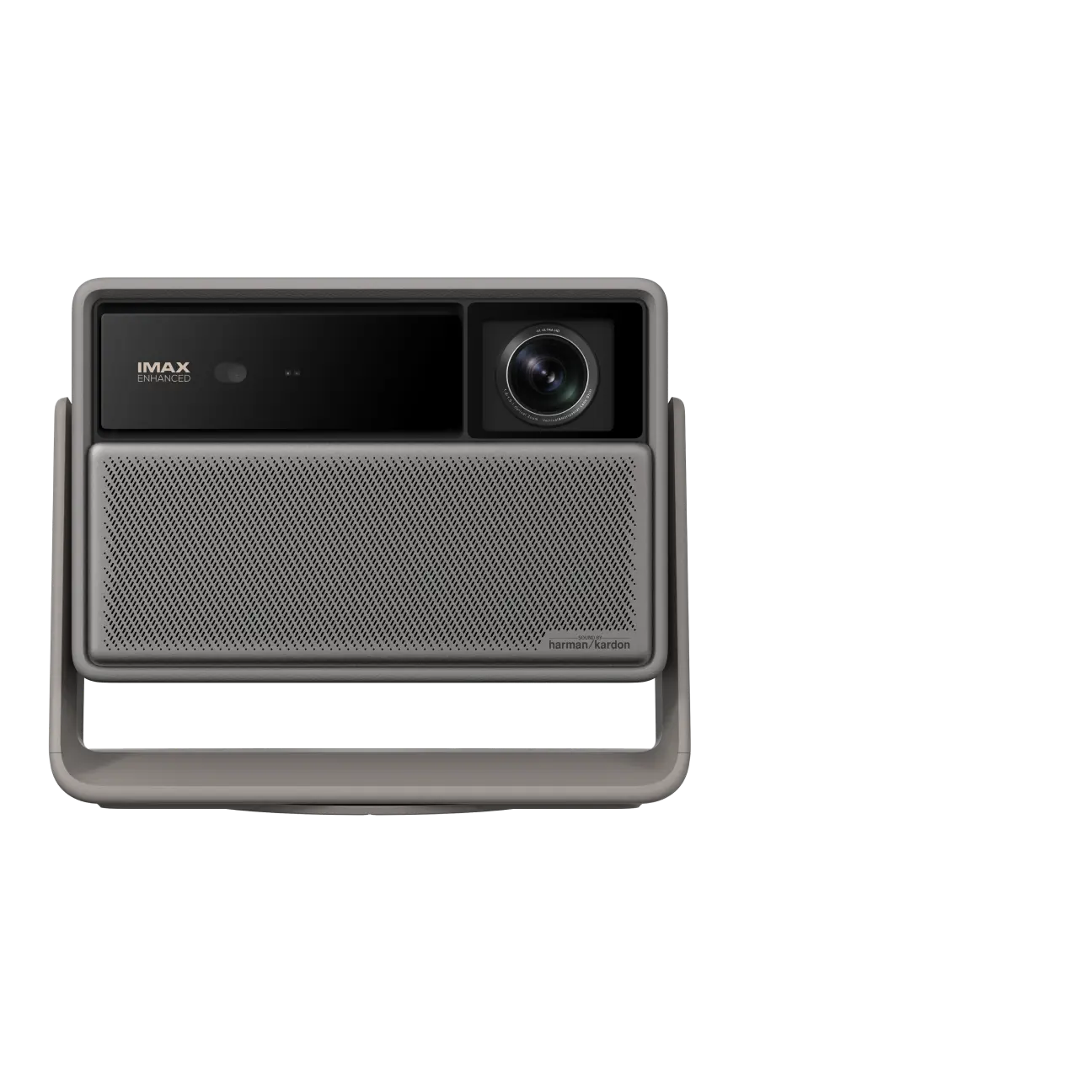
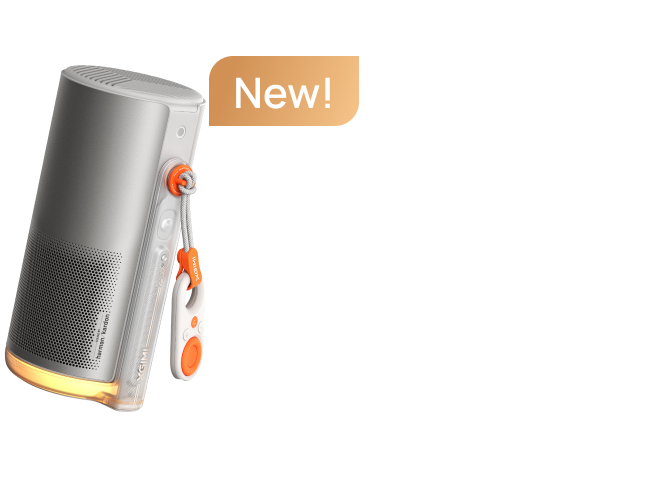
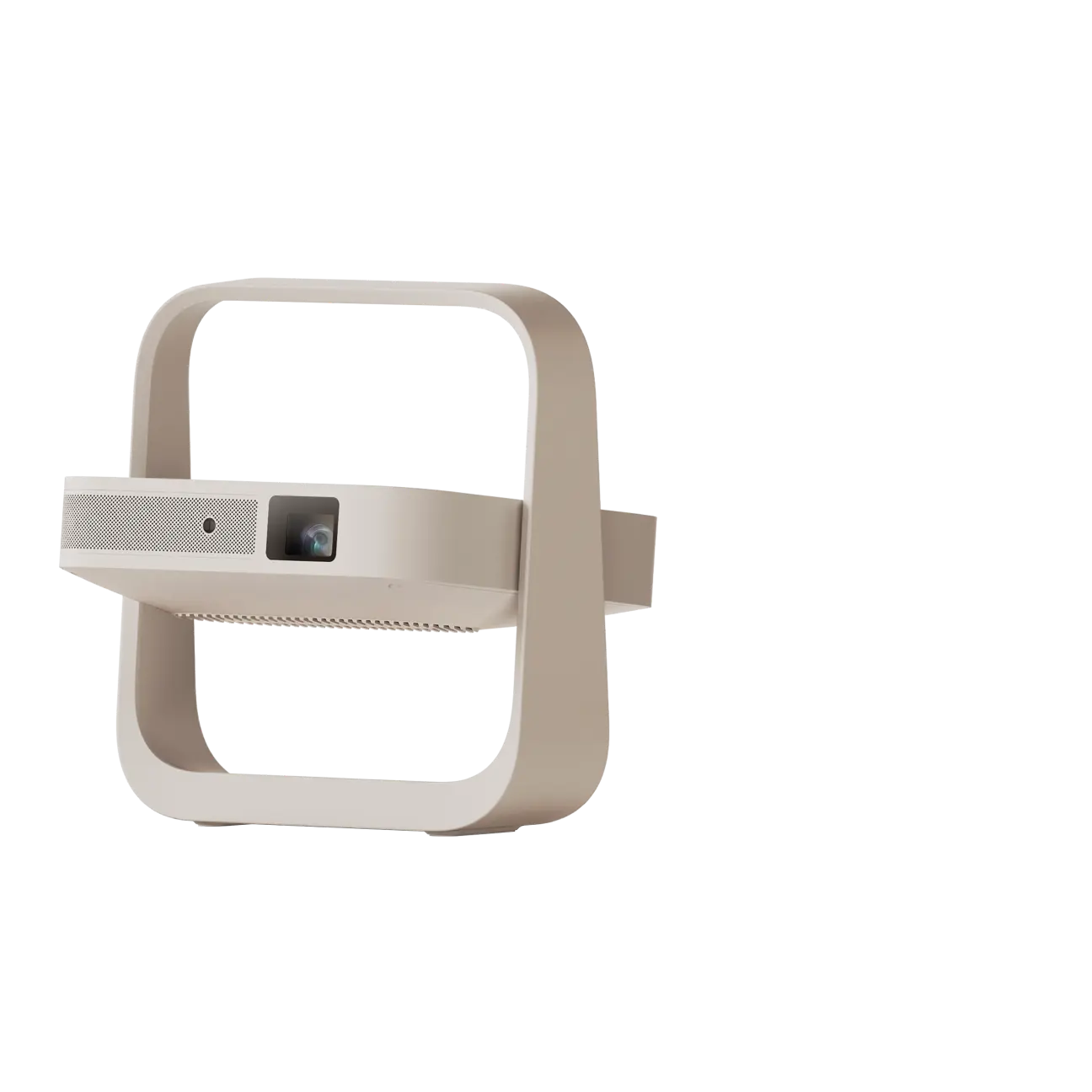
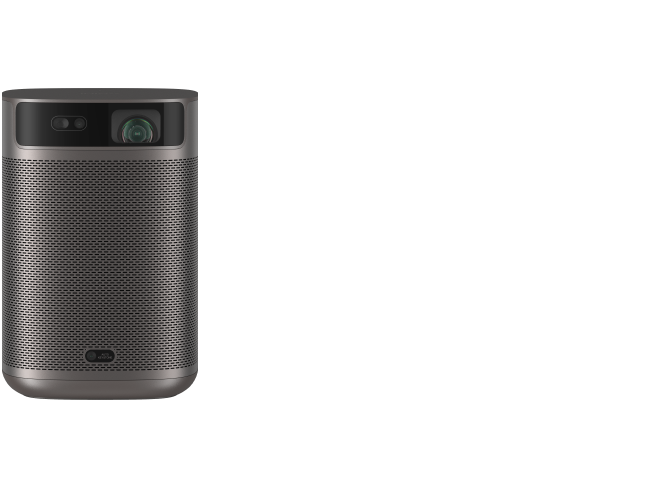
Our collection of gaming projectors includes models specifically engineered for console compatibility with strong HDR support and low latency.
Conclusion
Optimizing HDR for PS5 and Xbox on a projector requires matching the console output to the display's real capabilities rather than relying on default settings. By using the console calibration tools thoughtfully, testing with real game content, and adjusting based on your projector's brightness and room conditions, you can achieve a balanced image that preserves both shadow detail and highlight texture.
The result is more immersive gaming on the big screen without the frustration of crushed blacks or clipped highlights. Remember that the best settings are those that look natural in actual gameplay, not just impressive on a test pattern. If you continue to experience issues, the limitation may lie more with the projector's brightness headroom than with your calibration technique.
This article provides general guidance for comfort and setup optimization and does not constitute technical or medical advice. For persistent display issues, consult your projector's official manual or a qualified professional.


