





Wireless PC game streaming to a smart projector lets you keep your loud gaming PC in one room while enjoying big-screen play from the couch in another. With the right combination of apps like Moonlight or Steam Remote Play, a strong Wi-Fi 6 network, and a projector that supports low-latency gaming mode, many setups deliver responsive performance for casual and even competitive titles in 2026.
The experience depends heavily on your network stability and end-to-end latency chain rather than any single app or device. A stable local connection can make couch gaming feel natural, while weak signals or congestion often cause noticeable stutter or input delay. This guide walks through practical steps, app choices, network requirements, and projector settings to help you decide if wireless streaming fits your home and games.
Why Stream PC Games Wirelessly to a Smart Projector
Many PC gamers want the living-room experience without dragging a hot, noisy desktop across the house. A smart projector with built-in streaming capabilities turns your wall into a large display while the gaming PC stays in an office or bedroom. This setup works especially well for controller-supported titles, indie games, and story-driven experiences where perfect mouse-and-keyboard precision is less critical. For more on this topic, see Built-In Streaming: Why Your Next Projector Needs a Native Smart OS.
As this official projector input lag guide explains, display processing time forms one important link in the overall responsiveness chain. When combined with low-latency streaming software and a capable home network, wireless setups can feel surprisingly close to local play for many users.
However, wireless streaming is not magic. Performance hinges on your router, signal strength, PC encoding power, and the projector's ability to minimize added delay. Understanding these factors upfront helps avoid frustration and sets realistic expectations.
Understanding the Main Streaming Options
Two popular solutions stand out for streaming PC games across your home network: Moonlight and Steam Remote Play (also known as Steam Link).
Moonlight is an open-source client designed for low-latency game streaming when paired with a compatible host such as NVIDIA GameStream or Sunshine. It often delivers excellent responsiveness on capable hardware and networks, making it a strong choice for users who prioritize minimal input lag.
Steam Remote Play, on the other hand, integrates directly with your Steam library and works across many devices without additional host software in many cases. It offers convenient setup for Steam users and supports a wide range of games, though its latency performance can vary more depending on network conditions.
The correct comparison framework focuses on three axes: host compatibility, network quality, and your sensitivity to lag. Moonlight tends to shine when you have a compatible host and need the lowest possible latency on a strong connection. Steam Remote Play is often simpler and more convenient when staying inside the Steam ecosystem matters more than squeezing out every millisecond.
A common myth is that simply choosing the "best" app solves most problems. In reality, app differences become secondary when network instability or projector processing adds variability to the experience. Prioritize a stable connection and gaming mode on your projector before fine-tuning the client software.
Network Requirements for Reliable Wireless Gaming
Wireless game streaming is sensitive to Wi-Fi quality and local network congestion, so a strong local network matters for responsiveness and image stability. For latency-sensitive streaming, a wired Ethernet backbone is usually more stable than relying on a weak wireless link alone.
In 2026, Wi-Fi 6 or better is highly recommended. Aim for a strong 5 GHz or 6 GHz signal with minimal interference. Ideally, connect the gaming PC via Ethernet to the router and use wireless only for the final hop to the projector if possible. This hybrid approach reduces variables in the chain.
Key practical thresholds that help judge setup quality include:
- Network ping under 20 ms for smooth feel (20–40 ms is borderline, over 40 ms often too delayed for fast games)
- Projector input lag below 30 ms in gaming mode (30–50 ms acceptable for casual titles)
- Stable Wi-Fi 6 signal with low congestion (Wi-Fi 5 or crowded channels increase stutter risk)
These are heuristic guidelines synthesized from common streaming principles rather than strict lab measurements. Test your actual setup with your favorite games, as real-world tolerance depends on genre and personal sensitivity.

How to Set Up Wireless Streaming on Your Smart Projector
Begin by ensuring both your gaming PC and smart projector are on the same local network. Update your PC's graphics drivers and install the chosen streaming host software (Sunshine for Moonlight or rely on Steam for Remote Play).
On the projector side, switch to a low-latency or gaming picture mode. Some smart projectors include a gaming or low-latency mode that reduces display processing, which helps minimize added delay. Connect your game controller—whether Bluetooth or wireless USB—to the PC or directly to the projector if supported. For more on this topic, see The Benefits of Dual-Band Wi-Fi 6 in Modern Smart Projectors.
For Moonlight:
- Install the Moonlight client on the projector or an attached streaming device.
- Pair it with the host PC running Sunshine.
- Adjust bitrate and resolution to match your network capabilities (start conservatively at 1080p 60 fps).
- Enable hardware decoding if available on the projector.
For Steam Remote Play:
- Enable Remote Play in Steam settings on the host PC.
- Add the projector as a client device through the Steam Link app or built-in functionality.
- Select your game and start streaming.
Controller responsiveness depends on the full streaming chain, including PC encoding, network transport, decoding, and display processing. Keep sessions short during initial testing to identify any heat or stability issues.
This gaming projector guide offers additional details on optimizing input lag and refresh rate for better gaming performance with projectors.
Optimizing for Low Latency and Stable Image Quality
To reduce input lag, stuttering, and compression artifacts, focus on the network first. Use Quality of Service (QoS) settings on your router to prioritize gaming traffic. Close bandwidth-heavy applications on other devices during play sessions.
On the PC, ensure the GPU can handle encoding without dropping frames. Lower the streaming resolution or bitrate if you notice artifacts. Many users find 1080p at 60 fps with a medium bitrate provides the best balance on typical home networks, while 4K requires significantly more bandwidth and a very strong connection.
Audio/video sync issues often improve by adjusting buffer settings in the streaming app or ensuring the projector is not applying heavy post-processing. If using a soundbar or external audio system, test for added delay and consider routing audio directly from the PC when possible.
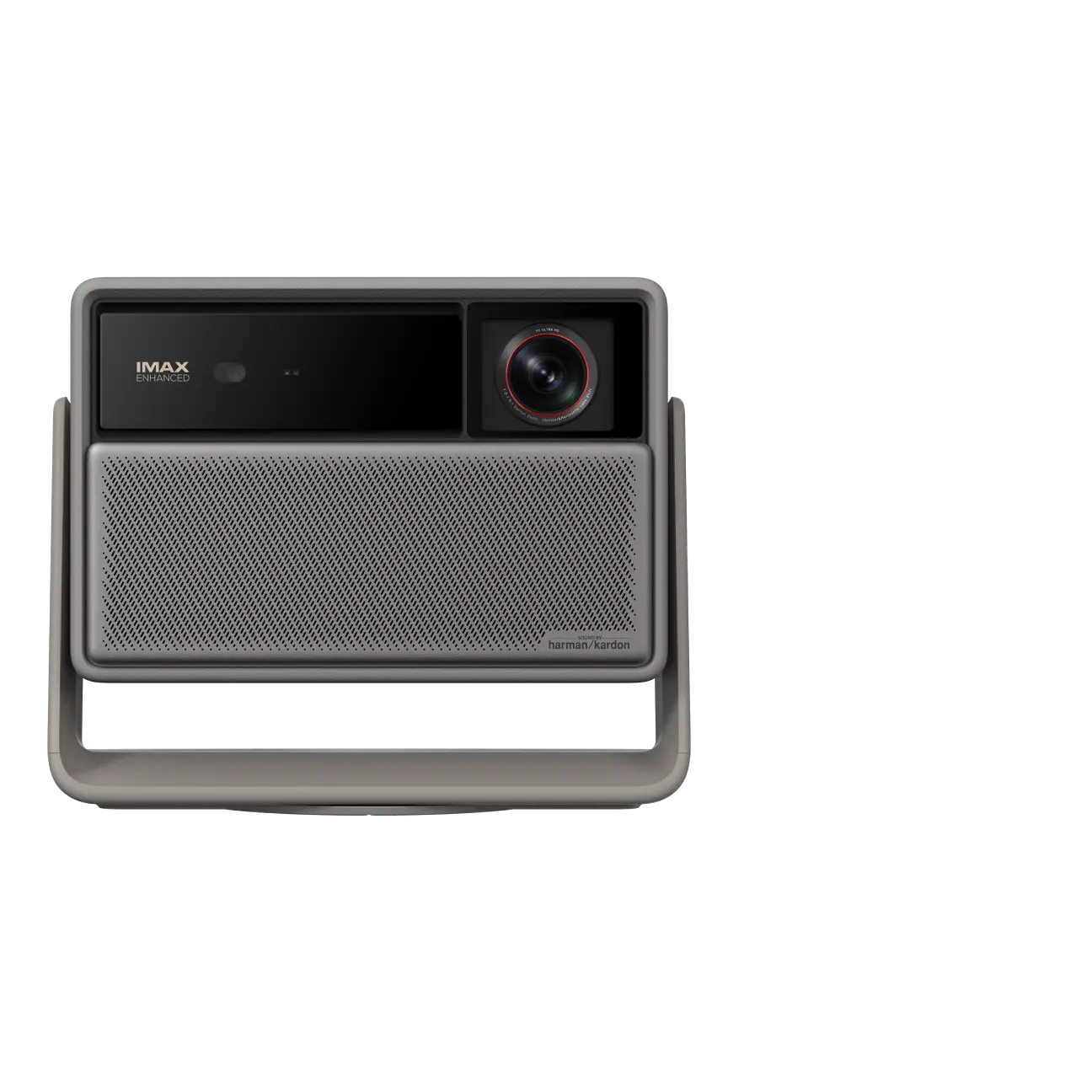
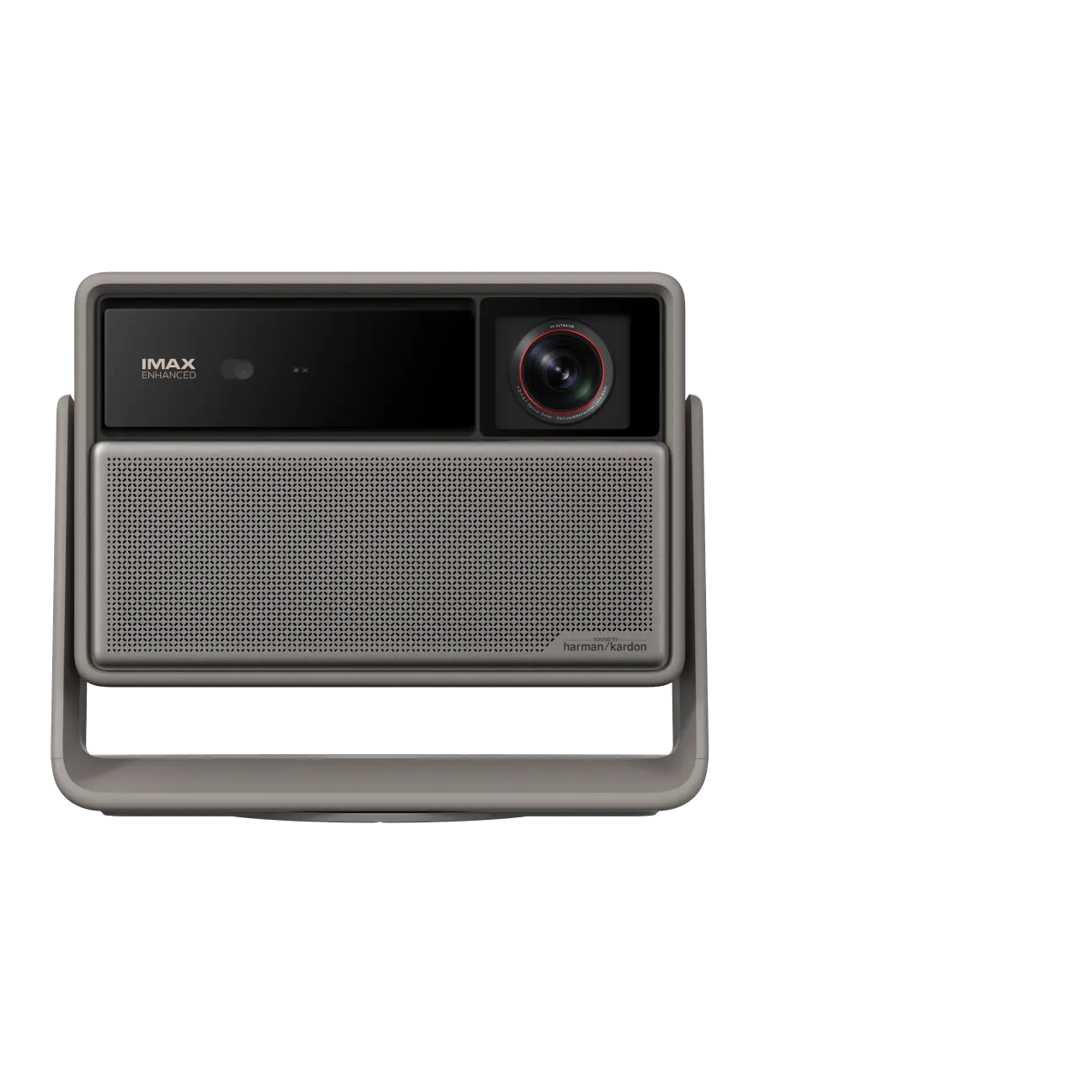
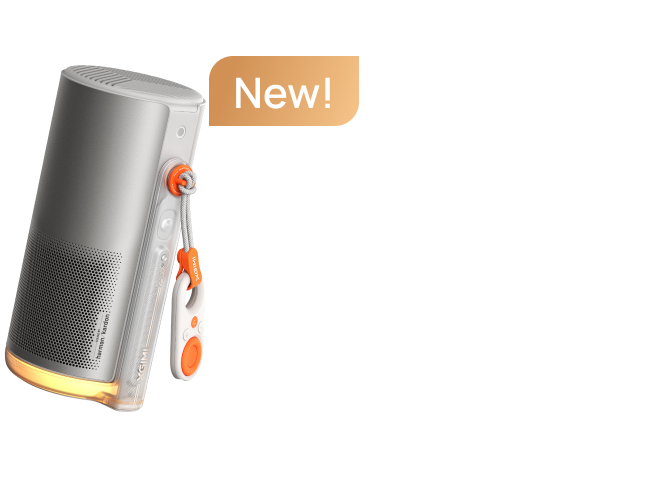
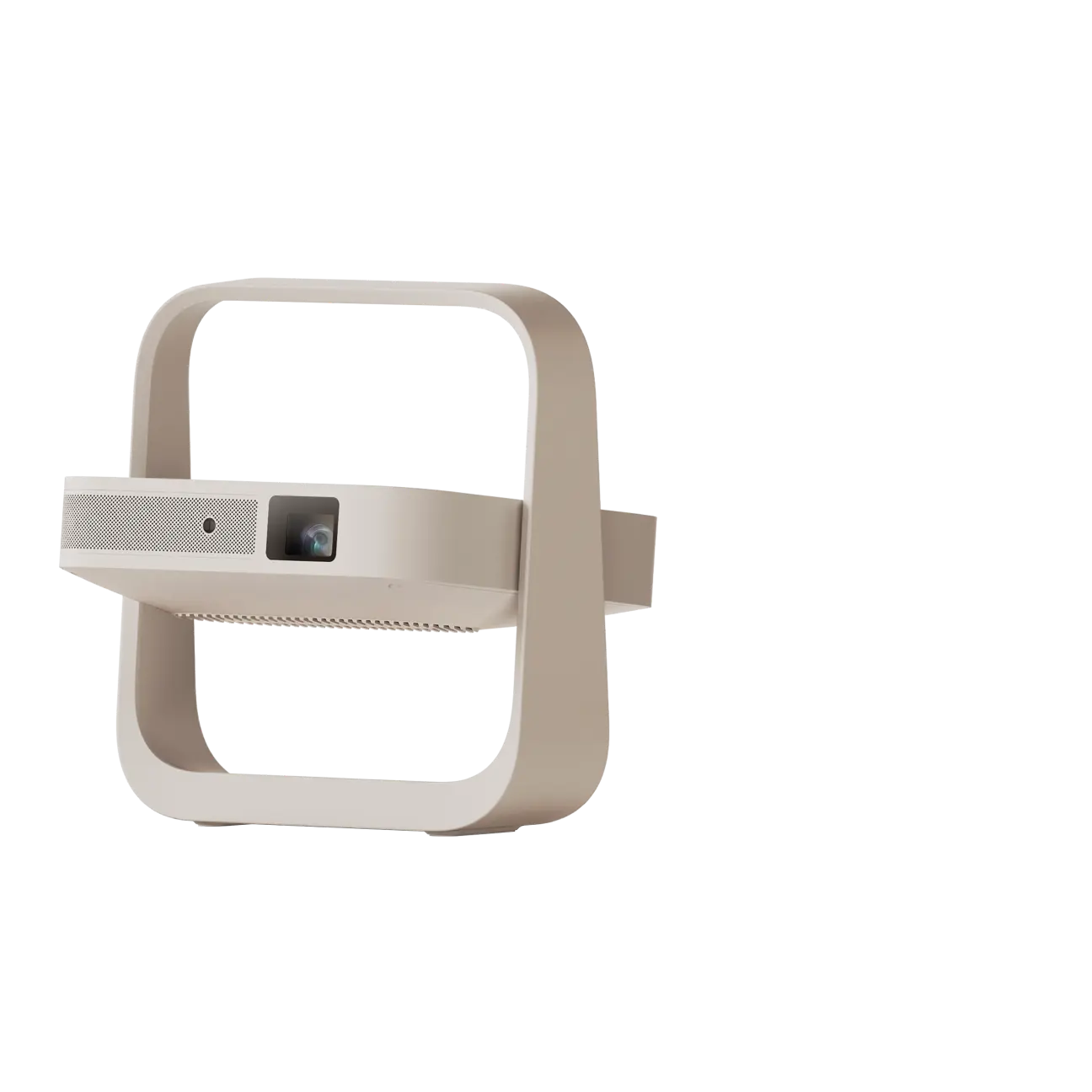
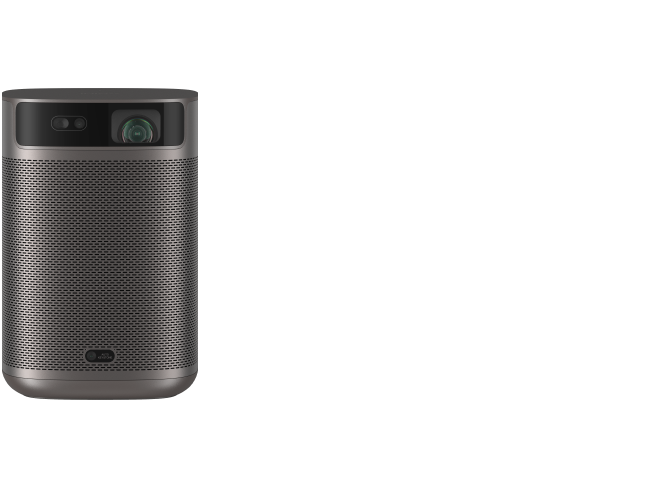
For XGIMI smart projectors like the HORIZON series or AURA models, enabling gaming mode and using a strong local connection often yields good results for wireless streaming. Check specific model settings in the projector menu for the lowest latency picture preset. For more on this topic, see XGIMI Highlights Smart Projection Breakthroughs at MWC 2026.

Common Troubleshooting and When Wireless May Not Be Ideal
If you experience frequent stuttering, first verify signal strength and channel congestion using a Wi-Fi analyzer app. Restarting the router and ensuring devices are close enough to maintain a strong link often helps.
Controller lag that feels inconsistent usually points to network jitter rather than the app itself. In such cases, switching to a wired Ethernet connection for the PC (or even the projector if feasible) frequently resolves the issue.
Do not rely on wireless projector gaming if your room has unreliable Wi-Fi with no easy Ethernet option, you primarily play fast-twitch competitive games, or the projector lacks any low-latency mode. Slow-paced or single-player games are far more forgiving of minor delays than competitive multiplayer titles.
A scenario matrix helps visualize fit: good setups feature Ethernet to the PC, gaming mode enabled, and strong Wi-Fi 6; borderline setups are fully wireless but with a nearby router and light network load; poor setups involve weak signals, high congestion, or no gaming mode. If you cannot control the network path, manage expectations or consider wired alternatives for the best experience.
Heuristic Thresholds for Wireless PC Game Streaming to a Smart Projector
Heuristic thresholds only: lower is better for latency and lag, higher is better for Wi‑Fi stability. Values are normalized illustrative anchors, not lab measurements.
View chart data
| Category | Network latency | Projector input lag | Wi‑Fi stability |
|---|---|---|---|
| Good Setup | 10 | 15 | 80 |
| Borderline | 20 | 35 | 45 |
| Poor Setup | 45 | 55 | 90 |
Heuristic/practical thresholds synthesized from the provided threshold table and scenario matrix: good = ping under 20 ms, projector gaming-mode lag under 30 ms, Wi‑Fi 6 strong signal; borderline = 20–40 ms ping, 30–50 ms lag, Wi‑Fi 5; poor = above 40 ms ping, above 50 ms lag, unstable Wi‑Fi. This chart is for relative illustration only and does not claim measured performance.
Choosing the Right Smart Projector for Gaming Streaming
Look for projectors with low input lag, support for high refresh rates, and gaming-specific modes. Features like HDMI 2.1, variable refresh rate, or automatic low-latency switching improve the experience significantly. For more on this topic, see Does HDMI 2.1 Really Matter for Projector Gaming? A Technical Break.... For more on this topic, see 120Hz Projectors: Do You Need High Refresh Rate for Gaming?.
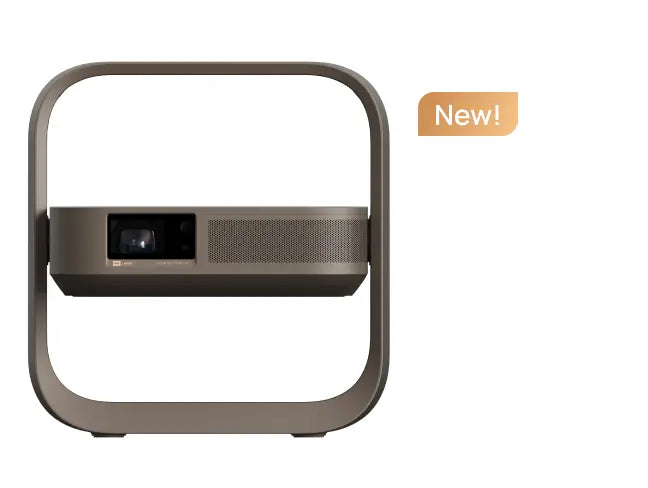
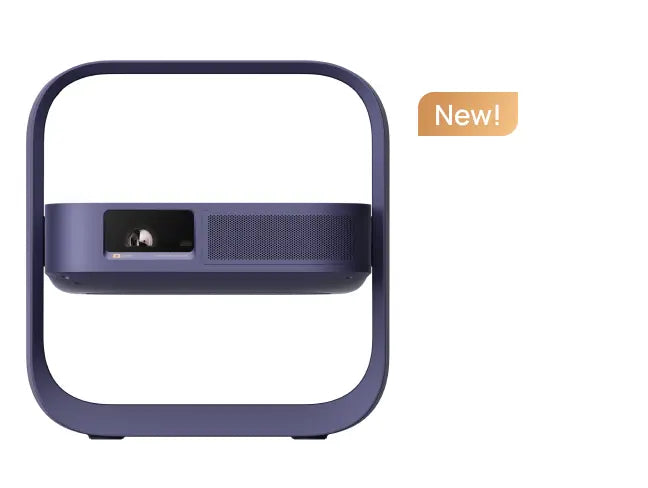
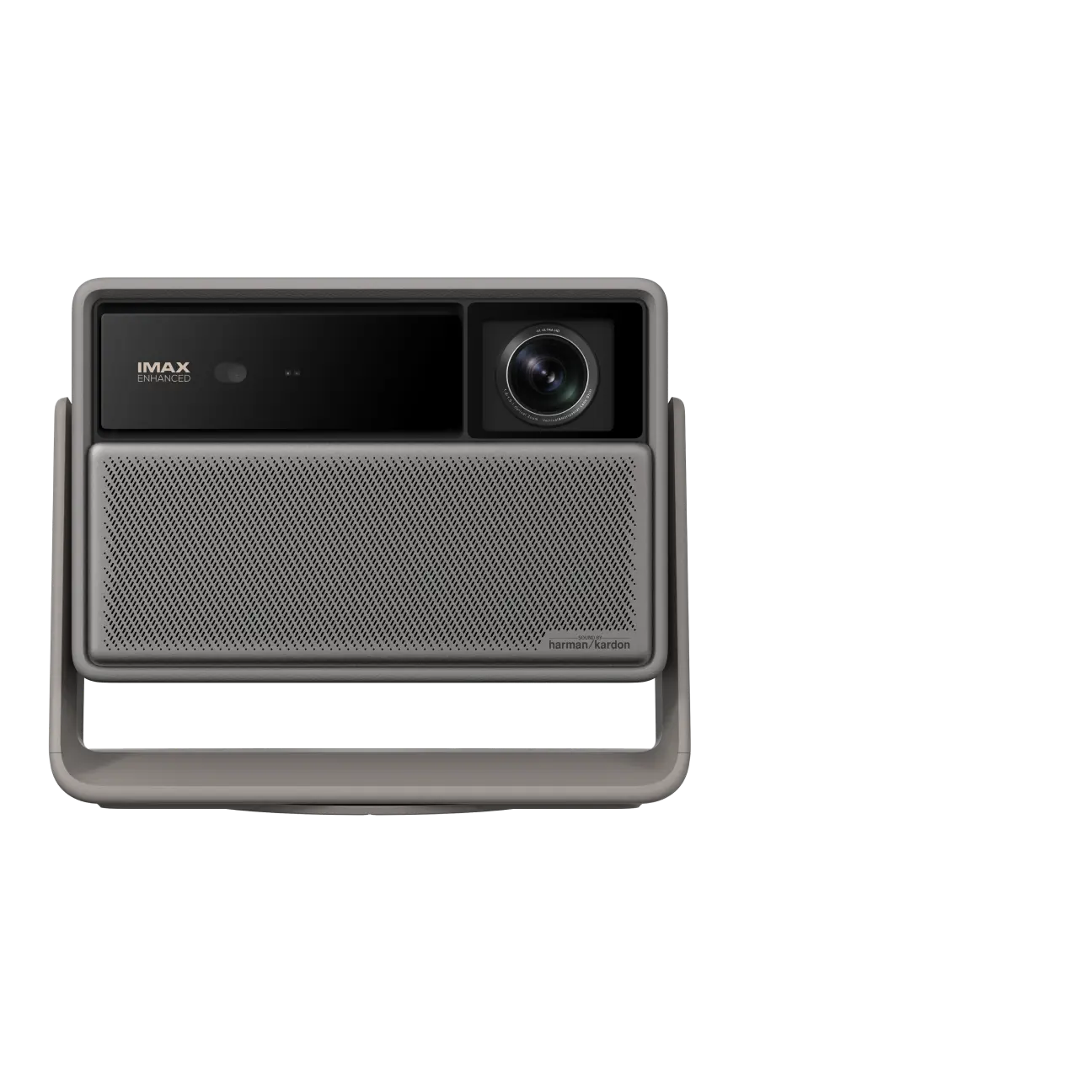
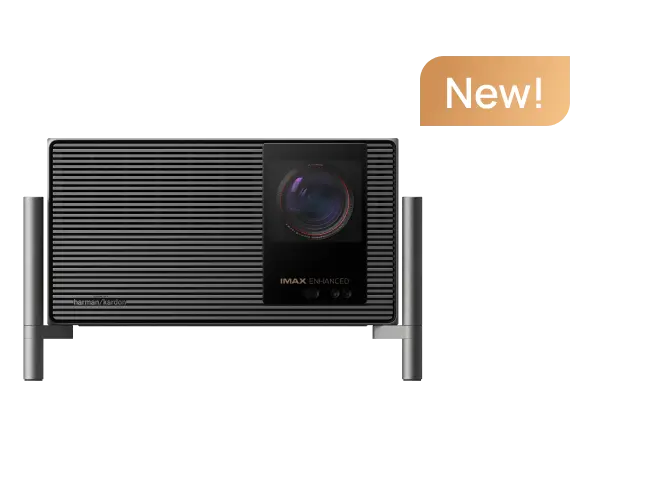
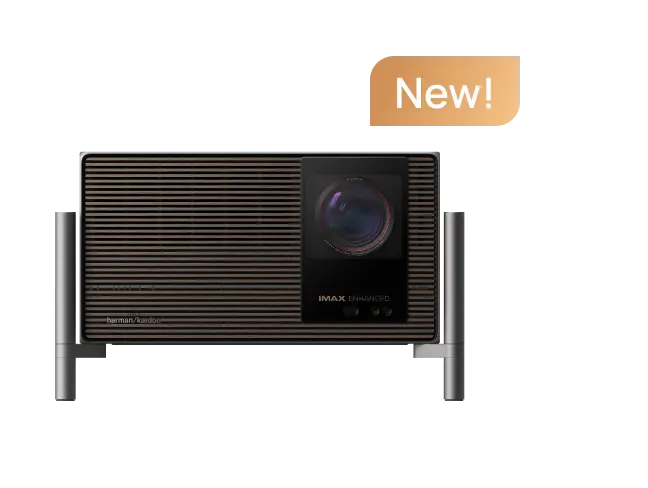
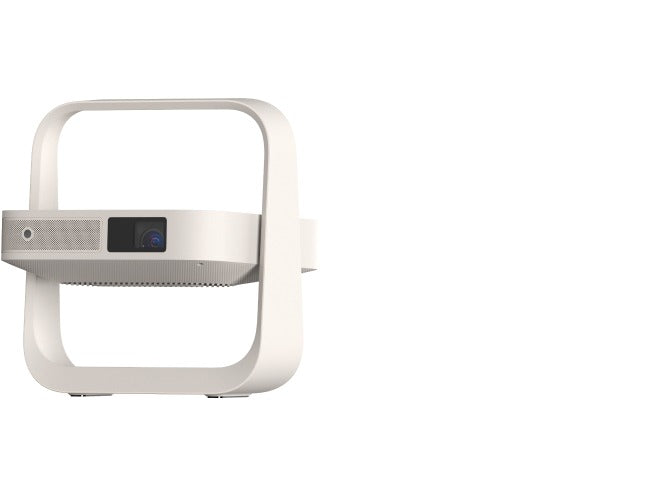
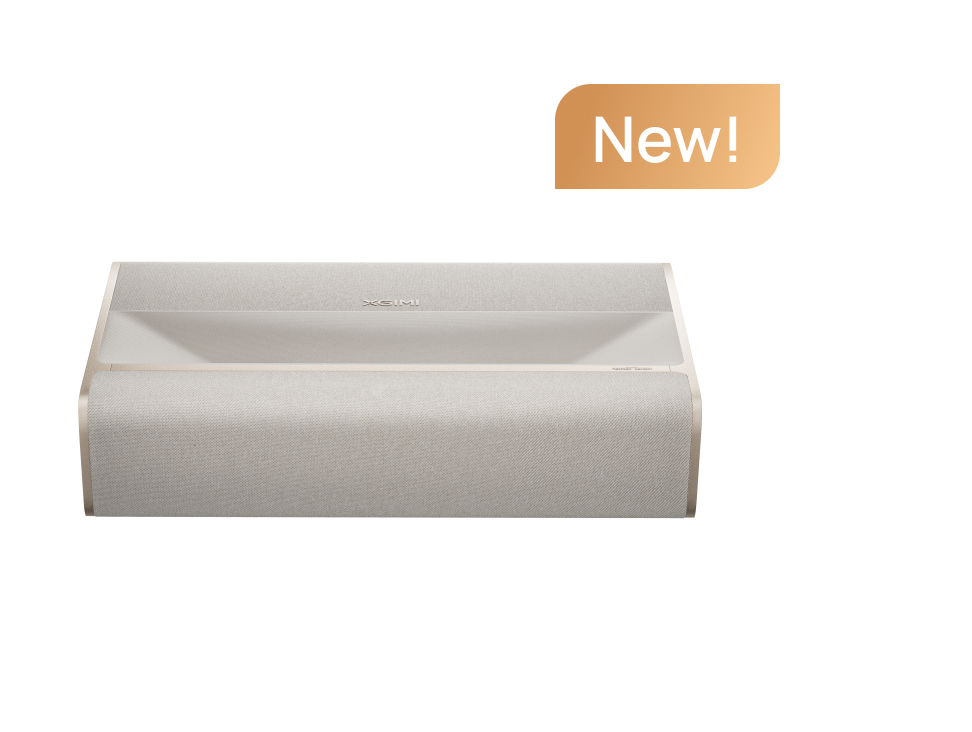
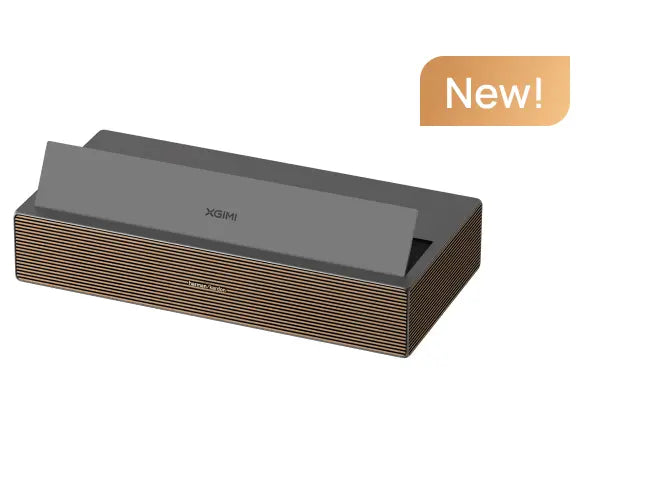
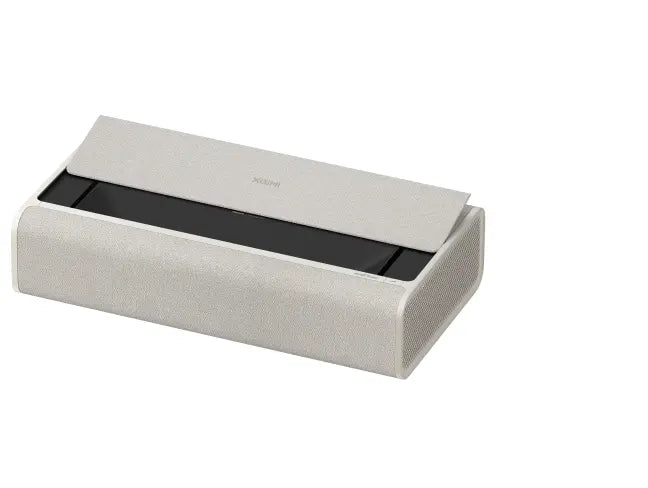
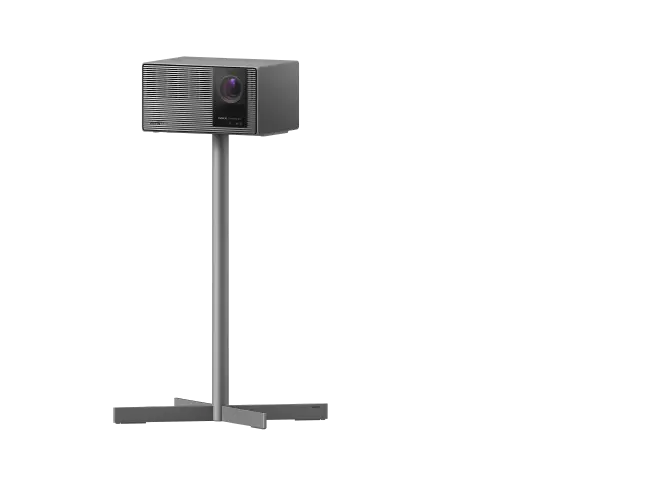
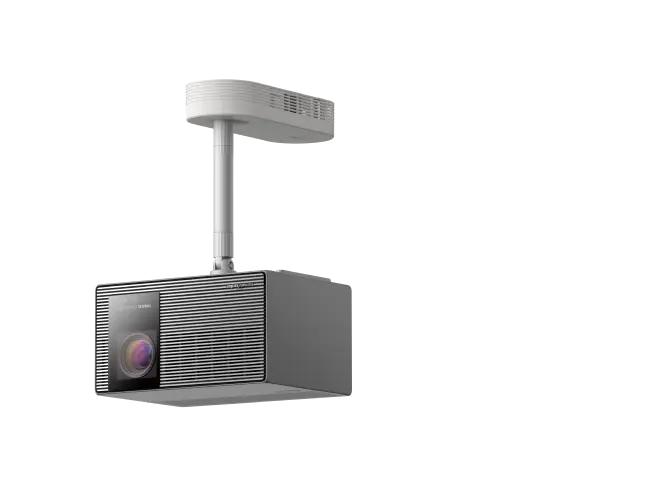
XGIMI's HORIZON Ultra and AURA 2 offer strong brightness, smart features, and low-latency options suitable for both movies and gaming. The HORIZON S Pro and other models in the HORIZON series also provide flexible placement and good picture quality for living-room setups.
For more options, explore the 4K Projectors collection or Home Projectors to find models that match your room size and brightness needs.
Additional reading on why low input lag matters for projectors and best low latency projectors can help refine your choice.
Final Thoughts on Wireless Projector Gaming
Wireless streaming from your gaming PC to a smart projector can deliver an excellent living-room experience when your network and devices align. Start with a strong Wi-Fi 6 setup, enable gaming modes, and test both Moonlight and Steam Remote Play to see which performs best in your environment.
Results vary by home layout, game type, and tolerance for minor imperfections. Many users find the convenience worth the setup effort for relaxed couch sessions, while others may prefer wired connections for the most demanding competitive play. Experiment, measure your actual ping and perceived lag, and adjust incrementally for the best results in your specific space.
This article discusses comfort and setup advice for entertainment purposes only. It does not constitute technical support or hardware recommendations tailored to individual network conditions. Test thoroughly in your own environment and consult professional networking advice if experiencing persistent issues.


