



The Short Answer: Projectors Win on Size and Value — With One Honest Condition
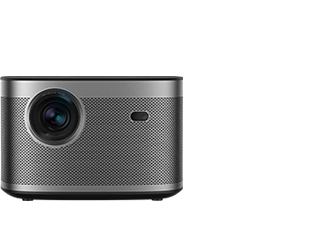
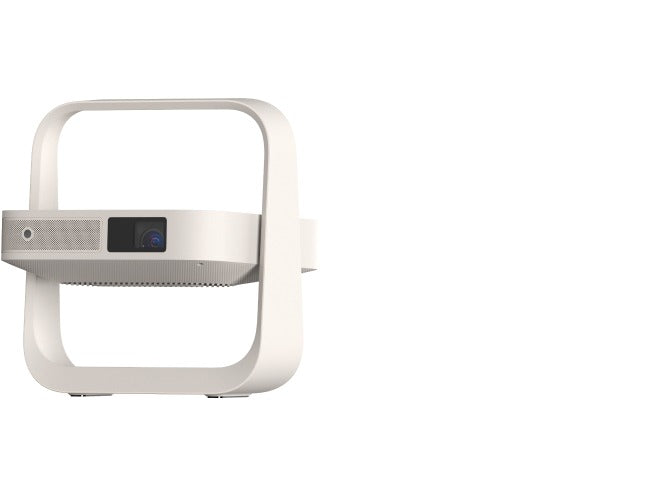
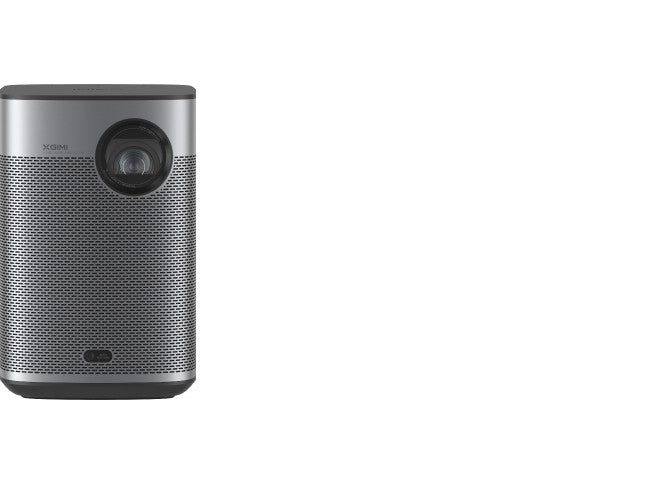
If you're comparing a 4K smart projector against an 85-inch TV and your primary goals are screen size, long-term value, and setup flexibility, the projector wins on all three counts — provided you can manage ambient light at least part of the time. A mainstream 85-inch 4K TV runs roughly $1,000–$2,500 at retail and is permanently fixed at 85 inches. The HORIZON 20 Max 4K projector costs less than most premium 85-inch TVs and projects up to 300 inches. The cost-per-inch math is not close.
The honest condition: direct sunlight on the screen will wash out even high-lumen projectors unless paired with an ambient light rejecting screen. If your living room has floor-to-ceiling south-facing windows with no blackout option, a TV is the more practical choice. For everyone else, read on.

The Cost-Per-Inch Math That TV Ads Don't Show You
The most underreported dimension in this comparison is cost-per-viewable-inch — and the gap is staggering once you run the numbers at equivalent screen sizes.
| Screen Size | 85" TV (est. $1,800 mid-range) | HORIZON 20 (est. $1,099) | HORIZON 20 Max (est. $1,699) |
|---|---|---|---|
| 85 inches | ~$21/inch | ~$13/inch | ~$20/inch |
| 100 inches | Not possible | ~$11/inch | ~$17/inch |
| 120 inches | Not possible | ~$9/inch | ~$14/inch |
| 150 inches | Not possible | ~$7/inch | ~$11/inch |
Logic Summary: Prices are approximate retail estimates based on market data from Tom's Guide and XGIMI's US store. The projector's cost-per-inch advantage compounds as screen size increases because the projector price is fixed while the TV price would escalate sharply — a 100-inch TV typically costs $3,000–$6,000+. This heuristic breaks if 85-inch TV prices fall below $800 at retail, which should trigger a re-evaluation per the article's update conditions.
An 85-inch TV diagonal translates to roughly 74 inches wide. A 120-inch projected image is approximately 105 inches wide — that's 42% more horizontal real estate at a lower total cost. At 150 inches, you're watching on a surface nearly the width of a standard garage door. No TV at any price point can match that.

Why Your Eyes Feel Better After a 3-Hour Movie on a Projector
This is the dimension most comparison articles skip entirely. The mechanism matters: projectors use reflected diffuse light — the same principle as reading from a printed page. Your eyes receive light that has bounced off a matte surface, which distributes it more evenly across the retina. LCD and OLED TVs emit direct light straight at your eyes from a backlit or self-emissive panel.
Research published in PMC/NIH defines Digital Eye Strain (DES) as a clinical syndrome characterized by eye fatigue, dryness, irritation, and blurred vision — symptoms that correlate with prolonged direct-emission screen use. The direct blue-light component of LCD/OLED panels is a documented contributor to DES.
It's worth noting that one comparative study found micro-projectors specifically (low-brightness, close-viewing-distance units) did not outperform TVs on visual fatigue metrics — a reminder that projector quality matters. High-lumen home projectors used at proper viewing distances (8–15 feet) are a different category from a 400-lumen pocket device held close to your face.
XGIMI addresses this directly: ISA 5.0's Intelligent Obstacle Avoidance automatically dims or redirects the beam when it detects a person's face or eyes in the projection path. For families with children, this is a meaningful safety layer that no flat-panel TV offers. XGIMI's product literature explicitly positions reflected light and eye protection as core benefits for health-conscious users and parents.

The Installation Reality: One Person vs. a Two-Person Job With a Stud Finder
Installing an 85-inch TV is a project. According to Mount-It!'s installation data, 85-inch LED/LCD TVs weigh 90–120 lbs with stand — and the wall mount itself needs to be rated for at least 220 lbs of capacity. That means locating studs, drilling into walls, and typically requiring two adults to lift and hang the panel safely. For renters, this is often a lease violation. For anyone in an apartment with concrete walls, it requires specialized anchors and professional installation.
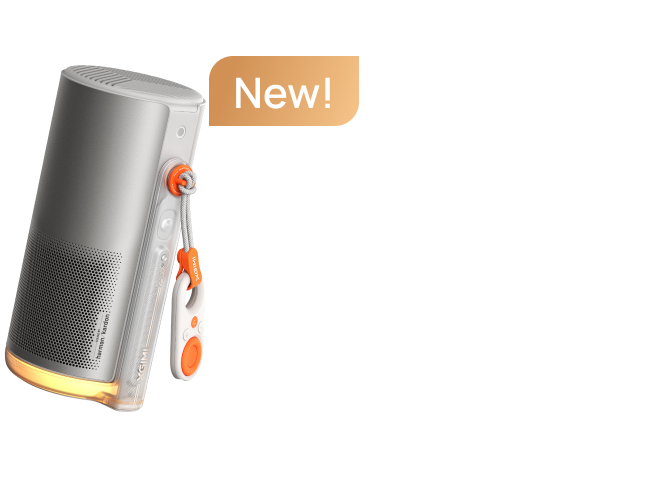
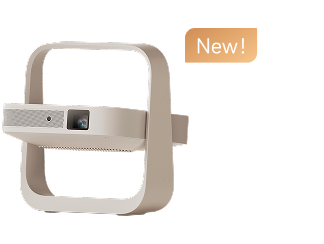
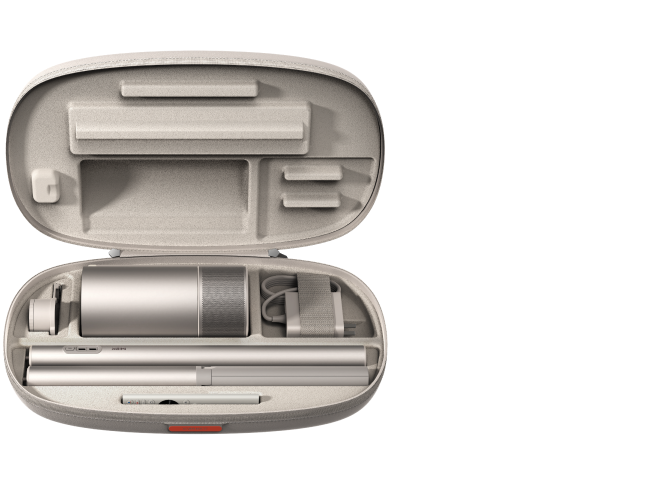
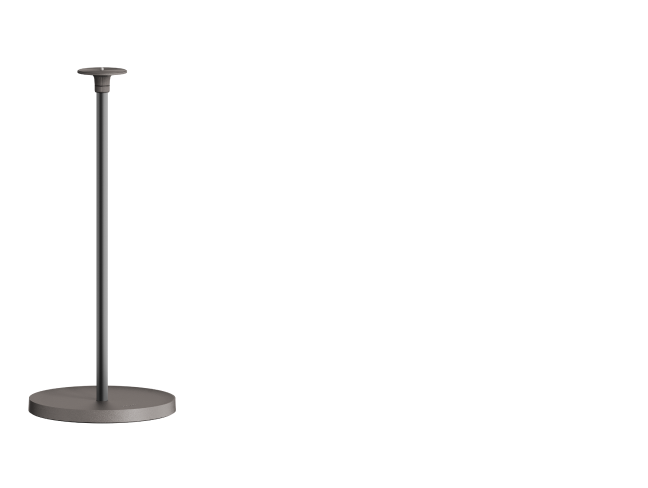
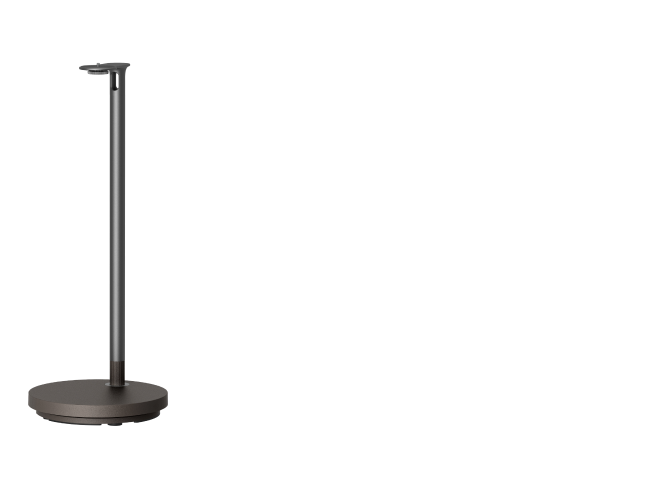
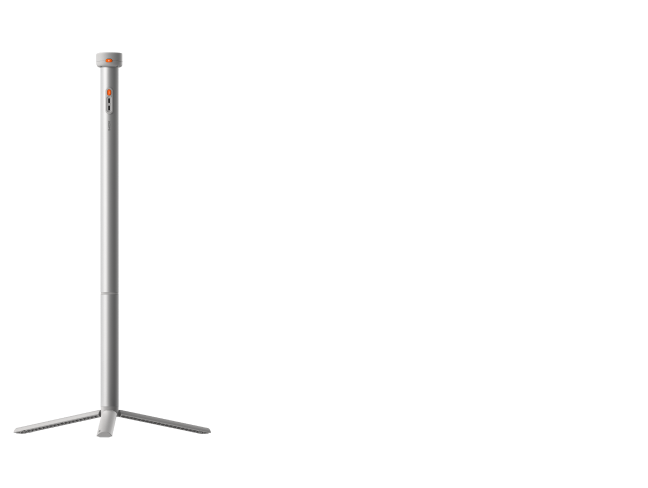
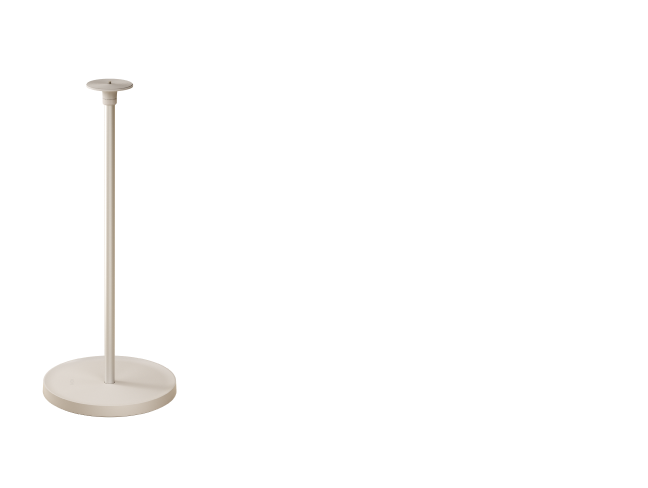
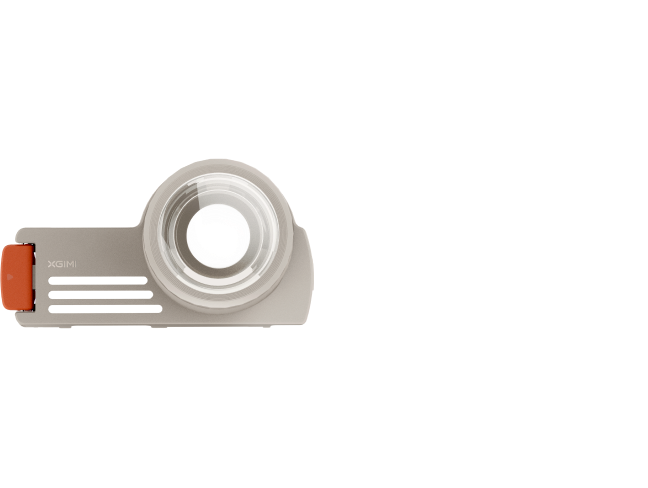
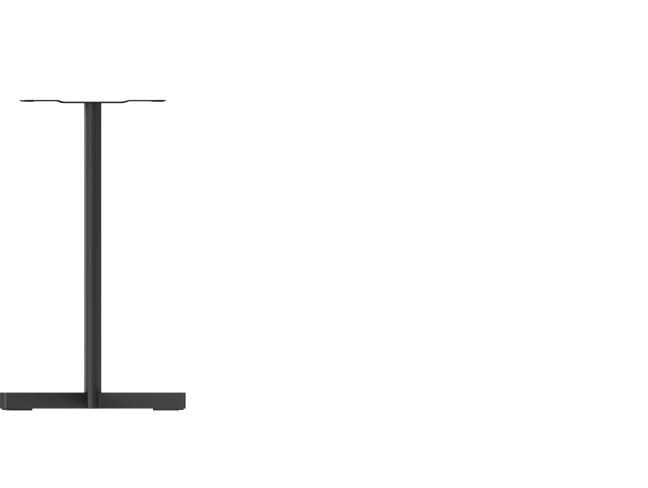
The XGIMI HORIZON 20 weighs 4.9 kg (about 11 lbs) and ships with a built-in adjustable stand. The HORIZON 20 Max weighs 5.4 kg. You place it on a shelf, coffee table, or credenza, power it on, and ISA 5.0 — using time-of-flight sensors — automatically corrects keystone distortion, locks focus, adapts to your wall color, and aligns the image to your surface. No drilling. No stud finder. No second person required. For more on this topic, see The Benefits of Using a Dedicated Projector Floor Stand Over a Coff....
For renters specifically, this is not a minor convenience — it's the difference between being able to have a large screen at all versus not. The setup process typically takes under five minutes from unboxing to watching. And when you move apartments, the projector moves with you in its original box.
The HORIZON 20 series also supports repositioning between rooms — living room for movie night, bedroom for a late-night session — something an 85-inch wall-mounted TV physically cannot do.
The Brightness Question: What "Daylight Viewing" Actually Requires
The most common objection to projectors is brightness, and it deserves an honest answer rather than marketing spin.
Standard projectors in the 1,500–2,000 ISO lumen range will look washed out in a living room with open blinds during the day. This is true, and it's why the product you choose matters enormously. The HORIZON 20 Max at 5,700 ISO Lumens (RGB Triple Laser) is a categorically different device from a 1,500-lumen LED projector. While it is true that ambient light washes out projected images quickly because it raises the screen's black level and reduces perceived contrast in projection systems, high-lumen models paired with blackout curtains or ALR screens close the gap substantially. For more on this topic, see Why Does My Projector Look Dim Even with High Lumens? Understanding.... For more on this topic, see Understanding Color Gamut: Why DCI-P3 Matters for Projector Image Q....
The practical framework for living-room buyers:
- Evening/night viewing with lights dimmed: Any HORIZON 20 series model performs excellently — 3,200 lumens (base HORIZON 20) is more than sufficient.
- Daytime with blinds partially closed: HORIZON 20 Pro (4,100 lumens) or HORIZON 20 Max (5,700 lumens) recommended.
- Daytime with windows open, no blackout option: Pair the HORIZON 20 Max with an ALR screen. The XGIMI 100" UST ALR screen provides 80% ambient light rejection and 1.4× brightness gain — a meaningful combination. Without this pairing, a TV is genuinely the better choice.
Evidence: XGIMI's support documentation (CL-07) states directly: "Direct sunlight on the screen washes out both [UST and standard throw projectors] unless you add an expensive ALR screen." This is the honest boundary condition for projector use.
One nuance most comparison articles miss: ceiling lights directly above the screen cause more image degradation than side-ambient light. If you can dim or redirect overhead lighting, you recover significant contrast even without blackout curtains.
The AURA 2 Option: A Projector That Lives Like a TV
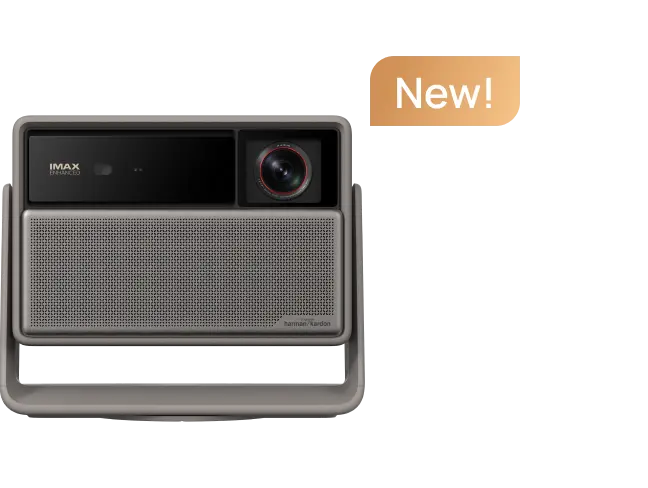
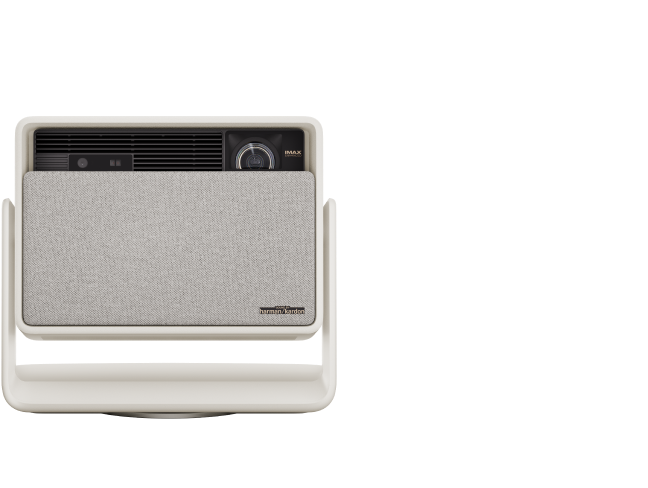
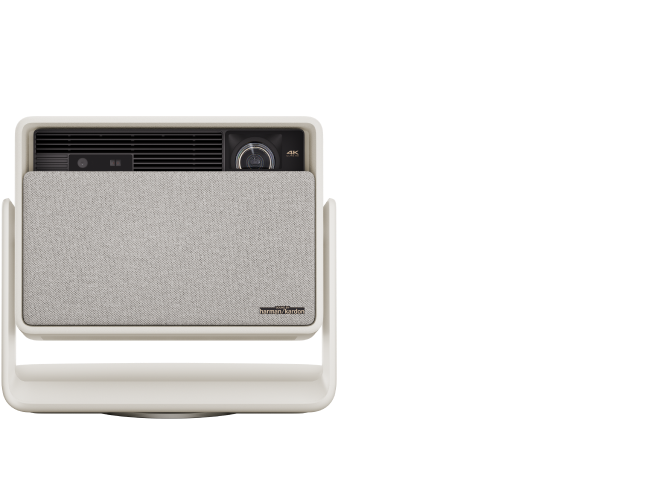
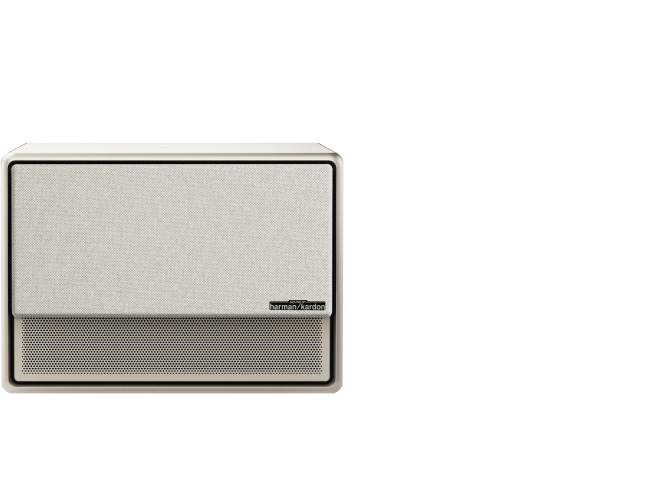
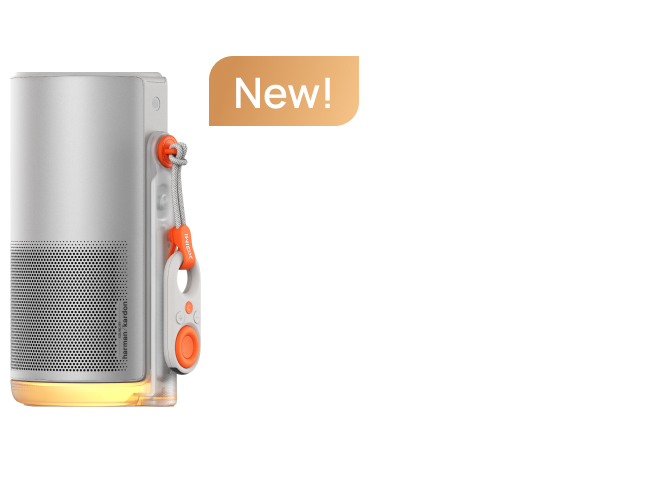
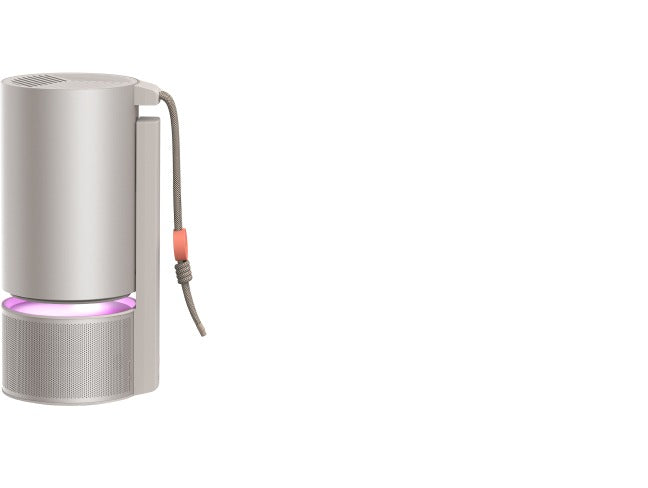
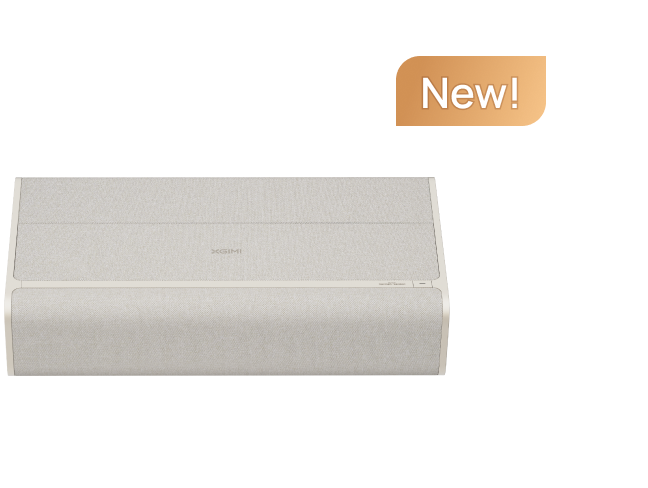
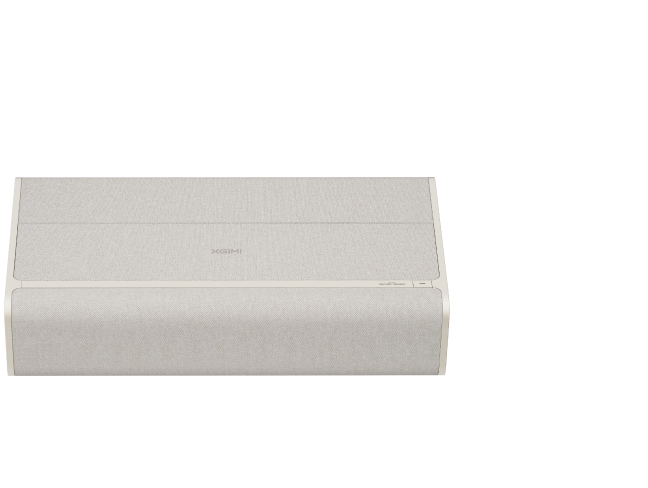
For buyers who want the projector-to-TV transition to feel seamless, the AURA 2 ultra-short-throw projector changes the equation. With a 0.177:1 throw ratio, it projects a 100-inch image from just 17.8 cm away — meaning it sits on your media console directly below the screen, exactly where a TV would sit. No ceiling mount, no long cable runs across the room, no throw-distance calculations.
It runs Google TV with licensed Netflix, supports 10,000+ apps, and delivers 4K (via XPR pixel shifting) with Dolby Atmos audio from its 4×15W Harman Kardon speaker array. For a living room TV replacement that doesn't look or feel like a "projector setup," this is the most direct comparison point.
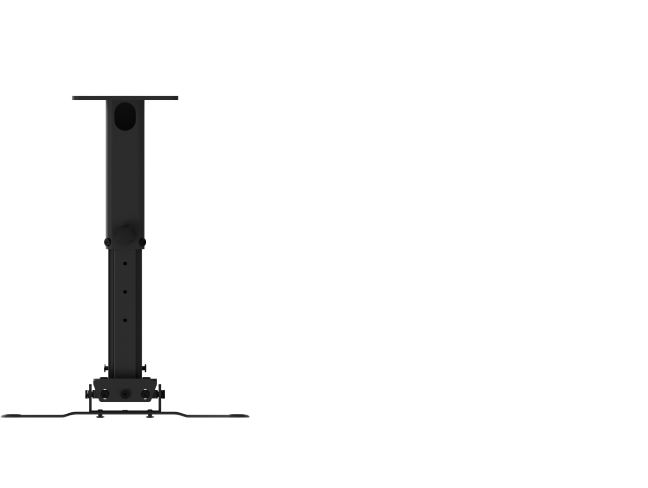
The honest caveats: the AURA 2 performs best with a flat, rigid UST ALR screen — wall projection causes wavy distortion because UST optics shoot upward at a sharp angle that magnifies any surface imperfection. A proper UST ALR screen adds $500–$800 to the total cost. And the AURA 2 is not suitable for ceiling mounting; its cooling system and projection angle are optimized for tabletop use.
Matching the Right Projector to Your Actual Room
Not every projector is the right TV replacement. Here's how to think through the decision based on your specific situation:
You have a living room with moderate ambient light and want 100–150" of screen: The HORIZON 20 Max is the strongest fit. Its 5,700 ISO lumen output handles partially lit rooms without requiring full blackout. The auto wall-color correction handles beige or off-white walls reasonably well, though a matte white or gray surface always produces better results.
You want the simplest possible TV-replacement experience without ceiling mounts: The AURA 2 sits on furniture like a TV, projects 90–150 inches, and runs the same Google TV interface. Budget for the ALR screen — it's not optional for good results.
You're a first-time projector buyer replacing a 65–85" TV on a tighter budget: The HORIZON 20 smart projector at 3,200 ISO lumens is the entry point. It handles evening family viewing excellently and delivers 4K at a price point below most 85-inch TVs. For daytime use, add blackout curtains before investing in an ALR screen.
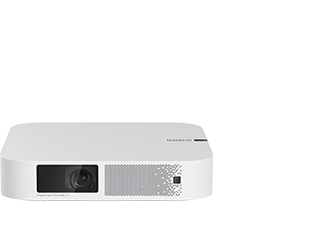
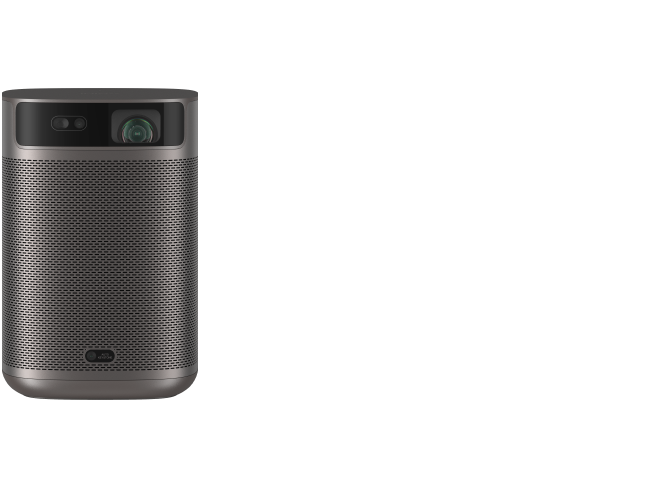
You prioritize motion handling for sports: The HORIZON 20 Pro (4,100 lumens) or HORIZON S Max (IMAX Enhanced, 3,100 lumens) are better fits than the base model. The HORIZON S Max has a single HDMI port — factor in an HDMI switch if you run multiple devices.
Five Objections Worth Addressing Honestly
"Projectors need a dedicated dark room." Modern laser projectors at 3,000+ ISO lumens do not require a dedicated theater room. They require manageable ambient light — blackout curtains in a living room are sufficient for most use cases. A dedicated dark room produces the best results, but it's not a prerequisite.
"Setup is too complicated." ISA 5.0 handles auto-keystone, autofocus, wall-color correction, and obstacle avoidance automatically, requiring no manual calibration for most placements. The one real limitation: ISA handles up to 40° vertical and 30° horizontal keystone correction — beyond that, you need to physically reposition the unit.
"TVs have better black levels." This is true for OLED TVs specifically, and it's worth acknowledging. In a bright room, a projector's black levels will look gray rather than true black. In a controlled or dim environment, the difference narrows considerably. If perfect black levels in a bright room are your top priority, an OLED TV is the honest recommendation.
"4K resolution isn't real on projectors." The HORIZON 20 series achieves 4K (3840×2160) via XPR pixel shifting, not a native 4K panel. In practice, the visual difference between XPR 4K and native 4K is not perceptible at normal viewing distances (10+ feet). This is a technical distinction worth knowing, not a meaningful image quality limitation for living-room use.
"I'll need an expensive screen." For standard throw projectors on a smooth matte white wall, no screen is required — the wall works well for casual use. A dedicated screen improves contrast and color accuracy, but it's an upgrade, not a day-one requirement. The AURA 2 UST is the exception: it genuinely needs a flat rigid screen for good results.
Who Should Still Buy the 85-Inch TV
This article argues for projectors, but intellectual honesty requires naming the scenarios where a TV wins:
- Permanently bright rooms with no blackout option — south-facing rooms with floor-to-ceiling windows and no curtain rail. Even 5,700 lumens won't overcome direct sunlight without an ALR screen.
- OLED buyers prioritizing contrast in bright rooms — OLED's infinite contrast ratio and self-emissive pixels genuinely outperform projectors in bright-room black levels.
- Users who want zero setup friction — a TV is plug-and-play with no ambient light considerations. If you want to turn it on and never think about it, that simplicity has real value.
- Competitive gamers — the HORIZON 20 offers 1ms input lag at 1080p/240Hz, but competitive FPS players typically want a dedicated gaming monitor, not a large projection surface.
Finding Your Setup: A Quick Self-Check
Before committing to either category, answer these three questions:
- Can you dim or block ambient light for at least evening viewing? If yes, a projector works well. If no (permanently bright room, no curtain option), lean toward a TV.
- Is your wall smooth and matte white or light gray? If yes, you can start projecting without a screen purchase. If no (textured, beige, or colored walls), budget $150–$800 for a portable screen or ALR screen depending on your setup.
- Do you want to move the display between rooms or take it to a new apartment? If yes, a projector is the only practical answer. An 85-inch TV wall-mount installation is a permanent commitment.
For a deeper dive into screen selection for your specific room, refer to XGIMI's various online guides to choosing a home projector and understanding UST versus standard throw.


