





When your projector shows colors that look dull, muted, or not quite as vibrant as in the theater, the culprit is often the color gamut. A wider gamut like DCI-P3 can deliver richer, more cinematic hues compared to the older Rec.709 standard, but only when the rest of the projector and your setup support it. Understanding these specs helps you cut through marketing numbers and choose a model that actually improves what you see on screen.

Color gamut refers to the total range of colors a projector can reproduce. It depends on the light source, color filters or lasers, and processing. A device with a narrow gamut reproduces fewer distinct shades, while one with a wide gamut can show more saturated and nuanced tones that match modern film mastering.
What Is Color Gamut and Why Does It Matter for Projectors?
A color gamut defines the boundaries of colors a display or projector can create from its primary red, green, and blue light. As explained in official digitization guidelines, the gamut is narrower or wider depending on the device's primaries and processing. In projectors, this directly affects how lifelike skin tones, landscapes, or animated scenes appear.
Many people notice washed-out colors on a new projector even when brightness and resolution look impressive. This often happens because the projector falls short on reproducing the colors the content was mastered in. For everyday streaming and older TV shows, the long-standing baseline is Rec.709. This standard covers the colors used in most non-HDR HDTV and broadcast content, making full Rec.709 coverage sufficient for typical SDR viewing. For more on this topic, see Projector Brightness Standards and Measurement: A Comprehensive Ref.... For more on this topic, see Projector Throw Ratio Explained: Standard vs. Short Throw vs. Ultra....
DCI-P3, on the other hand, is a wider, cinema-oriented color gamut than Rec.709. It was developed for digital cinema and has become the reference for many UHD Blu-rays and HDR streaming titles. A projector that covers a high percentage of DCI-P3 can display more of the saturated reds, deep greens, and vibrant cyans that filmmakers intend, making images look more vivid and three-dimensional when conditions allow.
Rec.709 vs DCI-P3: Key Differences Explained
Rec.709 remains the practical target for standard dynamic range content. Most streaming services and broadcast material are mastered to this space, so a projector that fully covers Rec.709 will usually render those colors accurately without obvious gaps.
DCI-P3 expands the range significantly, particularly in the red and green areas. This wider coverage helps projectors reproduce more of the colors found in modern HDR and UHD movie mastering. However, as noted in projector buying guidance, wide-gamut support can help only when the projector also delivers enough brightness, contrast, and accurate tone mapping.
Two projectors with similar brightness can still look different if one covers more of the target color gamut. The one with stronger DCI-P3 performance often feels more cinematic in dark-room movie sessions, while the Rec.709-focused model may perform better for bright-room casual viewing where extra saturation is less visible.

Common Reasons Projector Colors Look Washed Out
High resolution alone does not guarantee great color. A high-resolution projector can still look washed out if brightness, contrast, or calibration are off. Weak contrast makes colors appear flat because dark areas lift and bright areas lose punch. Insufficient brightness in a lit room also reduces perceived saturation, even on a model advertising wide gamut.
Poor factory calibration or aggressive digital processing can shift hues unnaturally. In addition, mismatched source content plays a role. If you feed an SDR-only title into a projector set for wide gamut without proper tone mapping, the image may look desaturated or overly vibrant in the wrong places.
When DCI-P3 Coverage Actually Improves Your Viewing Experience
DCI-P3 coverage is a useful screening spec, not a stand-alone verdict on image quality. It matters most for HDR and cinematic playback in controlled lighting. In dark-room movie setups with HDR content, higher DCI-P3 percentages often translate into visibly richer colors and better separation between hues.
For casual streaming or sports in brighter rooms, full Rec.709 coverage is usually enough. Extra DCI-P3 headroom provides diminishing returns when ambient light washes out the deeper colors anyway. This is why the decision framework depends on your primary content and environment.
Here is an illustrative chart showing typical relative coverage across standards. These are representative midpoint values based on common industry reporting; actual performance varies by model and must be weighed with brightness and contrast.
Rec.709 vs DCI-P3 in Projectors: Typical Color Coverage
Illustrative typical color-gamut coverage for projector comparisons; use as a relative guide, not a lab benchmark.
View chart data
| Category | Coverage vs Rec.709 (%) | Coverage vs DCI-P3 (%) |
|---|---|---|
| Rec.709 standard | 100.0 | 72.0 |
| Typical projector claim | 110.0 | 79.0 |
| DCI-P3 standard | 85.0 | 90.0 |
Illustrative bounded chart based on writer evidence: Rec.709 is the SDR baseline (~100% coverage by definition in many references); typical projectors often claim about 90-120% of Rec.709 and about 80-95% of DCI-P3. Values are midpoint-style illustrative figures, not measured test results. Read together with brightness/contrast and room conditions; gamut is only one part of image quality.
How to Compare Projector Color Performance Before Buying
Color performance is often reported as a percentage of a target gamut such as Rec.709 or DCI-P3, but those percentages should be interpreted alongside brightness and calibration context. Use this practical checklist when reading spec sheets:
- Identify your main content type. If you mostly stream SDR shows and sports, prioritize strong Rec.709 coverage first.
- For HDR movies and UHD content, look at DCI-P3 percentage next, ideally 85% or higher on premium models.
- Check claimed brightness in your intended environment. A wide-gamut projector in a bright room may not show its advantage if output drops too low.
- Review contrast ratio and available calibration options. Good contrast preserves color depth; factory calibration helps the numbers translate into accurate pictures.
- Consider real-world reviews that test color accuracy in both SDR and HDR modes rather than relying on marketing percentages alone.
Rec.709 is usually enough for SDR viewing; wider gamut matters more for HDR and cinematic playback. Always weigh gamut claims against the full picture of the projector's performance. For more on this topic, see How Much Does Viewing Distance Actually Matter for Perceiving 4K De....
DCI-P3 and HDR: Better Together for Cinematic Results
Modern HDR content is mastered with wider color in mind, often targeting DCI-P3 or even BT.2020. Projectors that support HDR formats and deliver solid DCI-P3 coverage can better preserve the director's intended look. This combination often results in more natural skin tones, richer foliage, and deeper ocean blues that make movies feel closer to theatrical quality.
However, HDR performance also depends heavily on peak brightness and dynamic tone mapping. A projector with modest brightness may clip highlights or crush shadow detail even with excellent gamut numbers, reducing the perceived benefit of wide color.
For more on how HDR works with projectors, explore our guide to Everything You Need to Know About HDR.
Buying Guidance: Should You Prioritize DCI-P3 Coverage?
DCI-P3 coverage is especially relevant for projector shoppers comparing cinema-oriented models. If your room allows light control and you watch a lot of movies, models claiming 90%+ DCI-P3 often deliver a more engaging experience when paired with strong brightness and contrast.
In brighter living rooms or for general TV use, a well-implemented Rec.709 projector with excellent contrast may look more pleasing overall. The best approach is to treat gamut as one important factor within a balanced set of specifications.
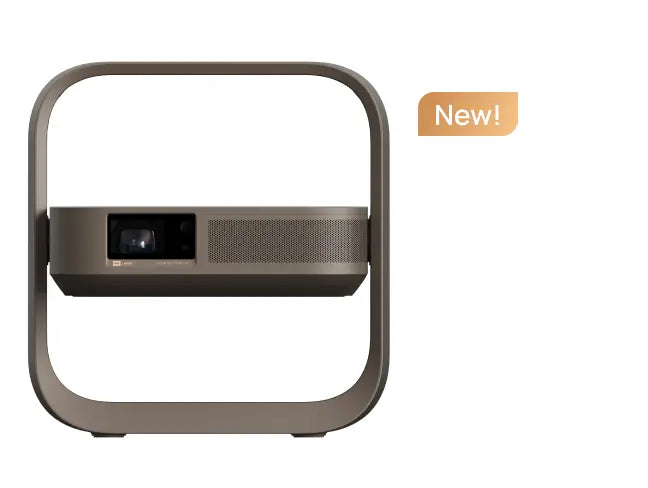
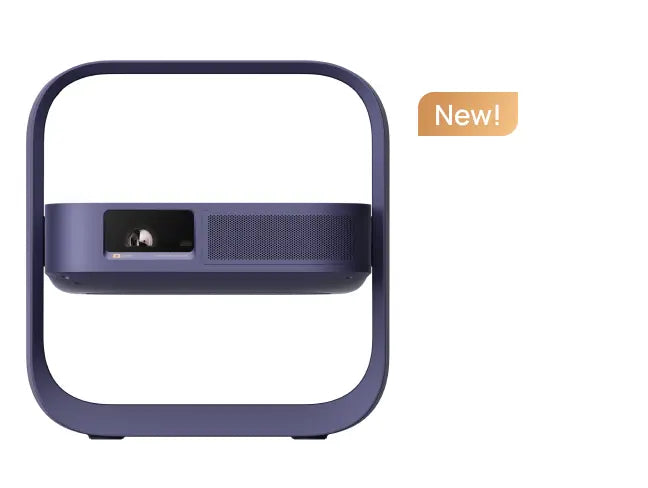
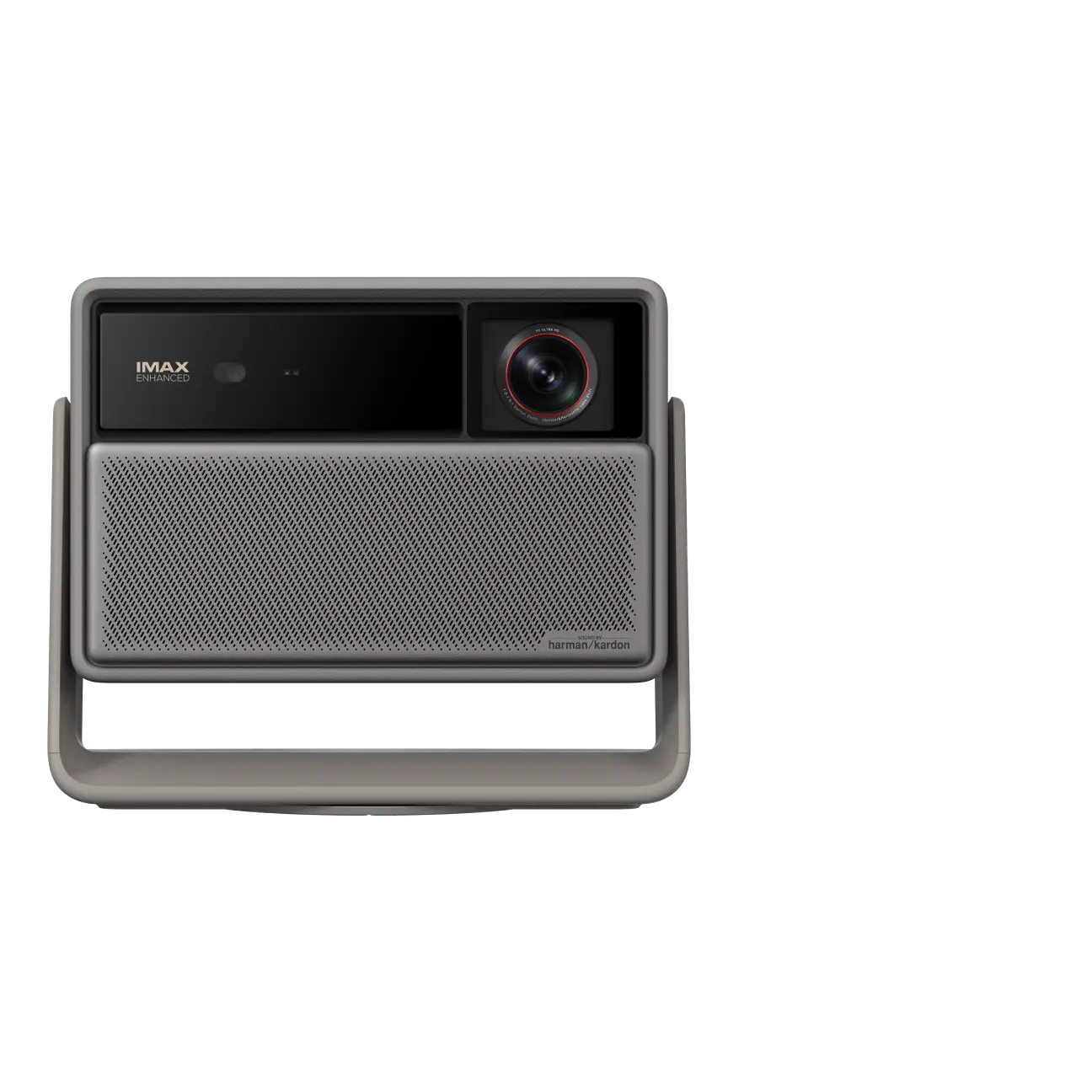
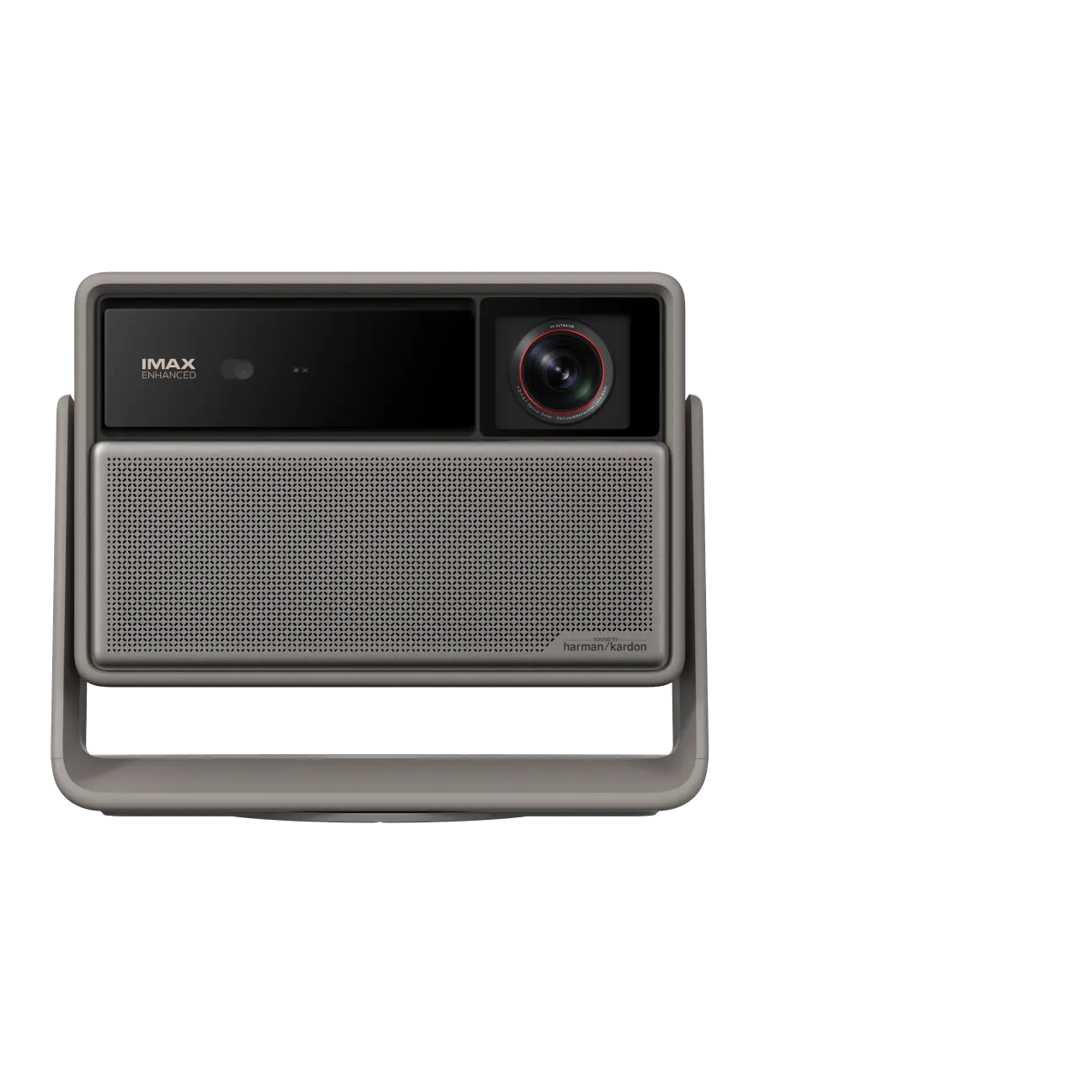
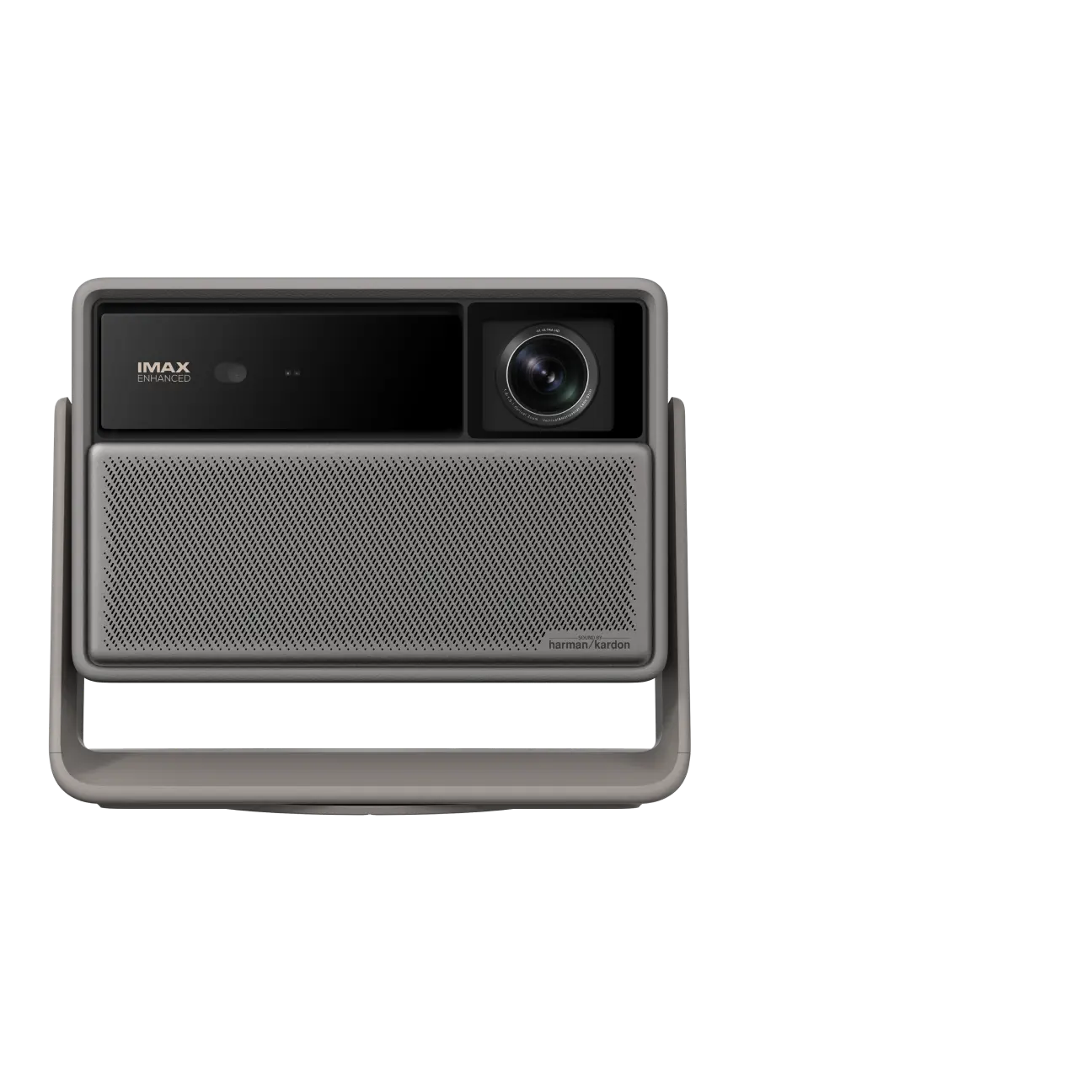
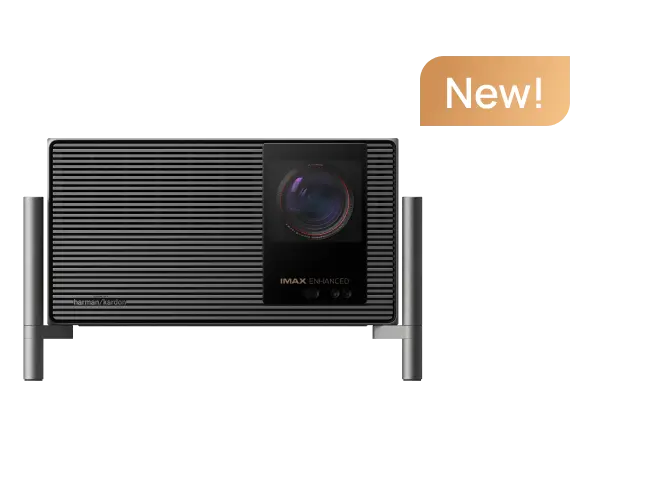
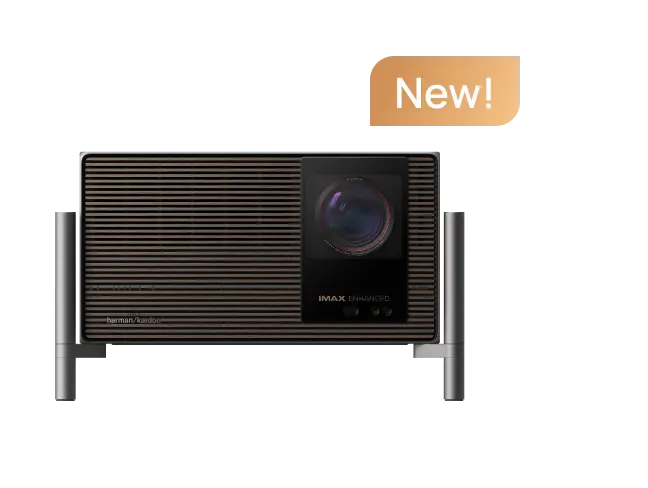
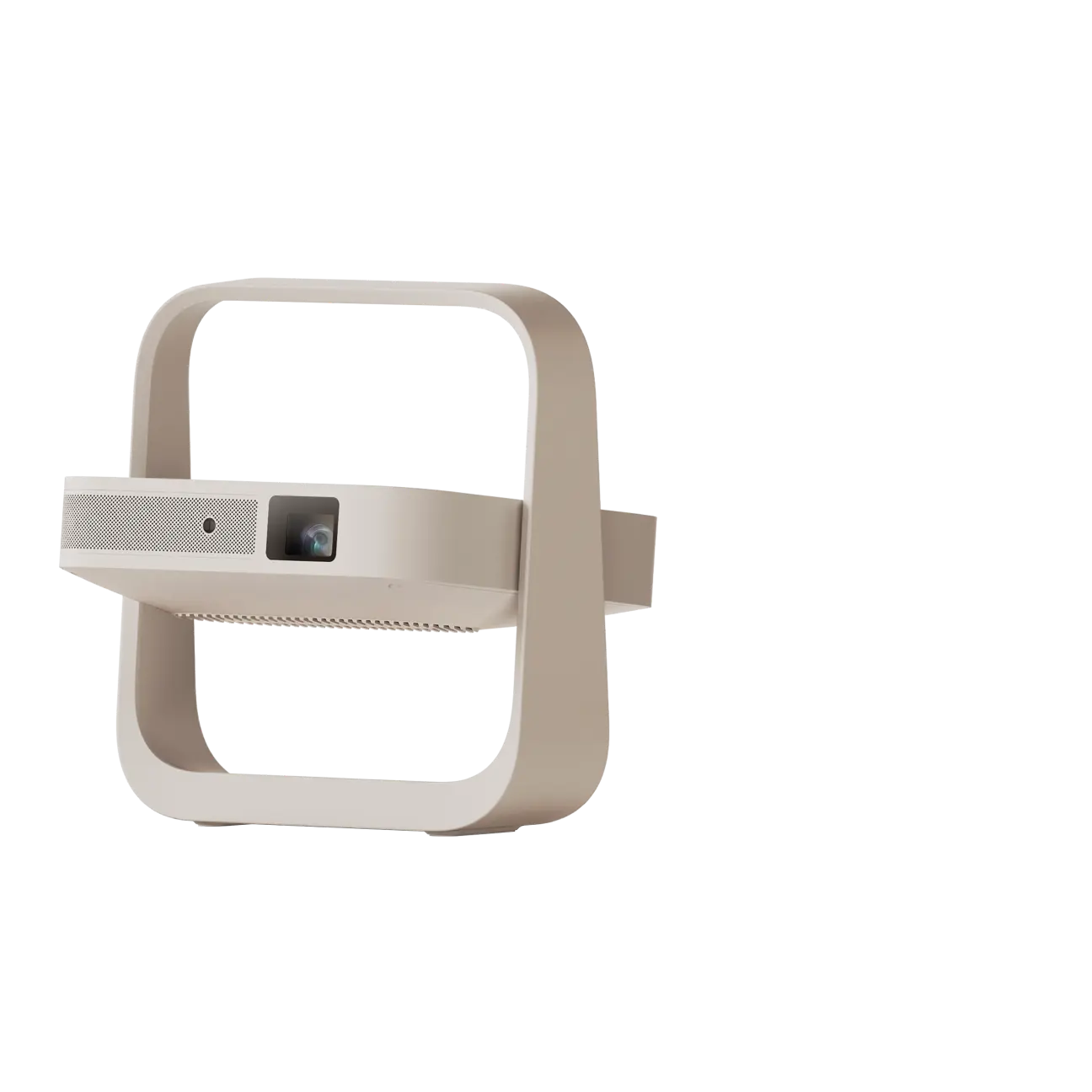
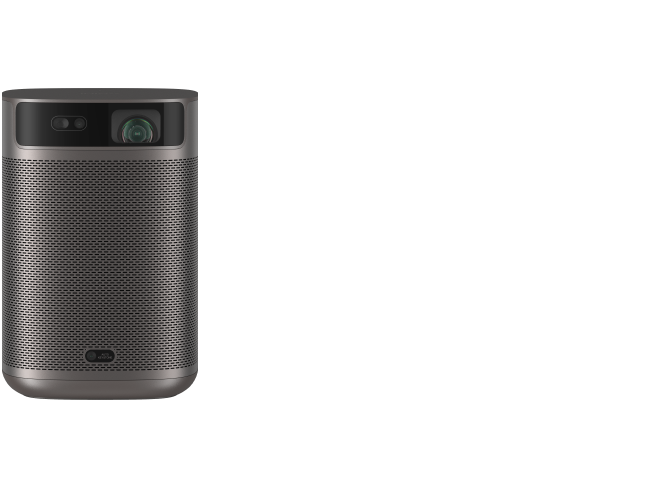
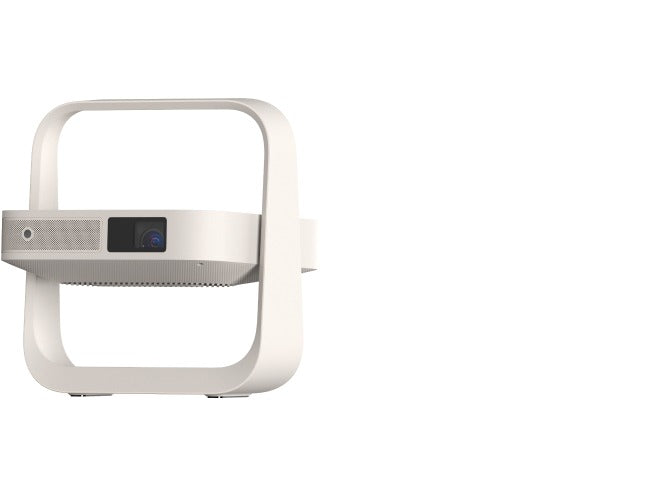
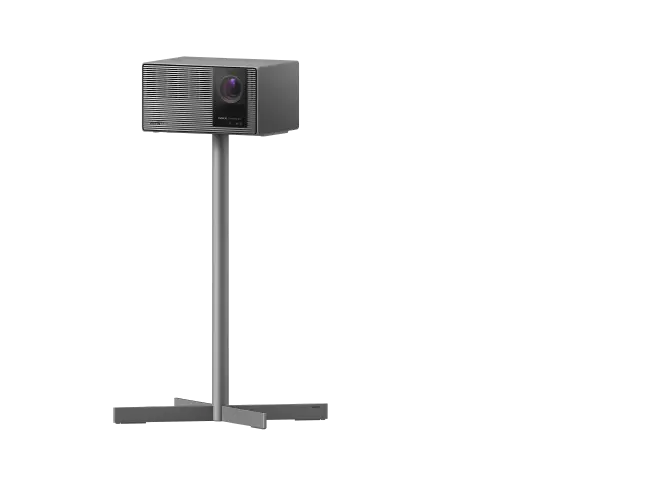
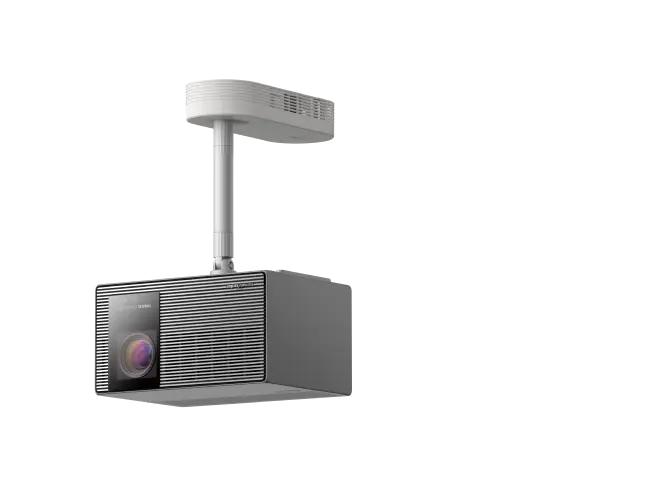
XGIMI home projectors such as the HORIZON series combine high brightness with wide color support, making them suitable for both everyday viewing and cinematic nights. Check the HORIZON Ultra or other 4K projectors to see how these technologies come together.
Quick Self-Check Before You Buy
Before purchasing, ask yourself these questions:
- Will I watch mostly in a dark room or with some ambient light?
- Is HDR movie watching a priority, or is casual streaming the main use?
- Does the projector offer adjustable picture modes and calibration tools?
- Are there independent reviews confirming that the claimed gamut actually appears in real content?
Answering these helps you avoid over-focusing on a single percentage while still getting better color where it counts.
This article only discusses comfort and setup advice related to projector image quality. It does not constitute technical measurement advice or a substitute for professional calibration. Visible results depend heavily on room conditions, content, and individual perception. If you experience persistent issues with image quality or eye strain, consult qualified professionals or refer to manufacturer setup guides.
Choosing the right color gamut specification ultimately comes down to matching the projector to your content, room, and expectations. By understanding Rec.709 as the SDR baseline and DCI-P3 as the wider cinema option, you can make more informed decisions and enjoy richer, more satisfying images at home.


