



Sim Racing on a 100-Inch Screen: The Ultimate Projector Setup Guide
Sim racing enthusiasts often seek the most immersive experience possible, and a 100-inch projector screen can deliver that life-size cockpit feel in a way that triple-monitor setups struggle to match for many dedicated rigs. When properly configured with the right projector, screen, and room conditions, this setup creates an unparalleled sense of speed and presence on the track. However, success depends heavily on selecting hardware that minimizes input lag, handles fast motion cleanly, and performs well in your specific environment.
Why Projectors Excel for Sim Racing Immersion
A large projected image transforms how you perceive the racing environment. Instead of staring at bezels or a limited field of view on monitors, you get a seamless, expansive view that mimics looking through a real windshield. This scale makes braking markers, apexes, and distant track details feel more realistic, heightening both casual enjoyment and competitive focus. For more on this topic, see How to Follow Along with Workout Videos on a Large Projected Screen....
One of the biggest advantages is the ability to achieve a 1:1 scale. When calibrated correctly, the virtual steering wheel on the screen can match the physical size of your racing rim, tricking your brain into a deeper state of "presence." While projectors trade some of the pixel-perfect density of high-end monitors for this scale, the sheer size often outweighs the resolution dip for those prioritizing the "in-car" sensation.
Key Projector Specifications for Responsive Sim Racing
Not every projector suits fast-paced racing games. Input lag stands out as the most critical factor because even small delays can disrupt steering precision and braking timing.

Input Lag and Refresh Rate
A common rule of thumb is to prioritize models with low input lag—ideally under 20ms in game mode. At 60Hz, 16.6ms represents one frame of delay; staying near this threshold ensures your inputs feel instantaneous. While 20-40ms remains usable for many enthusiasts, anything higher often feels "mushy" during quick counter-steering corrections.
Refresh rate plays a supporting role: 60Hz is the standard baseline, but 120Hz (available on many modern gaming projectors) delivers significantly smoother motion and can further reduce perceived latency when paired with a capable PC or console. For more on this topic, see Projector Throw Ratio Explained: Standard vs. Short Throw vs. Ultra.... For more on this topic, see Gaming Projector Guide: Input Lag, Refresh Rate & Best Setup.
Brightness and Resolution
Brightness requirements scale with your room. For a 100-inch image in a dim or controlled-light space, aim for 2,000-3,000 lumens to maintain punchy colors. In rooms with some ambient light, 3,000+ lumens helps prevent the image from looking washed out.
Regarding resolution, 1080p is the minimum viable option at this size. However, 4K is highly recommended for 100-inch screens, as it sharpens HUD elements and distant track textures that can otherwise look soft when you are seated close to the screen.
This gaming projector input lag guide breaks down how to activate game modes and bypass processing that adds delay.
Matching Throw Distance, Screen Size, and Cockpit for Realistic FOV
Achieving a natural field of view (FOV) requires careful geometry planning. A 100-inch screen serves as an excellent reference size, but the projector must sit at the correct distance to fill that screen without digital keystone correction, which can add lag and reduce image quality.
Positioning for Scale
A common pattern for 100-inch setups is to position the driver's eyes roughly 7 to 10 feet from the screen. This distance typically balances immersion with visual comfort.
- Standard Throw: Needs significant depth (often 10-12 feet) behind the rig.
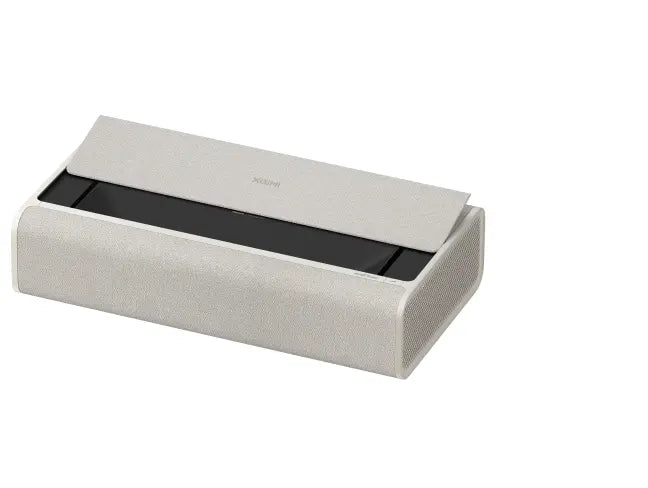
- Short-Throw: Can project a 100-inch image from just a few feet away, making it ideal for smaller rooms or placing the projector in front of the cockpit to avoid casting shadows.
Screen Choice
A dedicated projection screen preserves contrast better than a plain wall. If your room isn't a dedicated "black box" theater, an Ambient Light Rejection (ALR) screen is a game-changer, as it reflects light coming from the projector while absorbing light from windows or lamps.
The ultimate guide to choosing the ideal projector screen offers detailed advice on size, type, and installation for best results.
Reducing Motion Blur and Maintaining Sharpness
Racing games feature rapid movement that quickly exposes weaknesses in motion handling. To keep the track clear at 200 mph:
- Disable MEMC: Most projectors have "Motion Estimation, Motion Compensation" (smoothing). While great for movies, it adds significant input lag and can create "ghosting" artifacts in games. Turn it off for racing.
- Native Response Times: Look for projectors with fast DMD (Digital Micromirror Device) chips, which inherently handle motion better than many LCD-based projectors.
- Calibration: Use in-game brightness/gamma patterns to ensure you can see into the shadows of a corner without blowing out the highlights of the sky.
Related reading on why certain motion technologies create issues in action scenes: motion interpolation artifacts explained.
Handling Ambient Light in Your Gaming Room
Ambient light is the "final boss" of projector setups. Even moderate room lighting can wash out blacks, making it harder to spot subtle track cues or apexes in night races.
- Light Control: Use blackout curtains and avoid placing the screen directly opposite a window.
- Strategic Lighting: If you need light to see your button boxes or wheel, use dimmable LEDs positioned behind the screen or directed away from the projection surface.
For a deeper understanding of real-world brightness performance, review projector brightness standards.
Projector vs. Triple Monitors: The Tradeoffs
Can a projector serve as a dedicated racing display? Yes, but it’s a choice of Immersion vs. Information.
- Projector Strengths: Massive, seamless scale; easier setup than aligning three separate monitors; cinematic "wow" factor.
- Triple Monitor Strengths: Superior peripheral vision (seeing a car alongside you); higher pixel density; consistent performance in bright rooms.
For "immersion-first" racers who want to feel like they are in the car, the 100-inch projector is often the winner. For "lap-time-first" competitive esports racers, triples remain the standard.
Sim Racing Display Tradeoffs (Illustrative Heuristic)
Heuristic comparison of display tradeoffs; use as directional guidance, not factual measurement.
View chart data
| Category | Lag Sensitivity | Brightness Requirement | Resolution Impact | 100-inch Setup Suitability |
|---|---|---|---|---|
| Projector | 2.0 | 5.0 | 3.0 | |
| Triple Monitors | 4.0 | 2.0 | 4.0 | |
| Ultrawide | 3.0 | 4.0 | 4.0 |
Illustrative heuristic scores only, normalized on a 1-5 scale where higher means more of the named factor. Not measured performance data; intended to show relative tradeoffs for a 100-inch sim racing setup after the comparison section.
Common Myths About Projector Sim Racing
- "Input lag makes projectors unplayable": This was true a decade ago. Modern gaming-specific projectors now rival many mid-range TVs in responsiveness.
- "You need a 20-foot room": Short-throw and Ultra-Short-Throw (UST) models can create a 100-inch image in almost any room size.
- "Resolution is the only thing that matters": In sim racing, motion clarity and lag are far more important than 4K vs. 1080p. A blurry 4K image is harder to drive than a sharp 1080p one.
Complete Shopping List and Setup Accessories
To build a reliable 100-inch rig, you’ll need:
- Low-Lag Projector: Look for "Game Mode" specifications.
- 100-inch Screen: Fixed-frame screens offer the flattest surface for racing.
- High-Speed HDMI 2.1 Cable: Essential if you plan to run 4K at 60Hz or 1080p at 120Hz over long distances.
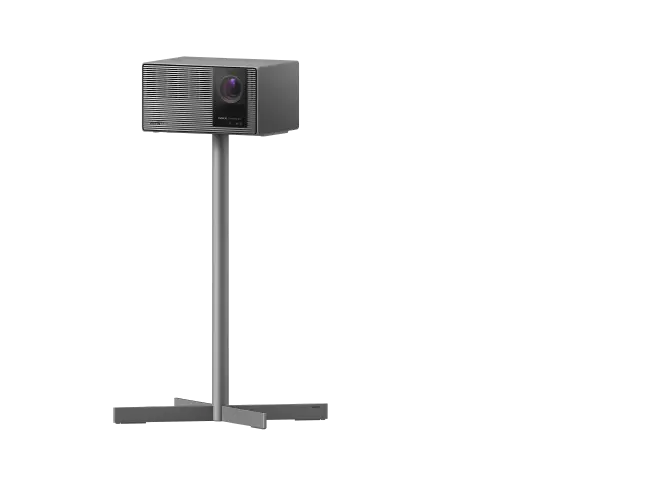
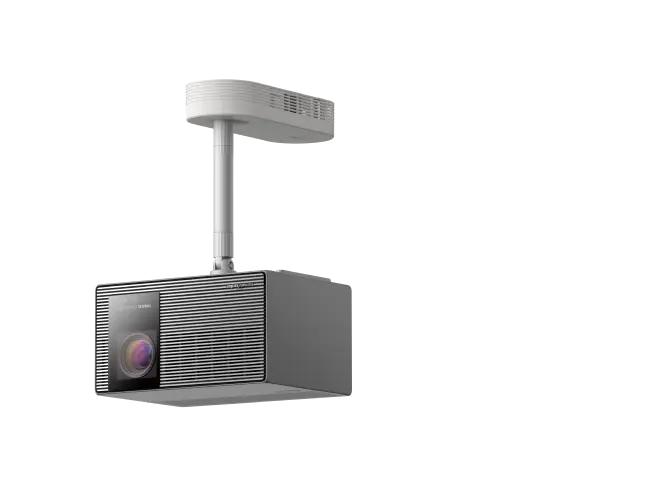
- Sturdy Mount: Vibration from high-torque direct drive (DD) wheels can shake a flimsy projector mount. Ensure your mount is isolated or heavy-duty.
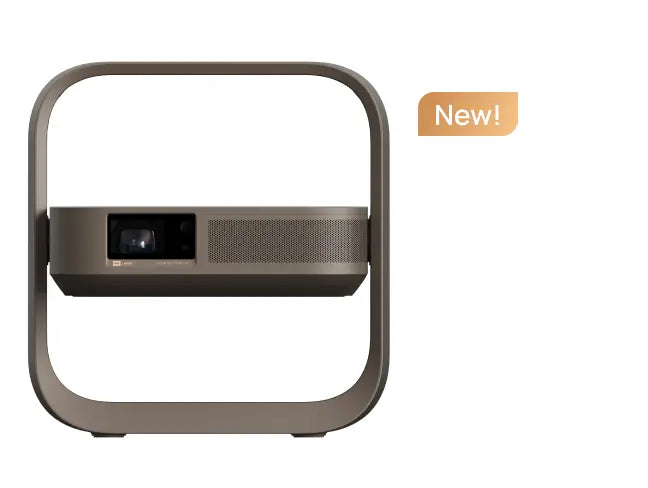
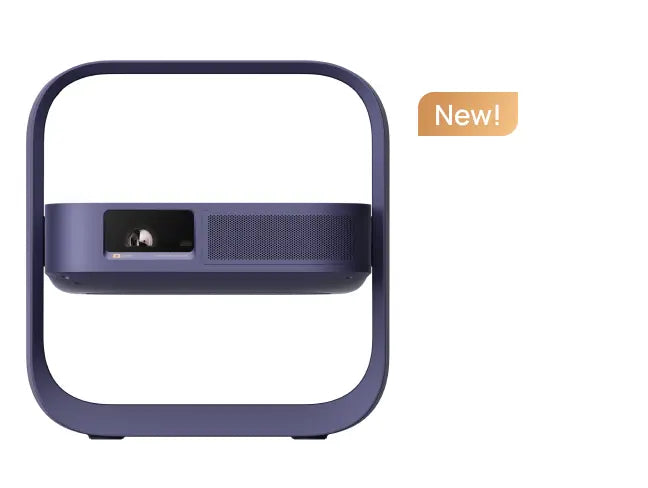
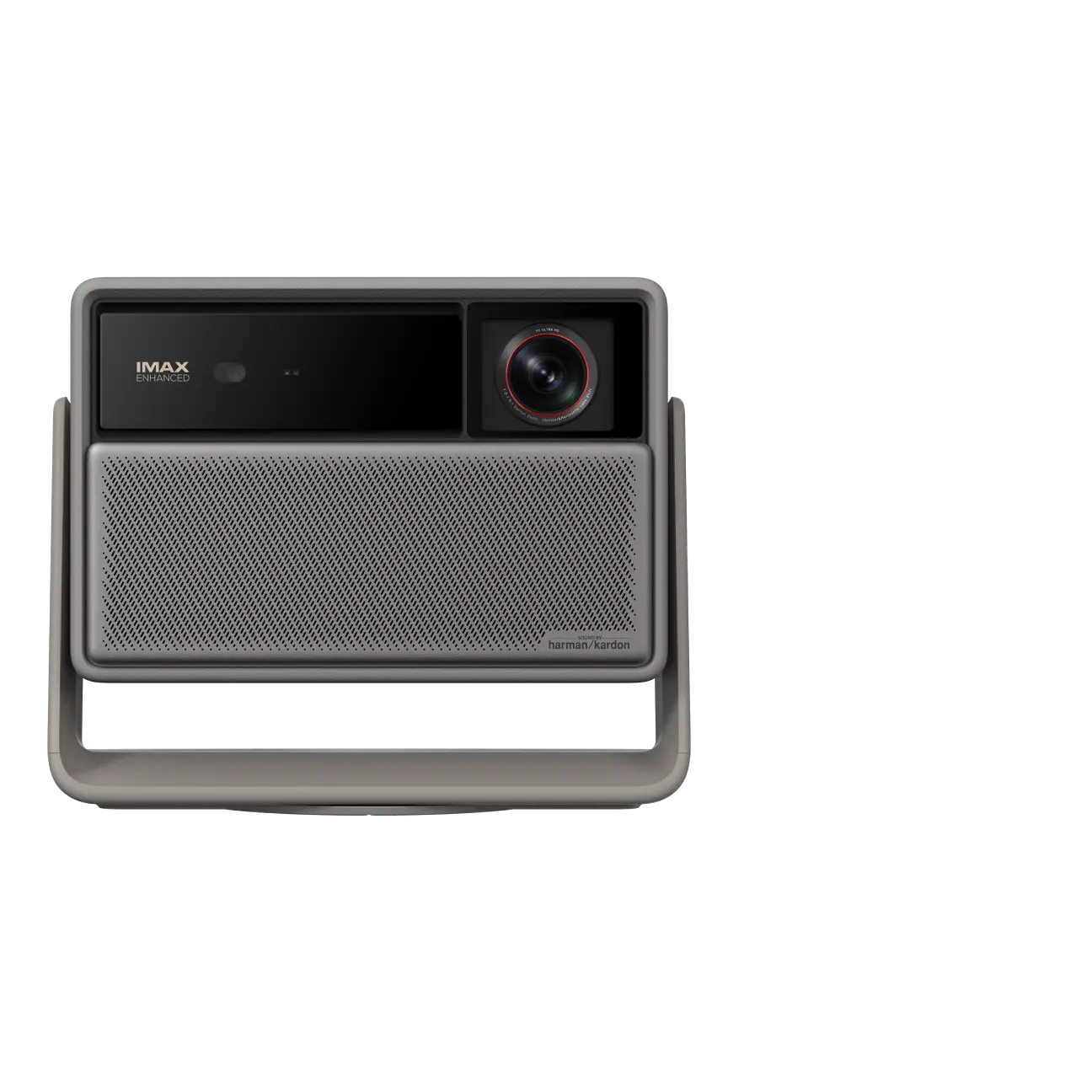
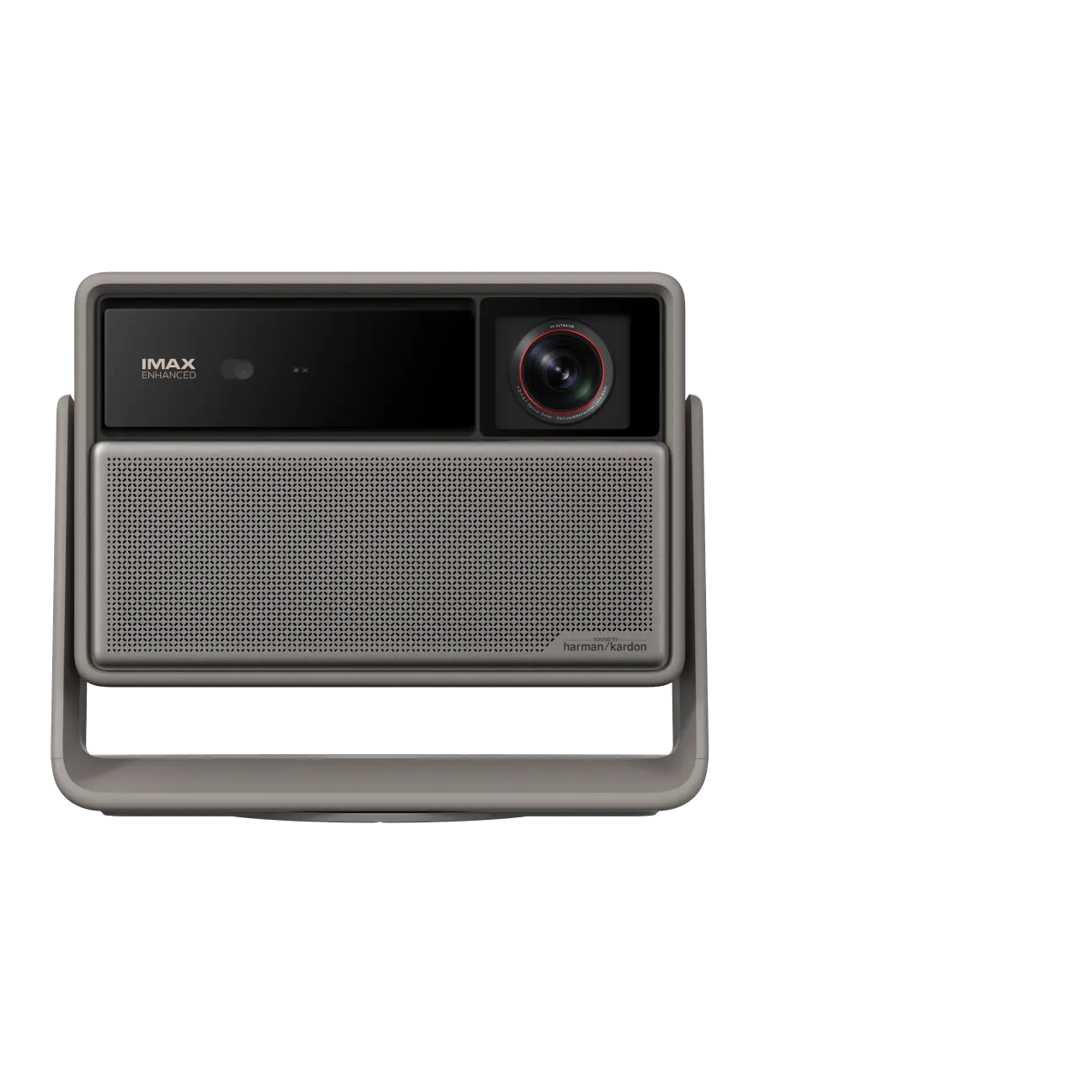
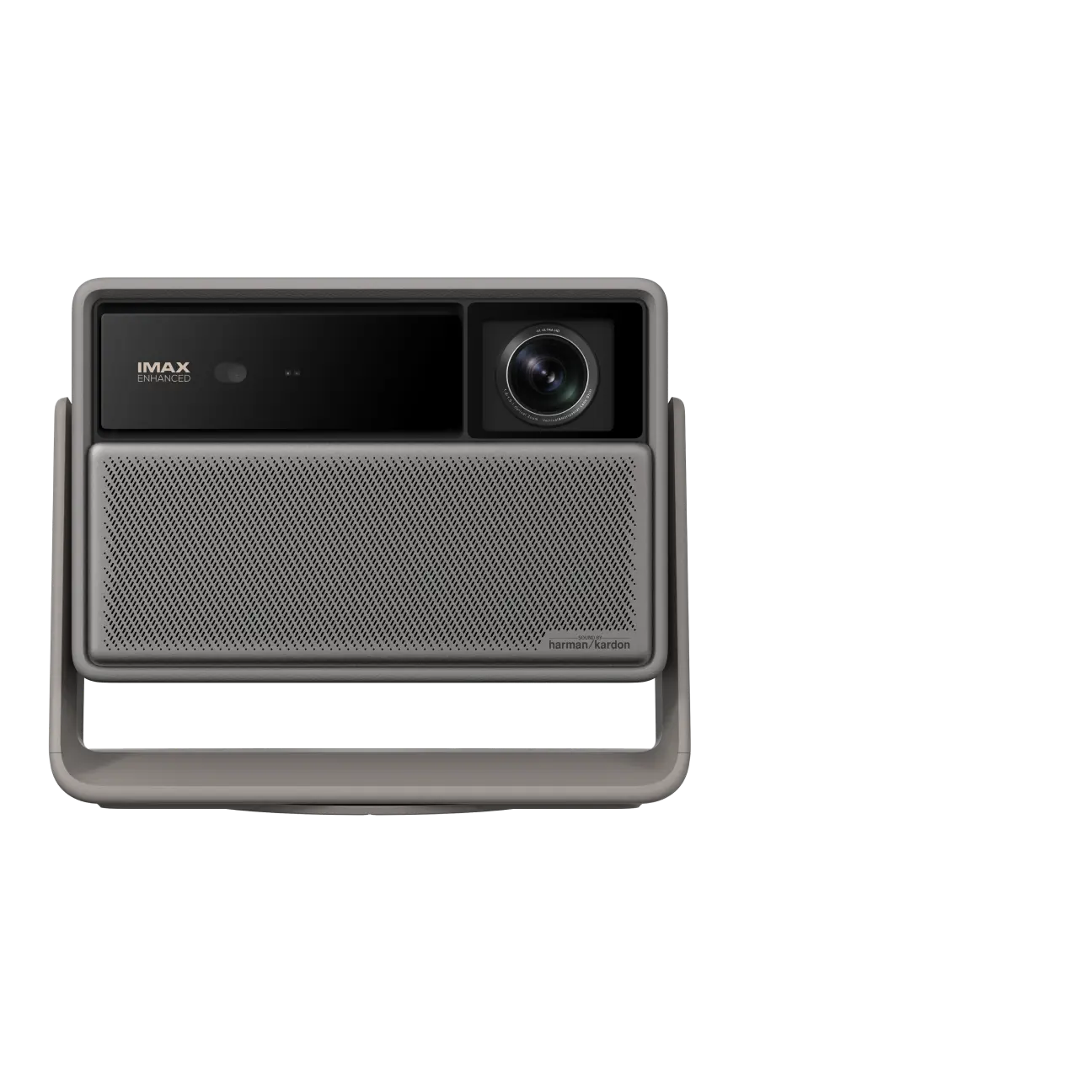
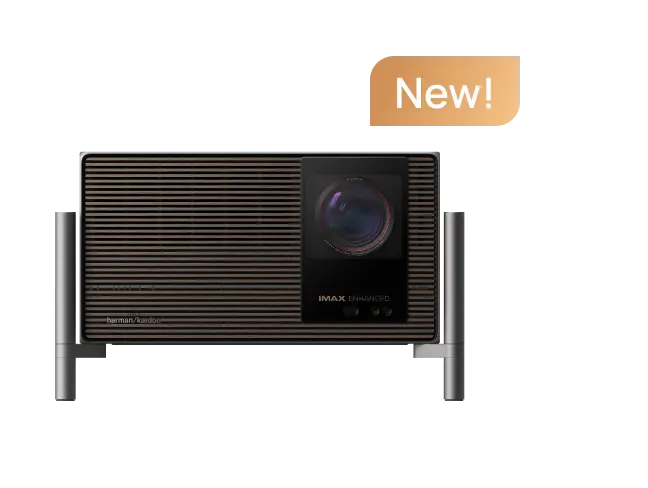
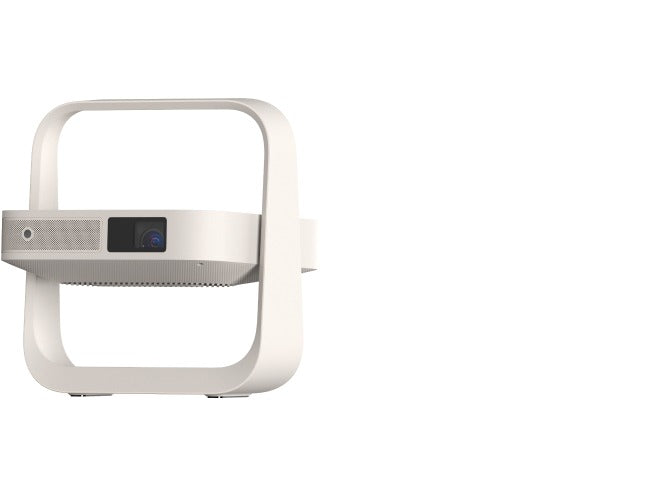
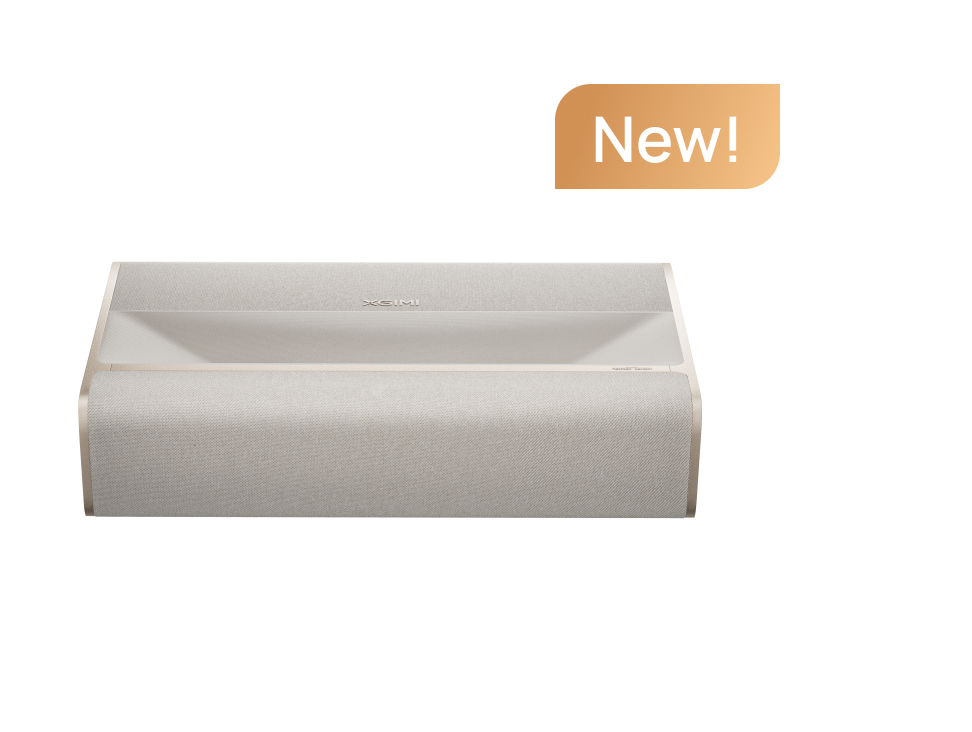
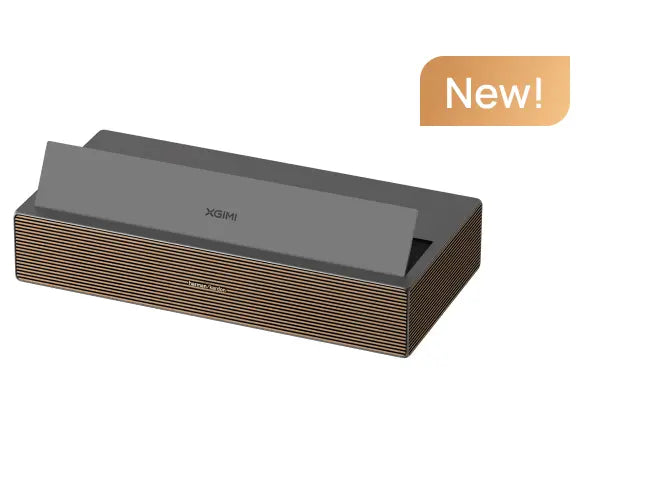
Explore laser projector options or the HORIZON series for models balancing brightness, lag, and smart features.
Future-Proofing Your Racing Rig for 2025 and Beyond
As you plan your setup, consider the shift toward Laser and LED light sources. Unlike traditional lamps that dim over time, these sources maintain their brightness for thousands of hours—crucial for long endurance races.
If you are a PC gamer, look for projectors that support Variable Refresh Rate (VRR), which is beginning to appear in the high-end projector market. This helps eliminate screen tearing when your frame rate fluctuates during heavy pack racing.
For general guidance on matching projectors to spaces, see how to choose the right home projector.
Final Setup Checklist
- Verify Throw Ratio: Use an online calculator to ensure your projector can hit 100 inches from your mounting point.
- Check Signal Chain: Ensure your PC/Console is set to "Game Mode" and the projector is receiving the full bandwidth signal.
- Test for Lag: Use a simple "stopwatch" test (cloning your display to a monitor and projector) to visually confirm the delay is acceptable.
- Audio Check: Most projectors have weak speakers. Plan for a headset or dedicated 5.1 system to match the massive visuals.
Important Note on Visual Comfort: This article discusses setup and comfort factors for gaming displays. It does not provide medical advice. If you experience eye strain, headaches, or other discomfort during use, consult a qualified eye care professional. Individual sensitivity to large screens and bright images varies significantly.
A well-executed 100-inch projector sim racing setup can elevate your experience dramatically, offering the scale and presence that makes every race feel epic. Focus on matching the technology to your room and priorities, and you'll create a rig that delivers both thrill and reliability for years to come.


