




Competitive gamers can achieve responsive big-screen play on a projector by enabling Game Mode, using high-quality HDMI cables, disabling extra image processing, and choosing the right resolution and refresh rate combination for their games. While projectors often carry higher input lag than dedicated gaming monitors or TVs, modern low-latency models and careful setup make them viable for many players, especially when the focus stays on practical thresholds rather than headline specifications. For more on this topic, see Gaming Projector Low Input Lag: What Every Console and PC Gamer Nee.... For more on this topic, see Gaming Projector Guide: Input Lag, Refresh Rate & Best Setup.

Input lag refers to the time between an input command and the image response on screen. For competitive titles like FPS, racing, and fighting games, even small delays can disrupt timing and reduce performance. The key is understanding that acceptable lag varies by genre, player sensitivity, and the exact signal being sent to the projector.
What Causes Input Lag on Projectors?
Projectors introduce latency through image processing, signal conversion, and the time needed to render large images. Unlike monitors with direct panel driving, many projectors apply post-processing for sharpness, color, or motion smoothing that adds milliseconds. HDMI connection quality, cable length, and the source device's output settings also play major roles in overall system latency.
HDMI Auto Low Latency Mode (ALLM) can automatically switch compatible projectors into a lower-latency mode for gaming. When your console or PC detects a game signal, it can trigger this feature on supported displays, bypassing unnecessary processing without manual intervention.
Input Lag Thresholds for Competitive Play
What feels competitive-ready depends on the game, platform, and how sensitive the player is to delay. There is no single universal cutoff, but practical heuristics help readers judge viability before purchase.

Here is a heuristic guide to input lag ranges based on common reviewer observations and player feedback:
| Lag Range | Practical Read | Best For |
|---|---|---|
| Under 20 ms | Strong competitive target | FPS, fighting, rhythm games |
| 20–30 ms | Often acceptable | Most competitive players |
| 30–40 ms | Borderline | Casual competitive or mixed use |
| Above 40 ms | Likely noticeable | Avoid for timing-sensitive titles |
Always compare projector lag figures only when the test conditions match, especially resolution and refresh rate. A projector that measures well at 1080p/120 Hz may feel different at 4K/60 Hz.
Heuristic Input Lag Thresholds for Competitive Gaming on Projectors
Heuristic, illustrative lag tolerance by genre; use it as a decision aid, not as measured performance.
View chart data
| Category | FPS / Fighting | Sports / Racing | Mixed Use |
|---|---|---|---|
| Under 20 ms | 5 | 4 | 3 |
| 20-30 ms | 4 | 5 | 4 |
| 30-40 ms | 2 | 3 | 4 |
| Over 40 ms | 0 | 1 | 2 |
Heuristic, illustrative mapping based on the provided threshold table (under 20 ms strong, 20-30 ms acceptable, 30-40 ms borderline, over 40 ms noticeable) and scenario matrix. Genre sensitivity reflects the provided note that FPS/fighting prefer lower lag and higher refresh, while mixed use tolerates more. This is not measured projector data.
Essential Settings to Minimize Projector Input Lag
For competitive play, prioritize your projector's Game Mode or lowest-latency picture preset before fine-tuning other settings. This single change often delivers the largest reduction in delay by disabling heavy image processing.
Turn off extra image processing and use the projector's gaming preset or Game Mode to reduce delay. Disable features such as motion interpolation, noise reduction, and advanced sharpness filters when possible. These enhancements improve movie watching but add latency that competitive gamers notice immediately.
On many gaming projectors, lower-resolution high-refresh modes can be more responsive than 4K/60 output. Consider running your console or PC at 1080p/120 Hz or 1080p/240 Hz instead of 4K/60 Hz if the game supports it and your projector performs better in that mode. Test both to see what feels more responsive in your specific titles.
HDMI Connections and Cable Choices for Low Latency
Use high-quality, short HDMI 2.1 cables certified for high bandwidth. Longer or lower-quality cables can cause signal instability that forces the projector into higher-latency fallback modes or introduces frame drops.
Check that your source device (PS5, Xbox Series X, or gaming PC) is set to output the correct resolution and refresh rate that matches the projector's optimal gaming mode. Many consoles have a "Game Mode" or "Performance Mode" that automatically optimizes output for lower latency.
If your projector and console both support it, enable HDMI ALLM so the system automatically switches to low-latency settings whenever a game launches. This removes the risk of forgetting to change picture modes manually.
Projector vs TV Input Lag for Gaming
Projectors generally show higher input lag than modern gaming TVs or monitors, particularly at 4K resolution. However, the gap narrows significantly when using dedicated Game Mode and high-refresh signals. Many competitive players find that the immersive size advantage outweighs the small remaining latency once properly optimized.
The comparison only holds value when measured under identical conditions. A projector that feels excellent at 1080p/120 Hz may not match a TV running at the same settings, but the larger screen can still provide a different kind of competitive edge through better visibility of distant details.
How to Choose a Low-Latency Gaming Projector
Before buying, verify that the projector offers a clearly documented Game Mode with measured input lag figures published for the exact resolution and refresh rate you plan to use. Marketing claims of "low latency" without specific numbers should be treated cautiously.
Look for models that support higher refresh rates and HDMI ALLM. Brightness, contrast, and smart features matter for overall enjoyment, but responsiveness comes first for competitive play.
This guide on improving projector latency offers additional practical strategies including software updates and network checks for wireless setups.
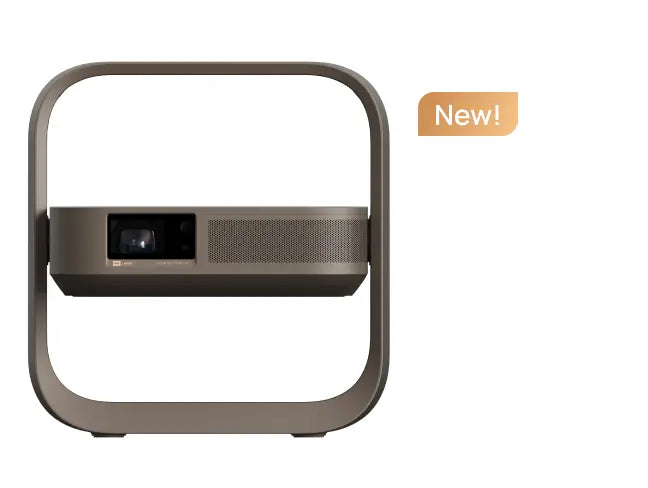
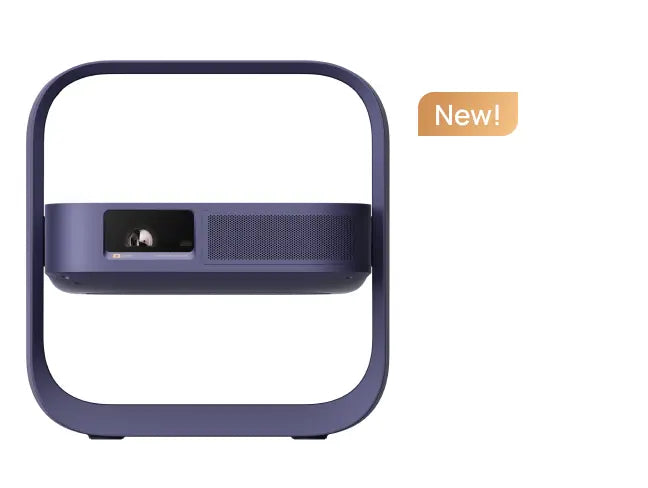
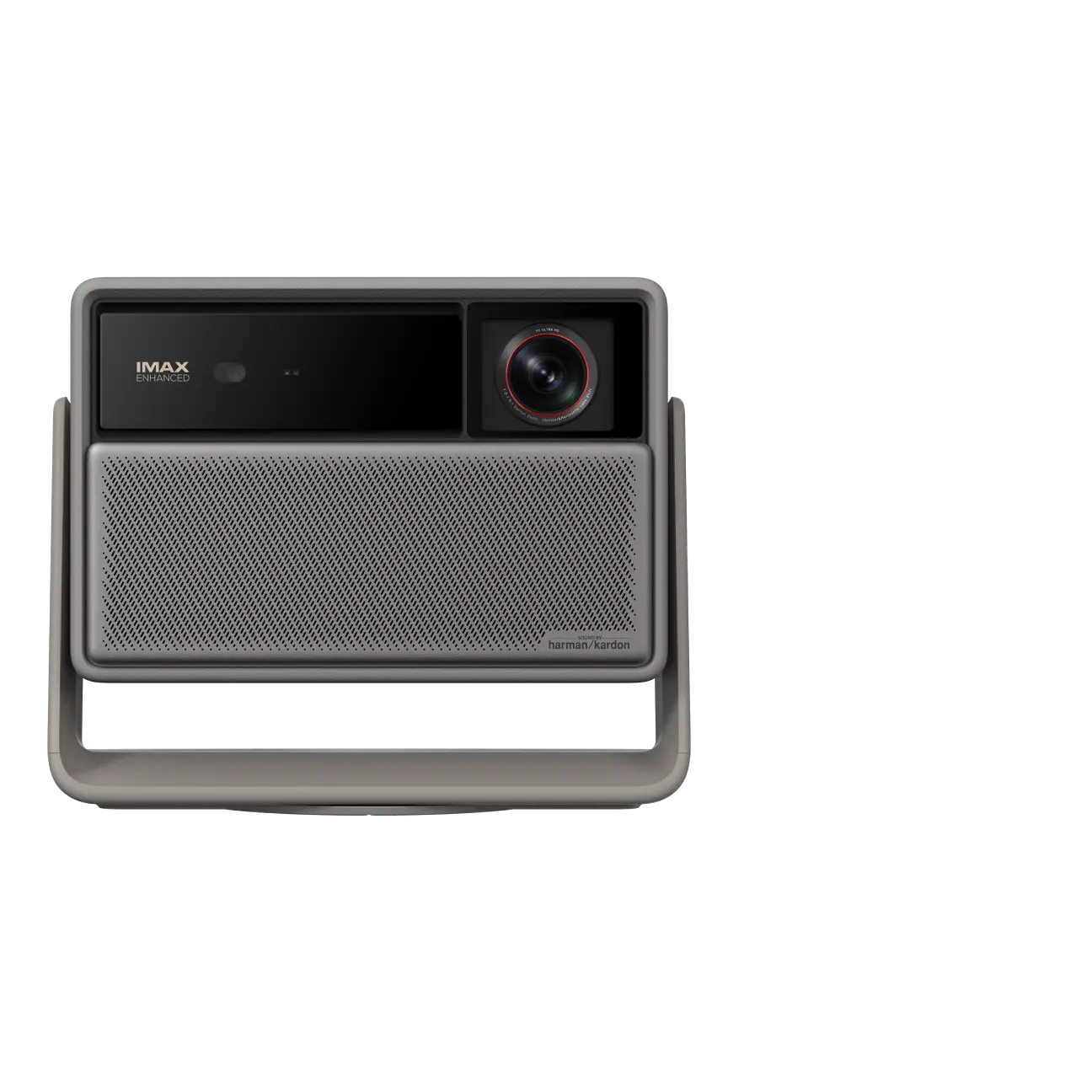
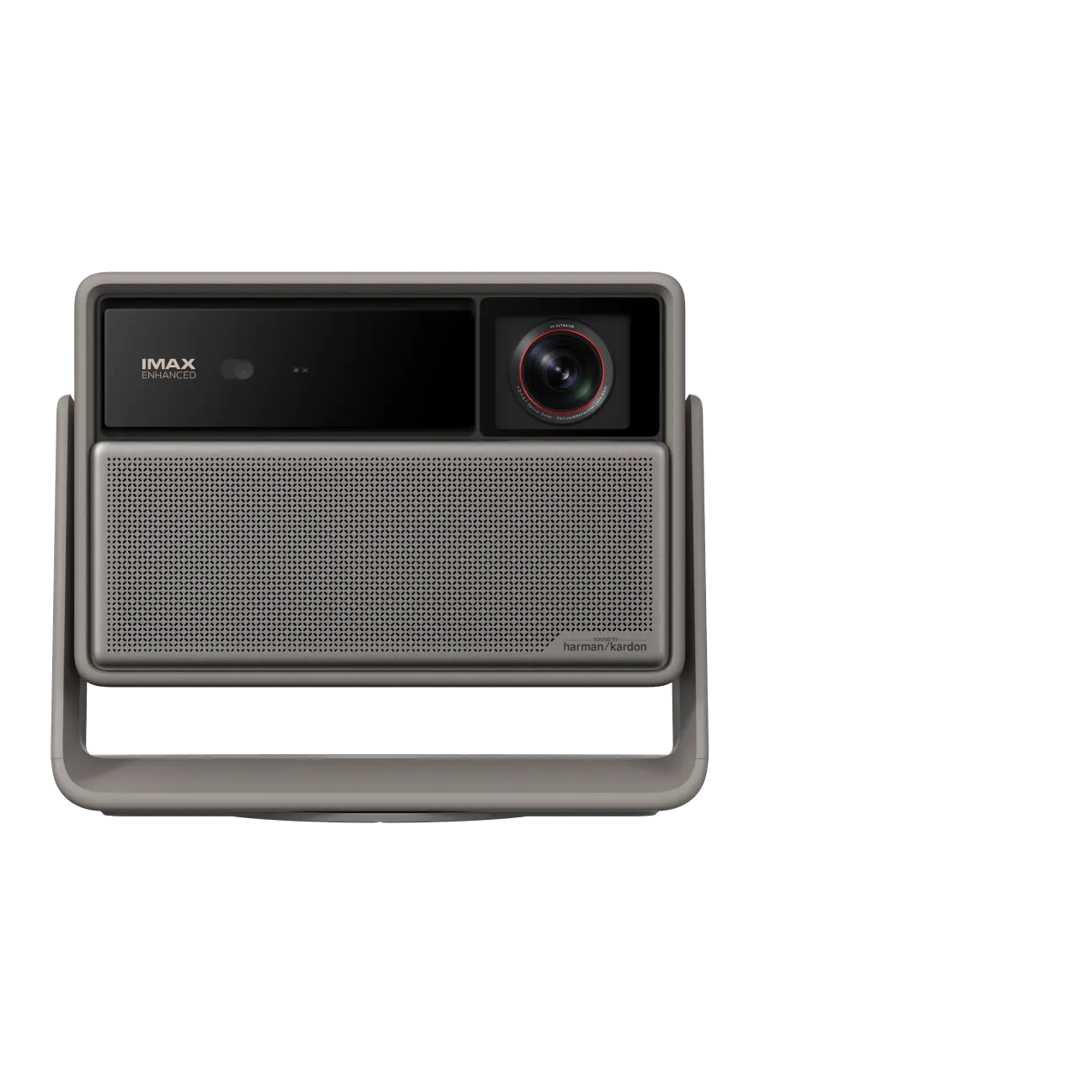
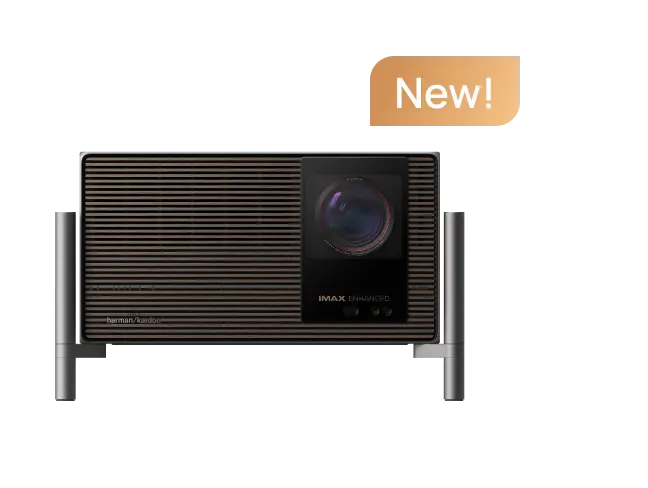
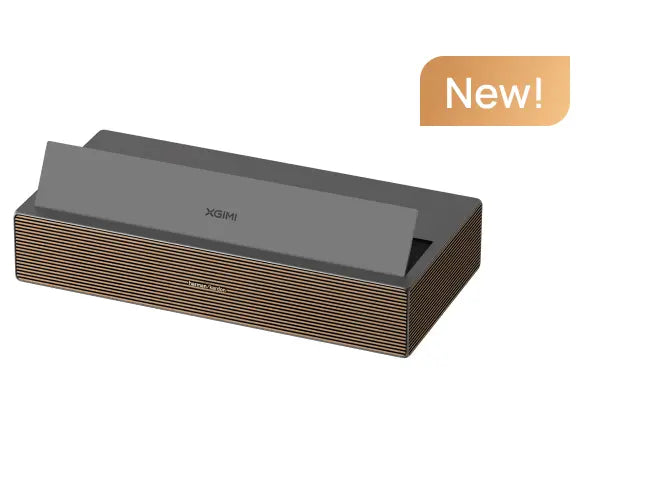
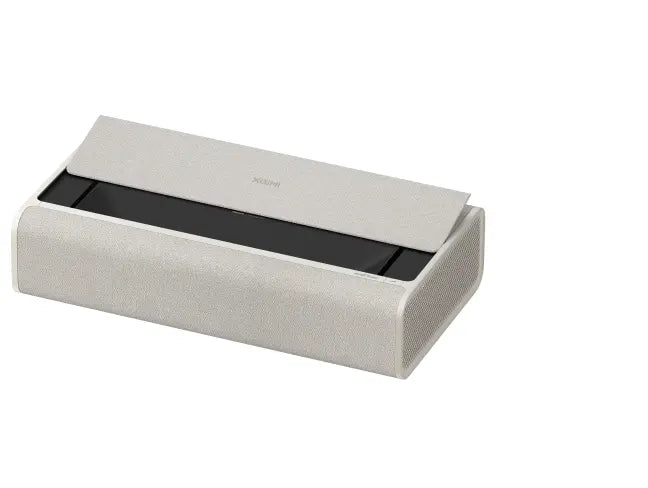
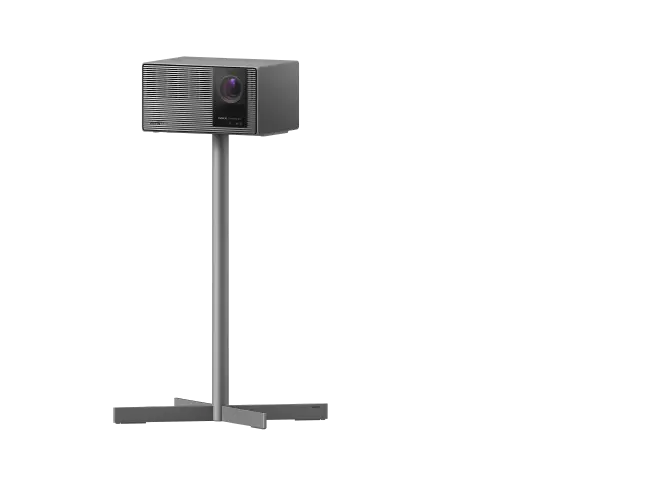
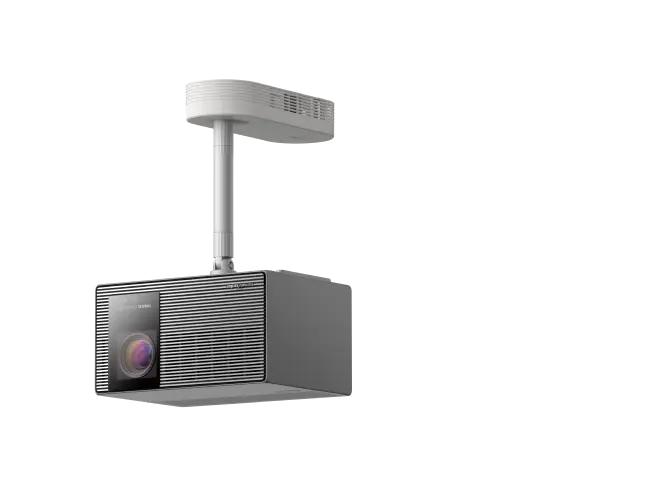
XGIMI's HORIZON 20 Pro, for example, delivers 1ms low input lag in its gaming configuration while maintaining bright, detailed 4K visuals suitable for both competitive and casual play. The HORIZON 20 Pro balances performance and features for home entertainment rooms.
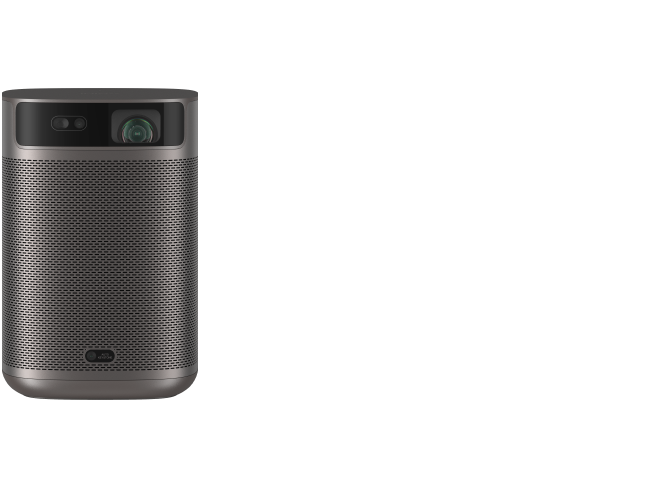
Portable options like the MoGo 4 can also work for more casual competitive sessions where setup flexibility matters.
Checklist: Optimize Your Projector for Competitive Gaming
Use this practical checklist before each session or when setting up a new projector:
- Enable Game Mode or the lowest-latency picture preset
- Disable all unnecessary image processing features
- Use a high-quality, short HDMI 2.1 cable
- Set your console or PC to the refresh rate and resolution that gives the lowest measured lag on your projector
- Enable HDMI ALLM if supported
- Test responsiveness in a fast-paced game you know well
- Compare against a known low-lag display if possible to calibrate your sensitivity
- Update projector firmware for any latency-related improvements
Common Myths About Projector Gaming Latency
Many assume all projectors have unacceptable lag for competitive play. In reality, several current models perform well enough once configured correctly. The difference often comes down to using the right mode rather than the projector being inherently "bad" for gaming.
Another myth is that higher resolution always means higher lag. While 4K processing can add latency on some devices, many projectors actually feel more responsive at 1080p/120 Hz or 144 Hz than at 4K/60 Hz.
When a Projector May Not Be the Right Choice
If you play at the highest competitive level in titles where sub-15 ms response is standard on tournament monitors, a dedicated gaming monitor or TV may still offer more consistent performance. Projectors excel when screen size and immersion matter alongside competitive responsiveness.
Players extremely sensitive to input delay or those unable to optimize their full signal chain may prefer traditional displays. Test in your actual room if possible before committing.
This article only discusses comfort and setup advice for gaming projectors; it does not constitute technical measurement or competitive coaching. Real-world input lag depends heavily on your complete setup including source device, cables, resolution, refresh rate, and enabled features. If you experience persistent issues with timing or visual discomfort, consult the manufacturer's documentation or a qualified technician.
The right combination of settings, connection quality, and projector choice can deliver an immersive, large-screen competitive gaming experience that many players find worthwhile. Focus first on Game Mode and clean signal paths, then refine resolution and refresh rate to match your specific games and sensitivity.


