




For most console and casual PC gamers in 2026, a low-latency projector can deliver a more immersive experience than a traditional gaming monitor when your room supports controlled lighting and couch-based play. The key is understanding the real trade-offs in input lag, refresh performance, screen size, and setup rather than chasing a universal winner. For more on this topic, see The Complete Guide to Console and PC Gaming on a Projector in 2026. For more on this topic, see How to Fix Screen Tearing When Gaming on a Projector.

Modern projectors with game modes, ALLM, and VRR support have narrowed the responsiveness gap for non-esports titles, while their ability to create 100-inch+ images provides unmatched scale for single-player, co-op, and party gaming. Gaming monitors, however, still offer more consistent low-lag behavior and better performance in bright rooms or competitive play. The best choice depends on your room, game genres, and priorities. For more on this topic, see Ultrawide Gaming Monitor vs. 4K Projector: Which Is Better for Sim .... For more on this topic, see The Best Projector Settings for Competitive First-Person Shooters.
Input Lag and Responsiveness: How They Really Compare
Input lag remains one of the most important factors when comparing projectors to gaming monitors. HDMI.org's Auto Low Latency Mode (ALLM) helps both device types automatically switch into lower-latency settings, while Variable Refresh Rate (VRR) reduces tearing and stutter in supported games. For more on this topic, see The Impact of Input Lag on Fighting Games: Projector vs. Monitor.

Gaming monitors typically deliver lower and more predictable lag out of the box, often staying under 10-15 ms across modes. Many gaming-oriented projectors now achieve 20-35 ms in game mode, which feels responsive for most console titles and casual play. Above 35-40 ms, delay can become noticeable in fast-paced or rhythm-based games.
As this VESA Adaptive-Sync standard update shows, refresh-rate and variable-refresh performance remain core priorities in the monitor ecosystem. Projectors that support ALLM and VRR can close the gap for casual gaming, but they often require enabling a specific game mode that may slightly reduce image processing.
Practical threshold: If your games are mostly story-driven, sports, or co-op from the couch, a projector with sub-30 ms lag in game mode is usually good enough. Competitive shooters or games where every frame matters still favor a monitor's consistency.
Refresh Rates and Smooth Motion in 2026
Refresh rate directly affects motion clarity and how smooth gameplay feels. Gaming monitors commonly offer 144 Hz, 240 Hz, or higher with strong VRR support. Many 2026 gaming projectors reach 120 Hz at 4K or 240 Hz at lower resolutions in game mode, making them competitive for console gaming.
The difference is most visible in fast panning or sports titles. A higher refresh rate on a monitor often pairs with more reliable variable refresh behavior, as highlighted in VESA's VRR performance standards.
For projectors, features like MEMC (motion estimation, motion compensation) can help smooth motion, but they work best when combined with native high refresh support. The XGIMI guide to HDR and MEMC explains how these technologies improve perceived smoothness without adding significant lag when properly implemented.
Screen Size, Immersion, and Viewing Experience
This is where projectors usually win decisively. Academic research on large high-resolution displays shows that bigger images meaningfully increase the sense of immersion, especially for cinematic or shared viewing (Survey of Large High-Resolution Display Technologies). A 100-inch projected screen creates a theater-like feel that no practical gaming monitor can match.
Larger screens enhance couch co-op and party gaming because multiple players can see details comfortably from farther away. Research on immersive display environments supports that scale boosts presence in narrative and exploration games (DSCVR hybrid VR system paper).
However, immersion comes with caveats. At close viewing distances, projectors may reveal pixel structure or lower sharpness compared with a high-PPI monitor. The advantage shines at typical living-room couch distances.
Projector vs Gaming Monitor: Scenario-Based Suitability
Illustrative suitability scores for deciding between a projector and a gaming monitor.
View chart data
| Series | Input Lag Tolerance | Immersion / Screen Size | Room Lighting Flexibility | Competitive Play Fit | Couch / Party Gaming | Setup Simplicity |
|---|---|---|---|---|---|---|
| Projector | 5.0 | 10.0 | 4.0 | 4.0 | 10.0 | 5.0 |
| Gaming Monitor | 9.0 | 6.0 | 9.0 | 10.0 | 6.0 | 9.0 |
Modeled from practical 2026 gaming display guidelines and scenario-based heuristics, not measured test data. Projector scores reflect controlled-light immersion, large-image preference, and couch/party use; monitor scores reflect low-lag consistency, bright-room reliability, and competitive play fit.
This radar chart shows relative suitability across scenarios. Higher scores indicate better fit. Scores are illustrative heuristics for decision-making, not lab measurements.
Room Lighting, Throw Distance, and Setup Trade-offs
Ambient light is a major hidden tradeoff. Projected images lose contrast and punch in bright rooms far more than self-illuminated monitors or TVs, as noted in studies of mediated lighting and display perception.
Traditional projectors require sufficient throw distance, which can limit placement options in small apartments or dorms (throw distance considerations in large display research). Ultra-short-throw (UST) projectors solve much of this by producing large images from just inches away from the wall.
Monitors win on setup simplicity: plug in, place on a desk, and go. Projectors often need alignment, focus adjustment, and consistent darkness for best results.
Room-fit checklist:
- Can you control daylight or use the projector mainly at night?
- Is there enough space (or a UST model) for proper throw distance?
- Will the projector stay in a fixed position, or do you need to move it often?
If the answer to any is "no," a monitor or large TV may be less frustrating long-term.
Scenario Matrix: When to Choose Each
Use this decision framework based on your primary gaming style:
- Couch console gaming in living room — Projector wins for scale and shared viewing, provided you can manage light.
- Single-player cinematic or story-driven games — Projector enhances immersion on a giant screen.
- Party gaming or split-screen co-op — Projector makes multiplayer more social and comfortable from the couch.
- Competitive esports or precision multiplayer — Monitor is usually better for consistent low lag and clarity.
- Small apartment/dorm with limited space — Monitor or UST projector; standard throw projectors may not fit well.
- Hybrid gaming + movies — Projector excels if the room supports both uses in controlled light.
Monitors remain the safer default for bright rooms, desk setups, or when maximum responsiveness is non-negotiable.
What to Look for in a Gaming Projector in 2026
When evaluating projectors for gaming, focus on these practical features rather than size alone, as recommended by comprehensive testing approaches like those from RTINGS.com:
- Input lag under 30 ms in game mode (ideally with ALLM and VRR support)
- At least 120 Hz refresh capability at your preferred resolution
- Sufficient brightness (2000+ lumens for mixed lighting, higher for better performance)
- Low-latency game mode that doesn't overly compromise color or contrast
- HDMI 2.1 ports for full console features
- Easy setup features like auto-keystone and focus
Our guide on why low input lag matters for gaming covers the key reasons responsiveness enhances both games and movies.
Don't buy a projector for gaming if:
- You play competitive titles where every millisecond counts
- Your room has significant uncontrolled ambient light
- You want completely plug-and-play simplicity with no alignment
- You expect monitor-level sharpness at close viewing distances
Making the Decision for Your Gaming Setup
Projectors have become a legitimate option for console and casual gaming thanks to lower lag, higher refresh rates, and massive screen sizes. They deliver superior immersion for couch co-op, single-player adventures, and party play in the right environment. Gaming monitors still provide more reliable responsiveness and work better in bright rooms or for competitive play.
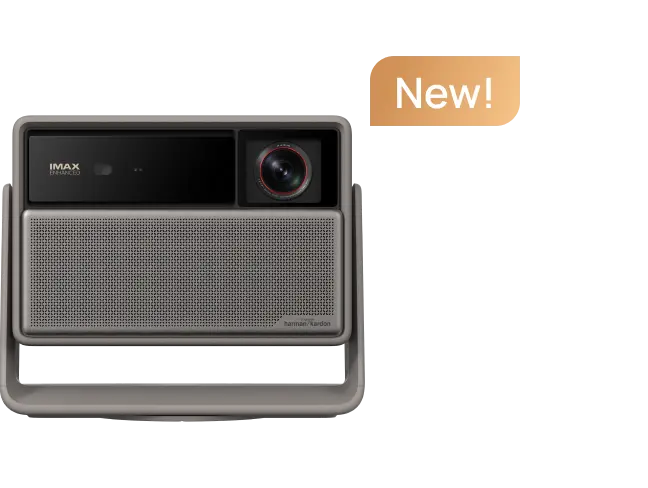
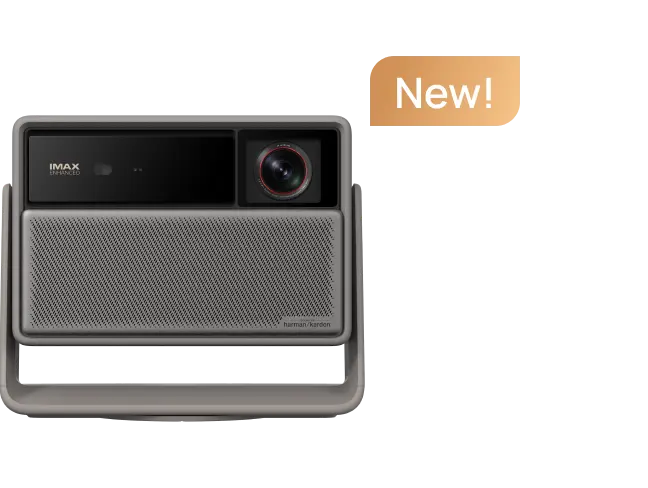
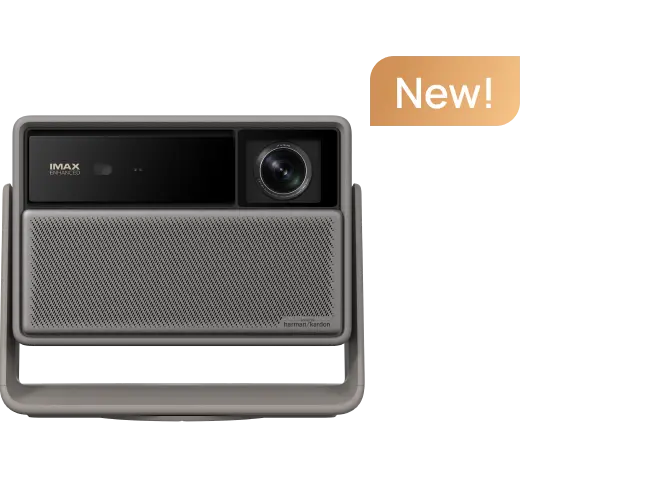
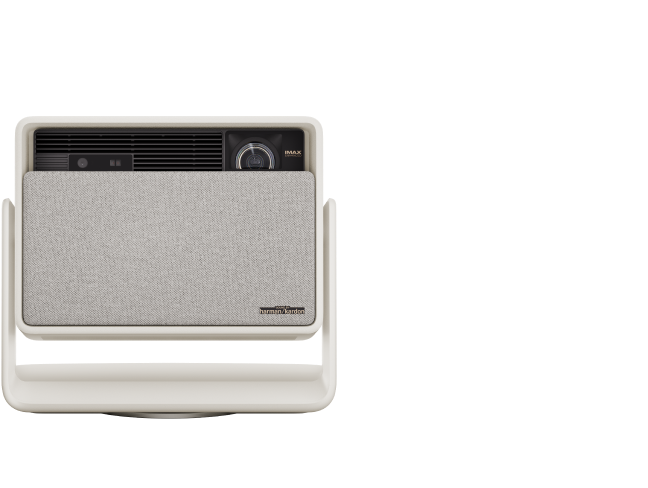
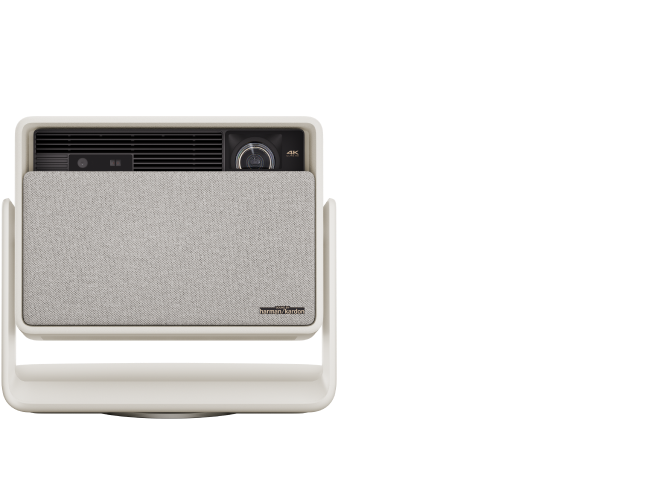
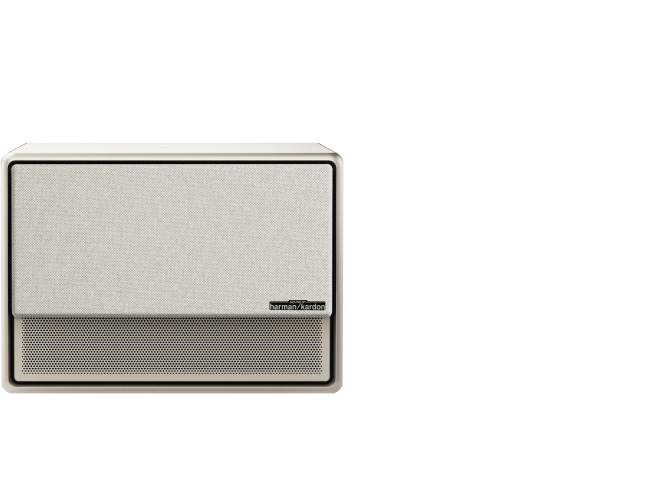
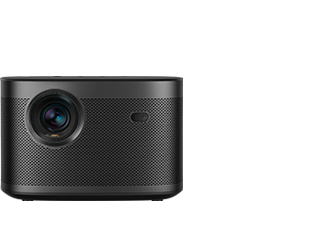
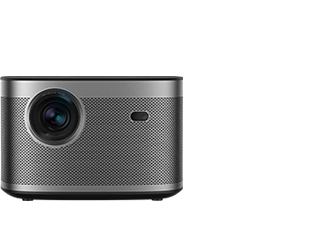
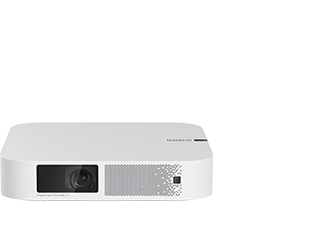
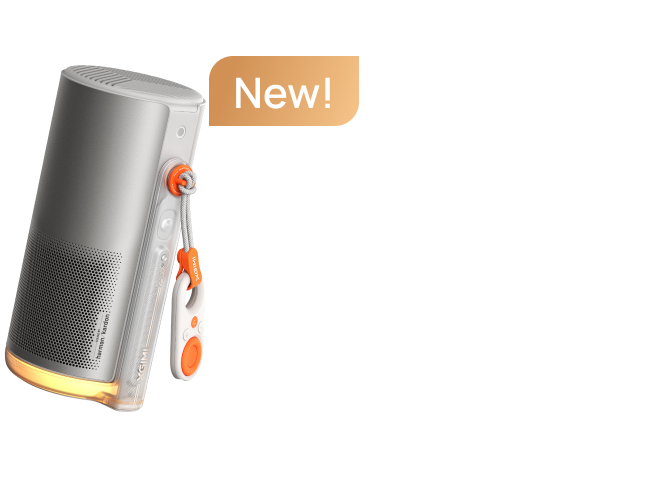
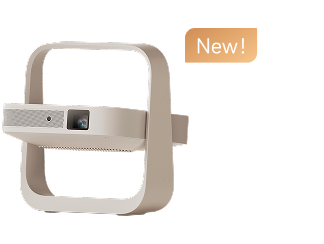
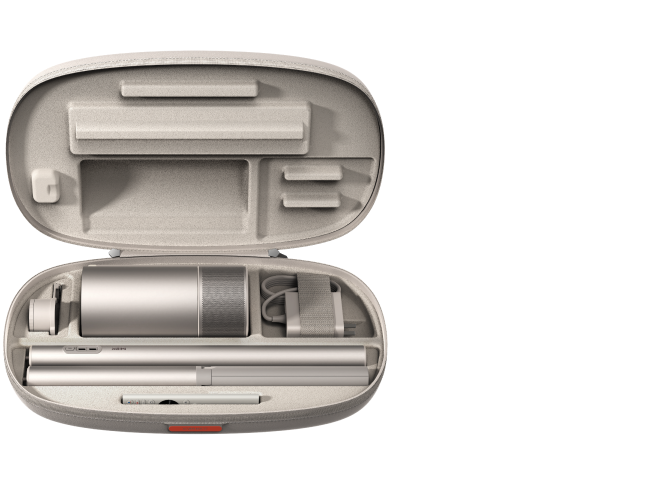
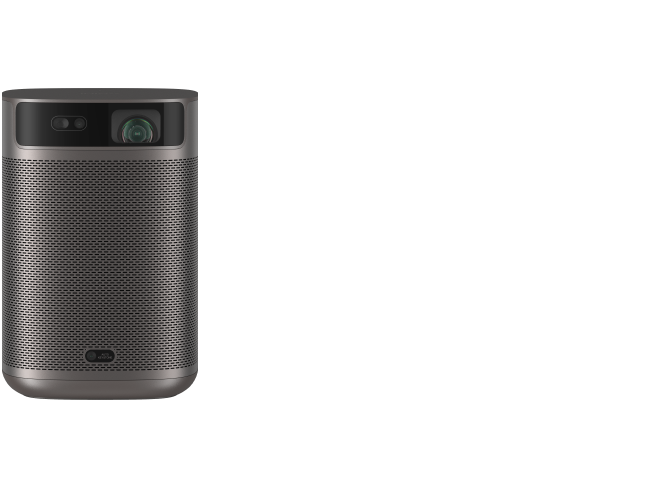
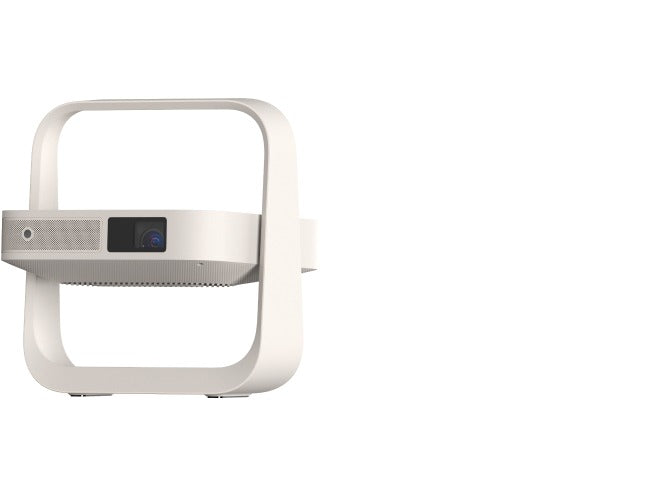
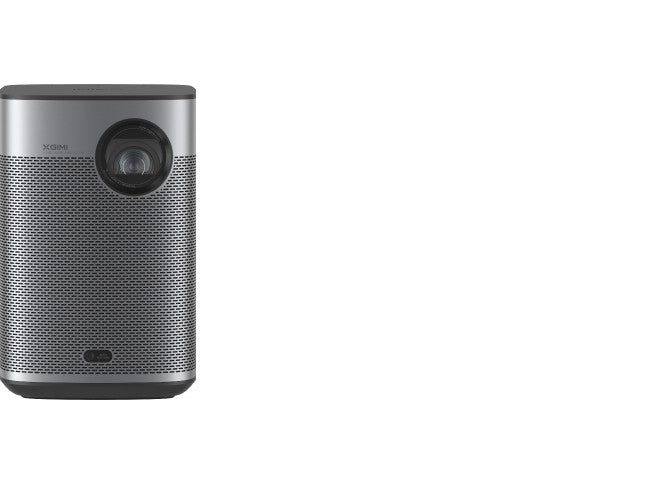
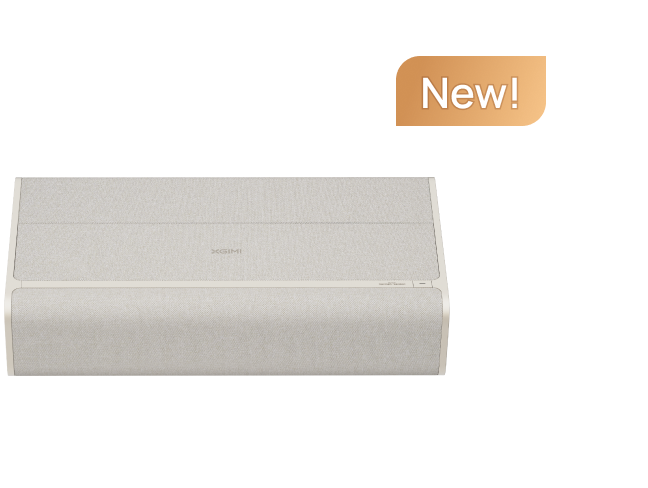
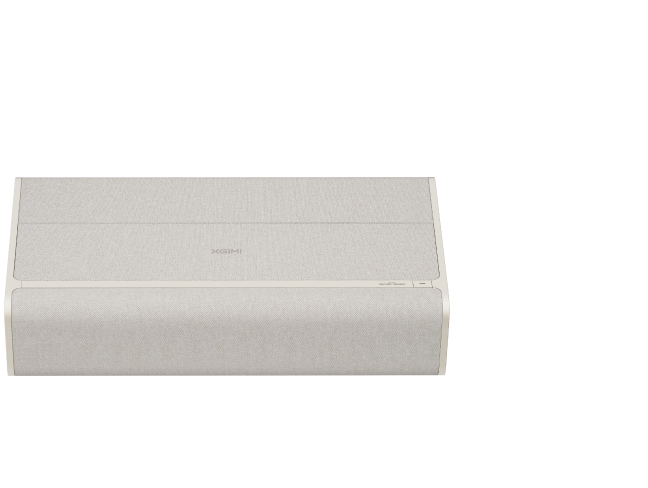
Consider your room conditions and game preferences first. Many gamers find that a capable low-latency projector like those in the XGIMI HORIZON series or AURA 2 UST model creates a more engaging experience for living-room gaming than adding another monitor. Test in your actual space if possible—lighting and seating distance have more impact than specs alone.
Important note on comfort and vision: This article discusses display setup and perceived responsiveness for gaming. It does not constitute medical advice. Large screens or prolonged gaming sessions may contribute to eye strain for some users. Take regular breaks, ensure proper room lighting where possible, and consult an eye care professional if you experience persistent discomfort or have existing vision conditions.
Explore more options in our 4K projectors collection or read the best 4K projectors for gaming guide to find models suited to your setup.
For connecting consoles, see our guide on how to connect a PS4 (or similar) to a projector.


