




Modern projectors with dedicated low-latency modes can deliver a responsive enough experience for many fighting game players, especially in casual local multiplayer sessions, but dedicated gaming monitors remain the more reliable choice for competitive ranked play where every millisecond counts. The difference often comes down to your specific setup, the projector's game mode performance, and your personal sensitivity to timing rather than the display type alone. For more on this topic, see Projector vs Gaming Monitor: Size, Lag & Immersion.
Fighting games like Street Fighter, Tekken, and Mortal Kombat reward precise execution. A single frame of delay can turn a perfect punish into a whiffed input or a missed parry. As display testing shows, fighting games are particularly latency-sensitive, making lower input lag generally preferable for responsive play (Projector Input Lag Test). Yet many enthusiasts wonder whether the immersive large screen of a projector is worth any added delay compared with a monitor.
What Input Lag Really Means in Fighting Games
Input lag is the time between pressing a button on your controller and seeing the corresponding action on screen. It includes contributions from the controller, console or PC, the display's processing, and the panel itself. According to system latency guidance, picture processing features can add delay, while game or low-latency modes reduce it (NVIDIA System Latency Guide).
There is always some latency in any gaming setup, so absolute "zero lag" claims should be viewed cautiously (What is Input Lag?). For fighting games, the impact shows up in tight combo timing, reaction-based defense, and frame-perfect execution. Even small differences become noticeable when practicing optimal punishes or anti-air moves that depend on exact timing windows.
Acceptable Input Lag Thresholds for Fighting Games
The question of whether 20 ms input lag is too much does not have a universal answer. It depends on the player, the game, and the full signal chain. Competitive players sensitive to timing often target lower values, while casual players may tolerate more without issue.
Here is a practical breakdown of thresholds based on typical player feedback and testing patterns:
- Under 15 ms: Usually the safer target for competitive play. Timing feels crisp, and execution matches muscle memory developed on low-latency setups.
- Around 20 ms: Borderline for many players. It can work well but may feel slightly soft during frame-tight sequences or when reacting to fast opponent moves.
- Under 30 ms: Generally still usable for casual and local multiplayer. The lag rarely ruins enjoyment unless you are deeply focused on tournament-level precision.
Gaming monitors consistently measure lower input lag than projectors, which is why they remain the safer choice for competitive play (Monitor Input Lag Test). However, some modern projectors can be viable for fighting games when they offer a true low-latency or game mode and keep measured lag low (Projector Input Lag Test).
Input Lag Thresholds for Fighting Games: Monitor vs Projector in Game Mode
Input Lag Thresholds for Fighting Games: Monitor vs Projector in Game Mode
View chart data
| Category | Typical Gaming Monitor | Modern Low-Lag Projector (Game Mode) |
|---|---|---|
| Competitive Safe | 8.0 | 18.0 |
| Borderline Acceptable | 8.0 | 20.0 |
| Generally Usable | 8.0 | 25.0 |
Synthesized from viewpoint-insighter threshold_table and scenario_matrix, plus writer_evidence bounded claims: under 15ms is competitive safe, around 20ms is borderline acceptable, and under 30ms is generally usable. Values are illustrative relative estimates only, not official measurements.
This chart illustrates relative lag ranges across practical categories. Note that actual measured values vary by model, refresh rate, and connection type. These are illustrative comparisons to help you judge suitability rather than precise lab results.

How Refresh Rate and Processing Affect Fighting Game Performance
Refresh rate and input lag often interact. Higher refresh rates (120 Hz or 240 Hz) can reduce perceived delay, but only if the source outputs matching frame rates. Many projectors now support 120 Hz at 1080p or even 4K, improving motion clarity for fast-paced fighters. For more on this topic, see 120Hz Projectors: Do You Need High Refresh Rate for Gaming?.
Picture processing features remain a major source of added latency. Motion smoothing, noise reduction, or dynamic contrast can improve the image but introduce delay. To minimize latency on a projector, use game or low-latency mode and disable extra processing features such as motion smoothing or frame interpolation (NVIDIA System Latency Guide).
A game mode helps, but it does not make every projector monitor-like; input lag still varies widely by model and settings (Projector Input Lag Test). Always test in your actual environment rather than relying on marketing specifications.
Projector vs Monitor for Fighting Games: Scenario Comparison
The best choice depends heavily on how you play. Here are common scenarios where the recommendation flips:
- Competitive ranked or tournament practice in a highly optimized setup: Gaming monitor is typically better. Repeatable timing and minimal variables help build consistent muscle memory that translates to tournaments.
- Casual local multiplayer in a room that can be left set up: Low-latency projector often wins. The larger screen enhances group play and shared excitement without requiring perfect competitive precision.
- Small room or frequent relocation: Gaming monitor is usually preferable. Projectors require careful placement and alignment, adding friction when the setup changes often.
- Single-player practice with moderate optimization: Depends on your setup. A well-calibrated low-lag projector can work if the room supports consistent throw distance; otherwise, stick with a monitor for simplicity.
Not every projector is suitable for competitive fighting games, even if it has a gaming mode (Projector Input Lag Test). Some modern projectors can be viable for fighting games when they offer a true low-latency or game mode and keep measured lag low (Projector Input Lag Test).
How to Reduce Latency on a Projector for Fighting Games
You can improve responsiveness through several practical steps:
- Enable the projector's Game or Low Latency mode in the picture settings menu.
- Use a wired controller instead of wireless to eliminate controller latency.
- Connect directly via short, high-quality HDMI cables; avoid receivers or long cable runs when possible.
- Set your console or PC to output the highest supported refresh rate the projector accepts (often 120 Hz at lower resolutions).
- Disable all image enhancement features including motion interpolation, noise reduction, and dynamic contrast.
- Position the projector at the recommended throw distance for optimal focus and minimal keystone correction.
These steps help keep the full signal chain as direct as possible. Gaming monitors usually provide lower input lag than projectors, which is why they remain the safer choice for competitive play (Monitor Input Lag Test).
Important Note on Comfort and Health: This article discusses display responsiveness and setup considerations for gaming comfort. It does not constitute medical advice, diagnosis, or treatment. If you experience eye strain, headaches, or persistent discomfort during gaming, consult a qualified healthcare professional. Individual sensitivity to latency and screen flicker varies, and proper breaks, lighting, and viewing distance remain important regardless of display type.
Buying Guidance: When to Choose a Projector
Consider a low-latency projector if you primarily play local multiplayer, value the large-screen social experience, and can dedicate space for a fixed or semi-permanent setup. Look for models advertising under 20-30 ms in game mode and verify real-world measurements where available.
Stick with a gaming monitor if your focus is ranked online play, tournament preparation, or the most consistent possible input timing. Monitors generally deliver lower and more predictable latency with fewer setup variables.
Before purchasing, check the specific model's measured input lag in game mode rather than accepting headline claims. Test with your preferred fighting games if possible, as different titles feel different even at the same lag numbers.
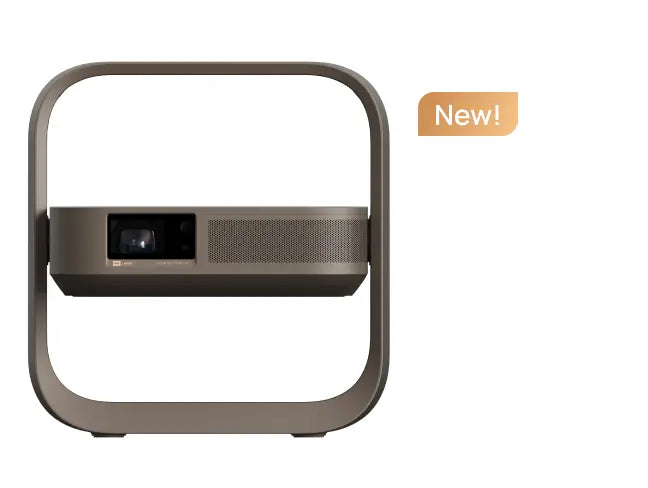
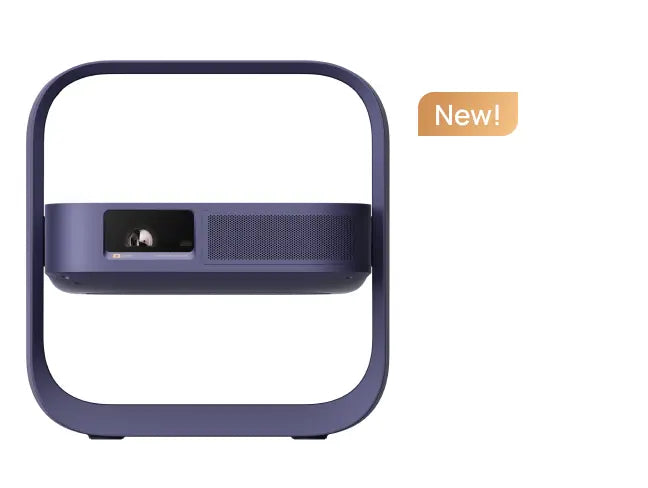
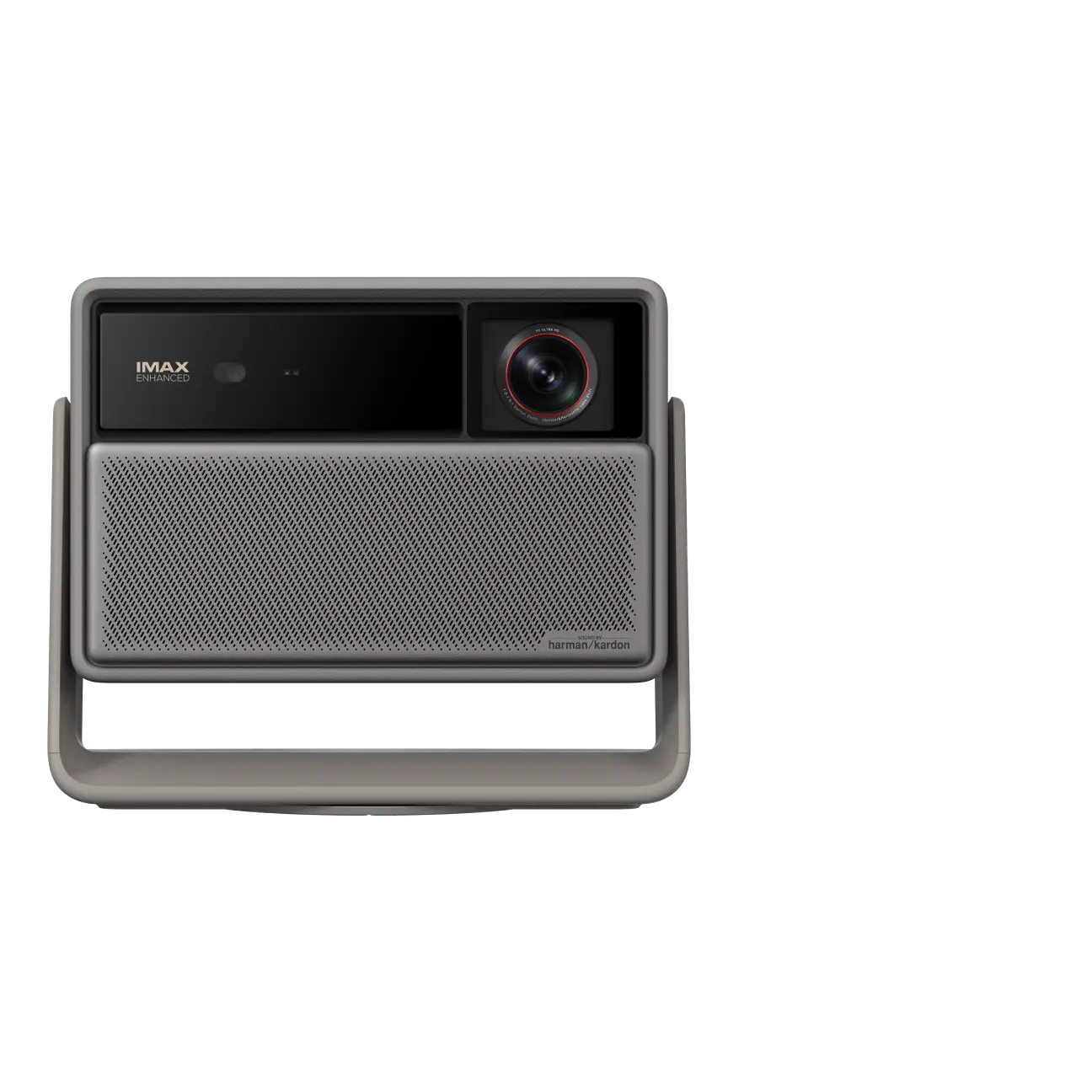
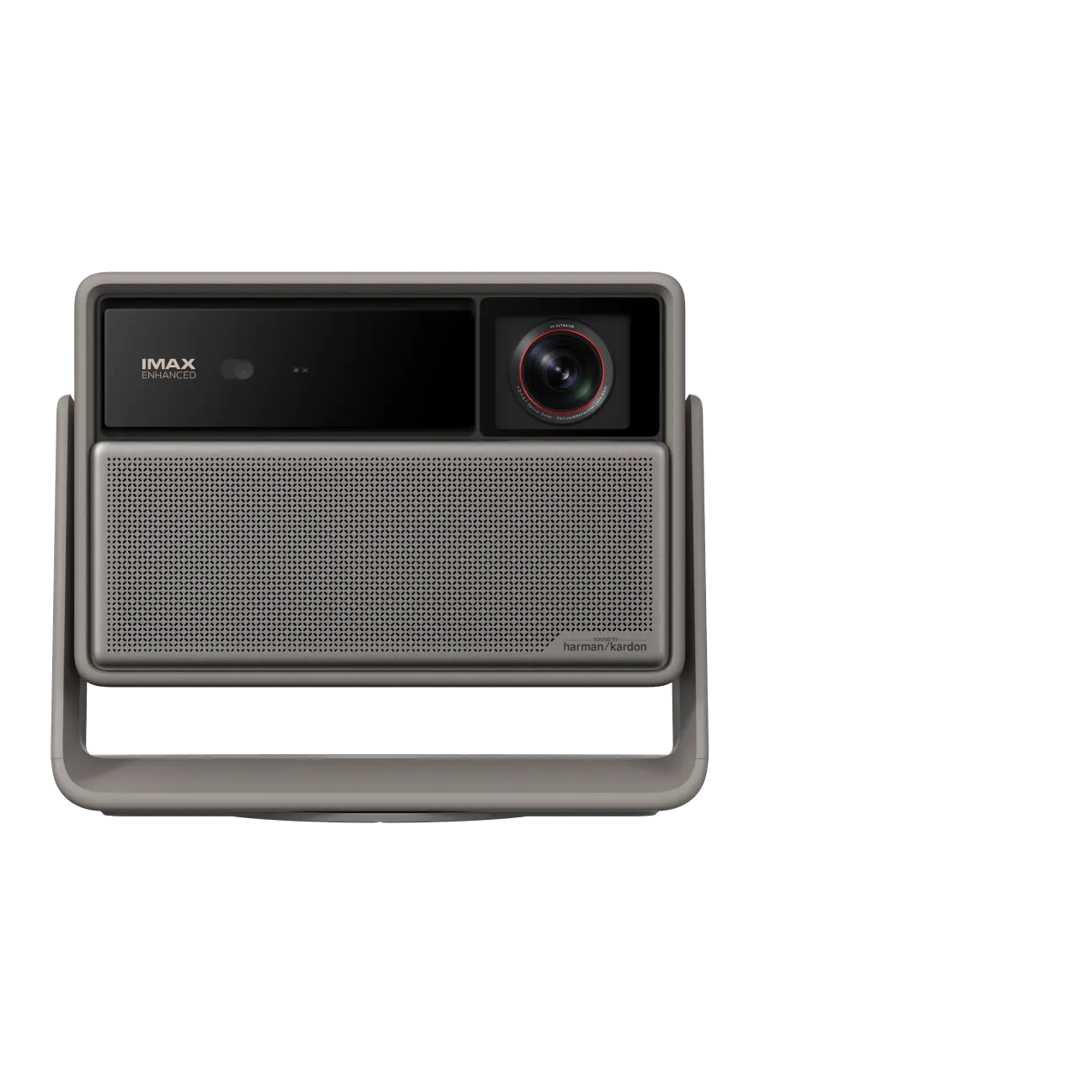
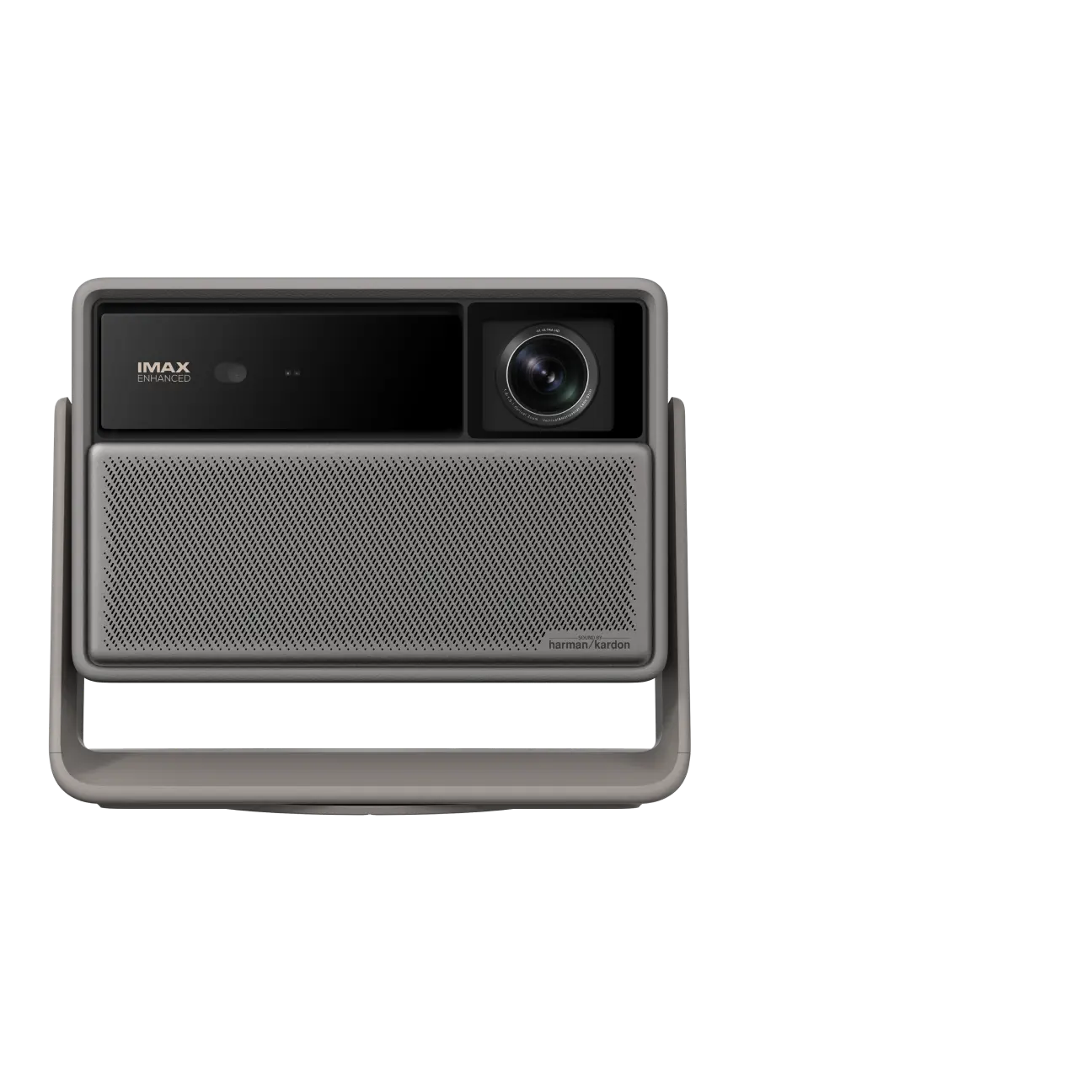
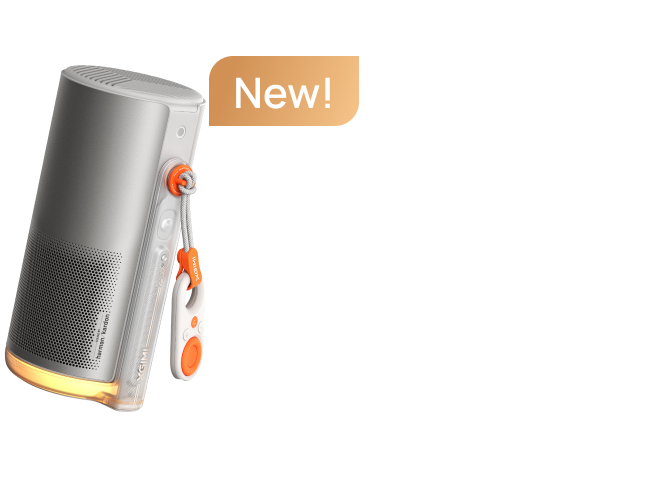
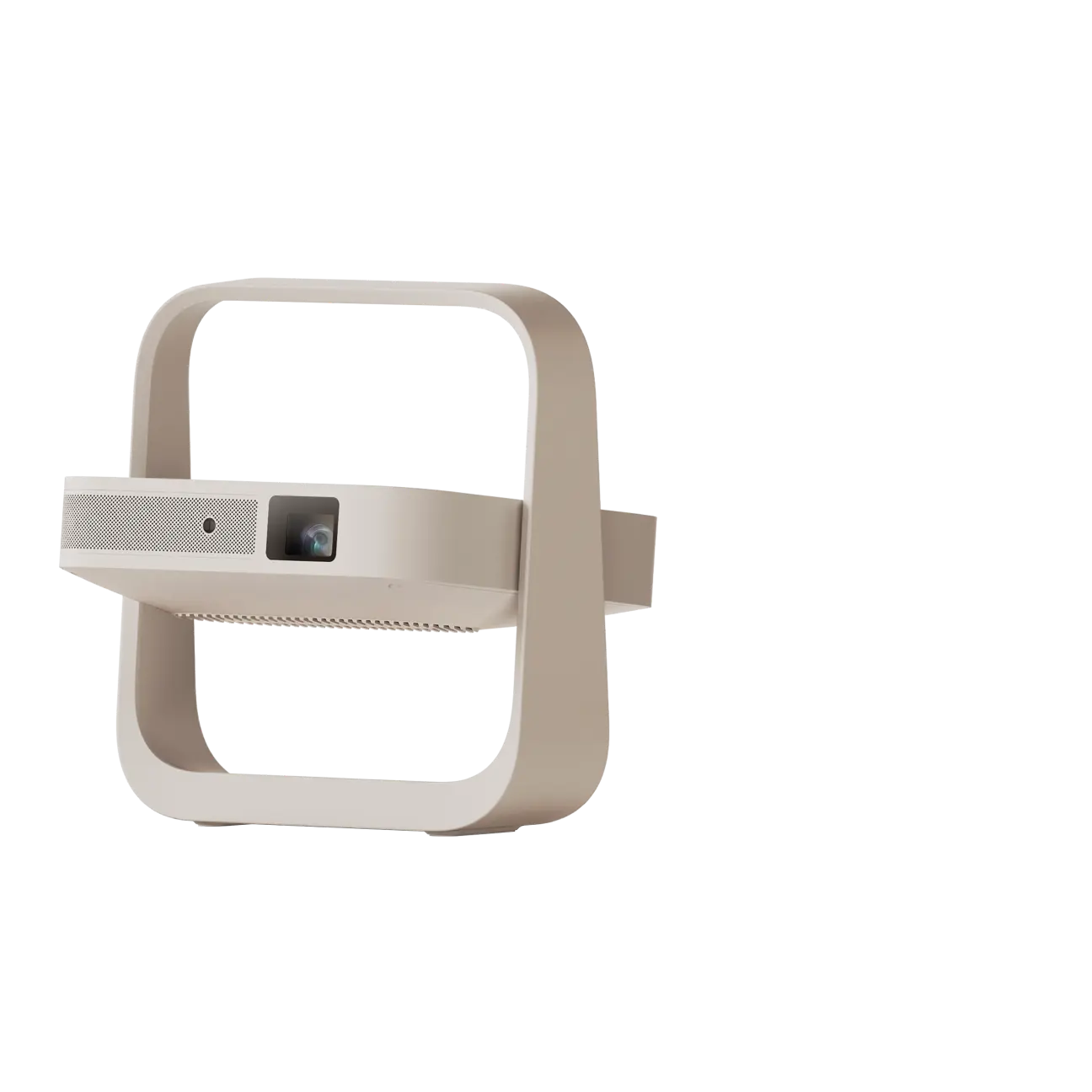
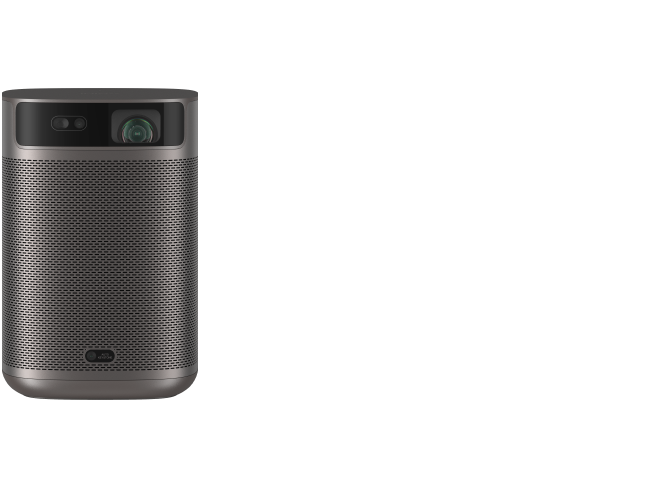
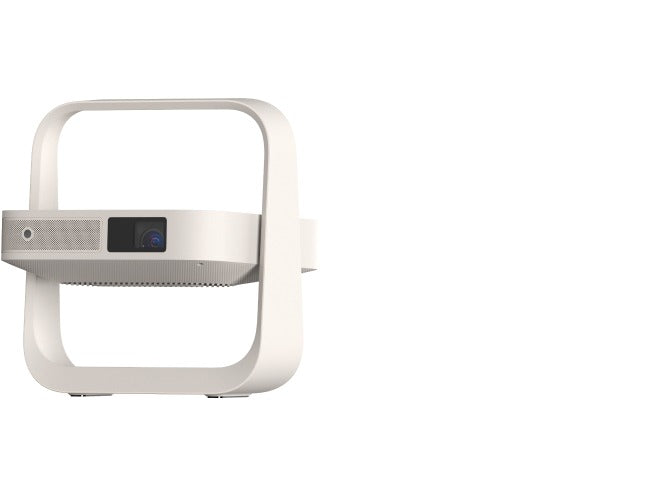
For more on choosing hardware optimized for responsive gaming, see our guide to low latency gaming projectors. If you're exploring portable options that still prioritize performance, the HORIZON S Max and other models in the HORIZON S Series offer gaming-focused features worth evaluating for your space.

Common Pitfalls and Final Recommendations
Many players regret choosing a projector for fighting games when they discover the added setup time or occasional alignment adjustments disrupt their practice flow. The large-screen immersion loses appeal if inputs consistently feel one step behind.
The hidden costs usually involve more than raw milliseconds. They include extra processing in non-game modes, variable latency across different content types, and the effort required to maintain optimal projector positioning.
Ultimately, modern projectors have narrowed the gap significantly. Many casual and social fighting game players enjoy them without issue. Competitive players should still default to monitors unless they find a specific projector that measures competitively in their exact configuration.
Test your setup thoroughly with training mode combos and reaction drills. If the timing feels off compared with your previous monitor, the numbers on paper may not tell the whole story. Prioritize your personal feel and the type of play you enjoy most.
Whether you choose a projector or monitor, focus on minimizing the entire chain's latency and maintaining consistent conditions. That approach delivers the most reliable fighting game experience regardless of screen size.


